
5 Key Engineering Challenges in Building the Biggest Battery Storage in the World
The global transition toward renewable energy sources has changed how electrical grids operate. As wind and solar power generation increases, the inherent intermittency of these sources presents significant challenges to grid stability. To mitigate these fluctuations, utility companies and grid operators are turning to utility-scale Battery Energy Storage Systems (BESS). The pursuit of building the biggest battery storage in the world is not merely a race for scale, but a necessary response to the demand for reliable, high-capacity grid-firming infrastructure. These massive installations act as giant shock absorbers for the electrical grid, storing excess energy during peak generation and discharging it when demand surges.
Designing, manufacturing, and deploying energy storage systems at a multi-gigawatt-hour scale requires solving complex engineering challenges. From electrochemical selection and thermal management to high-voltage system architecture and software integration, every layer must be engineered for long-term safety and efficiency. Companies like CNTE (Contemporary Nebula Technology Energy Co., Ltd.) are playing a major role in this sector by developing advanced energy storage hardware and intelligent integration technologies that allow grid operators to deploy large-scale storage assets safely and cost-effectively.
The Architectural Foundations of Utility-Scale Battery Storage
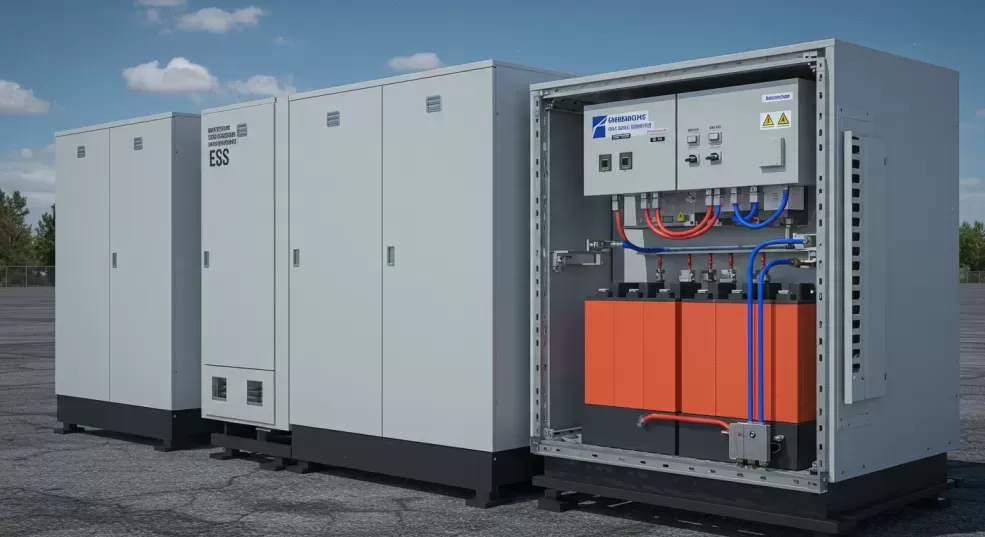
To understand what makes the biggest battery storage in the world functional, it is necessary to examine the physical and electrical architecture of these mega-facilities. A utility-scale BESS is not a single giant battery, but a highly structured network of thousands of individual battery cells organized into modules, racks, and containerized enclosures, all coordinated by complex power electronics and control systems.
Cell Chemistry and Battery Selection
The choice of battery chemistry is the first decisive factor in large-scale system design. Lithium Iron Phosphate (LFP) has emerged as the industry standard for utility-scale applications, replacing Nickel Manganese Cobalt (NMC) in most new installations. LFP offers several advantages that are vital for grid-scale installations:
Thermal Stability: LFP chemistry has a higher thermal runaway threshold compared to NMC, reducing the likelihood of catastrophic thermal events.
Cycle Life: LFP cells can withstand between 6,000 to 10,000 charge-discharge cycles before capacity drops to 80% of its original rating, ensuring a lower total cost of ownership over a 15-to-20-year operational lifespan.
Resource Availability: LFP does not rely on cobalt or nickel, which are subject to supply chain volatility and ethical sourcing concerns.
Power Conversion Systems (PCS)
Batteries store energy as Direct Current (DC), whereas transmission grids operate on Alternating Current (AC). The Power Conversion System (PCS), or bi-directional inverter, is the bridge between these two domains. In projects aiming to match or exceed the capacity of the biggest battery storage in the world, the efficiency and response time of the PCS are paramount. Modern systems utilize high-efficiency silicon carbide (SiC) or insulated-gate bipolar transistor (IGBT) technology to minimize conversion losses, which typically represent 2% to 4% of total energy throughout. These inverters must support grid-forming capabilities, allowing them to establish a stable voltage and frequency reference in the event of a total grid blackout.
Thermal Management: Preventing Thermal Runaway at Scale
As the capacity of energy storage installations grows, thermal management becomes one of the most significant engineering challenges. A battery rack operating at high charge or discharge rates generates substantial internal heat. If this heat is not dissipated uniformly, it can lead to localized hot spots, accelerated cell degradation, and, in worst-case scenarios, thermal runaway.
Liquid Cooling vs. Forced Air Cooling
Traditional utility-scale systems relied on forced air cooling, utilizing large HVAC units to circulate conditioned air through the battery containers. While simple, air cooling is inefficient and struggles to maintain uniform temperatures across thousands of dense battery cells. Modern mega-scale projects have transitioned almost exclusively to liquid cooling systems.
Liquid cooling utilizes a closed-loop system where a coolant (typically a water-glycol mixture) is pumped through cold plates placed in direct contact with the battery cells or modules. This method delivers a heat transfer coefficient up to ten times higher than air cooling. By maintaining a cell-to-cell temperature differential of less than 3 degrees Celsius, liquid cooling extends the operational life of the battery pack and maintains high system efficiency even under continuous high-current operation.
Multi-Tier Safety and Fire Suppression
Safety engineering for large installations involves a multi-tier containment strategy designed to mitigate thermal runaway before it can spread between adjacent cells, modules, or containers. Safety protocols typically include:
Early Detection Sensors: Off-gas detection systems that identify trace amounts of carbon monoxide, hydrogen, and other hydrocarbons released during the initial stages of cell venting, long before temperature or voltage anomalies are detected by the Battery Management System (BMS).
Module-Level Isolation: Structural barriers and thermal insulation materials placed between individual cells and modules to prevent heat propagation from an affected cell to its neighbors.
Automated Fire Suppression: Environmentally friendly clean-agent gas suppression systems (such as Novec 1230 or FM-200) coupled with backup water-deluge systems designed to cool the system rapidly if a thermal event escalates.
Grid Integration and Ancillary Services
Installing the biggest battery storage in the world is not simply about storing excess energy; it is about providing the electrical grid with the dynamic services required to maintain operational equilibrium. Transmission system operators utilize large-scale energy storage assets for several distinct applications.
Frequency Regulation and Response
Electrical grids must maintain a precise frequency (usually 50 Hz or 60 Hz). Any imbalance between power generation and load demand causes the frequency to fluctuate. Traditional thermal power plants require minutes to ramp up or down to correct these imbalances. Large-scale BESS assets can respond to frequency deviations in milliseconds, absorbing or injecting power almost instantaneously to stabilize the grid. This rapid response capability is a primary driver behind the deployment of high-capacity energy storage systems.
Capacity Firming and Peak Shaving
During peak demand hours, grid operators frequently rely on expensive, high-emission "peaker" plants to meet electricity needs. BESS installations enable peak shaving by charging during periods of low demand (when electricity prices and emissions are low) and discharging during peak demand hours. This shifts the load profile of the grid, reducing the need for fossil-fuel-burning peaking generation and deferring costly upgrades to transmission and distribution infrastructure.
The Role of CNTE in High-Capacity Battery Energy Storage Solutions
Developing systems that rival the biggest battery storage in the world requires continuous innovation in integration, software coordination, and structural safety. CNTE (Contemporary Nebula Technology Energy Co., Ltd.) has positioned itself as a major provider of smart energy storage solutions, addressing the specific challenges of utility-scale, commercial, and industrial applications.
CNTE focuses on delivering fully integrated BESS platforms that combine high-density battery enclosures with advanced liquid cooling systems and intelligent battery management. By leveraging a comprehensive understanding of cell-level performance and system-level thermal behavior, CNTE designs configurations that minimize degradation and maximize round-trip efficiency. Their solutions are engineered to withstand diverse environmental conditions, from arid deserts with extreme temperature swings to humid coastal installations, ensuring consistent performance throughout the asset's lifecycle.
A key aspect of CNTE's methodology is the integration of advanced diagnostic software. Their Energy Management Systems (EMS) utilize predictive algorithms to monitor the State of Health (SoH) and State of Charge (SoC) of each battery rack in real-time. This predictive maintenance capability allows operators to identify potential issues before they lead to system downtime or safety hazards, ensuring the highest possible availability of the energy storage asset.
Future Trends in Grid-Scale Energy Storage
The race to build and operate the biggest battery storage in the world is driving rapid evolutionary changes in BESS technology. Over the next decade, several key trends will shape the design and deployment of utility-scale energy storage assets.
Higher Voltage DC Bus Architectures
To reduce electrical losses and lower installation costs, the industry is transitioning from 1000V DC system architectures to 1500V DC and higher systems. Operating at a higher voltage allows for longer battery strings and fewer power conversion systems, resulting in reduced cabling costs, lower system weight, and improved overall conversion efficiency. This change requires highly specialized insulation, switchgear, and safety components designed to handle high DC voltages safely.
Long-Duration Energy Storage (LDES)
While lithium-ion batteries dominate the current market for short-duration application windows (1 to 4 hours), the complete decarbonization of the grid will require energy storage systems capable of discharging power over 8, 12, or even 24 hours. Research and development are focused on scaling up long-duration storage technologies, including flow batteries (such as vanadium redox flow systems), iron-air batteries, and advanced thermal storage, which may eventually complement lithium-ion systems in the largest utility-scale installations.
Custom Utility and Industrial Storage Solutions
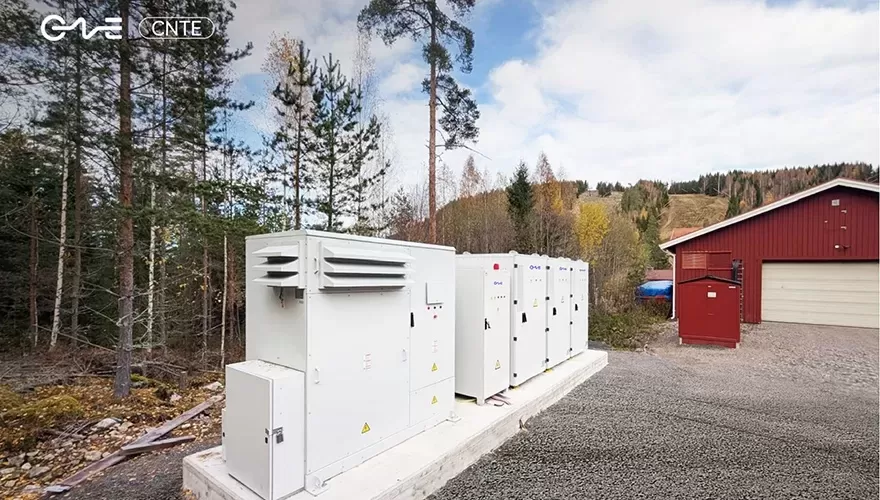
Implementing large-scale energy storage systems requires a deep understanding of local grid codes, environmental constraints, and specific operational profiles. Whether you are developing a gigawatt-scale grid-stabilization project or integrating renewable generation with commercial operations, selecting the right integration partner is essential for project success.
CNTE provides customized, end-to-end energy storage systems designed to meet the rigorous safety, efficiency, and longevity requirements of modern utility and industrial applications. If you are planning a utility-scale energy storage development or seek to improve your local grid stability, please contact our engineering team to submit an Inquiry. We will work closely with your organization to design a solution tailored to your operational goals.
Frequently Asked Questions
Q1: What defines the biggest battery storage in the world in terms of metrics?
A1: The size and scale of a battery storage facility are typically measured using two key metrics: power capacity (megawatts, MW) and energy capacity (megawatthours, MWh). Power capacity indicates the maximum rate of discharge the system can deliver to the grid at any given moment, while energy capacity measures the total amount of energy the system can store and discharge over a specific period. The largest facilities currently operational or under construction feature power capacities exceeding hundreds of megawatts and energy capacities reaching multiple gigawatthours.
Q2: Why is liquid cooling preferred over air cooling in large-scale battery storage installations?
A2: Liquid cooling is preferred because of its superior thermal conductivity and efficiency. It allows for precise temperature regulation across all battery cells within an enclosure, keeping temperature variations to a minimum. This prevents localized heat buildup, reduces cell degradation, extends the lifespan of the battery asset, and decreases the auxiliary energy consumption of the HVAC systems, which is vital for maintaining high round-trip efficiency in large-scale installations.
Q3: How do grid-forming inverters differ from traditional grid-following inverters?
A3: Grid-following inverters require an existing external voltage and frequency reference from the main grid to operate and inject power. In contrast, grid-forming inverters can act as an independent voltage source, establishing a stable grid frequency and voltage profile on their own. This capability is vital for black-starting decommissioned areas of the grid and stabilizing weak power systems with high levels of variable renewable energy.
Q4: How does CNTE ensure safety in its utility-scale battery storage solutions?
A4: CNTE utilizes a multi-layered safety framework that integrates advanced hardware design with smart monitoring systems. This includes high-safety LFP cell chemistry, precise liquid cooling to prevent thermal imbalances, automated early detection sensors that monitor off-gases, module-level thermal isolation to prevent propagation, and custom fire suppression systems. Additionally, CNTE's proprietary Battery Management System (BMS) continuously monitors cell parameters to identify and isolate anomalies before they escalate.
Q5: What is the expected lifespan of a utility-scale BESS?
A5: A modern utility-scale battery energy storage system designed with LFP technology typically has an operational lifespan of 15 to 20 years. This lifespan is heavily dependent on the cycle rate, depth of discharge, thermal management efficiency, and operational maintenance. With robust thermal regulation and predictive management software, the cells can achieve 6,000 to 10,000 complete charge-discharge cycles before their capacity degrades to 80% of their initial value.
Get in Touch
Recent Posts
-
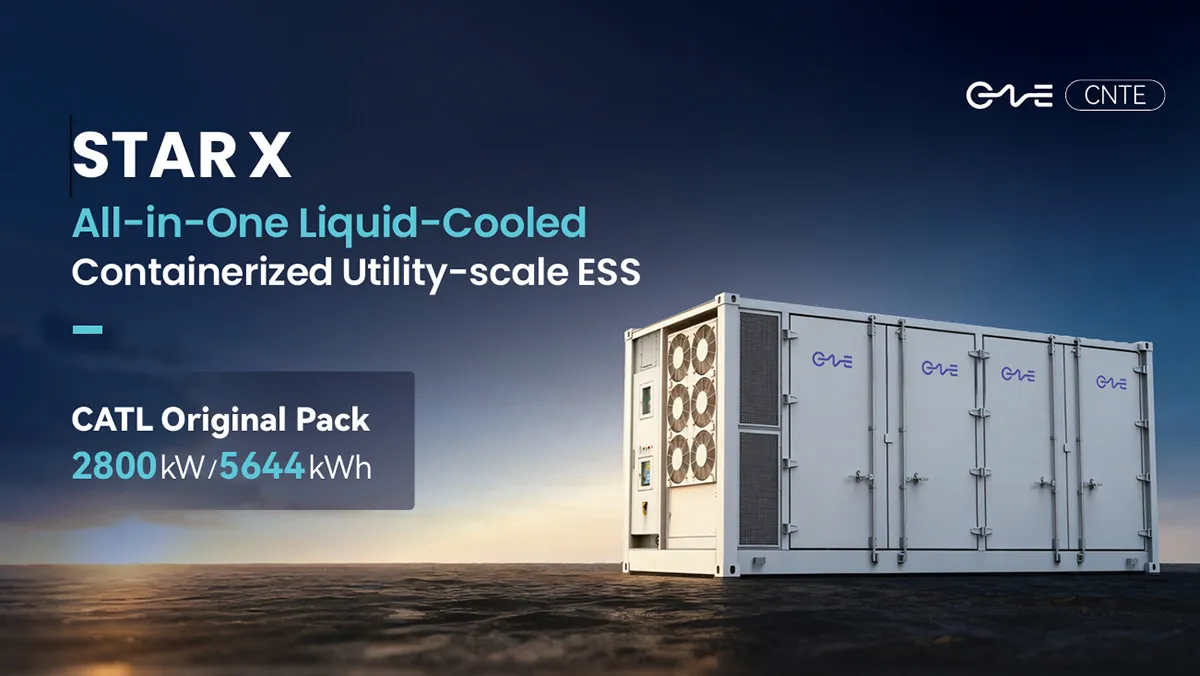
CNTE Launches STAR X Liquid-Cooled DC/AC Integrated Energy Storage System at Intersolar Europe 2026
Jul 06, 2026 -
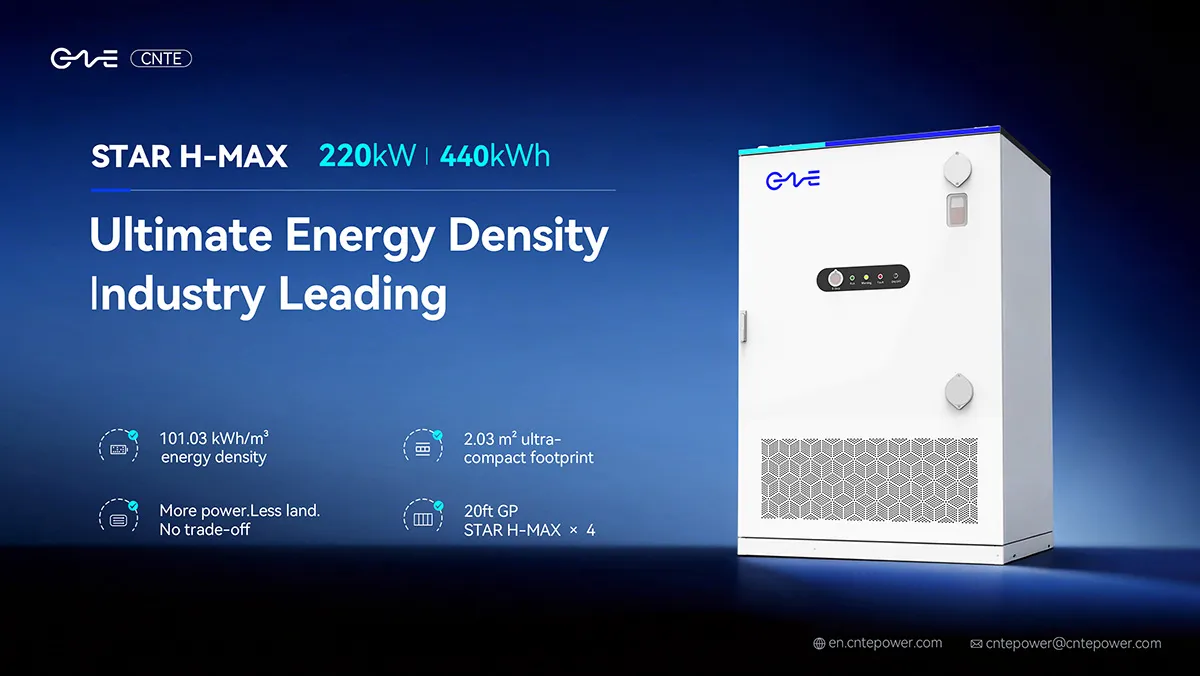
CNTE Unveils New STAR H-MAX Liquid-Cooled C&I ESS at Intersolar Europe 2026
Jun 23, 2026 -
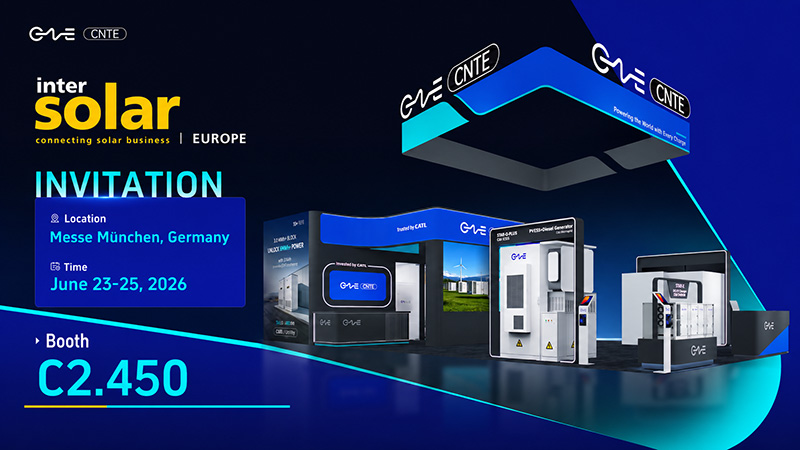
CNTE to Participate in Intersolar Europe 2026
May 20, 2026 -
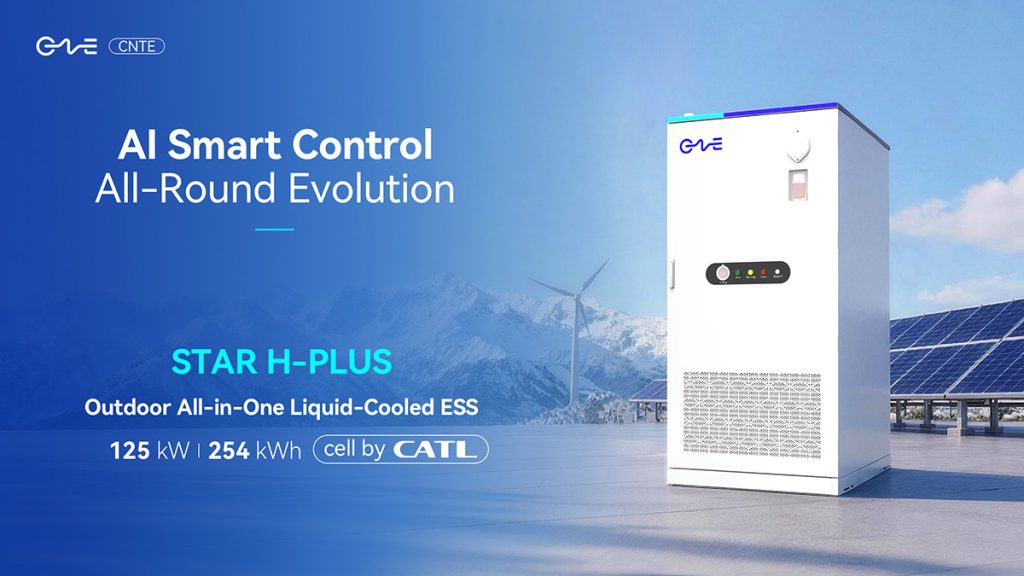
CNTE at KEY ENERGY 2026: Showcases STAR H-PLUS Outdoor Liquid-Cooled Energy Storage System
Mar 05, 2026 -

CNTE Honored as 2025 Forbes China Leading Global Brand
Jul 06, 2026 -

CNTE & YOU.ON Partner to Expand Storage Markets
May 19, 2025 -
CNTE Unveils Energy Storage Lineup at Solartech 2025
May 19, 2025 -
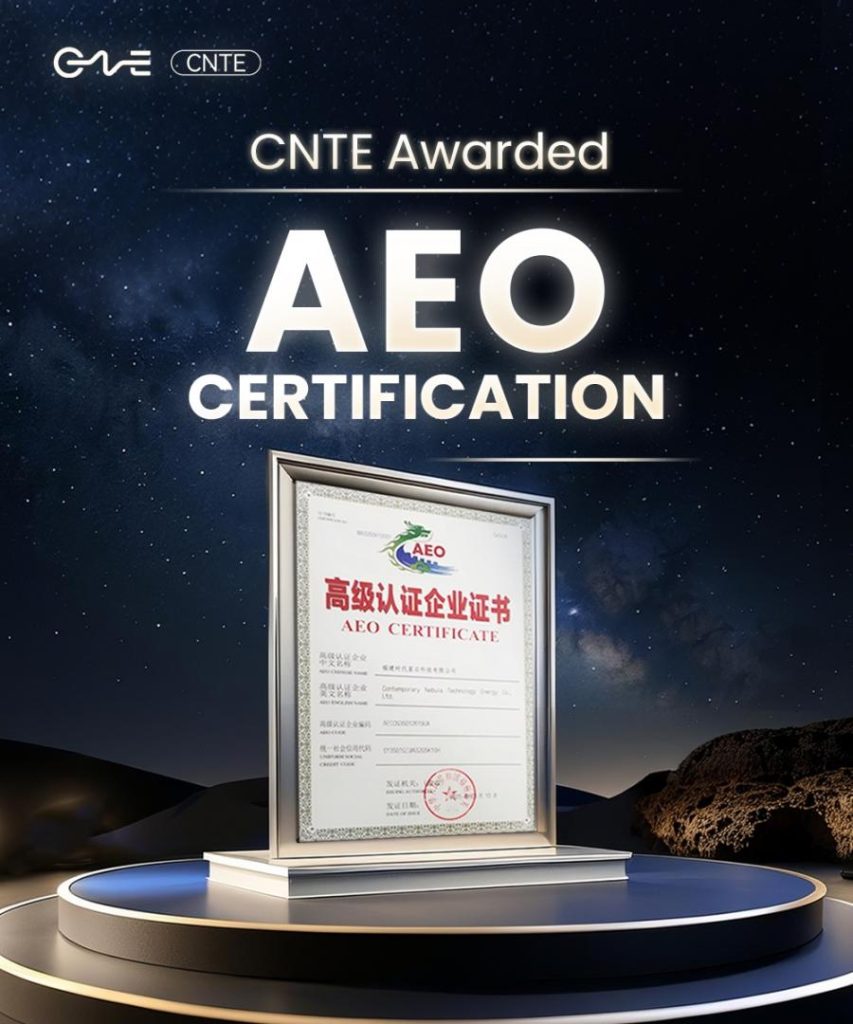
CNTE awarded AEO certification
Jul 06, 2026 -
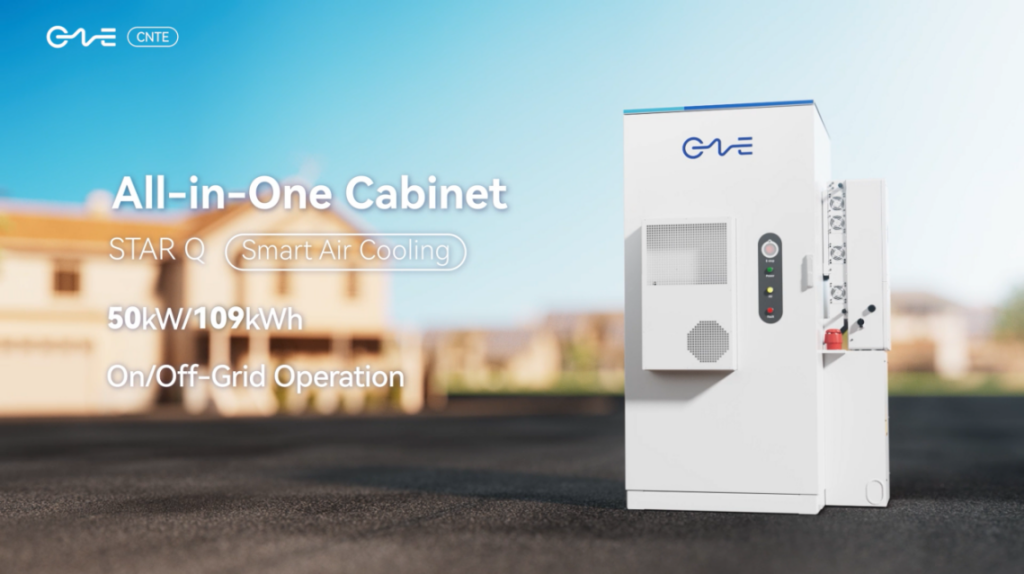
CNTE New Product Launch STAR Q
Jan 15, 2025 -
CNTE Named to Forbes China 2024 Top 30 Go-International Brands
Jul 06, 2026
