
How Does Bess Grid Integration Resolve Renewable Energy Intermittency?
Modern electricity networks are undergoing a fundamental transformation. Transitioning from centralized fossil fuel generation to distributed renewable energy sources introduces substantial operational challenges. Wind and solar resources are inherently variable, creating frequent mismatches between power generation and consumer demand. To address these variations, grid operators require robust, rapid-response energy storage solutions. A primary tool in this transition is the utility-scale bess grid system, which serves as a flexible buffer to stabilize supply and demand dynamics.
Contemporary Nebula Technology Energy Co., Ltd. (CNTE) develops advanced energy storage systems designed to integrate with transmission and distribution networks. These solutions allow operators to stabilize voltage, manage peak demand, and balance loads. By storing excess energy during periods of high production and discharging it when generation drops, modern energy storage helps utility providers maintain a constant, reliable supply of electricity across the network.
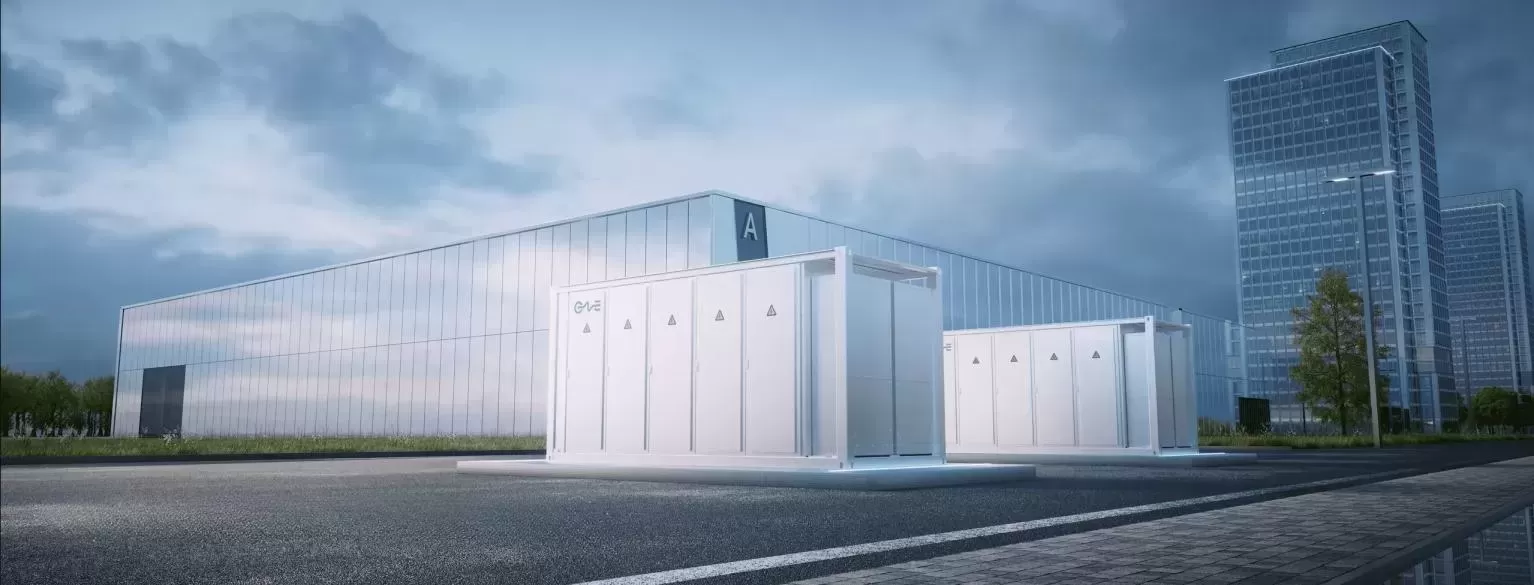
The Role of Bess Grid Systems in Power Network Stability
Maintaining a stable electrical network requires continuous, real-time adjustments. Traditional power systems relied on the rotational inertia of large steam and gas turbines to absorb sudden changes in supply or demand. As these thermal plants are decommissioned, utility networks lose this natural physical buffering capacity. A utility-scale bess grid deployment acts as a synthetic equivalent to this physical inertia, offering millisecond-range response times to stabilize system frequency and voltage.
These large-scale battery systems provide several operational services that support grid health. By operating at the transmission and distribution levels, they mitigate local congestion, prevent thermal overload of transmission lines, and defer expensive upgrades to existing physical infrastructure. The versatility of these systems makes them a vital component for utility companies aiming to modernize their networks.
Frequency Response and Active Power Balancing
Frequency deviations occur when there is an imbalance between generation and load. If a large generator goes offline, grid frequency drops rapidly. To prevent widespread outages, energy storage systems configured for bess grid applications must inject active power into the network within milliseconds. This rapid response, often referred to as Fast Frequency Response (FFR), prevents the frequency from falling below safe operational thresholds, giving slower-starting backup generators time to synchronize with the network.
Voltage Support and Reactive Power Compensation
In addition to active power management, voltage stability is necessary for efficient power transmission. Modern energy storage systems utilize advanced power conversion systems (PCS) capable of four-quadrant operation. This capability allows the system to inject or absorb reactive power independently of active power. By dynamically adjusting reactive power output at the point of common coupling, the storage installation stabilizes local voltage profiles and improves overall power quality.
Engineering Specifications of Modern Energy Storage Platforms
To deliver reliable service over a decade or more, utility-scale storage systems require sophisticated engineering across multiple subsystems. This includes battery cell chemistry selection, liquid thermal management, and intelligent battery management systems (BMS). CNTE focuses on integrating these components into cohesive, high-efficiency platforms that withstand rigorous operational profiles.
| Subsystem Component | Standard Configuration | CNTE Advanced Configuration | Operational Benefit |
|---|---|---|---|
| Battery Chemistry | Standard Lithium Iron Phosphate (LFP) | High-Density LFP with Active Balancing | Extended lifecycle and enhanced thermal safety |
| Thermal Management | Forced Air Cooling | Liquid Cooling with Smart Flow Control | Uniform cell temperature and minimized auxiliary power consumption |
| System Voltage | 1000 VDC | 1500 VDC System Architecture | Higher energy density and lower balance of plant costs |
| BMS Integration | Passive Balancing | Three-Tier Active Balancing BMS | Prevention of localized cell degradation and maximized usable capacity |
The transition from 1000 VDC to 1500 VDC system architecture represents a major industry trend. High-voltage designs reduce the required current for the same power output, which minimizes cable losses and allows for the consolidation of power conversion hardware. This architectural choice lowers installation costs and improves the round-trip efficiency of the entire installation.
Key Challenges in Bess Grid Deployment and Engineering Solutions
Deploying a utility-scale energy storage system involves navigating complex environmental and operational conditions. High battery degradation rates, thermal runaway concerns, and integration complexities can limit the effectiveness of an installation if not addressed during the engineering phase.
Thermal management is one of the most significant factors influencing battery lifespan. Batteries operating at elevated temperatures degrade rapidly, leading to loss of capacity and shortened operational life. Conversely, uneven temperature distribution within a containerized system causes individual cells to age at different rates, reducing the overall usable capacity of the entire pack.
Liquid Cooling Systems: Instead of relying on traditional air-conditioning, modern systems utilize closed-loop liquid cooling. This method circulates coolant directly through cold plates in contact with the battery cells, maintaining temperature variations across the entire system within 3 degrees Celsius.
Multi-Level Safety Protection: Preventing thermal runaway requires early detection and containment. Modern enclosures incorporate gas detection systems, automated ventilation, and clean-agent fire suppression systems alongside structural fire barriers between cell compartments.
Advanced BMS Algorithms: The battery management system continuously monitors parameters such as state of charge (SoC), state of health (SoH), and internal resistance. This real-time data allows the system to balance charging currents and prevent overcharging or deep discharging of vulnerable cells.
By implementing these robust engineering practices, CNTE ensures that its battery installations maintain high availability and operational reliability, even under continuous, heavy cycling profiles required by utility operators.
Economic Integration and Revenue Stacking for Utilities
The financial viability of a utility-scale storage installation relies on its ability to generate multiple revenue streams, a practice known as revenue stacking. A dedicated bess grid asset can perform different tasks depending on market conditions, utility needs, and seasonal demand profiles, maximizing return on investment.
During hours of low demand and high solar generation, the system stores energy at low or negative wholesale prices. This stored energy is then dispatched back to the grid during peak evening hours when electricity prices are highest, a process known as energy arbitrage. Simultaneously, the asset can participate in local ancillary service markets, providing operating reserves and frequency regulation services to grid operators.
Another financial benefit is capacity firming. Renewable energy producers can pair wind or solar farms with storage to guarantee a specific power output level to the grid. This integration reduces penalties associated with generation shortfalls and allows developers to sign more favorable power purchase agreements (PPAs).
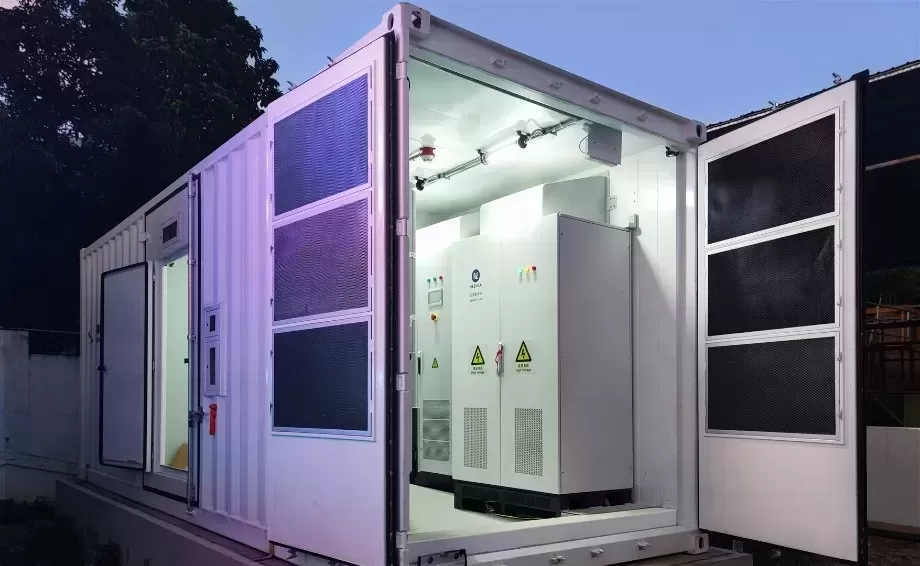
How CNTE Enhances Bess Grid Reliability and Performance
CNTE delivers integrated energy storage hardware and software designed specifically for utility applications. By manufacturing high-durability battery systems and integrating them with smart power conversion and monitoring technologies, CNTE addresses the precise needs of transmission and distribution operators.
The company focuses on system-level integration, ensuring that battery cells, liquid cooling units, fire safety systems, and management software function as a single unit. This holistic design philosophy reduces on-site installation times, minimizes compatibility issues, and ensures consistent performance throughout the lifetime of the asset. Whether deployed for renewable integration, substations, or microgrids, CNTE products are built to withstand demanding utility environments.
Inquiry and Custom Engineering Solutions
Selecting the right storage architecture requires comprehensive analysis of localized grid conditions, duty cycles, and regulatory requirements. Our engineering team at CNTE works closely with utility providers, independent power producers, and grid operators to design optimized, high-performance energy storage installations tailored to specific system profiles.
To learn more about how our advanced systems can support your network stabilization, capacity firming, or ancillary service integration, please contact our technical sales team. We invite you to submit an inquiry with your project specifications, and our specialists will provide a detailed feasibility analysis and system configuration proposal to meet your operational requirements.
Frequently Asked Questions
Q1: What are the primary functions of a bess grid installation?
A1: A utility-scale storage system performs several functions to stabilize electrical networks. These include frequency regulation to balance momentary generation drops, voltage support via reactive power injection, peak shaving to reduce load on transmission assets during high-demand periods, and capacity firming to stabilize output from variable wind and solar installations.
Q2: How does liquid cooling compare to air cooling in utility-scale battery systems?
A2: Liquid cooling provides significantly higher heat transfer efficiency compared to air cooling. It allows for precise temperature regulation, keeping the temperature delta between individual battery cells within a narrow margin of 3 degrees Celsius. This uniform temperature distribution reduces uneven cell degradation, extends overall battery life, and lowers the auxiliary power required for thermal management.
Q3: Why is 1500 VDC system architecture preferred over 1000 VDC for grid-scale storage?
A3: A 1500 VDC architecture increases system energy density and reduces balance of plant costs. By operating at a higher voltage, the system requires less current to achieve the same power output. This reduces the cross-sectional area of the cabling needed, lowers transmission losses, and allows for the integration of larger, more cost-effective power conversion systems.
Q4: How does a battery energy storage system provide synthetic inertia to the grid?
A4: Traditional grids rely on the physical rotating mass of turbines to resist rapid changes in system frequency. A battery system paired with grid-forming inverters can mimic this behavior by rapidly adjusting active power output in response to frequency changes. This digital, millisecond-range response stabilizes the rate of change of frequency (RoCoF) and prevents grid instability before standard mechanical reserves can respond.
Q5: What measures are implemented to mitigate thermal runaway concerns in CNTE installations?
A5: CNTE implements a multi-tier safety system that includes gas detection, continuous cell-level monitoring via the BMS, and automatic localized ventilation. Additionally, containerized systems utilize specialized structural thermal barriers between battery compartments to prevent cell-to-cell propagation, alongside integrated clean-agent fire suppression systems designed for electrical and chemical containment.
Get in Touch
Recent Posts
-
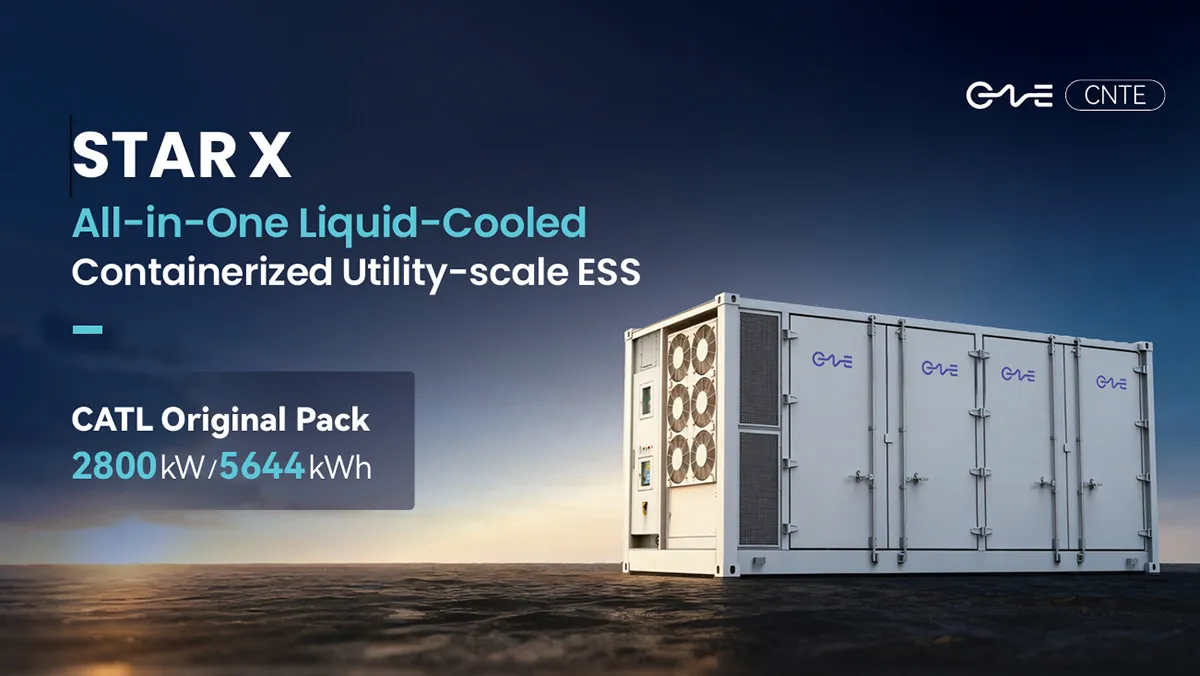
CNTE Launches STAR X Liquid-Cooled DC/AC Integrated Energy Storage System at Intersolar Europe 2026
Jul 06, 2026 -
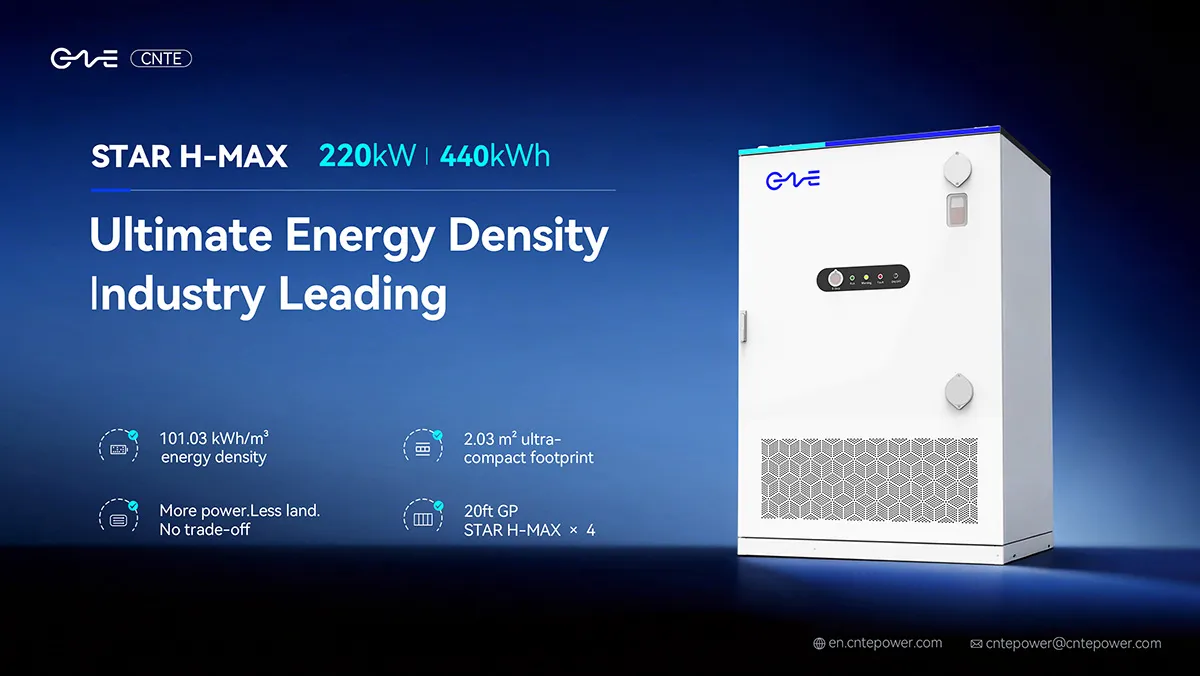
CNTE Unveils New STAR H-MAX Liquid-Cooled C&I ESS at Intersolar Europe 2026
Jun 23, 2026 -
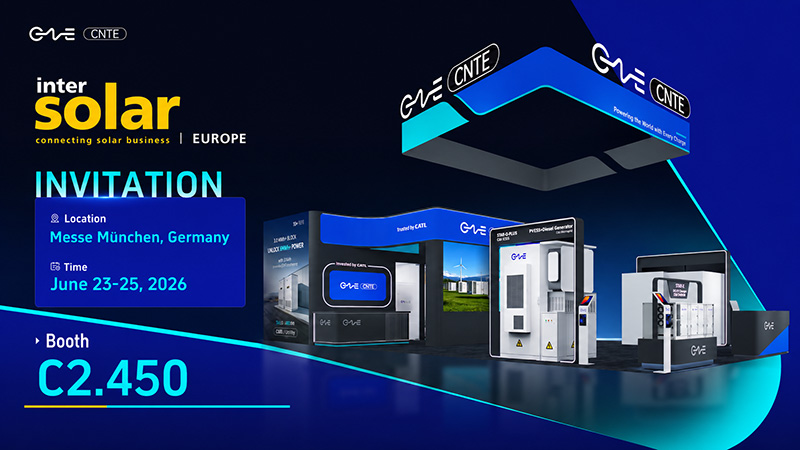
CNTE to Participate in Intersolar Europe 2026
May 20, 2026 -
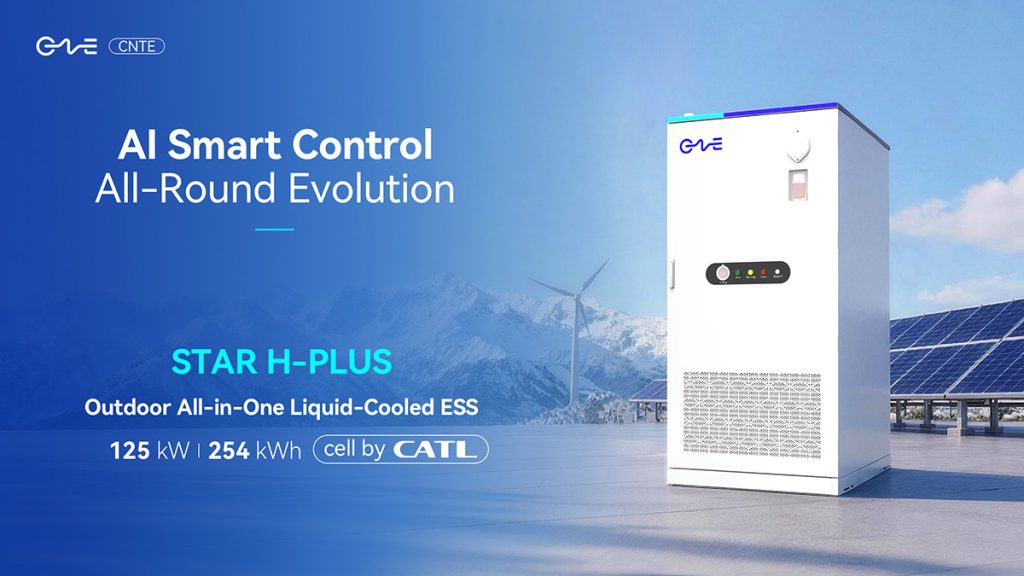
CNTE at KEY ENERGY 2026: Showcases STAR H-PLUS Outdoor Liquid-Cooled Energy Storage System
Mar 05, 2026 -

CNTE Honored as 2025 Forbes China Leading Global Brand
Jul 06, 2026 -

CNTE & YOU.ON Partner to Expand Storage Markets
May 19, 2025 -
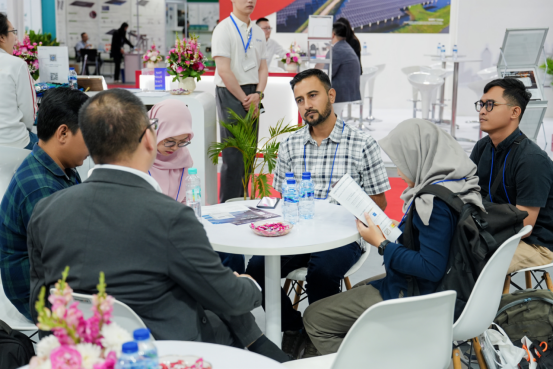
CNTE Unveils Energy Storage Lineup at Solartech 2025
May 19, 2025 -
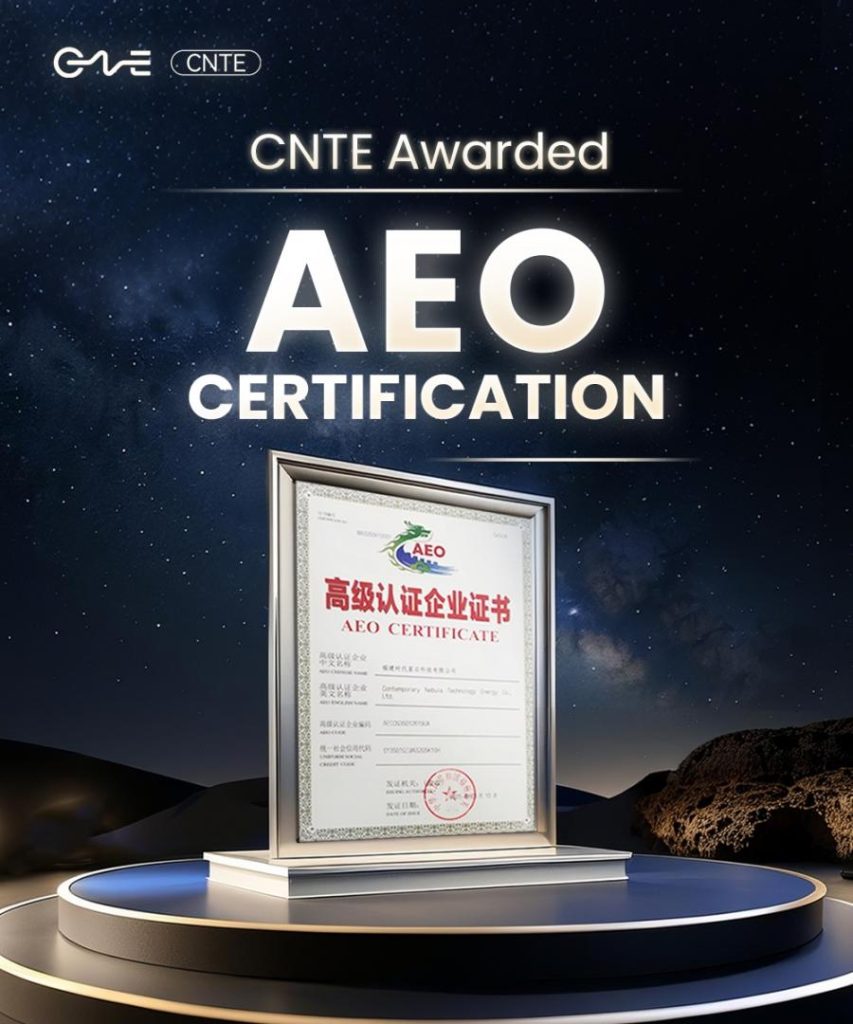
CNTE awarded AEO certification
Jul 06, 2026 -
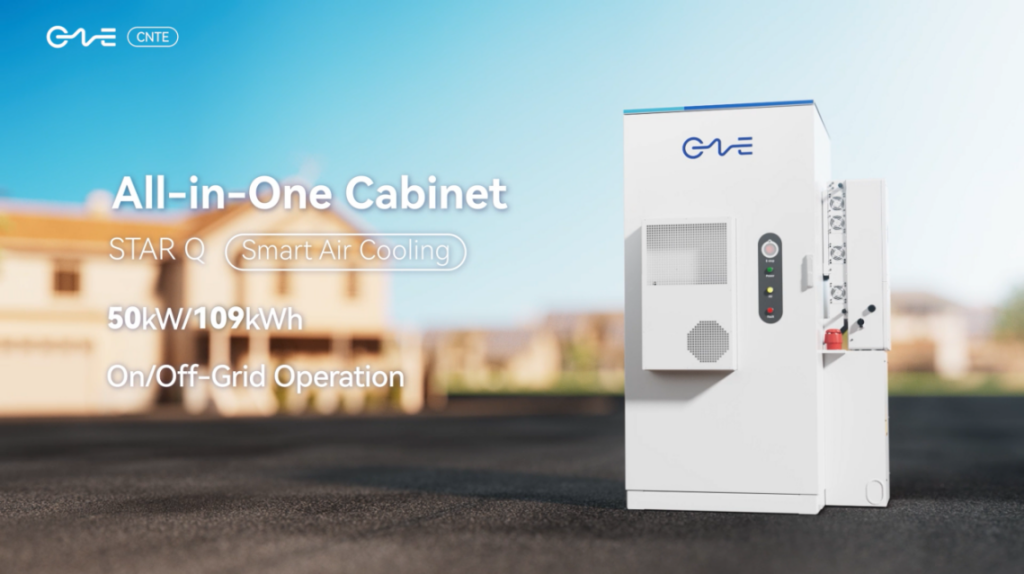
CNTE New Product Launch STAR Q
Jan 15, 2025 -
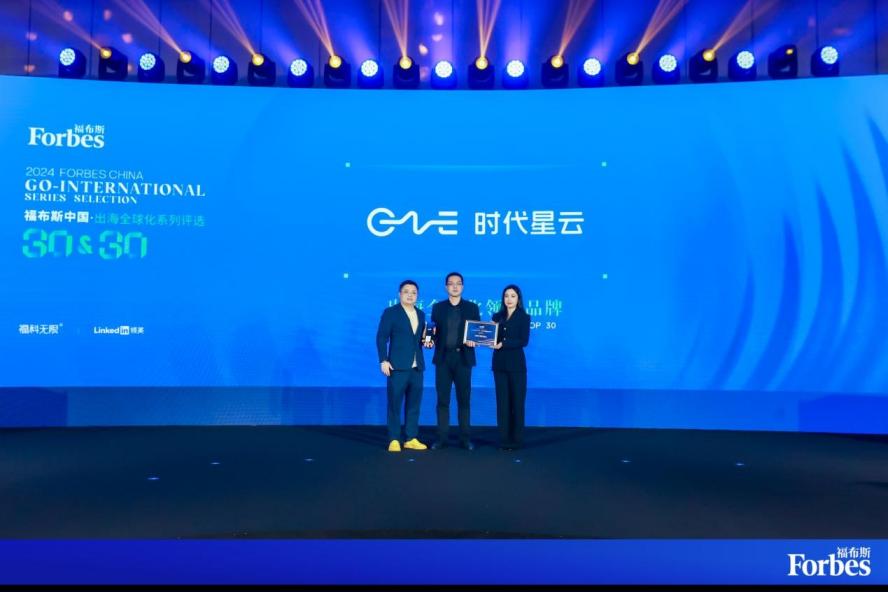
CNTE Named to Forbes China 2024 Top 30 Go-International Brands
Jul 06, 2026
