
5 Engineering Pillars Behind the World's Largest Battery Energy Storage System Installations
The transition toward decarbonized power grids relies heavily on the ability to store and dispatch electrical energy on demand. As wind and solar generation capacity increases, the inherent intermittency of these renewable sources introduces voltage fluctuations and frequency imbalances. To maintain grid stability, utility companies and independent power producers are increasingly deploying utility-scale energy storage assets. When looking at grid modernization, planning or implementing the largest battery energy storage system projects requires careful balancing of capacity, thermal safety, and integration efficiency.
Developing high-capacity installations involves more than simply scaling up smaller commercial systems. These installations require specialized engineering to manage high-voltage DC conversion, mitigate thermal runaway, and ensure seamless synchronization with high-voltage transmission networks. For organizations like CNTE (Contemporary Nebula Technology Energy Co., Ltd.), addressing these multi-megawatt challenges involves systematic engineering, from electrochemical cell selection to advanced battery management system hierarchy.
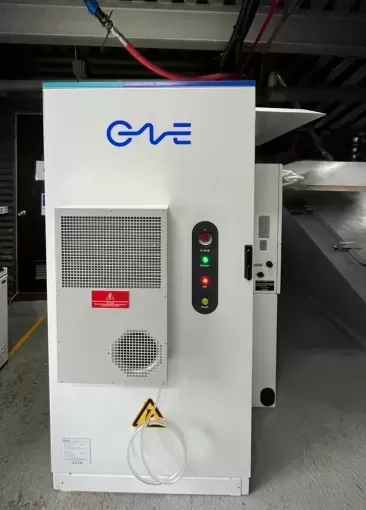
The Architecture of Multi-Megawatt Energy Storage
A utility-scale battery storage facility is a complex, multi-tiered assembly of electrochemical cells, power conversion systems, thermal management apparatus, and control software. To appreciate the scale, one must look at how these systems are structured from the cell level up to the point of common coupling with the transmission grid.
Cell Chemistry Selection: LFP vs. NMC
The foundational layer of any large-scale system is the battery cell. Historically, Nickel Manganese Cobalt (NMC) chemistries were favored for their high energy density. However, modern utility projects have shifted predominantly toward Lithium Iron Phosphate (LFP) chemistry. This shift is driven by specific operational advantages:
Thermal Stability: LFP cells have a higher thermal runaway threshold (approximately 270°C) compared to NMC (around 210°C), significantly reducing fire propagation risks in high-density configurations.
Degradation Rates: LFP offers superior cycle life, often exceeding 6,000 to 8,000 cycles at 80% Depth of Discharge (DoD), which is vital for project economics over a 15-to-20-year operational lifespan.
Material Sourcing: The absence of cobalt and nickel reduces supply chain volatility and aligns with corporate sustainability initiatives.
Power Conversion and Grid Integration
At the macro level, the chemical energy stored as Direct Current (DC) must be converted to Alternating Current (AC) for grid injection. This conversion is handled by utility-scale Power Conversion Systems (PCS), which are essentially bidirectional inverters. In mega-scale designs, these inverters are paired with step-up transformers to elevate voltages to transmission levels, typically ranging from 33 kV to 110 kV or higher.
The design choice between centralized and string inverters plays a significant role in system availability. Centralized inverters handle large blocks of power, offering high efficiency and simpler maintenance footprints. Conversely, string inverters distribute the conversion process across smaller battery clusters, isolating localized faults and preventing a single component failure from bringing down an entire array.
Engineering Barriers in the largest battery energy storage system Installations
As battery installations expand into hundreds of megawatt-hours, physical and electrical challenges scale exponentially. Addressing these issues requires systematic planning during the early design and engineering phases.
Thermal Runaway and Cascading Propagation
The primary concern for any massive battery installation is thermal runaway. When a single cell undergoes internal short-circuiting due to manufacturing defects, mechanical stress, or electrical abuse, it releases heat and flammable gases. In a densely packed container, this heat can easily transfer to adjacent cells, triggering a cascading failure that can destroy entire storage enclosures.
To mitigate this hazard, modern engineering designs employ multi-layered containment systems. These include structural thermal barriers between cells, localized fire suppression agents, and deflagration venting systems designed to release pressure before structural failure occurs. Furthermore, liquid-cooling plates are integrated directly into the battery modules to maintain uniform temperatures across all cells, keeping deviation within a narrow 2°C to 3°C window.
Grid Interconnection and Impedance Challenges
Connecting a massive battery array to the transmission grid introduces significant electrical challenges. High-capacity battery storage systems can alter the local grid impedance, leading to voltage instability or harmonic distortion if not managed correctly. Grid operators require these large installations to provide rapid frequency response, active power control, and reactive power compensation to maintain voltage stability.
Implementing grid-forming inverters, rather than standard grid-following inverters, has become a key design strategy. Grid-forming technology allows the battery system to act as a virtual synchronous generator, establishing voltage and frequency references independently. This capability is especially important in weak grids with low short-circuit ratios, where sudden load or generation shifts can otherwise cause blackouts.
All-Scenario Solutions for High-Capacity Deployments
Deploying energy storage across diverse environments—ranging from arid deserts to high-altitude or coastal areas—demands adaptable enclosure designs. External conditions such as extreme ambient temperatures, humidity, and corrosive salt air directly impact the life expectancy and efficiency of the system components.
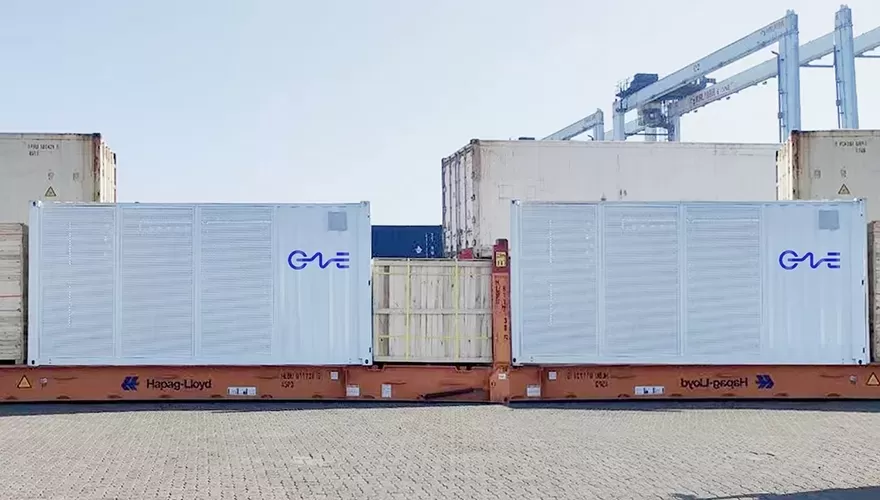
To ensure long-term reliability, containerized solutions must feature high-ingress protection ratings, typically IP55 or IP66, alongside robust anti-corrosion coatings (C5-M standard for marine environments). CNTE (Contemporary Nebula Technology Energy Co., Ltd.) addresses these demands by engineering modular liquid-cooled outdoor cabinets that isolate sensitive battery cells and power electronics from harsh environmental elements while optimizing space utilization.
Liquid cooling systems offer a significant space-saving advantage over traditional air-cooled setups. By utilizing a closed-loop coolant circulation system, engineers can pack cells more tightly within a standard ISO container, increasing energy density by up to 30% to 40% per square meter. This spatial efficiency is crucial when developing projects in regions with high land costs or limited physical footprints.
Operational Profiles of the largest battery energy storage system Projects
To justify the significant capital expenditure of these projects, developers must design systems capable of supporting multiple revenue streams, a practice known as value stacking. The operational profiles of these massive systems typically include several key functions:
Arbitrage (Peak Shaving): Storing low-cost energy during periods of high solar or wind generation and discharging it during peak demand windows when electricity prices are highest.
Frequency Regulation: Providing sub-second injection or absorption of power to stabilize grid frequency fluctuations. This requires high-performance Battery Management Systems (BMS) with rapid response times.
Capacity Markets: Acting as standby capacity to ensure grid reliability during extreme weather events or unexpected power plant outages.
Black Start Capability: Providing the initial energization power required to restart local generators and transmission systems after a widespread grid failure.
Operating across these diverse profiles subjects the battery modules to complex charge-discharge patterns. Without sophisticated control algorithms, these patterns can accelerate capacity fade. Implementing advanced BMS architectures that continuously calculate state of charge (SoC) and state of health (SoH) at the individual cell level helps prevent accelerated degradation and ensures predictable performance over the project's lifetime.
Regulatory Standards and System Safety
Large-scale energy storage projects must comply with strict international safety and operational standards. These regulations dictate everything from chemical composition testing to installation spacing and emergency response protocols.
The primary standard for safety testing is UL 9540A, which evaluates thermal runaway fire propagation in battery energy storage systems. This testing provides quantitative data on heat release rates, gas composition, and deflagration hazards, allowing engineers to design effective ventilation and fire protection systems. Compliance with NFPA 855 (Standard for the Installation of Stationary Energy Storage Systems) is also required in many jurisdictions to ensure safe spacing distances between containers and accessible pathways for emergency personnel.
Developing the Resilient Grid of Tomorrow
Developing the largest battery energy storage system infrastructure demands a comprehensive approach to lifecycle management. From selecting stable LFP cell chemistries and designing efficient liquid-cooling systems to integrating advanced grid-forming inverters, every design choice impacts the reliability and financial viability of the asset. As the share of renewable energy in the global grid continues to rise, these highly engineered utility-scale installations will serve as the foundation of resilient, modern power grids.
Partner with Experts for Utility-Scale Energy Storage Projects
Engineering large-scale battery storage installations requires deep technical expertise, robust system design, and strict compliance with global safety standards. CNTE (Contemporary Nebula Technology Energy Co., Ltd.) is dedicated to providing high-reliability, all-scenario energy storage solutions tailored to meet the rigorous demands of utilities, independent power producers, and industrial operators. Contact our engineering team today to discuss your project requirements, request a system sizing analysis, or learn more about our liquid-cooled energy storage technologies.
For detailed inquiries and custom system specifications, please reach out to our technical sales department to schedule a consultation with our application engineers.
Frequently Asked Questions
Q1: What defines the largest battery energy storage system in terms of engineering complexity?
A1: At the megawatt-hour scale, complexity is defined by grid interconnection requirements, thermal management, and safety systems. Unlike smaller installations, these systems must handle massive fault currents, manage heat dissipation across thousands of closely packed cells, and operate seamlessly with high-voltage transmission networks while maintaining strict safety standards.
Q2: Why is liquid cooling preferred over air cooling in large-scale storage facilities?
A2: Liquid cooling provides superior thermal uniformity, keeping temperature differences between cells within a tight range of 2°C to 3°C. This helps prevent localized hot spots, reduces cell degradation rates, and allows for higher energy density inside the enclosures, saving valuable physical space.
Q3: How do grid-forming inverters help stabilize weak transmission grids?
A3: Grid-forming inverters act as virtual synchronous generators by establishing independent voltage and frequency references. This allows the storage system to respond immediately to grid disturbances, inject reactive power, and stabilize local voltage profiles, which is particularly beneficial in regions with high levels of renewable energy integration.
Q4: What is the significance of the UL 9540A standard for high-capacity installations?
A4: UL 9540A is a rigorous testing method used to evaluate thermal runaway fire propagation in battery storage systems. It measures the rate of heat release, identifies the composition of emitted gases, and verifies whether a fire will propagate between adjacent modules, helping engineers design safer installations and emergency response plans.
Q5: How does value stacking affect the overall lifespan of a utility-scale battery?
A5: Value stacking involves using the battery system for multiple services, such as frequency response and peak shaving. While this maximizes revenue, it can accelerate degradation if not managed correctly. Using advanced battery management systems and stable cell chemistries like LFP helps balance operational demands with long-term battery health.
Get in Touch
Recent Posts
-
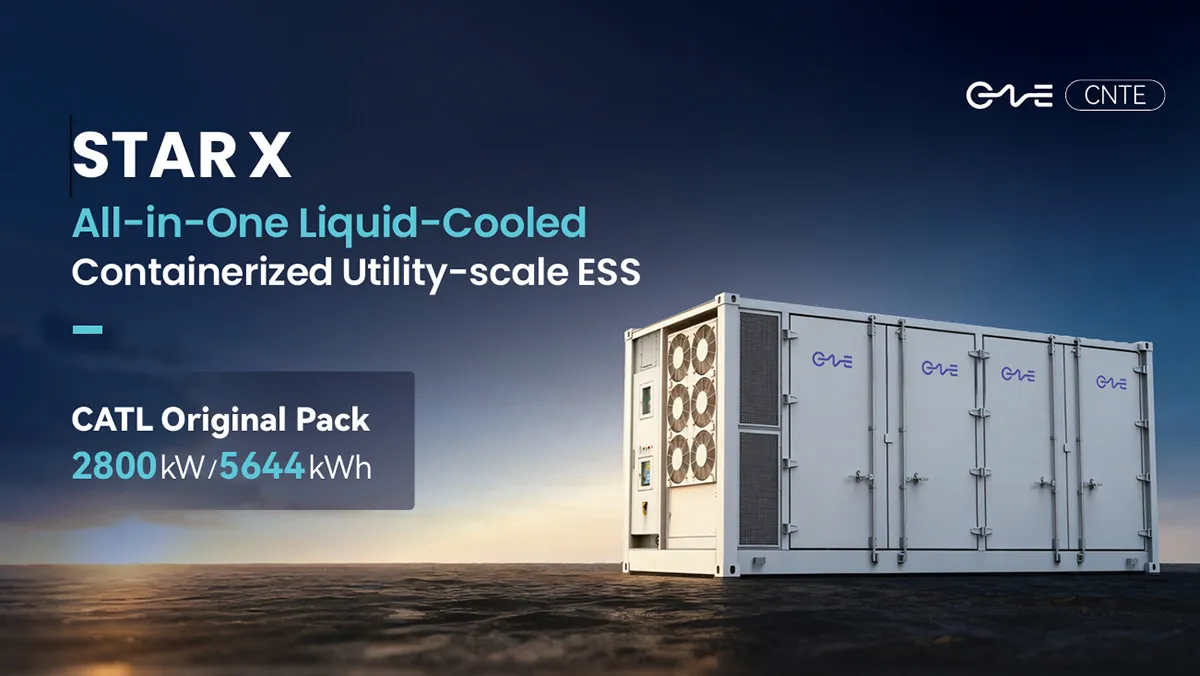
CNTE Launches STAR X Liquid-Cooled DC/AC Integrated Energy Storage System at Intersolar Europe 2026
Jul 06, 2026 -
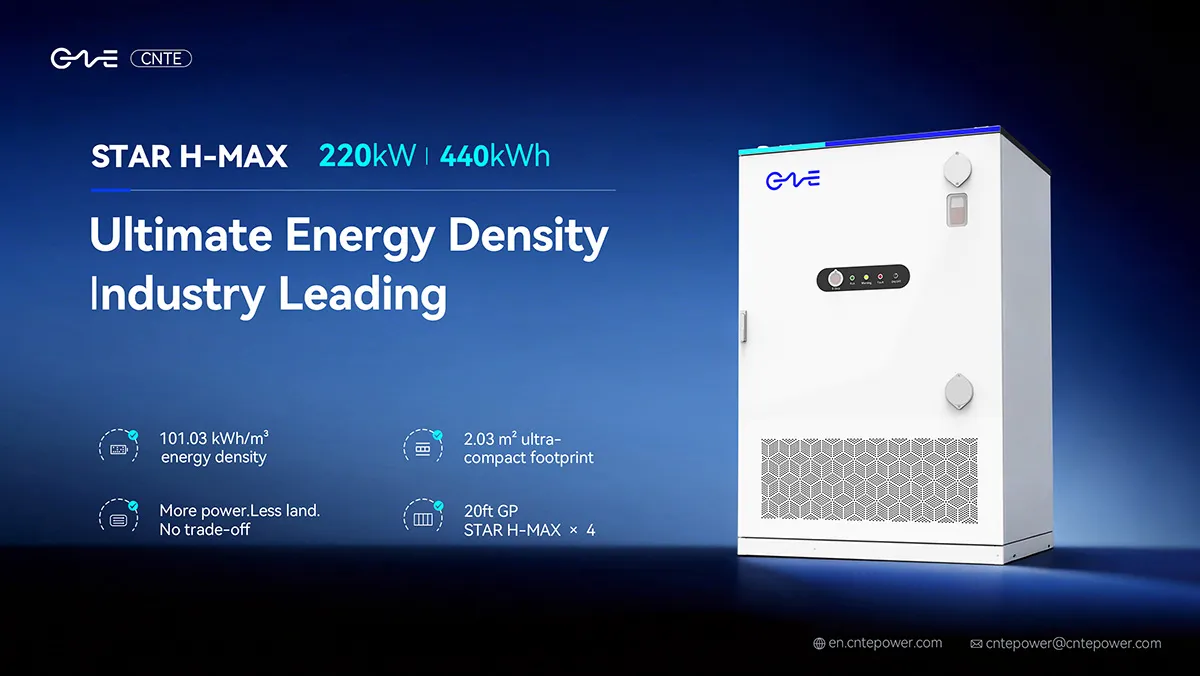
CNTE Unveils New STAR H-MAX Liquid-Cooled C&I ESS at Intersolar Europe 2026
Jun 23, 2026 -
CNTE to Participate in Intersolar Europe 2026
May 20, 2026 -
CNTE at KEY ENERGY 2026: Showcases STAR H-PLUS Outdoor Liquid-Cooled Energy Storage System
Mar 05, 2026 -

CNTE Honored as 2025 Forbes China Leading Global Brand
Jul 06, 2026 -

CNTE & YOU.ON Partner to Expand Storage Markets
May 19, 2025 -
CNTE Unveils Energy Storage Lineup at Solartech 2025
May 19, 2025 -
CNTE awarded AEO certification
Jul 06, 2026 -
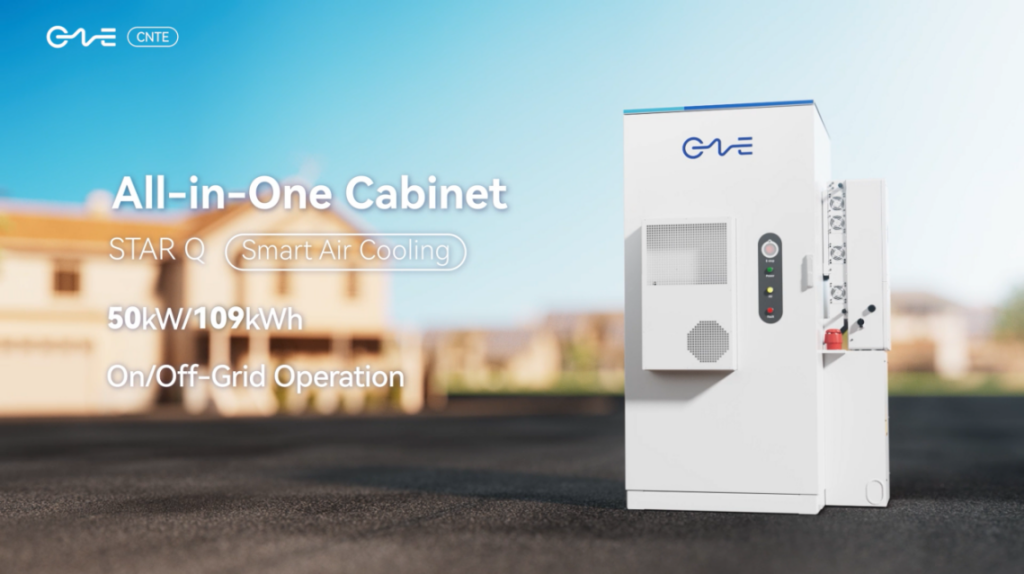
CNTE New Product Launch STAR Q
Jan 15, 2025 -
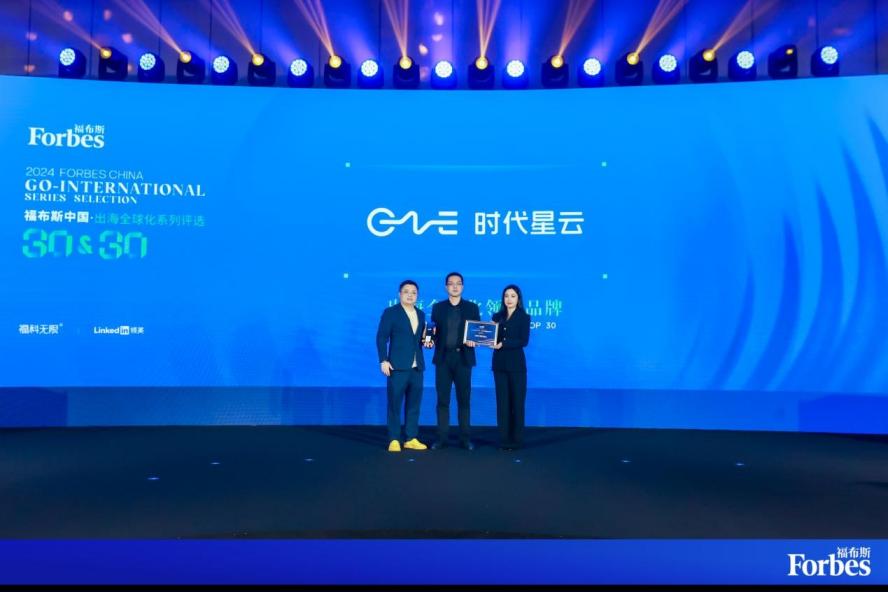
CNTE Named to Forbes China 2024 Top 30 Go-International Brands
Jul 06, 2026
