
What Determines the Cycle Life of Lithium Storage Batteries for Solar Power in Continuous Partial State of Charge Operation?
Commercial and industrial (C&I) solar installations have historically faced a persistent friction point: peak generation does not align with peak consumption. The missing link in bridging this gap has always been a storage medium that offers both high energy density and deep cycle reliability. In recent years, lithium storage batteries for solar power have moved beyond a niche technology to become the structural core of modern photovoltaic systems. This shift is not merely about replacing lead-acid banks; it represents a fundamental change in how facility managers model energy costs, grid interdependence, and operational resilience. The following analysis examines the technical specifications, application architectures, and financial modeling that make contemporary lithium-based storage the preferred choice for B2B energy strategists.
The transition from legacy battery technologies to lithium chemistries has been accelerated by three converging factors: falling cell prices per kilowatt-hour, improved thermal management systems, and the increasing sophistication of battery management system (BMS) algorithms. Unlike their predecessors, modern lithium storage batteries for solar power are engineered to operate in continuous partial state of charge (PSoC) conditions, a duty cycle that rapidly degrades older technologies. For a facility operating a 500 kW solar array, the difference between a system that degrades at 2% per year versus one that degrades at 0.5% per year translates into hundreds of thousands of dollars in total cost of ownership over a decade. This economic calculus has driven adoption across manufacturing hubs, logistics centers, and commercial real estate portfolios.
Cell Chemistry Selection and Its Operational Implications
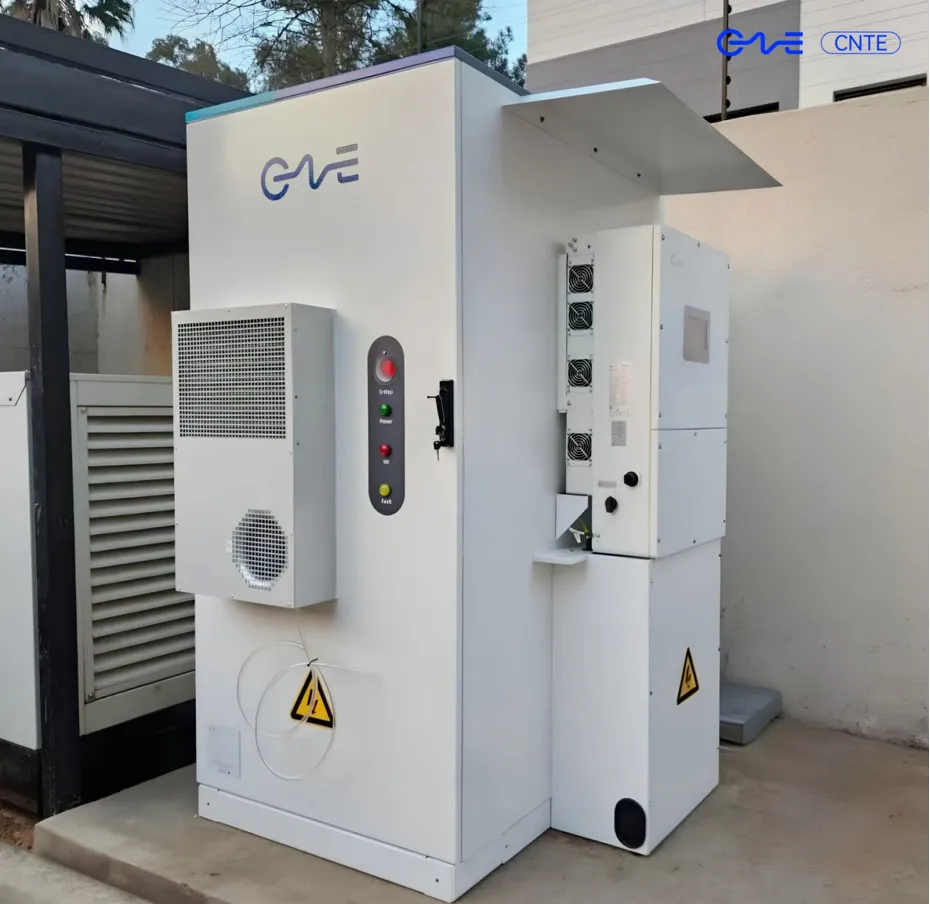
Within the category of lithium storage batteries for solar power, two dominant chemical formulations compete for market share: lithium iron phosphate (LFP) and nickel manganese cobalt (NMC). Each offers distinct performance envelopes that directly influence system design parameters. LFP cells provide superior thermal stability and longer cycle life, typically rated for 6,000 to 8,000 cycles at 80% depth of discharge (DoD). NMC cells deliver higher energy density—approximately 200-250 Wh/kg compared to LFP's 150-180 Wh/kg—but exhibit faster capacity fade under high-temperature operation. For stationary solar storage applications, where volumetric constraints are less pressing than they are in electric vehicles, LFP has emerged as the preferred platform for most C&I projects. CNTE (Contemporary Nebula Technology Energy Co., Ltd.) has developed LFP-based modular racks that achieve 7,500 cycles at 25°C ambient, a specification verified through third-party accelerated aging tests.
Selecting the appropriate chemistry requires a detailed examination of the site's discharge profile. Applications that demand daily deep cycling—such as off-grid manufacturing facilities or island microgrids—benefit disproportionately from LFP's extended calendar life. Conversely, installations that prioritize peak shaving with relatively shallow daily discharges (20-30% DoD) might find NMC's higher specific energy advantageous for reducing physical footprint. However, the total cost of ownership (TCO) analysis consistently favors LFP for systems projected to operate beyond 10 years, as the replacement cycle for NMC often occurs 3-4 years earlier under identical duty conditions. The industry consensus now places LFP as the default choice for stationary solar storage, with NMC reserved for space-constrained retrofits where existing electrical rooms cannot accommodate additional racking.
Depth of Discharge and Cycle Life Correlation
One of the most misunderstood parameters in specifying lithium storage batteries for solar power is the relationship between depth of discharge and achievable cycle count. Manufacturers typically publish cycle life curves that assume ideal laboratory conditions—constant temperature, fixed charge/discharge rates, and precise voltage cutoffs. In field operations, the effective cycle life can deviate significantly based on the average DoD per cycle and the frequency of full-charge events. Data from CNTE's field monitoring program across 140 commercial sites indicates that operating at 60% average DoD extends useful life by approximately 40% compared to 80% DoD operation, while only sacrificing 12% of usable daily energy capacity. This non-linear trade-off suggests that oversizing the battery bank by 15-20% often yields the lowest cost per kWh delivered over the system's lifetime.
Partial state of charge operation introduces additional degradation mechanisms that are frequently overlooked during the procurement phase. When a battery remains in the 40-60% state of charge band for extended periods—a common scenario for grid-tied solar systems with bi-directional inverters—the anode material undergoes lithium plating at a reduced but non-zero rate. Advanced BMS platforms now incorporate adaptive charging algorithms that periodically force full-charge equalization cycles to redistribute lithium ions and maintain electrode homogeneity. These maintenance routines, while reducing instantaneous availability, are essential for achieving the nameplate cycle life specified in data sheets. Facilities that ignore this operational requirement often observe premature capacity fade within the first 18 months of service.
Thermal Management Strategies for Stationary Installations
Temperature is the primary catalyst for both calendar aging and cyclic degradation in lithium-ion cells. Every 10°C increase in average operating temperature above 25°C roughly doubles the rate of solid electrolyte interphase (SEI) layer growth, the primary mechanism for impedance rise and capacity loss. For outdoor solar storage installations in regions with summer ambient temperatures exceeding 40°C, passive air cooling is insufficient to maintain cell temperatures within the optimal 15-30°C band. Active liquid cooling systems, while adding capital expense and parasitic power draw, reduce cell temperature variation across the rack to within ±2°C, ensuring uniform aging and maximizing the effectiveness of the BMS's balancing routines.
Indoor installations present a different thermal challenge. Electrical rooms adjacent to inverter cabinets often experience elevated ambient temperatures due to power conversion losses. A poorly ventilated 1 MW inverter can raise room temperature by 8-12°C above external ambient, directly impacting the adjacent battery racks. Best practice dictates separate thermal zones for power electronics and storage modules, with dedicated HVAC capacity calculated from both solar irradiance gains and internal heat rejection. CNTE's integrated storage solutions include temperature-aware charge/discharge rate modulation; when cell temperatures exceed 40°C, the BMS automatically throttles charge current to 0.5C, reducing internal heat generation and preventing thermal runaway propagation across modules.
Peak Shaving and Demand Charge Reduction
For commercial electricity consumers, demand charges often represent 30-50% of the monthly utility bill, particularly in markets with time-of-use (TOU) rate structures. A properly sized lithium storage battery for solar power can reduce peak demand by discharging stored solar energy during the utility-defined peak window, effectively flattening the facility's load profile. The financial benefit of this strategy depends on three variables: the magnitude of the peak demand reduction, the duration of the peak window (typically 2-4 hours), and the spread between on-peak and off-peak energy rates. A facility with a 1 MW peak demand and a $15/kW demand charge can realize annual savings of $180,000 by shaving 100 kW of peak load through daily battery discharge, assuming 300 operational days per year.
Optimizing the peak shaving algorithm requires predictive modeling of both solar generation and facility load. Simple rules-based systems that discharge the battery at a fixed time each afternoon fail to account for cloud-induced generation variability or unplanned production stoppages. Modern energy management systems (EMS) integrate weather forecasting, production scheduling, and real-time grid pricing to determine the optimal discharge strategy for each 15-minute interval. These platforms typically achieve 12-18% greater demand charge savings compared to static time-based controls, as they can shift discharge timing to coincide with the utility's highest-price intervals while preserving sufficient state of charge for evening operations. The marginal cost of implementing predictive EMS is rapidly decreasing, with cloud-based solutions now offering payback periods under 18 months for systems above 200 kWh capacity.
Grid Services and Ancillary Market Participation
Beyond internal consumption optimization, lithium storage batteries for solar power can serve as grid assets participating in frequency regulation, voltage support, and spinning reserve markets. These services generate revenue streams that are additive to the savings from peak shaving, fundamentally altering the investment case for storage. Frequency regulation, which requires rapid (<1 second) response to grid frequency deviations, is particularly well-suited to lithium batteries due to their fast ramping capability and absence of mechanical inertia. In markets such as PJM and CAISO, frequency regulation payments have averaged $8-12/MW-hr, providing a secondary income source that can accelerate payback periods by 2-3 years.
Participation in ancillary markets does, however, impose additional cycling stress on the battery. Regulation signals often require multiple partial discharges per hour, increasing the cumulative amp-hour throughput beyond what would occur under pure solar arbitrage operation. To mitigate accelerated degradation, operators can configure the BMS to restrict regulation dispatch to the upper 20% of the state-of-charge window, ensuring that the battery remains available for its primary peak-shaving duty. This hybrid operational model requires sophisticated energy trading platforms that continuously evaluate the opportunity cost of dispatching storage capacity to grid services versus holding it for on-site demand reduction. CNTE's monitoring data from two California installations indicates that participation in regulation markets increases annual revenue by 22-28% without exceeding the cycle life budget projected for the asset.
Battery Management System Architecture and Safety Protocols
The BMS serves as the central nervous system for any lithium storage battery for solar power, governing cell balancing, overcurrent protection, thermal monitoring, and communication with the inverter and EMS. A distributed BMS architecture, where each module contains its own monitoring IC and communicates with a central controller via CAN bus or Modbus, offers greater fault tolerance than centralized systems. If a single module's monitoring circuit fails, the remaining modules continue to operate, with the central controller isolating the affected module and adjusting the discharge current to maintain overall system stability. This redundancy is essential for mission-critical applications where unplanned downtime would disrupt production or incur significant financial penalties.
Safety remains the paramount consideration in stationary storage deployments. The BMS must incorporate multiple layers of protection: overvoltage and undervoltage cutoffs at the cell level, overtemperature shutdown with hysteresis, and insulation monitoring to detect ground faults. Additionally, the system should feature a manual disconnect switch accessible from the exterior of the enclosure, enabling first responders to isolate the battery in emergency situations without entering the hazard zone. Compliance with UL 9540 and IEC 62619 is non-negotiable for any commercial installation, as these standards define rigorous testing protocols for thermal propagation, fire containment, and electrical isolation. CNTE's storage systems are certified to both standards, with thermal runaway propagation testing demonstrating that a single cell failure does not cascade to adjacent modules under worst-case conditions.
Integration with Existing PV Infrastructure
Retrofitting lithium storage into an existing solar array presents specific engineering challenges related to inverter compatibility, DC coupling versus AC coupling, and maximum power point tracking (MPPT) coordination. DC-coupled systems, where the battery shares the same DC bus as the solar array, typically achieve higher round-trip efficiency (92-94%) because the power conversion path avoids an extra DC-AC-DC stage. However, DC coupling requires that the solar inverters be capable of operating with a battery-connected DC bus, which is not always the case for legacy inverter models. AC-coupled systems connect the battery through its own bi-directional inverter, offering greater flexibility in system sizing and easier integration with existing solar inverters. The efficiency penalty of AC coupling (typically 88-90% round-trip) is often acceptable for systems where the battery discharges only during peak periods, as the energy losses occur primarily during the charging phase from the solar array.
For greenfield solar-plus-storage installations, the selection between DC and AC coupling should be based on the expected utilization ratio. Facilities that anticipate frequent daily cycling (more than 300 cycles per year) should opt for DC coupling to minimize energy losses over the system's lifetime. Conversely, installations where the battery serves primarily as backup power for grid outages, with less than 100 cycles annually, may find AC coupling more economical due to reduced upfront hardware costs and simplified maintenance access. CNTE's engineering team provides a coupling analysis tool that models the lifetime energy throughput and determines the optimal architecture based on site-specific irradiance data, load profiles, and utility rate structures.
Financial Modeling and Payback Period Analysis
Developing a robust financial model for lithium storage batteries for solar power requires moving beyond simple payback calculations to incorporate degradation curves, warranty terms, and end-of-life residual value. The levelized cost of storage (LCOS) metric, which accounts for all capital and operating costs divided by the total lifetime energy discharged, provides a more accurate basis for technology comparison than upfront price per kilowatt-hour. For a typical 500 kW / 1,000 kWh LFP system with a 15-year lifespan, the LCOS currently ranges between $0.12 and $0.18 per kWh discharged, depending on installation complexity and regional labor costs. This cost band has compressed significantly over the past 24 months due to declining cell prices and improved manufacturing yields, making lithium storage economically viable for a broader range of commercial applications.
The payback period is heavily influenced by the value of avoided peak charges and the availability of investment tax credits (ITC) or state-level incentives. In the United States, the federal ITC for solar-plus-storage systems provides a 30% credit on the total project cost, reducing the effective capital outlay and shortening payback to 4-6 years for most C&I projects. States with robust incentive programs, such as California's Self-Generation Incentive Program (SGIP) or New York's NY-Sun initiative, can further reduce payback to 3-4 years. However, these incentive structures are subject to legislative cycles, and forward-looking energy managers often evaluate projects based on standalone economic viability, treating incentives as upside rather than foundational to the business case.
Operations and Maintenance Considerations
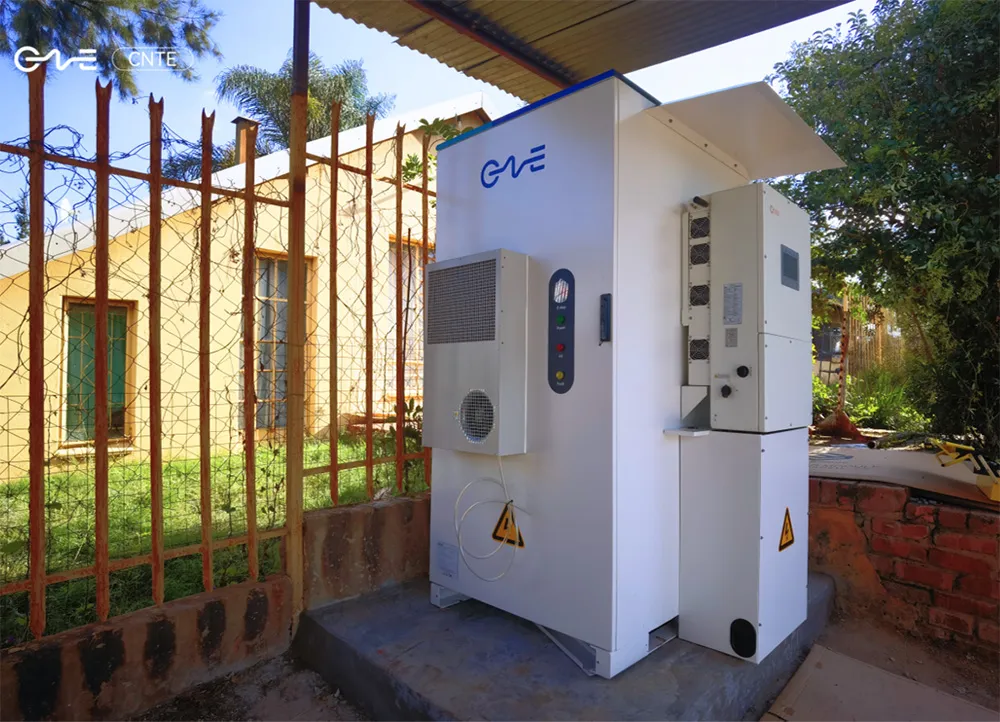
Once the system is commissioned, ongoing maintenance activities directly impact both safety and performance. Regular (quarterly) visual inspections of all electrical connections, busbars, and cooling systems are essential for identifying potential failure points before they escalate. Thermal imaging of terminal connections can detect resistive heating caused by loose fasteners, which is a leading cause of junction failures in high-current battery racks. Additionally, the BMS firmware must be updated periodically to incorporate algorithmic improvements in state-of-charge estimation and cell balancing. These updates are typically delivered remotely over the internet, but facility managers should verify that the system has a secure cellular or Ethernet connection for over-the-air updates.
Performance monitoring should extend beyond the basic metrics of state of charge and instantaneous power. Tracking the internal resistance of each cell string over time provides early warning of impending failure, as resistance increases by 20-30% before capacity drops below 80% of rated value. CNTE's cloud monitoring platform aggregates resistance data from all cells and generates predictive alerts when a trend exceeds the expected variance, allowing maintenance teams to schedule proactive module replacements during planned downtime rather than responding to unplanned outages. This predictive maintenance approach reduces operational costs and minimizes revenue losses from system unavailability.
Frequently Asked Questions
Q1: What is the typical lifespan of lithium storage batteries for solar power in commercial applications?
Under standard operating conditions with average temperatures below 30°C and daily discharges limited to 60-70% depth of discharge, most LFP-based systems achieve 12-15 years of useful life, with capacity remaining above 70% of nameplate rating at the 10-year mark. NMC-based systems typically reach 70% capacity after 8-10 years under similar conditions. Actual lifespan depends strongly on thermal management practices and the frequency of full-charge cycles, which should be limited to once per week for optimal longevity.
Q2: How do lithium storage batteries for solar power perform during extended grid outages?
In islanding mode, where the battery provides backup power independent of the utility grid, the BMS disables export and operates in frequency-watt control to regulate voltage and frequency within acceptable limits. A fully charged 1 MWh system can sustain a 250 kW continuous load for 3.5 hours (accounting for inverter losses), with instantaneous surge capability of 2x rated power for motor-starting applications. The system automatically transitions back to grid-tied mode when utility power is restored, recharging from solar or grid as dictated by the energy management strategy.
Q3: Are lithium storage batteries for solar power eligible for insurance coverage and what safety certifications are required?
Most commercial property insurance policies now cover lithium storage systems provided they hold valid UL 9540 certification (for the complete system) and the installation follows the manufacturer's spacing and clearance requirements. Additional certifications such as IEC 62619 and UN 38.3 (for transportation) are recognized by underwriters and can lower premium rates by demonstrating adherence to international safety standards. Regular maintenance logs and thermal imaging reports are typically required for claims eligibility.
Q4: How much physical space is required for a 500 kWh lithium storage battery for solar power?
A 500 kWh LFP system using modular rack-mounted enclosures occupies approximately 12-15 square meters of floor area, with a height of 2.2 meters, when configured in two parallel racks of 250 kWh each. Clearance of 0.8 meters on all sides is required for maintenance access and thermal circulation. The physical footprint of an NMC system with equivalent capacity is 20-25% smaller due to the higher energy density of the chemistry, though LFP remains the preferred choice for most installations due to its superior fire safety characteristics.
Q5: Can existing solar inverters be retrofitted for lithium storage, or is a full system replacement necessary?
Retrofitting depends on the inverter's communication protocol and its capability to support battery integration. Inverters with a compatible CAN bus or Modbus interface and firmware that includes battery charging profiles can be paired with an AC-coupled storage system without replacing the existing array's power electronics. Inverters lacking these features may require an additional bi-directional inverter dedicated to the battery, which adds cost but avoids complete system replacement. The engineering effort for retrofitting is typically 30-40% less than a full new installation, provided the existing solar array has sufficient generation capacity to charge the battery during non-peak hours.
Q6: What is the environmental impact of manufacturing and disposing of lithium storage batteries for solar power?
Manufacturing lithium-ion cells produces approximately 60-80 kg CO₂ equivalent per kWh of capacity, with the majority of emissions originating from cathode material production and cell assembly. Over a 15-year service life, these embedded emissions are offset by the additional solar energy utilization that the battery enables, reducing reliance on fossil-fuel peaker plants. End-of-life recycling programs, now operational in Europe and North America, recover up to 95% of cobalt, nickel, and lithium from spent cells, reducing the need for primary mining. CNTE participates in the ReCell partnership, ensuring that systems removed from service are processed through certified recyclers and the recovered materials re-enter the supply chain.
Q7: How does the warranty for a lithium storage battery for solar power differ from standard industrial equipment warranties?
Typical warranties for stationary lithium batteries include both a time component (10 years) and an energy throughput component (e.g., 8 MWh per kWh of rated capacity), with the warranty expiring when either threshold is reached. This structure ensures that performance guarantees are tied to actual usage rather than calendar age. Warranties also include specific exclusions for operation outside the specified temperature range, failure to perform required maintenance, and damage from lightning strikes or flooding. Reviewing the warranty terms carefully before procurement is essential, as the total liability coverage can vary significantly between manufacturers.
For organizations considering an upgrade from conventional solar-only systems to hybrid architectures, the technical and economic landscape has never been more favorable. The combination of declining battery costs, advanced BMS capabilities, and monetizable grid services has created a compelling business case for commercial and industrial facilities. CNTE (Contemporary Nebula Technology Energy Co., Ltd.) offers comprehensive design, procurement, and commissioning services for lithium storage systems, with a focus on maximizing lifetime value through chemistry selection, thermal management, and predictive maintenance. Contact the CNTE engineering team for a site-specific feasibility study and financial projection.
Get in Touch
Recent Posts
-
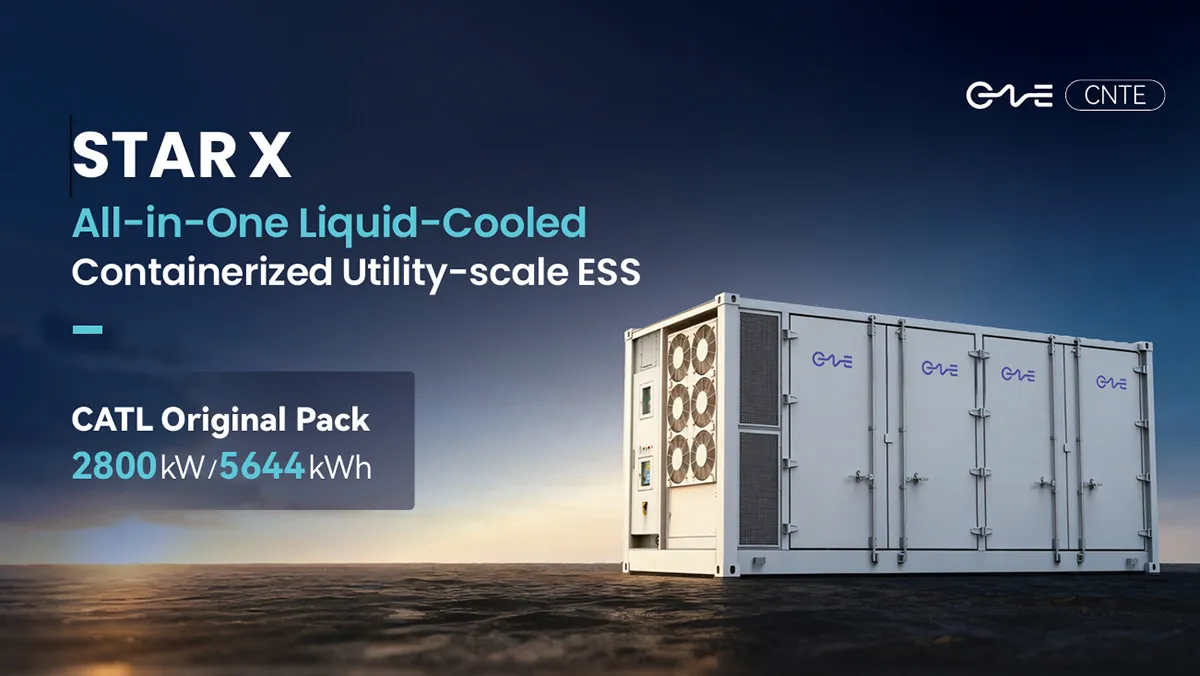
CNTE Launches STAR X Liquid-Cooled DC/AC Integrated Energy Storage System at Intersolar Europe 2026
Jul 06, 2026 -
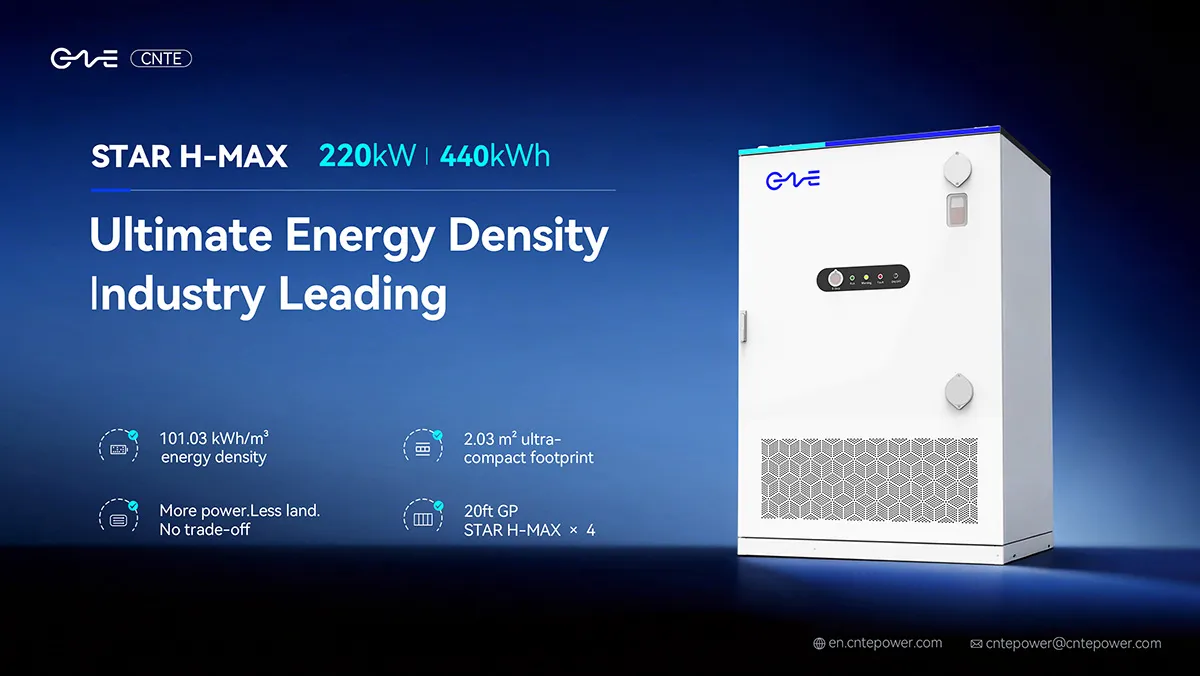
CNTE Unveils New STAR H-MAX Liquid-Cooled C&I ESS at Intersolar Europe 2026
Jun 23, 2026 -
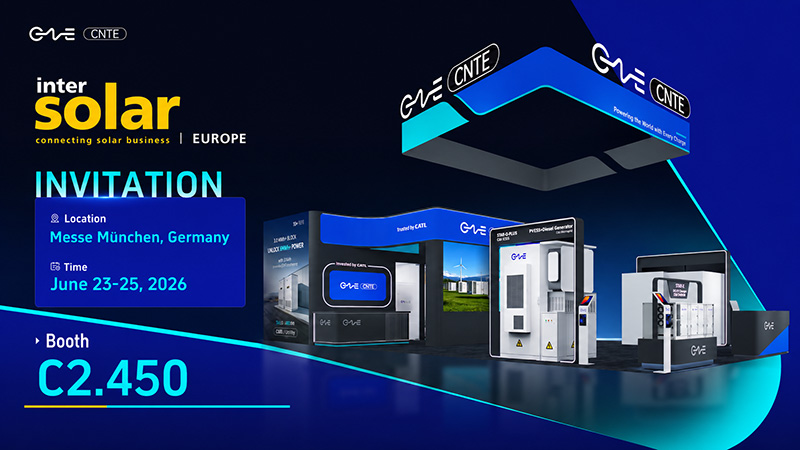
CNTE to Participate in Intersolar Europe 2026
May 20, 2026 -
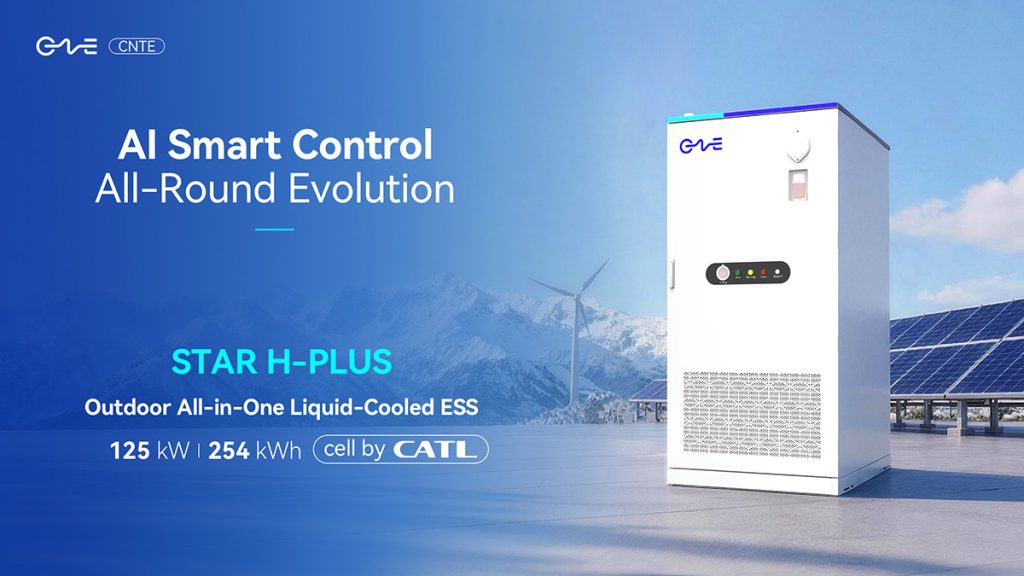
CNTE at KEY ENERGY 2026: Showcases STAR H-PLUS Outdoor Liquid-Cooled Energy Storage System
Mar 05, 2026 -

CNTE Honored as 2025 Forbes China Leading Global Brand
Jul 06, 2026 -

CNTE & YOU.ON Partner to Expand Storage Markets
May 19, 2025 -

CNTE Unveils Energy Storage Lineup at Solartech 2025
May 19, 2025 -

CNTE awarded AEO certification
Jul 06, 2026 -
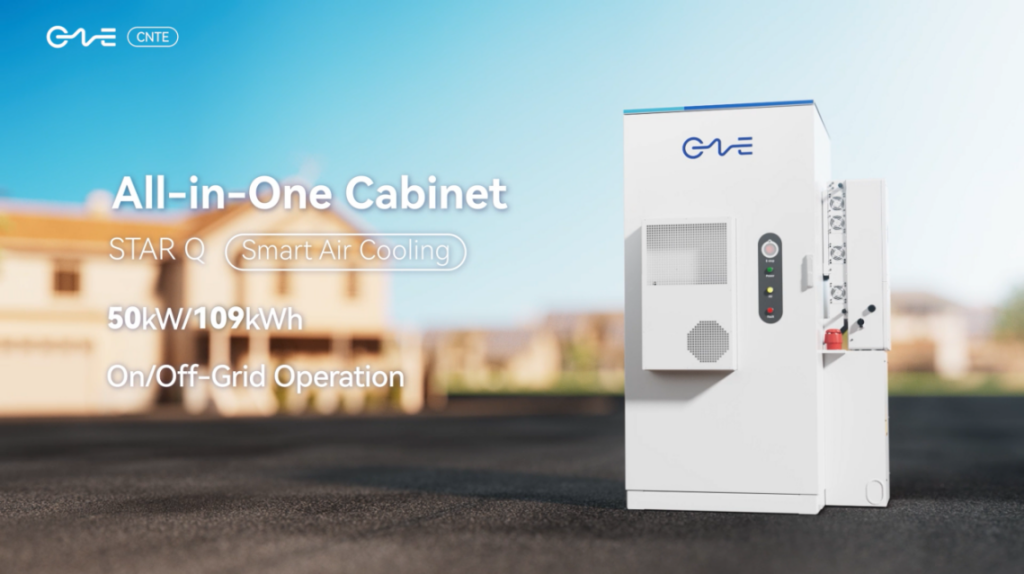
CNTE New Product Launch STAR Q
Jan 15, 2025 -

CNTE Named to Forbes China 2024 Top 30 Go-International Brands
Jul 06, 2026
