
Top Solar Energy Storage Companies: 2026 Global ESS Buyer’s Guide
Solar energy adoption is accelerating faster than grid infrastructure can handle. Commercial facilities, utilities, and solar installers face growing grid constraints, rising peak demand charges, and unpredictable feed-in tariffs. Because of these challenges, battery energy storage systems (ESS) have shifted from optional additions to critical infrastructure.
Choosing the right partner among global solar energy storage companies requires evaluating more than just initial price tags. In 2026, long-term safety, system longevity, supply chain stability, and thermal management dominate procurement criteria. Hardware failures or thermal incidents can ruin project returns within months.
This buyer’s guide breaks down the critical standards for evaluating utility and commercial energy storage vendors. We examine industry benchmarks, technical architectures, and solutions from leading manufacturers like CNTE (Contemporary Nebula Technology Energy Co., Ltd.) to help EPC contractors, system integrators, and distributors make safe, high-ROI purchasing decisions.
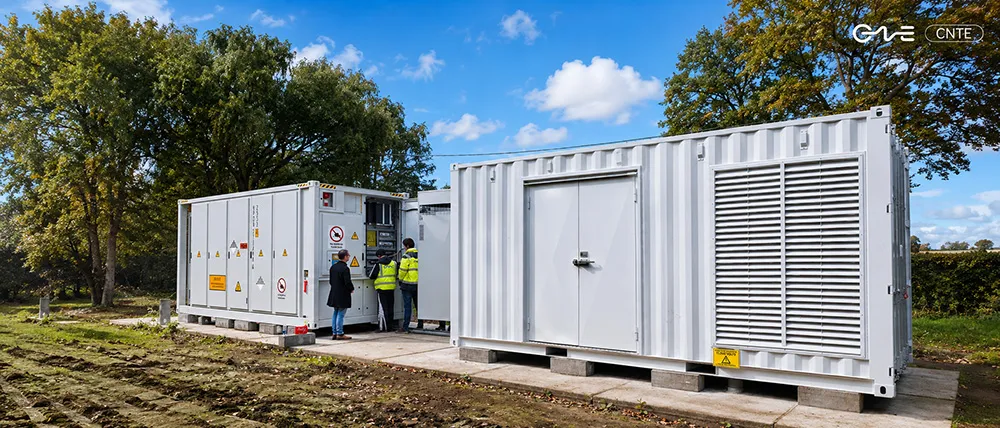
5 Key Evaluation Criteria for ESS Procurement in 2026
Evaluating commercial and industrial energy storage suppliers requires a structured framework. Global buyers must look past surface-level marketing and examine core component quality and manufacturing execution.
1. Cell Quality and Supply Chain Security
The battery cell accounts for more than half of a storage system's total cost. Cell chemistry and manufacturing precision dictate the system's operational lifespan and safety profile.
Lithium Iron Phosphate (LFP) Dominance: LFP has largely replaced NCM chemistries in stationary ESS due to superior thermal stability and longer cycle life.
Tier-1 Cell Sourcing: Top suppliers rely on proven cell manufacturers. Utilizing a CATL cell storage system guarantees high energy density, tight cell-to-cell consistency, and validated safety testing.
Supply Chain Traceability: Reliable vendors maintain transparent sourcing and long-term supply guarantees for multi-megawatt projects.
2. Thermal Management and Safety Infrastructure
Thermal control directly impacts system degradation rates and fire prevention. The market has shifted heavily toward liquid cooling for medium and large-scale deployments.
Liquid Cooling vs. Air Cooling: A modern C&I liquid cooling BESS reduces internal temperature variance across cells to under 3°C. This control extends system cycle life by up to 20% compared to traditional air-cooled cabinets.
Multi-Layer Safety Systems: Systems must feature pack-level thermal isolation, combustible gas detection, aerosol or gas-based fire suppression, and automated emergency isolation protocols.
Enclosure Protection: Look for IP55 or IP66 ingress protection ratings and C5 anti-corrosion treatments for outdoor industrial environments.
3. All-Scenario Application Capability
Projects rarely follow a single template. A vendor must offer modular systems that operate effectively across diverse operational profiles.
Grid-Side and Utility Support: Frequency regulation, voltage control, and black-start capabilities.
Commercial & Industrial (C&I): Peak shaving, load shifting, dynamic capacity expansion, and backup power during grid outages.
Microgrids: Off-grid islanding capabilities and seamless integration with solar PV arrays and diesel generators.
4. Solar-Storage-Charging Synergy
The rapid expansion of electric vehicles (EVs) places massive power spikes on local commercial power grids. Energy storage companies must provide hardware designed to buffer these high-power charging demands.
Integrated energy storage buffers high-power fast chargers without forcing expensive utility transformer upgrades.
Smart Energy Management Systems (EMS) dynamically balance solar generation, battery discharge, and vehicle charging loads in real time.
5. Manufacturing Flexibility and OEM/ODM Services
Global markets present distinct grid codes, safety standards, and branding requirements. Procurement managers often require custom enclosures, specialized software, or localized certifications.
Tier-1 suppliers offer full Lithium battery ESS OEM/ODM services, from custom battery module assembly to full containerized integration.
Automated production lines ensure strict quality control and predictable delivery schedules for large commercial orders.
Categorizing the Top Solar Energy Storage Companies
The global energy storage vendor list splits into three distinct categories. Understanding these categories helps buyers locate vendors aligned with their risk tolerance and technical needs.
Tier-1 Cell Manufacturers
Large battery cell producers offer raw component scale. However, they often lack specialized focus on niche C&I integration, specialized software customization, or quick local support for mid-market projects.
Legacy Inverter Assemblers
Traditional solar inverter companies often buy third-party battery packs to bundle with their electronics. While convenient, these assembled systems can suffer from integration bottlenecks, divided warranty claims, and limited thermal control optimization.
Specialized System Integrators & Strategic Joint Ventures
These companies offer ideal balance for project developers. A prime example is CNTE (Contemporary Nebula Technology Energy Co., Ltd.).
Founded in 2019 through strategic investment from CATL, CNTE combines CATL’s world-class battery cell technology with advanced power conversion, liquid-cooling integration, and intelligent EMS software. This vertical integration provides buyers with top-tier battery safety, streamlined manufacturing, and competitive project economics.
CNTE Product Solutions Deep Dive
To meet complex energy demands in 2026, CNTE delivers a comprehensive product portfolio tailored for commercial, industrial, residential, and mobility applications.
1. Commercial and Industrial Energy Storage Systems
Engineered for industrial parks, manufacturing facilities, and commercial real estate, CNTE’s C&I liquid cooling BESS line focuses on safety and return on investment.
Premium Cell Tech: Built using high-capacity CATL LFP cells engineered for long cycle life and thermal stability.
Advanced Thermal Control: Smart liquid-cooling distribution maintains consistent cell temperatures, lowering auxiliary power consumption.
Flexible Capacity: Scalable cabinet designs ranging from 206 kWh to multi-megawatt-hour containerized configurations.
Key Applications: Demand charge reduction, PV self-consumption optimization, dynamic transformer expansion, and emergency back-up power.
2. Smart BESS EV Charging Stations
CNTE leads innovation among BESS EV charging station manufacturers by combining three critical technologies into a single hardware and software ecosystem.
3-in-1 Integration: Combines energy storage, high-speed EV chargers, and real-time battery health diagnostics.
Grid Buffering: Delivers 180 kW to 480 kW supercharging output while drawing low, steady power from the local grid.
Battery Inspection Tech: Automatically tests the EV battery's health during the charging session, providing state-of-health (SOH) reporting to vehicle owners.
3. Residential Energy Storage Systems
For home use and small commercial offices, CNTE provides integrated battery storage setups that guarantee continuous backup power during grid disruptions.
Modular, stackable designs for rapid installation and capacity expansion.
Ultra-safe LFP chemistry with integrated battery management systems (BMS).
Smart home app integration for tracking daily solar storage, grid usage, and self-consumption rates.
4. Portable Power Stations
Designed for mobile job sites, field operations, and emergency backup, CNTE’s portable power lineup offers rugged mobile energy.
Supports direct solar panel connection for fast off-grid charging.
Delivers clean sine-wave AC power for sensitive tools and electronics.
Compact, durable enclosures built for rough outdoor conditions.
5. Turnkey OEM/ODM Manufacturing Services
For distributors and energy brands looking to launch proprietary storage lines, CNTE acts as a complete manufacturing partner.
Flexible module, rack, and container-level engineering tailored to regional standards (UL, CE, UN38.3).
Fully automated production lines backing consistent build quality.
White-label branding and custom EMS software interface options.
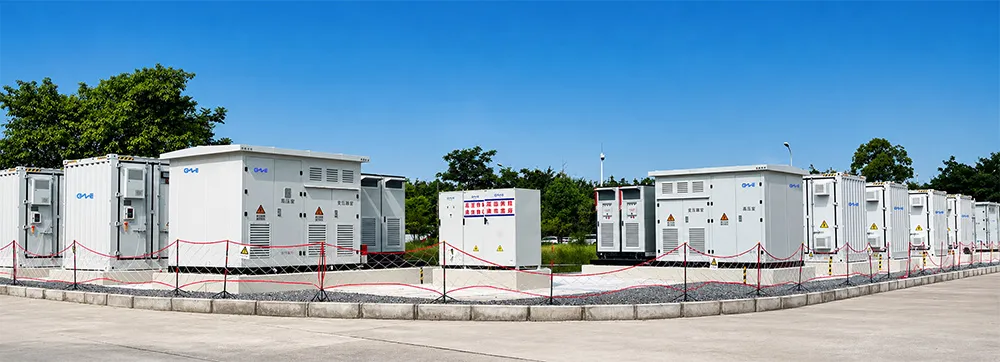
2026 ESS Buyer’s Decision Matrix
Use this reference table to evaluate different supplier categories when sourcing commercial solar energy storage solutions.
| Evaluation Feature | Generic Assembly Vendors | Pure Inverter Manufacturers | CNTE System Integration |
|---|---|---|---|
| Cell Source & Quality | Mixed / Unverified Tier-2 | Third-Party Outsourced | CATL LFP Cells (Direct Ecosystem) |
| Thermal Management | Standard Air Cooling | Air Cooling / Limited Liquid | Smart Liquid Cooling Systems |
| Solar-Storage-Charging Focus | Low / None | Basic Inverter Integration | Integrated BESS + Fast Charge + Inspection |
| System Cycle Life | 3,000 – 5,000 Cycles | 4,000 – 6,000 Cycles | 6,000 – 10,000+ Cycles |
| OEM/ODM Flexibility | Limited | None (Standard Hardware) | Full Turnkey Customization |
Frequently Asked Questions (FAQ)
Q1: Why is liquid cooling becoming standard for C&I energy storage systems?
A1: Liquid cooling systems dissipate heat much more evenly than traditional air fans. By controlling cell temperature variations within a narrow band (typically under 3°C), liquid cooling prevents localized cell degradation, reduces auxiliary energy consumption, and extends overall system life by several years. This significantly increases long-term project ROI.
Q2: How does a CATL cell storage system benefit long-term ROI?
A2: CATL LFP cells are industry benchmarks for high energy density, low internal resistance, and long cycle stability. Systems built with CATL cells suffer less capacity loss over thousands of operational cycles. This translates to more daily energy throughput, fewer warranty replacements, and predictable cash flows for system owners over a 10-to-15-year period.
Q3: Can BESS EV charging station manufacturers solve grid capacity issues for fast chargers?
A3: Yes. Installing high-power DC fast chargers often requires expensive grid updates and transformer replacements that can delay projects for years. A BESS EV charging station acts as a power buffer. It charges slowly from the grid or solar panels during off-peak hours and dumps high-power electricity into EVs during fast-charging sessions, bypassing local grid constraints.
Q4: What certifications should buyers verify when sourcing Lithium battery ESS OEM/ODM solutions?
A4: Buyers should demand international safety and grid compliance standards based on their target market. Crucial certifications include UL1973 (for battery packs), UL9540A (for thermal runaway fire testing), IEC 62619, CE, UN38.3 (for transport safety), and local grid connection codes like IEEE 1547 or EN 50549.
Q5: What sets CNTE apart from other solar energy storage companies?
A5: CNTE combines CATL's world-leading battery technology with dedicated engineering expertise in power conversion, liquid cooling, and software integration. Unlike pure pack assemblers, CNTE offers vertically integrated manufacturing, custom OEM/ODM support, and specialized products like integrated EV charging and online battery testing systems.
Conclusion: Selecting Your Energy Partner in 2026
Selecting the right partner from the crowded field of solar energy storage companies determines your project's financial success and operational safety. In 2026, buyers must avoid unproven tier-2 cell assemblers and prioritize integrated, liquid-cooled systems backed by robust cell supply chains and flexible OEM options.
By leveraging top-tier battery cell technology and innovative energy management architectures, CNTE (Contemporary Nebula Technology Energy Co., Ltd.) provides high-performance storage hardware built for utility, C&I, and EV charging infrastructure.
Planning a commercial energy storage deployment or looking for an experienced OEM/ODM partner? Contact the CNTE engineering team today to request technical specifications, project modeling, and custom pricing for your 2026 projects.
Get in Touch
Recent Posts
-
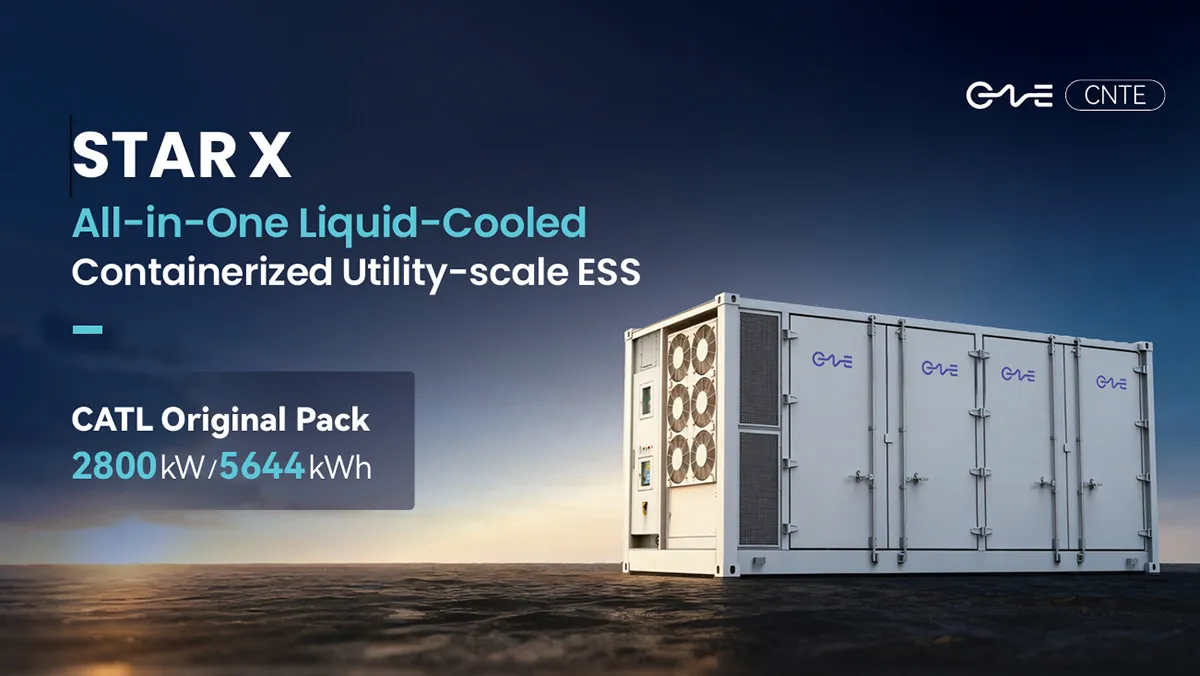
CNTE Launches STAR X Liquid-Cooled DC/AC Integrated Energy Storage System at Intersolar Europe 2026
Jul 06, 2026 -
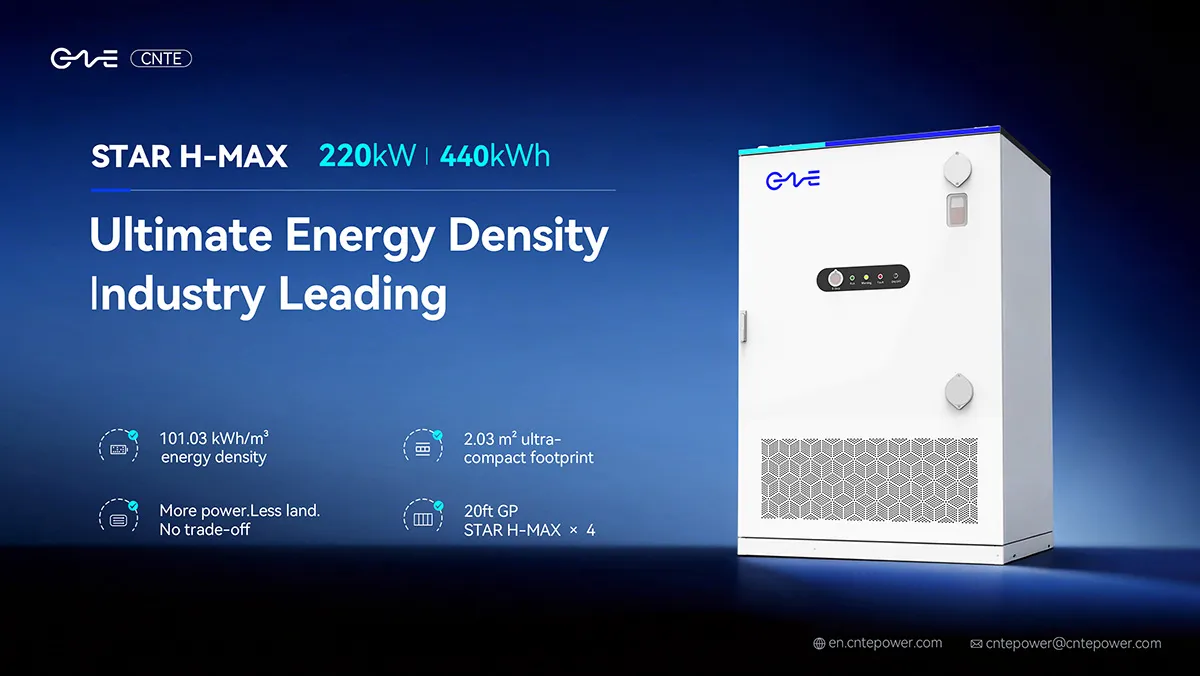
CNTE Unveils New STAR H-MAX Liquid-Cooled C&I ESS at Intersolar Europe 2026
Jun 23, 2026 -
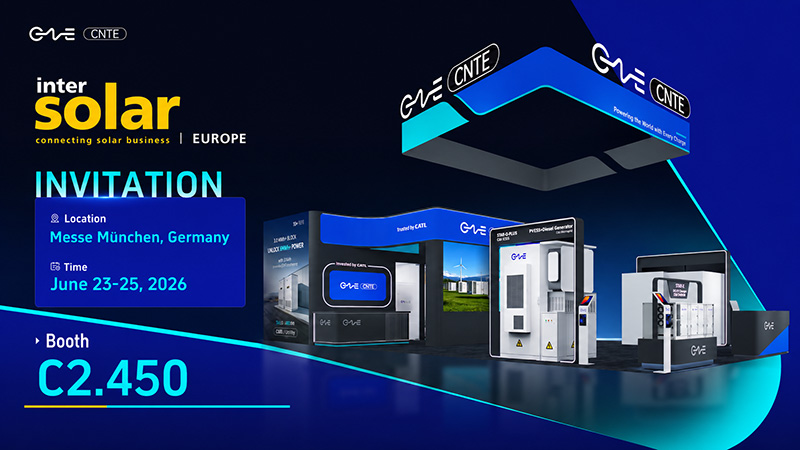
CNTE to Participate in Intersolar Europe 2026
May 20, 2026 -
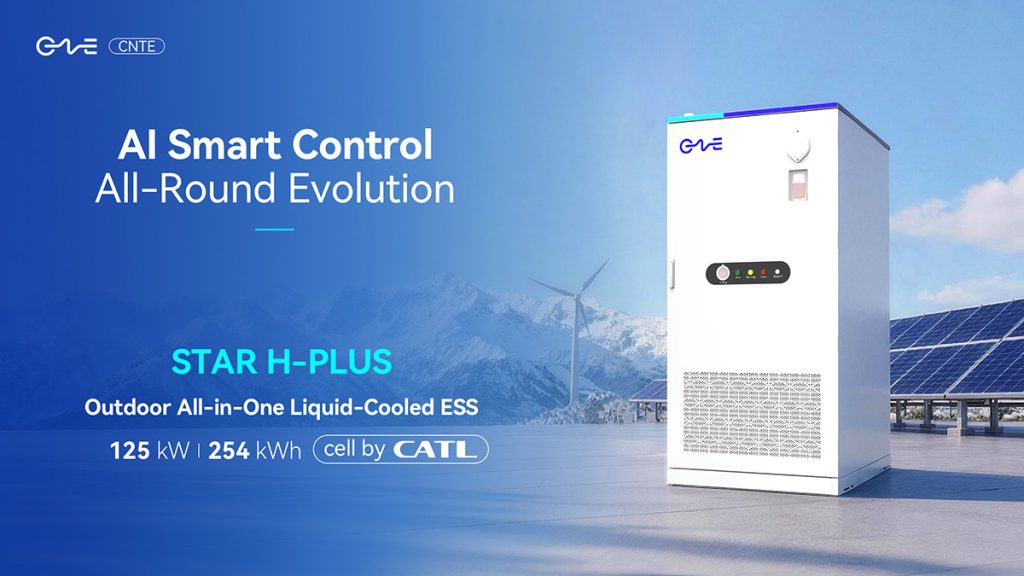
CNTE at KEY ENERGY 2026: Showcases STAR H-PLUS Outdoor Liquid-Cooled Energy Storage System
Mar 05, 2026 -

CNTE Honored as 2025 Forbes China Leading Global Brand
Jul 06, 2026 -
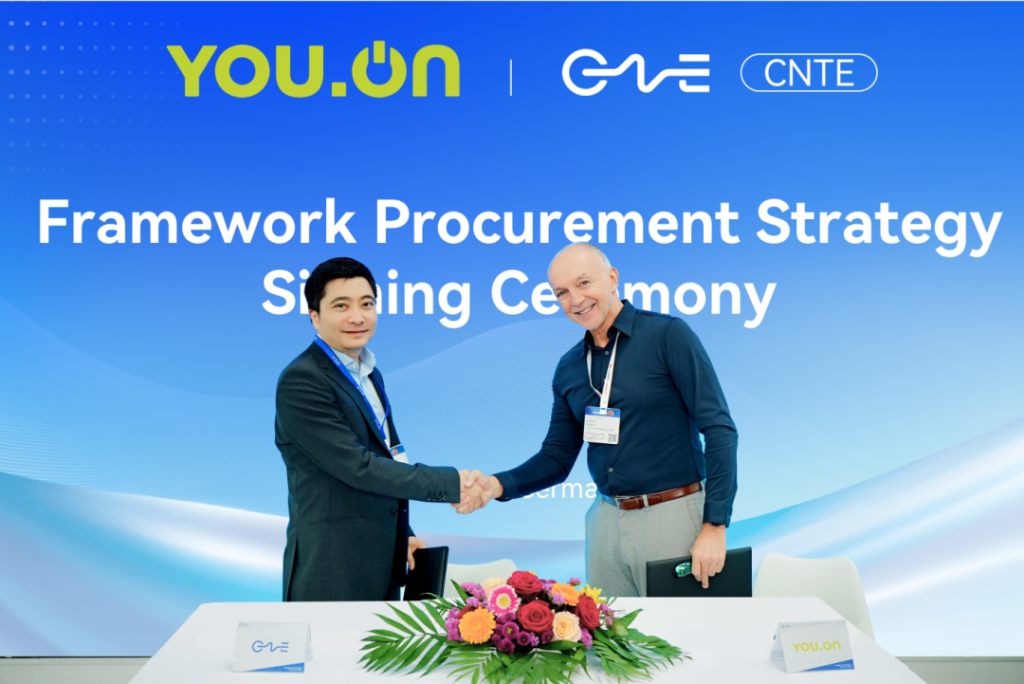
CNTE & YOU.ON Partner to Expand Storage Markets
May 19, 2025 -

CNTE Unveils Energy Storage Lineup at Solartech 2025
May 19, 2025 -
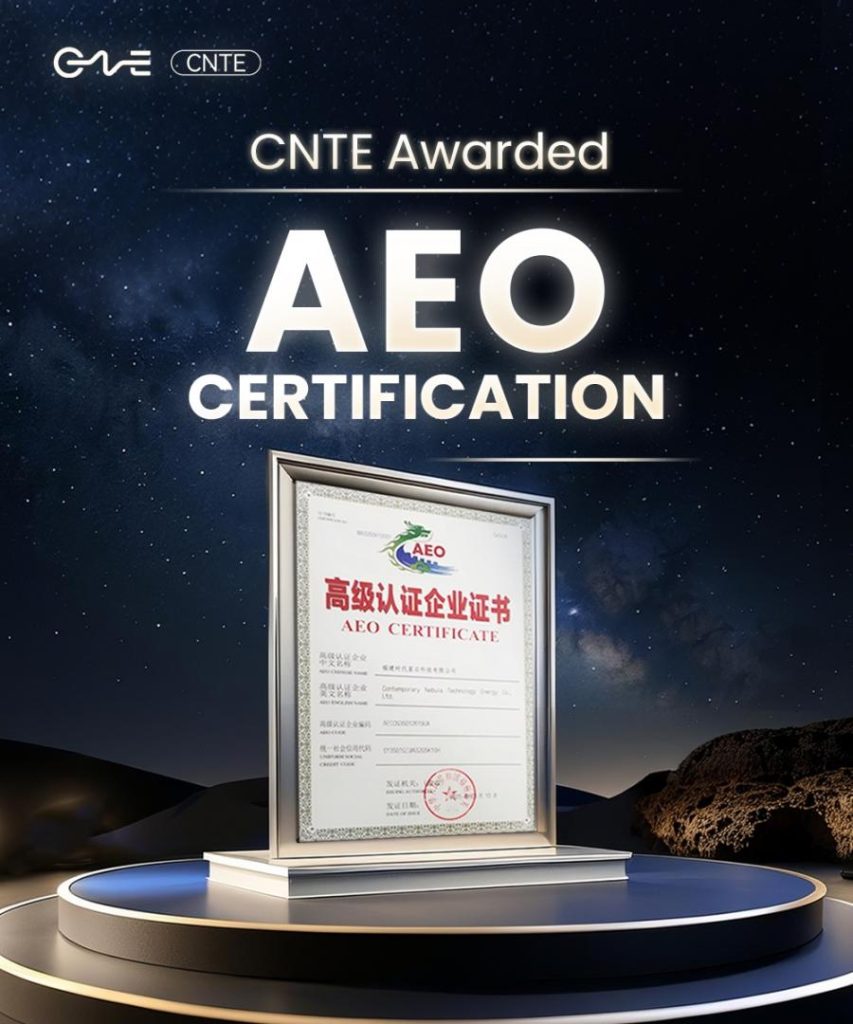
CNTE awarded AEO certification
Jul 06, 2026 -
CNTE New Product Launch STAR Q
Jan 15, 2025 -
CNTE Named to Forbes China 2024 Top 30 Go-International Brands
Jul 06, 2026
