
Scalability and Efficiency in the Largest Grid Scale Battery Storage Infrastructure
The transition of global power generation networks toward volatile renewable energy sources has created a fundamental need for high-capacity energy reserves. As coal and gas-fired thermal power plants retire, grid operators face a reduction in physical spinning inertia, which historically stabilized grid frequency. To address this stability gap, utility developers are increasingly investing in massive, centralized energy storage assets. Designing, manufacturing, and deploying the largest grid scale battery storage systems requires a thorough understanding of electrochemistry, power electronics, thermal dynamics, and control software integration.
Modern electrical grids demand rapid, high-volume energy injection and absorption to balance supply and demand fluctuations. High-capacity battery energy storage systems (BESS) function as virtual synchronous machines, offering sub-second response times that conventional power plants cannot match. CNTE (Contemporary Nebula Technology Energy Co., Ltd.) participates in this infrastructure sector by designing high-voltage, liquid-cooled energy storage solutions configured to support transmission networks and large-scale industrial consumers.
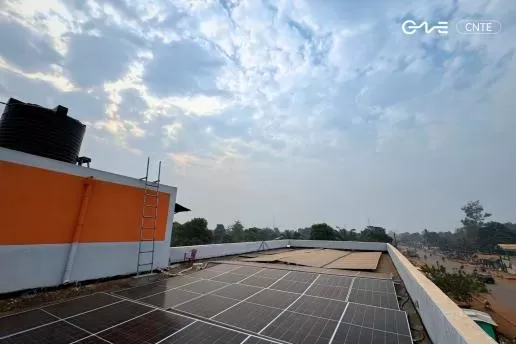
Engineering Obstacles in Multi-Megawatt Energy Storage Projects
Scaling a battery system from a few megawatt-hours (MWh) to several hundred MWh introduces non-linear engineering challenges. One of the primary obstacles is localized heat accumulation within high-density container configurations. When thousands of individual battery cells are packed tightly to maximize energy density, even minor differences in internal resistance can lead to uneven temperature distribution. Air-cooling systems often fail to maintain temperature uniformity in these dense configurations, leading to accelerated degradation of the warmest cells and reducing the operational life of the entire installation.
Electrical balance of plant (BOP) configuration represents another major design boundary. Connecting numerous battery strings in parallel increases the risk of circulating currents, which occur when parallel branches exhibit slight differences in voltage. If left unmanaged, these circulating currents can trigger overcurrent protection devices, cause localized overheating, and accelerate cell degradation. Consequently, the power conversion system (PCS) and battery management system (BMS) must coordinate precisely to balance voltage across all parallel circuits, ensuring the largest grid scale battery storage unit declines uniformly over its life cycle.
Grid integration and compliance present another set of requirements. Modern transmission networks enforce strict grid codes regarding voltage ride-through, reactive power support, and harmonic distortion. Large-scale storage assets must be capable of operating in both grid-following and grid-forming modes. Grid-forming inverters must establish voltage and frequency references in weak grids, which requires advanced control algorithms and high-speed digital signal processors capable of adjusting output within milliseconds of a grid disturbance.
Thermal Management and Chemical Characteristics in Utility-Scale BESS
To address thermal degradation, modern system design has shifted from traditional forced-air ventilation to liquid cooling plates. Liquid cooling systems utilize a closed-loop coolant circulation system that contacts the battery cells or modules directly. Because liquid has a significantly higher heat capacity than air, these systems can maintain cell-to-cell temperature variations within a narrow range, typically less than 3 degrees Celsius, even during sustained high-rate charge and discharge cycles.
Lithium Iron Phosphate (LFP) Stability
Lithium Iron Phosphate (LFP) chemistry has become the preferred standard for utility-scale applications. Compared to nickel-manganese-cobalt (NMC) alternatives, LFP cells offer superior thermal stability, a longer cycle life, and a lower cost profile. LFP chemistry exhibits a flat discharge curve, enabling stable voltage output across a wide state-of-charge (SoC) spectrum. This characteristic simplifies the design of power conversion systems and improves overall round-trip efficiency (RTE).
High-Voltage System Topology
Modern utility-scale systems are moving toward 1500V DC architectures, migrating away from older 1000V DC standards. Operating at a higher DC voltage reduces the current required to achieve equivalent power output. Lower current reduces resistive losses (I²R losses) in cabling and busbars, improving system efficiency. Additionally, 1500V systems allow for longer battery strings and fewer power conversion blocks, reducing installation footprint and balance-of-plant costs.
CNTE (Contemporary Nebula Technology Energy Co., Ltd.) integrates these structural components into its utility-scale product lines. By combining high-density LFP chemistry with liquid-cooling plates and high-voltage architectures, these systems provide stable thermal performance and electrical efficiency. This integration ensures that the largest grid scale battery storage installations can operate continuously under demanding cyclic loads without suffering from excessive auxiliary power draw or premature capacity loss.
Operational Profiles and Utility Integration Scenarios
Utility-scale battery storage installations perform several operational functions depending on grid conditions, regulatory frameworks, and market structures. Rather than performing a single function, modern installations are often designed for multi-service operations, combining different services to maximize economic returns.
Frequency Regulation and Balancing Services: The system monitors grid frequency continuously, injecting active power when frequency drops and absorbing power when frequency rises. Because battery systems can transition from full charge to full discharge in milliseconds, they provide high-quality frequency response compared to thermal generators.
Capacity Firming and Renewables Integration: When coupled with utility-scale wind or solar farms, storage systems smooth out rapid power fluctuations caused by cloud cover or wind changes. This smoothing action ensures a predictable, scheduled output profile to the transmission network.
Peak Shaving and Load Shifting: Large-scale systems store excess energy during periods of low demand and low electricity prices, discharging it during peak demand windows. This application reduces the need to operate inefficient gas-turbine peaker plants and lowers overall wholesale power costs.
Black Start Capabilities: In the event of a total grid outage, storage assets can supply the initial energization power needed to restart local transmission substations and generator auxiliary systems, facilitating a faster recovery of the local power grid.
Assessing Levelized Cost of Storage (LCOS) and System Lifespan
The financial viability of a utility-scale energy storage project is determined by its Levelized Cost of Storage (LCOS). This metric represents the total cost per megawatt-hour of discharged electricity over the system's operational lifetime. LCOS is influenced by initial capital expenditure (CAPEX), recurring operational and maintenance costs (OPEX), charging costs, round-trip efficiency, and system degradation rate.
Cell degradation is driven by chemical aging, operational temperature, average state of charge, and cycle depth. Operating a system at high states of charge (above 90%) or low states of charge (below 10%) accelerates capacity loss. To mitigate this, advanced energy management systems (EMS) employ operational parameters that keep the battery within a balanced SoC window, except when market conditions justify the increased wear of full-range cycling.
Auxiliary power consumption is another factor affecting LCOS. Liquid-cooling pumps, control systems, and HVAC units draw parasitic power from the grid or the storage unit itself. Reducing this auxiliary consumption is necessary to maintain high round-trip efficiency. CNTE (Contemporary Nebula Technology Energy Co., Ltd.) addresses this by implementing intelligent thermal control algorithms that adjust cooling pump and fan speeds based on real-time cell temperatures, reducing parasitic energy draw when thermal demands are low.
Integrating Hardware and Software for Transmission-Level Applications
Successfully deploying the largest grid scale battery storage systems requires a unified design where physical hardware and digital control systems function as a single unit. Segmented system components can lead to communication latency, reduced efficiency, and delayed fault detection.
The control architecture must operate across three distinct tiers:
Local Battery Management Unit (BMU): Measures voltage, temperature, and internal resistance at the individual cell and module levels.
Central System Controller: Aggregates data from multiple BMUs, coordinates balanced cell degradation, manages thermal loops, and communicates directly with the power conversion systems.
Supervisory Control and Data Acquisition (SCADA) and EMS: Interfaces with the transmission system operator, executes dispatch instructions, and monitors performance metrics across the entire facility.
This multi-tiered control architecture enables real-time diagnostics and predictive maintenance. By analyzing slight changes in internal resistance over time, the software can identify deteriorating cells before they cause unexpected system downtime or safety issues. This proactive maintenance model supports the operational reliability required by utility partners and project financiers.
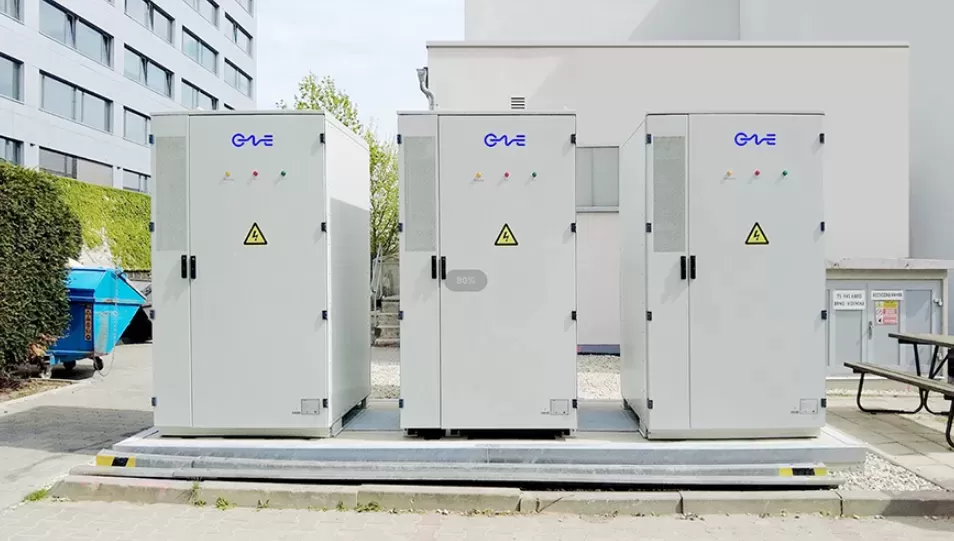
Project Consultation and Inquiry
Planning and implementing utility-scale energy storage assets requires close collaboration between battery manufacturers, project developers, and grid operators. CNTE (Contemporary Nebula Technology Energy Co., Ltd.) provides comprehensive engineering support, system integration, and customized hardware configurations designed to meet specific transmission and distribution grid codes.
If you are developing, planning, or investing in a large-scale energy storage asset, we invite you to contact our engineering team. We can discuss your project requirements, including system sizing, interconnection studies, and performance guarantees.
Frequently Asked Questions
Q1: What are the primary advantages of LFP chemistry in the largest grid scale battery storage projects?
A1: Lithium Iron Phosphate (LFP) chemistry offers superior thermal stability, a longer cycle life (often exceeding 6,000 to 8,000 cycles under specific operating conditions), and a lower cost profile compared to nickel-based chemistries. These characteristics contribute to a lower Levelized Cost of Storage (LCOS) and reliable operation over extended operational horizons.
Q2: How does liquid cooling compare to air cooling in utility-scale BESS installations?
A2: Liquid cooling provides significantly higher thermal conductivity and heat capacity than air cooling. This allows for more precise temperature regulation across the entire battery container, limiting cell-to-cell temperature variations to narrow ranges (typically within 3 degrees Celsius). Uniform thermal distribution reduces localized degradation rates, maintains system capacity, and decreases auxiliary power consumption compared to traditional air-conditioned configurations.
Q3: What role does the Energy Management System (EMS) play in revenue stacking?
A3: The EMS acts as the primary software controller that coordinates the physical battery system with external market signals and grid demands. It manages complex priority hierarchies, allowing the asset to perform multiple grid services—such as frequency response and arbitrage—simultaneously or sequentially. By analyzing pricing signals and grid conditions in real-time, the EMS optimizes revenue generation while staying within safe operational boundaries.
Q4: How do grid-forming inverters differ from grid-following inverters in utility-scale storage?
A4: Grid-following inverters rely on an existing, stable grid voltage and frequency reference to synchronize their output. In contrast, grid-forming inverters can establish their own voltage and frequency references, acting similarly to traditional synchronous generators. This capability is useful in weak grid environments or during black start scenarios where the external grid reference is absent or unstable.
Q5: How can operators minimize degradation in utility-scale battery storage?
A5: Operators can mitigate battery degradation by managing operational profiles to avoid high-stress conditions. This includes maintaining the state of charge (SoC) within optimal mid-range bands, avoiding excessive high-rate charge and discharge cycles unless required by high-value grid events, and ensuring precise thermal management. Additionally, using intelligent management software helps balance workloads across different battery modules to ensure even wear across the system.
Get in Touch
Recent Posts
-
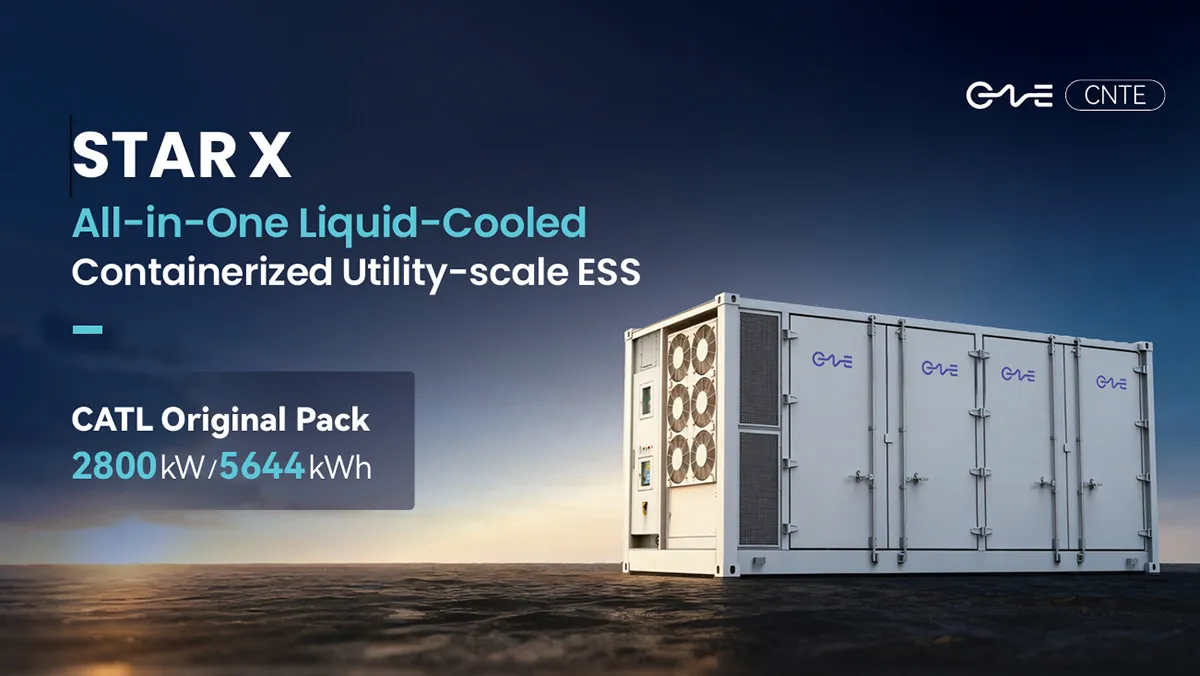
CNTE Launches STAR X Liquid-Cooled DC/AC Integrated Energy Storage System at Intersolar Europe 2026
Jul 06, 2026 -
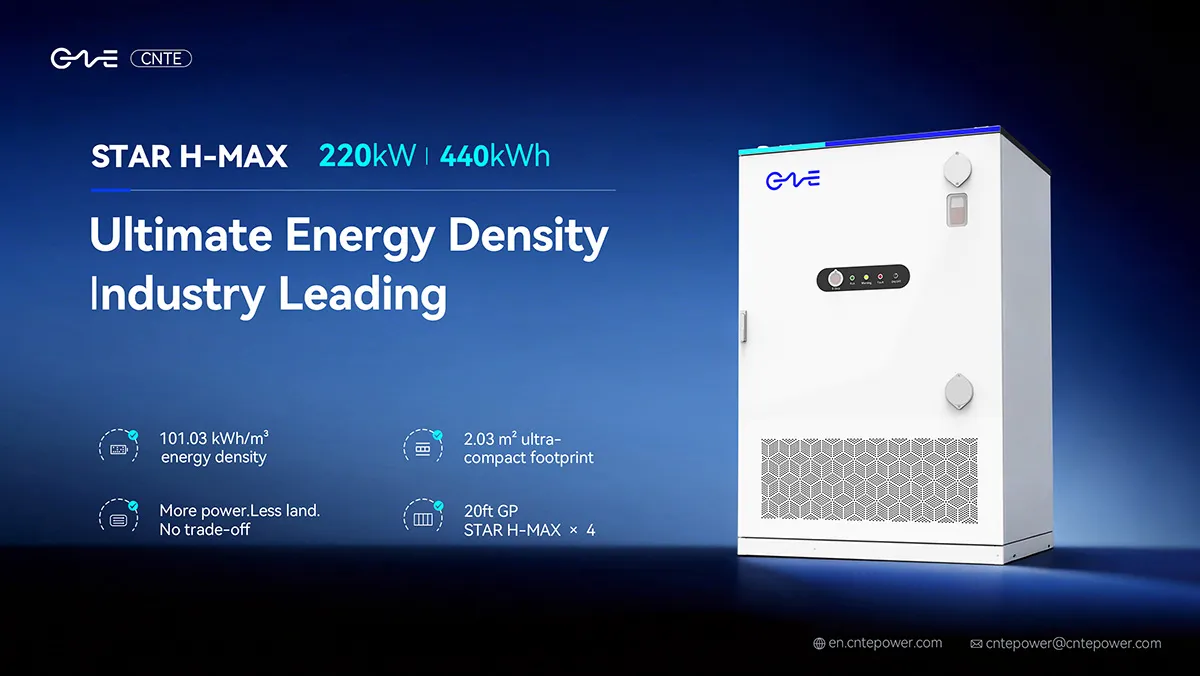
CNTE Unveils New STAR H-MAX Liquid-Cooled C&I ESS at Intersolar Europe 2026
Jun 23, 2026 -
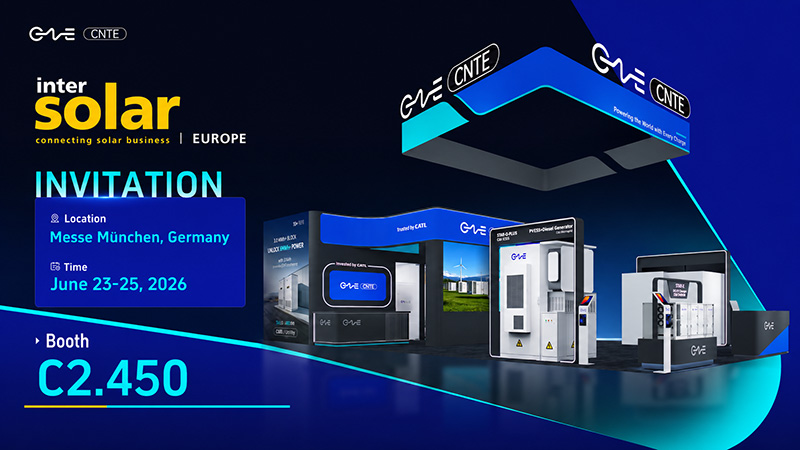
CNTE to Participate in Intersolar Europe 2026
May 20, 2026 -
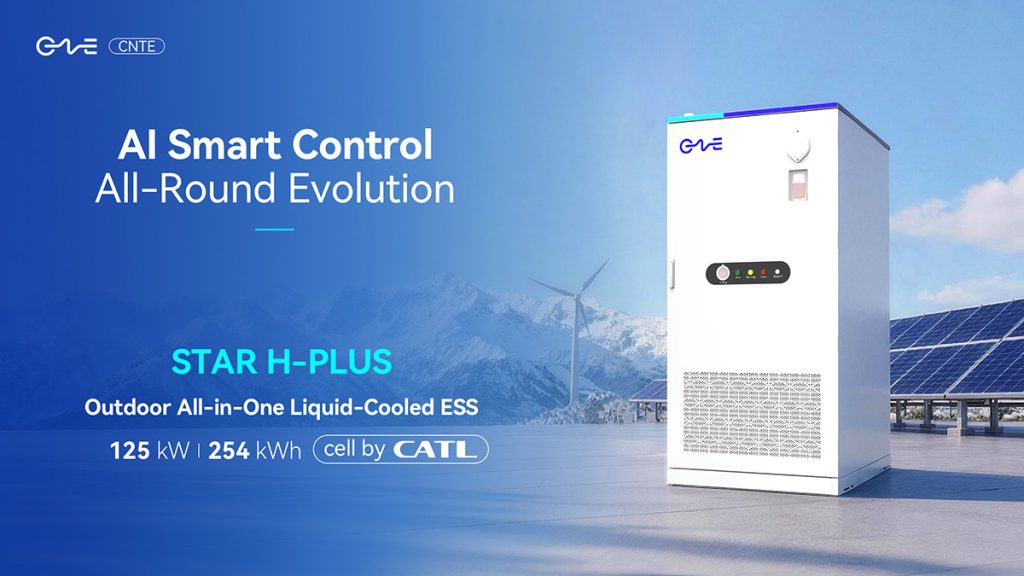
CNTE at KEY ENERGY 2026: Showcases STAR H-PLUS Outdoor Liquid-Cooled Energy Storage System
Mar 05, 2026 -

CNTE Honored as 2025 Forbes China Leading Global Brand
Jul 06, 2026 -

CNTE & YOU.ON Partner to Expand Storage Markets
May 19, 2025 -
CNTE Unveils Energy Storage Lineup at Solartech 2025
May 19, 2025 -
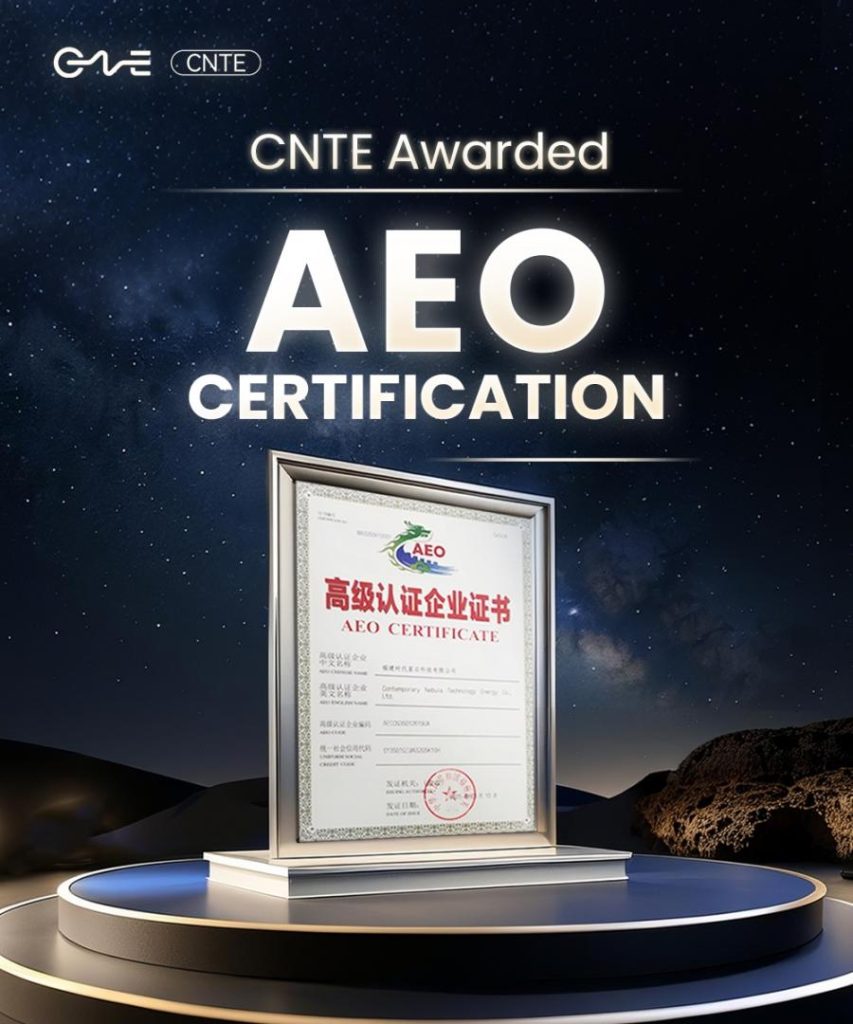
CNTE awarded AEO certification
Jul 06, 2026 -
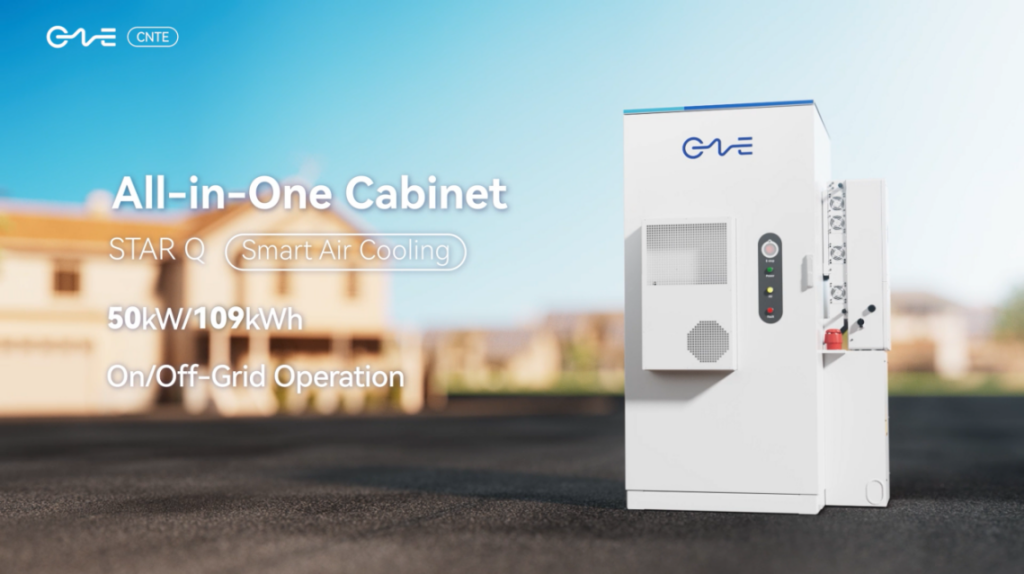
CNTE New Product Launch STAR Q
Jan 15, 2025 -
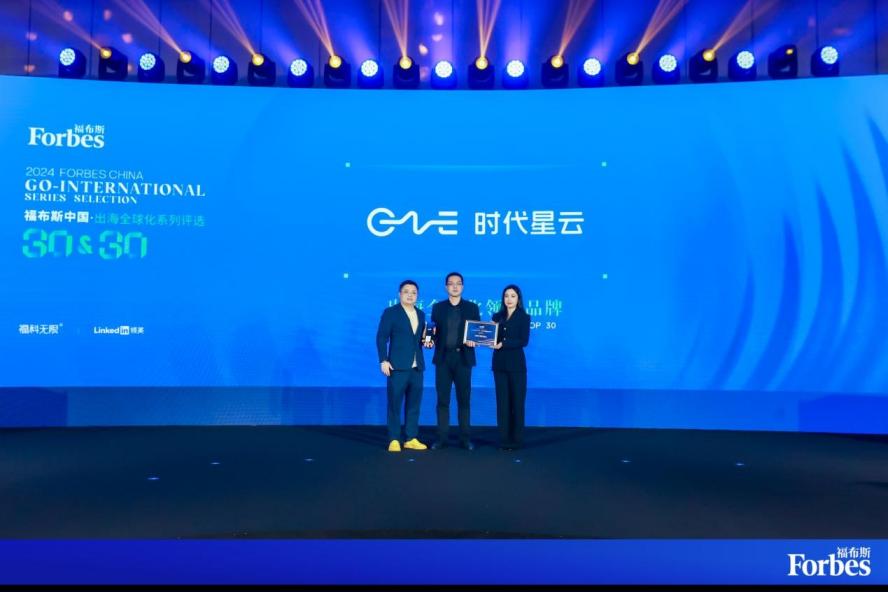
CNTE Named to Forbes China 2024 Top 30 Go-International Brands
Jul 06, 2026
