
5 Diverse Bess Applications Reshaping Commercial and Utility Power Grids
The modernization of utility grids and industrial power distribution requires a fundamental shift in how electrical energy is managed, distributed, and stabilized. Variable generation profiles from renewable sources, coupled with rising industrial peak demands, place unprecedented stress on traditional transmission networks. To balance supply and demand dynamically, operators require highly responsive utility-scale and decentralized energy storage solutions. Battery Energy Storage Systems (BESS) have emerged as a primary asset class to address these challenges, offering rapid response times and flexible deployment configurations.
As an engineering partner in this sector, CNTE (Contemporary Nebula Technology Energy Co., Ltd.) develops integrated energy storage configurations tailored to modern grid and commercial infrastructure. Understanding the specific functional requirements of different bess applications is key for engineering teams, grid planners, and facility managers looking to implement reliable, long-duration energy storage.
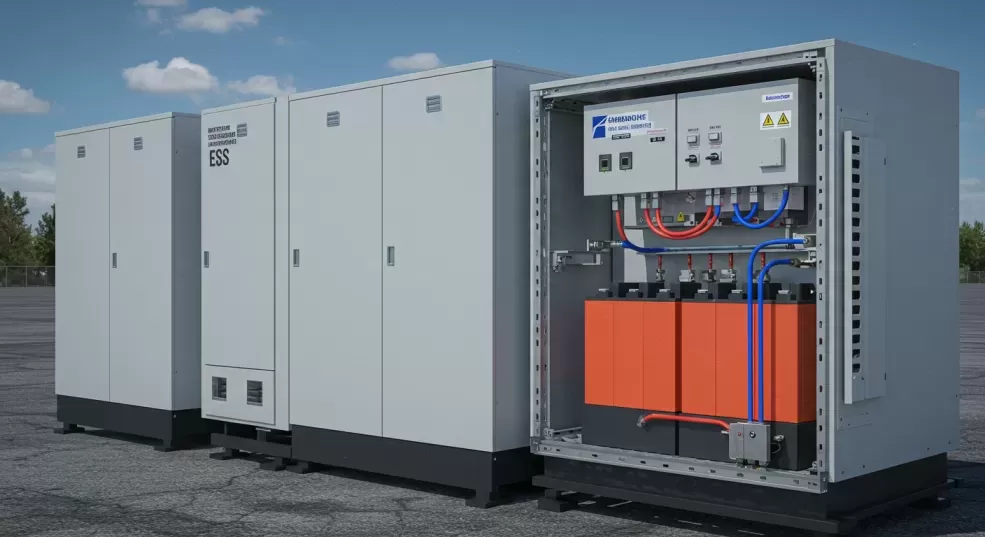
Utility-Scale Bess Applications for Grid Stabilization
Utility-scale systems, often configured as front-of-the-meter (FTM) installations, interface directly with high-voltage transmission or medium-voltage distribution grids. These installations require high capacity and high power outputs to support grid operators in maintaining system stability.
Frequency Regulation and Ancillary Services
Grid frequency must be maintained within a very narrow operational band (typically 50 Hz or 60 Hz) to prevent equipment damage and widespread power outages. Traditional thermal power plants adjust their output slowly, making it difficult to match instantaneous fluctuations in load. Battery storage systems solve this latency issue by providing millisecond-level response capabilities.
Primary Frequency Response: Fast active power injection or absorption occurs automatically within seconds of a frequency deviation detection.
Secondary Frequency Regulation: Systems respond to automatic generation control (AGC) signals from the transmission system operator (TSO) to restore frequency to nominal values.
Synthetic Inertia: Advanced power conversion systems (PCS) mimic the rotational inertia of traditional synchronous generators, stabilizing the grid against rapid rate-of-change-of-frequency (RoCoF) events.
Capacity Firming and Peak Shaving
As coal and gas plants retire, grid operators must secure dependable capacity during peak load periods. Large-scale battery installations act as virtual peaking plants. During low-demand periods, the batteries charge from the grid. When peak demand occurs, the stored energy is discharged back into the system, relieving congestion on transmission lines and mitigating the need to activate costly, high-emission peaker plants.
Black Start Capabilities
In the event of a total or partial grid blackout, generating stations require an external power source to restart their operations. Traditionally, small diesel generators provided this initial power. Large-scale battery storage installations are increasingly configured to perform black start operations, delivering the necessary voltage and active power to energize transmission lines and assist in restoring regional grid networks.
Commercial and Industrial Bess Applications
Behind-the-meter (BTM) configurations serve manufacturing facilities, data centers, commercial complexes, and microgrids. These systems prioritize local energy management, tariff reduction, and power quality continuity.
Demand Charge Management
Commercial and industrial utility billing typically includes both energy consumption charges (kWh) and demand charges (kW). Demand charges are calculated based on the highest average power draw recorded during a brief interval (often 15 minutes) within the billing cycle. For energy-intensive industries, these charges can represent up to half of the monthly utility bill.
By implementing local battery storage, commercial operators can engage in peak shaving. The system detects when the facility's power demand approaches a predefined threshold and automatically discharges battery power to supply the excess load. This limits the peak demand drawn from the utility grid, resulting in predictable, lower utility bills.
Power Quality and Voltage Support
Modern industrial equipment, such as automated assembly lines, precision robotics, and advanced computing clusters, is sensitive to power quality anomalies. Voltage sags, swells, transients, and harmonic distortions can cause unexpected machine shutdowns, costly production delays, and hardware damage.
To prevent these operational interruptions, local battery systems operate in conjunction with double-conversion power electronics. The storage system continuous filters incoming utility power, smoothing out fluctuations and instantly bridging minor supply interruptions without requiring a complete system reboot.
Microgrid Integration and Islanding
Remote industrial sites, military installations, and facilities located in areas prone to severe weather events increasingly rely on localized microgrids. These localized grids integrate renewable generation, back-up diesel generators, and energy storage.
When the main grid experiences an outage, the microgrid transitions to island mode. The battery storage system establishes the local grid frequency and voltage reference (grid-forming mode), allowing local solar arrays to continue operating safely. This coordination ensures continuous operation of facility assets without sole reliance on diesel fuel logistics.
Renewable Energy Integration and Co-Location
The intermittent nature of solar and wind energy limits their capacity factor and creates grid integration challenges, such as the well-documented solar generation "duck curve." Co-locating energy storage with renewable energy assets helps smooth out these fluctuations.
Ramp-Rate Limitation
Passing clouds or sudden changes in wind speed can cause rapid fluctuations in the power output of utility-scale solar and wind farms. Grid codes often impose strict ramp-rate limits, penalizing operators if their output changes too quickly. Co-located battery systems absorb excess energy during sudden generation spikes and discharge during drops, smoothing the output curve to meet grid compliance requirements.
Energy Arbitrage and Dispatchability
Without storage, renewable energy operators must sell power at the current spot price, which often drops to zero or goes negative during periods of high generation. Integrating battery storage allows operators to store energy during peak generation hours and dispatch it to the wholesale market when demand and energy prices are highest. This capacity converts an intermittent generation plant into a dispatchable energy asset.
Engineering and System Architecture Requirements
The execution of successful bess applications relies on matching chemical cell configurations with appropriate cooling systems and system control layers.
Battery Chemistry Selection
While various chemistries exist, Lithium Iron Phosphate (LFP) has become the industry standard for stationary energy storage. LFP chemistry offers favorable characteristics, including high thermal stability, long cycle life (often exceeding 6,000 cycles at 80% depth of discharge), and a non-toxic composition compared to nickel-based chemistries. These attributes make LFP suitable for both high-power applications like frequency regulation and high-energy applications like daily peak shaving.
Thermal Management Systems
Maintaining uniform cell temperatures is key to preventing accelerated degradation and localized thermal runaway incidents. Thermal management systems generally fall into two categories:
Air Cooling: Uses forced convection to circulate air through the battery racks. Air cooling is suitable for low-duty applications with moderate ambient temperatures but can suffer from temperature variations within large enclosures.
Liquid Cooling: Circulates a coolant mixture (typically water-glycol) through cooling plates directly contacting the battery modules. This design provides more uniform temperature distribution, reducing cell-to-cell temperature deltas and extending the overall operational life of the battery pack, even under intensive cycling conditions.
The Control Hierarchy: BMS, EMS, and PCS
Operation of an energy storage installation relies on a multi-tiered control architecture working in tandem:
Battery Management System (BMS): Operates at the cell and pack level, monitoring parameters such as cell voltage, temperature, state of charge (SoC), and state of health (SoH). The BMS prevents overcharging, overdischarging, and overtemperature events.
Power Conversion System (PCS): The bi-directional inverter that converts direct current (DC) from the batteries into alternating current (AC) for the grid or facility, and vice versa. Modern PCS units support advanced grid services, including reactive power compensation and active filtering.
Energy Management System (EMS): The high-level software controller that monitors historical load profiles, weather forecasts, and utility tariff structures. The EMS runs dispatch algorithms to decide when the system should charge, discharge, or hold standby capacity to maximize economic return and system longevity.
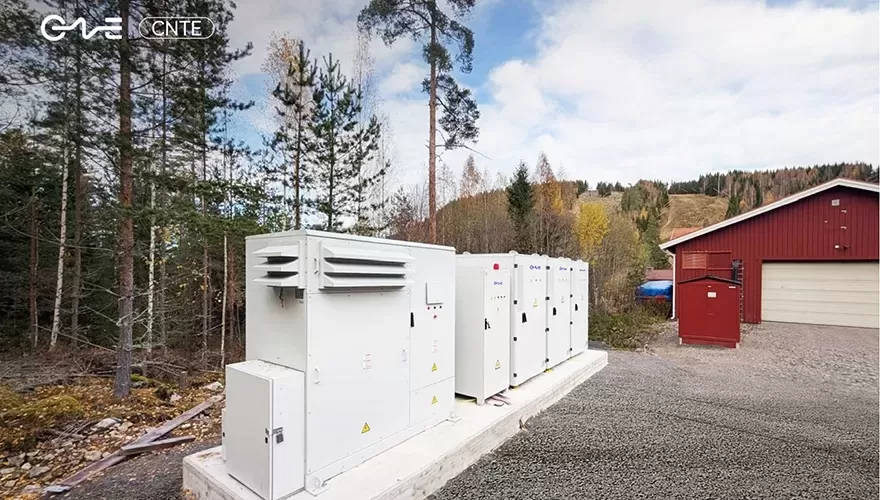
Collaborating with CNTE for Tailored Energy Storage
Every industrial facility and utility grid node presents unique load profiles, thermal challenges, and regulatory environments. Selecting the appropriate system footprint, inverter capacity, and control software requires detailed engineering analysis and reliable hardware manufacturing.
CNTE (Contemporary Nebula Technology Energy Co., Ltd.) offers high-performance, containerized energy storage solutions designed for diverse commercial, industrial, and utility requirements. Our engineering teams assist in system sizing, single-line diagram formulation, and performance modeling to ensure your project delivers long-term operational stability and measurable return on investment.
To discuss your specific project parameters, load profiles, or grid interconnection requirements, please contact our application engineering team to request a formal technical consultation and product inquiry.
Frequently Asked Questions
Q1: What are the primary factors to consider when sizing a battery energy storage system for commercial bess applications?
A1: Sizing requires an analysis of the facility's 15-minute interval load data for at least a 12-month period. This data helps identify the peak demand spikes, base load, and energy consumption patterns. Additionally, local utility tariff sheets, grid interconnection limitations, available physical footprint, and local environmental conditions must be evaluated to determine the appropriate kilowatt (kW) power rating and kilowatt-hour (kWh) energy capacity.
Q2: How does liquid cooling compare to air cooling in utility-scale energy storage systems?
A2: Liquid cooling systems provide superior thermal conductivity compared to air, keeping temperature variations between individual cells within a much narrower range (typically less than 3 degrees Celsius). This uniform temperature distribution reduces uneven cell degradation, lowers auxiliary power consumption used by fans, and allows for a more compact system footprint, which is beneficial in utility-scale installations where space and longevity are primary project considerations.
Q3: Can a BESS operate as both an uninterruptible power supply (UPS) and a peak-shaving system simultaneously?
A3: Yes, modern control software allows the battery system to split its usable capacity. A specific percentage of the battery's state of charge (SoC) is reserved to act as emergency back-up power during an outage, functioning similarly to a traditional UPS. The remaining capacity is dynamically dispatched throughout the day to perform peak shaving and load leveling, maximizing the economic utilization of the asset.
Q4: What is the typical operational lifespan of a modern LFP battery energy storage system?
A4: A modern Lithium Iron Phosphate (LFP) system designed with appropriate thermal management and operated within standard parameters generally delivers an operational lifespan of 10 to 15 years. This timeline translates to roughly 6,000 to 8,000 complete charge-discharge cycles before the capacity degrades to 70% or 80% of its original rating, depending on the cycle frequency, depth of discharge, and operating temperatures.
Q5: How does a battery storage system support grid-forming capabilities in isolated microgrids?
A5: In isolated or islanded microgrids, traditional grid-following inverters cannot operate because they require an external voltage and frequency signal to synchronize. A battery system equipped with a grid-forming inverter acts as the primary voltage source, establishing the local AC frequency and voltage reference. This allows other decentralized assets, such as standard solar PV inverters and wind turbines, to synchronize and safely deliver power to the local grid network.
Get in Touch
Recent Posts
-
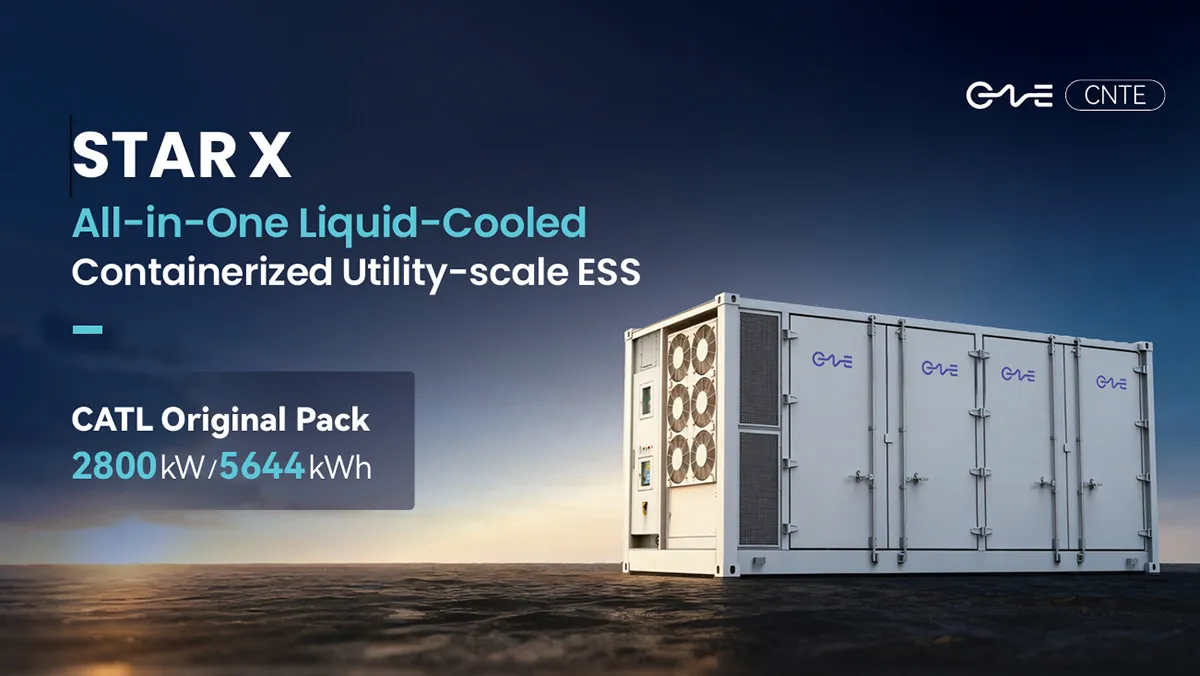
CNTE Launches STAR X Liquid-Cooled DC/AC Integrated Energy Storage System at Intersolar Europe 2026
Jul 06, 2026 -
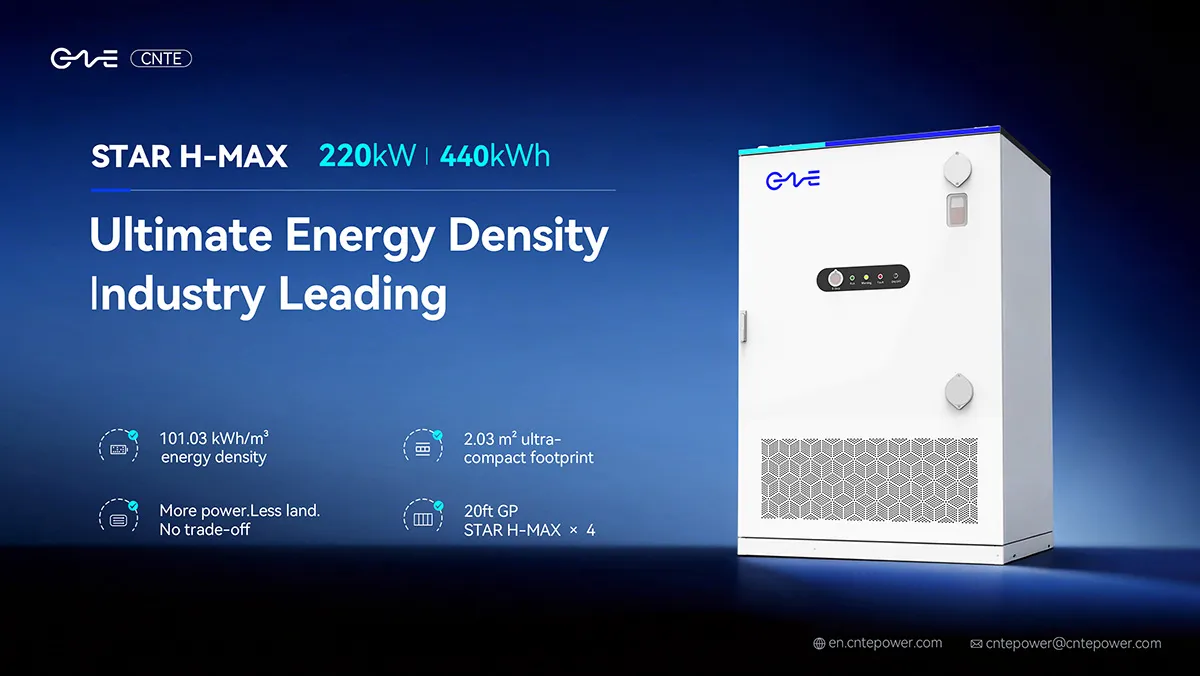
CNTE Unveils New STAR H-MAX Liquid-Cooled C&I ESS at Intersolar Europe 2026
Jun 23, 2026 -
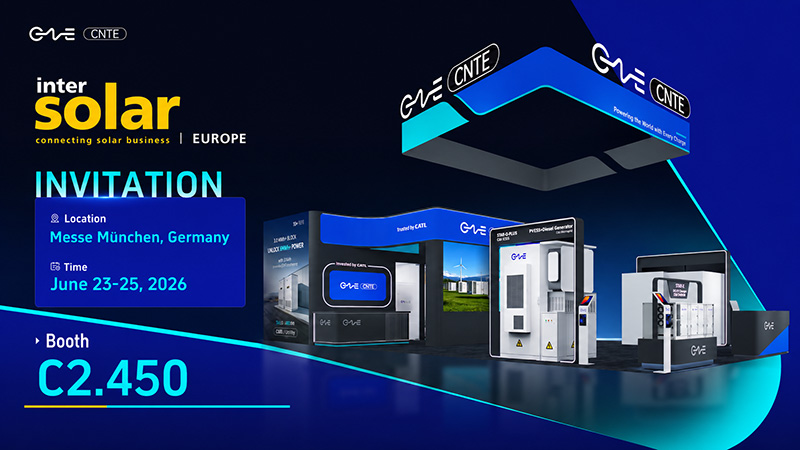
CNTE to Participate in Intersolar Europe 2026
May 20, 2026 -
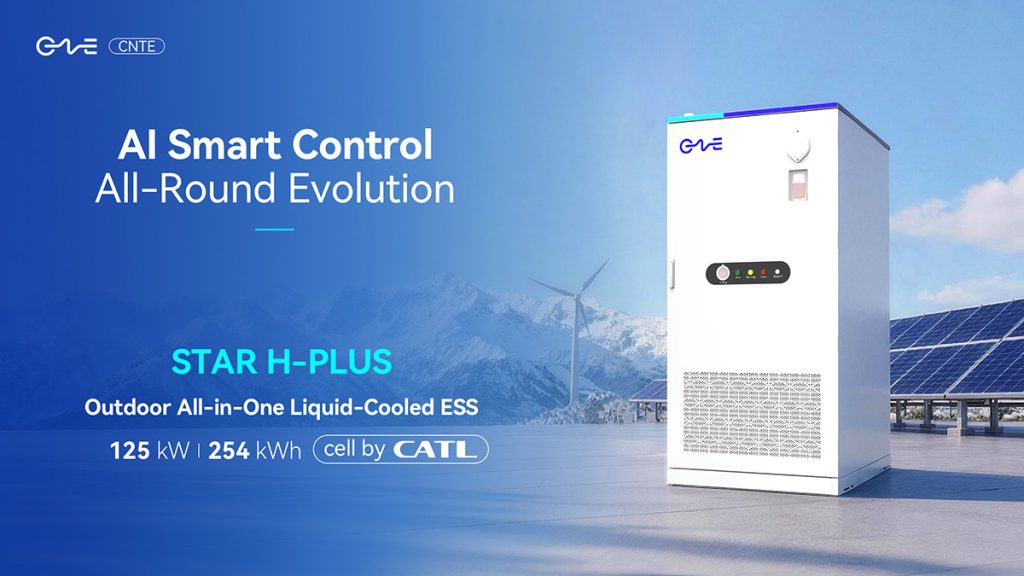
CNTE at KEY ENERGY 2026: Showcases STAR H-PLUS Outdoor Liquid-Cooled Energy Storage System
Mar 05, 2026 -

CNTE Honored as 2025 Forbes China Leading Global Brand
Jul 06, 2026 -

CNTE & YOU.ON Partner to Expand Storage Markets
May 19, 2025 -
CNTE Unveils Energy Storage Lineup at Solartech 2025
May 19, 2025 -

CNTE awarded AEO certification
Jul 06, 2026 -
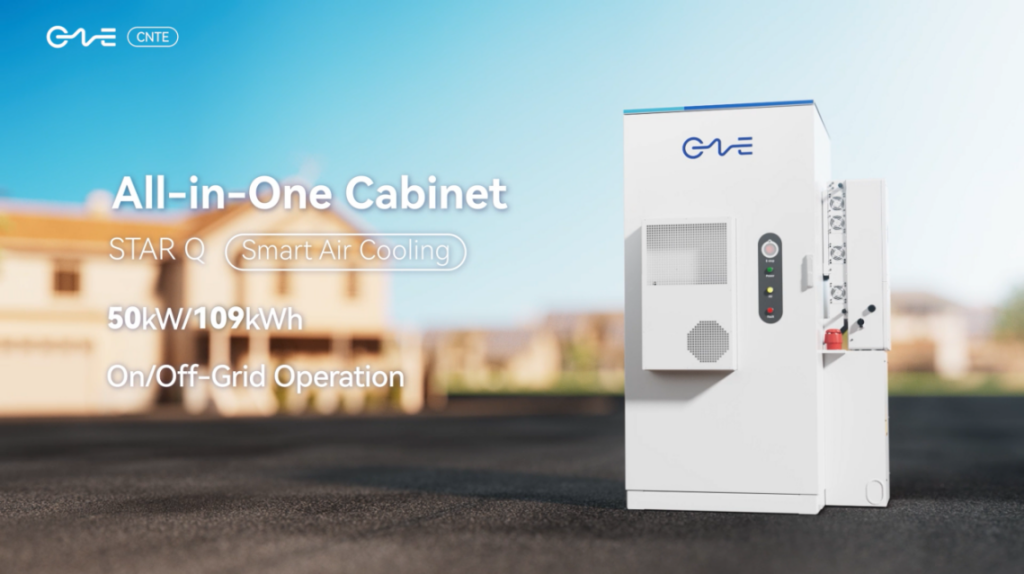
CNTE New Product Launch STAR Q
Jan 15, 2025 -

CNTE Named to Forbes China 2024 Top 30 Go-International Brands
Jul 06, 2026
