
Maximizing Grid Resilience and ROI with a Smart Energy Storage System
The transformation of global energy grids presents commercial and industrial operations with complex operational challenges. Rising peak demand charges, frequent power quality fluctuations, and the necessity of incorporating variable renewable resources demand more sophisticated power management infrastructures. To address these demands, adopting a smart energy storage system has transitioned from a modern luxury to a fundamental requirement for commercial facility managers and energy planners aiming to stabilize costs and maintain continuous uptime.
By coordinating advanced hardware with intelligent software, modern storage infrastructures do more than store standby power. They actively manage localized microgrids, interact with wider distribution grids, and protect commercial assets from voltage sags and interruptions. Forward-looking providers, including CNTE (Contemporary Nebula Technology Energy Co., Ltd.), are developing these integrated setups to meet the demanding requirements of commercial and industrial enterprises globally.
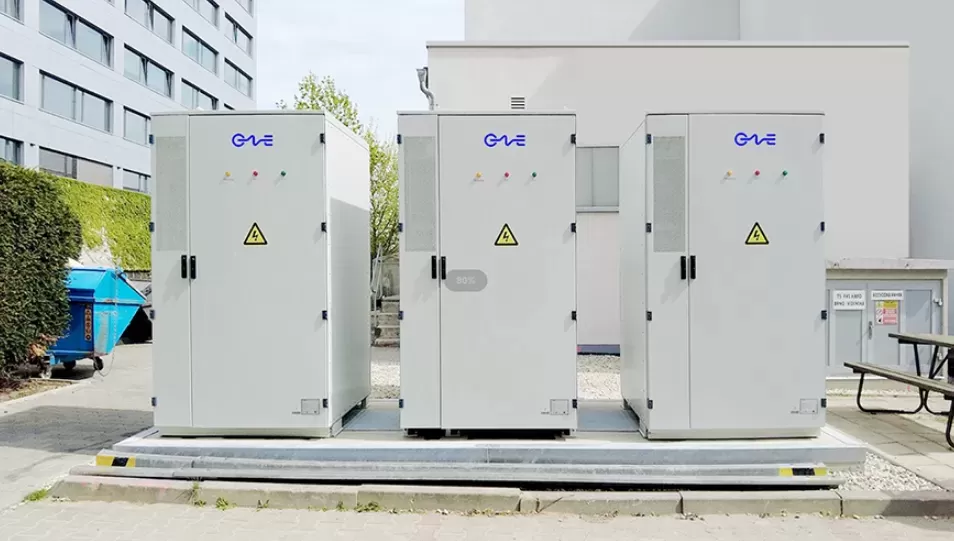
Understanding the Systemic Architecture of Energy Storage
A smart energy storage system is not a simple battery pack; it is a complex, multi-layered architecture where multiple sub-systems operate in real-time coordination. Achieving high reliability and economic return requires seamless communication across three distinct engineering layers: the battery cells, the power conversion equipment, and the digital orchestration software.
1. The Battery Energy Storage System (BESS) Core
At the physical core of these systems are high-density battery cells, typically utilizing lithium iron phosphate (LiFePO4) chemistry due to its long life cycle and safety profile. To prevent cell degradation, a localized Battery Management System (BMS) monitors key operational metrics:
Cell-level voltage and internal resistance.
State of Charge (SoC) estimation utilizing advanced algorithms.
State of Health (SoH) metrics to predict long-term degradation patterns.
Thermal distribution patterns across module racks.
2. Bidirectional Power Conversion System (PCS)
The PCS acts as the bridge between the direct current (DC) power stored in the batteries and the alternating current (AC) power utilized by commercial facilities and the utility grid. Modern PCS units utilize high-efficiency semiconductor topologies that allow for sub-millisecond switching times. This rapid response is pivotal for applications requiring transient frequency response and seamless transition to islanded mode during grid outages.
3. Energy Management System (EMS) and Orchestration Software
The digital layer represents the brain of the entire configuration. The EMS coordinates the physical capabilities of the PCS and BMS with external market conditions. By analyzing historical load profiles, localized weather forecasts for solar generation, and real-time utility tariff structures, the EMS determines the most financially viable charging and discharging schedules.
How a Smart Energy Storage System Solves Grid Challenges
Industrial operations suffer when power quality degrades or supply becomes unpredictable. Grid operators struggle to balance supply and demand as volatile wind and solar assets join the generation mix. Implementing a smart energy storage system directly mitigates these modern grid challenges.
Mitigating High Peak Demand Charges
Many commercial utility bills are heavily influenced by demand charges, which are calculated based on the highest rate of electricity consumption recorded during a single billing period. If a facility activates heavy machinery simultaneously, it creates a temporary spike in consumption that inflates electricity costs for months.
Through peak shaving strategies, the storage system detects when demand is about to cross a predefined threshold and immediately discharges stored power to cover the spike. Consequently, the utility grid sees a flattened load profile, resulting in substantial savings on operational energy bills.
Smoothing Variable Renewable Generation
On-site solar arrays are highly susceptible to sudden generation drops caused by cloud cover. These rapid drops can strain localized electrical distribution, causing voltage flickers and machinery faults. A modern energy storage solution dampens these fluctuations by injecting or absorbing power in real-time, matching the designed output profile of the facility's distribution network.
Grid Frequency Regulation
Grid operators must maintain grid frequency within strict tolerances (typically 50 Hz or 60 Hz). If demand exceeds supply, frequency drops; if supply exceeds demand, frequency rises. Intelligent storage platforms contribute to grid stability by responding to utility frequency control signals. The system absorbs excess energy when grid frequency is high and returns it during periods of high demand, opening up ancillary service revenue streams for commercial participants.
Key Application Scenarios in Commercial and Industrial Sectors
The operational value of localized storage depends heavily on its application scenario. Diverse industries deploy these systems differently to align with their specific financial and operational profiles.
Commercial and Industrial Peak Shaving and Load Shifting
For large-scale manufacturing sites and data centers, integrating a smart energy storage system allows facilities to buy power during off-peak hours when tariffs are low, store it, and use it during peak-tariff windows. This dynamic scheduling maximizes the return on investment of energy infrastructure, shifting the load away from expensive generation hours without interrupting factory productivity.
In regions with dynamic, real-time pricing models, this load-shifting capability can turn energy assets into virtual revenue generators. Integrated solutions manufactured by CNTE assist industrial facilities in reducing their grid dependence during times of peak pricing while maintaining constant operational status.
Microgrid and Off-Grid Integration
Remote industrial locations—such as mining operations, agricultural hubs, or isolated research facilities—often rely on diesel generators. Fuel transportation to these areas is expensive and vulnerable to supply chain interruptions. By coupling diesel generators and local renewable sources with smart storage, operations can transition to microgrid modes. The system stabilizes the microgrid, minimizing diesel consumption and ensuring a steady supply of power even when fuel shipments are delayed.
Data Center Backup and UPS Support
Traditional data centers rely on dual-conversion rotary or static Uninterruptible Power Supplies (UPS) coupled with diesel generators for backup. However, these systems often sit idle, drawing parasitic power to maintain charge. Integrating advanced, smart-enabled storage allows these backup assets to perform grid services during normal operations while retaining enough capacity to handle sudden power interruptions. This active use model transforms a cost center into a functional asset.
Advanced Thermal Management and Safety Design
Lithium-ion chemistries require precise environmental control to maintain long lifespans and prevent thermal runaway. Engineering robust systems involves highly developed thermal management and multi-level physical protection systems.
Liquid Cooling versus Air Cooling
While air-cooled cabinets are sufficient for small-scale applications, larger high-power systems utilize liquid cooling loops. Liquid cooling plates placed directly against battery modules maintain uniform temperatures across all cells, keeping temperature variances within a 2-3°C range. This uniformity prevents localized cell degradation, prolongs overall system lifespan, and allows for higher rate charging and discharging cycles.
Multi-Tier Safety Architecture
Modern industrial energy storage installations utilize a layered safety approach:
First Tier (Cell Chemistry): Selecting stable formulations, such as lithium iron phosphate, which offers a high thermal runaway threshold compared to nickel-rich chemistries.
Second Tier (Electrical Safeguards): Incorporating smart circuit breakers, fast-acting fuses, and continuous isolation monitoring to isolate electrical faults before they escalate.
Third Tier (Environmental Monitoring): Using gas detection sensors to find off-gassing particles before thermal events occur, prompting automated system shutdown.
Fourth Tier (Fire Suppression): Integrating clean agent gas flooding systems alongside localized water-mist systems to suppress thermal developments instantly.
Future Trends in Intelligent Power Management
The transition toward decentralized, digitally enabled energy grids is accelerating. The next generation of smart energy storage system technology relies heavily on software advances, predictive maintenance models, and multi-asset orchestration.
Artificial Intelligence (AI) and Machine Learning (ML) algorithms are increasingly used to analyze complex market variables. By studying historical weather data, grid pricing history, and factory load cycles, these systems can accurately forecast generation and consumption profiles up to 48 hours in advance. This allows the system to determine the most cost-efficient operation profiles, adjusting charge-discharge points in real-time as market conditions shift.
Furthermore, the aggregation of distributed energy storage units into Virtual Power Plants (VPPs) is transforming how local facilities interact with the utility provider. Rather than operating as isolated systems, multiple commercial facilities can pool their battery capacities to bid into high-value utility-scale capacity markets, creating predictable, passive income streams while supporting national decarbonization targets.
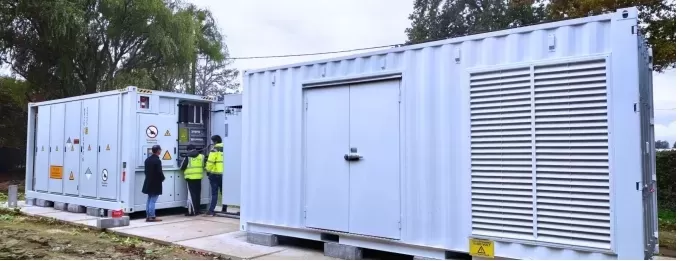
Customizing Your Enterprise Energy Strategy
No two commercial operations share the exact same load profile, utility tariff structures, or environmental constraints. Implementing a robust, industrial-grade storage setup requires comprehensive site analysis, detailed system dimensioning, and precise integration with existing infrastructure. Rather than relying on off-the-shelf components, high-performing facilities deploy engineered solutions designed around their specific power patterns.
To evaluate how an integrated solution can enhance your operational continuity and reduce your utility expenses, reach out to CNTE to obtain detailed drawings, load-profile analysis, and customized engineering proposals.
Frequently Asked Questions
Q1: What are the primary components of a smart energy storage system?
A1: The configuration includes a high-capacity battery bank (often utilizing lithium iron phosphate cells), an intelligent Battery Management System (BMS), a bidirectional Power Conversion System (PCS) to convert AC and DC currents, and an overarching Energy Management System (EMS) software layer that controls dispatch cycles based on grid signals and pricing data.
Q2: How does peak shaving reduce electricity costs for commercial facilities?
A2: Peak shaving lowers demand charges on utility bills. It monitors consumption in real-time, discharging stored energy whenever the facility’s power draw approaches a pre-set limit. This flattens the demand curve seen by the utility, preventing expensive demand-charge fees.
Q3: Why is liquid cooling preferred over air cooling in large-scale storage systems?
A3: Liquid cooling provides superior thermal uniformity across battery modules, keeping cell-to-cell temperature differences within a narrow window. This thermal control prevents hot spots, slows degradation, maintains system capacity, and lowers the probability of thermal runaway in high-power applications.
Q4: Can these systems operate when the main utility grid goes down?
A4: Yes. When equipped with a grid-forming PCS and appropriate transfer switches, the system can operate in "islanded" or microgrid mode. It isolates the facility from the utility grid during an outage and provides clean, stable power to critical local loads without interruption.
Q5: What is the typical lifespan of a commercial-grade battery storage system?
A5: High-quality lithium iron phosphate (LiFePO4) systems generally offer an operational lifespan of 10 to 15 years, depending on cycle frequency, discharge depth, and environmental conditions. Proper thermal management and smart EMS scheduling help maximize this operational duration.
Get in Touch
Recent Posts
-
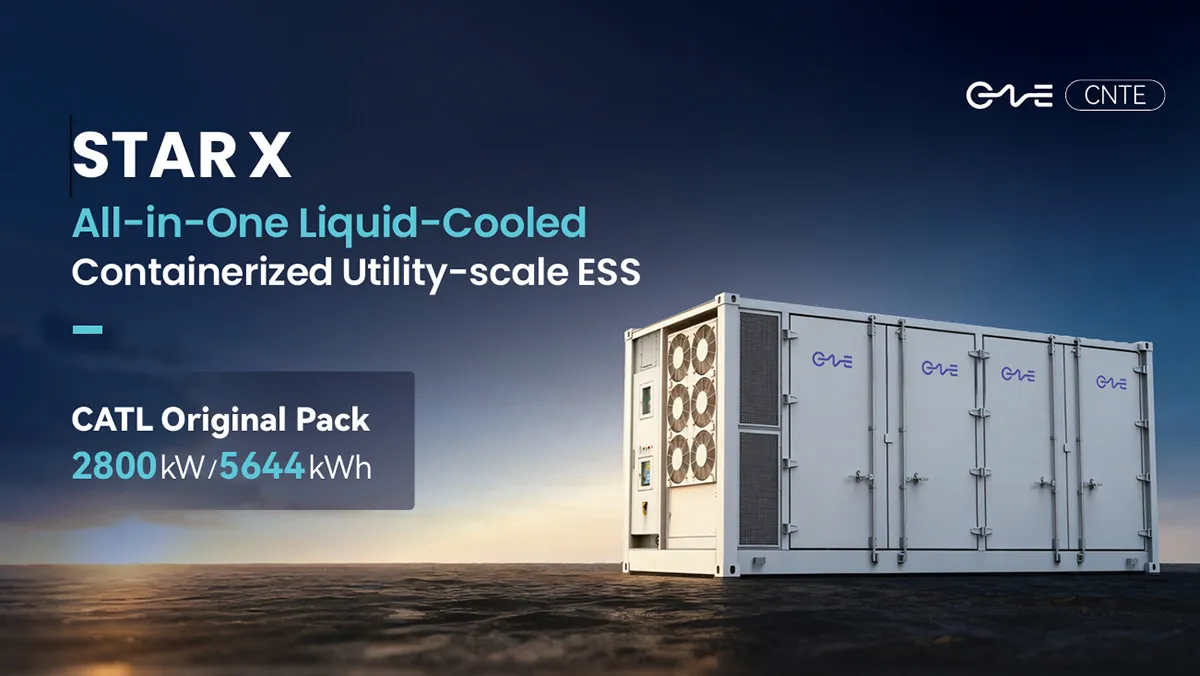
CNTE Launches STAR X Liquid-Cooled DC/AC Integrated Energy Storage System at Intersolar Europe 2026
Jul 06, 2026 -
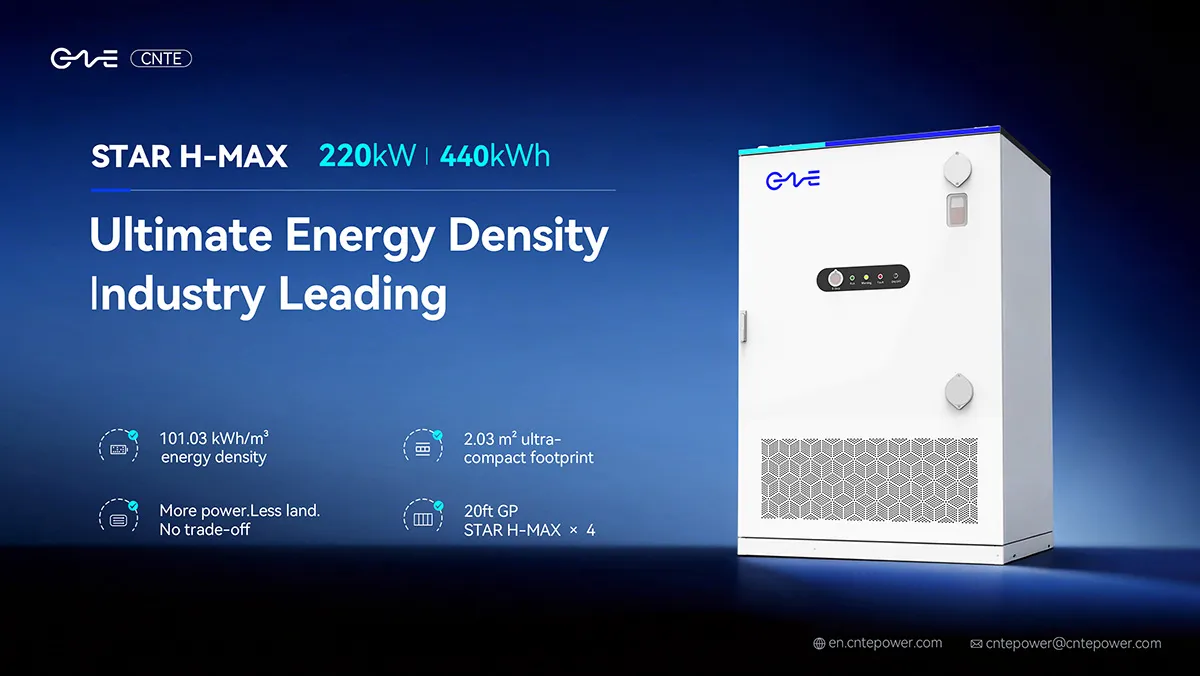
CNTE Unveils New STAR H-MAX Liquid-Cooled C&I ESS at Intersolar Europe 2026
Jun 23, 2026 -
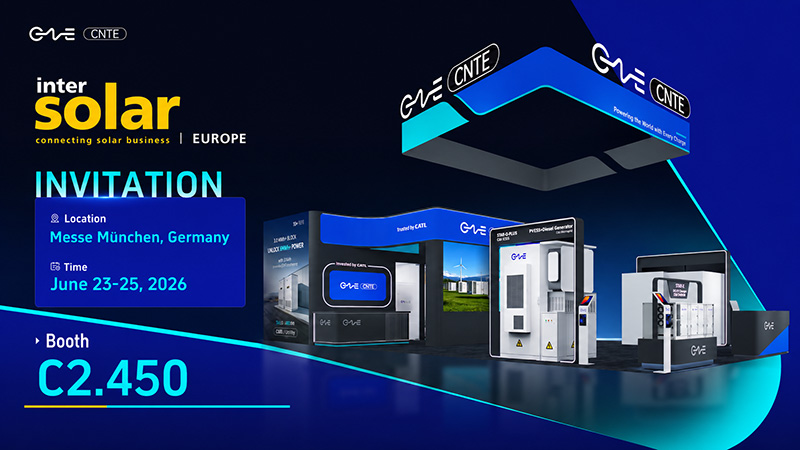
CNTE to Participate in Intersolar Europe 2026
May 20, 2026 -
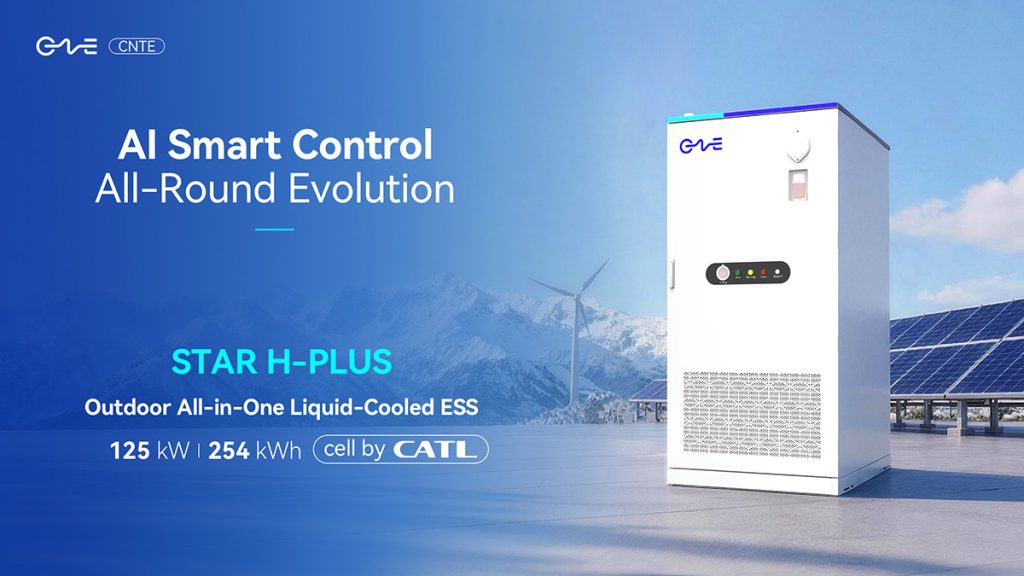
CNTE at KEY ENERGY 2026: Showcases STAR H-PLUS Outdoor Liquid-Cooled Energy Storage System
Mar 05, 2026 -

CNTE Honored as 2025 Forbes China Leading Global Brand
Jul 06, 2026 -
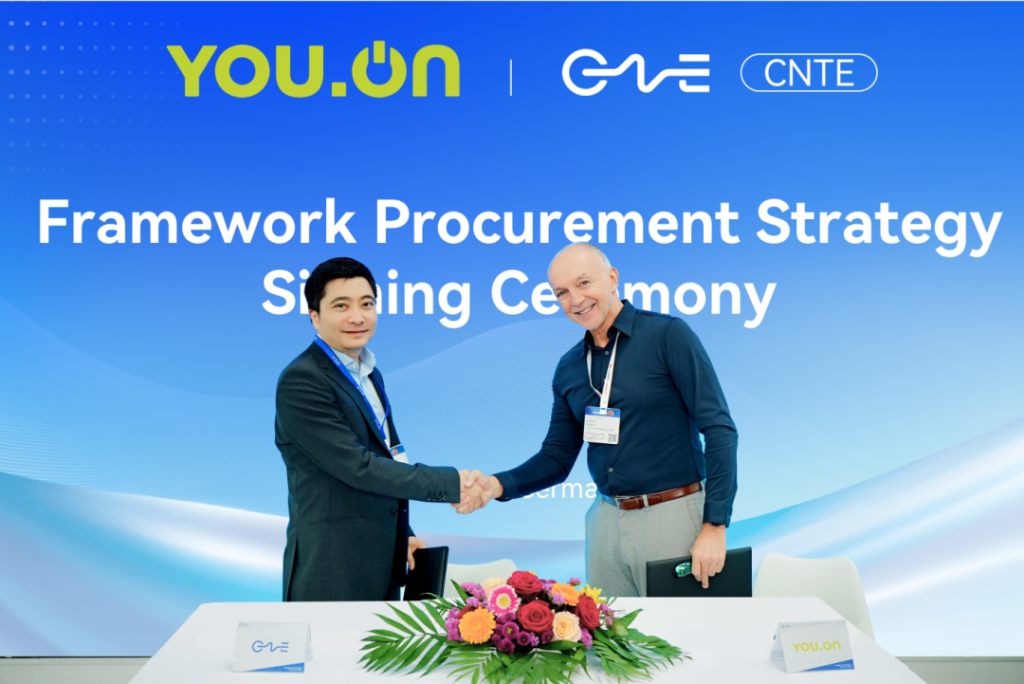
CNTE & YOU.ON Partner to Expand Storage Markets
May 19, 2025 -

CNTE Unveils Energy Storage Lineup at Solartech 2025
May 19, 2025 -
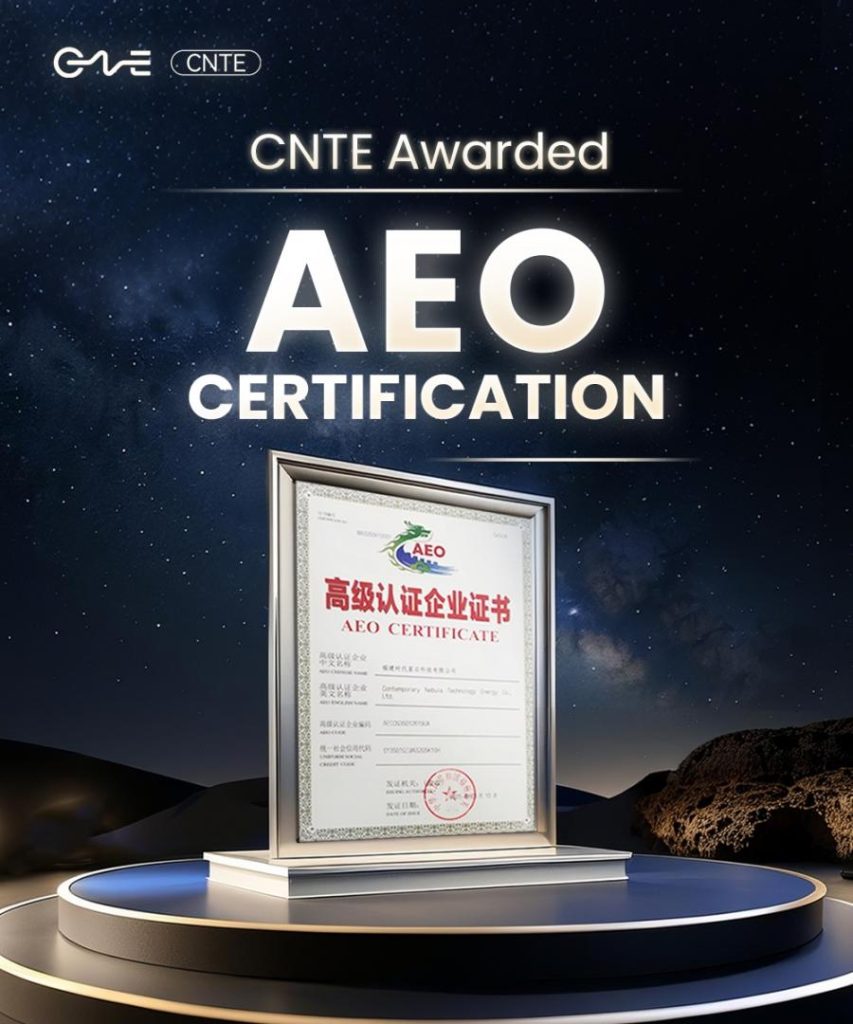
CNTE awarded AEO certification
Jul 06, 2026 -
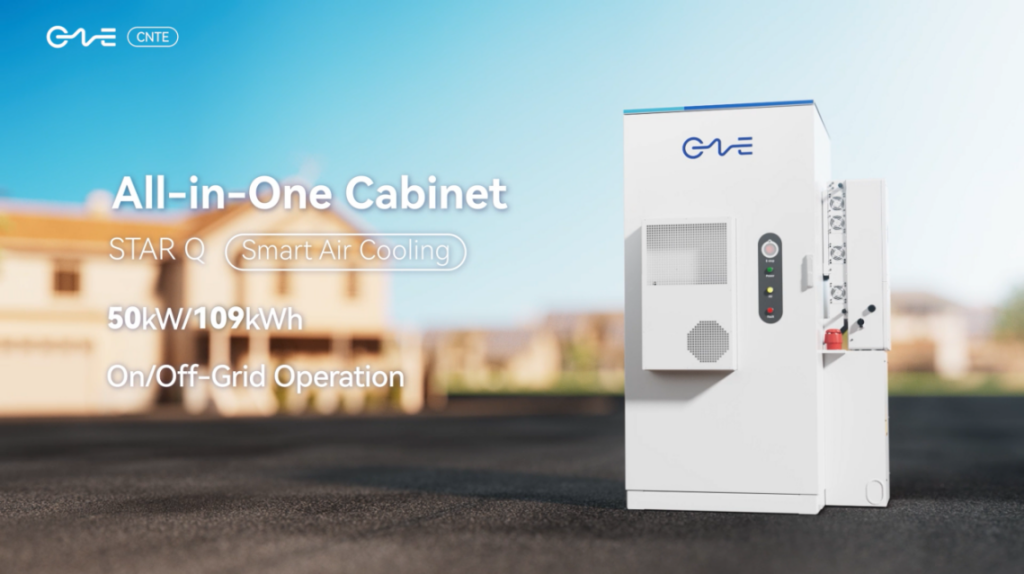
CNTE New Product Launch STAR Q
Jan 15, 2025 -
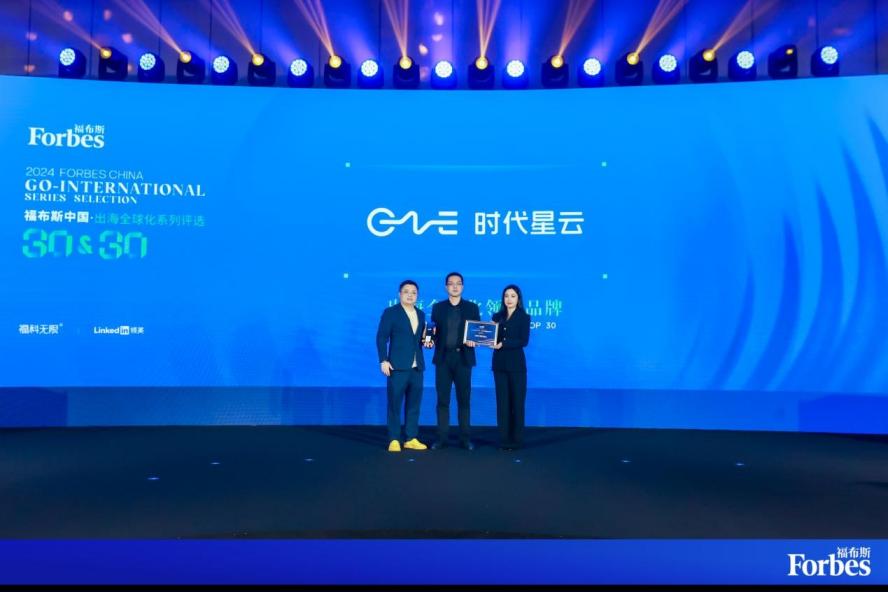
CNTE Named to Forbes China 2024 Top 30 Go-International Brands
Jul 06, 2026
