
5 Key Engineering Principles for a Reliable Bess Experience in Heavy Industry
Modern electrical grids and industrial facilities face unprecedented stability challenges. As thermal power plants retire and intermittent renewable generation increases, the demand for local energy storage solutions has grown from a secondary support mechanism into a primary infrastructure requirement. A commercial or industrial facility deploying energy storage must look beyond standard battery datasheets. The operational success of such deployments depends on the total system integration, commonly referred to as the overall bess experience.
Achieving a reliable, cost-efficient, and durable energy storage deployment requires a deep understanding of battery chemistry, power electronics, thermal dynamics, and control software. At CNTE (Contemporary Nebula Technology Energy Co., Ltd.), the focus remains on engineering fully integrated solutions that address these complex interactions. This analysis examines the engineering decisions, systemic challenges, and design philosophies that dictate the performance of modern energy storage assets.
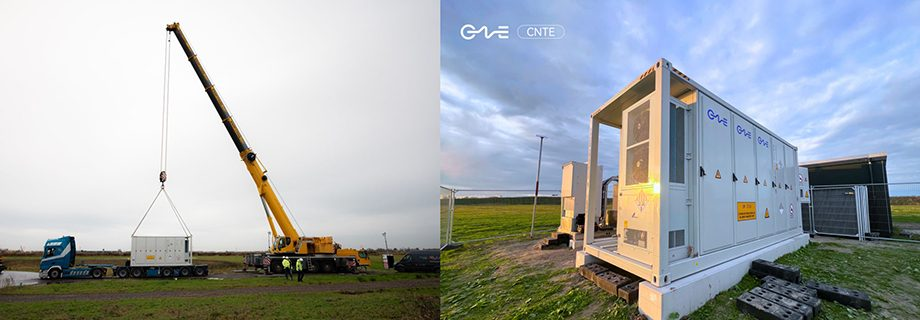
Anatomy of a Reliable Bess Experience: Core Engineering Pillars
A battery energy storage system is not merely a collection of battery cells housed in a container. It is a highly sensitive, multi-layered electro-chemical and thermodynamic system. The quality of the operator's daily bess experience depends on how effectively the battery management system (BMS), the energy management system (EMS), and the thermal control infrastructure communicate and function under dynamic load conditions.
Advanced Battery Management Systems and State Estimation
At the foundational level, the battery management system serves as the primary safeguard and diagnostic brain of the energy storage unit. High-quality systems utilize advanced BMS architectures capable of real-time monitoring of cell-level parameters. This goes beyond simple voltage and temperature tracking.
State of Charge (SoC) Estimation: Accurate SoC calculations prevent overcharging and deep discharging, preserving cell life. Modern systems utilize Kalman filtering algorithms that combine coulomb counting with open-circuit voltage measurements to maintain accuracy even under highly dynamic cycling.
State of Health (SoH) Monitoring: Continuous assessment of cell degradation patterns allows operators to predict capacity fade and schedule preventative maintenance before system performance drops.
Active vs. Passive Balancing: Active balancing systems redistribute charge between cells during operation, minimizing energy waste and maximizing the usable capacity of the entire pack. This active cell alignment directly improves the long-term utility of the asset.
Energy Management Systems and Intelligent Dispatch Algorithms
While the BMS protects the battery at the micro-level, the energy management system governs the macro-level operations. The EMS dictates how the system interacts with the facility's local loads, renewable generation assets, and the wider utility grid. A seamless operating experience relies on the EMS executing complex dispatch strategies without human intervention.
For industrial users, the EMS must handle multi-application profiles simultaneously. A system might be programmed to perform peak shaving during high-tariff hours, provide reactive power support for heavy machinery, and maintain a reserve capacity for emergency backup power. The precision of these dispatch algorithms determines the financial payback of the system, transforming a capital expense into a highly productive asset.
Liquid Cooling vs. Forced Air Cooling Dynamics
Thermal control is perhaps the single most important factor determining the physical lifespan of lithium-iron phosphate (LFP) or nickel manganese cobalt (NMC) batteries. Excessive heat accelerates chemical degradation, while uneven temperature distribution across a battery pack leads to mismatched cell aging, reducing the effective capacity of the entire system.
Modern utility-scale and commercial energy storage designs favor liquid cooling systems over traditional forced air cooling. Liquid cooling plates, positioned in direct contact with the battery modules, provide highly uniform heat dissipation. This design maintains internal temperature variances within a narrow window of ±2°C, ensuring that all cells age at an identical rate and protecting the stability of the overall installation.
Navigating Operational Challenges in Commercial Energy Storage
Implementing an industrial storage solution presents several complex engineering hurdles. Understanding these challenges during the planning phase is necessary to ensure the deployment meets operational expectations over its projected 10- to 15-year lifecycle.
Mitigating Battery Capacity Degradation
All lithium-ion chemistries experience capacity fade over time due to both calendar aging and cyclic aging. Calendar aging occurs regardless of use, driven by storage temperature and state of charge levels. Cyclic aging is caused by the physical expansion and contraction of electrode materials during charge and discharge processes, alongside side chemical reactions such as solid electrolyte interphase (SEI) growth.
To mitigate these degradation factors and ensure a reliable bess experience, system designers employ conservative operational bounds. By operating the batteries within a optimized window—typically between 10% and 90% SoC—and controlling charge rates (C-rates) based on real-time temperature feedback, the operational life of the battery pack can be extended by several thousand cycles.
Meeting Strict Grid Interconnection Codes
Connecting a high-power energy storage system to the local distribution grid requires compliance with rigorous utility standards. Modern grids demand that storage systems contribute actively to grid stability. This includes capabilities such as rapid frequency response, voltage ride-through during grid faults, and dynamic reactive power injection.
The power conversion system (PCS)—the bidirectional inverter that converts DC battery power to AC grid power—must be engineered to respond to grid frequency deviations within milliseconds. High-speed communication buses between the EMS, PCS, and utility meter are required to ensure the system executes these grid-support functions smoothly, avoiding regulatory penalties and integration delays.
Designing the Bess Experience for Multi-Scenario Versatility
Industrial energy requirements vary widely by sector. A factory, a remote mining operation, and a high-power electric vehicle charging station each require distinct operational profiles from an energy storage installation.
Microgrid Autonomy and Seamless Transition
In remote areas or regions with unreliable utility grids, energy storage systems are frequently integrated into local microgrids alongside diesel generators and solar photovoltaic (PV) arrays. In these applications, the storage system must be capable of grid-forming operations.
When the main grid fails, the storage system's inverter must instantly transition from a grid-following mode to a grid-forming mode. This transition must occur in under 100 milliseconds to prevent sensitive industrial equipment, computerized control networks, and automated production lines from shutting down. The ability to maintain voltage and frequency stability independently is a cornerstone of a reliable microgrid setup.
High-Power EV Charging Infrastructure Integration
The rapid adoption of electric vehicles has created localized grid challenges, particularly where high-power DC fast chargers are installed. Deploying several 150 kW or 350 kW chargers can easily exceed the local grid transformer's capacity, leading to expensive grid upgrade requirements.
Integrating a stationary energy storage system allows for "buffer charging." The battery system charges slowly from the grid during low-demand periods and discharges rapidly to support high-power EV charging events. This buffering protects the local transformer, avoids high peak-demand charges, and ensures a stable power supply for vehicle fleet operators.
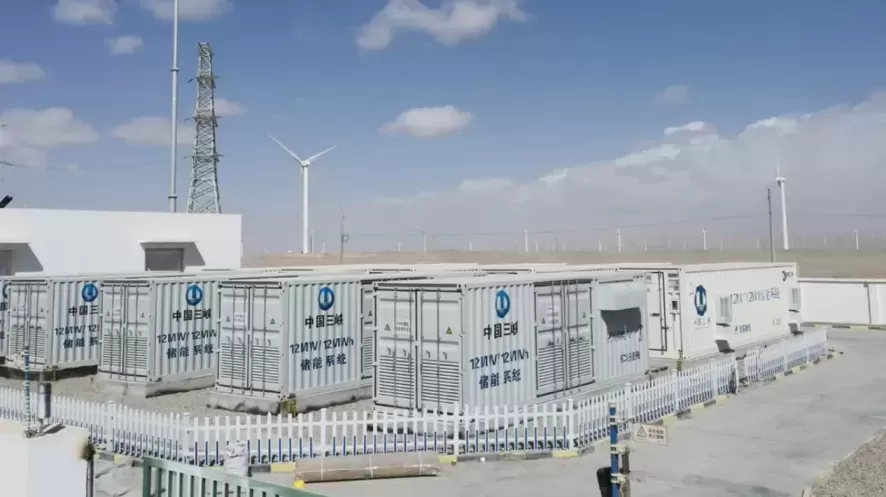
System Integration and Lifecycle Management by CNTE
CNTE (Contemporary Nebula Technology Energy Co., Ltd.) addresses the complexities of industrial energy storage through unified system design. Rather than sourcing disparate components and assembling them on-site, CNTE engineers integrated solutions where the battery cells, BMS, liquid cooling systems, and power conversion elements are designed from the ground up to operate as a single cohesive unit.
This integrated approach minimizes compatibility issues during commissioning and ensures that safety protocols are deeply embedded across all system levels. Multi-layered protection concepts—spanning physical pressure relief valves on individual cells, localized clean-agent fire suppression, and automated software-based isolation switches—are standard configurations. This rigorous engineering philosophy provides industrial operators with predictable performance and long-term asset security throughout the operational lifetime of the system.
Frequently Asked Questions
Q1: How does temperature regulation affect the long-term bess experience?
A1: Temperature regulation is a primary factor in battery longevity and performance. Liquid cooling systems maintain uniform temperatures across all battery cells within a narrow window. This prevents localized overheating, reduces the rate of capacity degradation, and ensures even cell aging, which preserves the overall usable capacity and safety of the system over its lifespan.
Q2: What is the difference between active and passive battery balancing?
A2: Passive balancing dissipates excess energy from higher-charged cells as heat through resistors, which is inefficient but simple. Active balancing transfers energy from high-charge cells to low-charge cells within the pack. This process maximizes the usable energy of the battery pack, improves efficiency, and extends the operational life of the battery system.
Q3: What role does the energy management system play in a modern bess experience?
A3: The energy management system (EMS) acts as the control center of the installation. It monitors external inputs such as utility tariffs, local load requirements, and renewable generation outputs, and runs dispatch algorithms to determine when to charge or discharge the batteries. A well-designed EMS maximizes economic returns through peak shaving, load shifting, and grid services support.
Q4: Why is grid-forming capability important for microgrid applications?
A4: Traditional inverters are grid-following, meaning they synchronize with an existing voltage and frequency signal from the utility grid. In an islanded microgrid or during a blackout, the energy storage inverter must act as a grid-forming source, establishing the voltage and frequency reference itself so that other local resources and loads can operate reliably.
Q5: How does integrating energy storage help facilities with high-power EV charging?
A5: High-power EV chargers create sudden, massive spikes in electrical demand. An integrated energy storage system acts as a power buffer, charging during periods of low demand and discharging to supply the necessary power during fast-charging sessions. This minimizes peak demand charges from the utility and avoids the need for expensive grid infrastructure upgrades.
Contact Our Engineering Team for Custom Storage Solutions
Developing a reliable energy storage asset requires careful planning, detailed load profiling, and precise system sizing. Every industrial facility operates under a unique set of electrical parameters, utility tariff structures, and space constraints. Designing a system that delivers consistent performance over a multi-decade operational lifespan demands experienced engineering collaboration.
The application engineering team at CNTE (Contemporary Nebula Technology Energy Co., Ltd.) is ready to assist you in evaluating your facility's energy profile, identifying potential integration challenges, and configuring a high-performance energy storage solution tailored to your operational goals. To discuss your project specifications, request a system simulation, or receive a comprehensive technical proposal, please contact our B2B project office directly.
Get in Touch
Recent Posts
-
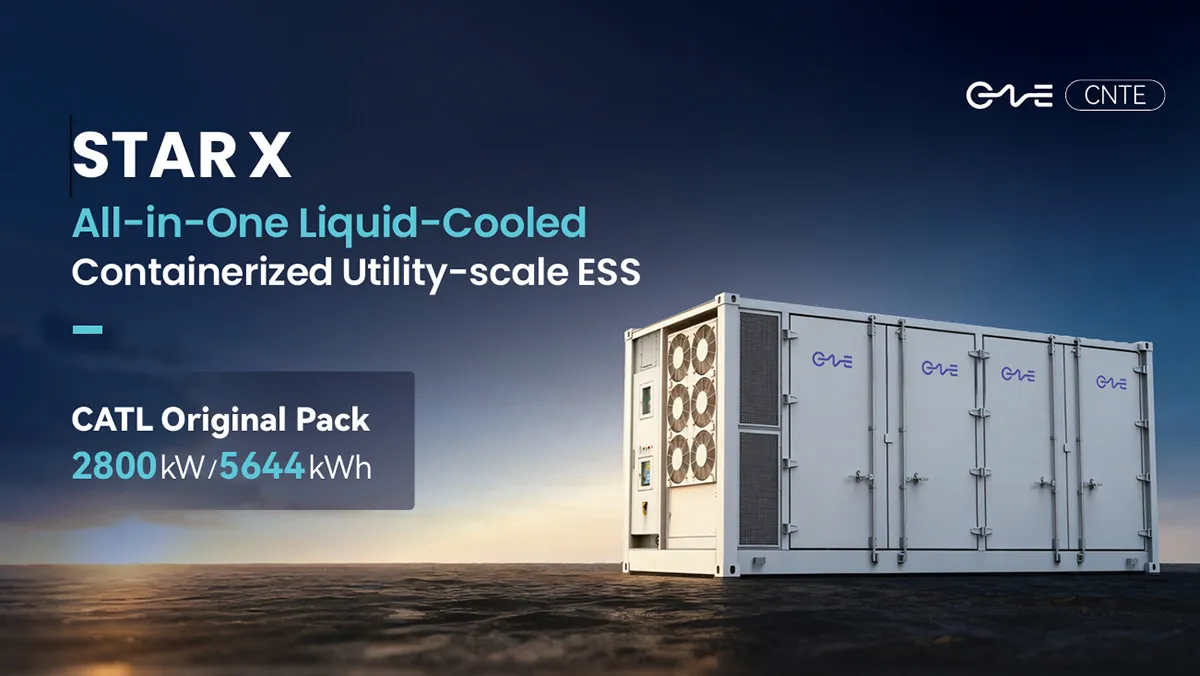
CNTE Launches STAR X Liquid-Cooled DC/AC Integrated Energy Storage System at Intersolar Europe 2026
Jul 06, 2026 -
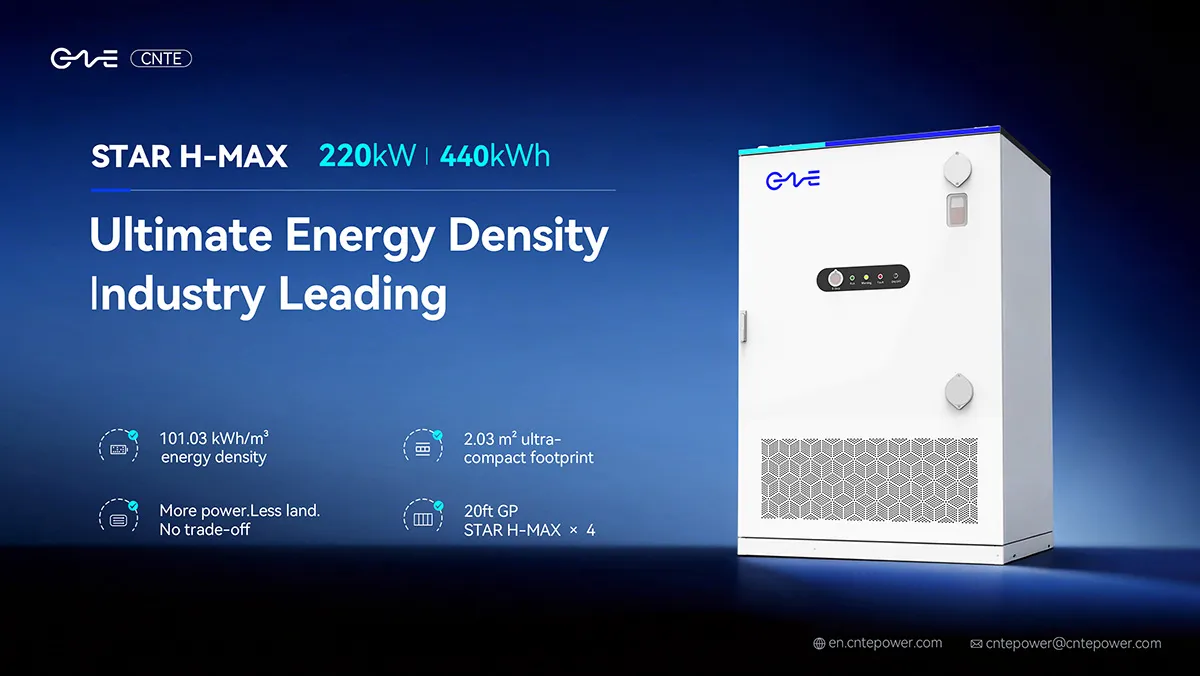
CNTE Unveils New STAR H-MAX Liquid-Cooled C&I ESS at Intersolar Europe 2026
Jun 23, 2026 -
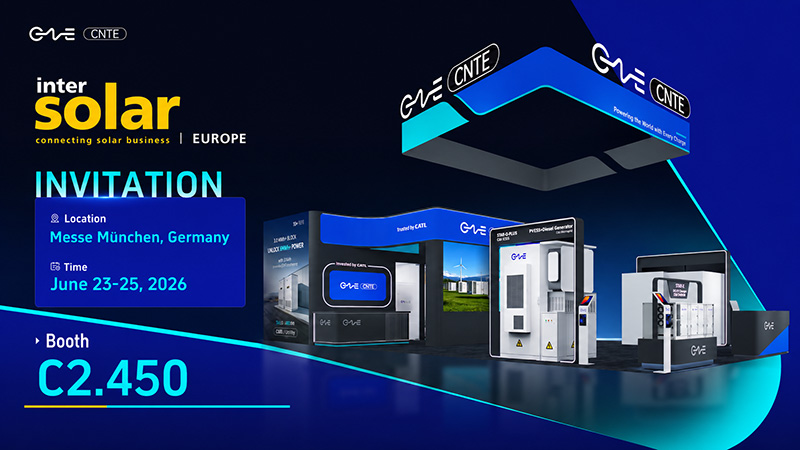
CNTE to Participate in Intersolar Europe 2026
May 20, 2026 -
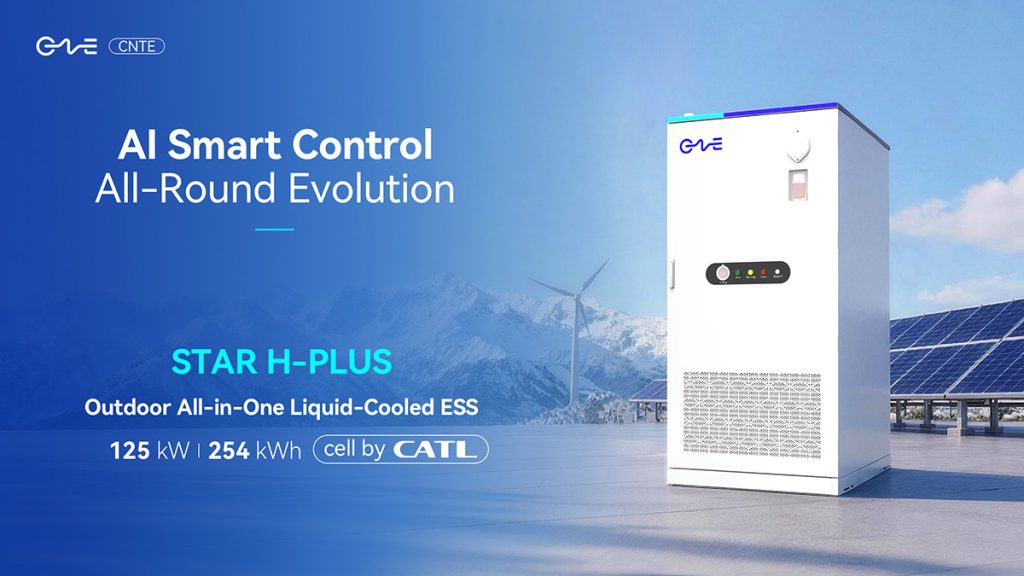
CNTE at KEY ENERGY 2026: Showcases STAR H-PLUS Outdoor Liquid-Cooled Energy Storage System
Mar 05, 2026 -

CNTE Honored as 2025 Forbes China Leading Global Brand
Jul 06, 2026 -

CNTE & YOU.ON Partner to Expand Storage Markets
May 19, 2025 -
CNTE Unveils Energy Storage Lineup at Solartech 2025
May 19, 2025 -
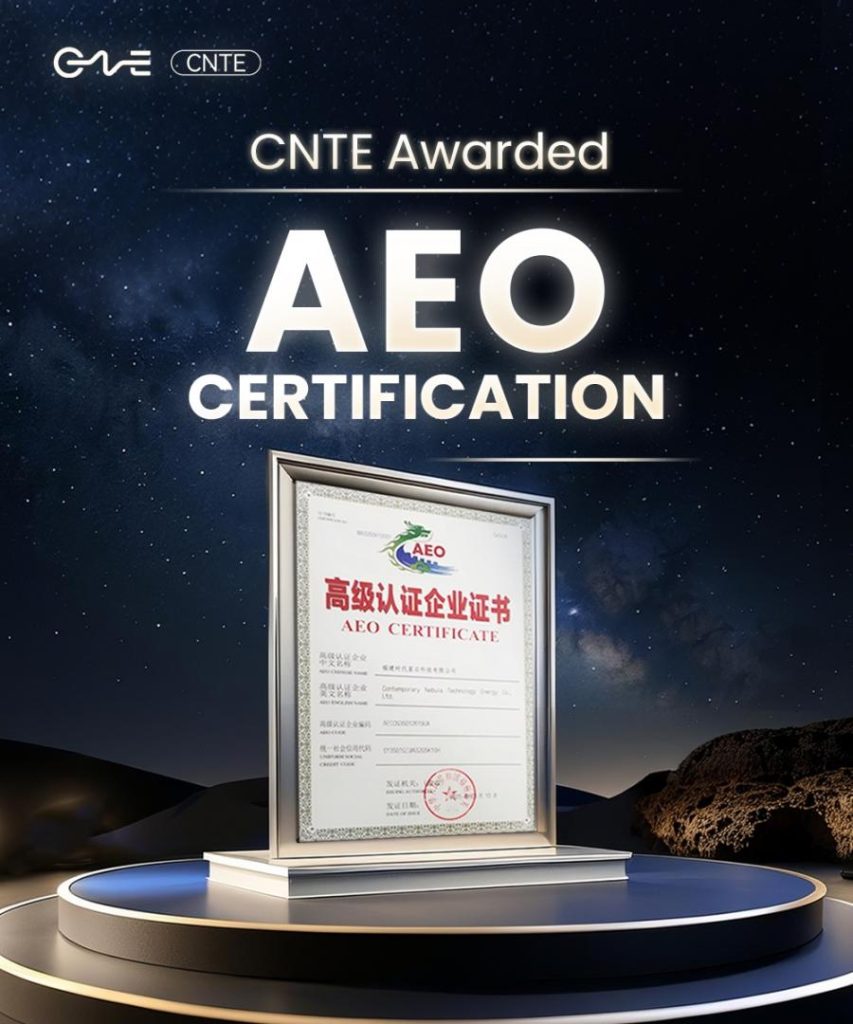
CNTE awarded AEO certification
Jul 06, 2026 -
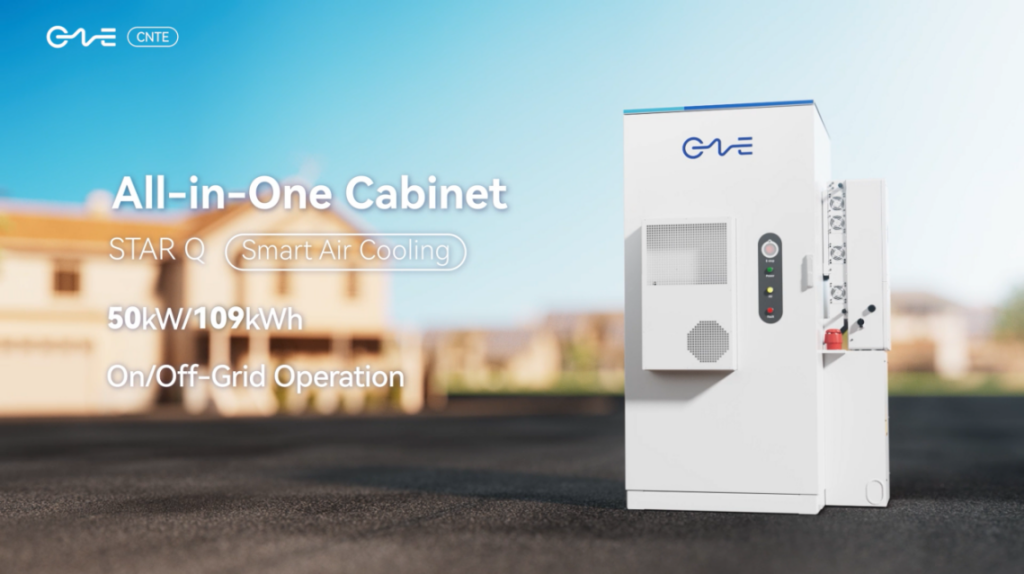
CNTE New Product Launch STAR Q
Jan 15, 2025 -
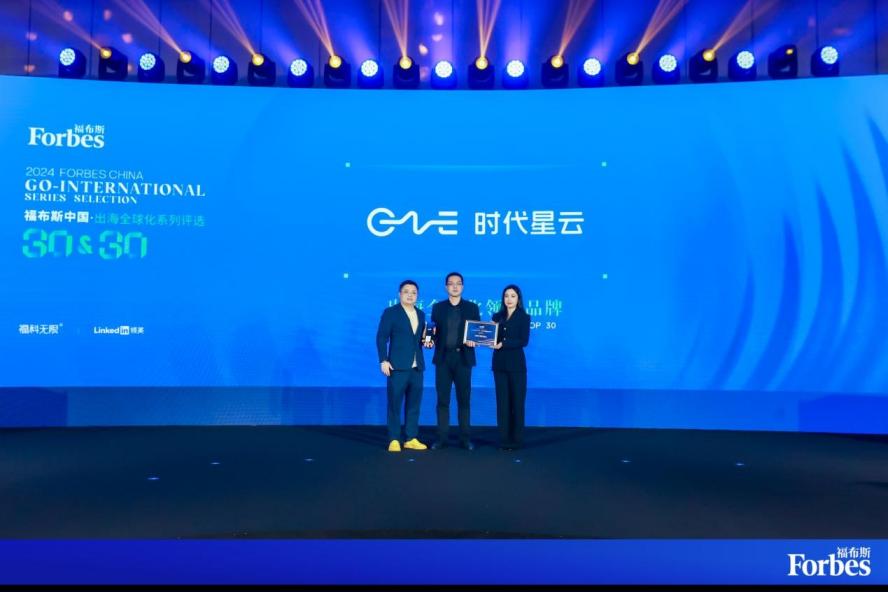
CNTE Named to Forbes China 2024 Top 30 Go-International Brands
Jul 06, 2026
