
5 Engineering Parameters Defining Modern ESS Technology Battery Systems
The transition toward decentralized energy networks requires robust grid-stabilization mechanisms to manage the variable output of renewable energy sources. Wind and solar installations generate power based on environmental factors rather than real-time consumption demands. This fundamental misalignment creates operational challenges for utility networks and commercial facilities. The deployment of an ess technology battery framework offers a solution to bridge this gap, ensuring that energy is stored during surplus periods and distributed during peak load demands. Rather than relying on traditional gas-peaker plants, modern grid operators and commercial enterprises are turning to electrochemical storage systems. These configurations provide rapid response times, high power density, and prolonged cycle lives, which are vital for modernizing power networks globally.
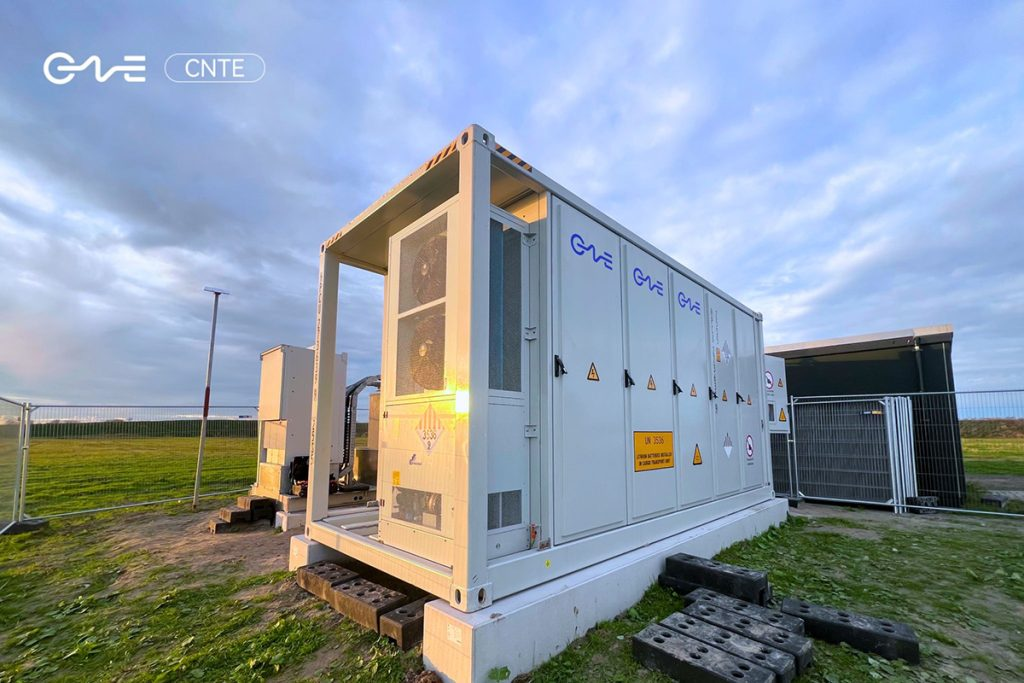
Chemical Architectures and Engineering Foundations
To understand the efficacy of an ess technology battery, one must examine the specific chemical compositions that drive these systems. Lithium Iron Phosphate (LFP) has emerged as the industry standard for stationary energy storage systems. Unlike nickel-manganese-cobalt (NMC) chemistries, LFP offers superior thermal stability and structural longevity. The chemical bond within lithium iron phosphate is inherently more stable, reducing the likelihood of oxygen release under high-temperature stress—a primary cause of thermal runaway. This chemical stability makes LFP the preferred choice for high-capacity installations where safety and operational longevity are prioritized.
Beyond chemistry, system design requires a sophisticated Battery Management System (BMS). The BMS acts as the intelligence of the system, monitoring state of charge (SoC), state of health (SoH), and internal cell impedance. High-quality systems integrated by specialized manufacturers like CNTE (Contemporary Nebula Technology Energy Co., Ltd.) utilize advanced balancing algorithms to equalize voltage levels across thousands of individual cells. This balancing prevents localized overstressing, which could otherwise accelerate battery degradation and shorten the overall operational lifespan of the installation. Dynamic monitoring ensures that cells perform within optimal voltage and temperature ranges, preventing issues before they manifest as operational failures.
Commercial and Industrial (C&I) Application Scenarios
For commercial and industrial enterprises, managing electricity demand profiles is a major operational challenge. Power utility tariffs often include high charges based on the peak demand recorded during billing cycles. Implementing an ess technology battery solution allows facilities to engage in peak shaving. By discharging the battery during periods of high facility consumption, the peak draw from the utility grid is mitigated, leading to predictable power consumption profiles and relieving stress on local grid infrastructure.
Additionally, load leveling involves charging the storage system during off-peak hours when grid demand is low, and utilizing that stored energy during high-tariff operational shifts. This dynamic load shifting is particularly valuable for manufacturing plants with predictable shift patterns. The following points highlight key operational benefits for C&I users:
Reduction of demand spikes: Automated discharge protocols mitigate sudden increases in energy consumption from heavy machinery.
Power quality enhancement: Systems act as active filters, mitigating voltage sags and swells that could damage sensitive industrial equipment.
Emergency power backup: Quick-response capabilities facilitate immediate transition to backup power during localized grid outages, protecting operational continuity.
Photovoltaic integration: Excess solar energy generated during midday shifts is captured and deployed during high-tariff evening hours.
Grid-Scale Services and Utility Integration
At the utility level, energy storage systems act as dynamic assets that support transmission and distribution networks. Frequency regulation is one of the most prominent utility services. Power grids must operate within a narrow frequency range (typically 50Hz or 60Hz depending on the geography). Slight deviations can lead to equipment damage or widespread blackouts. Utility-grade ess technology battery systems respond to frequency deviations in milliseconds, absorbing excess energy or injecting power to stabilize the utility system.
Another application is capacity firming. Renewable energy generation from large wind and solar farms is variable. By integrating utility-scale storage, developers can "firm" the output, delivering a smooth, predictable power curve to the transmission system. This level of control reduces the need for transmission upgrades by allowing local grids to manage power flow more efficiently. Thermal management at this scale is highly sophisticated. Modern installations favor liquid cooling over traditional air cooling. Liquid cooling loops maintain uniform temperature distribution across high-density battery racks. This design prevents thermal gradients where some cells run hotter than others, ensuring consistent degradation rates and maximizing the round-trip efficiency of the entire facility.
Overcoming Engineering Hurdles in Large-Scale Energy Storage
Deploying large-scale energy storage is not without challenges. Thermal management, system integration, and multi-layered safety protection are complex engineering fields. Battery systems generate heat during rapid charge and discharge cycles. Left unmanaged, excessive heat accelerates degradation and raises the safety concerns of localized thermal events. High temperature differentials within a module lead to uneven cell aging, which decreases the usable capacity of the overall pack over time.
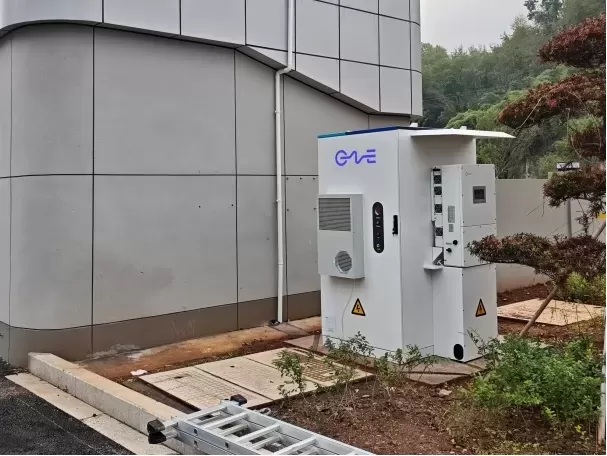
To address these issues, comprehensive system integration is required. Experienced system integrators like CNTE (Contemporary Nebula Technology Energy Co., Ltd.) design multi-tiered safety systems. This architecture includes cell-level physical isolation, module-level fire suppression agents, and system-level atmospheric monitoring. By implementing early detection systems that monitor off-gassing, operators can address anomalies long before thermal runaway occurs. Furthermore, system-level design focuses on structural integrity and environmental isolation. Enclosures are engineered to withstand extreme outdoor conditions, ranging from high-humidity coastal zones to arid desert environments. Dust, moisture, and temperature fluctuations are mitigated using double-walled insulated enclosures and IP-rated sealing, ensuring the inner electronics remain isolated from external contaminants.
Defining Performance Parameters for Energy Storage Selection
When selecting an ess technology battery for commercial or utility applications, project engineers must analyze several operational parameters:
Depth of Discharge (DoD): The percentage of the battery's capacity that is systematically discharged. Higher DoD capability allows more usable energy per cycle, but system design must balance this against cycle life degradation.
C-Rate: The ratio of charge or discharge current to the nominal capacity of the system. A 1C rate discharges the entire capacity in one hour, whereas a 0.5C rate takes two hours. Selecting the appropriate C-rate depends on whether the application requires high power or high energy.
Round-Trip Efficiency (RTE): The ratio of energy retrieved from the battery to the energy injected during charging. High RTE minimizes energy loss during the storage cycle.
Cycle Life: The number of charge-discharge cycles the system can undergo before its capacity degrades to a specified percentage of its original value.
Frequently Asked Questions
Q1: What are the primary advantages of LFP chemistry in energy storage systems?
A1: Lithium Iron Phosphate (LFP) chemistry offers high thermal stability, a longer cycle life, and is highly resistant to thermal runaway. Its chemical structure does not easily release oxygen under stress, making it a highly reliable option for dense commercial and industrial installations where safety is paramount.
Q2: How does liquid cooling compare to air cooling in large-scale battery systems?
A2: Liquid cooling utilizes a coolant fluid circulated through cold plates inside the battery racks, offering far higher thermal conductivity than air. This system keeps temperature variations between cells within a tight range, which prevents uneven cell degradation, maintains system safety, and preserves operational efficiency.
Q3: How does the Battery Management System (BMS) protect against operational anomalies?
A3: The BMS acts as a multi-tier protective controller. It monitors cell-level parameters such as voltage, temperature, and current. If any parameter exceeds predefined safety thresholds, the BMS can automatically trigger thermal management, adjust power output, or disconnect specific modules to prevent damage or hazardous situations.
Q4: What role does power conversion technology play in energy storage installations?
A4: The Power Conversion System (PCS) is responsible for converting the direct current (DC) stored in the batteries into alternating current (AC) used by the grid or commercial facilities, and vice versa. Modern PCS units incorporate advanced grid-forming and grid-following algorithms to assist in stabilizing local power systems.
Q5: What is frequency regulation, and why does it require battery storage?
A5: Frequency regulation is the real-time matching of power generation and load to maintain grid frequency stability. Because grid loads fluctuate constantly, batteries are ideal for this application due to their sub-second response times, allowing them to absorb or inject power instantly to stabilize the utility system.
Collaborative Engineering for Energy Storage Projects
Selecting the appropriate energy storage solution requires in-depth engineering alignment, ranging from grid compliance analysis to localized thermal simulation. As an experienced provider in the global market, CNTE (Contemporary Nebula Technology Energy Co., Ltd.) offers tailored guidance and integration services to ensure your project meets operational, environmental, and performance expectations. For detailed product specifications, system integration capabilities, or custom project design inquiries, please contact our engineering team to discuss your requirements.
Get in Touch
Recent Posts
-
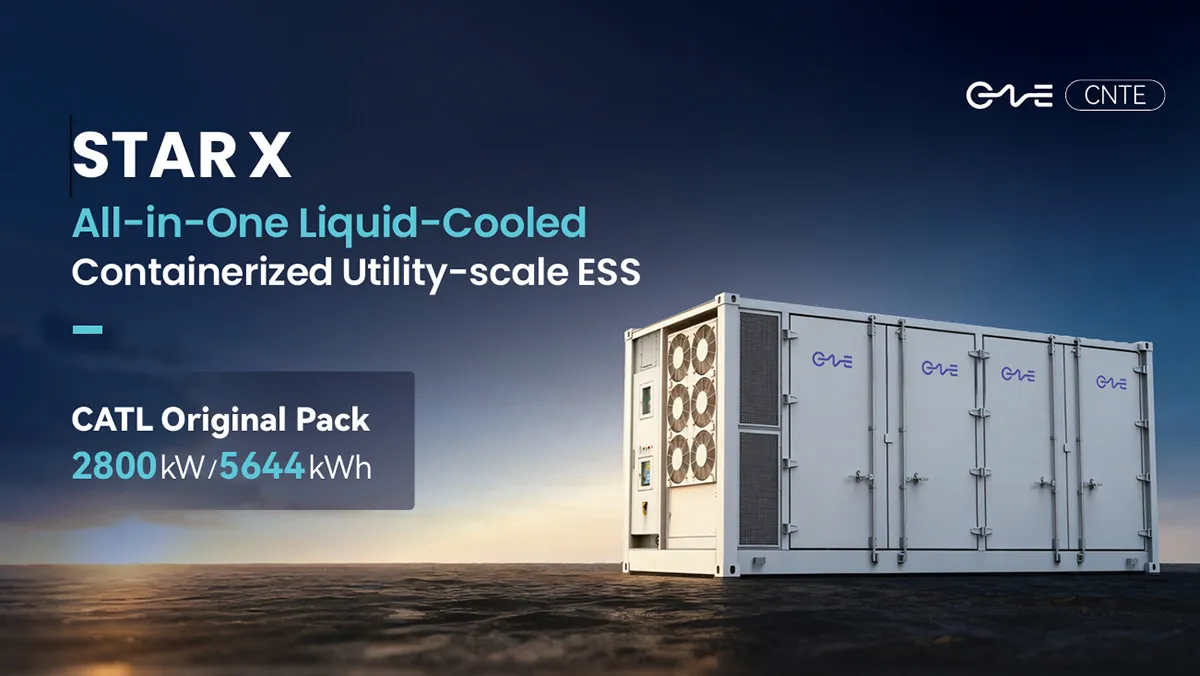
CNTE Launches STAR X Liquid-Cooled DC/AC Integrated Energy Storage System at Intersolar Europe 2026
Jul 06, 2026 -
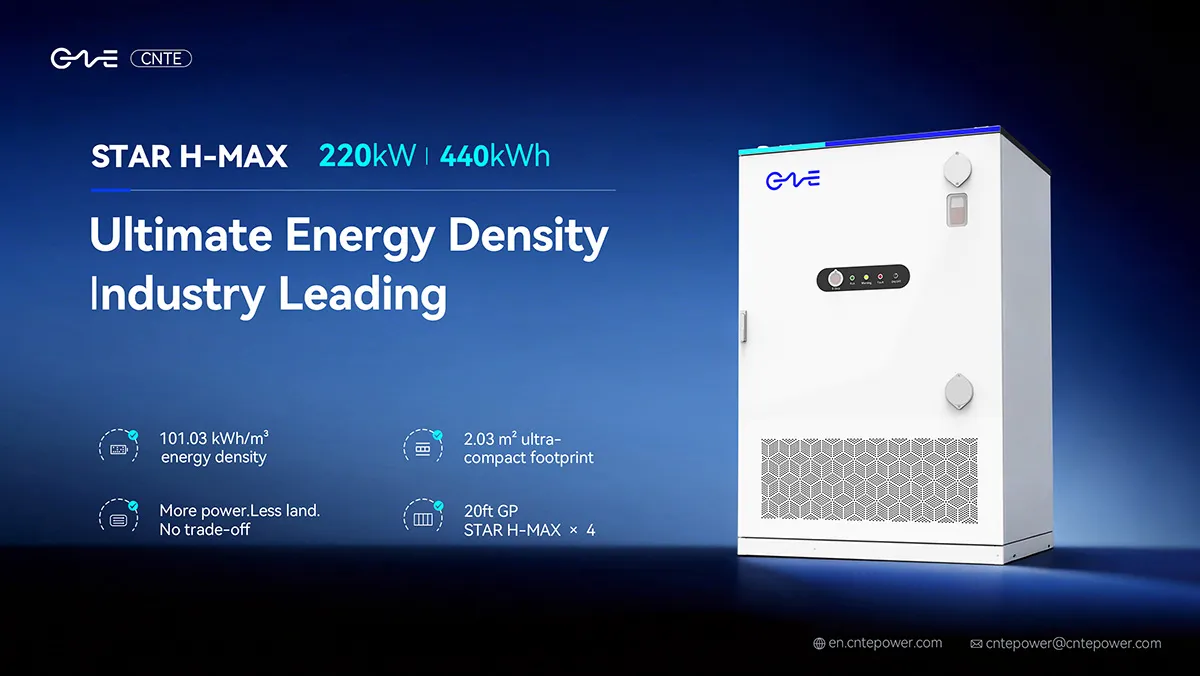
CNTE Unveils New STAR H-MAX Liquid-Cooled C&I ESS at Intersolar Europe 2026
Jun 23, 2026 -
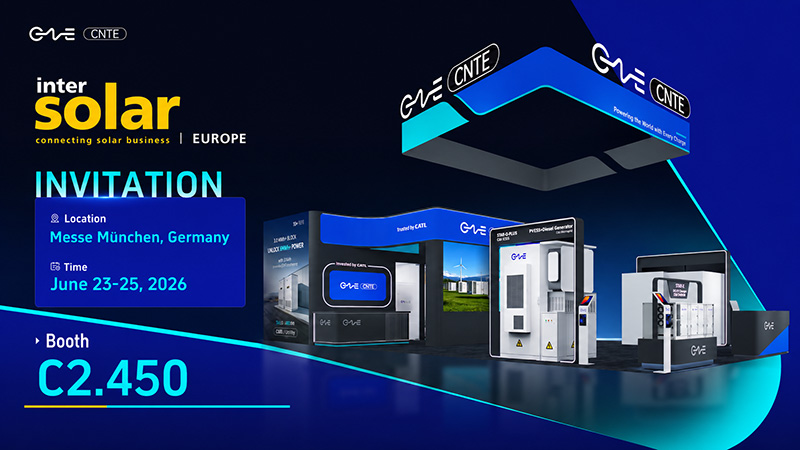
CNTE to Participate in Intersolar Europe 2026
May 20, 2026 -
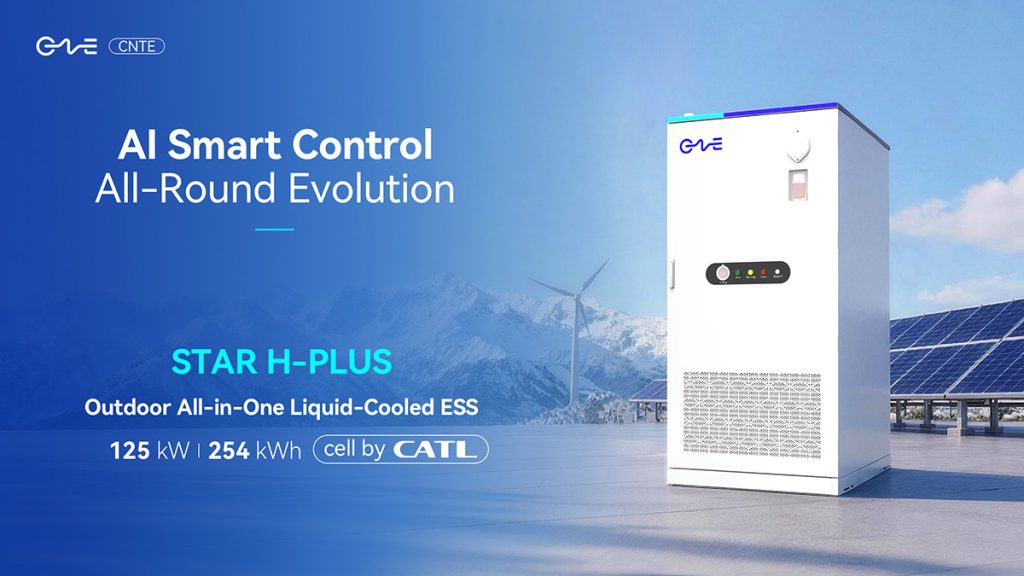
CNTE at KEY ENERGY 2026: Showcases STAR H-PLUS Outdoor Liquid-Cooled Energy Storage System
Mar 05, 2026 -

CNTE Honored as 2025 Forbes China Leading Global Brand
Jul 06, 2026 -

CNTE & YOU.ON Partner to Expand Storage Markets
May 19, 2025 -
CNTE Unveils Energy Storage Lineup at Solartech 2025
May 19, 2025 -
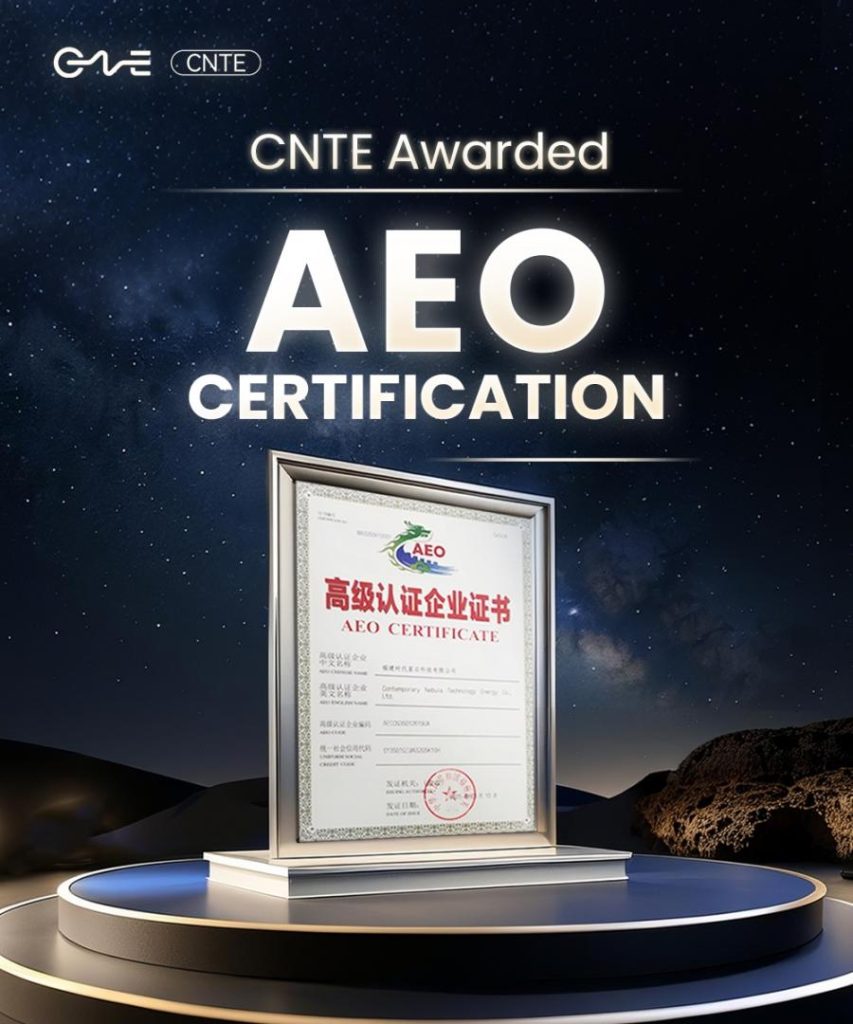
CNTE awarded AEO certification
Jul 06, 2026 -
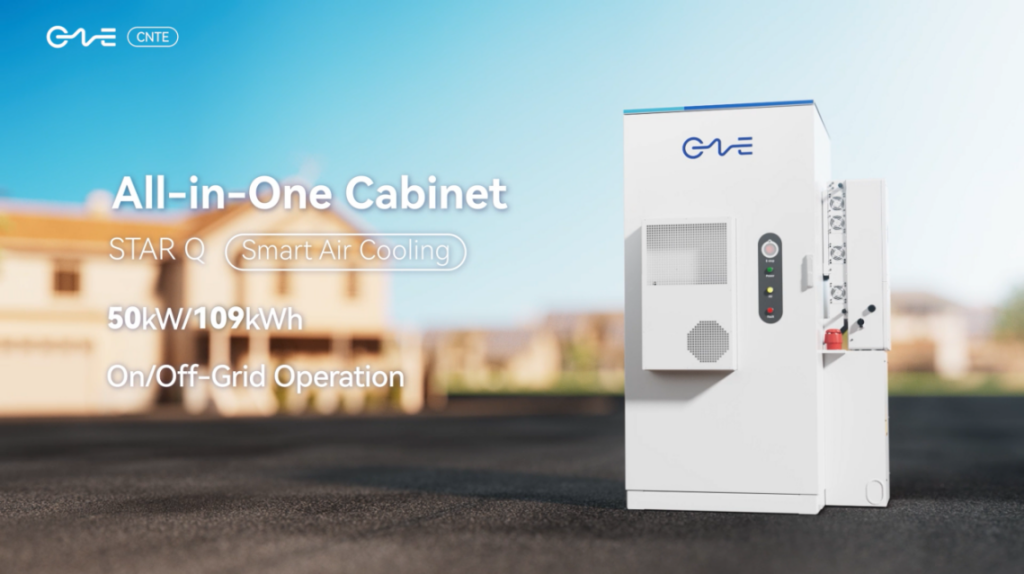
CNTE New Product Launch STAR Q
Jan 15, 2025 -
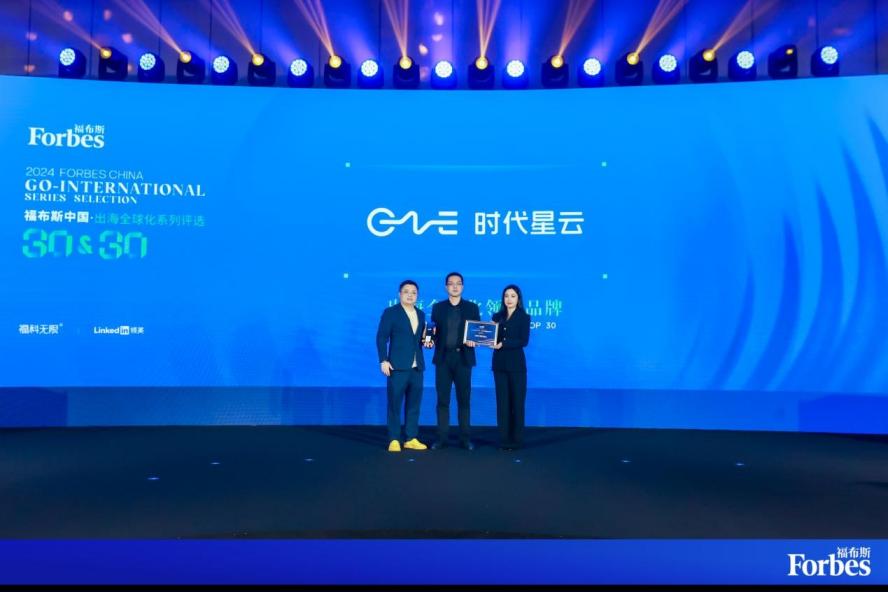
CNTE Named to Forbes China 2024 Top 30 Go-International Brands
Jul 06, 2026
