
How Smart Solar Energy Storage Solutions Are Driving ESG Compliance for Modern Enterprises
Strict reporting standards like the EU Corporate Sustainability Reporting Directive (CSRD) and evolving SEC climate disclosures require corporations to prove decarbonization claims with verifiable data. Simply purchasing carbon credits or installing standalone rooftop photovoltaic (PV) arrays is no longer enough to satisfy regulatory bodies or institutional investors. Modern commercial operations require clean, continuous, and auditable power.
Smart solar energy storage solutions bridge the gap between volatile clean generation and continuous industrial power demands. By combining high-capacity battery systems with intelligent energy controls, enterprises can store excess daytime solar power, cut reliance on fossil-heavy peak grids, and produce auditable sustainability data. Contemporary Nebula Technology Energy Co., Ltd. (CNTE) engineers these advanced storage architectures to help enterprises transition from passive power buyers to resilient, low-carbon operators.
Is your commercial facility facing tightening environmental reporting rules or rising utility peak charges? Inquire with CNTE today to receive a full feasibility study and carbon reduction estimate tailored to your physical footprint.
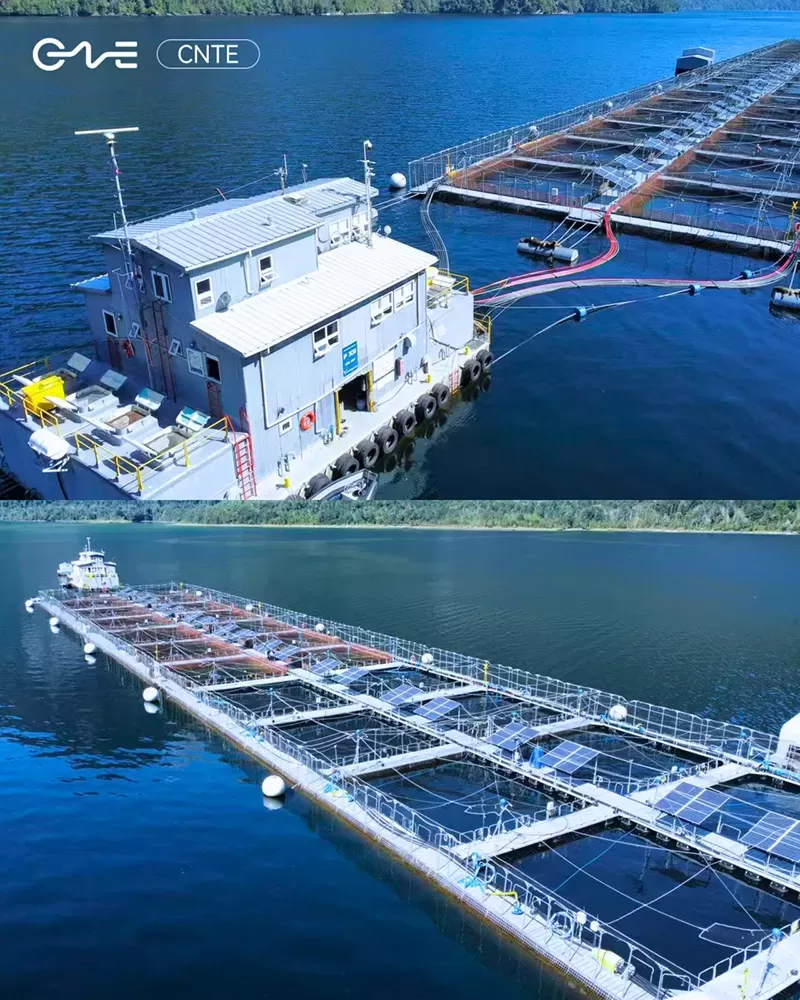
The Intersection of ESG Mandates and Enterprise Energy Management
What is Driving the Urgency for Enterprise ESG Compliance?
Regulatory bodies across the globe are turning voluntary green initiatives into mandatory compliance frameworks. Frameworks such as the Corporate Sustainability Reporting Directive (CSRD) in Europe and emerging Scope 2 disclosure mandates from the U.S. Securities and Exchange Commission demand audited evidence of greenhouse gas mitigation.
Capital markets also tie corporate borrowing costs to sustainability benchmarks. Global asset managers routinely evaluate ESG ratings before deploying capital. Failure to address emissions can depress enterprise valuations, exclude companies from major supply chains, and trigger heavy municipal penalties for high-emission buildings.
The Limitation of Traditional Solar Without Storage
Solar arrays without batteries cannot solve enterprise emission profiles on their own. Peak commercial solar production occurs around midday, yet heavy manufacturing and service facilities consume their highest energy loads in the morning and late afternoon.
Without on-site energy storage, facilities face two distinct issues:
- Solar Curtailment: Excess clean electricity is exported to the grid at low feed-in tariffs or curtailed altogether.
- Grid Dependency During Peak Demand: As soon as daylight fades, facilities draw power directly from the grid, which often relies on peaker plants fueled by natural gas or coal.
This mismatch leaves high Scope 2 emissions intact on corporate balance sheets, despite substantial investments in rooftop panels.
Decoding the "E" in ESG: How Solar Energy Storage Solutions Slash Carbon Footprints
The environmental pillar ("E") of ESG hinges largely on greenhouse gas accounting under the GHG Protocol Scope 2 Guidance. Smart battery storage enables commercial facilities to directly cut their operational emissions footprint.
Maximizing Renewable Utilization and Reducing Scope 2 Emissions
Deploying commercial solar energy storage solutions captures every kilowatt-hour (kWh) your arrays generate. Instead of back-feeding midday surplus into a utility grid, the system channels that power into high-cycle lithium iron phosphate (LFP) cells.
When the sun sets or grid carbon intensity rises, your automated control system discharges the stored green power into your production lines. This directly displaces grid power, yielding measurable reductions in indirect emissions from purchased electricity.
24/7 Green Power: Overcoming the Intermittency of Renewable Energy
Renewable energy intermittency causes operational friction in round-the-clock operations. Cloud cover, seasonal variance, and nighttime operations have historically forced factories and fulfillment centers to rely on conventional utility power.
Modern Battery Energy Storage Systems (BESS) smooth out solar generation dips throughout the shift. By storing surplus power during peak generation hours, companies establish a firm baseload of zero-emission electricity that powers operations during overnight shifts.
Mitigating Peak Demand with Sustainable Peak Shaving
Utilities charge industrial users significant demand fees for the highest power spike recorded during a billing period. These peak windows often coincide with the dirtiest generation hours on the regional power grid.
According to technical research by the National Renewable Energy Laboratory (NREL), battery storage provides precise peak shaving that curbs both financial charges and environmental impacts. The battery system detects building loads nearing a pre-set threshold and discharges immediately, preventing the facility from drawing high-carbon grid energy during peak utility hours.
The Role of "Smart" Technologies in Energy Governance ("G") and Compliance
Corporate governance ("G") requires verified operational controls, accurate reporting pipelines, and measurable risk reduction. Smart technology transforms static battery packs into active governance platforms.
AI and IoT-Driven Energy Management Systems (EMS)
Modern BESS installations require more than raw battery cells. They rely on an intelligent digital brain. Energy Management Systems (EMS) equipped with machine learning algorithms analyze historical load patterns, track weather forecasts, and monitor real-time utility pricing schemes.
CNTE builds proprietary EMS software into its commercial energy storage architectures. The system forecasts facility demand spikes, predicts PV output drops, and determines the exact millisecond to switch between solar, battery storage, and the grid to maximize carbon savings and operational efficiency.
Automated ESG Data Collection and Audit-Ready Reporting
Manual carbon tracking across corporate real estate creates audit liabilities and reporting errors. Smart storage setups automate data capture at the device level, delivering auditable performance metrics that satisfy international standards such as ISO 50001 (Energy Management).
- Time-Stamped Generation Records: Verifies every kilowatt-hour of self-generated green energy consumed on-site.
- Carbon Offset Telemetry: Calculates exact kilograms of CO2 avoided by shifting power away from marginal grid peaker units.
- System Efficiency & Health Metrics: Tracks round-trip battery efficiency and operating status to confirm optimal operational performance.
Grid Interactive Governance: From Energy Consumer to Prosumer
Corporate governance involves mitigating exposure to aging power infrastructure. Severe weather and grid instability threaten production lines, inventory viability, and commercial operations.
Facilities using smart solar energy storage solutions can safely participate in demand response programs. When regional grids face brownouts, your system can isolate the facility or supply reserve power back to the network. This protects surrounding municipal infrastructure while earning demand-response revenue that supports corporate balance sheets.
Beyond Compliance: The Economic and Social ("S") Value of Industrial Solar Storage
While environmental compliance drives initial board discussions, the social ("S") benefits and direct bottom-line savings make energy storage an essential capital investment.
Energy Resilience and Workplace Safety
Sudden power outages put personnel and equipment at risk. Unplanned shutdowns in industrial manufacturing, chemical processing, or cold-chain logistics can cause machinery jams, hazardous chemical spills, and compromised workplace conditions.
Smart energy storage provides clean, sub-second uninterruptible power supply (UPS) capabilities. When grid anomalies or severe weather strikes, the storage system maintains emergency microgrid circuits instantly. This ensures continuous airflow, fire suppression systems, and cleanroom stability without relying on noisy, diesel generators.
Lowering Operational Costs: Arbitrage and Demand Charge Reduction
Sustainability projects must deliver strong capital efficiency. Industrial solar storage transforms an ESG compliance mandate into a predictable, high-yield infrastructure asset.
The economic model operates on two proven revenue drivers:
- Energy Arbitrage: The system charges from low-cost off-peak solar energy and discharges during high-rate peak periods, lowering ongoing operational expenses.
- Demand Charge Flattening: High commercial demand charges can represent up to 50% of an industrial utility bill. Shaving peaks with on-site batteries systematically reduces these recurring monthly fees.
Real-World Applications: How Top Industries Implement Solar Energy Storage Solutions
Case 1: Data Centers and Mission-Critical Facilities
Data infrastructure operators face immense pressure to abandon diesel generation while meeting 99.999% uptime agreements. Leading enterprise data centers deploy on-site solar arrays coupled with utility-scale BESS systems.
During unexpected grid fluctuations, the battery storage matches critical compute loads without latency. The facility reduces Scope 2 reporting metrics, limits diesel generator testing cycles, and cuts primary power draw during expensive grid hours.
Case 2: Manufacturing and Logistics Hubs
Sprawling distribution hubs and automated manufacturing plants offer extensive roof space for solar panels, yet they maintain unpredictable, high-amp equipment loads. Sudden starts from automated conveyors and robotic arms generate significant power spikes.
CNTE works with manufacturing enterprises to pair high-output rooftop solar with rugged, containerized battery energy storage systems. The battery handles motor-start current surges locally, keeping facilities under their utility-allotted peak demand targets and lowering operational carbon intensity per shipped unit.
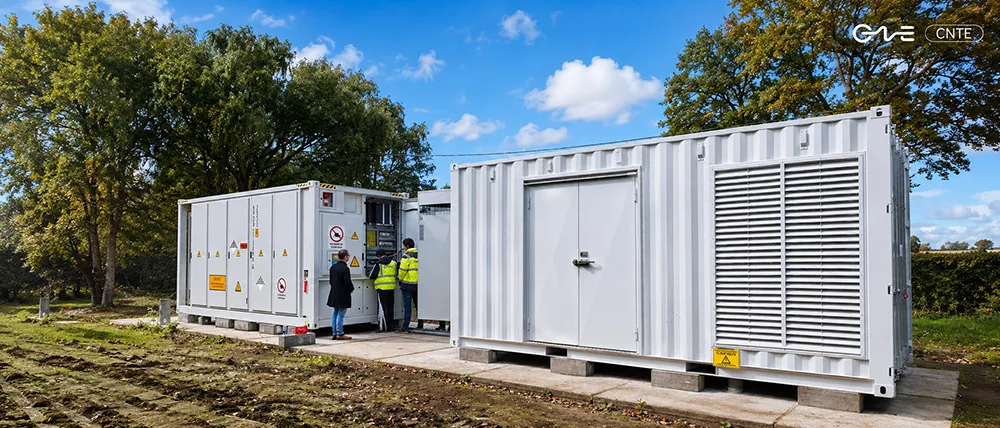
How to Choose the Right Solar Energy Storage Solutions for Your Enterprise
Choosing an industrial-grade energy storage solution requires careful engineering evaluation across four key criteria:
- Battery Chemistry and Safety: Prioritize Lithium Iron Phosphate (LFP) chemistry over nickel-rich alternatives for commercial buildings. LFP cells provide superior thermal stability, eliminate runaway risks, and deliver cycle lives exceeding 6,000 to 8,000 cycles.
- Software Integration: Ensure the Energy Management System (EMS) integrates with standard enterprise Building Automation Systems (BAS) via open protocols like Modbus TCP, BACnet, or RESTful APIs.
- Scalable Architecture: Choose modular containerized or cabinet-level hardware that expands smoothly as your operations add electric fleet charging stations or clean heating systems.
- Circular Lifecycle and Traceability: Verify your battery manufacturer complies with international material tracing standards, responsibly sources minerals, and provides verified end-of-life recycling programs.
Frequently Asked Questions (FAQ)
Q1: How do solar energy storage solutions directly reduce Scope 2 greenhouse gas emissions?
A1: Scope 2 emissions cover indirect greenhouse gas output from purchased electricity. Standalone solar panels only displace grid electricity while the sun is shining. Adding energy storage lets facilities store clean power and run on it during evenings and cloudy periods, directly cutting the volume of carbon-intensive utility power your enterprise buys.
Q2: What is the typical payback period (ROI) for an industrial battery energy storage system?
A2: Most commercial installations achieve a full return on investment within 4 to 7 years, depending on local utility demand rates, time-of-use tariffs, and government incentives like the U.S. Inflation Reduction Act (ITC). Facilities with high demand charges see the fastest payback.
Q3: How does smart energy storage support ISO 50001 compliance?
A3: ISO 50001 requires organizations to establish data-driven energy management frameworks that continuously improve energy intensity. Smart storage systems provide minute-by-minute automated logging of power generation, energy consumption, and load shifting, delivering auditable data directly to your compliance team.
Q4: Are commercial lithium battery storage systems safe to install near occupied facilities?
A4: Yes, when engineered with Lithium Iron Phosphate (LFP) cells that comply with strict safety certifications like UL 9540A and NFPA 855. Modern systems use multi-tier Battery Management Systems (BMS), structural fire partitions, and aerosol-based suppression to contain thermal issues at the module level.
Q5: Can our facility install battery storage if our roof cannot support solar panels?
A5: Yes. Standalone Battery Energy Storage Systems provide substantial ESG and economic value without on-site solar panels. The battery can charge from off-peak green utility tariffs or virtual power purchase agreements (VPPAs) and discharge during peak hours to lower demand fees and provide backup power.
Conclusion & Strategic Takeaways
Transitioning to commercial solar energy storage solutions is no longer just a defensive hedge against volatile electricity markets. It is a critical governance tool that turns clean energy targets into verified carbon reductions. By integrating reliable LFP storage hardware with automated energy management software, modern enterprises secure continuous power, protect operating margins, and hit aggressive ESG targets with confidence.
Contemporary Nebula Technology Energy Co., Ltd. (CNTE) delivers comprehensive, scalable commercial and industrial battery systems engineered for strict corporate operating requirements. Our engineering team manages system modeling, design integration, and ongoing energy optimization to protect your capital investment.
Prepare your enterprise for the next era of sustainability reporting. Contact the CNTE technical team today to discuss your project requirements, request a full engineering audit, and review our commercial energy storage specifications.
Get in Touch
Recent Posts
-
CNTE Included in BloombergNEF's Q4 2026 Tier 1 Energy Storage Manufacturers
Nov 03, 2026 -
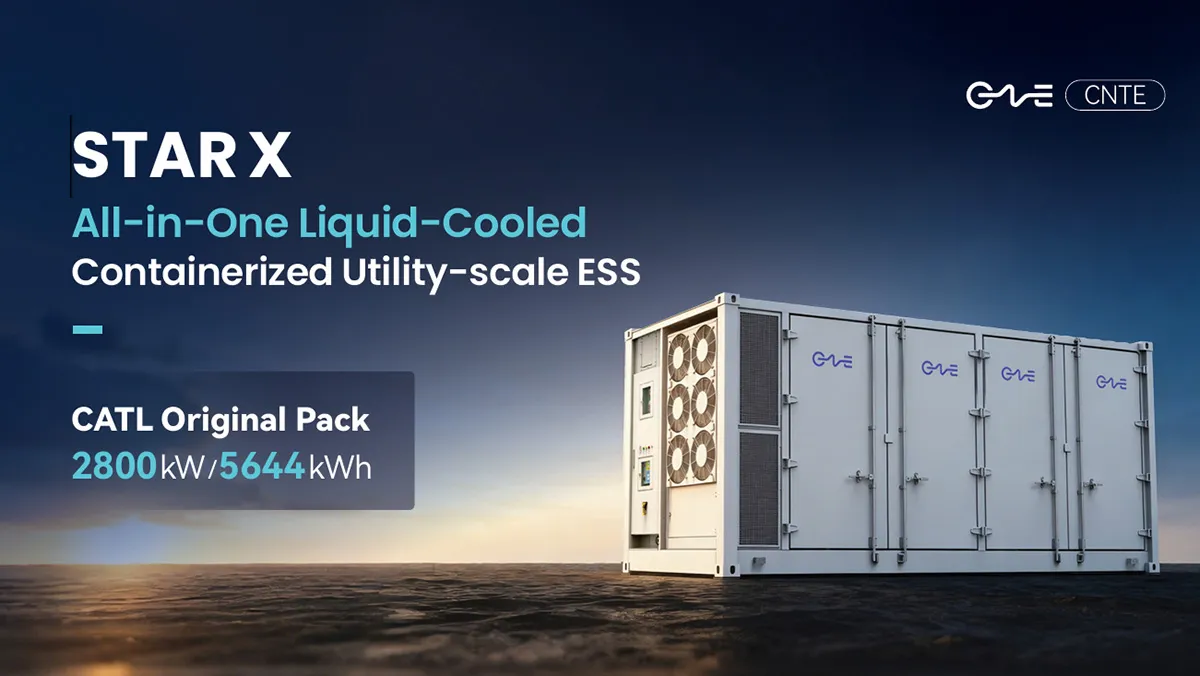
CNTE Launches STAR X Liquid-Cooled DC/AC Integrated Energy Storage System at Intersolar Europe 2026
Jul 06, 2026 -
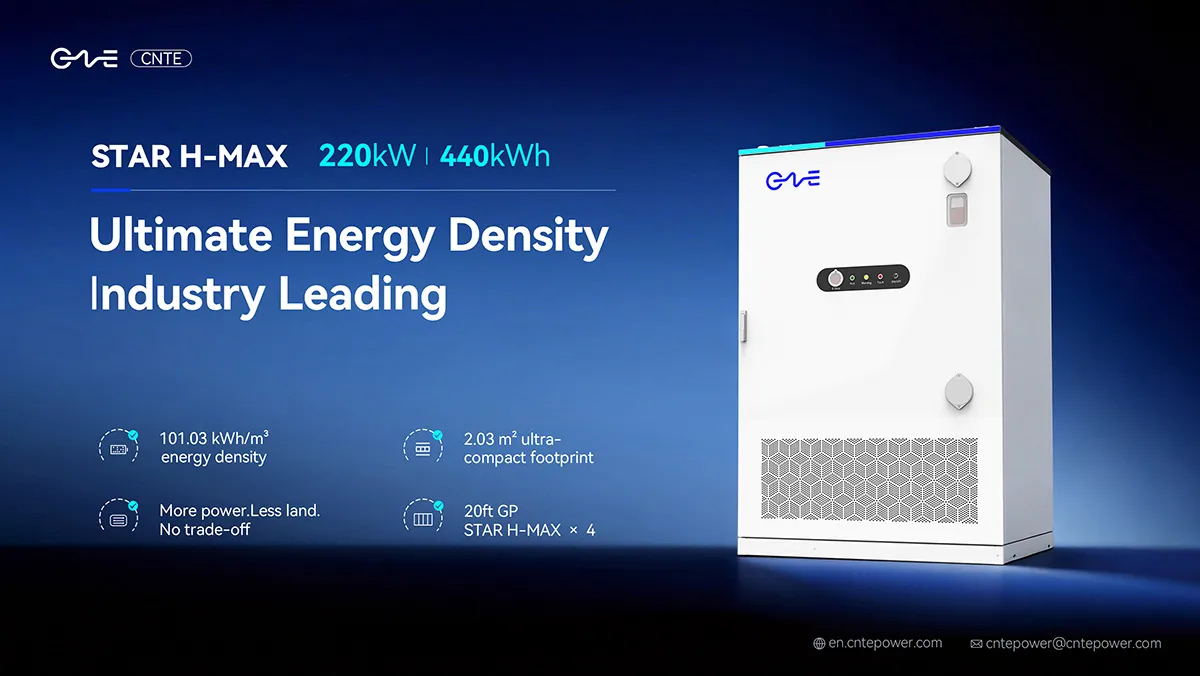
CNTE Unveils New STAR H-MAX Liquid-Cooled C&I ESS at Intersolar Europe 2026
Jun 23, 2026 -
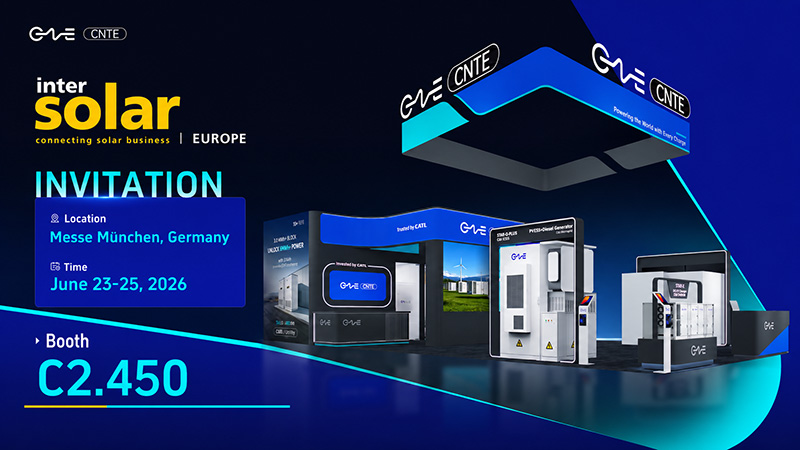
CNTE to Participate in Intersolar Europe 2026
May 20, 2026 -
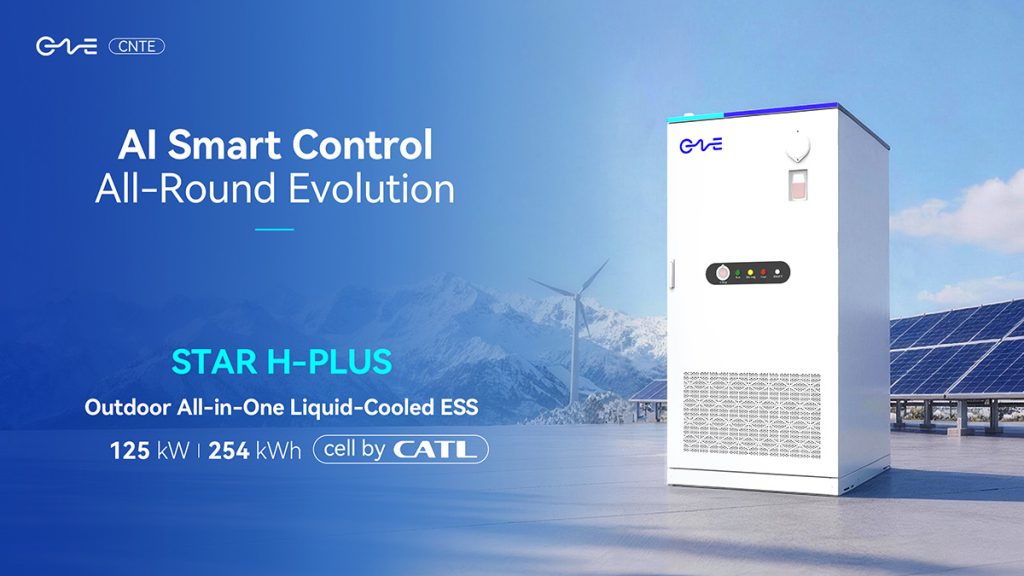
CNTE at KEY ENERGY 2026: Showcases STAR H-PLUS Outdoor Liquid-Cooled Energy Storage System
Mar 05, 2026 -

CNTE Honored as 2025 Forbes China Leading Global Brand
Jul 06, 2026 -

CNTE & YOU.ON Partner to Expand Storage Markets
May 19, 2025 -

CNTE Unveils Energy Storage Lineup at Solartech 2025
May 19, 2025 -
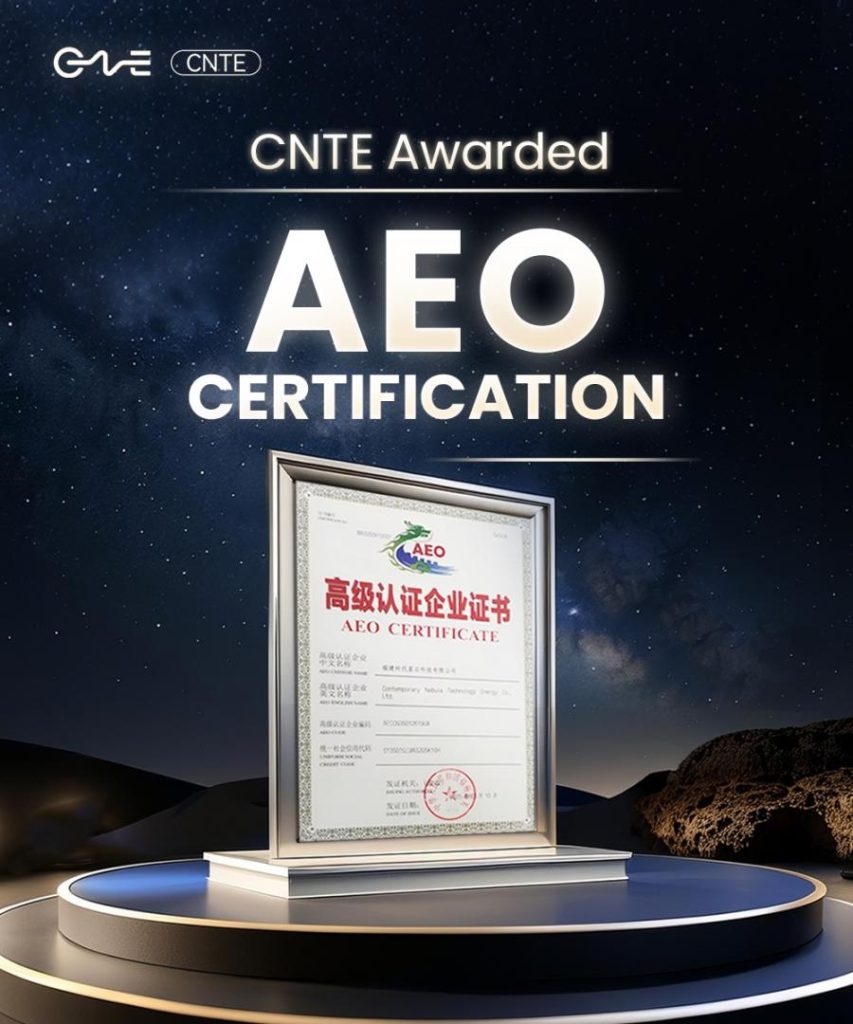
CNTE awarded AEO certification
Jul 06, 2026 -
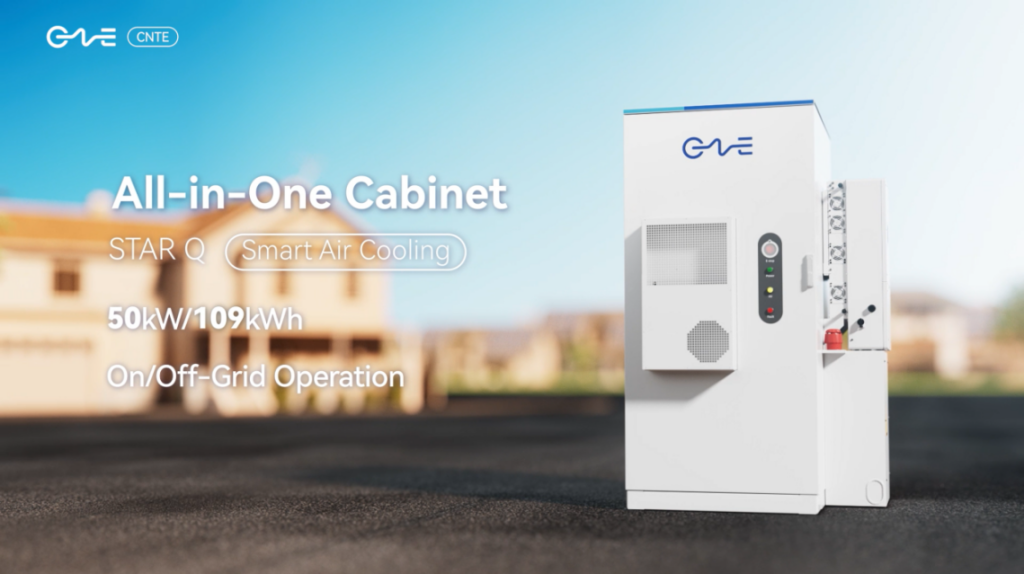
CNTE New Product Launch STAR Q
Jan 15, 2025
