
How Modern Energy Infrastructure Benefits from the Application of Storage Batteries
Modern electrical grids and industrial operations face persistent challenges regarding power reliability, supply-demand balancing, and the integration of variable renewable energy sources. To address these challenges, energy infrastructure planners are increasingly turning to advanced storage technologies. The application of storage batteries has transitioned from a localized backup option to a core structural element of utility grids, commercial facilities, and microgrids. This shift is driven by the need for rapid-response dispatch, operational flexibility, and long-term cost management.
Establishing a highly reliable electrical architecture requires a deep understanding of energy storage chemistry, system integration, and control protocols. Commercial enterprises and utility providers must evaluate how these systems interface with existing high-voltage assets to ensure continuous operation. As a provider in this sector, CNTE (Contemporary Nebula Technology Energy Co., Ltd.) develops high-performance energy storage and charging solutions engineered to meet these stringent industrial standards.
Grid-Scale and Utility Infrastructure Integration
Large-scale electrical grids require instantaneous balancing of power generation and load consumption. When supply and demand diverge, grid frequency fluctuates, which can lead to equipment damage or widespread outages. The application of storage batteries at the substation level provides transmission system operators with a highly precise tool to manage these deviations.
Frequency Response and Stabilization
Conventional thermal power plants require several minutes to ramp generation up or down in response to frequency shifts. In contrast, battery energy storage systems (BESS) can inject or absorb active power within milliseconds of detecting a frequency disturbance. This rapid response is categorized as primary frequency control or synthetic inertia. By deploying lithium iron phosphate (LFP) battery arrays, grid operators can stabilize grid frequency during sudden generation drops, preventing cascade failures across high-voltage transmission lines.
Load Shifting and Peak Load Management
Grid utility companies experience significant demand peaks during specific hours of the day, requiring the activation of costly auxiliary generation units. Large-scale battery installations absorb excess energy during periods of low demand—such as midday when solar generation is at its peak—and discharge this stored power during peak consumption hours. This process reduces reliance on fossil-fuel combustion peaker plants, lowers overall operational costs for utilities, and minimizes thermal stress on transformers and distribution cables.
Commercial and Industrial Sector Application of Storage Batteries
For commercial and industrial (C&I) facilities, energy procurement costs are determined not only by total consumption but also by peak demand charges. These charges, based on the highest power draw recorded during a billing cycle, can constitute a substantial portion of a facility’s monthly utility bill. Implementing on-site energy storage allows industrial operators to manage these expenses through calculated energy management strategies.
Peak Demand Mitigation
Industrial machinery, high-capacity HVAC systems, and manufacturing lines often create sharp spikes in electrical load during startup. By configuring the application of storage batteries to perform peak shaving, a facility can draw power from its internal battery reserves rather than the grid when total demand exceeds a predetermined threshold. This maintains the facility's grid draw below the peak threshold, resulting in direct reductions in utility demand charges without interrupting manufacturing throughput.
Power Quality and Uninterruptible Power Supply (UPS) Capabilities
Voltage sags, swells, and momentary interruptions can disrupt sensitive industrial processes, leading to damaged products, lost data, and significant downtime. Standard backup generators often require several seconds to start and synchronize with the facility's electrical system, which is too slow for modern automated production lines. Integrated battery systems, equipped with high-speed static transfer switches, provide continuous power conditioning and instantaneous backup power, ensuring that voltage remains stable during external grid anomalies.
Microgrid and Off-Grid Deployment Scenarios
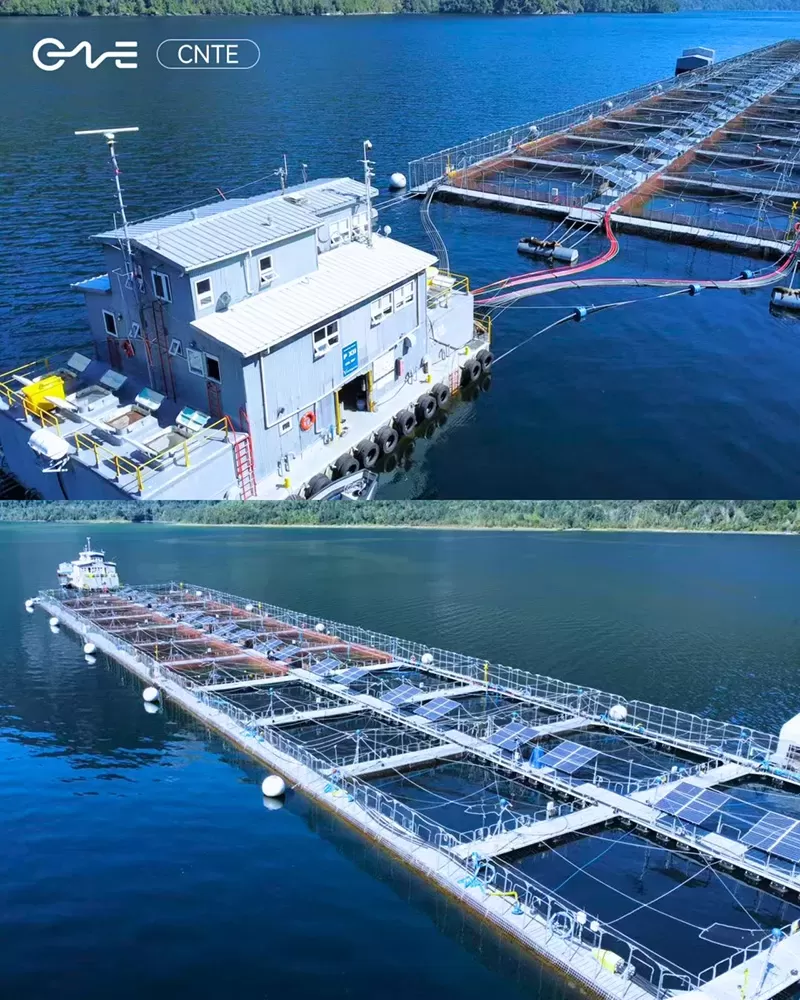
Remote industrial operations, such as mining facilities, agricultural complexes, and isolated communities, often operate independently of national electrical grids. Historically, these microgrids relied solely on diesel generators, which incur high fuel delivery costs and continuous maintenance requirements. Integrating energy storage into these localized systems transforms their operational economics.
Hybrid Power Systems
The integration of solar photovoltaic (PV) arrays and wind turbines with diesel generators creates a complex hybrid microgrid. Because renewable generation is intermittent, the application of storage batteries serves as a stabilizing buffer. When cloud cover reduces solar output or wind speeds drop, the battery system immediately compensates for the lost generation. This reduces the spinning reserve requirements of the diesel generators, allowing them to run at higher efficiency levels or be turned off completely during high-generation periods.
Decentralized Energy Autonomy
In completely off-grid configurations, battery storage acts as the virtual synchronous generator of the system, establishing the reference voltage and frequency for the entire microgrid. Modern power conversion systems (PCS) utilize grid-forming inverter technology to manage the flow of electricity across the local network. This capability allows remote communities and industrial outposts to achieve energy self-sufficiency, reducing diesel fuel consumption and mitigating the logistical complexities of fuel transport to remote areas.
Engineering Considerations and System Architecture
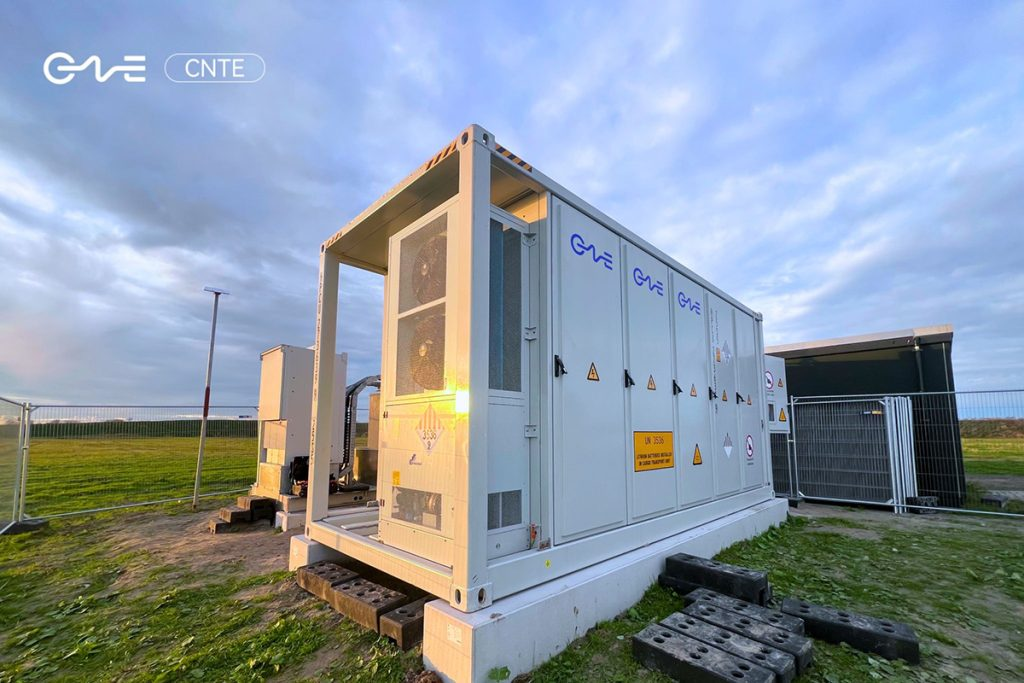
Implementing a commercial-grade battery energy storage system requires careful consideration of mechanical, electrical, and thermal engineering components to ensure long operational lifetimes and system safety.
Thermal Management: Industrial batteries generate heat during rapid charge and discharge cycles. Liquid cooling systems, which circulate glycol-water mixtures through cooling plates adjacent to the battery cells, maintain uniform temperatures across the pack. This prevents localized hot spots, slows down cell degradation, and mitigates the risk of thermal runaway.
Battery Management Systems (BMS): The BMS is the processing unit of the battery storage system. It monitors cell-level parameters, including voltage, current, temperature, and state of charge (SoC). Active balancing circuits within the BMS redistribute charge among cells to prevent individual cell overcharging or deep discharging, preserving the health of the entire pack.
Energy Management Systems (EMS): At the system level, the EMS coordinates the operations of the battery, the local loads, renewable generation assets, and the utility grid connection. Using predictive algorithms and real-time market pricing data, the EMS determines the optimal times to charge, discharge, or hold energy in reserve to maximize economic returns.
Industrial designers must also prioritize safety standards, such as UL 9540A compliance, which evaluates thermal runaway fire propagation in battery energy storage systems. CNTE (Contemporary Nebula Technology Energy Co., Ltd.) integrates these advanced safety architectures and liquid cooling mechanisms into its product lines, delivering highly reliable and resilient hardware systems for global commercial installations.
B2B Solutions and Professional Inquiry
Selecting the appropriate energy storage architecture requires a comprehensive assessment of load profiles, utility tariff structures, and local grid interconnection codes. Engineering teams must evaluate the total cost of ownership, round-trip efficiency, and cycle life of the battery chemistry to ensure project viability.
If your organization is evaluating the application of storage batteries to reduce peak demand charges, stabilize a microgrid, or integrate renewable energy assets, our engineering team can assist you. We provide detailed feasibility studies, system sizing analyses, and hardware integration support tailored to your specific operational parameters. Please contact us to discuss your project requirements and request a technical consultation.
Frequently Asked Questions
Q1: What is the expected cycle life of lithium iron phosphate (LFP) batteries in industrial applications?
A1: Industrial-grade LFP batteries typically deliver between 6,000 and 8,000 cycles at a standard 80% Depth of Discharge (DoD) before their capacity drops to 80% of its original rating. The exact lifespan depends on operating temperatures, charge and discharge rates (C-rates), and the effectiveness of the thermal management system.
Q2: How does a battery energy storage system perform peak shaving for commercial facilities?
A2: The energy management system monitors the facility’s real-time power draw from the grid. When the load approaches a predefined demand threshold, the system triggers the battery to discharge, supplying a portion of the required power internally. This prevents the grid draw from exceeding the threshold, reducing the peak demand charge billed by the utility provider.
Q3: Can battery storage systems be integrated with existing diesel generators in microgrids?
A3: Yes. Through advanced Power Conversion Systems (PCS) and microgrid controllers, battery storage can be synchronized with diesel generators. The battery serves to smooth out transient load spikes and renewable generation drops, allowing the generators to operate at constant, high-efficiency loads, which reduces wear and fuel consumption.
Q4: What is the difference between air cooling and liquid cooling in storage batteries?
A4: Air cooling uses fans to circulate ambient or conditioned air through the battery cabinet, which is simpler but less effective at managing temperature consistency in high-density systems. Liquid cooling uses closed-loop fluid channels to transfer heat directly away from the cells, providing superior thermal uniformity, higher cooling efficiency, and a smaller overall footprint.
Q5: What safety standards are most important for commercial battery installations?
A5: Key safety standards include UL 1973 (for batteries used in stationary applications), UL 9540 (for the complete energy storage system), and UL 9540A (which tests for thermal runaway fire propagation). Compliance with these standards ensures the system is engineered to mitigate fire risks and is safe for installation near commercial structures.
Get in Touch
Recent Posts
-
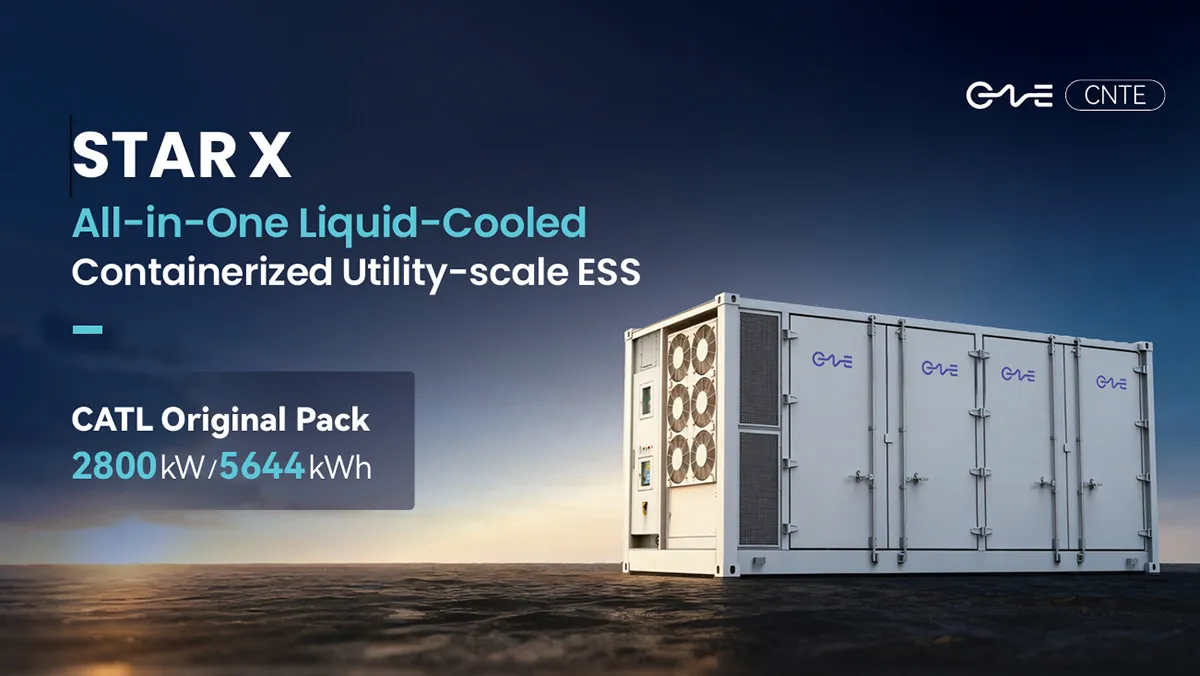
CNTE Launches STAR X Liquid-Cooled DC/AC Integrated Energy Storage System at Intersolar Europe 2026
Jul 06, 2026 -
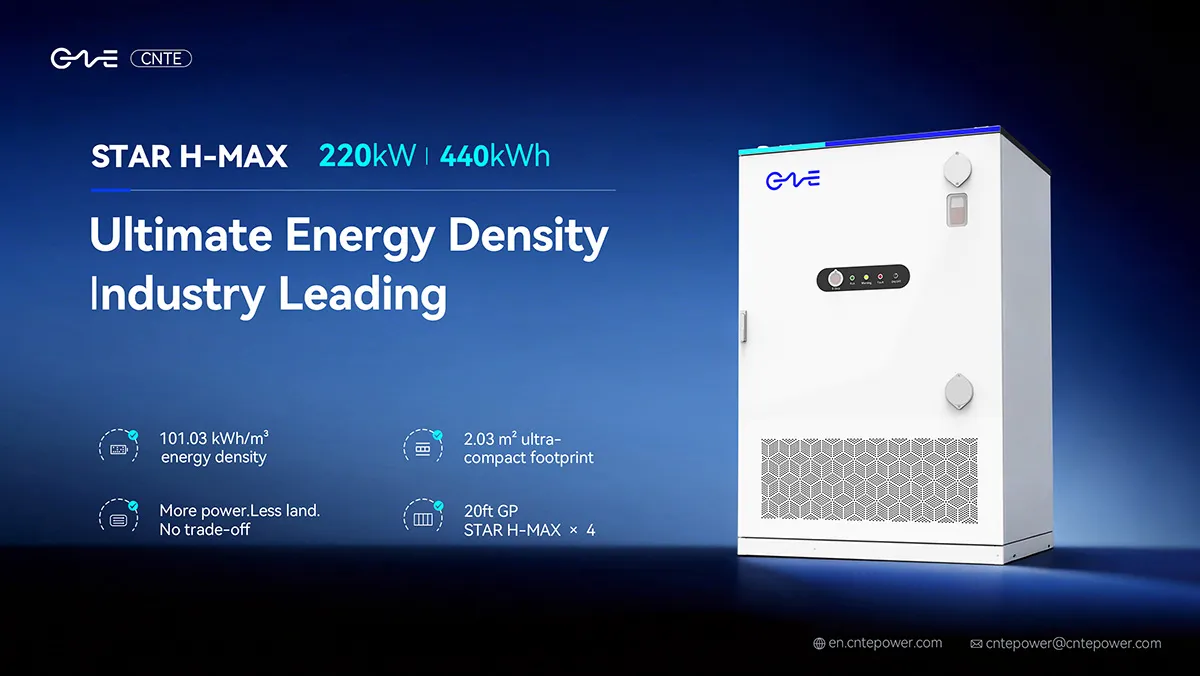
CNTE Unveils New STAR H-MAX Liquid-Cooled C&I ESS at Intersolar Europe 2026
Jun 23, 2026 -
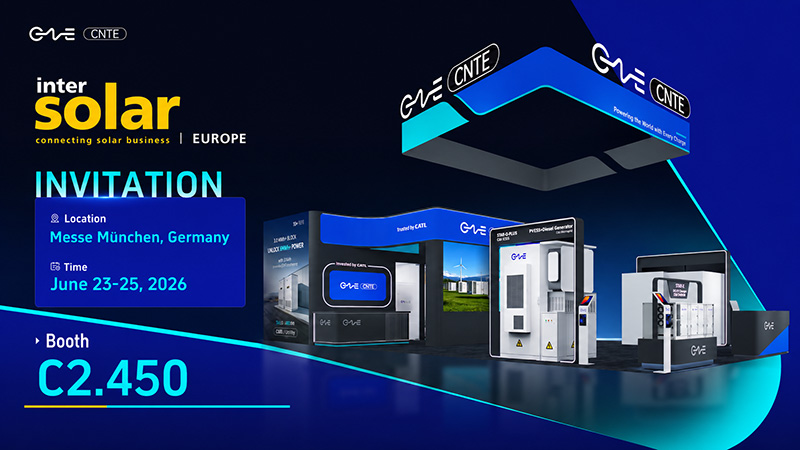
CNTE to Participate in Intersolar Europe 2026
May 20, 2026 -
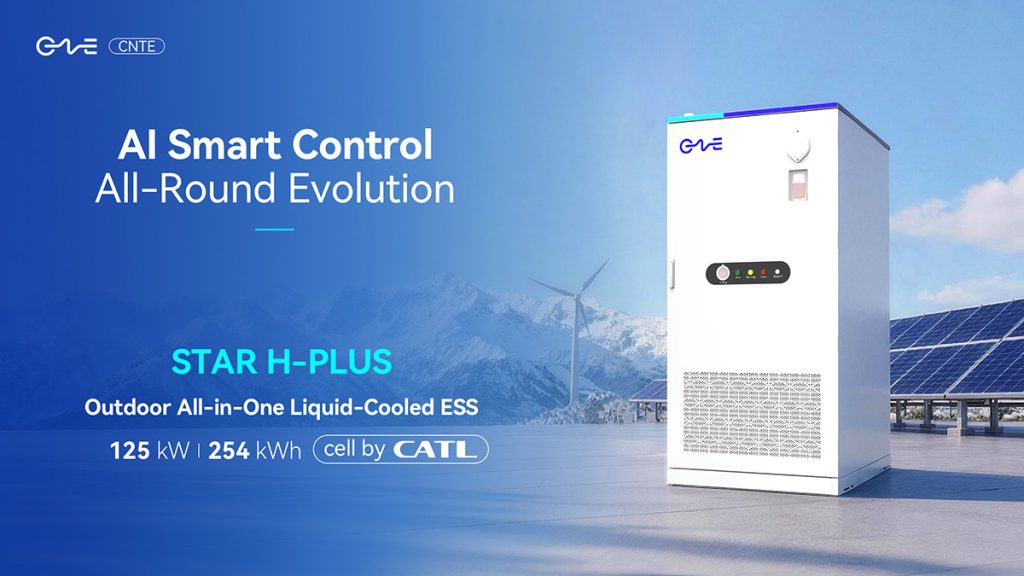
CNTE at KEY ENERGY 2026: Showcases STAR H-PLUS Outdoor Liquid-Cooled Energy Storage System
Mar 05, 2026 -

CNTE Honored as 2025 Forbes China Leading Global Brand
Jul 06, 2026 -

CNTE & YOU.ON Partner to Expand Storage Markets
May 19, 2025 -

CNTE Unveils Energy Storage Lineup at Solartech 2025
May 19, 2025 -
CNTE awarded AEO certification
Jul 06, 2026 -
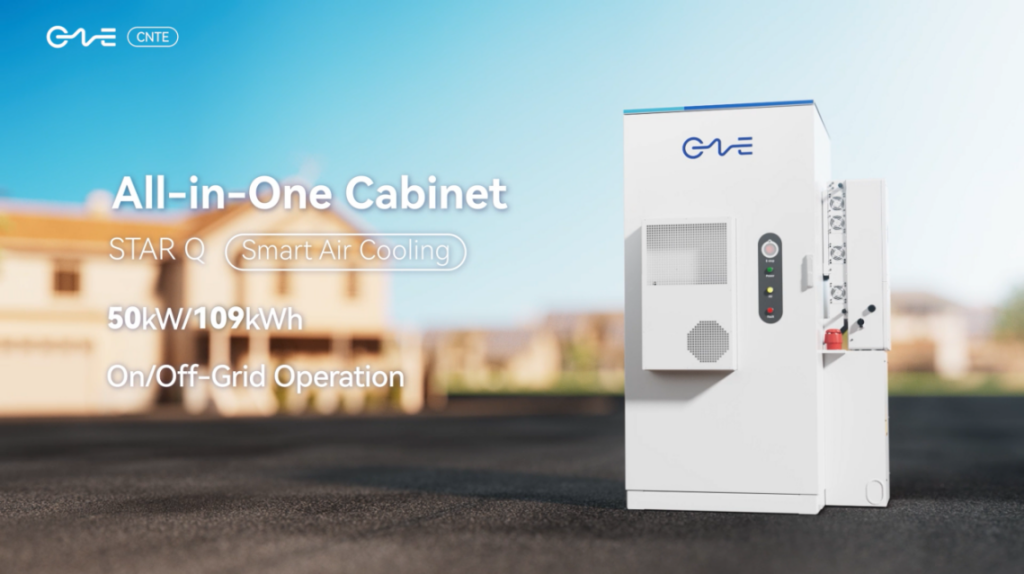
CNTE New Product Launch STAR Q
Jan 15, 2025 -

CNTE Named to Forbes China 2024 Top 30 Go-International Brands
Jul 06, 2026
