
5 Engineering Parameters for Industrial Solar System Energy Storage Integration
Modern industrial facilities face mounting pressure to balance power reliability with operational efficiency. As commercial enterprises integrate localized generation assets, managing the intermittency of renewable sources becomes a primary engineering objective. Implementing robust solar system energy storage frameworks allows enterprises to bridge the gap between generation peaks and consumption demands, stabilizing local distribution networks while controlling demand charges.
To establish a resilient energy architecture, systems engineers must evaluate battery chemistry, thermal management systems, power conversion topologies, and control software. This analysis examines the technical variables governing successful large-scale energy storage deployments, highlighting the integration methodologies developed by CNTE (Contemporary Nebula Technology Energy Co., Ltd.) to address contemporary industrial demands.
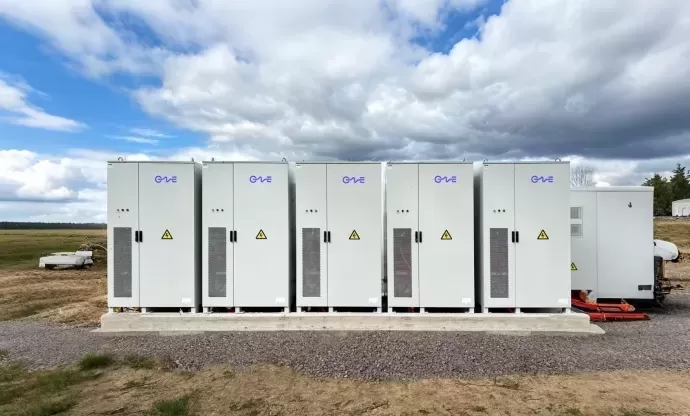
Technical Architecture of Industrial Solar Storage Systems
Industrial energy storage requires robust sub-system orchestration to withstand continuous cycling and demanding operational conditions. Unlike residential applications, utility-scale and industrial deployments operate under high C-rates, necessitating advanced thermal control, precise state-of-charge calculation, and high-efficiency power conversion.
Battery Chemistry and Thermal Management Systems
Lithium Iron Phosphate (LiFePO4 or LFP) remains the preferred chemistry for commercial solar system energy storage applications. LFP chemistry offers a superior safety profile, high thermal stability, and an extended cycle life compared to nickel-manganese-cobalt (NMC) alternatives. The mechanical structure of the battery pack must withstand prolonged thermal stress. Modern enclosures utilize liquid cooling plates rather than forced-air systems to maintain uniform temperature distribution across cells.
Liquid cooling architectures employ a glycol-water mixture circulated through internal heat exchangers. This design limits cell-to-cell temperature variations to less than 2 degrees Celsius, which directly prevents localized degradation. Minimizing thermal gradients across the battery pack ensures uniform current distribution, preventing premature capacity fade and maintaining system safety over a projected lifespan exceeding 15 years.
Power Conversion Systems (PCS) and Bidirectional Inverters
The Power Conversion System (PCS) serves as the bridge between the DC battery rack and the AC industrial grid. Modern configurations favor bidirectional inverters equipped with silicon carbide (SiC) semiconductors. These components reduce switching losses and enable high-frequency operation, allowing the system to achieve round-trip efficiency (RTE) metrics above 90%.
Depending on site requirements, system designers select between two primary topologies:
Centralized Inverter Topologies: Best suited for large, uniform battery arrays where a single megawatt-scale inverter manages the conversion process, reducing initial capital expenditures.
String Inverter Topologies: Highly modular configurations where multiple smaller inverters manage distinct battery strings. This approach provides greater system redundancy and simplifies maintenance schedules.
Key Industrial Challenges in Solar System Energy Storage Adoption
Deploying large-scale energy storage presents integration hurdles that go beyond basic hardware installation. Engineers must address complex grid dynamics and economic variables to ensure sustained performance.
Grid Interconnection and Power Quality Stabilization
Connecting a high-capacity solar system energy storage plant to the local distribution network requires compliance with stringent grid codes. Uncontrolled reactive power fluctuations, voltage sags, and harmonic distortions can disrupt nearby manufacturing equipment. To prevent these disturbances, the storage system must support advanced grid-forming and grid-following algorithms.
By incorporating static synchronous compensator (STATCOM) functionality into the PCS, the system can dynamically inject or absorb reactive power. This capability stabilizes local voltage profiles in real-time, allowing industrial facilities to operate heavy motor loads without causing voltage dips across the utility line.
Levelized Cost of Storage (LCOS) and Lifecycle Management
The economic viability of commercial storage installations relies on minimizing the Levelized Cost of Storage (LCOS). LCOS accounts for the initial capital investment, auxiliary power consumption (such as HVAC and cooling pump loads), maintenance costs, and cell degradation rates. Managing these variables requires a sophisticated battery management system (BMS).
A multi-tier BMS monitors parameters at the cell, module, and rack levels. By tracking cell balancing dynamically, the BMS prevents overcharging and deep discharging, both of which accelerate capacity loss. Maintaining proper state-of-health (SOH) tracking ensures the facility can accurately forecast battery asset depreciation and adjust operational strategies accordingly.
Multi-Scenario Application Analysis
Commercial and industrial facilities deploy energy storage to satisfy diverse operational needs, depending on their tariff structures and localized grid conditions.
Peak Shaving and Load Shifting in Manufacturing
Manufacturing plants with heavy inductive loads frequently incur substantial demand charges during peak utility hours. An integrated solar system energy storage deployment addresses this issue by storing excess solar energy generated during midday periods. This stored energy is then discharged when facility demand peaks or when utility rates are highest.
This process reduces the maximum draw from the utility grid, flattening the facility’s demand profile. The localized energy management system (EMS) automates this cycle by referencing historical consumption patterns and real-time weather forecasts to maximize energy savings.
Microgrid Integration for Remote Commercial Operations
For operations located in regions with unstable grid infrastructure or high fuel delivery costs, establishing an independent microgrid is a practical solution. Integrating solar generation with stationary storage and backup diesel generators provides a reliable power source.
Under microgrid conditions, the storage system establishes the grid frequency and voltage, acting as the primary reference source. If solar generation drops suddenly due to cloud cover, the battery system immediately steps in to supply the deficit, preventing generator cycling and minimizing fuel consumption.
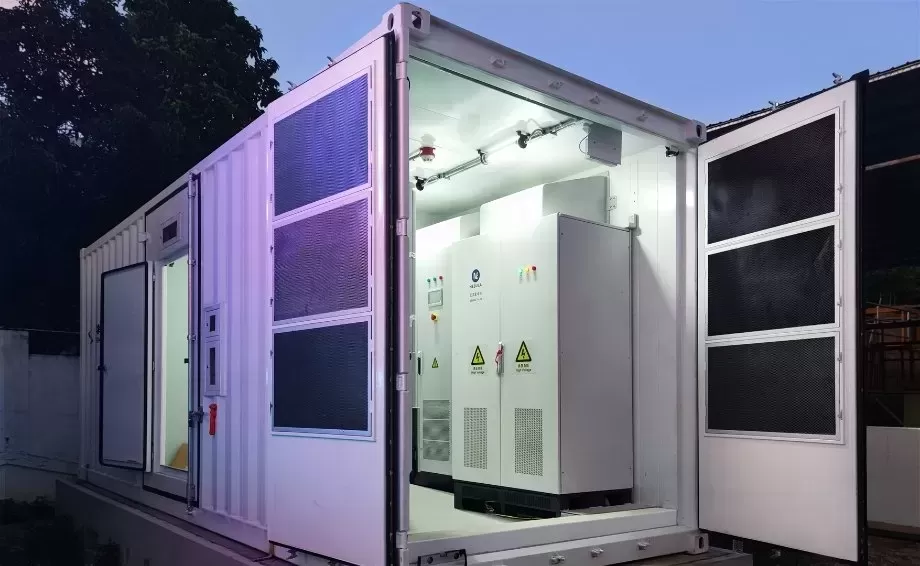
Architectural Integration Framework by CNTE
To address these complex industrial requirements, CNTE (Contemporary Nebula Technology Energy Co., Ltd.) delivers integrated energy storage hardware and software systems designed for high reliability and seamless industrial compatibility.
CNTE utilizes advanced liquid-cooled energy storage cabinets that combine high-density LFP cells with intelligent battery management systems. The structural design isolates separate battery compartments, which prevents any localized thermal issue from spreading to adjacent cells. The system's modular architecture allows developers to scale up capacity by connecting multiple units in parallel, adapting to evolving factory footprints without requiring complex redesigns.
The control framework developed by CNTE features a proprietary Energy Management System (EMS) that supports standard industrial protocols, including Modbus TCP/IP, CAN bus, and IEC 61850. This communication flexibility allows the storage system to integrate smoothly with existing Supervisory Control and Data Acquisition (SCADA) platforms and plant-wide automation networks. By utilizing intelligent state estimation algorithms, the system accurately predicts battery aging and schedules preventative maintenance, reducing unplanned downtime for industrial operators.
Frequently Asked Questions
Q1: What is the expected lifespan of a commercial solar system energy storage installation?
A1: Under typical operating conditions of one full cycle per day, high-quality Lithium Iron Phosphate (LFP) systems retain approximately 70% to 80% of their original capacity after 10 to 15 years, which equates to roughly 6,000 to 8,000 charge-discharge cycles.
Q2: How does liquid cooling compare to air cooling in industrial energy storage systems?
A2: Liquid cooling provides superior thermal uniformity, keeping temperature differences between cells within 2 degrees Celsius. Air cooling systems often result in larger temperature variations, which leads to uneven cell aging and faster overall degradation of the battery pack.
Q3: Can these systems operate effectively in extreme environmental conditions?
A3: Yes, industrial cabinets are designed with IP55 or IP66 ingress protection and contain integrated HVAC and liquid thermal management systems. This design allows the batteries to operate safely and efficiently in ambient temperatures ranging from -30 degrees Celsius to 50 degrees Celsius.
Q4: What role does the Energy Management System (EMS) play in peak shaving?
A4: The EMS monitors the facility's real-time electricity demand and utility meter readings. When the total load nears a preset threshold, the EMS signals the power conversion system to discharge the battery, keeping the grid demand below the peak threshold to avoid high demand charges.
Q5: How do grid-forming inverters differ from standard grid-following inverters?
A5: Grid-following inverters require an existing grid voltage and frequency reference to inject power. Grid-forming inverters can establish their own voltage and frequency references, allowing them to power microgrids independently during grid outages or in remote off-grid locations.
Discuss Your Integration Requirements
Developing an effective industrial energy storage solution requires careful consideration of battery chemistry, system topology, and thermal design. Selecting the appropriate configuration ensures long-term operational stability and reliable power quality for your facility.
If you are planning to deploy a solar system energy storage project or require technical assistance with grid integration, contact the engineering team at CNTE. We invite you to submit an inquiry with your project specifications, load profiles, and target goals. Our team will collaborate with your engineering department to design an efficient, high-performance storage solution tailored to your operational needs.
Get in Touch
Recent Posts
-
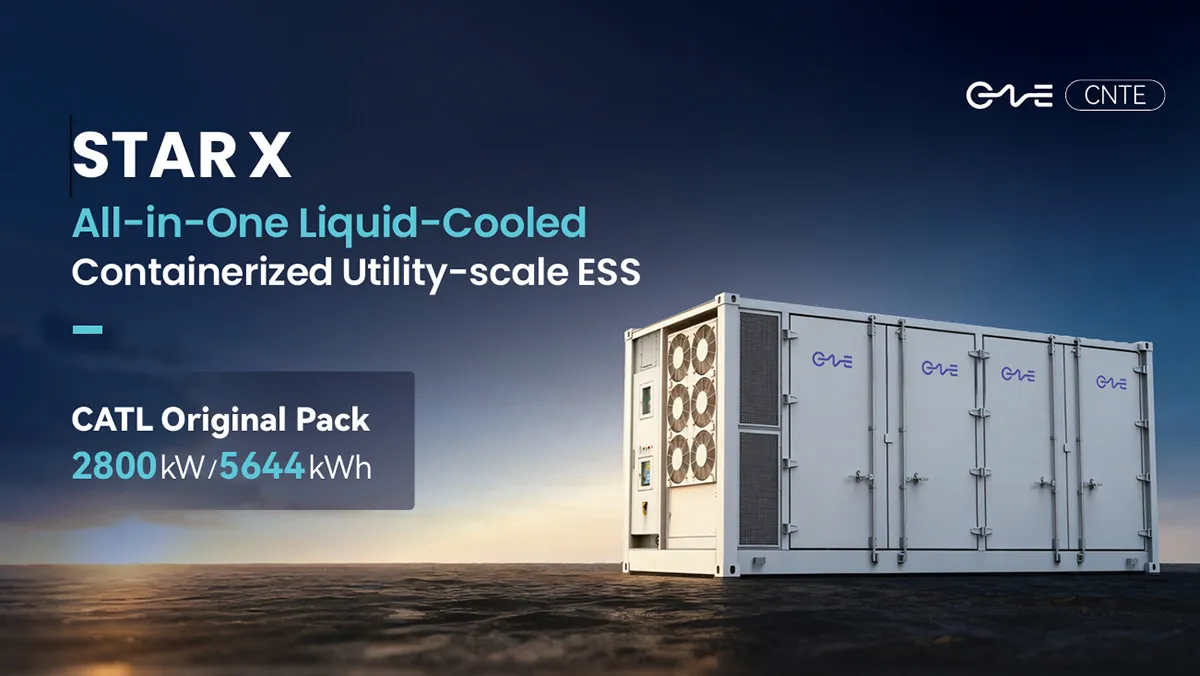
CNTE Launches STAR X Liquid-Cooled DC/AC Integrated Energy Storage System at Intersolar Europe 2026
Jul 06, 2026 -
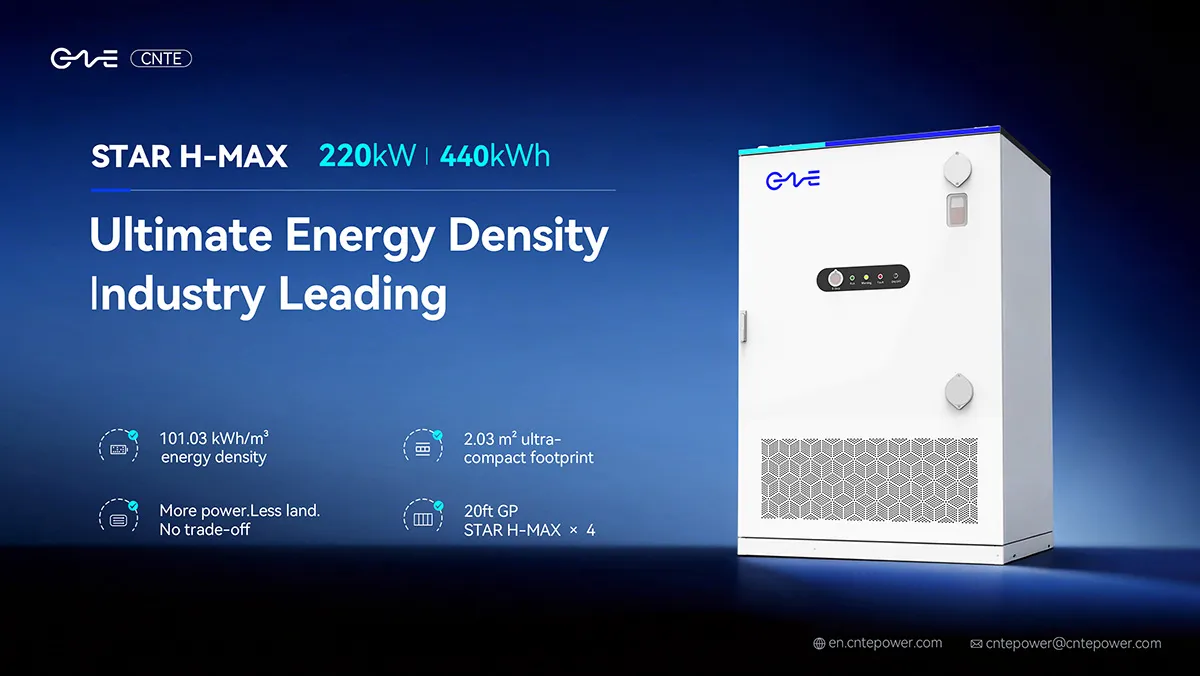
CNTE Unveils New STAR H-MAX Liquid-Cooled C&I ESS at Intersolar Europe 2026
Jun 23, 2026 -
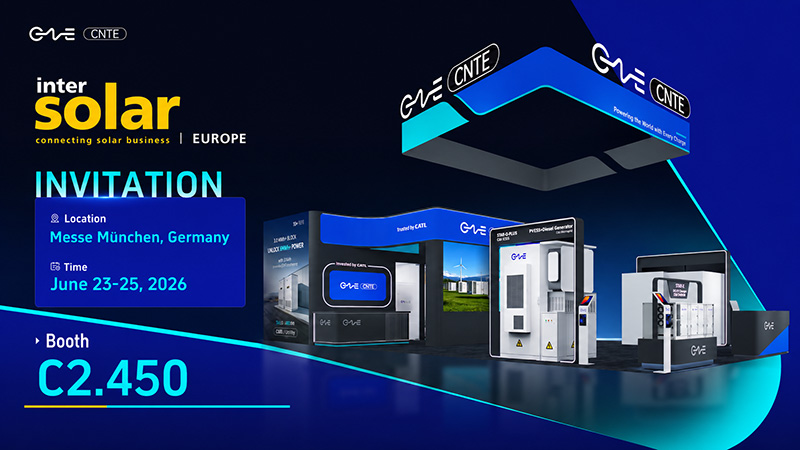
CNTE to Participate in Intersolar Europe 2026
May 20, 2026 -
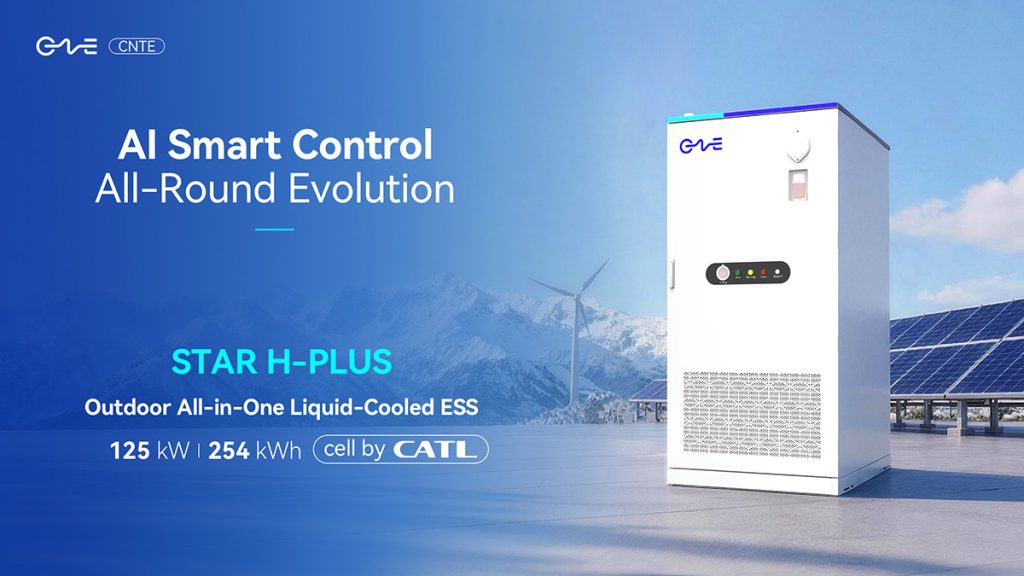
CNTE at KEY ENERGY 2026: Showcases STAR H-PLUS Outdoor Liquid-Cooled Energy Storage System
Mar 05, 2026 -

CNTE Honored as 2025 Forbes China Leading Global Brand
Jul 06, 2026 -
CNTE & YOU.ON Partner to Expand Storage Markets
May 19, 2025 -
CNTE Unveils Energy Storage Lineup at Solartech 2025
May 19, 2025 -
CNTE awarded AEO certification
Jul 06, 2026 -
CNTE New Product Launch STAR Q
Jan 15, 2025 -
CNTE Named to Forbes China 2024 Top 30 Go-International Brands
Jul 06, 2026
