
High Capacity Battery for Solar Panels: Maximize Your Energy Storage
When you invest in solar panels, you want to capture every ray of sunshine and use it when you need it most. That’s where a high capacity battery for solar panels steps in. It stores excess energy generated during the day, so you have power at night or during outages. At CNTE (Contemporary Nebula Technology Energy Co., Ltd.), we’ve seen how the right storage transforms homes and businesses into energy-independent hubs. This article walks you through everything you need to know about choosing and using a high capacity battery for your solar setup.
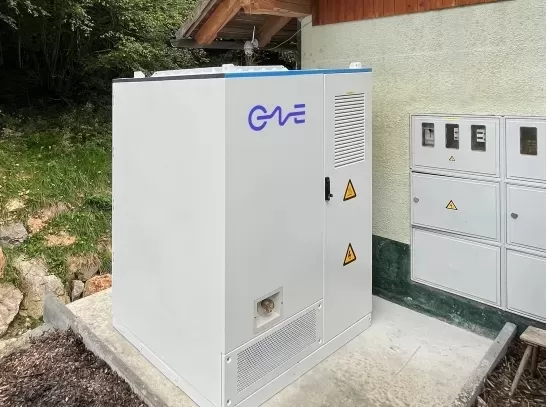
Table of contents cntepower 1 Why You Need a High Capacity Battery for Solar Panels 1.1 Energy Independence 1.2 Financial Savings 1.3 Environmental Impact 2 What to Look for in a High Capacity Battery for Solar Panels 3 Types of High Capacity Batteries for Solar Panels 3.1 Lithium-Ion (Li-ion) 3.2 Lead-Acid 3.3 Flow Batteries 4 How to Size Your High Capacity Battery for Solar Panels 5 Installation and Maintenance Considerations 6 Cost and Return on Investment 6.1 Incentives and Tax Credits 6.2 Long-Term Value 7 Future Trends in Solar Battery Technology 8 Frequently Asked Questions 8.1 Q1: What is a high capacity battery for solar panels? 8.2 Q2: How long do high capacity solar batteries last? 8.3 Q3: Can I use a high capacity battery with my existing solar panels? 8.4 Q4: How much does a high capacity battery for solar panels cost? 8.5 Q5: Are high capacity batteries for solar panels safe? 8.6 Q6: Do I need a permit to install a high capacity solar battery? 8.7 Q7: Can a high capacity battery power my entire house during an outage?
Why You Need a High Capacity Battery for Solar Panels
Solar panels only produce electricity when the sun shines. Without storage, you send surplus power to the grid—often at low rates—and buy it back later at higher prices. A high capacity battery for solar panels changes that dynamic. You store your own energy, reduce reliance on utilities, and keep critical appliances running during blackouts.
Energy Independence
With a large-capacity battery, you rely less on the grid. You become less vulnerable to rate hikes and power cuts. Many homeowners aim for 80-100% self-sufficiency, and a high capacity battery makes that possible.
Financial Savings
Time-of-use rates mean electricity costs more at peak hours. Store cheap solar energy during the day and use it in the evening. Over years, the savings add up. Plus, some regions offer incentives for battery storage.
Environmental Impact
Using stored solar energy reduces demand from fossil-fuel power plants. Every kilowatt-hour from your battery cuts carbon emissions. It’s a clean, sustainable cycle.
What to Look for in a High Capacity Battery for Solar Panels
Not all batteries are equal. You need a system that matches your energy usage and panel output. Here are key factors to consider when selecting a high capacity battery for solar panels:
Usable Capacity: Measured in kilowatt-hours (kWh). This tells you how much energy you can actually draw. Aim for 10-20 kWh for typical homes.
Power Rating: The amount of electricity the battery can deliver at once (kW). Higher ratings support heavy appliances like air conditioners.
Depth of Discharge (DoD): Indicates how much of the battery’s capacity you can safely use. Look for 90% or more.
Round-Trip Efficiency: The percentage of energy you get out compared to what you put in. Above 90% is excellent.
Warranty and Lifespan: Most batteries last 10-15 years. Check throughput or cycle life guarantees.
Types of High Capacity Batteries for Solar Panels
Technology evolves fast. Today, three main chemistries dominate the market. Each has strengths and trade-offs.
Lithium-Ion (Li-ion)
These are the current leaders. They offer high efficiency, long life, and compact size. Most new solar installations pair with lithium-ion batteries. CNTE specializes in advanced lithium solutions that provide reliable performance even in harsh climates.
Lead-Acid
Older technology, cheaper upfront, but heavier and shorter-lived. They require regular maintenance and have lower DoD. Good for off-grid setups on a tight budget.
Flow Batteries
Emerging technology for large-scale storage. They use liquid electrolytes and can discharge fully without damage. Still expensive and bulky for residential use, but promising for commercial projects.
How to Size Your High Capacity Battery for Solar Panels
Getting the size right prevents wasted money or insufficient backup. Follow these steps:
Calculate daily consumption: Look at your electricity bills. Average US home uses 30 kWh per day. You may only need to cover partial usage.
Identify critical loads: List appliances you must keep running—refrigerator, lights, internet. Add their wattage and hours of use.
Consider solar generation: In winter, your panels produce less. A larger battery bridges longer low-sun periods.
Factor in future needs: Planning an electric vehicle or heat pump? Size up now.
A professional installer can run a detailed audit. Many online calculators also help. CNTE offers consultation services to help you determine the perfect capacity.
Installation and Maintenance Considerations
Installing a high capacity battery for solar panels involves electrical work and permits. Always hire certified technicians. Here’s what to expect:
Location: Batteries need cool, dry spaces. Garages or basements work well. Outdoor-rated units exist but cost more.
Electrical integration: The battery connects to your main panel and inverter. Some systems include hybrid inverters.
Maintenance: Lithium batteries require almost no upkeep. Lead-acid needs water refills and terminal cleaning.
Monitoring: Most modern batteries come with apps to track charge levels and usage patterns.
Proper installation ensures safety and warranty validity. CNTE partners with certified installers nationwide to guarantee seamless setup.
Cost and Return on Investment
Prices vary by brand, capacity, and chemistry. Expect to pay between $7,000 and $15,000 installed for a 10-15 kWh lithium system. Lead-acid can be half that but needs replacement sooner. Return on investment (ROI) depends on your electricity rates, solar export tariffs, and available incentives.
Incentives and Tax Credits
In the US, the federal Investment Tax Credit (ITC) covers 30% of battery costs if charged by solar. Many states offer additional rebates. Check local programs—they can cut payback time by years.
Long-Term Value
Even without incentives, a high capacity battery adds value to your property. It future-proofs your home against rising energy costs. CNTE’s robust batteries come with 10-year warranties, ensuring long-term savings.
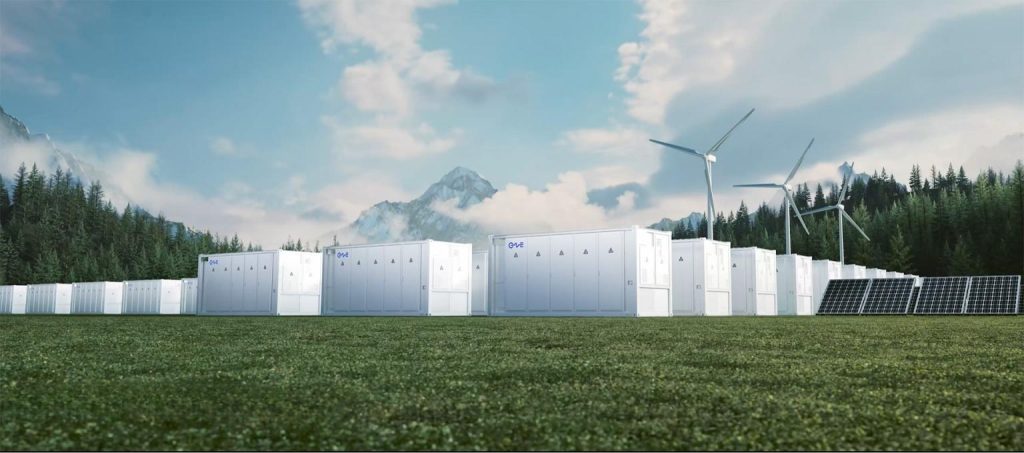
Future Trends in Solar Battery Technology
The industry moves fast. Expect higher capacities and smarter features soon.
Solid-State Batteries: Greater energy density and safety. They may hit the market in 5-10 years.
AI-Powered Management: Systems that learn your habits and optimize charging/discharging automatically.
Vehicle-to-Home (V2H): Use your EV’s battery as home backup. Some automakers already support this.
CNTE invests heavily in R&D to bring these innovations to customers early. Their next-generation batteries integrate seamlessly with smart home ecosystems.
A high capacity battery for solar panels is more than a backup—it’s a smart investment in energy freedom. From reducing bills to ensuring power during outages, the benefits are clear. Whether you’re retrofitting an existing system or building new, pairing your solar array with the right storage maximizes every ray of sun. Companies like CNTE (Contemporary Nebula Technology Energy Co., Ltd.) lead the way with reliable, high-performance solutions tailored to modern needs. Take the next step toward energy independence today.
Frequently Asked Questions
Q1: What is a high capacity battery for solar panels?
A1: It’s a rechargeable energy storage system designed to store excess electricity generated by your solar panels. Unlike smaller batteries, “high capacity” typically means 10 kWh or more, allowing you to power your home for hours or even days. It stores energy for night use, peak demand times, or emergencies.
Q2: How long do high capacity solar batteries last?
A2: Lifespan depends on chemistry and usage. Lithium-ion batteries commonly last 10–15 years or 6,000–10,000 cycles. Lead-acid batteries may need replacement every 5–7 years. Factors like depth of discharge, temperature, and maintenance also affect longevity. Always check the manufacturer’s warranty.
Q3: Can I use a high capacity battery with my existing solar panels?
A3: Yes, in most cases. Your current inverter may need to be replaced or supplemented with a battery-ready inverter (hybrid inverter). Some batteries come with integrated inverters. A qualified installer can assess your system and recommend the best way to integrate storage.
Q4: How much does a high capacity battery for solar panels cost?
A4: Prices range widely. For a typical home setup (10–15 kWh), expect $7,000–$15,000 before incentives. This includes equipment and installation. Higher capacity commercial systems cost more. Lithium batteries cost more upfront but offer better ROI over their lifetime. Check for local rebates and tax credits that can reduce net cost by 30% or more.
Q5: Are high capacity batteries for solar panels safe?
A5: Modern lithium batteries include multiple safety features: thermal management, overcharge protection, and flame-retardant casings. They undergo rigorous testing (UL 9540, IEC 62619). Proper installation by certified professionals eliminates most risks. Lead-acid batteries require ventilation to prevent gas buildup. Always follow manufacturer guidelines.
Q6: Do I need a permit to install a high capacity solar battery?
A6: Yes, most jurisdictions require electrical permits for battery installations. Your installer typically handles this. Permits ensure the system meets local building and fire codes. Some utilities also require interconnection agreements if you plan to export power. Check with your local authority.
Q7: Can a high capacity battery power my entire house during an outage?
A7: It depends on the battery’s power rating and your home’s consumption. A 10 kW battery can run essential loads (lights, fridge, internet) for many hours. For whole-house backup, you may need a larger system (20+ kWh) and possibly a generator for extended outages. Prioritize circuits during an outage to stretch battery life.
Get in Touch
Recent Posts
-
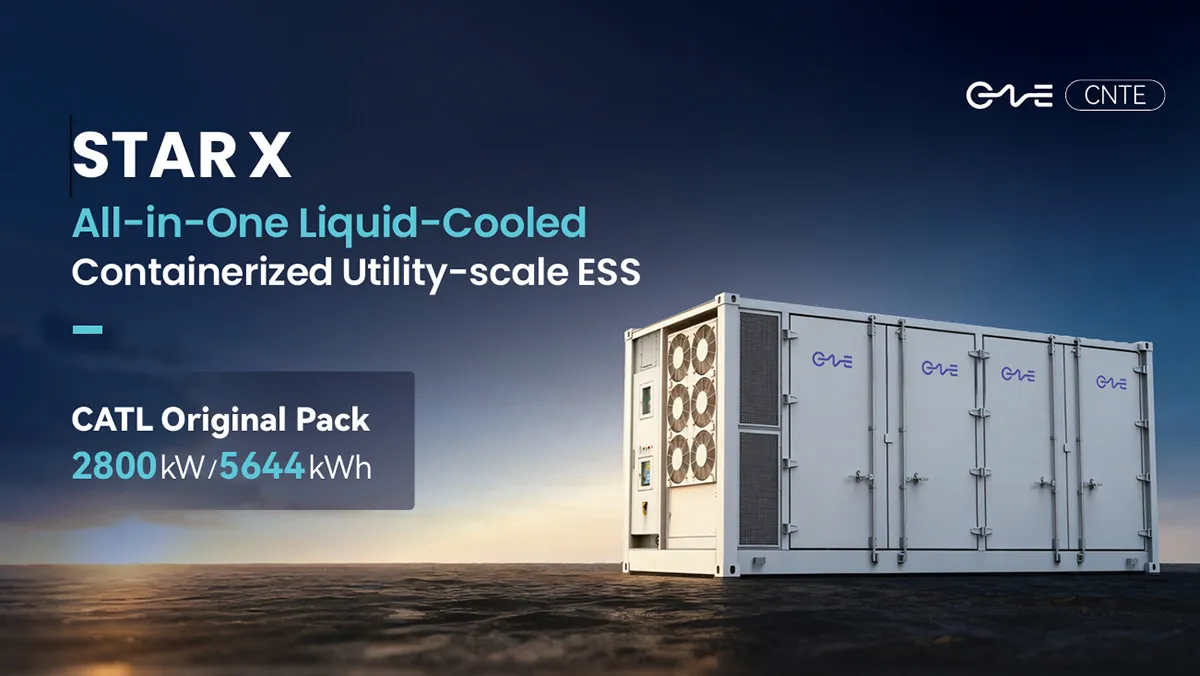
CNTE Launches STAR X Liquid-Cooled DC/AC Integrated Energy Storage System at Intersolar Europe 2026
Jul 06, 2026 -
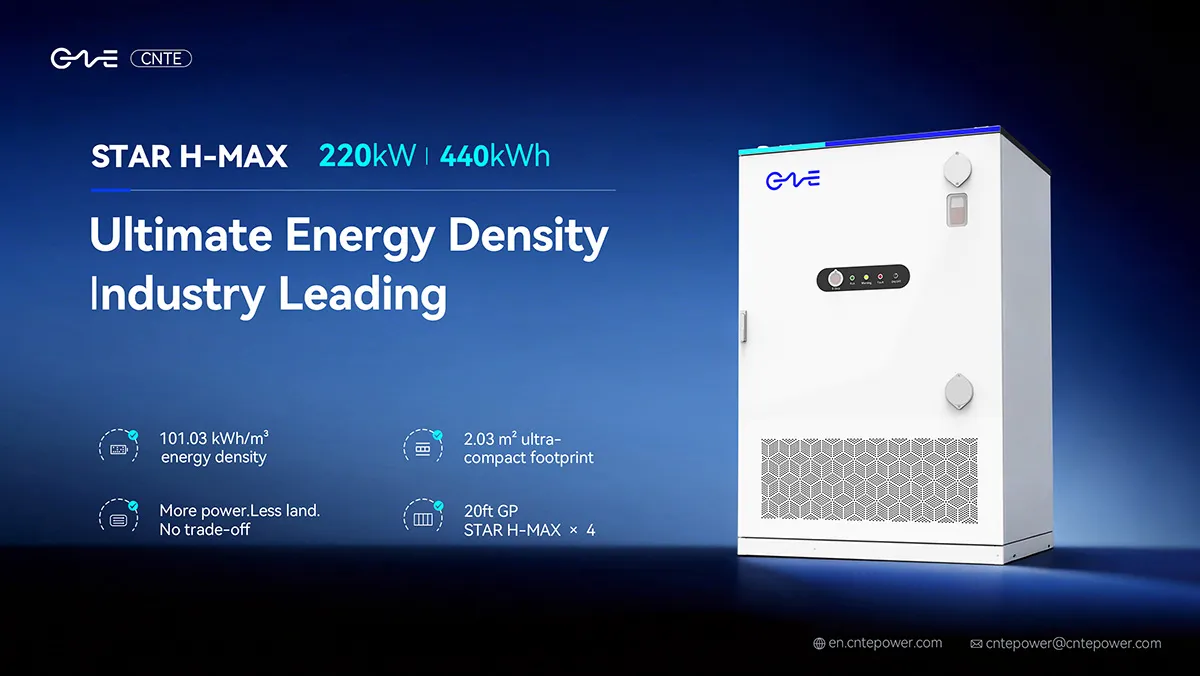
CNTE Unveils New STAR H-MAX Liquid-Cooled C&I ESS at Intersolar Europe 2026
Jun 23, 2026 -
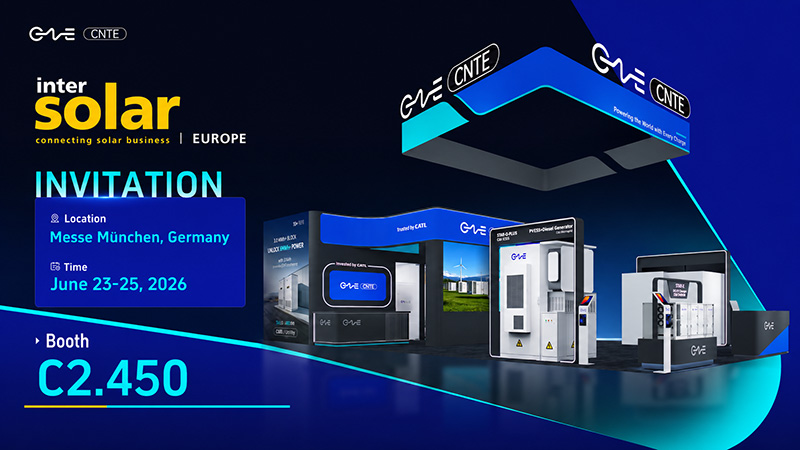
CNTE to Participate in Intersolar Europe 2026
May 20, 2026 -
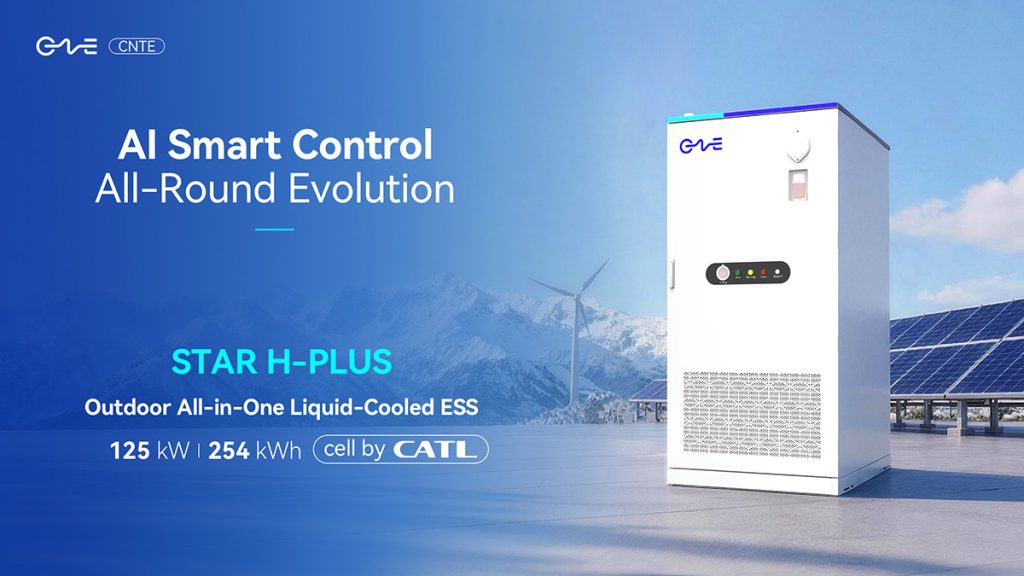
CNTE at KEY ENERGY 2026: Showcases STAR H-PLUS Outdoor Liquid-Cooled Energy Storage System
Mar 05, 2026 -

CNTE Honored as 2025 Forbes China Leading Global Brand
Jul 06, 2026 -

CNTE & YOU.ON Partner to Expand Storage Markets
May 19, 2025 -

CNTE Unveils Energy Storage Lineup at Solartech 2025
May 19, 2025 -
CNTE awarded AEO certification
Jul 06, 2026 -
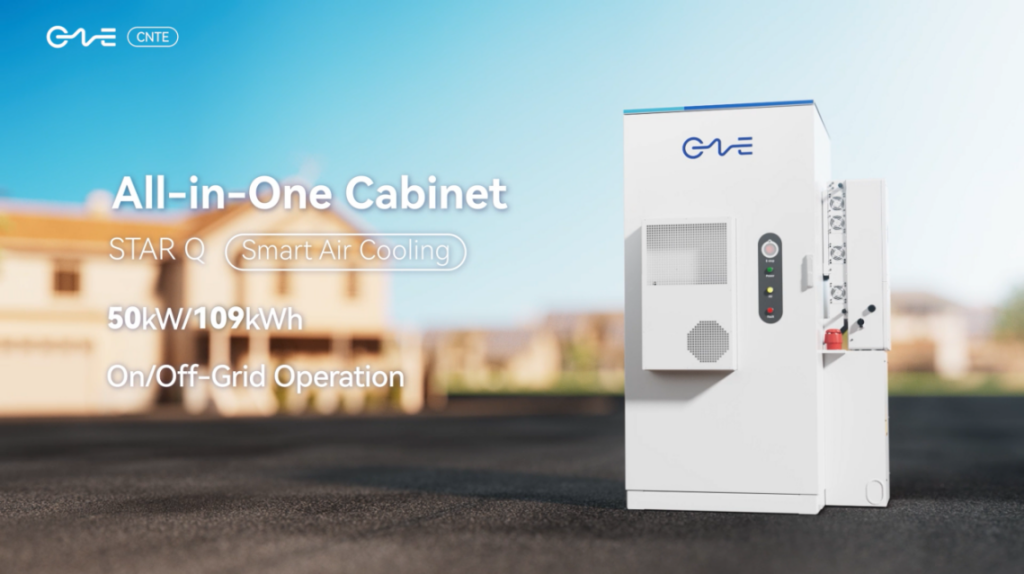
CNTE New Product Launch STAR Q
Jan 15, 2025 -

CNTE Named to Forbes China 2024 Top 30 Go-International Brands
Jul 06, 2026
