
Enterprise Solar Battery Storage Solutions for Grid & C&I Applications
Intermittent generation from utility-scale photovolatic assets creates systemic operational challenges for commercial facilities and regional power distribution networks. Solar energy generation curves rarely align perfectly with facility consumption profiles, resulting in costly demand charges, curtailment losses, and localized grid instability. Mitigating these systemic imbalances requires robust infrastructure capable of high-throughput energy buffering. Modern solar battery storage solutions provide the needed balance, converting variable renewable output into dispatchable, firm capacity capable of supporting dynamic industrial loads.
Engineering enterprise energy infrastructure involves evaluating multiple mechanical, electrical, and electro-chemical variables. As energy management protocols evolve, industrial facilities rely on heavy-duty storage architectures to smooth load curves and establish long-term energy self-sufficiency. Systems engineered by CNTE (Contemporary Nebula Technology Energy Co., Ltd.) address these complex operational demands by incorporating advanced electro-chemistry and high-efficiency power conversion hardware tailored for enterprise-scale deployments.
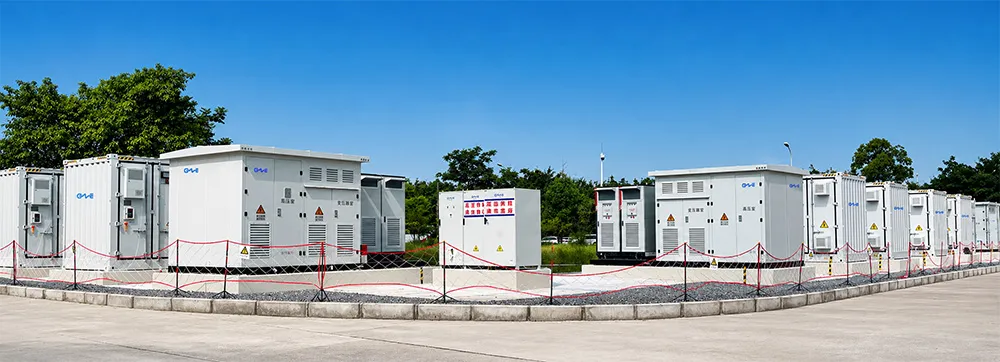
Electro-Chemical Architectures and Hardware Integration
Selecting appropriate battery chemistry determines long-term degradation profiles, volumetric energy density, and lifetime capital expenditure efficiency. Modern energy storage infrastructure has largely standardized on Lithium Iron Phosphate (LFP) chemistry due to its structural stability, extended cycle life exceeding 6,000 to 10,000 cycles, and thermal stability characteristics under intensive continuous operation.
At the system level, performance depends heavily on the integration between the battery modules, Power Conversion Systems (PCS), and ambient management mechanisms:
Thermal Management: Liquid cooling systems maintain uniform cell temperatures across the entire enclosure, keeping temperature variance within 2 to 3 degrees Celsius. This design prevents localized hotspots, reduces internal resistance growth, and slows calendar degradation compared to legacy forced-air cooling methods.
Cell-to-Pack (CTP) Engineering: Eliminating intermediate module housing maximizes volumetric efficiency and improves heat dissipation pathing, allowing higher energy density per square meter of footprint.
Bi-Directional Inverters: Enterprise PCS units support rapid four-quadrant power response, switching between charging and discharging regimes in milliseconds to support frequency regulation and volt-VAR grid support functions.
Commercial and Industrial Utility Applications
Commercial facilities face multi-faceted energy tariffs that penalize peak demand spikes. Integrating solar battery storage solutions directly behind the meter enables precise peak shaving, reducing the facility's coincident peak demand registered by utility meters. When solar generation spikes during mid-day hours, excess power charges the battery bank rather than feeding into the grid at low feed-in tariffs. During peak afternoon tariff hours, the system discharges, shaving facility peak demand and avoiding high capacity charges.
Beyond peak shaving, these systems perform multiple co-located tasks across utility and industrial microgrids:
Load Shifting and Self-Consumption Management
Automated Energy Management Systems (EMS) constantly track historical load profiles, real-time generation, and day-ahead electricity prices. The EMS schedules charge cycles during low-cost or surplus solar hours and schedules discharge cycles when utility power commands premium prices, maximizing total solar self-consumption efficiency.
Microgrid Resilience and Black Start Support
For industrial sites requiring continuous power continuity, energy storage systems act as the primary grid-forming voltage source during main grid outages. Combined with grid-forming inverters, these units deliver black start capabilities, generating stable reference voltage and frequency vectors to restart localized generation assets and heavy machinery without drawing start-up surge currents from an external grid.
Frequency Regulation and Ancillary Services
In front-of-the-meter utility applications, high-power battery deployments participate in automated frequency response (AFR). By sensing power grid frequency deviations within milliseconds, systems built by CNTE deliver fast dynamic active power injection or absorption, maintaining grid operational frequency around target nominal values (50Hz/60Hz).
Evaluating Efficiency, Degradation, and Lifecycle Parameters
Evaluating standard performance metrics requires analyzing system-level Round-Trip Efficiency (RTE). While single battery cells might achieve electro-chemical efficiencies above 95%, full system RTE includes auxiliary power consumption from liquid chillers, HVAC units, BMS control logic, and transformer conversion losses. High-performance enterprise solar battery storage solutions maintain system-level RTE ratings between 85% and 90% across standard operational temperatures.
System life expectancy depends on managing Depth of Discharge (DoD) alongside battery temperature history. Operational parameters typically cap DoD at 80% to 90% of total nominal capacity. Maintaining these operating thresholds preserves the crystal structure of the LFP cathode material, yielding predictable linear degradation curves over a 15-to-20-year operational lifecycle.
The table below summarizes key operational metrics evaluating enterprise storage platforms:
| System Parameter | Standard Specifications | Impact on Operational Economics |
|---|---|---|
| Battery Chemistry | Lithium Iron Phosphate (LFP) | High thermal margin, high lifecycle count (6,000+ cycles). |
| System Round-Trip Efficiency (RTE) | 85% - 90% (AC-to-AC) | Minimizes energy lost during charge-discharge cycles. |
| Recommended Depth of Discharge (DoD) | 80% - 90% | Protects long-term state-of-health (SoH) and extends operational life. |
| Response Time | Less than 10 milliseconds | Enables grid frequency response and seamless microgrid switching. |
Deployment Standards and System Engineering Requirements
Implementing large-scale solar battery storage solutions demands strict adherence to global safety and electrical standards. Interconnection processes require full alignment with standards such as IEEE 1547 for grid interface compliance and UL 9540 for complete energy storage system safety. Advanced enclosure designs incorporate multi-layered thermal containment strategies, aerosol-based fire suppression systems, and gas detection sensors connected to automatic emergency circuit isolation switches.
Selecting enterprise hardware requires analyzing operational site profiles, including peak load currents, ambient temperature fluctuations, transformer matching requirements, and local short-circuit ratio (SCR) parameters. Tailoring balance-of-plant (BOP) components ensures seamless communication between the solar array, battery system, and existing building automation protocols such as Modbus TCP or IEC 61850. Hardware manufactured by CNTE (Contemporary Nebula Technology Energy Co., Ltd.) aligns with these rigorous industrial interoperability standards, allowing smooth integration into complex power generation frameworks.
System Sizing and Project Specification Guidelines
Designing a system tailored to facility requirements begins with a thorough load profile audit. Engineers analyze 15-minute interval power data over a full 12-month operating cycle to identify load spikes, power factor variations, and solar generation overlap. Sizing calculations weigh capital expenditure against incremental financial yields, determining optimal battery energy (kWh) to inverter power (kW) ratios—typically falling between 2-hour and 4-hour duration profiles for commercial applications.
Key considerations during the preliminary engineering phase include:
Evaluating short-circuit capacity at the Point of Common Coupling (PCC).
Calculating transformer voltage stepped-up ratios for direct medium-voltage grid ties.
Analyzing ambient thermal conditions to specify adequate HVAC or liquid cooling capacity.
Structuring operational software rules to balance multiple revenue streams without violating battery warranty throughput limits.
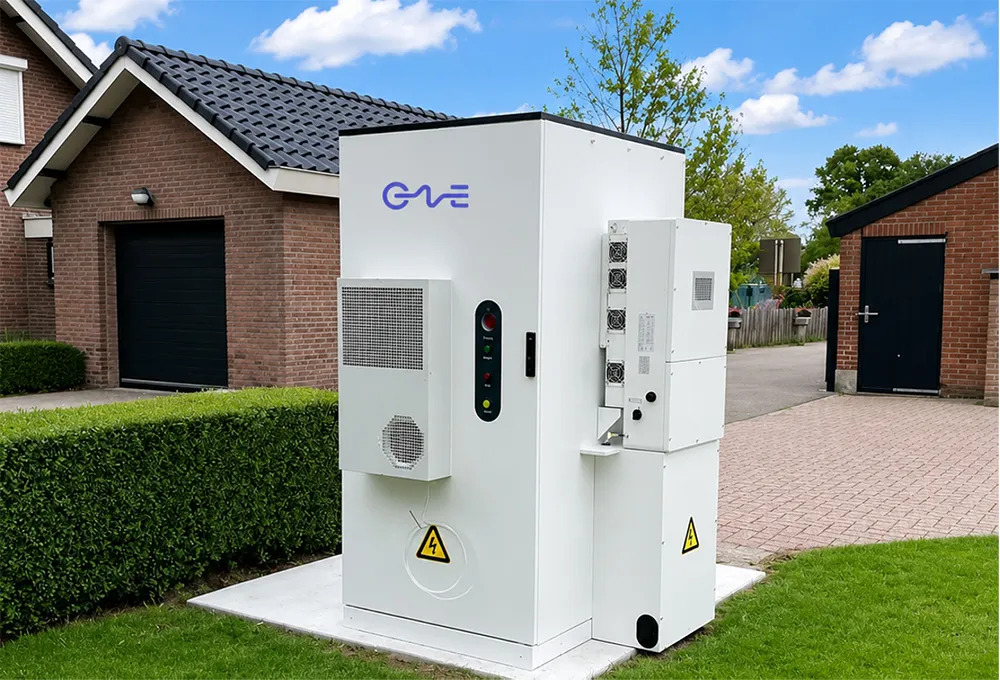
Project Assessment and System Inquiries
Deploying tailored solar battery storage solutions requires deep engineering alignment between facility operations, project developers, and system manufacturers. Detailed project engineering relies on accurate facility load profiles, single-line diagrams (SLDs), local tariff structures, and site footprint limitations.
To receive a customized system proposal and sizing assessment for your commercial or utility asset, submit your facility profile, electrical single-line diagrams, and target load profiles to our engineering team. Submit your project inquiry today to connect directly with our application engineers for a complete financial and operational performance analysis.
Frequently Asked Questions
Q1: What is the primary difference between AC-coupled and DC-coupled solar storage systems?
A1: DC-coupled systems connect the solar PV array directly to the battery system through a DC-to-DC charge controller before converting power to AC via a shared inverter. This configuration offers higher charge efficiency for solar energy. AC-coupled systems feature separate inverters for the solar array and the battery storage system, connecting on the AC grid side. AC coupling simplifies retrofitting existing solar power plants without replacing existing solar inverter infrastructure.
Q2: How does dynamic liquid cooling improve battery container lifespan?
A2: Liquid cooling circulates coolant directly through thermal plates contact-fitted against battery cells. This approach conducts heat away far more efficiently than air, maintaining uniform cell-to-cell temperatures. Keeping thermal variance low prevents individual cell stress, limits thermal gradient formation, and extends overall pack degradation life under heavy charge-discharge cycling.
Q3: How do enterprise energy management systems prevent battery degradation?
A3: Modern EMS platforms use predictive algorithms that limit unnecessary cycling, monitor state-of-charge (SoC) bounds, and manage charge-discharge C-rates based on cell temperature data. By avoiding prolonged exposure to 100% SoC and maintaining controlled temperature profiles, the EMS preserves cell health and upholds system throughput warranties over decade-long operation cycles.
Q4: What certifications are necessary for commercial utility grid interconnection?
A4: Utility interconnections typically require compliance with UL 9540 (Energy Storage Systems and Equipment safety), UL 1973 (batteries for stationary applications), and IEEE 1547 (interconnection standard for distributed energy resources). In addition, local regional fire safety codes like NFPA 855 govern spatial separation, structural fire protection, and suppression system design.
Q5: Can energy storage systems operate independently during main grid failures?
A5: Yes, energy storage units paired with grid-forming inverters can instantly isolate from the main utility grid during an outage through a fast transfer switch. Once isolated, the system establishes a local voltage and frequency reference, allowing connected solar arrays and facility loads to remain operational in a microgrid configuration.
Get in Touch
Recent Posts
-
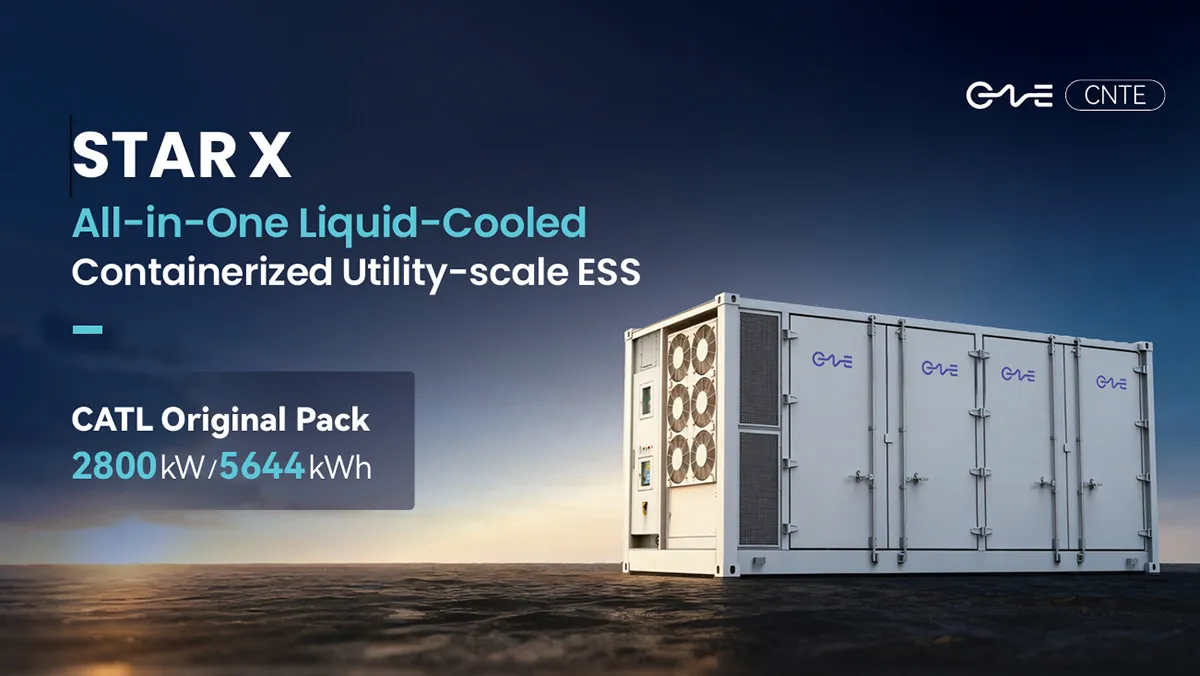
CNTE Launches STAR X Liquid-Cooled DC/AC Integrated Energy Storage System at Intersolar Europe 2026
Jul 06, 2026 -
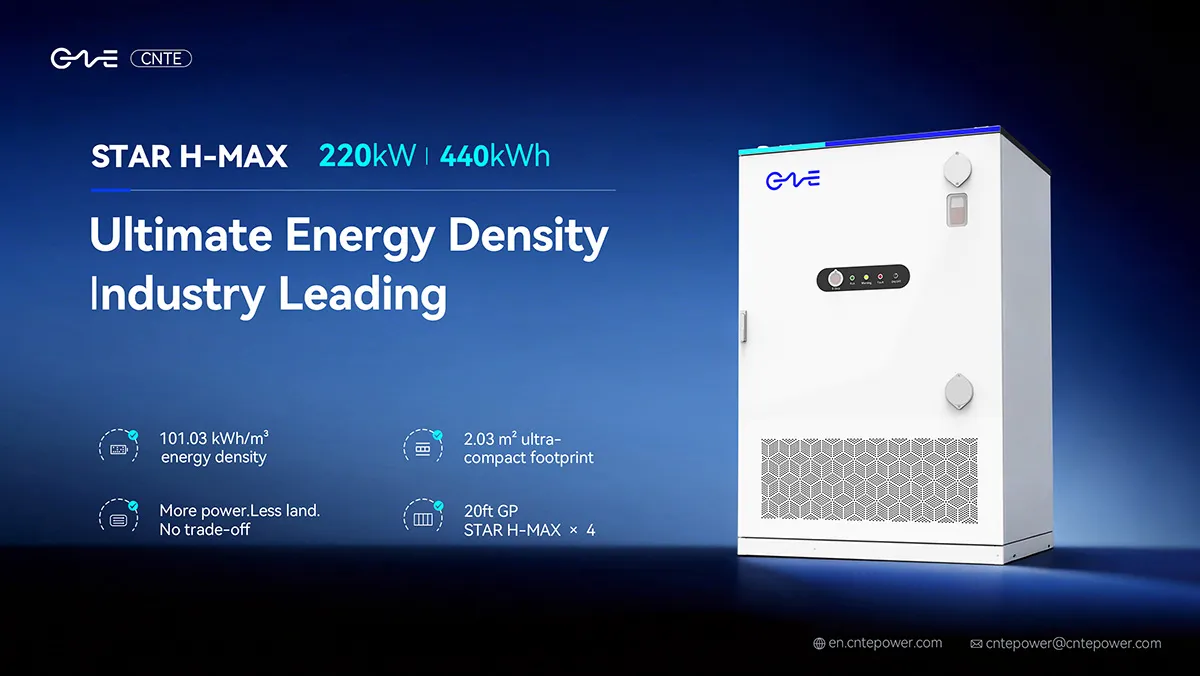
CNTE Unveils New STAR H-MAX Liquid-Cooled C&I ESS at Intersolar Europe 2026
Jun 23, 2026 -
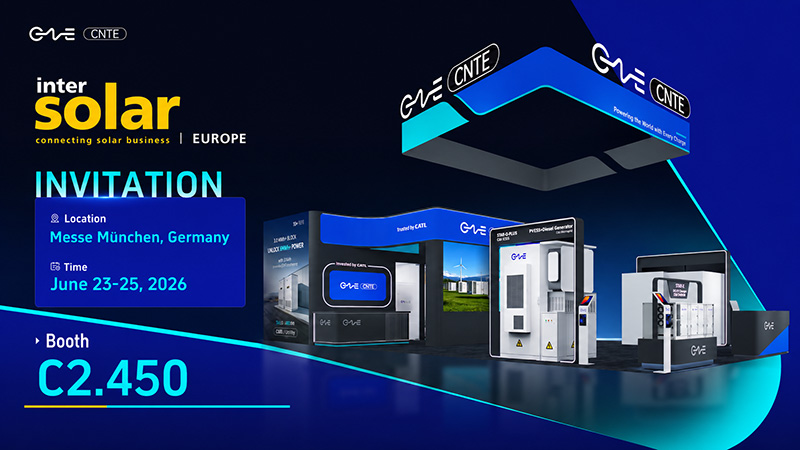
CNTE to Participate in Intersolar Europe 2026
May 20, 2026 -
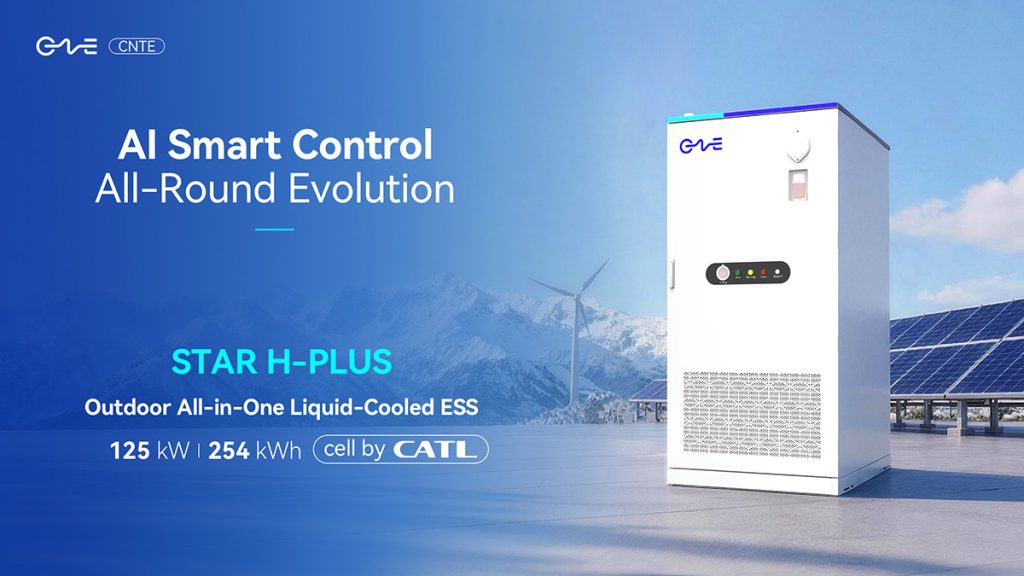
CNTE at KEY ENERGY 2026: Showcases STAR H-PLUS Outdoor Liquid-Cooled Energy Storage System
Mar 05, 2026 -

CNTE Honored as 2025 Forbes China Leading Global Brand
Jul 06, 2026 -

CNTE & YOU.ON Partner to Expand Storage Markets
May 19, 2025 -

CNTE Unveils Energy Storage Lineup at Solartech 2025
May 19, 2025 -
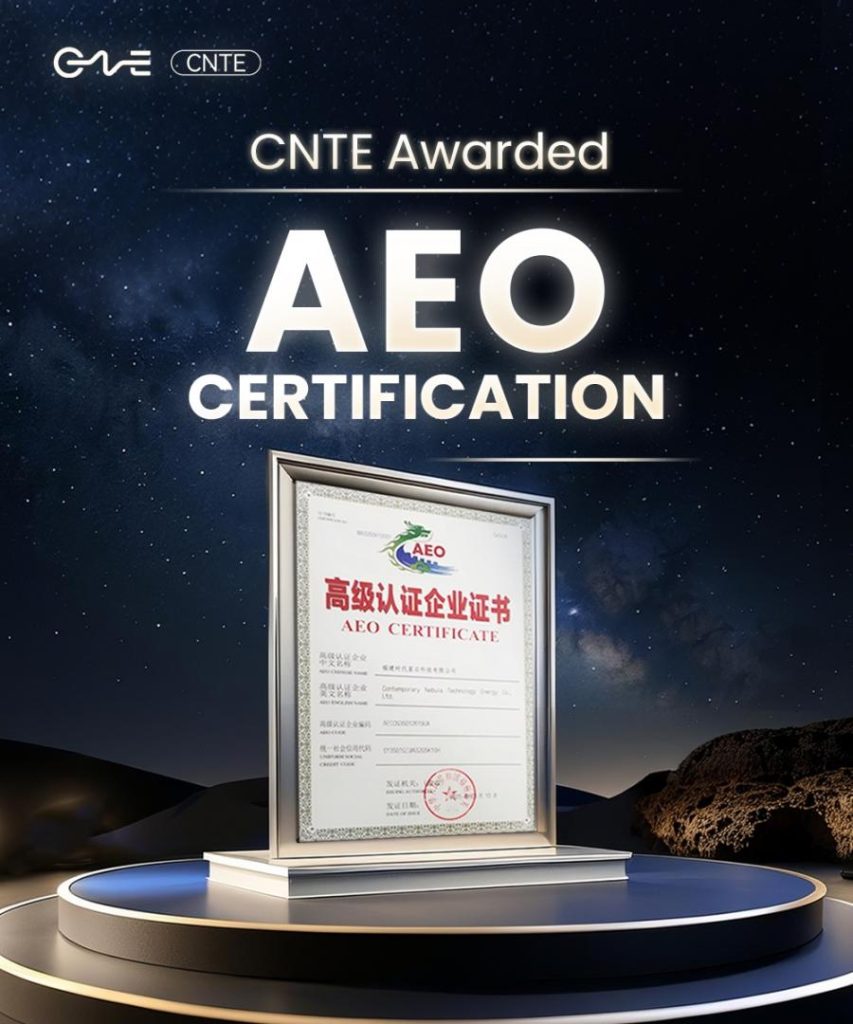
CNTE awarded AEO certification
Jul 06, 2026 -
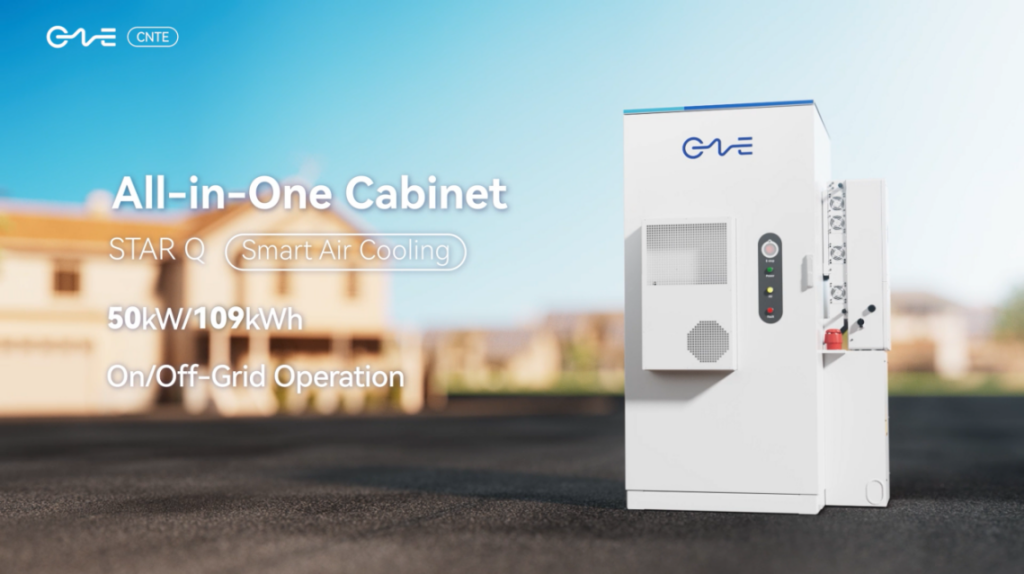
CNTE New Product Launch STAR Q
Jan 15, 2025 -

CNTE Named to Forbes China 2024 Top 30 Go-International Brands
Jul 06, 2026
