
Battery Storage Stock Sourcing: Engineering Architecture & BESS RO
Global energy networks are undergoing a structural transformation characterized by the rapid retirement of baseload thermal generation and the exponential expansion of intermittent renewable sources. Within this operational environment, large-scale energy storage systems (BESS) have transitioned from supplementary grid stabilizing assets to core infrastructure drivers. Commercial asset owners, independent power producers (IPPs), and utility operators face complex challenges surrounding procurement timelines, balance-of-plant integration, and asset lifecycle management. Navigating the capital allocation and engineering procurement of commercial battery storage stock requires a granular understanding of electrochemistry, power electronics, regulatory frameworks, and wholesale market interaction.
Modern battery assets represent significant capital commitments where system efficiency directly dictates project bankability. The physical inventory of energy storage hardware must align with rigorous technical standards to mitigate unforced outages, balance thermal gradients, and deliver multi-revenue operational flexibility. Evaluating hardware capacity, system-level design, and supply chain continuity ensures that energy storage deployments deliver expected returns over multidecade lifecycles.
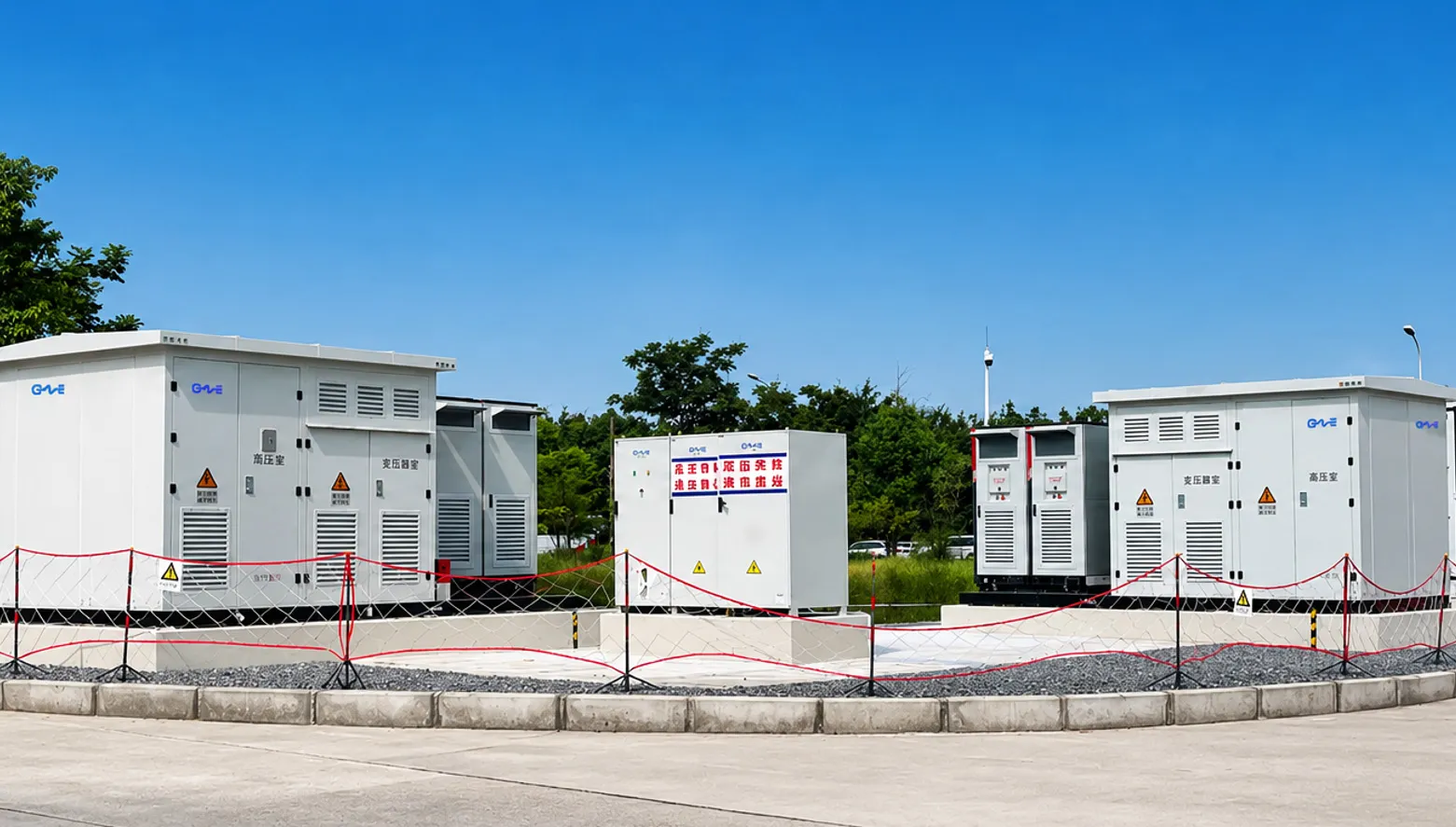
Electrochemical Engineering and Cell Topology Selection
The foundation of any high-performing energy storage asset rests on cell chemistry selection and pack-level thermal design. Lithium Iron Phosphate (LFP) has firmly established dominance across utility and commercial applications due to its chemical stability, structural longevity, and superior thermal tolerance compared to nickel-based chemistries. In stationary applications where volumetric energy density is secondary to cycling endurance and levelized cost of storage (LCOS), LFP architectures provide operational lifespans exceeding 6,000 to 8,000 cycles at 80% depth of discharge (DoD).
Recent engineering iterations have transitioned from legacy 1000V DC system limits to 1500V DC bus architectures. This shift yields quantifiable balance-of-system (BOS) economies, enabling longer string designs, reducing conductor cross-sectional areas, and minimizing internal I²R transmission losses. Contemporary Nebula Technology Energy Co., Ltd. (CNTE) integrates these high-voltage architectures to maximize energy density per footprint while maintaining mechanical simplicity during field installation. Higher DC link voltages also enable power conversion systems (PCS) to operate at elevated efficiency curves, yielding system-wide round-trip efficiency (RTE) figures consistently above 88% to 92% across standard operating profiles.
Thermal Management: Liquid Cooling vs. Forced Air Systems
Thermal stability across the pack level remains the governing factor in degradation mitigation. Legacy energy storage designs historically relied on forced air heating, ventilation, and air conditioning (HVAC) systems. These air-cooled frameworks frequently suffer from uneven thermal distribution, creating localized cell hotspots that accelerate internal resistance development and result in capacity mismatch across parallel battery strings.
Internal Temperature Variance: Liquid cooling topologies maintain intra-rack cell temperature differentials within ≤2.5°C to 3°C, whereas air-cooled systems frequently exhibit variances exceeding 7°C to 10°C under continuous 1C cycling.
Auxiliary Energy Consumption: Liquid distribution systems utilize closed-loop glycol-water mixtures with variable-speed pumping, consuming up to 30% to 40% less parasitic load than traditional chillers running continuous air fans.
Volumetric Energy Packing: By eliminating extensive internal ductwork, liquid-cooled enclosures achieve energy densities exceeding 300 kWh/m², lowering site civil preparation and foundation costs.
By preventing uneven degradation curves, thermal optimization directly preserves asset availability. When integrating existing battery storage stock with modular power conversion systems, the uniformity of thermal dissipation dictates whether the system can deliver sustained high-rate discharge during peak grid events without triggering software-mandated thermal derating.
System Integration: PCS Topology and Control Hierarchies
Energy storage enclosures cannot function in isolation; their commercial utility depends on the performance of the bidirectional PCS and the control sophistication of the Battery Management System (BMS) coupled with the Energy Management System (EMS). In utility-scale installations, the choice between centralized PCS architectures and distributed string inverters impacts both initial system expenditure and lifetime uptime metrics.
Centralized inverters offer lower upfront capital costs per megawatt, simplifying transformer connections on the medium-voltage side. They introduce single-point vulnerability where an inverter trip can isolate an entire multi-megawatt battery array. Conversely, distributed or string architectures segment the battery blocks into smaller, independently tracked DC inputs. This architecture minimizes string-to-string circulating currents caused by slight differences in state-of-health (SoH) or state-of-charge (SoC) between parallel racks. The string approach facilitates proactive maintenance, enabling single-inverter isolation without requiring complete facility shutdown.
Multi-Tiered BMS Architecture
Precision monitoring requires a three-tier control hierarchy that collects, aggregates, and acts upon millivolt-level telemetry in real-time:
Tier 1 (Cell Level - BMU): Directly samples individual cell voltages, terminal surface temperatures, and shunt-based current flows. High-speed analog-to-digital converters process balance commands via passive or active balancing circuits.
Tier 2 (Rack Level - RBMU): Aggregates string voltage data, controls the rack-level DC contactors and fuses, computes localized state estimations (SoC, SoH, State of Power - SoP), and enforces string-level electrical isolation.
Tier 3 (System Level - SBMS): Interfaces with the site-level EMS and SCADA via deterministic industrial protocols (such as Modbus TCP, DNP3, or IEC 61850). The master controller regulates master DC switches, communicates limits to the PCS, and initiates safety shutdown procedures within milliseconds of threshold breaches.
The control sophistication embedded within modern equipment ensures seamless operational handshakes during rapid frequency response activations. When grid operators dispatch instantaneous load-following signals, the hardware must ramp output from zero to nominal capacity within sub-second timeframes without overshooting voltage operational envelopes.
Commercial Applications and Revenue Stacking Mechanisms
The economic justification for deploying capital into energy storage relies on multi-application revenue stacking. Modern regulatory bodies, such as FERC in the United States and ENTSO-E in Europe, have evolved market rules to compensate fast-acting inverter-based resources for both capacity and ancillary services. Operators can no longer depend solely on simple price arbitrage; they must execute coordinated operational strategies across several complementary value streams.
| Application | Primary Value Driver | C-Rate Requirement | Hardware Operational Demands |
|---|---|---|---|
| Frequency Regulation / Ancillary | High availability payments; millisecond telemetry response | 1C to 2C | High cumulative cycle count; low thermal inertia; short-duration bursts |
| Energy Arbitrage | Wholesale day-ahead and real-time market price spreads | 0.25C to 0.5C | Deep DoD cycling (2-4 hour discharge); maximum round-trip efficiency |
| Capacity Firming & Peaking | Long-term capacity market availability contracts | 0.25C | Guaranteed availability during extreme weather; low self-discharge rates |
| C&I Peak Shaving | Demand charge reduction on utility tariffs | 0.5C to 1C | Accurate site-load forecasting; automated sub-meter tracking |
Asset managers maintaining an accessible pipeline of battery storage stock ready for immediate deployment can capitalize on regional capacity constraints. System installations that achieve early commercial operation dates secure lucrative legacy tariffs and long-term capacity agreements that elevate overall project returns.
Supply Chain Logistics, Inventory Optimization, and Hardware Availability
Procuring utility-grade storage equipment involves long-lead components, complex maritime logistics, and rigorous factory testing. A prominent barrier to meeting commercial operation deadlines is the lead time associated with balance-of-plant components, including medium-voltage step-up transformers, switchgear, and customized DC enclosures. Managing logistics pipelines and securing equipment allocation directly influences the timeline of regional decarbonization targets.
The global battery storage stock includes stationary equipment allocations distributed across regional staging hubs and manufacturing pipelines. Equipment integrators capable of securing dedicated component supplies while maintaining standardized, pre-commissioned skid designs reduce field installation schedules from months to weeks. CNTE applies vertical design principles to minimize the dependency on disparate third-party sub-suppliers, providing skid-mounted container solutions that arrive on-site pre-wired, factory-tested, and ready for primary medium-voltage tie-in.
Developers who systematically evaluate equipment supply chains circumvent localized bottlenecks. Strategic sourcing models now favor suppliers with modular, drop-in infrastructure capable of meeting regional grid interconnection codes—including IEEE 1547-2018, UL 9540A, and European grid code compliance (NC RfG)—without requiring bespoke engineering modifications for each installation.
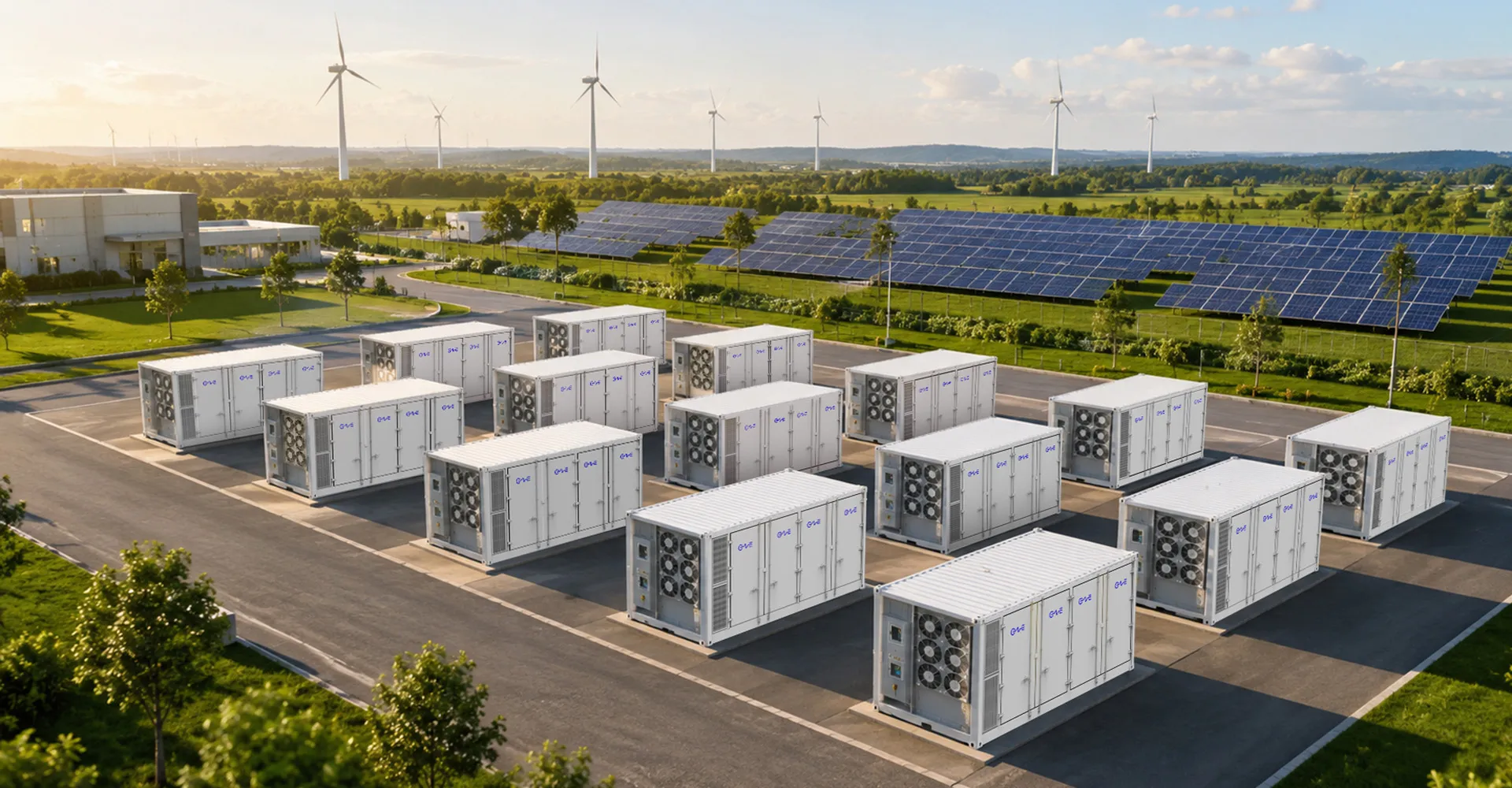
Levelized Cost of Storage (LCOS) and Lifecycle Asset Optimization
Evaluating hardware expenditures solely on an upfront dollar-per-kilowatt-hour ($/kWh) basis fails to capture the true economics of utility-scale storage. The defining metric for capital efficiency is the Levelized Cost of Storage (LCOS), which accounts for total capital expenditures (CapEx), operating expenses (OpEx), depth-dependent degradation rates, operational availability, auxiliary cooling consumption, and end-of-life decommissioning costs.
Institutional investors monitor how fluctuating battery storage stock valuations align with actual field performance. System designs that appear cost-effective initially often manifest elevated LCOS values due to lower round-trip efficiencies, higher parasitic auxiliary cooling requirements, and premature degradation curves that necessitate expensive cell augmentation strategies midway through the project lifecycle.
CapEx vs. OpEx Trade-offs
Strategic hardware procurement balances initial capital investments with long-term operational costs:
Augmentation Planning: Designing DC bus systems with modular capacity allowances permits supplementary battery installations at year 7 to 10 to offset natural degradation without requiring additional inverter or transformer infrastructure.
Preventative Maintenance Architecture: Enclosures designed with external access corridors permit individual pack hot-swapping, drastically cutting balance-of-plant service labor and mitigating scheduled downtime.
Warranty Backing and Performance Guarantees: Bankable tier-1 manufacturers offer guaranteed throughput warranties (measured in total MWh cycled per installed kWh) rather than ambiguous calendar-life warranties, directly de-risking operational models for project financiers.
Frequently Asked Questions (FAQ)
What key factors define the bankability of utility-scale battery storage stock?
Bankability depends on independent engineering assessments, tier-1 cell provenance, proven thermal performance data under UL 9540A testing, comprehensive system-level performance warranties, and the creditworthiness of the hardware integrator. Financiers evaluate historical availability metrics, degradation models backed by accelerated life testing, and the availability of regional technical support to ensure steady long-term cash flow generation.
How does 1500V DC system design improve commercial project economics compared to 1000V DC systems?
A 1500V DC bus architecture allows for longer series cell configurations, which increases the total energy density per enclosure while decreasing the number of required parallel circuits. This setup reduces DC cabling requirements, combiner boxes, and balance-of-plant materials. Higher operational voltages also improve power conversion efficiency within the inverters, leading to lower levelized costs of storage.
What role does liquid cooling play in extending the operational lifespan of stationary battery systems?
Liquid cooling directly contacts cell surfaces or heat-conductive plates to draw away thermal energy evenly across the pack. This eliminates localized temperature differentials, keeping all cells within a uniform operational envelope (typically within ≤3°C of each other). Maintaining thermal uniformity prevents the premature degradation of individual cells, preserves system capacity, and maximizes total cycle life.
What is the typical timeframe required to procure and deploy commercial battery storage stock?
Lead times range from 6 to 12 months, depending heavily on the availability of balance-of-plant items like medium-voltage step-up transformers and high-voltage switchgear. Standardized, skid-mounted container solutions that arrive pre-wired and pre-tested minimize field installation and commissioning to a matter of weeks once site civil works and interconnection facilities are prepared.
How do battery management systems (BMS) interact with energy management systems (EMS) during multi-service dispatch?
The BMS operates as the protective hardware authority, monitoring cell and rack telemetry to enforce operational limits such as state-of-charge cutoffs, current ceilings, and temperature boundaries. The EMS serves as the higher-level economic optimization engine, calculating market dispatch targets based on price signals, solar generation forecasts, or utility load commands. The EMS sends power requests to the power conversion system, which operates dynamically within the safety parameters continuously enforced by the BMS.
Engineering Engagement and Asset Procurement
The transition toward distributed, flexible, and resilient power architectures demands precision hardware engineering, modular scalability, and strategic procurement partnerships. Whether specifying utility-scale equipment or securing localized battery storage stock for industrial facilities, selecting integrated hardware platforms optimized for longevity and rapid commissioning is critical to long-term operational success.
Our global engineering teams collaborate directly with project developers, EPC contractors, and asset owners to architect tailored energy storage platforms that meet demanding operational profiles. Submit your detailed technical specifications, project capacity requirements, and interconnection parameters to receive a comprehensive technical proposal and hardware availability schedule.
Get in Touch
Recent Posts
-
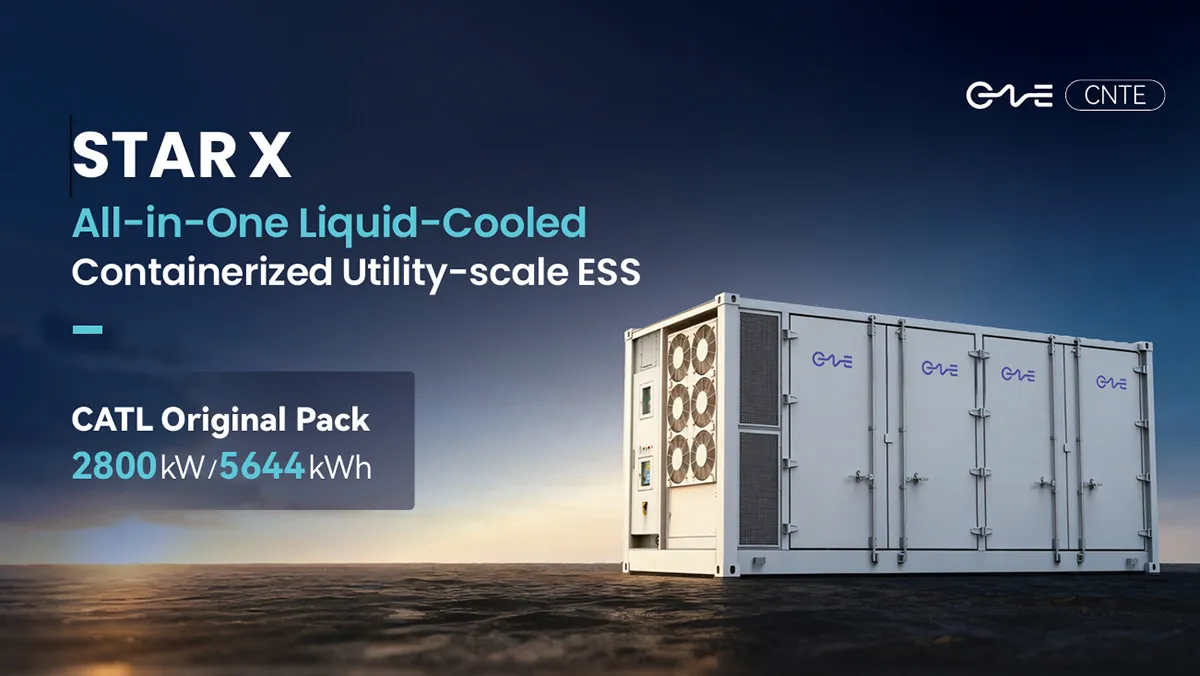
CNTE Launches STAR X Liquid-Cooled DC/AC Integrated Energy Storage System at Intersolar Europe 2026
Jul 06, 2026 -
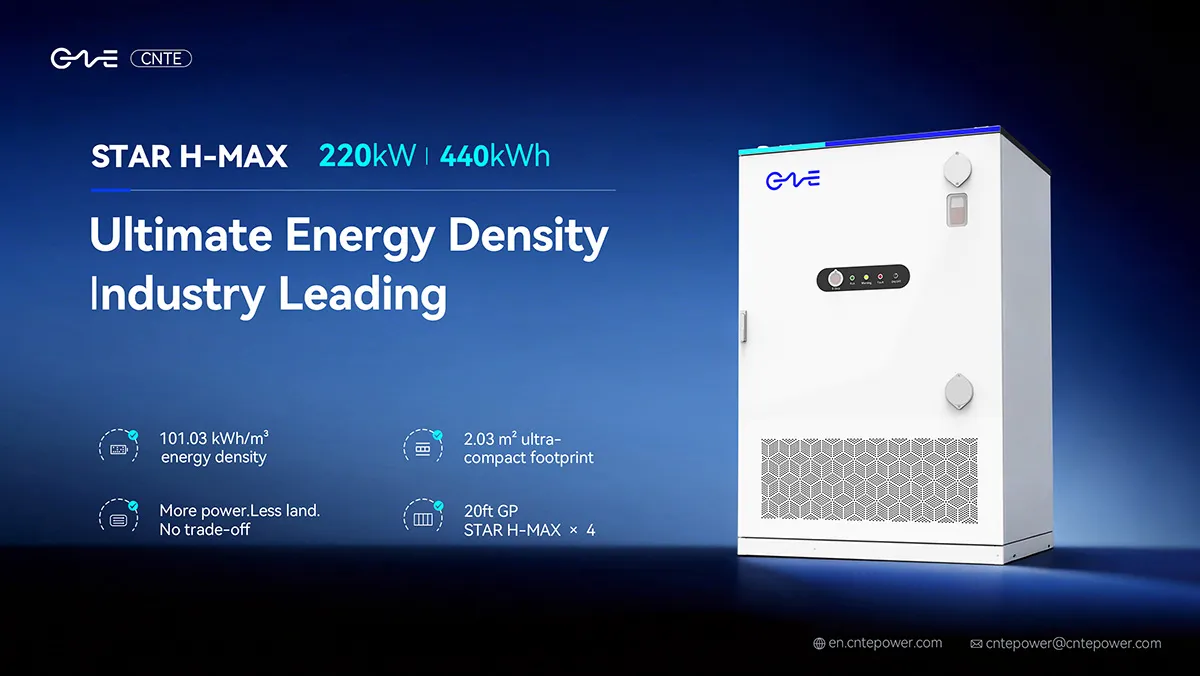
CNTE Unveils New STAR H-MAX Liquid-Cooled C&I ESS at Intersolar Europe 2026
Jun 23, 2026 -
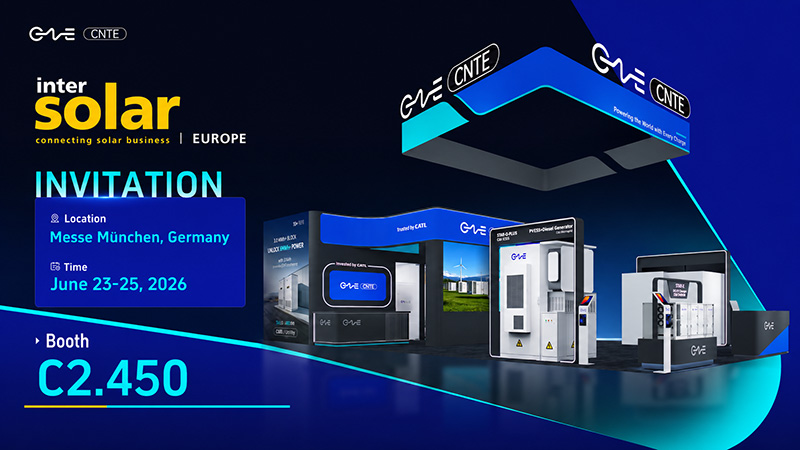
CNTE to Participate in Intersolar Europe 2026
May 20, 2026 -
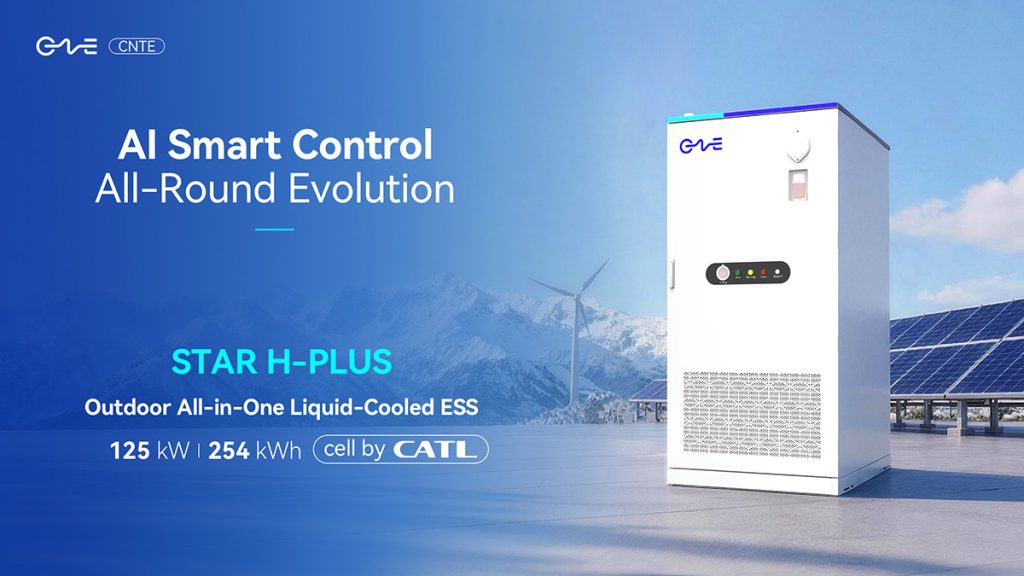
CNTE at KEY ENERGY 2026: Showcases STAR H-PLUS Outdoor Liquid-Cooled Energy Storage System
Mar 05, 2026 -

CNTE Honored as 2025 Forbes China Leading Global Brand
Jul 06, 2026 -
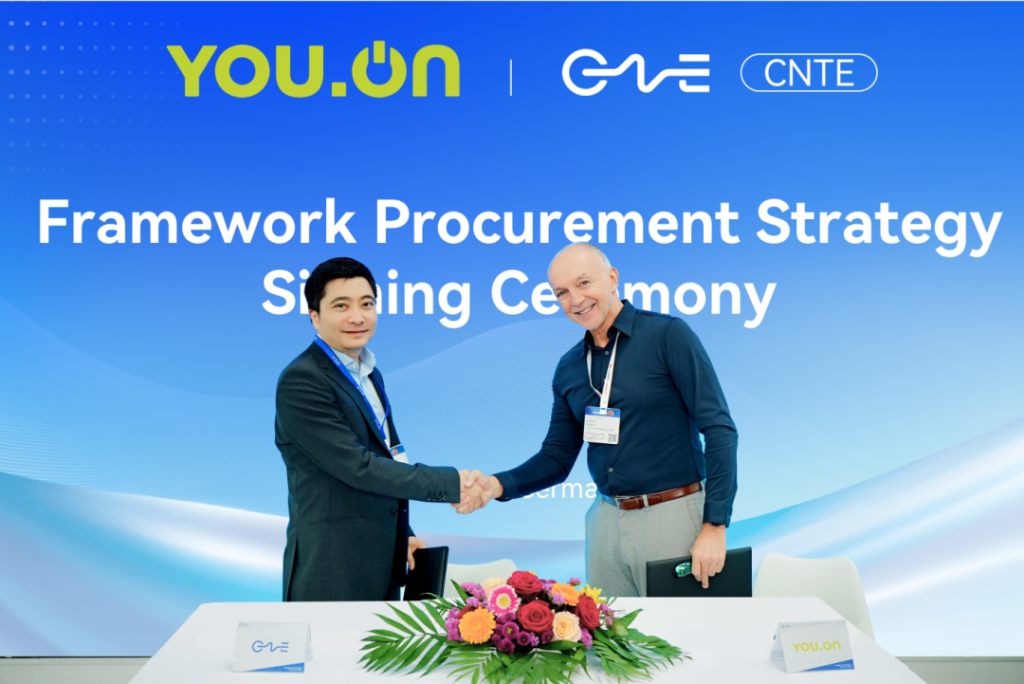
CNTE & YOU.ON Partner to Expand Storage Markets
May 19, 2025 -

CNTE Unveils Energy Storage Lineup at Solartech 2025
May 19, 2025 -
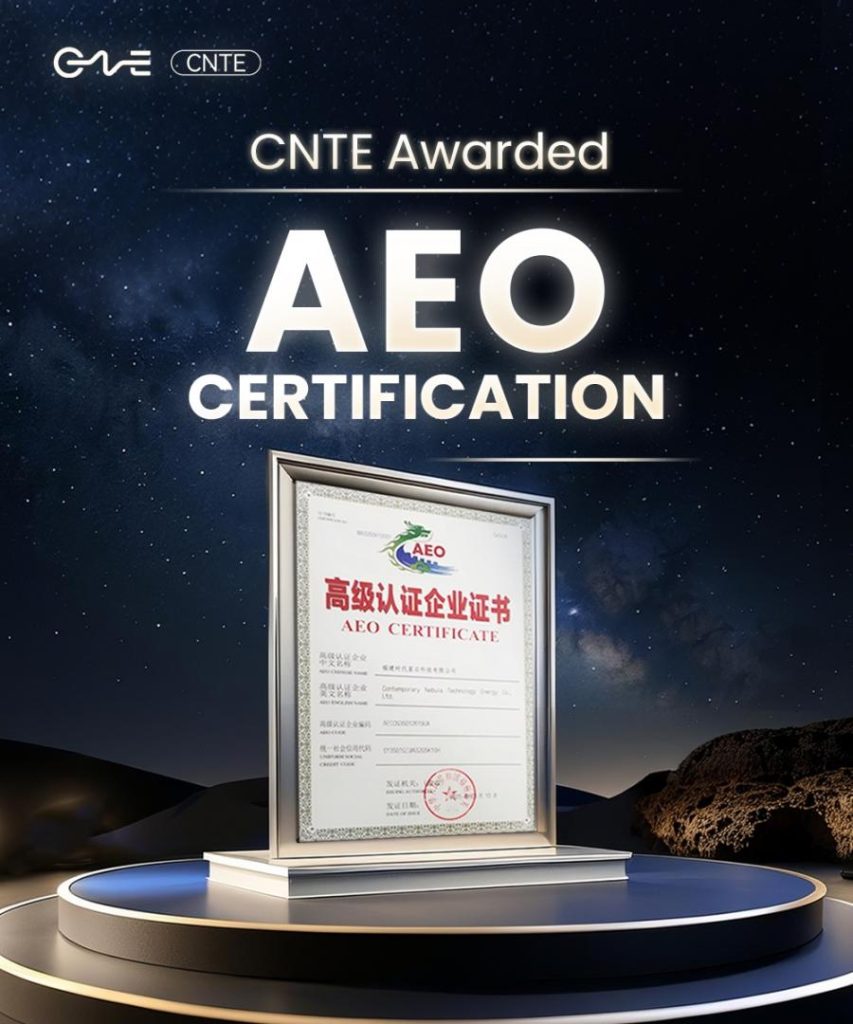
CNTE awarded AEO certification
Jul 06, 2026 -
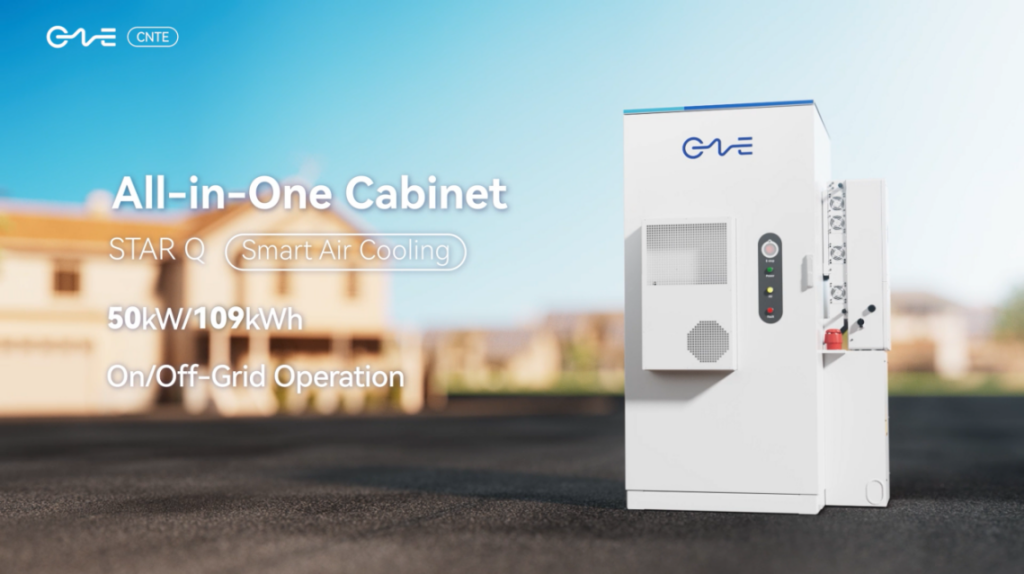
CNTE New Product Launch STAR Q
Jan 15, 2025 -

CNTE Named to Forbes China 2024 Top 30 Go-International Brands
Jul 06, 2026
