
Balancing High Capacity and Grid Stability in the Largest Energy Storage Deployments
The global expansion of renewable energy generation has shifted the focus of utility companies toward large-scale infrastructure stability. As wind and solar assets supply an increasing share of the electrical grid, their inherent variability introduces operational challenges that traditional thermal power plants were not designed to manage. To prevent frequency deviations and ensure grid resilience, energy providers are deploying utility-scale battery systems. Developing the largest energy storage projects is no longer merely an exercise in scaling capacity; it represents a fundamental shift in how modern power grids manage supply and demand dynamics.
For engineering, procurement, and construction (EPC) contractors and utility developers, designing these massive systems requires deep familiarity with mechanical, electrical, and thermal parameters. Contemporary Nebula Technology Energy Co., Ltd. (CNTE) addresses these complex requirements by manufacturing high-density, liquid-cooled battery energy storage systems (BESS) designed for long-term utility deployment. Understanding the engineering decisions behind these large-scale systems is necessary for ensuring high round-trip efficiency, operational safety, and financial viability over multi-decade lifespans.
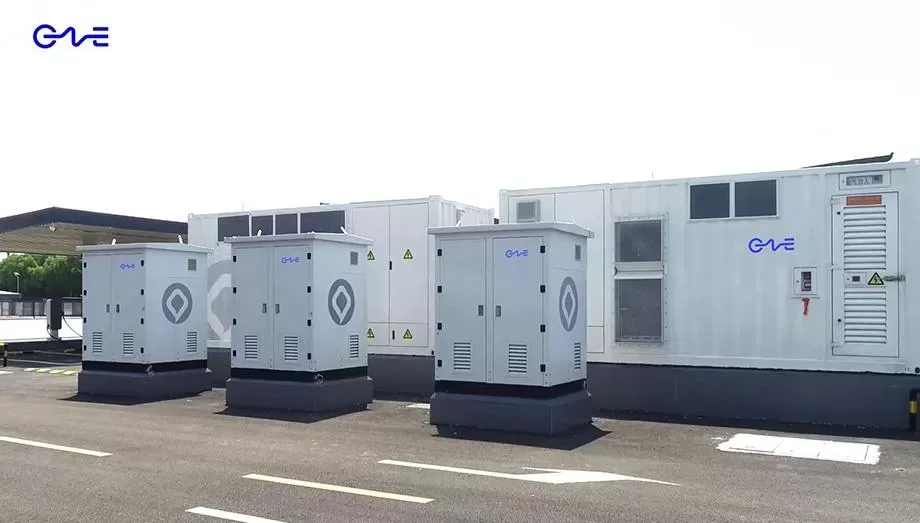
Thermal Management and Safety in Gigawatt-Scale Deployments
As battery installations grow in physical size and energy capacity, managing the heat generated during rapid charge and discharge cycles becomes a primary engineering objective. Accumulating excess heat inside containerized battery systems accelerates cell degradation and increases the probability of thermal runaway events.
Liquid Cooling vs. Forced Air Cooling
Traditional air-cooling systems rely on HVAC units to circulate air through battery racks. While cost-effective for smaller commercial installations, air cooling is often insufficient for the largest energy storage facilities. Air has a low heat capacity, which frequently leads to hot spots within the center of dense battery racks. These temperature imbalances cause individual cells to age at different rates, reducing the usable capacity of the entire system over time.
In contrast, liquid cooling utilizes a closed-loop system circulating a mixture of water and ethylene glycol directly through cooling plates situated next to the battery cells. Liquid cooling systems offer several distinct advantages for high-capacity projects:
Precise Temperature Control: Liquid cooling maintains cell-to-cell temperature variations within a narrow window, often less than 2 degrees Celsius, preventing uneven degradation.
Reduced Auxiliary Power Consumption: Moving liquid requires less energy than circulating massive volumes of air, lowering the parasite load of the overall installation.
Compact Footprint: Liquid-cooled battery enclosures allow for closer packing of cells, increasing the energy density per square meter of land.
High-Voltage System Design (1500V DC)
Modern utility-scale projects are increasingly transitioning from 1000V DC to 1500V DC architectures. This increase in operating voltage reduces the current required to deliver the same power output, which directly lowers resistive losses in the cabling. Consequently, balance-of-system (BOS) costs are reduced because engineers can specify thinner copper conductors and fewer combiner boxes. However, operating at 1500V DC requires specialized insulation, advanced monitoring systems, and robust safety mechanisms to handle potential high-voltage arc flashes.
Grid-Scale Applications and Integration Modes
Large-scale battery installations do not operate in isolation; they serve as dynamic grid assets that perform several distinct operational roles. Grid operators rely on these systems to perform high-speed ancillary services that keep transmission lines stable.
Frequency Containment and Fast Frequency Response
Grid frequency must remain close to its nominal value (either 50 Hz or 60 Hz) to prevent equipment damage and blackouts. When a major generation source unexpectedly goes offline, the frequency drops rapidly. The largest energy storage assets are uniquely positioned to address this sudden drop because they can transition from a standby state to full power output in milliseconds. This fast frequency response (FFR) provides synthetic inertia to the grid, giving traditional generators time to ramp up their output.
Capacity Firming and Energy Arbitrage
Renewable energy generation rarely aligns perfectly with peak consumer demand. Capacity firming involves storing excess solar energy during midday peaks or wind energy during off-peak night hours, then injecting that power back into the grid during periods of high demand. This energy arbitrage stabilizes local energy prices and reduces the need to start expensive, high-emission gas peaking plants. Through systematic dispatch schedules, large battery installations improve the overall utilization rate of existing transmission lines.
Operational Challenges in High-Capacity Battery Parks
Managing a battery asset composed of hundreds of thousands of individual lithium-ion cells presents complex operational hurdles. To maintain system health, operators must focus on mitigation strategies for common physical and electrical degradation mechanisms.
Mitigating Chemical Degradation and Capacity Fading
Lithium-iron phosphate (LFP) chemistry is widely selected for large projects due to its stability and long cycle life. Even with LFP chemistry, battery cells experience degradation through several mechanisms, including solid electrolyte interphase (SEI) growth, lithium plating, and mechanical stress within the electrodes during cycling. To manage these factors, advanced battery management systems (BMS) monitor parameters such as state of charge (SoC) limits and depth of discharge (DoD). Operating within a controlled SoC window—such as 10% to 90%—significantly extends the operational lifespan of the cells, preserving the capital investment of the asset owner.
Grid Interconnection and Power Quality
Connecting a multi-megawatt battery system to a high-voltage transmission grid requires grid-forming power conversion systems (PCS). These advanced inverters do not merely follow the voltage and frequency of the grid; they can actively establish them. This capability is particularly important in remote areas with weak grids, where the battery system must support the local voltage profile and filter out harmonic distortions caused by nonlinear industrial loads.
CNTE Modular Energy Storage Solutions
Contemporary Nebula Technology Energy Co., Ltd. (CNTE) designs and manufactures utility-grade energy storage systems engineered to overcome the hurdles of high-capacity grid integration. By integrating battery manufacturing expertise with advanced power electronics, CNTE provides scalable hardware configurations that serve the largest energy storage infrastructure requirements globally.
The core of CNTE's product line features high-capacity liquid-cooled containerized solutions. These systems utilize highly stable LFP chemistry, offering a long cycle life and reliable thermal performance. Key design characteristics of CNTE energy storage systems include:
Multi-Level Safety Protection: Systems are equipped with cell-level temperature monitoring, aerosol-based fire suppression, and combustible gas detection to mitigate thermal events before they propagate.
High Energy Density: Prefabricated container designs reduce the physical footprint of the substation, simplifying logistics and onsite installation procedures.
Integrated Energy Management Systems (EMS): CNTE's proprietary EMS software coordinates data transfer between the battery management system and the utility control room, allowing for seamless participation in energy markets and grid stabilization programs.
By focusing on modular block designs, CNTE enables developers to scale their projects from tens of megawatt-hours to gigawatt-hour configurations, ensuring that physical integration matches specific regional grid standards.
Evaluating the Economics and Longevity of Utility Storage
The financial viability of a large-scale energy storage installation relies heavily on its levelized cost of storage (LCOS). This metric accounts for the initial capital expenditure (CAPEX), ongoing operational and maintenance costs (OPEX), charging energy costs, and the total lifetime energy throughput of the system. To achieve a low LCOS, system operators must optimize round-trip efficiency (RTE) and minimize auxiliary energy consumption.
Because battery performance naturally decreases over time, developers must choose between overbuilding the system initially or planning for periodic battery augmentations. Overbuilding involves installing extra battery capacity at the start of the project to ensure the system can still meet its rated capacity after ten years of degradation. Augmentation, on the other hand, involves adding new battery containers to the site every five to seven years. Utilizing a modular system, such as those designed by CNTE, makes future expansion straightforward, allowing developers to defer capital expenditures while keeping pace with natural capacity decline.
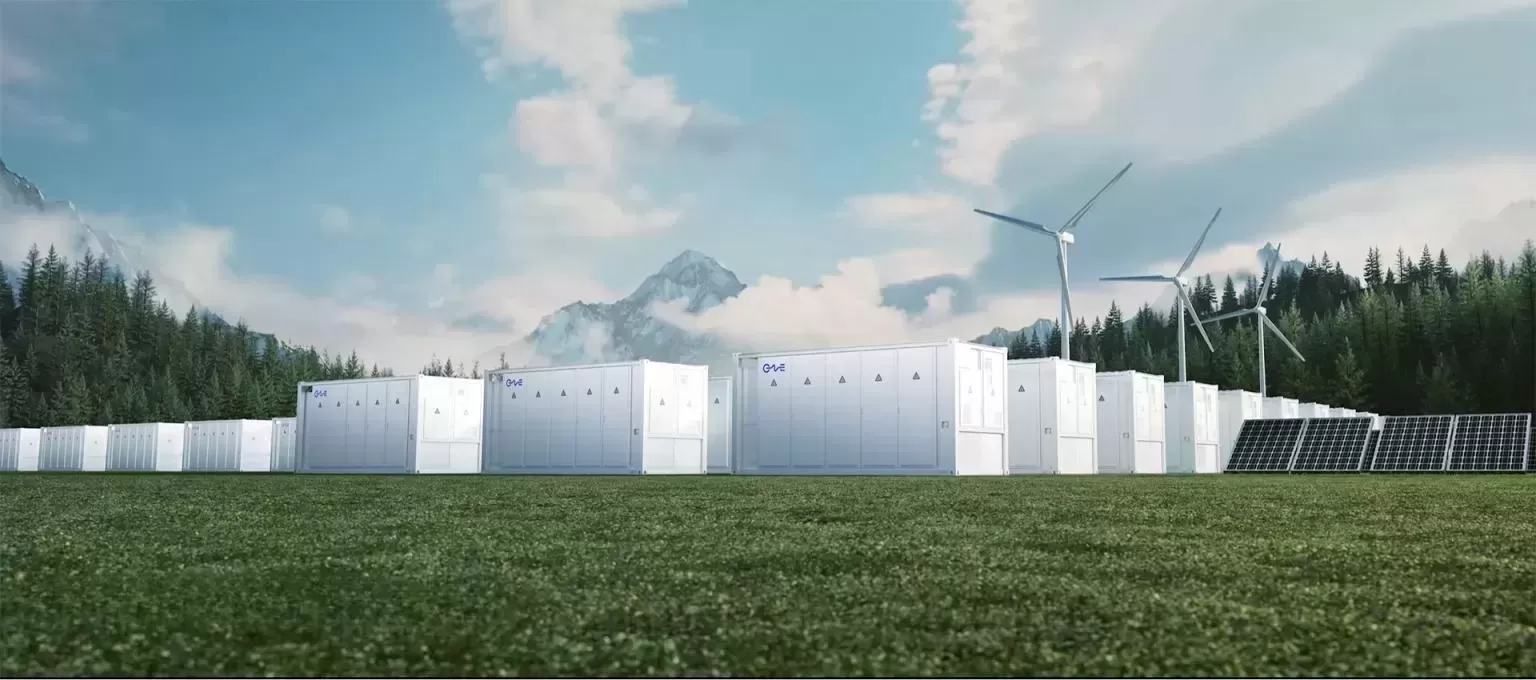
B2B Inquiry: Partner with CNTE for Your Utility Projects
Designing, procuring, and commissioning utility-scale energy storage assets requires deep engineering collaboration and reliable technology partners. If you are a utility developer, grid operator, or EPC contractor evaluating solutions for the largest energy storage applications, the engineering team at Contemporary Nebula Technology Energy Co., Ltd. (CNTE) is ready to assist. We provide detailed system specifications, thermal performance simulations, and electrical integration plans tailored to your specific grid connection requirements. Reach out to our application engineers today to discuss your project parameters, request a comprehensive technical proposal, and secure high-performance hardware for your next energy storage installation.
Frequently Asked Questions
Q1: What defines the largest energy storage installations compared to commercial or industrial systems?
A1: Utility-scale systems are generally distinguished by their high operating voltage (typically 1500V DC), containerized modular designs, and integration directly into high-voltage transmission grids. These installations usually have capacities ranging from 100 megawatt-hours (MWh) to several gigawatt-hours (GWh), and they serve regional grid stability rather than localized behind-the-meter loads.
Q2: Why is Lithium Iron Phosphate (LFP) preferred over other lithium-ion chemistries for large-scale projects?
A2: LFP chemistry offers distinct advantages for large projects, including high thermal stability, a long cycle life (often exceeding 6,000 to 8,000 cycles at standard depth of discharge), and the complete absence of cobalt. These factors make LFP a safer, more stable, and more cost-effective choice for utility assets designed to operate for 15 to 20 years.
Q3: How does liquid cooling impact the long-term return on investment (ROI) of a battery asset?
A3: Liquid cooling maintains uniform temperature distribution across all battery cells within an enclosure. By eliminating hot spots, liquid cooling reduces localized cell degradation, extends the overall service life of the battery packs, and preserves high round-trip efficiency, directly improving the long-term ROI of the installation.
Q4: What is the purpose of a grid-forming inverter in utility-scale battery systems?
A4: Grid-forming inverters act as voltage sources that can establish voltage and frequency profiles in weak grids. Unlike standard grid-following inverters, they can operate independently of external grid signals, making them indispensable for black-starting power systems after an outage and stabilizing transmission grids with high penetrations of solar and wind energy.
Q5: How does CNTE manage safety across large-scale battery systems?
A5: CNTE employs a multi-tiered safety architecture that starts at the cell chemistry level with LFP. Each containerized system integrates continuous cell-level thermal monitoring, automated aerosol fire extinguishing systems, and combustible gas detection. These systems work in tandem with the battery management system to isolate electrical faults and thermal events before they spread to adjacent modules.
Get in Touch
Recent Posts
-
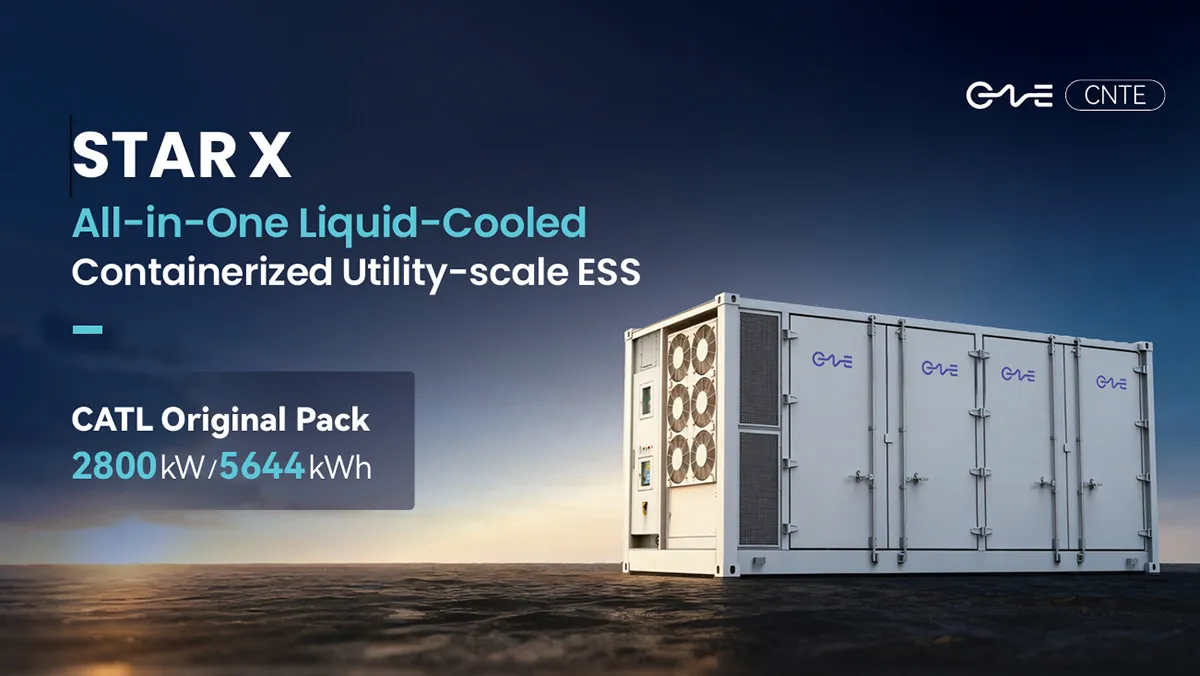
CNTE Launches STAR X Liquid-Cooled DC/AC Integrated Energy Storage System at Intersolar Europe 2026
Jul 06, 2026 -
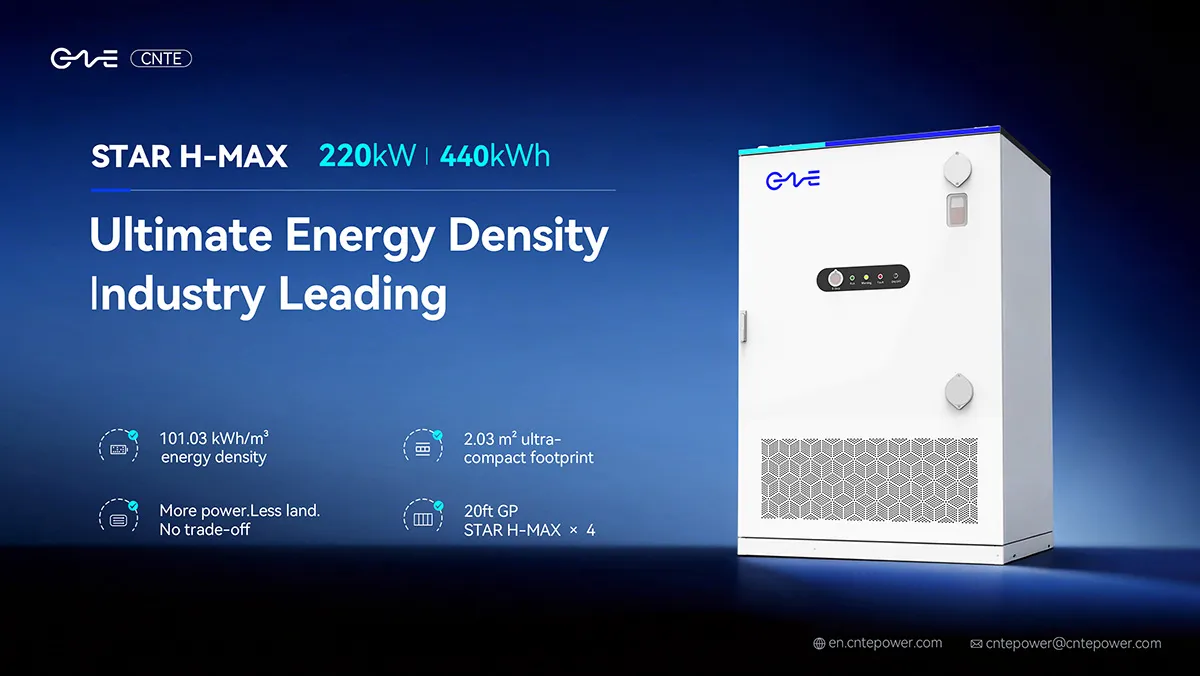
CNTE Unveils New STAR H-MAX Liquid-Cooled C&I ESS at Intersolar Europe 2026
Jun 23, 2026 -
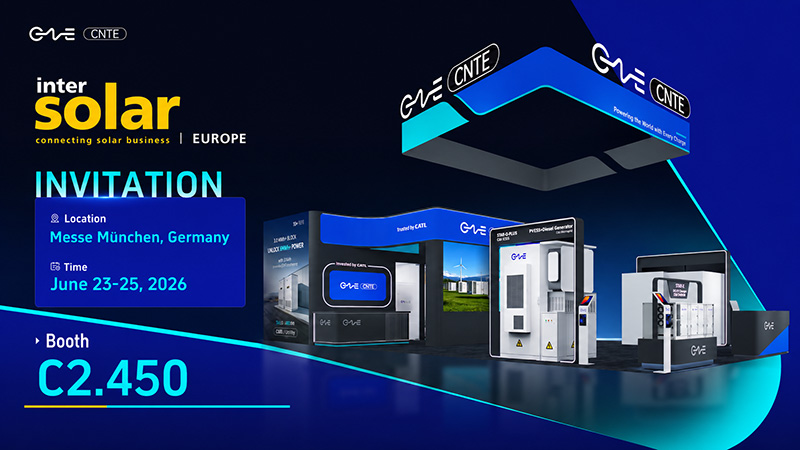
CNTE to Participate in Intersolar Europe 2026
May 20, 2026 -
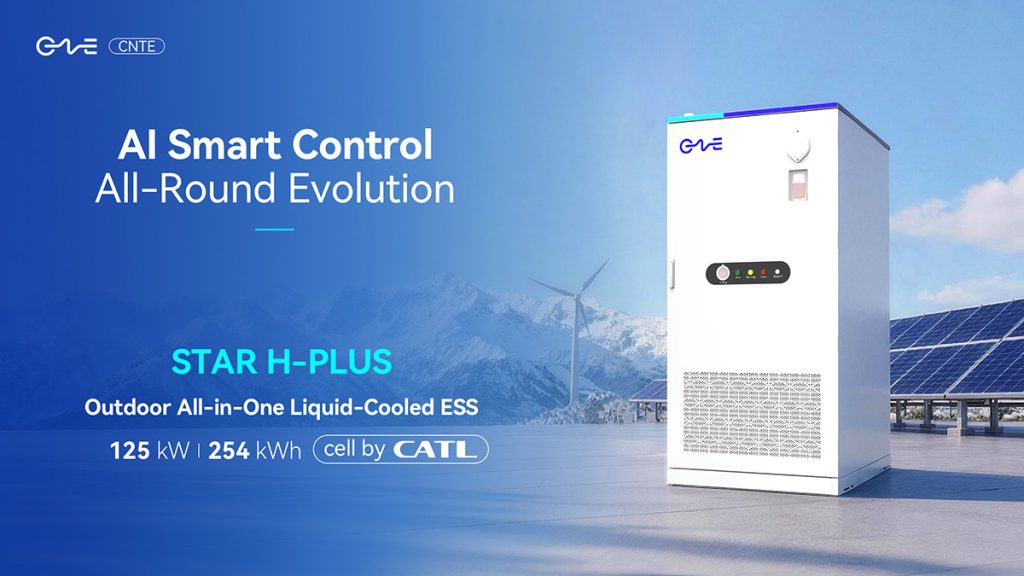
CNTE at KEY ENERGY 2026: Showcases STAR H-PLUS Outdoor Liquid-Cooled Energy Storage System
Mar 05, 2026 -

CNTE Honored as 2025 Forbes China Leading Global Brand
Jul 06, 2026 -
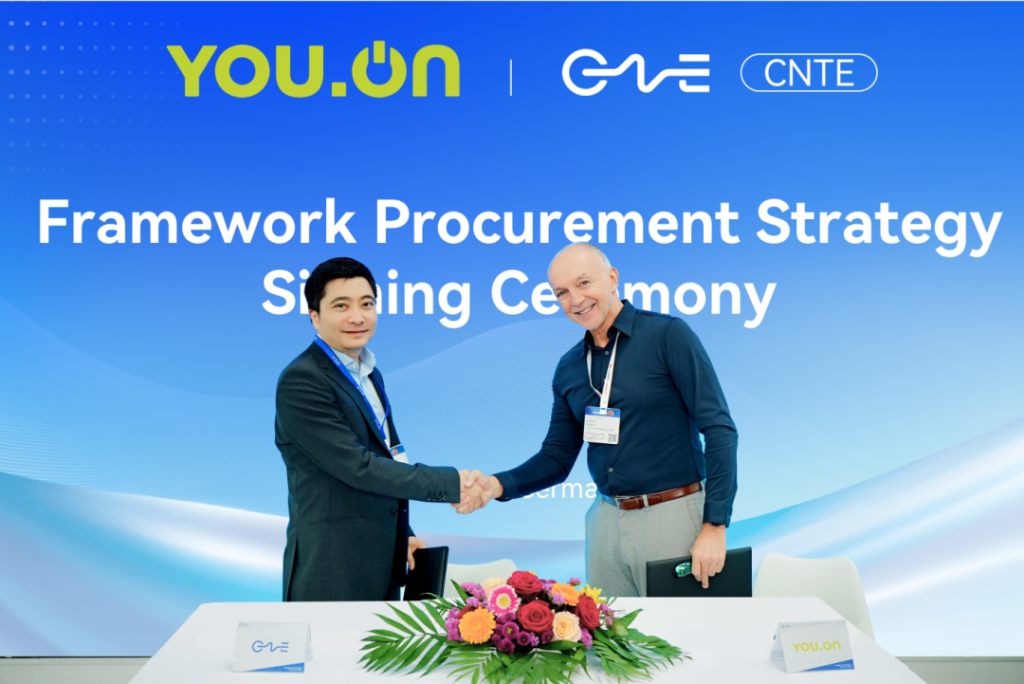
CNTE & YOU.ON Partner to Expand Storage Markets
May 19, 2025 -
CNTE Unveils Energy Storage Lineup at Solartech 2025
May 19, 2025 -
CNTE awarded AEO certification
Jul 06, 2026 -
CNTE New Product Launch STAR Q
Jan 15, 2025 -
CNTE Named to Forbes China 2024 Top 30 Go-International Brands
Jul 06, 2026
