
Lắp đặt lưu trữ năng lượng: Kỹ thuật, An toàn & Tuân thủ cho các dự án B2B
Thực hiện một cài đặt lưu trữ năng lượng quy mô lớn đòi hỏi nhiều hơn là chỉ mua sắm thiết bị—nó cần tích hợp hệ thống chính xác, điều chỉnh hạ tầng điện và xác thực an toàn nghiêm ngặt. Đối với các nhà phát triển dự án B2B, nhà thầu EPC và các nhà điều hành cơ sở, mỗi giai đoạn từ nghiên cứu khả thi đến đưa vào vận hành phải giải quyết các hạn chế tại chỗ, mã địa phương và độ tin cậy hoạt động lâu dài. CNTE (Công ty TNHH Công nghệ Nebula Đương đại) cung cấp các giải pháp kỹ thuật trọn gói kết nối hiệu suất của tế bào pin với độ bền tài sản đã được chứng minh trên thực địa.
Hướng dẫn này xem xét các biến số kỹ thuật xác định một cài đặt lưu trữ năng lượng thành công, bao gồm lựa chọn cấu trúc điện, chiến lược quản lý nhiệt, phối hợp bảo vệ và an ninh mạng cho các nguồn năng lượng phân tán. Chúng tôi cũng phân tích các điểm đau cụ thể của ngành với các biện pháp kiểm soát kỹ thuật tương ứng—rút ra từ dữ liệu thực địa và các tiêu chuẩn quốc tế (IEC 62477, UL 9540, NFPA 855). Dù bạn đang lên kế hoạch cho việc cắt giảm đỉnh sau đồng hồ hay điều chỉnh tần số trước đồng hồ, những thực tiễn này đảm bảo hiệu suất hệ thống có thể được ngân hàng hóa.
Mục lục cntepower 1 1. Các lớp kỹ thuật cốt lõi trong một cài đặt lưu trữ năng lượng hiện đại 2 2. Thách thức cụ thể ứng dụng & Biện pháp kỹ thuật 2.1 2.1 Cắt giảm đỉnh sản xuất & công nghiệp 2.2 2.2 Củng cố năng lượng tái tạo & Dịch vụ phụ trợ lưới điện 2.3 2.3 Vận hành microgrid & đảo lộn 3 3. Quy trình cài đặt từng bước theo các mã quốc tế 4 4. Giảm thiểu nguy cơ & Kỹ thuật an toàn cháy cho các cài đặt BESS 5 5. Tối ưu hóa sau lắp đặt & Chiến lược bảo trì dự đoán 6 6. Đảm bảo tương lai thông qua các lắp đặt mô-đun & sẵn sàng lai ghép 7 Các câu hỏi thường gặp (FAQs) về lắp đặt lưu trữ năng lượng 7.1 Q1: Thời gian điển hình cho một lắp đặt lưu trữ năng lượng quy mô thương mại từ đánh giá địa điểm đến ngày vận hành thương mại (COD) là gì? 7.2 Q2: Những thiết bị bảo vệ điện nào là bắt buộc cho một lắp đặt lưu trữ năng lượng tuân thủ quy định? 7.3 Q3: Nhiệt độ môi trường và độ cao ảnh hưởng như thế nào đến thiết kế lắp đặt lưu trữ năng lượng? 7.4 Q4: Sự khác biệt chính giữa các lắp đặt lưu trữ năng lượng kết nối AC và kết nối DC cho việc cải tạo năng lượng mặt trời là gì? 7.5 Q5: Tài liệu nào là cần thiết cho một lắp đặt lưu trữ năng lượng để đáp ứng các yêu cầu của các công ty bảo hiểm và điều kiện bảo hành? 8 Sẵn sàng tối ưu hóa lắp đặt lưu trữ năng lượng tiếp theo của bạn?
1. Các lớp kỹ thuật cốt lõi trong một lắp đặt lưu trữ năng lượng hiện đại
Bất kỳ lắp đặt lưu trữ năng lượng nào cũng tích hợp năm lớp phụ thuộc lẫn nhau: giá đỡ pin, hệ thống chuyển đổi điện năng (PCS), hệ thống quản lý pin (BMS), hệ thống quản lý năng lượng (EMS) và các thành phần cân bằng hệ thống (BoS). Thiết kế kém ở bất kỳ lớp nào cũng sẽ lan truyền qua toàn bộ vòng đời tài sản, gây ra sự suy giảm công suất nhanh chóng hoặc sự phối hợp bảo vệ không chính xác. Dưới đây là các hệ thống con quan trọng cần được xác nhận kỹ thuật:
Cấu trúc giá đỡ pin & bus DC – Xác định mức dòng ngắn mạch, cân bằng trở kháng song song và khả năng tiếp cận để giảm thiểu hiện tượng quá nhiệt.
Kết nối DC/AC cao áp – Ảnh hưởng đến hiệu suất chuyển đổi và biến dạng hài; lựa chọn không có biến áp so với cách ly tần số thấp ảnh hưởng đến giấy phép kết nối lưới.
Giao tiếp BMS & hiệu chuẩn SoC/SoH theo thời gian thực – Ngăn ngừa tình trạng quá điện áp và thiếu điện áp của tế bào; các liên kết CAN/Modbus TCP dự phòng giảm thiểu điểm thất bại đơn lẻ.
Ngăn ngừa hiện tượng quá nhiệt & hệ thống dập lửa – Bao gồm dập lửa bằng aerosol hoặc sương nước, các lối thoát khí và phát hiện khí tích hợp vào chiến lược HVAC.
Các nhà tích hợp có kinh nghiệm như CNTE thực hiện các mô phỏng đa vật lý để phù hợp với xếp hạng thành phần với mức dòng lỗi tại chỗ và hồ sơ nhiệt độ môi trường. Phân tích trước khi lắp đặt này giảm thiểu đơn đặt hàng thay đổi gần 35% trong các dự án container hóa, ảnh hưởng trực tiếp đến chi phí lưu trữ bình quân (LCOS).
2. Thách thức Cụ thể Ứng dụng & Các Biện pháp Kỹ thuật
Mỗi kịch bản đặt ra những ràng buộc riêng biệt cho quy trình lắp đặt lưu trữ năng lượng. Bảng dưới đây phác thảo các môi trường triển khai phổ biến, điểm đau và các giải pháp kỹ thuật đã được xác thực trong tài sản hoạt động.
2.1 Sản xuất & Cắt giảm Đỉnh Công nghiệp
Các cơ sở có nhu cầu cao phải đối mặt với các khoản phí nhu cầu chiếm 30–60% hóa đơn điện. Hệ thống lưu trữ phải phản ứng với các đỉnh tải tức thời trong khi hạn chế nhập lưới. Các rủi ro chính trong quá trình lắp đặt bao gồm vị trí CT không đúng cho việc giám sát tải và phối hợp không đầy đủ với các máy phát diesel hiện có. Các biện pháp đối phó được khuyến nghị:
Thực hiện phân tích tải trong 12 tháng để xác định công suất inverter so với dung lượng năng lượng.
Cài đặt một bộ điều khiển đồng bộ với thuật toán theo dõi tải để tránh dòng điện ngược.
Tích hợp các công tắc giảm thiểu hồ quang tại điểm nối chung (PCC).
2.2 Củng cố Năng lượng Tái tạo & Dịch vụ Phụ trợ Lưới
Các nhà máy năng lượng mặt trời kết hợp lưu trữ hoặc năng lượng gió cần các inverter có khả năng tăng tốc nhanh (dưới 50 ms phản hồi) cho dự trữ kiểm soát tần số (FCR). Các phức tạp trong lắp đặt phát sinh từ cài đặt rơ le bảo vệ, khoảng cách giữa các inverter PV và BESS, và độ trễ SCADA. Các thực tiễn tốt nhất bao gồm:
Triển khai các đơn vị vòng chính với bảo vệ quá dòng định hướng để tránh các chuyến đi gây phiền phức trong trường hợp lỗi lưới.
Sử dụng các vòng truyền thông quang học cứng hóa giữa EMS và mỗi cụm pin.
Thực hiện kiểm tra vòng kín từ đầu đến cuối để tuân thủ mã lưới (ví dụ: vượt qua điện áp thấp).
2.3 Microgrid & Hoạt động Đảo
Các địa điểm xa (khai thác, đảo) phụ thuộc vào lưu trữ để ổn định điện áp và tần số trong thời gian mất điện của máy phát. Việc lắp đặt phải đảm bảo chuyển đổi liền mạch giữa chế độ kết nối lưới và chế độ đảo. Các bước lắp đặt quan trọng: xác thực khả năng khởi động đen, các đường truyền thông dự phòng, và điều chỉnh độ rơi của bộ điều chỉnh với các bộ phát diesel. CNTE đã triển khai các bộ điều khiển microgrid tự động thực hiện khởi động đen không có nguồn mà không cần nguồn phụ, giảm thời gian hoạt động của máy phát xuống 70% trong các dự án trên toàn Đông Nam Á.
3. Quy trình Lắp đặt Bước‑theo‑Bước Theo Các Quy Chuẩn Quốc Tế
Thực hiện có hệ thống ngăn chặn chi phí vượt quá và trì hoãn nghiệm thu. Một lắp đặt lưu trữ năng lượng nghiêm ngặt tuân theo phương pháp từng giai đoạn phù hợp với IEC 61936‑1 và NFPA 855:
Khảo sát địa điểm & chuẩn bị công trình – Đánh giá điện trở đất cho thiết kế tiếp đất, độ phẳng của nền bê tông (±3 mm trên 3 m), và phân vùng động đất (IBC 2021).
Tiền lắp ráp & tích hợp cơ khí – Nâng các đơn vị container hóa bằng các thanh trải để tránh căng thẳng cấu trúc; siết bu lông có kiểm soát mô men cho các kết nối giá đỡ pin.
Cáp nguồn DC và AC – Phân tách cáp điều khiển và cáp nguồn (≥300 mm khoảng cách) để giảm thiểu EMI; sử dụng đầu nối mã màu theo NEC 2023 Điều 706.
Nghiệm thu & kiểm tra hiệu suất chức năng – Đo điện trở cách điện của ngân hàng pin (>1 MOhm), kiểm tra cực, phát hiện hàn tiếp điểm, và cân bằng trạng thái sạc.
Kết nối lưới & phối hợp bảo vệ – Xác minh cài đặt rơ le theo yêu cầu chống đảo của tiện ích (IEEE 1547‑2018).
Trong suốt các giai đoạn này, các kỹ sư tại hiện trường phải ghi lại sơ đồ một dòng đã xây dựng và cập nhật EMS với các tham số thiết bị thực tế. Sử dụng công cụ nghiệm thu kỹ thuật số (phần mềm nghiệm thu BESS) giảm thiểu lỗi con người và tạo ra một dấu vết có thể kiểm toán cho các nhà bảo hiểm.
4. Giảm Thiểu Nguy Cơ & Kỹ Thuật An Toàn Cháy cho Các Lắp Đặt BESS
Các sự cố gần đây trong ngành nhấn mạnh rằng một lắp đặt lưu trữ năng lượng thực hiện kém có thể dẫn đến các sự kiện nhiệt độ dây chuyền. Kiểm soát nguy cơ chủ động tích hợp ba rào cản: thiết kế cấp cell, giám sát chủ động, và bảo vệ cháy thụ động. Các biện pháp không thể thương lượng bao gồm:
Phát hiện khí – Cảm biến điện hóa cho CO, H₂, và hợp chất hữu cơ bay hơi (VOC) với việc khởi động thông gió trước khi giới hạn nổ thấp (LEL) đạt 25%.
Thông gió deflagration – Các tấm giảm áp theo NFPA 68, kích thước dựa trên thể tích vỏ và tỷ lệ sinh khí.
Tắt từ xa & giao diện phản ứng khẩn cấp – EPO (tắt nguồn khẩn cấp) được nối cứng nằm ngoài ranh giới BESS.
Khoảng cách tách biệt – Duy trì ≥ 3 m giữa các hàng container hoặc lắp đặt tường chống cháy 2 giờ.
CNTE thiết kế các vỏ BESS của mình với bản đồ nhiệt độ đa vùng và hệ thống ngăn chặn aerosol tích hợp, được xác minh thông qua các bài kiểm tra truyền nhiệt UL 9540A. Tất cả tài liệu lắp đặt đều đánh dấu rõ ràng các điểm truy cập của lính cứu hỏa và các trạm giải phóng thủ công—các yêu cầu thường bị bỏ qua nhưng rất quan trọng để được sự chấp thuận của cơ quan có thẩm quyền địa phương (AHJ).
5. Tối ưu hóa sau lắp đặt & Chiến lược bảo trì dự đoán
Giá trị của tài sản lưu trữ hiện ra sau khi kết nối lưới. Tuy nhiên, sự suy giảm hiệu suất (lão hóa theo lịch, lão hóa chu kỳ, độ lệch SoH) xuất hiện trong vòng vài tháng trừ khi có giám sát chủ động được thực hiện. Các hoạt động chính sau lắp đặt:
Phân tích EMS từ xa – Tự động phát hiện các chuỗi tế bào yếu bằng cách so sánh xu hướng điện trở nội bộ.
Kiểm tra công suất định kỳ – Thực hiện kiểm tra chu kỳ một phần hàng năm (ví dụ, xả 2 giờ ở tỷ lệ C định mức) để theo dõi SoH so với ngưỡng bảo hành.
Hiệu chỉnh nhiệt độ chủ động – Điều chỉnh điểm đặt làm mát dựa trên dữ liệu môi trường theo mùa; tránh ngưng tụ bên trong các khoang HV.
Sử dụng dự đoán trạng thái dựa trên học máy cho tuổi thọ hữu ích còn lại (RUL) cho phép các nhà điều hành lập lịch bảo trì trong những giờ doanh thu thấp, giảm thiểu sự cố bắt buộc tới 40%. Hơn nữa, các bản cập nhật firmware định kỳ cho PCS và EMS đảm bảo tuân thủ liên tục với các mã lưới đang phát triển—đặc biệt quan trọng cho các thị trường phản hồi tần số.
6. Đảm bảo tương lai thông qua các cài đặt mô-đun & sẵn sàng hybrid
Các cài đặt lưu trữ năng lượng không nên khóa các chủ sở hữu tài sản vào các kiến trúc cố định. Thiết kế mô-đun cho phép mở rộng công suất (công suất hoặc năng lượng) với nỗ lực tái khởi động tối thiểu. Các mẫu thiết kế chính bao gồm:
Cửa sổ điện áp bus DC tiêu chuẩn hóa (ví dụ, 1200‑1500 Vdc) để chấp nhận các tế bào lithium-iron-phosphate (LFP) hoặc sodium-ion có mật độ cao trong tương lai.
Cabinets pin cắm và chạy với các kích thước cơ học đã được thiết kế trước và các hồ sơ giao tiếp CANopen.
Khả năng tương thích với bộ biến tần hybrid – Dành không gian cho các bộ điều khiển sạc năng lượng mặt trời DC-coupled mà không cần nghiên cứu lại các phép tính arc flash.
Khi lập kế hoạch cho sự linh hoạt như vậy, nhóm dự án nên giữ lại 15–20% công suất dự phòng trong thiết bị chuyển mạch và máy biến áp cho các khối năng lượng trong tương lai. CNTE các nền tảng lưu trữ mô-đun được cung cấp với EMS định nghĩa bằng phần mềm tự động nhận diện các cụm bổ sung, loại bỏ chi phí lập trình lại bộ điều khiển.
Các câu hỏi thường gặp (FAQs) về cài đặt lưu trữ năng lượng
Q1: Thời gian điển hình cho một cài đặt lưu trữ năng lượng quy mô thương mại từ đánh giá địa điểm đến ngày vận hành thương mại (COD) là gì?
A1: Đối với một hệ thống container hóa 1‑10 MWh, thời gian dao động từ 14 đến 24 tuần. Điều này bao gồm 2‑3 tuần cho kỹ thuật chi tiết và giấy phép, 4‑6 tuần cho công việc dân dụng và nền móng bê tông, 3‑4 tuần cho lắp đặt cơ khí & điện, và 2‑3 tuần cho thử nghiệm đưa vào vận hành & kết nối lưới. Các dự án quy mô tiện ích phức tạp (≥50 MWh) có thể kéo dài đến 9‑12 tháng do các nghiên cứu truyền tải và phối hợp rơ le bảo vệ với các nhà điều hành lưới khu vực.
Q2: Thiết bị bảo vệ điện nào là bắt buộc cho một hệ thống lưu trữ năng lượng tuân thủ mã?
A2: Các thiết bị bắt buộc bao gồm: (1) công tắc ngắt cầu chì hoặc cầu dao trường hợp đúc (MCCB) ở cấp độ giá pin theo UL 489, (2) phát hiện lỗi đất với độ nhạy ≤ 30 mA để bảo vệ nhân sự, (3) thiết bị bảo vệ quá áp loại 2 (SPD) ở phía AC và DC, (4) công tắc DC nhanh với khe hở hồ quang để ngắt quá dòng, và (5) một bộ giám sát dòng điện còn lại (RCM) dành cho các hệ thống không nối đất. Nhiều thanh tra địa phương cũng yêu cầu một công tắc dao tay bên ngoài để cách ly trực quan.
Q3: Nhiệt độ môi trường và độ cao ảnh hưởng như thế nào đến thiết kế hệ thống lưu trữ năng lượng?
A3: Hiệu suất của pin giảm đáng kể ngoài khoảng 15–30°C. Đối với các lắp đặt ở độ cao trên 2000 m, hiệu quả làm mát giảm do mật độ không khí thấp—Hệ thống HVAC của vỏ phải được tăng kích thước lên 10‑12% cho mỗi 1000 m. Thêm vào đó, các địa điểm ở độ cao lớn làm giảm độ bền điện môi của không khí, yêu cầu khoảng cách lớn hơn cho các thanh bus DC (nhân khoảng cách ANSI C37.06 với 1.2 cho 3000 m). Các vỏ chịu nhiệt độ của CNTE sử dụng làm mát dựa trên chất làm lạnh và các lỗ thông hơi bù áp cho hoạt động từ -30°C đến +50°C.
Q4: Sự khác biệt chính giữa các hệ thống lưu trữ năng lượng nối AC và nối DC cho các cải tiến PV mặt trời là gì?
A4: Nối AC lắp đặt BESS ở phía tải của bộ chuyển đổi PV, đơn giản hóa việc cải tiến (không cần sửa đổi các chuỗi DC mặt trời). Tuy nhiên, hiệu suất vòng tròn thấp hơn (≈86‑89%) do chuyển đổi kép (PV DC→AC sau đó AC→DC→AC để lưu trữ). Nối DC kết nối các pin trên bus DC chung giữa các mảng PV và bộ chuyển đổi, đạt được hiệu suất cao hơn (≈94‑96%) nhưng yêu cầu một bộ chuyển đổi hybrid và tái cấu trúc các mảng mặt trời. Đối với các lắp đặt hiện có không có không gian cho việc tái cáp, nối AC được ưa chuộng; các công trình mới ưu tiên nối DC để có LCOS tốt hơn.
Q5: Tài liệu nào là cần thiết cho một hệ thống lưu trữ năng lượng để đáp ứng các yêu cầu của các công ty bảo hiểm và điều kiện bảo hành?
A5: Tài liệu tối thiểu bao gồm: bản vẽ kỹ thuật có dấu (đường đơn, P&ID, kế hoạch nối đất); báo cáo kiểm tra chấp nhận nhà máy (FAT) cho các mô-đun pin và PCS; giao thức kiểm tra chấp nhận tại chỗ (SAT) có chữ ký của kỹ sư nghiệm thu; báo cáo xác nhận nhiệt (bản đồ nhiệt dưới tải); kết quả nghiên cứu phối hợp bảo vệ; tệp cấu hình BMS/EMS theo thực tế; và phân tích giảm thiểu rủi ro (bao gồm mô hình hóa sự bùng nổ). Nhiều công ty bảo hiểm cũng yêu cầu báo cáo quét IR hàng quý cho các kết nối bu lông như một điều khoản cho bảo hiểm sự kiện nhiệt.
Sẵn sàng tối ưu hóa lắp đặt lưu trữ năng lượng tiếp theo của bạn?
Một lắp đặt lưu trữ năng lượng được thiết kế đúng cách giảm LCOS, đảm bảo tuân thủ an toàn và cho phép tích lũy doanh thu qua nhiều dịch vụ lưới điện. CNTE (Contemporary Nebula Technology Energy Co., Ltd.) cung cấp hỗ trợ kỹ thuật toàn diện - từ các nghiên cứu khả thi ở giai đoạn đầu, thiết kế giải pháp dạng container, đến việc đưa vào vận hành tại chỗ và giám sát hiệu suất từ xa. Các tham chiếu dự án của chúng tôi bao gồm cắt giảm đỉnh công nghiệp (giảm nhu cầu lên đến 85%), điều chỉnh tần số tiện ích (phản hồi<40 ms="">
Gửi yêu cầu dự án của bạn để nhận được sơ đồ hệ thống sơ bộ, kế hoạch phối hợp bảo vệ và lộ trình tuân thủ được điều chỉnh theo mã lưới địa phương của bạn. Liên hệ với đội ngũ kỹ sư của chúng tôi hôm nay để được tư vấn kỹ thuật miễn phí.
📧 Yêu cầu: cntepower@cntepower.com | 🌐 https://en.cntepower.com/
Cung cấp hồ sơ tải của bạn, địa chỉ địa điểm và điện áp kết nối tiện ích - chúng tôi sẽ phản hồi với bản tóm tắt thiết kế chi tiết trong vòng 5 ngày làm việc.
Liên Hệ
Bài viết gần đây
-
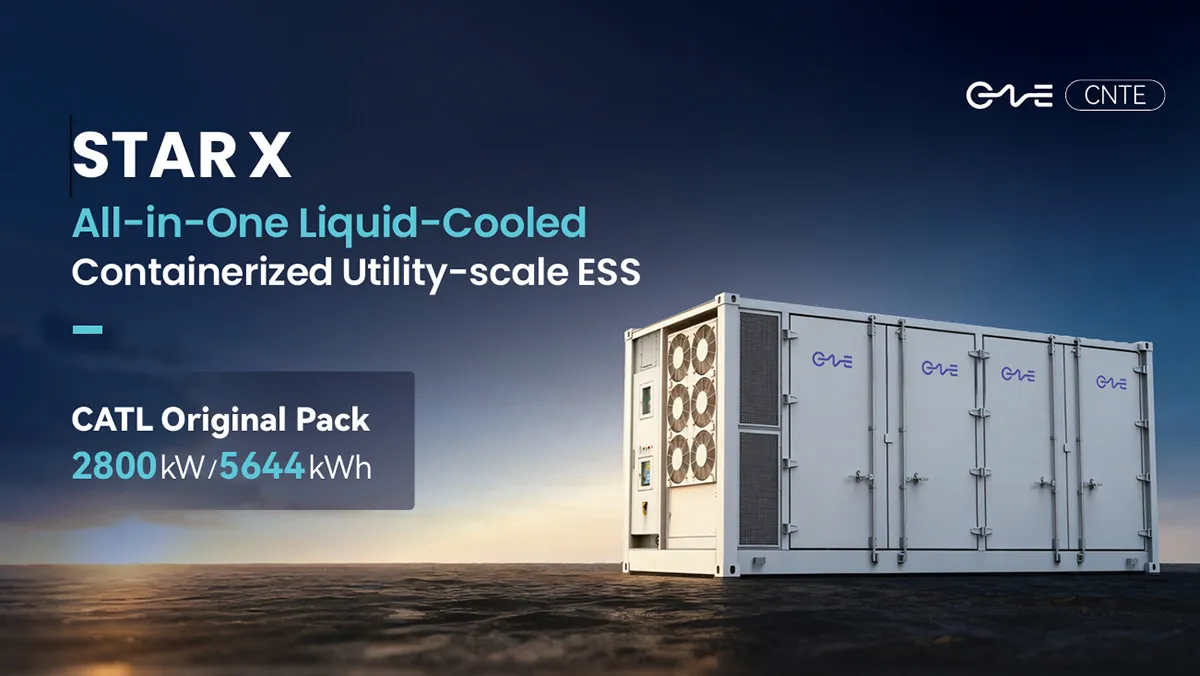
CNTE ra mắt Hệ thống Lưu trữ Năng lượng Tích hợp DC/AC làm mát bằng chất lỏng STAR X tại Intersolar Europe 2026
Jul 06, 2026 -
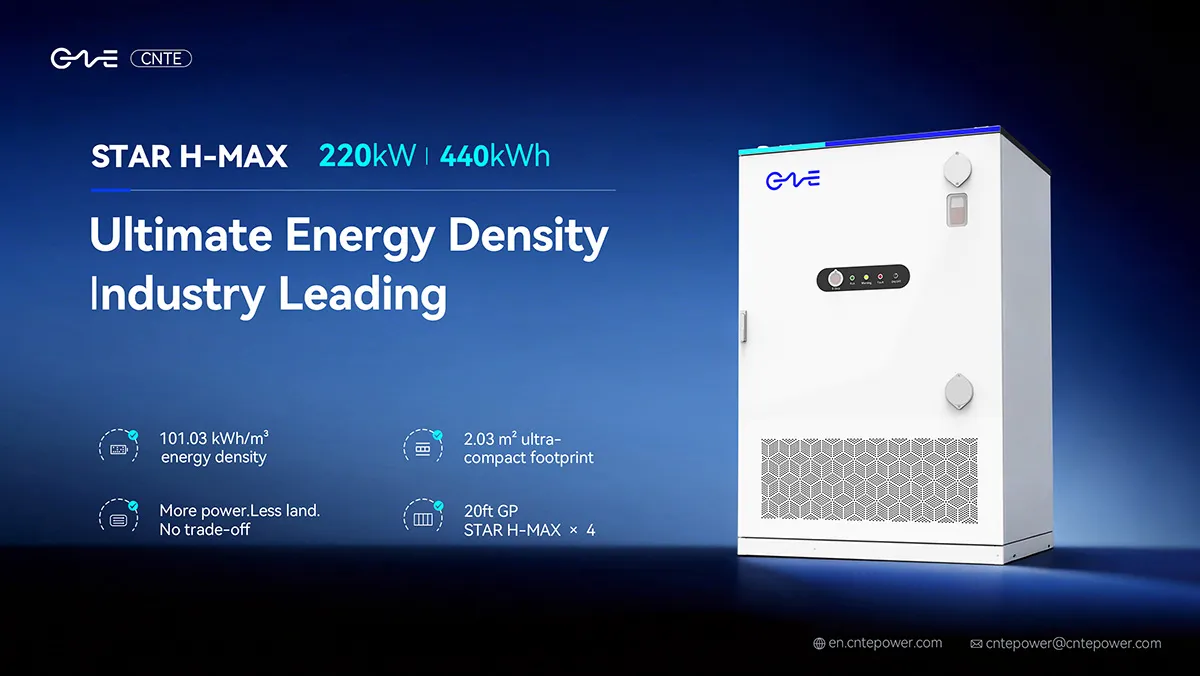
CNTE ra mắt STAR H-MAX C&I ESS làm mát bằng chất lỏng mới tại Intersolar Europe 2026
Jun 23, 2026 -
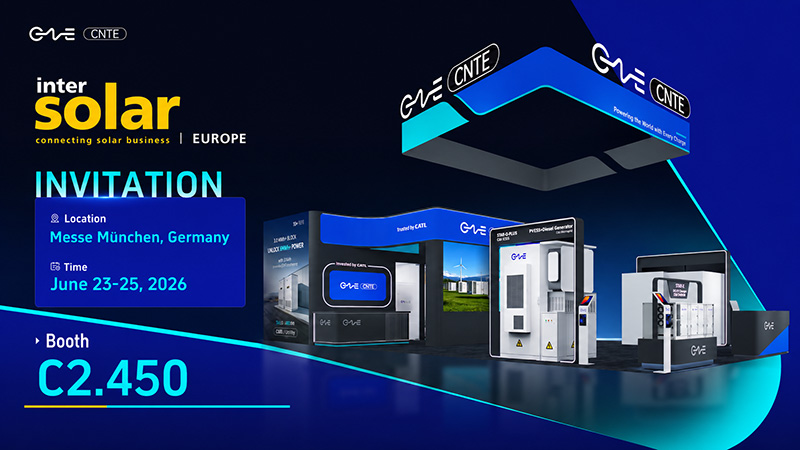
CNTE tham gia Intersolar Europe 2026
May 20, 2026 -
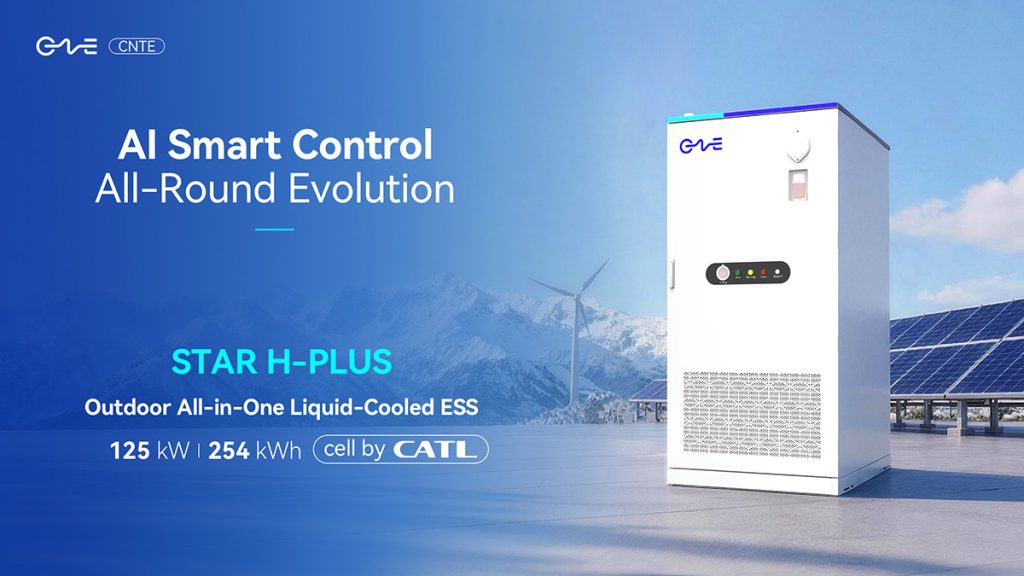
CNTE tại KEY ENERGY 2026: Trưng bày Hệ thống Lưu trữ Năng lượng Làm mát Bằng Chất lỏng Ngoài Trời STAR H-PLUS
Mar 05, 2026 -

CNTE được vinh danh là Thương hiệu Toàn cầu Hàng đầu Forbes Trung Quốc 2025
Jul 06, 2026 -

CNTE & YOU.ON Hợp Tác Mở Rộng Thị Trường Lưu Trữ
May 19, 2025 -

CNTE Ra Mắt Dòng Sản Phẩm Lưu Trữ Năng Lượng Tại Solartech 2025
May 19, 2025 -

CNTE được trao chứng nhận AEO
Jul 06, 2026 -
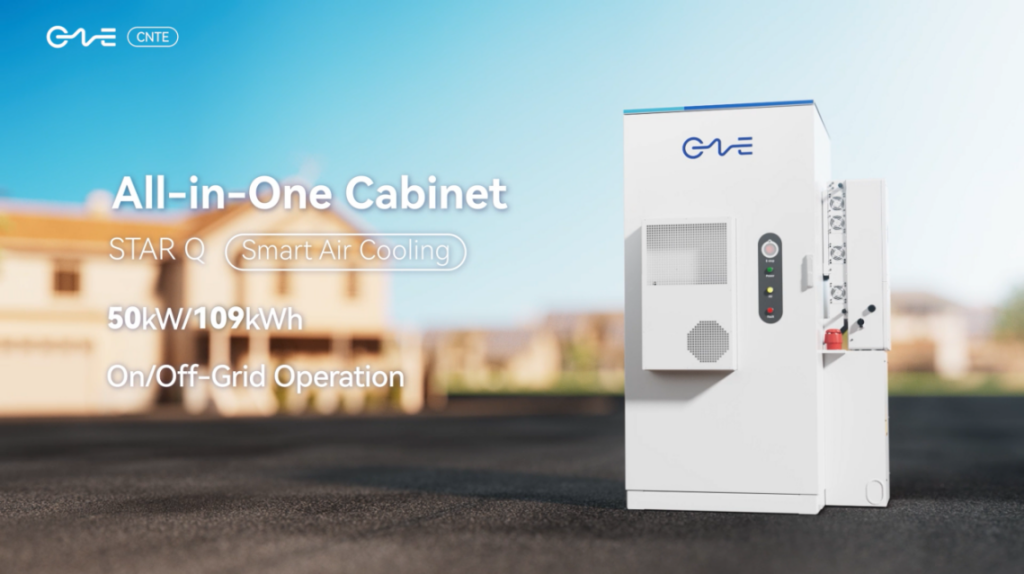
Ra mắt sản phẩm mới CNTE STAR Q
Jan 15, 2025 -

CNTE được Forbes China vinh danh trong Top 30 Thương hiệu Vươn ra Quốc tế 2024
Jul 06, 2026
