
5 Chiến lược kỹ thuật để định cỡ pin năng lượng mặt trời để cung cấp năng lượng cho cơ sở hạ tầng nhà
Lưới điện hiện đại phải đối mặt với áp lực cơ học chưa từng có từ các hiện tượng thời tiết khắc nghiệt, Cơ sở hạ tầng truyền tải cũ kỹ, và nhu cầu điện tăng vọt. Chủ nhà và người quản lý cơ sở không còn coi sự độc lập về năng lượng là một điều xa xỉ, mà là một yêu cầu hoạt động cơ bản. Đảm bảo một, Nguồn năng lượng phi tập trung bảo vệ tài sản dân cư khỏi mất điện luân phiên không thể đoán trước và biểu giá tiện ích biến động. Triển khai thành công Pin năng lượng mặt trời để cung cấp năng lượng cho ngôi nhà Mạng đòi hỏi kỹ thuật chính xác, Tính toán tải trọng nghiêm ngặt, và điện tử công suất tinh vi.
Chỉ cần gắn các mô-đun pin vào các mảng năng lượng mặt trời hiện có thường dẫn đến hiệu suất hệ thống kém nghiêm trọng hoặc lỗi phần cứng hoàn toàn sớm. Một lưới điện siêu nhỏ dân dụng được tối ưu hóa đòi hỏi sự tích hợp liền mạch giữa quang điện (PV) Thế hệ, lưu trữ năng lượng hóa học, và phần mềm quản lý năng lượng thông minh. Các nhà sản xuất hàng đầu trong ngành như CNTE (Công ty Năng lượng Công nghệ Tinh vân Đương đại, Ltd.) Thiết kế các giải pháp lưu trữ năng lượng toàn diện toàn diện thu hẹp khoảng cách lớn giữa sản xuất năng lượng mặt trời gián đoạn và tiêu thụ dân cư liên tục.
Phân tích kỹ thuật này kiểm tra các thông số điện quan trọng, Cấu trúc liên kết phần cứng, và các chỉ số kinh tế cần thiết để thiết kế hệ thống điện dân dụng tự trị. Bằng cách chuẩn hóa quy trình tích hợp, Các chuyên gia năng lượng đảm bảo rằng các tài sản lưu trữ phi tập trung mang lại hiệu quả khứ hồi tối đa và khả năng phục hồi lưới điện không khoan nhượng.

Kiến trúc kỹ thuật lưu trữ năng lượng dân dụng
Đánh giá thành phần hóa học của các tế bào lưu trữ đóng vai trò là nền tảng tuyệt đối cho bất kỳ dự án năng lượng thành công nào. Ngành công nghiệp chủ yếu dựa vào hai hóa chất lithium-ion riêng biệt: Lithium sắt phốt phát (LFP hoặc LiFePO4) và Niken Mangan Coban (NMC). Trong khi tế bào NMC cung cấp mật độ năng lượng cao hơn, do đó giảm dấu chân vật lý của tủ pin, Chúng vốn sở hữu ngưỡng ổn định nhiệt thấp hơn.
Đối với các ứng dụng dân dụng, các kỹ sư chỉ định áp đảo hóa học LFP. Tế bào LFP thể hiện độ ổn định nhiệt đặc biệt, chống lại hoàn toàn các sự kiện thoát nhiệt ở nhiệt độ mà các tế bào NMC thường bị hỏng. Hơn nữa, Hóa học LFP cung cấp tuổi thọ chu kỳ hoạt động dài hơn đáng kể, thường vượt quá 6,000 đến 8,000 chu kỳ sạc và xả đầy trước khi xuống cấp 80% dung lượng bảng tên ban đầu của họ. Tuổi thọ hóa chất này về cơ bản đảm bảo khả năng tài chính lâu dài của việc lắp đặt.
Quản lý độ sâu xả (Đến) và Năng lực
Hiểu được sự khác biệt nghiêm ngặt giữa dung lượng bảng tên lý thuyết và dung lượng sử dụng thực tế sẽ ngăn chặn việc giảm kích thước hệ thống thảm họa. Vận hành một Pin năng lượng mặt trời để cung cấp năng lượng cho ngôi nhà tải trọng một cách hiệu quả đòi hỏi phải tuân thủ nghiêm ngặt Độ sâu xả cụ thể (Đến) Giới hạn. Việc liên tục làm cạn kiệt mảng pin lithium-ion xuống bằng không phần trăm sẽ làm hỏng nghiêm trọng cấu trúc tế bào bên trong và đẩy nhanh quá trình phân hủy hóa học.
Hệ thống quản lý pin tiên tiến (BMS) Chủ động hạn chế chu kỳ xả, thường giới hạn DoD tối đa ở mức 80% hoặc 90%. Do đó, Pin được bán trên thị trường với 10 Công suất bảng tên kWh có thể chỉ cung cấp 8.5 kWh năng lượng có thể sử dụng thực tế. Các kỹ sư phải sử dụng chỉ số năng lượng có thể sử dụng được này - không phải công suất trên bảng tên thô - khi thực hiện các tính toán duy trì tải trọng quan trọng của họ.
Khắc phục tình trạng mất ổn định lưới điện và biểu giá tiện ích
Các công ty tiện ích tích cực chuyển đổi người tiêu dùng sang Thời gian sử dụng phức tạp (CŨNG) cấu trúc thanh toán và phí nhu cầu cao điểm tích cực. Trong giờ tối có nhu cầu cao, Giá điện tiện ích thường tăng gấp ba lần. Một hệ thống lưu trữ dân cư thông minh thực hiện chênh lệch giá năng lượng chính xác để bỏ qua hoàn toàn các khoản phí tài chính trừng phạt này.
Phần mềm điều khiển buộc hệ thống phải lưu trữ năng lượng mặt trời dư thừa vào buổi sáng và buổi chiều khi giá tiện ích vẫn ở mức thấp. Khi mặt trời lặn và giá điện cao điểm đắt đỏ bắt đầu, Bộ điều khiển xả liền mạch năng lượng pin được lưu trữ để duy trì tải gia đình. Kỹ thuật chuyển tải chính xác này làm phẳng hồ sơ tiêu thụ của tài sản về mặt toán học và vô hiệu hóa hóa đơn tiện ích leo thang.
Đảo tự trị và hình thành lưới điện siêu nhỏ
Biến tần năng lượng mặt trời hòa lưới tiêu chuẩn tắt ngay lập tức khi lưới điện chính bị lỗi. Bảo vệ chống đảo bắt buộc này ngăn các mảng năng lượng mặt trời cung cấp điện cao áp trở lại đường dây truyền tải bị hỏng, gây nguy hiểm tích cực cho các đội sửa chữa tiện ích. Để cung cấp khả năng phục hồi mất điện thực sự, Cơ sở hạ tầng lưu trữ phải sử dụng khả năng tạo lưới tinh vi.
Khi phát hiện sự cố lưới điện toàn bộ, Công tắc chuyển tự động của hệ thống (ATS) cách ly vật lý tài sản khỏi mạng tiện ích bên ngoài trong mili giây. Sau đó, biến tần tạo lưới chính thiết lập sóng sin 60Hz hoặc 50Hz ổn định của riêng nó. Điều này cho phép Pin năng lượng mặt trời để cung cấp năng lượng cho ngôi nhà cơ sở hạ tầng an toàn, hoạt động như một, lưới điện siêu nhỏ tự duy trì cho đến khi tiện ích chính khôi phục điện.
Tính toán chính xác tải điện và công suất biến tần
Kích thước kiến trúc lưu trữ phù hợp đòi hỏi phải phân tích chi tiết các nhu cầu điện cụ thể của tài sản. Các kỹ sư tách biệt nghiêm ngặt tổng công suất năng lượng (được đo bằng kilowatt-giờ, Kwh) từ khả năng cung cấp điện tức thời (được đo bằng kilowatt, Kw). Một ngân hàng pin lớn cung cấp giá trị bằng không nếu biến tần được kết nối không thể cung cấp đủ dòng điện tức thời để khởi động các thiết bị cơ khí nặng.
- Công suất đầu ra liên tục: Biến tần phải đồng thời duy trì công suất chạy kết hợptage của các thiết bị tiêu chuẩn như tủ lạnh, Đèn, và máy tính.
- Khả năng tăng cao nhất: Động cơ cảm ứng nặng, đặc biệt là máy nén HVAC và máy bơm giếng sâu, yêu cầu dòng điện tăng đột biến lớn (Rotor bị khóa Amps hoặc LRA) trong một phần của giây trong quá trình khởi động. Định mức tăng của biến tần phải vượt quá rõ ràng các dòng khởi động kết hợp này để ngăn ngừa lỗi quá tải hệ thống.
- Bảng tải trọng quan trọng: Thay vì sao lưu toàn bộ bảng điều khiển dịch vụ điện chính, Người lắp đặt thường cách ly các mạch thiết yếu vào một bảng phụ chuyên dụng. Sự phân tách tải chiến lược này đảm bảo pin không lãng phí năng lượng hữu hạn cho các thiết bị không thiết yếu như máy sưởi hồ bơi điện hoặc đèn trang trí bên ngoài trong trường hợp khẩn cấp.
Đánh giá AC-Coupled so với. Cấu trúc liên kết DC
Tích hợp lưu trữ hóa chất với sản xuất quang điện đòi hỏi phải lựa chọn giữa hai cấu trúc liên kết dây riêng biệt: Khớp nối AC hoặc khớp nối DC. Kiến trúc được chọn ảnh hưởng trực tiếp đến hiệu quả khứ hồi tổng thể của hệ thống và quyết định mức độ phức tạp của việc lắp đặt vật lý.
Hệ thống ghép nối DC kết nối các tấm pin mặt trời và mảng pin thành một, Biến tần lai tiên tiến. Bởi vì điện vẫn ở dòng điện một chiều (DC) hình thành khi nó chảy từ các tấm pin mặt trời trực tiếp vào pin, Hệ thống tránh nhiều chu kỳ đảo ngược dư thừa. Con đường trực tiếp này tối đa hóa khả năng duy trì năng lượng và loại bỏ tổn thất chuyển đổi. Khớp nối DC đóng vai trò là sự lựa chọn kỹ thuật vượt trội cho các công trình dân cư hoàn toàn mới.
Ngược lại, Hệ thống ghép nối AC sử dụng bộ biến tần năng lượng mặt trời và bộ biến tần pin riêng biệt. Nguồn DC năng lượng mặt trời chuyển đổi thành nguồn AC, chảy qua bảng điều khiển nhà, và sau đó chuyển đổi trở lại nguồn DC để vào pin. Mặc dù vốn kém hiệu quả hơn do nhiều bước chuyển đổi này, Khớp nối AC vượt trội trong các tình huống trang bị thêm khi chủ nhà đã sở hữu một mảng năng lượng mặt trời hiện có. Các nhà cung cấp giải pháp cao cấp như CNTE (Công ty Năng lượng Công nghệ Tinh vân Đương đại, Ltd.) Thiết kế phần cứng có khả năng thích ứng cao phù hợp với cả hai cấu trúc liên kết một cách liền mạch, đảm bảo sự ổn định hoạt động bất kể các hạn chế hiện tại của trang web.

Hệ thống quản lý năng lượng tiên tiến (EMS)
Các tế bào lithium vật lý và thiết bị điện tử công suất chỉ đơn thuần đại diện cho cơ bắp phần cứng của lưới điện siêu nhỏ dân dụng; Hệ thống quản lý năng lượng (EMS) hoạt động như bộ não phân tích. Bộ điều khiển hiện đại xử lý hàng nghìn điểm dữ liệu mỗi giây để tối ưu hóa trình tự sạc và xả một cách linh hoạt.
Nền tảng EMS cấp doanh nghiệp thiết lập kết nối API an toàn với các dịch vụ dự báo thời tiết toàn cầu. Nếu thuật toán dự đoán phát hiện một hệ thống bão mạnh sắp tới hoặc mây che phủ dày đặc trong nhiều ngày, Phần mềm tự động ghi đè các giao thức xả theo thời gian sử dụng tiêu chuẩn. Nó ra lệnh trước cho hệ thống sạc ngân hàng pin để 100% công suất trực tiếp từ lưới điện, Ưu tiên an ninh năng lượng tuyệt đối so với chênh lệch giá hàng ngày.
Hơn nữa, Các thuật toán học máy liên tục theo dõi thói quen tiêu dùng hộ gia đình. Phần mềm lập hồ sơ chính xác các mô hình sử dụng, nhận biết chính xác thời điểm hệ thống HVAC thường khởi động hoặc khi xe điện cắm điện. Mô hình tải dự đoán này đảm bảo Pin năng lượng mặt trời để cung cấp năng lượng cho ngôi nhà Hệ thống hoạt động với hiệu suất cao nhất tuyệt đối, kéo dài tuổi thọ hoạt động của tất cả các thành phần phần cứng được kết nối.
Phân tích các chỉ số tài chính và LCOE
Người cài đặt B2B và người quản lý cơ sở dân cư phải đánh giá nghiêm ngặt các chỉ số tài chính chính xác của lưu trữ phi tập trung. Mô hình điện truyền thống dựa vào Chi phí hoạt động vĩnh viễn (Thuế OPEX) Thanh toán trực tiếp cho công ty tiện ích. Chuyển đổi sang lưu trữ cục bộ đòi hỏi chi phí vốn trả trước đáng kể (CHI PHÍ ĐẦU TƯ) cho các mô-đun lithium, Biến tần lai, và lao động lắp đặt chuyên nghiệp.
Các kỹ sư tính toán chi phí lưu trữ được cân bằng (LCOS) và chi phí năng lượng được cân bằng (LCOE) để chứng minh rõ ràng lợi tức đầu tư dài hạn. Bằng cách chia tổng chi phí trọn đời của hệ thống cho tổng megawatt-giờ (MWh) năng lượng mà nó sẽ thải ra trong vòng đời từ 10 đến 15 năm, các nhà phân tích xác định chi phí chính xác trên mỗi kWh của năng lượng lưu trữ.
Khi giá tiện ích tăng liên tục bởi 4% đến 6% hàng năm, LCOE cố định của hệ thống lưu trữ dân dụng trở nên rất hấp dẫn. Hệ thống về cơ bản khóa chi phí năng lượng của tài sản trong thập kỷ tới. Ngoài ra, tận dụng các chương trình dịch vụ lưới điện bản địa hóa, chẳng hạn như Nhà máy điện ảo (VPP) tổng hợp, cho phép chủ nhà chủ động bán lại năng lượng pin đã lưu trữ của họ cho tiện ích trong thời gian căng thẳng lưới điện cao điểm, tạo ra hữu hình, Doanh thu trực tiếp nhanh chóng đẩy nhanh điểm hòa vốn.
Chuyển đổi một bất động sản dân cư khỏi sự phụ thuộc hoàn toàn vào tiện ích đòi hỏi nhiều hơn là chỉ lắp đặt các tấm pin mặt trời. Khả năng phục hồi lưới điện thực sự và quyền tự chủ tài chính đòi hỏi lưu trữ hóa chất phức tạp, Điện tử công suất mạnh mẽ, và phần mềm dự đoán thông minh. Bằng cách phân tích sâu các yêu cầu điện năng liên tục, Tính toán dòng điện tăng động cơ chính xác, và triển khai cấu trúc liên kết biến tần lai tối ưu, Các kỹ sư bảo vệ thành công cơ sở hạ tầng dân cư quan trọng khỏi sự cố lưới điện hệ thống.
Tích hợp một thiết kế kỹ thuật nặng Pin năng lượng mặt trời để cung cấp năng lượng cho ngôi nhà Thiết lập đảm bảo bảo vệ ngay lập tức chống lại giá điện leo thang và mất điện cục bộ thảm khốc. Khi các hiện tượng thời tiết khắc nghiệt nhân lên và độ ổn định của lưới điện tập trung xấu đi, Lưu trữ năng lượng cục bộ chuyển từ hệ thống dự phòng thứ cấp sang cơ chế chính để quản lý năng lượng tài sản. Hợp tác với các nhà lãnh đạo công nghiệp đã được chứng minh như CNTE (Công ty Năng lượng Công nghệ Tinh vân Đương đại, Ltd.) cung cấp độ tin cậy phần cứng cần thiết và các thuật toán điều khiển thông minh cần thiết để duy trì liên tục, Quyền tự chủ quyền lực không khoan nhượng.
Những câu hỏi thường gặp (FAQ)
Câu hỏi 1: Sự khác biệt rõ rệt giữa xếp hạng kW và kWh của pin là gì?
Đáp 1: Kilowatt (Kw) định mức xác định công suất tức thời tối đa mà hệ thống có thể cung cấp tại một thời điểm cụ thể để khởi động các thiết bị nặng như máy điều hòa không khí. Kilowatt-giờ (Kwh) Xếp hạng xác định tổng khối lượng năng lượng được lưu trữ bên trong pin, điều này cho biết chính xác các thiết bị đó có thể chạy trong bao lâu trước khi pin cạn kiệt hoàn toàn.
Quý 2: Tôi có thể ngắt kết nối hoàn toàn khỏi lưới điện chính một cách hợp pháp không??
Đáp 2: Mặc dù khả thi về mặt kỹ thuật, Việc đưa một tài sản hoàn toàn không nối lưới đòi hỏi phải vượt quá quy mô lớn mảng năng lượng mặt trời và dung lượng lưu trữ để tính đến các cơn bão mùa đông kéo dài nhiều ngày. Hầu hết các kỹ sư thực sự khuyên bạn nên duy trì kết nối lưới điện và sử dụng Pin năng lượng mặt trời để cung cấp năng lượng cho ngôi nhà chỉ hoạt động như một lưới điện siêu nhỏ tự trị trong thời gian mất điện cụ thể hoặc thời gian giá cao điểm đắt đỏ.
Câu 3: Chính xác thì hiệu suất khứ hồi đo lường điều gì trong hệ thống lưu trữ năng lượng?
Đáp 3: Hiệu suất khứ hồi tính toán toán học tỷ lệ phần trăm năng lượng bị mất trong quá trình sạc và xả phức tạp. Bởi vì biến tần tiêu thụ một lượng điện năng nhỏ để chuyển đổi điện một chiều thành điện xoay chiều, và các tế bào pin tạo ra nhiệt nhẹ trong quá trình sạc, một hệ thống có thể lưu trữ 10 kWh nhưng chỉ đầu ra 9 Kwh. Kịch bản cụ thể đó đại diện cho một 90% Hiệu quả khứ hồi.
Câu 4: Tại sao các kỹ sư thích Lithium Iron Phosphate (LFP) trên hóa chất NMC cho gia đình?
Đáp 4: Hóa học LFP mang lại độ ổn định nhiệt vượt trội đáng kể, hầu như loại bỏ nguy cơ nguy hiểm về thoát nhiệt và cháy pin. Ngoài ra, Tế bào LFP chịu được nhiều chu kỳ sạc / xả hơn đáng kể so với tế bào NMC, cung cấp tuổi thọ hoạt động lâu hơn nhiều, trực tiếp cải thiện ROI tài chính dài hạn của hệ thống.
Câu 5: Hệ thống lưu trữ bản địa hóa có yêu cầu bảo trì vật lý định kỳ không?
Đáp 5: Các hệ thống lithium-ion hiện đại phần lớn là trạng thái rắn và không cần bảo trì chất lỏng hoạt động, Không giống như pin axit-chì ngập nước lỗi thời. Tuy nhiên, Người vận hành hệ thống phải đảm bảo quạt làm mát bên ngoài trên bộ biến tần lai không có các mảnh vụn vật lý, và họ nên xác minh định kỳ rằng Hệ thống quản lý năng lượng (EMS) duy trì sự ổn định, Kết nối internet an toàn cho các bản cập nhật chương trình cơ sở quan trọng.
Liên hệ
Bài viết gần đây
-

CNTE tại KEY ENERGY 2026: Trưng bày Hệ thống lưu trữ năng lượng làm mát bằng chất lỏng ngoài trời STAR H-PLUS
Mar 05, 2026 -

CNTE được vinh danh là 2025 Forbes Thương hiệu toàn cầu hàng đầu Trung Quốc
Ngày 12, 2025 -
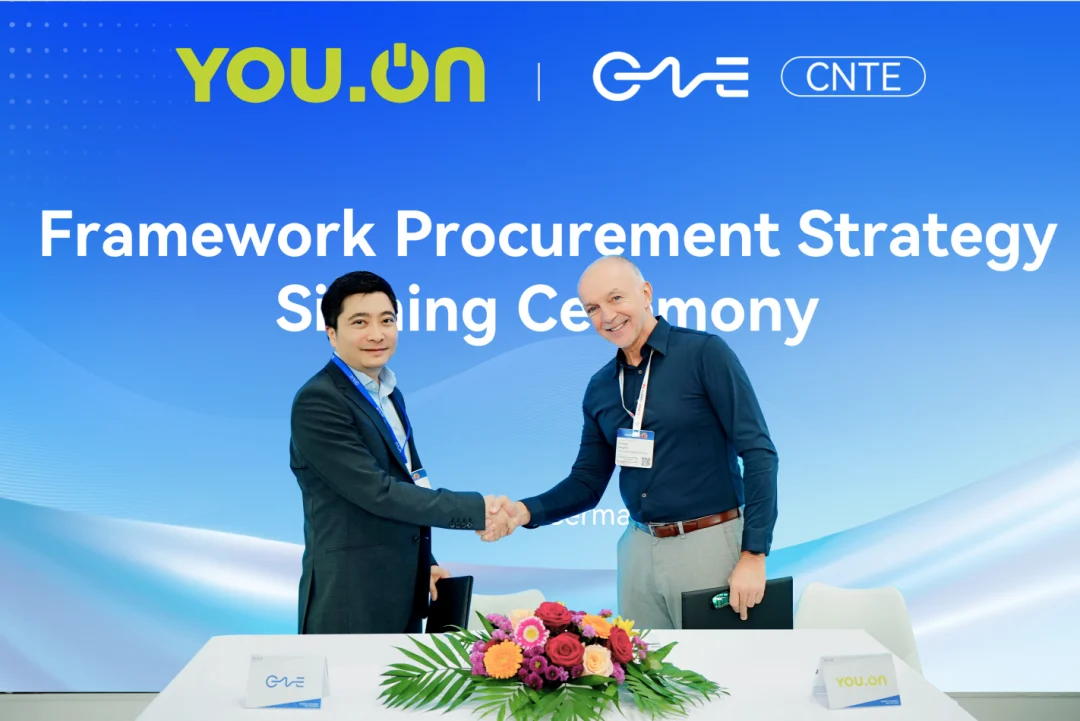
CNTE & MÀY. ON hợp tác mở rộng thị trường lưu trữ
Tháng 5 19, 2025 -
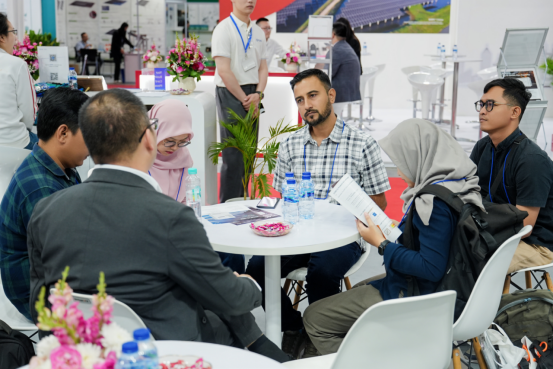
CNTE tiết lộ dòng sản phẩm lưu trữ năng lượng tại Solartech 2025
Tháng 5 19, 2025 -
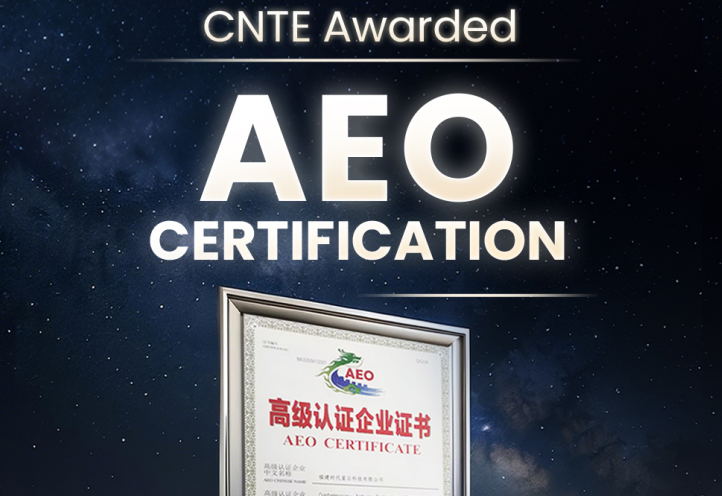
CNTE được trao chứng nhận AEO
Mar 14, 2025
Tags
- 1 Lưu trữ pin MW
- 500 Pin KW
- 500 Lưu trữ pin kw
- 500 Giá pin KWH
- 500 Lưu trữ pin kWh
- 50Bộ lưu trữ pin năng lượng mặt trời KW
- tất cả trong một pin năng lượng mặt trời
- Pin tại nhà
- Lưu trữ năng lượng dựa trên pin
- Dung lượng pin cho hệ thống năng lượng mặt trời
- Hệ thống lưu trữ điện pin
- Giá hệ thống lưu trữ năng lượng pin
- pin nhà năng lượng mặt trời
- lắp đặt pin cho năng lượng mặt trời
- Bộ pin cho hệ thống năng lượng mặt trời gia đình
- Bộ pin cho hệ thống năng lượng mặt trời
- nhà gói pin
- Bộ pin kWh
- Hệ thống lưu trữ năng lượng pin
- Ứng dụng lưu trữ pin
- thiết bị lưu trữ pin
- Lưu trữ pin kWh
- Giá lưu trữ pin mỗi kWh
- Nhà cung cấp lưu trữ pin
- Thiết kế hệ thống lưu trữ pin
- pin có thể cung cấp năng lượng cho một ngôi nhà
- pin vào lưới
- Năng lượng pin bess
- Hệ thống năng lượng mặt trời BESS
- Năng lượng tái tạo pin tốt hơn
- Lưu trữ pin lớn
- mua bộ nhớ pin
- mua bộ lưu trữ pin năng lượng mặt trời
- trạm sạc
- Pin năng lượng mặt trời Trung Quốc
- Giải pháp lưu trữ năng lượng sạch
- Lưu trữ pin năng lượng mặt trời thương mại
- Chi phí lưu trữ pin cho các tấm pin mặt trời
- chi phí hệ thống năng lượng mặt trời và pin
- Chi phí lưu trữ pin năng lượng mặt trời
- Hệ thống lưu trữ pin điện
- Triển lãm lưu trữ năng lượng điện
- Bộ pin năng lượng
- Bộ pin lưu trữ năng lượng
- hệ thống lưu trữ năng lượng pin lithium
- Hệ thống lưu trữ năng lượng Malaysia
- Giá hệ thống lưu trữ năng lượng
- Hệ thống lưu trữ năng lượng mặt trời
- Pin công nghệ năng lượng
- Giá pin ess
- Hệ thống pin ess
- pin năng lượng mặt trời ess
- Hệ thống năng lượng mặt trời ess
- Pin EV để lưu trữ năng lượng mặt trời
- Lưu trữ năng lượng mặt trời pin ev
- Pin lithium năng lượng xanh
- Pin dung lượng cao cho các tấm pin mặt trời
- Lưu trữ pin lai
- công nghệ năng lượng mặt trời của nó
- Lưu trữ pin kWh
- Pin lớn để lưu trữ năng lượng mặt trời
- Pin lớn để lưu trữ năng lượng mặt trời
- Thùng chứa pin lớn
- Hệ thống lưu trữ pin lớn
- Lưu trữ pin năng lượng mặt trời lớn
- Hệ thống lưu trữ pin năng lượng mặt trời lớn
- pin lưu trữ năng lượng mặt trời lớn
- Pin thương mại lớn nhất
- lưu trữ pin năng lượng mặt trời lớn nhất
- Pin năng lượng mặt trời mới nhất
- Pin lithium cho hệ thống năng lượng mặt trời không nối lưới
- Pin Lithium từ Trung Quốc
- Pin lithium cho năng lượng mặt trời ngoài lưới
- Pin lithium cho giá hệ thống năng lượng mặt trời
- Lưu trữ tại nhà pin lithium
- gói pin lithium cho các tấm pin mặt trời
- Lưu trữ pin megawatt
- Lưu trữ pin mới
- Lưu trữ pin năng lượng mặt trời ngoài lưới
- trên pin lưới
- Lưu trữ pin trên lưới
- Tích hợp lưu trữ quang học
- Lưu trữ năng lượng ngoài trời
- tủ pin năng lượng mặt trời ngoài trời
- Hệ thống pin PCS
- năng lượng gói điện
- Tế bào lưu trữ năng lượng
- Giá mỗi kWh lưu trữ pin
- tấm pin mặt trời pv và lưu trữ pin
- Lưu trữ pin Q Cell
- Lưu trữ pin thông minh
- năng lượng mặt trời & Hệ thống pin
- Pin năng lượng mặt trời và pin lithium
- Pin năng lượng mặt trời trong nhà
- Pin năng lượng mặt trời
- hộp đựng pin năng lượng mặt trời
- Pin năng lượng mặt trời kKwh
- Các nhà sản xuất pin năng lượng mặt trời ở Trung Quốc
- mô-đun pin năng lượng mặt trời
- tủ lưu trữ pin năng lượng mặt trời
- Dung lượng lưu trữ pin năng lượng mặt trời
- thùng chứa pin năng lượng mặt trời
- Các nhà sản xuất lưu trữ pin năng lượng mặt trời
- Pin năng lượng mặt trời để cung cấp năng lượng cho ngôi nhà
- lưu trữ pin mặt trời
- Dung lượng lưu trữ pin năng lượng mặt trời
- Hệ thống lưu trữ pin năng lượng mặt trời
- pin lithium năng lượng mặt trời
- Giá pin lưu trữ năng lượng mặt trời
- Giá hệ thống lưu trữ năng lượng mặt trời
- Công nghệ lưu trữ năng lượng mặt trời
- Hệ thống ESS năng lượng mặt trời
- pin lưới năng lượng mặt trời
- hệ thống pin lưới năng lượng mặt trời
- giá pin nhà năng lượng mặt trời
- pin lắp đặt năng lượng mặt trời
- lắp đặt năng lượng mặt trời với pin
- pin năng lượng mặt trời
- Dung lượng lưu trữ pin bảng điều khiển năng lượng mặt trời
- Giá lưu trữ pin bảng điều khiển năng lượng mặt trời
- pin lưu trữ năng lượng mặt trời
- Hệ thống lưu trữ năng lượng bảng điều khiển năng lượng mặt trời
- bảng điều khiển năng lượng mặt trời lưu trữ pin lithium
- Hệ thống lưu trữ năng lượng mặt trời
- Pin nhà máy năng lượng mặt trời
- Pin nhà máy điện mặt trời
- Hệ thống lưu trữ pin và PV năng lượng mặt trời
- Hệ thống PV năng lượng mặt trời với bộ lưu trữ pin
- Giải pháp lưu trữ năng lượng mặt trời
- hệ thống năng lượng mặt trời và lưu trữ pin
- năng lượng mặt trời với hệ thống pin
- năng lượng mặt trời với bộ lưu trữ pin lithium
- Hệ thống lưu trữ năng lượng độc lập
- Pin năng lượng lưu trữ
- Pin lưu trữ
