
พลังงานและที่เก็บข้อมูลในตัว: สถาปัตยกรรมไฮบริด, ตัวควบคุมการสร้างกริด, และเศรษฐศาสตร์วงจรชีวิต
โครงสร้างพื้นฐานด้านพลังงานสมัยใหม่ต้องการแนวทางที่เป็นหนึ่งเดียวในการ พลังงานและการจัดเก็บ. การแยกสินทรัพย์การผลิตออกจากแบตเตอรีแบตเตอรีนําไปสู่การตอบสนองของกริดที่ไม่เหมาะสม, พลังงานหมุนเวียนที่ลดลง, และค่าใช้จ่ายในการดําเนินงานที่สูงขึ้น. การเพิ่มประสิทธิภาพสินทรัพย์ที่แท้จริงจะปรากฏขึ้นเมื่อ พลังงานและการจัดเก็บ ได้รับการออกแบบทางวิศวกรรมเป็นแบบเดี่ยว, ทรัพยากรที่จัดส่งได้—รูปแบบการป้องกันการแชร์, โปรโตคอลการสื่อสาร, และการจัดการพลังงานแบบเรียลไทม์. ซีเอ็นที (บริษัท เนบิวลาเทคโนโลยีพลังงานร่วมสมัย, จํากัด) ส่งมอบระบบไฮบริดดังกล่าว, การรวมการควบคุมตัวแปลง, การวิเคราะห์แบตเตอรี่, และการปฏิบัติตามข้อกําหนดของกริดเป็นโซลูชันแบบเบ็ดเสร็จสําหรับโรงงานอุตสาหกรรม, สหกรณ์สาธารณูปโภค, และ IPP หมุนเวียน.
ข้อมูลเชิงลึกทางเทคนิคนี้ครอบคลุมการตัดสินใจด้านวิศวกรรมหลักสําหรับ พลังงานและการจัดเก็บ บูรณาการ: การเลือกโทโพโลยีอินเวอร์เตอร์, สถานะสุขภาพ (โซเอช) รับรู้การจัดส่ง, และการประสานงานการป้องกันในแหล่งพลังงานที่หลากหลาย. เราตรวจสอบจุดบกพร่องในโลกแห่งความเป็นจริง ตั้งแต่การสั่นแบบซิงโครนัสย่อยในกริดที่อ่อนแอไปจนถึงการแพร่กระจายของความร้อน ด้วยมาตรการตอบโต้ที่ผ่านการตรวจสอบแล้วตามข้อมูลภาคสนามและมาตรฐานสากล (มาตรฐาน IEC 62477-2, มาตรฐาน IEEE 1547-2018). นักพัฒนาโครงการ B2B จะได้รับเกณฑ์มาตรฐานเชิงปริมาณสําหรับขนาดความจุ, ควบคุมเวลาตอบสนอง, และต้นทุนการจัดเก็บที่ปรับระดับ (แอลซีโอเอส) การสร้างแบบจําลอง.

1. รากฐานทางเทคนิค: การบรรจบกันของอิเล็กทรอนิกส์กําลังและเคมีจัดเก็บ
รวมเป็นหนึ่งเดียว พลังงานและการจัดเก็บ ระบบประกอบด้วยระบบย่อยที่สําคัญสามระบบ: โรงงานแบตเตอรี่ DC (ลิเธียม-เหล็ก-ฟอสเฟตหรือนิกเกิล-แมงกานีส-โคบอลต์), ระบบแปลงพลังงาน (พี ซี), และผู้ควบคุมการกํากับดูแล (EMS/สกาดา). ปฏิสัมพันธ์ของพวกเขากําหนดอัตราการลาดโดยตรง, ประสิทธิภาพไป-กลับ, และความสามารถในการขับผ่านความผิดพลาด.
1.1 โทโพโลยีการแปลงพลังงานสําหรับการทํางานแบบไฮบริด
การกําหนดค่าสี่แบบครอบงําการติดตั้งเชิงพาณิชย์:
- อินเวอร์เตอร์ไฮบริดคู่ AC – แบตเตอรี่เชื่อมต่อผ่านตัวแปลง DC/AC เฉพาะที่ด้านโหลดของอินเวอร์เตอร์ PV/ลมที่มีอยู่. ให้ความเรียบง่ายในการติดตั้งเพิ่มเติม แต่ประสบกับการสูญเสียการแปลงสองครั้ง (บทลงโทษ ≈4-6%).
- ตัวแปลงมัลติพอร์ตคู่ DC – อินเทอร์เฟซสเตจพลังงานเดี่ยวทั้งอาร์เรย์ PV และแบตเตอรี่, บรรลุประสิทธิภาพที่สูงขึ้น (98.2% และกําลังไฟ). ต้องเปลี่ยนอินเวอร์เตอร์พลังงานแสงอาทิตย์แบบเดิมทั้งหมด.
- ตัวแปลงหลายระดับแบบแยกส่วน (เอ็มเอ็มซี) สําหรับ BESS – กําจัดหม้อแปลงความถี่สาย, ลดรอยเท้า, และให้การสนับสนุนพลังงานปฏิกิริยาอิสระ. ใช้สําหรับการเชื่อมต่อกริดแรงดันปานกลาง (10-35 กิโลโวลต์).
- เครื่องกําเนิดไฟฟ้าแบบซิงโครนัสเสมือน (วีเอสจี) ควบคุม – เลียนแบบความเฉื่อยของเครื่องหมุน, มีความสําคัญสําหรับกริดที่อ่อนแอด้วยการเจาะพลังงานหมุนเวียน >70%.
ซีเอ็นที ปรับใช้แพลตฟอร์ม DC-coupled แบบแยกส่วนพร้อมความซ้ําซ้อน N 1 สําหรับไซต์การผลิตที่สําคัญ, ความสําเร็จ 99.3% ความพร้อมใช้งานมากกว่า 18 เดือนในการปฏิบัติงานภาคสนาม.
1.2 การเลือกเซลล์แบตเตอรี่ส่งผลต่อประสิทธิภาพของระบบ
ทางเลือกระหว่าง LFP และ NMC จะเปลี่ยนการจัดการความร้อนและอายุการใช้งานโดยพื้นฐาน:
- แอลเอฟพี: ความหนาแน่นของพลังงานที่ต่ํากว่า (150-170 Wh/กก) แต่อายุปฏิทินอีกต่อไป (≥8,000 รอบที่ 80% มา) และเสถียรภาพทางความร้อนที่แท้จริง. เหมาะสําหรับการติดตั้งที่ต้องการปริมาณงานรายวันสูง (การโกนหนวดสูงสุด, อนุญาโตตุลาการ).
- เอ็นเอ็มซี: ความหนาแน่นของพลังงานที่สูงขึ้น (200-260 Wh/กก) การเปิดใช้งานโครงการที่มีพื้นที่จํากัด. ต้องการการระบายความร้อนด้วยของเหลวแบบแอคทีฟและการควบคุมหน้าต่างแรงดันไฟฟ้าที่เข้มงวดเพื่อป้องกันการละลายของโลหะทรานซิชัน.
สําหรับไฮบริด พลังงานและการจัดเก็บ โครงการ, การประมาณค่า SoH แบบเรียลไทม์โดยใช้สเปกโทรสโกปีอิมพีแดนซ์ไฟฟ้าเคมี ช่วยให้สามารถปรับอัตราการชาร์จ/การคายประจุได้อย่างคาดการณ์, ยืดอายุระบบโดย 22% ในการทดลองล่าสุด.
2. วิศวกรรมเฉพาะแอปพลิเคชันสําหรับการรวมพลังงานและการจัดเก็บข้อมูล
สถานการณ์การปรับใช้แต่ละสถานการณ์กําหนดข้อกําหนดทางเทคนิคที่แตกต่างกันใน พลังงานและการจัดเก็บ ออกแบบ. ด้านล่างนี้คือต้นแบบสามแบบที่มีเกณฑ์ประสิทธิภาพเชิงปริมาณ.
2.1 การโกนหนวดสูงสุดในอุตสาหกรรมพร้อมการลดค่าใช้จ่ายตามความต้องการ
สิ่งอํานวยความสะดวกที่มีหน้าต่างความต้องการสูงสุด 15 นาทีต้องการพื้นที่เก็บข้อมูลเพื่อตอบสนองภายใน 200 นางสาว. ความท้าทายรวมถึงการประสานงานกับโคเจนเนอเรชั่นในสถานที่และหลีกเลี่ยงการไหลย้อนกลับของพลังงานไปยังตัวป้อนสาธารณูปโภค. โซ ลู ชั่น:
- ติดตั้ง โมดูลคาดการณ์โหลดความเร็วสูง ใช้ข้อมูลย้อนหลัง 12 เดือนเพื่อชาร์จแบตเตอรี่ล่วงหน้าก่อนถึงจุดสูงสุดที่คาดการณ์ไว้.
- ใช้การสื่อสารระหว่าง BMS และตัวควบคุมลอจิกที่ตั้งโปรแกรมได้ (บมจ.) เพื่อบังคับใช้การคายประจุแบตเตอรี่เฉพาะเมื่อความต้องการของไซต์เกินเกณฑ์แบบไดนามิก.
- ใช้ สวิตช์เกียร์ทนต่ออาร์ค ณ จุดที่มีข้อต่อทั่วไปเพื่อความปลอดภัยของบุคลากรในสภาวะที่มีความผิดพลาดสูง.
2.2 การปรับให้เรียบและกระชับกริด
ฟาร์มพลังงานแสงอาทิตย์หรือกังหันลมได้รับประโยชน์จาก พลังงานและการจัดเก็บ ระบบที่ ramp จากศูนย์เป็นเอาต์พุตเต็มที่ภายใต้ 100 นางสาว, ชดเชยเมฆปกคลุมหรือลมกล่อมอย่างกะทันหัน. จุดบกพร่องทางเทคนิค: ความไม่เสถียรของบัสแรงดันไฟฟ้ากระแสตรงและเวลาแฝงในการสื่อสารระหว่างสถานีตรวจอากาศและ EMS. มาตรการรับมือ:
- ปรับใช้ วงแหวนไฟเบอร์ออปติกแบนด์วิดท์สูง (อีซี 61850 ห่าน) สําหรับการแลกเปลี่ยนข้อมูลรอบย่อยระหว่างเซ็นเซอร์การฉายรังสีและ PCS.
- กําหนดค่าอินเวอร์เตอร์จัดเก็บข้อมูลให้ทํางานในโหมดติดตามกริดด้วย ramp ขีดจํากัดอัตราของ 5% ของกําลังไฟต่อวินาที, ประสานงานกับรหัสกริดเฉพาะไซต์ (เช่น, กฎฮาวาย 14H).
2.3 ไมโครกริดสตาร์ทแบล็คสตาร์ทและการทํางานแบบเกาะ
ชุมชนเหมืองแร่หรือเกาะระยะไกลต้องการการจัดเก็บเพื่อสร้างการอ้างอิงแรงดันไฟฟ้าที่เสถียรโดยไม่ต้องรองรับยูทิลิตี้. การติดตั้งต้องตรวจสอบความสามารถในการรับโหลดเย็นและการตรวจจับเกาะ. แนวทางปฏิบัติที่แนะนํา:
- ใช้ อินเวอร์เตอร์ขึ้นรูปกริด ด้วยการควบคุมอิมพีแดนซ์เสมือนเพื่อแบ่งปันโหลดตามสัดส่วนระหว่างกลุ่มแบตเตอรี่หลายกลุ่ม.
- ทําการทดสอบการกู้คืนโหลดตามลําดับ (เริ่มต้นด้วย 5% ของโหลดพิกัด, เพิ่มขึ้นใน 20% ขั้นตอน) เพื่อตรวจสอบความจุเกินพิกัดของอินเวอร์เตอร์ (โดยทั่วไป 150% เพื่อ 10 วินาที).
ซีเอ็นที ได้ว่าจ้างนอกกริด พลังงานและการจัดเก็บ ระบบในเอเชียตะวันออกเฉียงใต้ที่ทําการซิงโครไนซ์แบล็คสตาร์ทในต่ํากว่า 4 วินาที, เปลี่ยนสํารองการหมุนของเครื่องกําเนิดไฟฟ้าดีเซลและลดการใช้เชื้อเพลิงโดย 68%.
3. สถาปัตยกรรมการควบคุมขั้นสูงสําหรับสินทรัพย์แบบไฮบริด
การควบคุมการหย่อนคล้อยแบบเดิมล้มเหลวเมื่อแหล่งพลังงานหลายแหล่งใช้บัส AC ที่อ่อนแอร่วมกัน. ทันสมัย พลังงานและการจัดเก็บ แพลตฟอร์มใช้การควบคุมตามลําดับชั้นด้วยสามชั้น: ท้องถิ่น (มิลลิวินาที), รอง (ที่สอง), และระดับอุดมศึกษา (รายงานการประชุม).
3.1 การควบคุมเบื้องต้น: เครื่องกําเนิดไฟฟ้าซิงโครนัสเสมือน (วีเอสจี)
VSG เลียนแบบความเฉื่อยของโรเตอร์โดยการฉีดพลังงานที่ใช้งานตามสัดส่วนกับอนุพันธ์ความถี่ (ดีเอฟ/ดีที). สําหรับ 10 ระบบ MVA, ค่าคงที่ความเฉื่อยเสมือนที่แนะนํา H = 2-4 วินาที, ทําได้ผ่าน PCS ที่ออกฤทธิ์เร็วด้วย 10 ความถี่การสลับ kHz. ข้อมูลฟิลด์จาก การปรับใช้ CNTE VSG แสดงอัตราการเปลี่ยนแปลงของความถี่ (RoCoF) ลดจาก 2.3 Hz/s ถึง 0.7 Hz/s ระหว่าง 30% ขั้นตอนการโหลด.
3.2 การควบคุมรอง: การปรับสมดุลสถานะการชาร์จ
เมื่อชั้นวางแบตเตอรี่หลายชั้นทํางานแบบขนาน, ความแตกต่างของ SoC ลดความจุที่ใช้งานได้. ใช้อัลกอริธึมการเฉลี่ยแบบกระจายผ่านบัส CAN ที่ปรับค่าพลังงานที่ตั้งไว้ของแต่ละแร็คตามสัดส่วนกับค่าเบี่ยงเบนของ SoC. ความไม่สมดุลที่ยอมรับได้≤ 3% หลังจากหนึ่งรอบเต็ม.
3.3 การควบคุมระดับตติยภูมิ: การเก็งกําไรด้านพลังงานและบริการเสริม
EMS ต้องเสนอราคาความจุในการจัดเก็บในตลาดวันข้างหน้าและแบบเรียลไทม์. ใช้การเขียนโปรแกรมแบบไดนามิกกับการคาดการณ์ราคา, พิจารณาต้นทุนการเสื่อมสภาพของแบตเตอรี่ ($/MWh ต่อรอบ). เกณฑ์ทั่วไป: ปล่อยเฉพาะเมื่อสเปรดการเก็งกําไรเกิน 1.5× ต้นทุนการเสื่อมสภาพ.
4. การสร้างแบบจําลองต้นทุนวงจรชีวิตและการลดความเสี่ยง
แข็งแกร่ง พลังงานและการจัดเก็บ บัญชีกรณีธุรกิจสําหรับความจุที่จางหายไป (ปฏิทิน + วัฏจักร), การบริโภคเสริม (เย็น, บีเอ็มเอส), และอัตราการหยุดทํางานแบบบังคับ. เมตริกหลัก:
- ต้นทุนการจัดเก็บที่ปรับระดับ (แอลซีโอเอส) = (รายจ่าย + โอเพ็กซ์ + ค่าทดแทน) / ปริมาณการใช้พลังงานตลอดอายุการใช้งาน (เมกะวัตต์ชั่วโมง). สําหรับระบบ LFP 4 ชั่วโมง, ช่วง LCOS $140-180/MWh ใน 2025 ตลาด.
- การรับประกันการเก็บรักษาความจุ – มาตรฐานอุตสาหกรรม: 80% ของพลังงานป้ายชื่อที่ 60% ของวงจรชีวิต (โดยปกติปี 10 หรือ 6,000 รอบ).
- การจัดส่งที่ตระหนักถึงการเสื่อมสภาพ – ลดอัตราการชาร์จ/การคายประจุที่ SoC สูง (>90%) และ SoC ต่ํา (<20%), เพิ่มอายุการใช้งาน 2-3 ปี.
ซีเอ็นที ให้การรับประกัน LCOS ราคาคงที่สําหรับโครงการอุตสาหกรรม, เชื่อมโยงประสิทธิภาพกับการตรวจสอบ SoH แบบเรียลไทม์ผ่านการวิเคราะห์แบตเตอรี่แบบบูรณาการ.

5. วิศวกรรมความปลอดภัยและการปฏิบัติตามข้อกําหนดสําหรับไซต์พลังงานและการจัดเก็บ
การอนุมัติตามกฎระเบียบมักจะทําให้การติดตั้งล่าช้า. เอกสารการปฏิบัติตามกฎระเบียบที่สําคัญสําหรับทุก พลังงานและการจัดเก็บ โครงการ:
- การประเมินความเสี่ยงจากอัคคีภัยตาม NFPA 855 – รวมระยะห่าง, การควบคุมการระเบิด, และความเข้ากันได้ของสารดับเพลิงกับแบตเตอรี่ลิเธียมไอออน.
- การทดสอบการเชื่อมต่อโครงข่ายกริด IEEE 1547-2018 – ฉบับ tage/ความถี่ขี่ผ่าน, คุณภาพไฟฟ้า (ความผิดเพี้ยนของฮาร์มอนิกทั้งหมด <5%), และต่อต้านเกาะ (ตัดการเชื่อมต่อภายใน 2 วินาที).
- ข้อกําหนดด้านความปลอดภัย IEC 62477-1 สําหรับ PCS – แตะขีดจํากัดปัจจุบัน, การตรวจสอบฉนวน, และการป้องกันน้ําเข้าของตู้ (IP54 ขั้นต่ําสําหรับคอนเทนเนอร์กลางแจ้ง).
การว่าจ้างล่วงหน้าต้องรวมถึงการศึกษาการประสานงานการป้องกันเพื่อตรวจสอบว่าเบรกเกอร์แบตเตอรี่ล้างข้อบกพร่องก่อนที่ฟิวส์ยูทิลิตี้ต้นน้ําจะระเบิด. ใช้เส้นโค้งเวลา-กระแสที่ตั้งไว้ที่ 0.1-0.2 วินาทีสําหรับวงจรสาขาแบตเตอรี่.
คําถามที่พบบ่อย (คําถามที่พบบ่อย) เกี่ยวกับการรวมพลังงานและที่เก็บข้อมูล
ไตรมาสที่ 1: อัตราทางลาดขั้นต่ําที่จําเป็นสําหรับระบบไฟฟ้าและการจัดเก็บข้อมูลเพื่อเข้าร่วมในตลาดการควบคุมความถี่คืออะไร?
ก 1: ผู้ปฏิบัติงานระบบอิสระส่วนใหญ่ (เช่น, พีเจเอ็ม, ไคโซ, เออร์คอต) ต้องมีอัตราทางลาดอย่างน้อย 1% ของความจุที่กําหนดต่อ 100 มิลลิวินาทีสําหรับสัญญาณควบคุมที่รวดเร็ว. ดึก อินเวอร์เตอร์ขึ้นรูปกริดด้วยซิลิกอนคาร์ไบด์ (ซิซี) โม ดู ล บรรลุ 5-8% สําหรับ 100 นางสาว, เพียงพอสําหรับการตอบสนองความถี่ทั้งเร็วและช้า.
ไตรมาสที่ 2: คุณกําหนดขนาดอัตราส่วนพลังงานต่อพลังงานอย่างไร (อัตรา C) สําหรับระบบจัดเก็บข้อมูลแบบไฮบริดที่มีไว้สําหรับทั้งการโกนหนวดสูงสุดและพลังงานสํารอง?
ก 2: สําหรับวัตถุประสงค์สองประการ, คํานวณกําลังโกนสูงสุดที่ต้องการ (กิโลวัตต์) จากโปรไฟล์โหลด 15 นาที, จากนั้นตั้งค่าพลังงานสํารอง (กิโลวัตต์ชั่วโมง) เป็นสองเท่าของระยะเวลาการหยุดทํางานสูงสุดที่คาดไว้. ตัวอย่าง: หากต้องการการลดสูงสุด 1 MW และการสํารองข้อมูลต้องการ 4 เมกะวัตต์ชั่วโมง, ใช้ระบบ 0.25C. ขนาดใหญ่ของอินเวอร์เตอร์ (1.5 เมกะวัตต์) อนุญาตให้ทําหน้าที่พร้อมกัน.
ไตรมาสที่ 3: โปรโตคอลการสื่อสารใดที่น่าเชื่อถือที่สุดสําหรับการประสานงานชั้นวางแบตเตอรี่หลายชั้นในโรงไฟฟ้าและโรงเก็บขนาดใหญ่?
ก 3: สําหรับการควบคุมแบบกําหนด, ใช้ EtherCAT หรือ PROFINET IRT ที่มีรอบเวลา≤ 1 นางสาว. สําหรับการตรวจสอบและการบันทึก, Modbus TCP ผ่านลูปไฟเบอร์ซ้ําซ้อนก็เพียงพอแล้ว. หลายโครงการนํา OPC UA มาใช้เพื่อรวบรวมข้อมูลไปยัง EMS บนคลาวด์, แต่การจัดส่งแบบเรียลไทม์ต้องใช้อีเธอร์เน็ตแบบเรียลไทม์โดยเฉพาะ.
ไตรมาสที่ 4: สวิตช์เกียร์ขนานของเครื่องกําเนิดไฟฟ้าดีเซลที่มีอยู่สามารถนํากลับมาใช้ใหม่สําหรับการติดตั้งพลังงานและการจัดเก็บได้หรือไม่?
ก 4: บางส่วน, แต่ต้องแก้ไข. รีเลย์ป้องกันเครื่องกําเนิดไฟฟ้า (โดยทั่วไป ANSI 25/27/59) ต้องการตรรกะเพิ่มเติมเพื่อป้องกันการปิดเบรกเกอร์ BESS ระหว่างสภาวะบัสตาย. ด้วย, อินเวอร์เตอร์จัดเก็บข้อมูลไม่สามารถยอมรับเวลาตาย 5 วินาทีทั่วไประหว่างการตรวจสอบการซิงค์; ติดตั้งรูปแบบการโอนเงินที่รวดเร็วด้วย 200 การหยุดชะงักที่อนุญาต ms.
ไตรมาสที่ 5: ระดับความสูงเป็นอย่างไร (ด้านบน 2000 m) ส่งผลต่อการให้คะแนนพลังงานและอุปกรณ์จัดเก็บ?
ก 5: การลดความหนาแน่นของอากาศช่วยลดประสิทธิภาพการทําความเย็นและความเป็นฉนวน. ลดกระแสไฟต่อเนื่องของอินเวอร์เตอร์โดย 1.5% สําหรับ 500 ม. ด้านบน 1000 m. สําหรับความจุของแบตเตอรี่, ไม่มีการลดพิกัดโดยตรง, แต่ต้องเพิ่มการระบายความร้อนด้วยอากาศแบบบังคับ 10-12% ต่อ 1000 m. ชุดอุปกรณ์ระดับความสูง CNTE รวมช่องระบายอากาศชดเชยแรงดันและอาร์เรย์พัดลมเสริมแรงสําหรับการทํางานสูงสุด 4000 m.
เพิ่มประสิทธิภาพโครงการพลังงานและการจัดเก็บข้อมูลแบบไฮบริดครั้งต่อไปของคุณ
วิศวกรรมที่เชื่อถือได้ พลังงานและการจัดเก็บ ระบบต้องการความเชี่ยวชาญของผู้ขายที่ครอบคลุมอุปกรณ์อิเล็กทรอนิกส์กําลัง, เคมีของแบตเตอรี่, และรหัสกริด. ซีเอ็นที (บริษัท เนบิวลาเทคโนโลยีพลังงานร่วมสมัย, จํากัด) ให้การสนับสนุนตลอดวงจรชีวิตจากการศึกษาความเป็นไปได้, การออกแบบคอนเทนเนอร์แบบกําหนดเอง, ไปจนถึงการว่าจ้างในสถานที่และการวิเคราะห์ระยะไกล. โครงการอ้างอิงของเรารวมถึงการควบคุมความถี่ของสาธารณูปโภค (< 40 การตอบสนองของ MS), ไมโครกริดอุตสาหกรรมพร้อม 72% การกระจัดดีเซล, และพลังงานแสงอาทิตย์บวกที่เก็บข้อมูลสําหรับการขุด.
ขอข้อเสนอทางเทคนิควันนี้ – รวมโปรไฟล์โหลดของคุณ, ที่ตั้งไซต์, แรงดันไฟฟ้าเชื่อมต่อยูทิลิตี้, และแอปพลิเคชันหลัก (การโกนหนวดสูงสุด, ผู้สนับสนุน, บริการกริด). ทีมวิศวกรของเราจะส่งคืนไดอะแกรมบรรทัดเดียวเบื้องต้น, การศึกษาการประสานงานการป้องกัน, และโมเดล LCOS ภายใน 10 วันทําการ.
📧 สอบถาม: cntepower@cntepower.com | 🌐 https://en.cntepower.com/
สําหรับความต้องการการรวม BESS อย่างเร่งด่วน, แนบข้อมูล SCADA หนึ่งปีของไซต์ของคุณเพื่อการจําลองประสิทธิภาพและการวิเคราะห์ ROI โดยไม่มีค่าใช้จ่าย.
ติดต่อเรา
กระทู้ล่าสุด
-

CNTE ที่ KEY ENERGY 2026: จัดแสดง STAR H-PLUS ระบบกักเก็บพลังงานระบายความร้อนด้วยของเหลวกลางแจ้ง
มี.ค. 05, 2026 -

CNTE ได้รับเกียรติเป็น 2025 Forbes China แบรนด์ชั้นนําระดับโลก
พฤศจิกายน 12, 2025 -
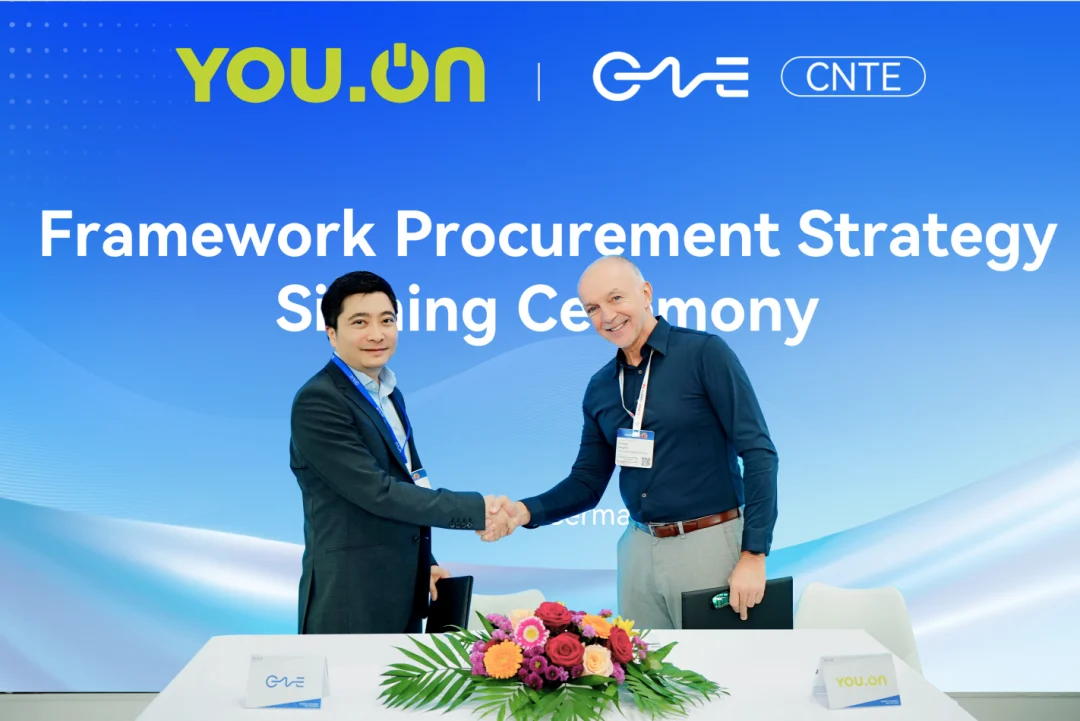
ซีเอ็นที & ท่าน ON เป็นพันธมิตรเพื่อขยายตลาดการจัดเก็บ
พค 19, 2025 -
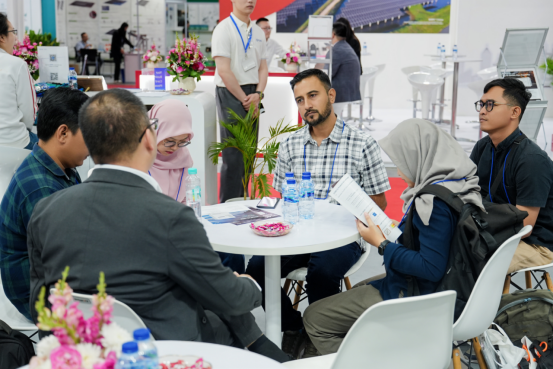
CNTE เปิดตัวกลุ่มผลิตภัณฑ์กักเก็บพลังงานที่ Solartech 2025
พค 19, 2025 -
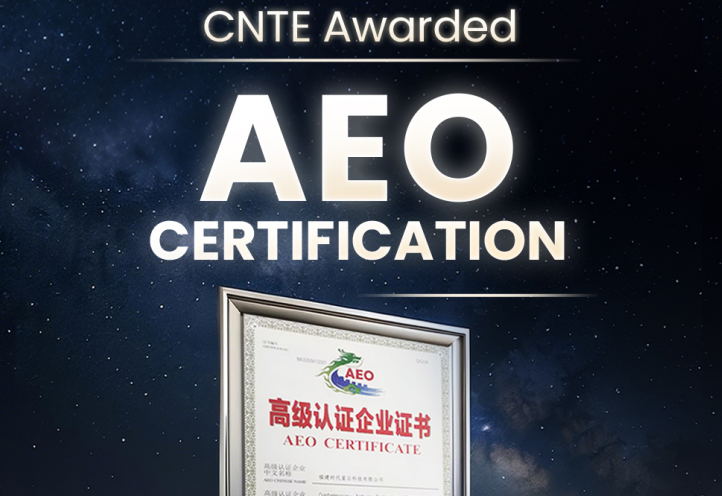
CNTE ได้รับการรับรอง AEO
มี.ค. 14, 2025
แท็ก
- 1 ที่เก็บแบตเตอรี่ MW
- 500 แบตเตอรี่ kw
- 500 ที่เก็บแบตเตอรี่ KW
- 500 ราคาแบตเตอรี่ KWH
- 500 ที่เก็บแบตเตอรี่ kWh
- 50KW ที่เก็บแบตเตอรี่พลังงานแสงอาทิตย์
- การผลิตแบตเตอรี่ขั้นสูง
- ระบบกักเก็บพลังงานขั้นสูง
- ความก้าวหน้าของแบตเตอรี่สําหรับการจัดเก็บพลังงานขนาดกลางและขนาดใหญ่
- แบตเตอรี่พลังงานแสงอาทิตย์ทั้งหมดในหนึ่งเดียว
- แบตเตอรี่ที่บ้าน
- การจัดเก็บพลังงานที่ใช้แบตเตอรี่
- ความจุของแบตเตอรี่สําหรับระบบสุริยะ
- ระบบจัดเก็บไฟฟ้าแบตเตอรี่
- ความจุพลังงานของแบตเตอรี่
- ราคาระบบจัดเก็บพลังงานแบตเตอรี่
- บ้านแบตเตอรี่พลังงานแสงอาทิตย์
- แบตเตอรี่ในระบบสุริยะ
- การติดตั้งแบตเตอรี่สําหรับพลังงานแสงอาทิตย์
- ระบบจัดการแบตเตอรี่สําหรับการใช้งานพลังงานแสงอาทิตย์
- ชุดแบตเตอรี่สําหรับระบบสุริยะในบ้าน
- ก้อนแบตเตอรี่สําหรับระบบสุริยะ
- บ้านชุดแบตเตอรี่
- ก้อนแบตเตอรี่ kWh
- ระบบจัดเก็บพลังงานแบตเตอรี่
- แอพพลิเคชั่นจัดเก็บแบตเตอรี่
- อุปกรณ์จัดเก็บแบตเตอรี่
- ที่เก็บแบตเตอรี่ kWh
- ราคาจัดเก็บแบตเตอรี่ต่อกิโลวัตต์ชั่วโมง
- โซลูชันการจัดเก็บแบตเตอรี่พลังงานแสงอาทิตย์
- ซัพพลายเออร์ที่เก็บแบตเตอรี่
- การออกแบบระบบจัดเก็บแบตเตอรี่
- แบตเตอรี่ที่สามารถจ่ายไฟให้กับบ้านได้
- แบตเตอรี่ไปยังกริด
- พลังงานแบตเตอรี่ BESS
- ระบบสุริยะ BESS
- พลังงานหมุนเวียนแบตเตอรี่ที่ดีขึ้น
- ที่เก็บแบตเตอรี่ขนาดใหญ่
- ซื้อที่เก็บแบตเตอรี่
- ซื้อที่เก็บแบตเตอรี่พลังงานแสงอาทิตย์
- สถานีชาร์จ
- แบตเตอรี่พลังงานแสงอาทิตย์ของจีน
- โซลูชั่นการจัดเก็บพลังงานสะอาด
- ที่เก็บแบตเตอรี่พลังงานแสงอาทิตย์เชิงพาณิชย์
- ที่เก็บพลังงานแสงอาทิตย์เชิงพาณิชย์
- ค่าใช้จ่ายในการจัดเก็บแบตเตอรี่สําหรับแผงโซลาร์เซลล์
- ต้นทุนระบบพลังงานแสงอาทิตย์และแบตเตอรี่
- ค่าใช้จ่ายในการจัดเก็บแบตเตอรี่พลังงานแสงอาทิตย์
- ระบบจัดเก็บแบตเตอรี่ไฟฟ้า
- นิทรรศการการจัดเก็บพลังงานไฟฟ้า
- ชุดแบตเตอรี่พลังงาน
- ความจุพลังงานของแบตเตอรี่
- การผลิตและการจัดเก็บพลังงาน
- ชุดแบตเตอรี่เก็บพลังงาน
- ราคาคอนเทนเนอร์เก็บพลังงาน
- การติดตั้งที่เก็บพลังงาน
- ระบบกักเก็บพลังงานแบตเตอรี่ลิเธียม
- ระบบกักเก็บพลังงานมาเลเซีย
- ราคาระบบกักเก็บพลังงาน
- ระบบกักเก็บพลังงานพลังงานแสงอาทิตย์
- แบตเตอรี่เทคโนโลยีพลังงาน
- ราคาแบตเตอรี่ ess
- ระบบแบตเตอรี่ ess
- แบตเตอรี่พลังงานแสงอาทิตย์ ess
- ระบบสุริยะ ess
- แบตเตอรี่ ess tech
- แบตเตอรี่ EV สําหรับเก็บพลังงานแสงอาทิตย์
- ที่เก็บพลังงานแสงอาทิตย์แบตเตอรี่ EV
- แบตเตอรี่ลิเธียมพลังงานสีเขียว
- แบตเตอรี่ความจุสูงสําหรับแผงโซลาร์เซลล์
- การจัดเก็บแบตเตอรี่ไฮบริด
- การจัดเก็บพลังงานในตัว
- เทคโนโลยีพลังงานแสงอาทิตย์
- ที่เก็บแบตเตอรี่ kWh
- แบตเตอรี่ขนาดใหญ่สําหรับเก็บพลังงานแสงอาทิตย์
- แบตเตอรี่ขนาดใหญ่สําหรับเก็บพลังงานแสงอาทิตย์
- ภาชนะเก็บแบตเตอรี่ขนาดใหญ่
- ระบบจัดเก็บแบตเตอรี่ขนาดใหญ่
- ที่เก็บข้อมูลขนาดใหญ่
- ที่เก็บแบตเตอรี่พลังงานแสงอาทิตย์ขนาดใหญ่
- ระบบจัดเก็บแบตเตอรี่พลังงานแสงอาทิตย์ขนาดใหญ่
- แบตเตอรี่เก็บพลังงานแสงอาทิตย์ขนาดใหญ่
- แบตเตอรี่เชิงพาณิชย์ที่ใหญ่ที่สุด
- ที่เก็บแบตเตอรี่พลังงานแสงอาทิตย์ที่ใหญ่ที่สุด
- แบตเตอรี่พลังงานแสงอาทิตย์ล่าสุด
- ระบบจัดเก็บพลังงานแบตเตอรี่ LiFePO4
- แบตเตอรี่ลิเธียมสําหรับระบบสุริยะนอกกริด
- แบตเตอรี่ลิเธียมจากประเทศจีน
- แบตเตอรี่ลิเธียมสําหรับพลังงานแสงอาทิตย์นอกกริด
- แบตเตอรี่ลิเธียมสําหรับราคาระบบสุริยะ
- ที่เก็บแบตเตอรี่ลิเธียมในบ้าน
- ชุดแบตเตอรี่ลิเธียมสําหรับแผงโซลาร์เซลล์
- ที่เก็บแบตเตอรี่เมกะวัตต์
- ที่เก็บแบตเตอรี่ใหม่
- ที่เก็บแบตเตอรี่พลังงานแสงอาทิตย์นอกกริด
- บนแบตเตอรี่กริด
- ที่เก็บแบตเตอรี่บนกริด
- การรวมที่เก็บข้อมูลแบบออปติคัล
- การจัดเก็บพลังงานกลางแจ้ง
- ตู้แบตเตอรี่พลังงานแสงอาทิตย์กลางแจ้ง
- ที่เก็บแบตเตอรี่ PCS
- ระบบแบตเตอรี่ PCS
- ระบบจัดเก็บพลังงานไฟฟ้าโซลาร์เซลล์
- การจัดเก็บพลังงานแบบ Plug and Play
- พลังงานและการจัดเก็บ
- การจัดเก็บพลังงาน
- พลังงานแพ็คพลังงาน
- เซลล์เก็บพลังงาน
- ราคาต่อที่เก็บแบตเตอรี่กิโลวัตต์ชั่วโมง
- แผงโซลาร์เซลล์ PV และที่เก็บแบตเตอรี่
- ที่เก็บแบตเตอรี่ Q Cell
- ที่เก็บแบตเตอรี่อัจฉริยะ
- สุริยะ & ระบบแบตเตอรี่
- แบตเตอรี่พลังงานแสงอาทิตย์และลิเธียม
- แบตเตอรี่พลังงานแสงอาทิตย์ภายในบ้าน
- แบตเตอรี่พลังงานแสงอาทิตย์
- ภาชนะบรรจุแบตเตอรี่พลังงานแสงอาทิตย์
- แบตเตอรี่พลังงานแสงอาทิตย์ kWh
- ผู้ผลิตแบตเตอรี่พลังงานแสงอาทิตย์ในประเทศจีน
- โมดูลแบตเตอรี่พลังงานแสงอาทิตย์
- ตู้เก็บแบตเตอรี่พลังงานแสงอาทิตย์
- ความจุในการจัดเก็บแบตเตอรี่พลังงานแสงอาทิตย์
- ภาชนะเก็บแบตเตอรี่พลังงานแสงอาทิตย์
- ผู้ผลิตที่เก็บแบตเตอรี่พลังงานแสงอาทิตย์
- แบตเตอรี่พลังงานแสงอาทิตย์เพื่อจ่ายไฟให้กับบ้าน
- การจัดเก็บเซลล์แสงอาทิตย์
- ความจุในการจัดเก็บแบตเตอรี่พลังงานแสงอาทิตย์
- ระบบจัดเก็บแบตเตอรี่พลังงานแสงอาทิตย์
- แบตเตอรี่ลิเธียมพลังงานแสงอาทิตย์
- การจัดเก็บและการใช้งานพลังงานแสงอาทิตย์
- ราคาแบตเตอรี่เก็บพลังงานแสงอาทิตย์
- ราคาระบบจัดเก็บพลังงานแสงอาทิตย์
- เทคโนโลยีการจัดเก็บพลังงานแสงอาทิตย์
- ประเภทการจัดเก็บพลังงานแสงอาทิตย์
- พลังงานแสงอาทิตย์เพื่อจัดเก็บแบตเตอรี่
- ระบบ Solar ESS
- แบตเตอรี่กริดพลังงานแสงอาทิตย์
- ระบบแบตเตอรี่พลังงานแสงอาทิตย์
- ราคาแบตเตอรี่บ้านพลังงานแสงอาทิตย์
- แบตเตอรี่ติดตั้งพลังงานแสงอาทิตย์
- การติดตั้งพลังงานแสงอาทิตย์ด้วยแบตเตอรี่
- แบตเตอรี่พลังงานแสงอาทิตย์หนึ่งก้อน
- ความจุแบตเตอรี่แผงโซลาร์เซลล์
- ราคาจัดเก็บแบตเตอรี่แผงโซลาร์เซลล์
- แบตเตอรี่เก็บพลังงานแผงโซลาร์เซลล์
- ระบบจัดเก็บพลังงานแผงโซลาร์เซลล์
- ที่เก็บแบตเตอรี่ลิเธียมแผงโซลาร์เซลล์
- ระบบจัดเก็บพลังงานแผงโซลาร์เซลล์
- แผงโซลาร์เซลล์และระบบจัดเก็บแบตเตอรี่
- แผงโซลาร์เซลล์พร้อมราคาเก็บแบตเตอรี่
- แบตเตอรี่โรงไฟฟ้าพลังงานแสงอาทิตย์
- แบตเตอรี่โรงไฟฟ้าพลังงานแสงอาทิตย์
- บริษัทจัดเก็บพลังงานแสงอาทิตย์
- พลังงานแสงอาทิตย์ PV และระบบจัดเก็บแบตเตอรี่
- ระบบพลังงานแสงอาทิตย์พร้อมที่เก็บแบตเตอรี่
- โซลูชั่นการจัดเก็บพลังงานแสงอาทิตย์
- ระบบสุริยะและที่เก็บแบตเตอรี่
- พลังงานแสงอาทิตย์พร้อมระบบแบตเตอรี่
- พลังงานแสงอาทิตย์พร้อมที่เก็บแบตเตอรี่ลิเธียม
- ระบบกักเก็บพลังงานแบบสแตนด์อโลน
- แบตเตอรี่พลังงานจัดเก็บ
- เก็บแบตเตอรี่
