
การติดตั้งระบบกักเก็บพลังงาน: วิศวกรรม, ความปลอดภัย & การปฏิบัติตามข้อกำหนดสำหรับโครงการ B2B
การดำเนินการติดตั้ง ระบบจัดเก็บพลังงาน ขนาดใหญ่ต้องการมากกว่าการจัดหาผลิตภัณฑ์—มันต้องการการรวมระบบที่แม่นยำ การปรับโครงสร้างพื้นฐานทางไฟฟ้า และการตรวจสอบความปลอดภัยอย่างเข้มงวด สำหรับนักพัฒนาโครงการ B2B ผู้รับเหมา EPC และผู้ดำเนินการสถานที่ ทุกขั้นตอนตั้งแต่การศึกษาความเป็นไปได้ไปจนถึงการเปิดใช้งานจะต้องพิจารณาข้อจำกัดของสถานที่ รหัสท้องถิ่น และความเชื่อถือได้ในการดำเนินงานระยะยาว CNTE (Contemporary Nebula Technology Energy Co., Ltd.) นำเสนอทางออกด้านวิศวกรรมแบบครบวงจรที่เชื่อมช่องว่างระหว่างประสิทธิภาพของเซลล์แบตเตอรี่และความทนทานของสินทรัพย์ที่พิสูจน์แล้วในสนาม
คู่มือนี้ตรวจสอบตัวแปรทางเทคนิคที่กำหนดการติดตั้ง ระบบจัดเก็บพลังงาน ที่ประสบความสำเร็จ รวมถึงการเลือกท็อปอโลยีไฟฟ้า กลยุทธ์การจัดการความร้อน การประสานการป้องกัน และความปลอดภัยทางไซเบอร์สำหรับทรัพยากรพลังงานที่กระจาย เราจะวิเคราะห์จุดเจ็บปวดเฉพาะภาคพร้อมกับการควบคุมทางวิศวกรรมที่สอดคล้อง—อิงจากข้อมูลในสนามและมาตรฐานสากล (IEC 62477, UL 9540, NFPA 855) ไม่ว่าคุณจะวางแผนการตัดยอดพลังงานหลังมิเตอร์หรือการควบคุมความถี่หน้ามิเตอร์ วิธีปฏิบัติเหล่านี้จะช่วยให้มั่นใจในประสิทธิภาพของระบบที่สามารถนำไปใช้ได้
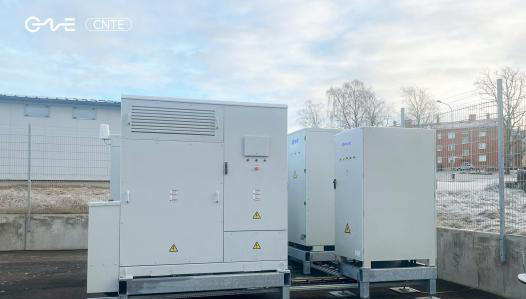
สารบัญ cntepower 1 1. เลเยอร์เทคนิคหลักในระบบจัดเก็บพลังงานสมัยใหม่ 2 2. ความท้าทายเฉพาะแอปพลิเคชัน & การควบคุมทางวิศวกรรม 2.1 2.1 การผลิต & การตัดยอดพลังงานในอุตสาหกรรม 2.2 2.2 การเสริมความมั่นคงของพลังงานหมุนเวียน & บริการเสริมกริด 2.3 2.3 การดำเนินงานไมโครกริด & การทำงานแบบเกาะ 3 3. ขั้นตอนการติดตั้งแบบทีละขั้นตอนตามรหัสระหว่างประเทศ 4 4. การบรรเทาอันตราย & วิศวกรรมความปลอดภัยจากไฟสำหรับการติดตั้ง BESS 5 5. การเพิ่มประสิทธิภาพหลังการติดตั้งและกลยุทธ์การบำรุงรักษาเชิงพยากรณ์ 6 6. การเตรียมความพร้อมในอนาคตผ่านการติดตั้งแบบโมดูลาร์และพร้อมใช้งานแบบไฮบริด 7 คำถามที่พบบ่อย (FAQs) เกี่ยวกับการติดตั้งระบบเก็บพลังงาน 7.1 Q1: ระยะเวลาปกติสำหรับการติดตั้งระบบเก็บพลังงานในระดับเชิงพาณิชย์ตั้งแต่การประเมินสถานที่ไปจนถึงวันที่เริ่มดำเนินการเชิงพาณิชย์ (COD) คืออะไร? 7.2 Q2: อุปกรณ์ป้องกันไฟฟ้าใดบ้างที่จำเป็นสำหรับการติดตั้งระบบเก็บพลังงานที่เป็นไปตามมาตรฐาน? 7.3 Q3: อุณหภูมิแวดล้อมและความสูงมีผลกระทบต่อการออกแบบการติดตั้งระบบเก็บพลังงานอย่างไร? 7.4 Q4: ความแตกต่างหลักระหว่างการติดตั้งระบบเก็บพลังงานแบบ AC‑coupled และ DC‑coupled สำหรับการติดตั้งระบบพลังงานแสงอาทิตย์แบบปรับปรุง คืออะไร? 7.5 Q5: เอกสารใดบ้างที่จำเป็นสำหรับการติดตั้งระบบเก็บพลังงานเพื่อให้ตรงตามข้อกำหนดของบริษัทประกันภัยและเงื่อนไขการรับประกัน? 8 พร้อมที่จะเพิ่มประสิทธิภาพการติดตั้งระบบเก็บพลังงานครั้งถัดไปของคุณหรือยัง?
1. เลเยอร์เทคนิคหลักในระบบเก็บพลังงานสมัยใหม่
การติดตั้ง ระบบเก็บพลังงาน ที่มีความแข็งแกร่งจะรวมเลเยอร์ที่พึ่งพากันห้าชั้น ได้แก่ แร็คแบตเตอรี่ ระบบแปลงพลังงาน (PCS) ระบบจัดการแบตเตอรี่ (BMS) ระบบจัดการพลังงาน (EMS) และส่วนประกอบสมดุลของระบบ (BoS) การออกแบบที่ไม่ดีในเลเยอร์ใด ๆ จะส่งผลกระทบต่อวงจรชีวิตของสินทรัพย์ทั้งหมด ทำให้เกิดการลดความจุอย่างรวดเร็วหรือการประสานงานการป้องกันที่ไม่ถูกต้อง ด้านล่างนี้คือระบบย่อยที่สำคัญที่ต้องการการตรวจสอบทางวิศวกรรม:
โครงสร้างการจัดเก็บแบตเตอรี่ & DC bus – กำหนดระดับกระแสลัดวงจร, ความสมดุลของอิมพีแดนซ์ขนาน, และการเข้าถึงสำหรับการบรรเทาความร้อนสูงเกินไป.
การเชื่อมต่อ DC/AC แรงดันสูง – ส่งผลต่อประสิทธิภาพการแปลงและการบิดเบือนฮาร์มอนิก; ตัวเลือกการแยกแบบไม่มีหม้อแปลงกับความถี่ต่ำส่งผลต่อใบอนุญาตการเชื่อมต่อกับกริด.
การสื่อสาร BMS & การสอบเทียบ SoC/SoH แบบเรียลไทม์ – ป้องกันสภาวะแรงดันสูงเกินไปและต่ำเกินไปของเซลล์; ลิงก์ CAN/Modbus TCP ที่ซ้ำซ้อนช่วยลดจุดล้มเหลวเดียว.
การป้องกันความร้อนสูงเกินไป & ระบบการดับเพลิง – รวมถึงการดับเพลิงด้วยอากาศหรือหมอกน้ำ, เส้นทางการระบายอากาศ, และการตรวจจับก๊าซที่รวมอยู่ในกลยุทธ์ HVAC.
ผู้รวมระบบที่มีประสบการณ์เช่น CNTE ทำการจำลองฟิสิกส์หลายมิติเพื่อตรงกับการจัดอันดับของส่วนประกอบกับระดับกระแสลัดวงจรในสถานที่และโปรไฟล์อุณหภูมิแวดล้อม การวิเคราะห์ก่อนการติดตั้งนี้ช่วยลดคำสั่งเปลี่ยนแปลงได้เกือบ 35% ในโครงการที่บรรจุในตู้คอนเทนเนอร์ ซึ่งส่งผลโดยตรงต่อค่าใช้จ่ายในการจัดเก็บที่ปรับระดับ (LCOS).
2. ความท้าทายเฉพาะแอปพลิเคชัน & มาตรการทางวิศวกรรม
แต่ละสถานการณ์มีข้อจำกัดที่แตกต่างกันในกระบวนการ การติดตั้งการจัดเก็บพลังงาน ตารางด้านล่างแสดงสภาพแวดล้อมการใช้งานทั่วไป, จุดเจ็บปวด, และโซลูชันทางเทคนิคที่ได้รับการตรวจสอบในสินทรัพย์ที่ใช้งาน.
2.1 การผลิต & การลดพีคในอุตสาหกรรม
สถานที่ที่มีความต้องการสูงเผชิญกับค่าใช้จ่ายตามความต้องการที่คิดเป็น 30–60% ของบิลค่าไฟฟ้า. ระบบจัดเก็บ ต้องตอบสนองต่อการเพิ่มขึ้นของโหลดในทันทีในขณะที่จำกัดการนำเข้าจากกริด ความเสี่ยงหลักในระหว่างการติดตั้งรวมถึงการวาง CT ที่ไม่เหมาะสมสำหรับการตรวจสอบโหลดและการประสานงานที่ไม่เพียงพอกับเครื่องกำเนิดดีเซลที่มีอยู่ มาตรการที่แนะนำ:
ดำเนินการโปรไฟล์โหลด 12 เดือนเพื่อกำหนดขนาดพลังงานของอินเวอร์เตอร์เทียบกับความจุพลังงาน.
ติดตั้ง ตัวควบคุมที่ซิงโครไนซ์พร้อมอัลกอริธึมติดตามโหลด เพื่อหลีกเลี่ยงการไหลย้อนกลับของพลังงาน.
รวมสวิตช์ลดอาร์คแฟลชที่จุดการเชื่อมต่อทั่วไป (PCC).
2.2 การเสริมความมั่นคงของพลังงานหมุนเวียน & บริการเสริมกริด
โรงไฟฟ้าพลังงานแสงอาทิตย์พร้อมการจัดเก็บหรือโรงไฟฟ้าพลังงานลมแบบไฮบริดต้องการอินเวอร์เตอร์ที่มีการตอบสนองเร็ว (ต่ำกว่า 50 มิลลิวินาที) สำหรับการสำรองความถี่ (FCR) ความซับซ้อนในการติดตั้งเกิดจากการตั้งค่าระบบป้องกัน, ระยะห่างระหว่างอินเวอร์เตอร์ PV และ BESS, และความล่าช้าของ SCADA แนวทางปฏิบัติที่ดีที่สุดรวมถึง:
การติดตั้ง ยูนิตวงแหวนที่มีการป้องกันกระแสเกินทิศทาง เพื่อหลีกเลี่ยงการทริปที่ไม่พึงประสงค์ในระหว่างความผิดปกติของกริด.
การใช้ลูปการสื่อสารไฟเบอร์ออปติกที่แข็งแกร่งระหว่าง EMS และแต่ละกลุ่มแบตเตอรี่.
การทดสอบแบบปิดวงจรตั้งแต่ต้นจนจบเพื่อให้เป็นไปตามข้อกำหนดของกริด (เช่น, การผ่านแรงดันต่ำ).
2.3 ไมโครกริด & การดำเนินงานแบบเกาะ
สถานที่ห่างไกล (การขุด, เกาะ) ขึ้นอยู่กับการจัดเก็บเพื่อความเสถียรของแรงดันไฟฟ้าและความถี่ในระหว่างการหยุดทำงานของเครื่องกำเนิดไฟฟ้า การติดตั้งต้องมั่นใจว่ามีการเปลี่ยนแปลงระหว่างโหมดที่เชื่อมต่อกับกริดและโหมดเกาะอย่างราบรื่น ขั้นตอนการติดตั้งที่สำคัญ: การตรวจสอบความสามารถในการเริ่มต้นดำเนินการโดยไม่มีแหล่งจ่ายไฟ, เส้นทางการสื่อสารสำรอง, และการปรับตั้งการลดลงของผู้ควบคุมให้สอดคล้องกับชุดดีเซล CNTE ได้ติดตั้งตัวควบคุมไมโครกริดที่สามารถเริ่มต้นดำเนินการโดยไม่มีแหล่งจ่ายไฟโดยอัตโนมัติ ลดเวลาการทำงานของเครื่องกำเนิดไฟฟ้าลง 70% ในโครงการต่างๆ ทั่วเอเชียตะวันออกเฉียงใต้
3. ขั้นตอนการติดตั้งแบบทีละขั้นตอนตามรหัสระหว่างประเทศ
การดำเนินการอย่างเป็นระบบป้องกันการเกินงบประมาณและความล่าช้าในการเริ่มใช้งาน การติดตั้ง การจัดเก็บพลังงาน ที่เข้มงวดจะปฏิบัติตามระเบียบวิธีแบบแบ่งขั้นตอนที่สอดคล้องกับ IEC 61936‑1 และ NFPA 855:
การสำรวจสถานที่ & การเตรียมงานก่อสร้าง – ประเมินความต้านทานของดินสำหรับการออกแบบการต่อสายดิน, ความเรียบของแผ่นคอนกรีต (±3 มม. ในระยะ 3 ม.), และการแบ่งเขตแผ่นดินไหว (IBC 2021).
การประกอบล่วงหน้า & การรวมกลไก – ยกหน่วยที่บรรจุในภาชนะโดยใช้บาร์กระจายเพื่อลดความเครียดทางโครงสร้าง; การขันน็อตที่ควบคุมแรงบิดสำหรับการเชื่อมต่อชั้นแบตเตอรี่.
การเดินสายไฟฟ้า DC และ AC – แยกสายควบคุมและสายไฟ (≥300 มม. ระยะห่าง) เพื่อลด EMI; ใช้ขั้วต่อที่มีการเข้ารหัสสีตาม NEC 2023 บทความ 706.
การเริ่มใช้งาน & การทดสอบประสิทธิภาพการทำงาน – ความต้านทานการเป็นฉนวนของแบตเตอรี่ (>1 MOhm), การตรวจสอบขั้ว, การตรวจจับการเชื่อมต่อของคอนแทคเตอร์, และการปรับสมดุลสถานะการชาร์จ.
การเชื่อมต่อกับกริด & การประสานการป้องกัน – การตรวจสอบการตั้งค่าของรีเลย์ตามข้อกำหนดการป้องกันการแยกตัวของสาธารณูปโภค (IEEE 1547‑2018).
ตลอดระยะเหล่านี้ วิศวกรประจำสถานที่จะต้องบันทึกแผนผังสายเดียวที่สร้างขึ้นจริงและอัปเดต EMS ด้วยพารามิเตอร์อุปกรณ์จริง การใช้ เครื่องมือการเริ่มใช้งานดิจิทัล (ซอฟต์แวร์การเริ่มใช้งาน BESS) ช่วยลดข้อผิดพลาดของมนุษย์และสร้างเส้นทางที่สามารถตรวจสอบได้สำหรับผู้ประกันภัย.
4. การบรรเทาอันตราย & วิศวกรรมความปลอดภัยจากอัคคีภัยสำหรับการติดตั้ง BESS
เหตุการณ์ในอุตสาหกรรมล่าสุดเน้นย้ำว่าการติดตั้ง การจัดเก็บพลังงาน ที่ดำเนินการไม่ดีสามารถนำไปสู่อุบัติการณ์ความร้อนที่เกิดขึ้นซ้ำได้ การควบคุมอันตรายเชิงรุกจะรวมสามอุปสรรค: การออกแบบระดับเซลล์, การตรวจสอบที่ใช้งานอยู่, และการป้องกันอัคคีภัยแบบพาสซีฟ มาตรการที่ไม่สามารถเจรจาได้รวมถึง:
การตรวจจับก๊าซ – เซ็นเซอร์อิเล็กโทรเคมีสำหรับ CO, H₂, และสารประกอบอินทรีย์ระเหย (VOC) พร้อมการเริ่มต้นการระบายอากาศก่อนที่ขีดจำกัดการระเบิดต่ำสุด (LEL) จะถึง 25%.
การระบายอากาศแบบเดฟลิเกรชั่น – แผงระบายความดันตาม NFPA 68, ขนาดตามปริมาตรของตู้และอัตราการสร้างก๊าซ.
การปิดเครื่องจากระยะไกล & อินเตอร์เฟซการตอบสนองฉุกเฉิน – EPO (ปิดไฟฉุกเฉิน) ที่มีสายไฟติดตั้งอยู่ภายนอกขอบเขตของ BESS.
ระยะห่างในการแยก – รักษาระยะห่าง ≥ 3 ม. ระหว่างแถวของภาชนะหรือติดตั้งผนังที่มีการจัดอันดับไฟ 2 ชั่วโมง.
CNTE ออกแบบตู้ BESS ของตนด้วยการแมพอุณหภูมิหลายโซนและการระงับละอองที่รวมอยู่ ซึ่งได้รับการตรวจสอบผ่านการทดสอบการแพร่กระจายความร้อน UL 9540A เอกสารการติดตั้งทั้งหมดจะทำเครื่องหมายจุดเข้าถึงของนักดับเพลิงและสถานีปล่อยด้วยมืออย่างชัดเจน—ข้อกำหนดที่มักถูกมองข้ามแต่สำคัญต่อการอนุมัติจากหน่วยงานท้องถิ่นที่มีอำนาจ (AHJ).
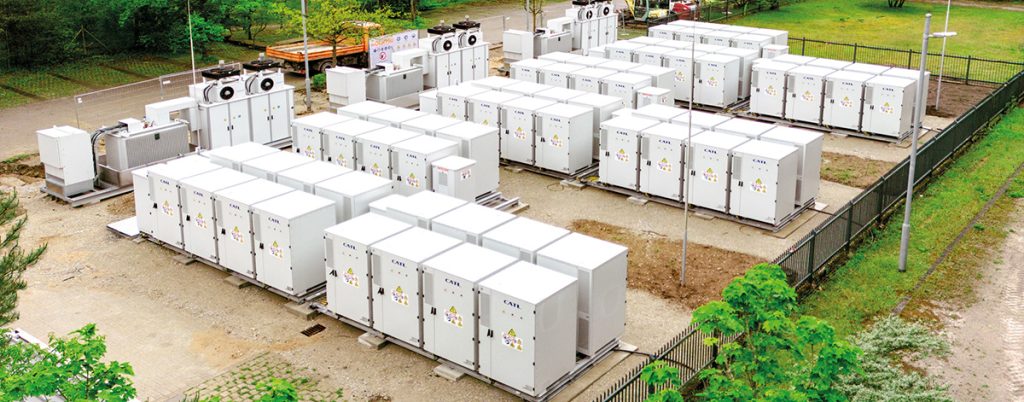
5. การปรับแต่งหลังการติดตั้ง & กลยุทธ์การบำรุงรักษาคาดการณ์
คุณค่าของสินทรัพย์การจัดเก็บจะปรากฏหลังจากการเชื่อมต่อกับกริด อย่างไรก็ตาม การเสื่อมประสิทธิภาพ (การเสื่อมอายุตามปฏิทิน, การเสื่อมอายุแบบวัฏจักร, ความเบี่ยงเบนของ SoH) จะเกิดขึ้นภายในไม่กี่เดือน เว้นแต่จะมีการติดตามอย่างกระตือรือร้น กิจกรรมหลักหลังการติดตั้งมีดังนี้:
การวิเคราะห์ EMS ระยะไกล – ตรวจจับสายเซลล์ที่อ่อนแอโดยอัตโนมัติด้วยการเปรียบเทียบแนวโน้มความต้านทานภายใน.
การทดสอบความจุเป็นระยะ – ทำการทดสอบวงจรบางส่วนประจำปี (เช่น การปล่อยพลังงาน 2 ชั่วโมงที่อัตรา C ที่กำหนด) เพื่อติดตาม SoH เทียบกับเกณฑ์การรับประกัน.
การปรับเทียบความร้อนอย่างกระตือรือร้น – ปรับจุดตั้งค่าการทำความเย็นตามข้อมูลสภาพแวดล้อมตามฤดูกาล; หลีกเลี่ยงการควบแน่นภายในช่อง HV.
การใช้ การคาดการณ์สถานะที่ใช้การเรียนรู้ของเครื่องสำหรับอายุการใช้งานที่เหลือ (RUL) ช่วยให้ผู้ปฏิบัติงานสามารถกำหนดเวลาการบำรุงรักษาในช่วงเวลาที่มีรายได้ต่ำ ลดการหยุดทำงานที่บังคับลงได้ 40% นอกจากนี้ การอัปเดตเฟิร์มแวร์เป็นประจำให้กับ PCS และ EMS ยังช่วยให้มั่นใจว่าปฏิบัติตามข้อกำหนดกริดที่พัฒนาอย่างต่อเนื่อง—ซึ่งสำคัญโดยเฉพาะสำหรับตลาดการตอบสนองความถี่.
6. การเตรียมความพร้อมสำหรับอนาคตผ่านการติดตั้งแบบโมดูลาร์ & ไฮบริด-พร้อม
การติดตั้งการจัดเก็บพลังงานไม่ควรทำให้เจ้าของสินทรัพย์ติดอยู่กับสถาปัตยกรรมที่ตายตัว การออกแบบแบบโมดูลาร์ช่วยให้สามารถขยายความจุ (พลังงานหรือพลังงาน) ได้ด้วยความพยายามในการเริ่มต้นใหม่ที่น้อยที่สุด รูปแบบการออกแบบหลักมีดังนี้:
หน้าต่างแรงดันไฟฟ้าของ DC bus มาตรฐาน (เช่น 1200‑1500 Vdc) เพื่อรองรับเซลล์ลิเธียม-เหล็ก-ฟอสเฟต (LFP) หรือโซเดียม-ไอออนที่มีความหนาแน่นสูงในอนาคต.
ตู้แบตเตอรี่แบบปลั๊กและเล่น ที่มีพื้นผิวทางกลที่ออกแบบล่วงหน้าและโปรไฟล์การสื่อสาร CANopen.
ความเข้ากันได้ของอินเวอร์เตอร์แบบไฮบริด – จัดสรรพื้นที่สำหรับตัวควบคุมการชาร์จพลังงานแสงอาทิตย์แบบ DC-coupled โดยไม่ต้องศึกษาคำนวณการเกิดอาร์คใหม่.
เมื่อวางแผนความยืดหยุ่นดังกล่าว ทีมงานโครงการควรรักษาความจุสำรอง 15–20% ในอุปกรณ์สวิตช์และหม้อแปลงสำหรับบล็อกพลังงานในอนาคต CNTE แพลตฟอร์มการจัดเก็บแบบโมดูลาร์จัดส่งพร้อม EMS ที่กำหนดโดยซอฟต์แวร์ซึ่งสามารถรับรู้คลัสเตอร์ที่เพิ่มเข้ามาโดยอัตโนมัติ ทำให้ไม่ต้องมีค่าใช้จ่ายในการโปรแกรมใหม่ของตัวควบคุม.
คำถามที่พบบ่อย (FAQs) เกี่ยวกับการติดตั้งการจัดเก็บพลังงาน
Q1: ระยะเวลาปกติสำหรับการติดตั้งการจัดเก็บพลังงานในระดับเชิงพาณิชย์ตั้งแต่การประเมินสถานที่จนถึงวันที่เริ่มดำเนินการเชิงพาณิชย์ (COD) คืออะไร?
A1: สำหรับระบบที่บรรจุในตู้คอนเทนเนอร์ขนาด 1‑10 MWh ระยะเวลาจะอยู่ระหว่าง 14 ถึง 24 สัปดาห์ ซึ่งรวมถึง 2‑3 สัปดาห์สำหรับวิศวกรรมรายละเอียดและใบอนุญาต, 4‑6 สัปดาห์สำหรับงานโยธาและฐานรากคอนกรีต, 3‑4 สัปดาห์สำหรับการติดตั้งทางกลและไฟฟ้า, และ 2‑3 สัปดาห์สำหรับการทดสอบการเริ่มต้นและการเชื่อมต่อกับกริด โครงการที่ซับซ้อนในระดับสาธารณูปโภค (≥50 MWh) อาจใช้เวลานานถึง 9‑12 เดือนเนื่องจากการศึกษาการส่งผ่านและการประสานงานการป้องกันกับผู้ดำเนินการกริดในภูมิภาค.
Q2: อุปกรณ์ป้องกันไฟฟ้าใดบ้างที่จำเป็นสำหรับการติดตั้งระบบเก็บพลังงานที่เป็นไปตามมาตรฐาน?
A2: อุปกรณ์ที่จำเป็นประกอบด้วย: (1) สวิตช์ตัดไฟฟ้าชนิดฟิวส์หรือเบรกเกอร์วงจรชนิดเคสหล่อ (MCCB) ที่ระดับแบตเตอรี่ตาม UL 489, (2) การตรวจจับความผิดปกติของดินที่มีความไว ≤ 30 mA เพื่อป้องกันบุคลากร, (3) อุปกรณ์ป้องกันการกระชากชนิดที่ 2 (SPD) ที่ด้าน AC และ DC, (4) คอนแทคเตอร์ DC ที่ทำงานเร็วพร้อมช่องอาร์คสำหรับการหยุดกระแสเกิน, และ (5) เครื่องตรวจสอบกระแสเหลือ (RCM) สำหรับระบบที่ไม่มีการต่อดิน หลายหน่วยงานตรวจสอบท้องถิ่นยังต้องการสวิตช์มีดแบบแมนนวลภายนอกสำหรับการแยกทางสายตา.
Q3: อุณหภูมิแวดล้อมและความสูงส่งผลต่อการออกแบบการติดตั้งระบบเก็บพลังงานอย่างไร?
A3: ประสิทธิภาพของแบตเตอรี่จะลดลงอย่างมีนัยสำคัญเมื่ออยู่นอกช่วง 15–30°C สำหรับการติดตั้งที่สูงกว่า 2000 เมตร ประสิทธิภาพการระบายความร้อนจะลดลงเนื่องจากความหนาแน่นของอากาศที่ต่ำ—ระบบ HVAC ของตู้ต้องขยายขนาดขึ้น 10‑12% ต่อ 1000 เมตร นอกจากนี้ สถานที่ที่มีความสูงจะลดความต้านทานไฟฟ้าของอากาศ ทำให้ต้องมีระยะห่างที่เพิ่มขึ้นสำหรับบาร์ DC (คูณระยะทาง ANSI C37.06 ด้วย 1.2 สำหรับ 3000 เมตร). ตู้ที่ทนต่ออุณหภูมิ CNTE ใช้การระบายความร้อนที่ใช้สารทำความเย็นและช่องระบายอากาศที่ชดเชยแรงดันสำหรับการทำงานจาก -30°C ถึง +50°C.
Q4: ความแตกต่างหลักระหว่างการติดตั้งระบบเก็บพลังงานแบบ AC-coupled และ DC-coupled สำหรับการปรับปรุงโซลาร์ PV คืออะไร?
A4: การติดตั้งแบบ AC-coupling จะติดตั้ง BESS ที่ด้านโหลดของอินเวอร์เตอร์ PV ทำให้การปรับปรุงง่ายขึ้น (ไม่มีการปรับเปลี่ยนสาย DC ของโซลาร์) อย่างไรก็ตาม ประสิทธิภาพการทำงานรอบทิศทางจะต่ำกว่า (≈86‑89%) เนื่องจากการแปลงสองครั้ง (PV DC→AC แล้ว AC→DC→AC สำหรับการเก็บพลังงาน) การติดตั้งแบบ DC-coupling จะเชื่อมต่อแบตเตอรี่ที่บัส DC ร่วมระหว่างแผง PV และอินเวอร์เตอร์ ทำให้มีประสิทธิภาพสูงขึ้น (≈94‑96%) แต่ต้องการอินเวอร์เตอร์แบบไฮบริดและการจัดเรียงใหม่ของแผงโซลาร์ สำหรับการติดตั้งที่มีอยู่ซึ่งไม่มีพื้นที่สำหรับการเดินสายใหม่ การติดตั้งแบบ AC-coupled จะได้รับความนิยมมากกว่า; การก่อสร้างใหม่จะสนับสนุนการติดตั้งแบบ DC-coupled เพื่อให้ได้ LCOS ที่ดีกว่า.
Q5: เอกสารใดบ้างที่จำเป็นสำหรับการติดตั้งระบบเก็บพลังงานเพื่อให้เป็นไปตามข้อกำหนดของบริษัทประกันภัยและเงื่อนไขการรับประกัน?
A5: เอกสารขั้นต่ำประกอบด้วย: แบบแปลนวิศวกรรมที่มีตราประทับ (แบบเส้นเดียว, P&ID, แผนการต่อดิน); รายงานการทดสอบการรับรองจากโรงงาน (FAT) สำหรับโมดูลแบตเตอรี่และ PCS; โปรโตคอลการทดสอบการรับรองสถานที่ (SAT) ที่ลงนามโดยวิศวกรที่รับผิดชอบ; รายงานการตรวจสอบความร้อน (การทำแผนที่อุณหภูมิภายใต้โหลด); ผลการศึกษาเกี่ยวกับการประสานการป้องกัน; ไฟล์การกำหนดค่าระบบ BMS/EMS ที่สร้างเสร็จแล้ว; และการวิเคราะห์การลดความเสี่ยง (รวมถึงการสร้างแบบจำลองการระเบิด) บริษัทประกันภัยหลายแห่งยังต้องการรายงานการสแกน IR รายไตรมาสสำหรับการเชื่อมต่อที่ใช้สกรูเป็นข้อกำหนดสำหรับการคุ้มครองเหตุการณ์ความร้อน.
พร้อมที่จะเพิ่มประสิทธิภาพการติดตั้งพลังงานเก็บสำรองครั้งถัดไปของคุณหรือไม่?
การติดตั้ง พลังงานเก็บสำรอง ที่ออกแบบมาอย่างเหมาะสมช่วยลด LCOS, รับประกันความปลอดภัย และทำให้สามารถสร้างรายได้จากบริการกริดหลายประเภทได้ CNTE (Contemporary Nebula Technology Energy Co., Ltd.) ให้การสนับสนุนทางเทคนิคแบบครบวงจร ตั้งแต่การศึกษาความเป็นไปได้เบื้องต้น การออกแบบโซลูชันที่บรรจุในตู้คอนเทนเนอร์ ไปจนถึงการเปิดใช้งาน vor ที่ไซต์งานและการตรวจสอบประสิทธิภาพจากระยะไกล อ้างอิงโครงการของเรารวมถึงการลดพีคในอุตสาหกรรม (ลดความต้องการได้สูงสุดถึง 85%) การควบคุมความถี่ของสาธารณูปโภค (ตอบสนอง<40 ms="">
ส่งความต้องการโครงการของคุณเพื่อรับแผนผังระบบเบื้องต้น แผนการประสานงานการป้องกัน และแผนงานการปฏิบัติตามที่ปรับให้เข้ากับรหัสกริดในท้องถิ่นของคุณ ติดต่อทีมวิศวกรรมของเราวันนี้เพื่อขอคำปรึกษาทางเทคนิคโดยไม่มีข้อผูกพัน.
📧 สอบถาม: cntepower@cntepower.com | 🌐 https://en.cntepower.com/
กรุณาให้โปรไฟล์โหลด ที่อยู่ไซต์งาน และแรงดันไฟฟ้าการเชื่อมต่อสาธารณูปโภค—เราจะตอบกลับด้วยการออกแบบที่ละเอียดภายใน 5 วันทำการ.
ติดต่อเรา
โพสต์ล่าสุด
-
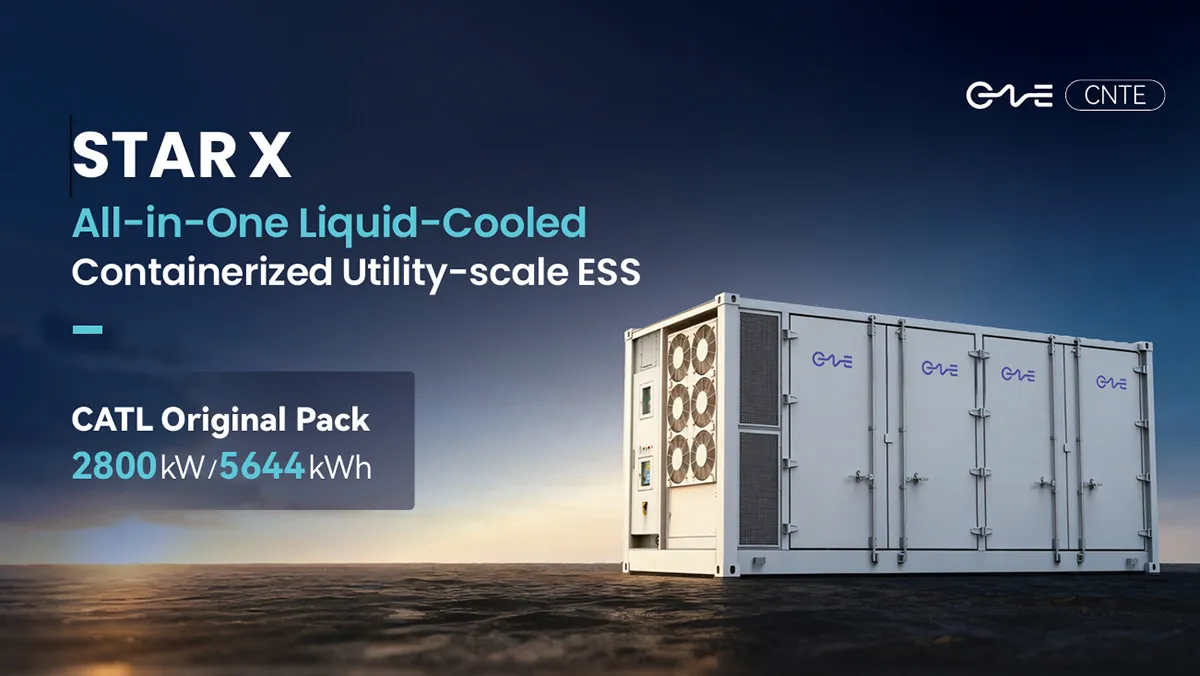
CNTE เปิดตัว STAR X ระบบจัดเก็บพลังงานแบบบูรณาการ DC/AC ระบายความร้อนด้วยของเหลวที่ Intersolar Europe 2026
Jul 06, 2026 -
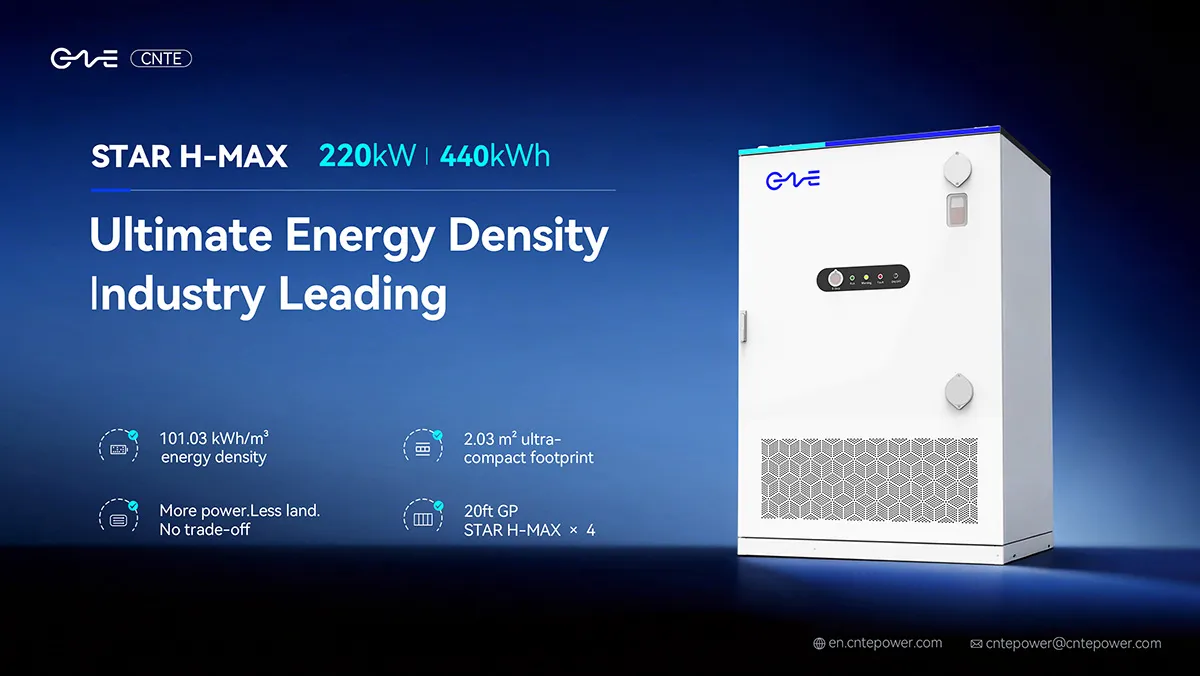
CNTE เปิดตัว STAR H-MAX Liquid-Cooled C&I ESS ใหม่ที่ Intersolar Europe 2026
Jun 23, 2026 -
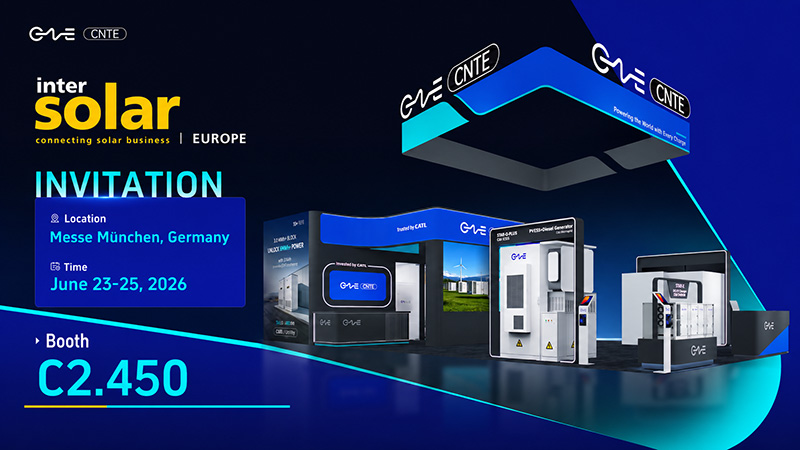
CNTE เข้าร่วมงาน Intersolar Europe 2026
May 20, 2026 -
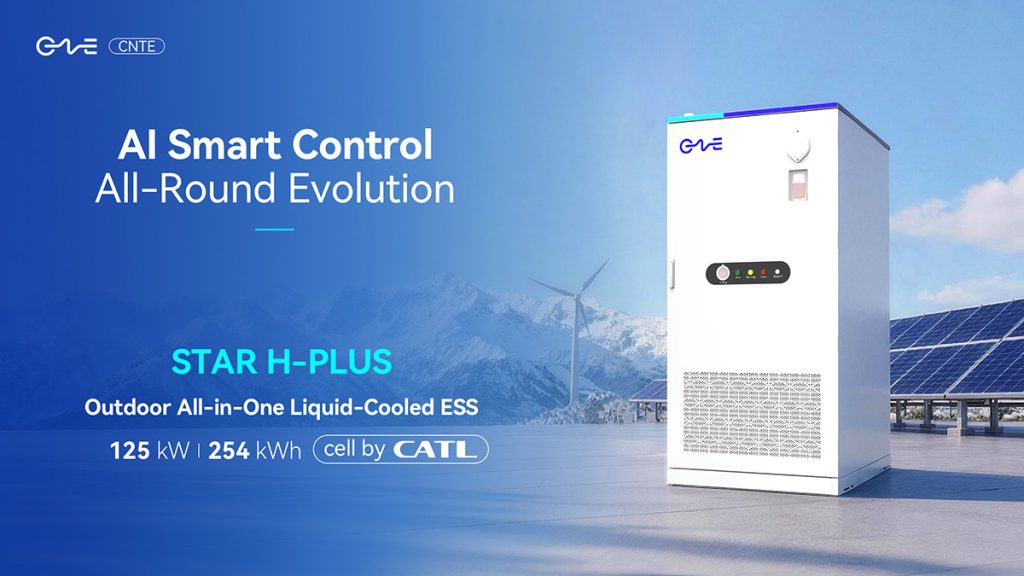
CNTE ที่ KEY ENERGY 2026: แสดงระบบจัดเก็บพลังงานแบบระบายความร้อนด้วยของเหลวกลางแจ้ง STAR H-PLUS
Mar 05, 2026 -

CNTE ได้รับเกียรติเป็นแบรนด์ระดับโลกชั้นนำของ Forbes China ปี 2025
Jul 06, 2026 -

CNTE & YOU.ON ร่วมมือกันเพื่อขยายตลาดการจัดเก็บ
May 19, 2025 -
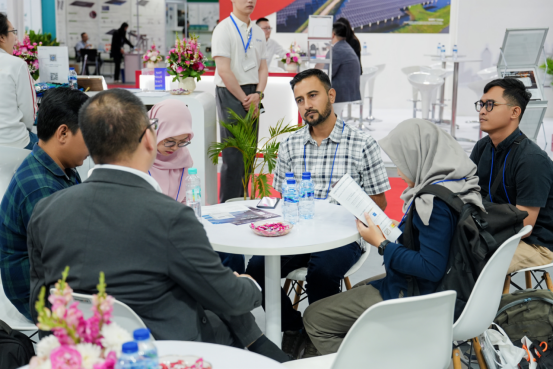
CNTE เปิดตัวกลุ่มผลิตภัณฑ์การเก็บพลังงานที่ Solartech 2025
May 19, 2025 -
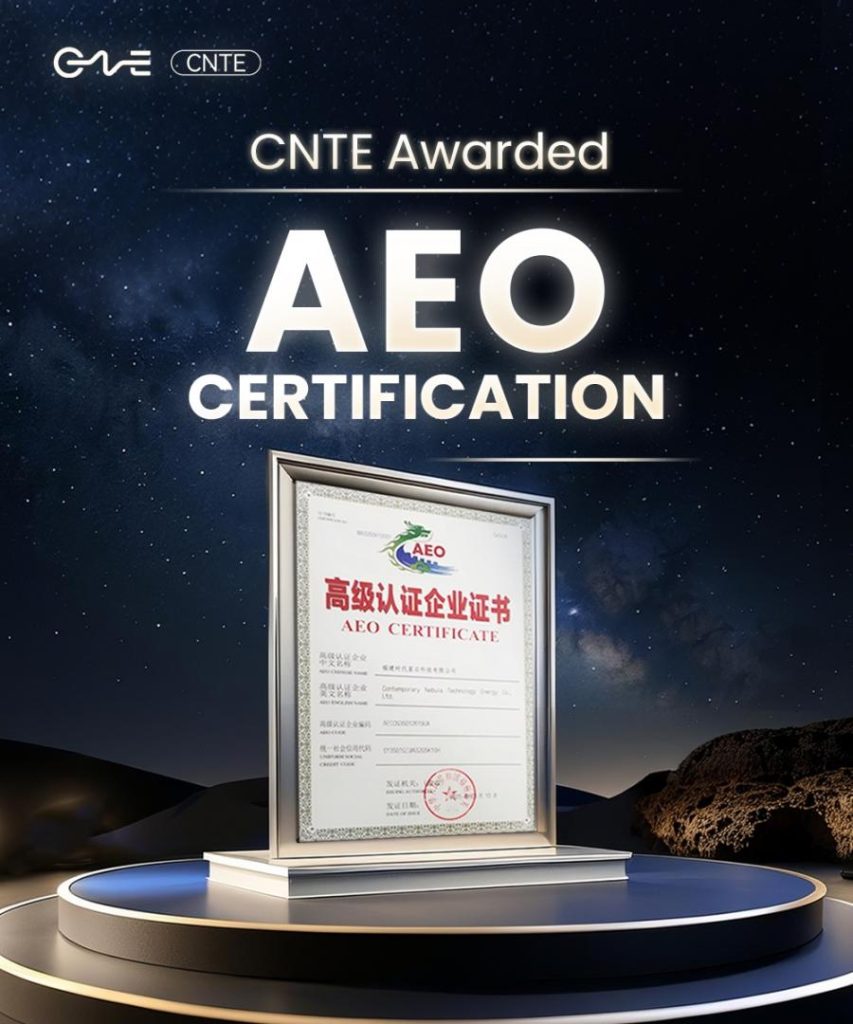
CNTE ได้รับการรับรอง AEO
Jul 06, 2026 -
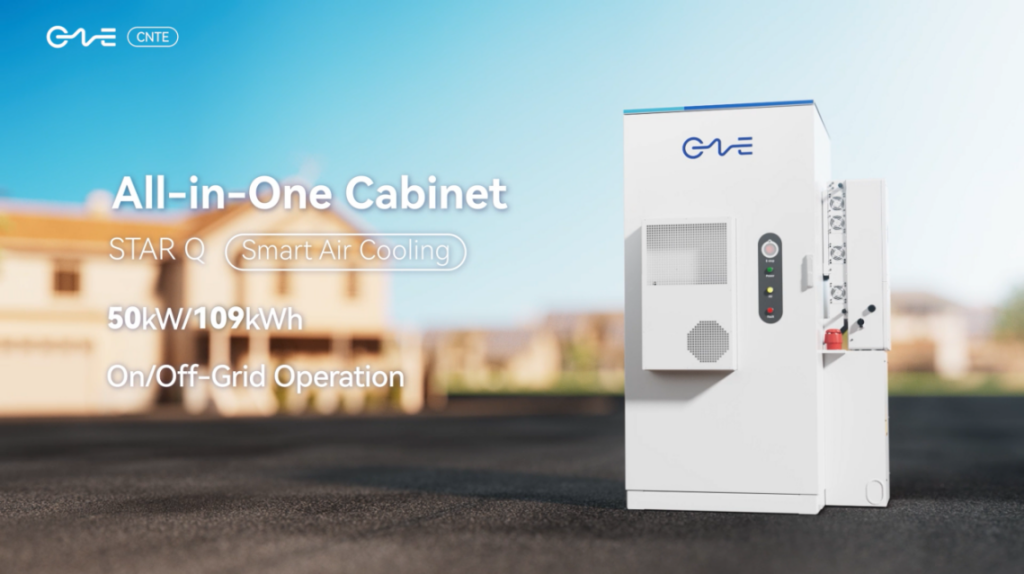
การเปิดตัวผลิตภัณฑ์ใหม่ CNTE STAR Q
Jan 15, 2025 -
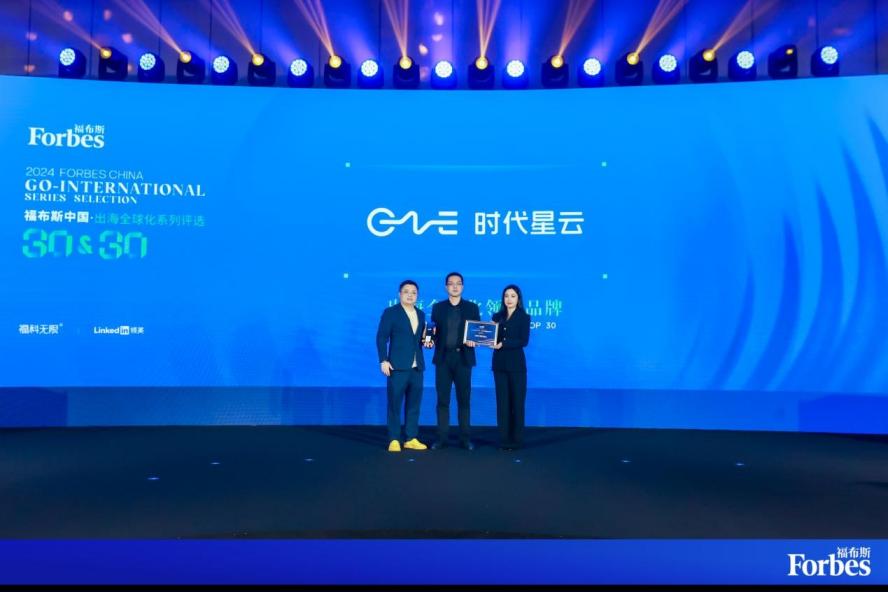
CNTE ได้รับการจัดอันดับให้เป็น Forbes China 2024 แบรนด์ระดับโลก 30 อันดับแรก
Jul 06, 2026
