
Instalace úložiště energie: Inženýrství, bezpečnost a shoda pro projekty B2B
Realizace velkoplošné instalace skladování energie vyžaduje více než jen pořízení zařízení — vyžaduje přesnou integraci systému, přizpůsobení elektrické infrastruktury a důkladnou validaci bezpečnosti. Pro B2B vývojáře projektů, EPC dodavatele a provozovatele zařízení musí každá fáze od studie proveditelnosti po uvedení do provozu zohlednit omezení místa, místní předpisy a dlouhodobou provozní spolehlivost. CNTE (Contemporary Nebula Technology Energy Co., Ltd.) poskytuje komplexní inženýrská řešení, která překlenou mezeru mezi výkonem bateriových článků a osvědčenou odolností aktiv.
Tato příručka zkoumá technické proměnné, které definují úspěšnou instalaci skladování energie, včetně výběru elektrické topologie, strategií řízení tepla, koordinace ochrany a kybernetické bezpečnosti pro distribuované energetické zdroje. Také analyzujeme specifické problémy v odvětví s odpovídajícími inženýrskými kontrolami — čerpáme z terénních dat a mezinárodních standardů (IEC 62477, UL 9540, NFPA 855). Ať už plánujete šetření špiček za měřičem nebo regulaci frekvence před měřičem, tyto praktiky zajišťují bankovatelné výkony systému.
Obsah cntepower 1 1. Hlavní technické vrstvy v moderní instalaci skladování energie 2 2. Výzvy specifické pro aplikaci a inženýrské protiopatření 2.1 2.1 Snížení špiček ve výrobě a průmyslu 2.2 2.2 Zajištění obnovitelné energie a podpůrné služby sítě 2.3 2.3 Mikrogrid a ostrovní provoz 3 3. Proces instalace krok za krokem podle mezinárodních norem 4 4. Opatření na zmírnění nebezpečí a inženýrství požární bezpečnosti pro instalace BESS 5 5. Optimalizace po instalaci a strategie prediktivní údržby 6 6. Zajištění budoucnosti prostřednictvím modulárních a hybridních instalací 7 Často kladené otázky (FAQ) o instalaci úložišť energie 7.1 Q1: Jaký je typický časový rámec pro instalaci úložiště energie na komerčním měřítku od posouzení místa po datum uvedení do komerčního provozu (COD)? 7.2 Q2: Která elektrická ochranná zařízení jsou povinná pro instalaci úložiště energie splňující normy? 7.3 Q3: Jak ovlivňuje okolní teplota a nadmořská výška návrh instalace úložiště energie? 7.4 Q4: Jaké jsou hlavní rozdíly mezi AC‑spojenými a DC‑spojenými instalacemi úložišť energie pro solární PV retrofity? 7.5 Q5: Jaká dokumentace je požadována pro instalaci úložiště energie, aby splnila podmínky pojišťoven a záruk? 8 Připraveni optimalizovat vaši další instalaci úložiště energie?
1. Hlavní technické vrstvy v moderní instalaci úložiště energie
Každá robustní instalace úložiště energie integruje pět vzájemně závislých vrstev: bateriové regály, systém přeměny energie (PCS), systém řízení baterií (BMS), systém řízení energie (EMS) a komponenty rovnováhy systému (BoS). Špatný návrh v jakékoli vrstvě se šíří celým životním cyklem aktiva, což způsobuje zrychlené ztráty kapacity nebo nesoulad ochrany. Níže jsou kritické pod-systémy vyžadující inženýrskou validaci:
Architektura bateriového rámu a DC sběrnice – Určuje úrovně zkratového proudu, vyvážení paralelní impedance a přístupnost pro zmírnění termálního runaway.
Vysokonapěťové DC/AC spojení – Ovlivňuje účinnost konverze a harmonické zkreslení; volby beztransformátorového vs. nízkofrekvenčního izolování ovlivňují povolení pro propojení s elektrickou sítí.
Komunikace BMS a kalibrace SoC/SoH v reálném čase – Prevence přepětí a podnapětí buněk; redundantní odkazy CAN/Modbus TCP snižují jednotlivé body selhání.
Prevence termálního runaway a systémy potlačení požáru – Zahrnuje potlačení aerosolem nebo vodní mlhou, ventilační cesty a detekci plynu integrovanou do strategie HVAC.
Zkušení integrátoři jako CNTE provádějí vícifyzikální simulace, aby sladili hodnocení komponentů s úrovněmi zkratového proudu na místě a profily okolní teploty. Tato analýza před instalací snižuje změny objednávek o téměř 35 % u kontejnerových projektů, což přímo ovlivňuje vyrovnané náklady na skladování (LCOS).
2. Specifické výzvy aplikace a inženýrské protipatření
Každý scénář ukládá specifická omezení na postupy instalace energetického úložiště. Následující tabulka shrnuje běžná nasazovací prostředí, bolestivé body a technická řešení ověřená v provozních aktivech.
2.1 Výroba a průmyslové špičkové vyrovnávání
Zařízení s vysokou poptávkou čelí poplatkům za poptávku, které tvoří 30–60 % účtů za elektřinu. Systémy skladování musí reagovat na okamžité špičky zatížení při omezení dovozu z elektrické sítě. Klíčová rizika během instalace zahrnují nesprávné umístění CT pro monitorování zatížení a nedostatečnou koordinaci s existujícími dieselovými generátory. Doporučená protipatření:
Provést 12měsíční profilaci zatížení pro dimenzování výkonu střídače vůči kapacitě energie.
Instalovat sychronizovaný regulátor s algoritmem sledování zatížení, aby se zabránilo zpětnému toku energie.
Integrovat spínače pro snížení obloukového záblesku na bodě společného spojení (PCC).
2.2 Obnovitelné zpevnění a doplňkové služby sítě
Solární plus skladovací nebo větrné hybridní elektrárny vyžadují rychle se zvyšující střídače (pod 50 ms reakce) pro rezervu frekvenčního omezení (FCR). Komplexnost instalace vyplývá z nastavení ochranných relé, vzdálenosti mezi PV střídači a BESS a latence SCADA. Nejlepší praxe zahrnují:
Nasazení kruhových hlavních jednotek s směrovou ochranou proti přetížení, aby se předešlo zbytečným výpadkům během poruch sítě.
Použití zpevněných optických komunikačních smyček mezi EMS a každým bateriovým clusterem.
Provádění end-to-end uzavřeného testování pro dodržení kódu sítě (např. nízkonapěťové udržení).
2.3 Mikrosíť a ostrovní provoz
Odlehlé lokality (těžba, ostrovy) závisí na skladování pro stabilitu napětí a frekvence během výpadku generátoru. Instalace musí zajistit bezproblémový přechod mezi režimy připojení k síti a ostrovním režimem. Kritické kroky instalace: ověření schopnosti černého startu, redundantní komunikační cesty a harmonizace nastavení poklesu regulátoru s dieselovými soupravami. CNTE nasadila řídicí jednotky mikrosítí, které automaticky provádějí bezzdrojový černý start bez pomocné energie, což snižuje provozní dobu generátoru o 70 % v projektech po celé jihovýchodní Asii.
3. Krok za krokem proces instalace podle mezinárodních norem
Systematické provádění zabraňuje překročení nákladů a zpožděním uvedení do provozu. Přísná instalace energetického úložiště následuje tuto fázovou metodologii v souladu s IEC 61936‑1 a NFPA 855:
Průzkum místa a příprava terénu – Vyhodnocení odporu půdy pro návrh uzemnění, rovnost betonové desky (±3 mm na 3 m) a seismické zóny (IBC 2021).
Předmontáž a mechanická integrace – Zvedání kontejnerových jednotek pomocí rozšiřovacích tyčí, aby se předešlo strukturálnímu namáhání; utahování šroubů řízené točivým momentem pro připojení bateriových regálů.
DC a AC napájecí kabeláž – Oddělení řídicích a napájecích kabelů (≥300 mm vzdálenost) pro zmírnění EMI; použití barevně kódovaných konektorů podle NEC 2023 Článek 706.
Uvedení do provozu a funkční testy výkonu – Izolační odpor bateriového bloku (>1 MOhm), kontrola polarity, detekce svařování kontaktorů a vyrovnání stavu nabití.
Propojení se sítí a koordinace ochrany – Ověření nastavení relé podle požadavků utility na ochranu proti ostrovnímu provozu (IEEE 1547‑2018).
Během těchto fází musí inženýři na místě dokumentovat skutečné jednofázové diagramy a aktualizovat EMS skutečnými parametry zařízení. Použití digitálních nástrojů pro uvedení do provozu (software pro uvedení BESS do provozu) snižuje lidské chyby a vytváří auditovatelnou stopu pro pojišťovací underwritery.
4. Opatření pro zmírnění nebezpečí a inženýrství požární bezpečnosti pro instalace BESS
Poslední incidenty v průmyslu zdůrazňují, že špatně provedená instalace energetického úložiště může vést k kaskádovým tepelným událostem. Proaktivní kontrola nebezpečí integruje tři bariéry: návrh na úrovni článku, aktivní monitorování a pasivní požární ochranu. Nezbytná opatření zahrnují:
Detekce plynů – Elektrochemické senzory pro CO, H₂ a těkavé organické sloučeniny (VOC) s iniciací ventilace před dosažením dolní výbušné hranice (LEL) 25 %.
Větrání deflagrace – Panely pro úlevu tlaku podle NFPA 68, dimenzované na základě objemu uzávěru a rychlosti generace plynu.
Vzdálené vypnutí a rozhraní pro nouzovou reakci – Pevně zapojené EPO (nouzové vypnutí) umístěné mimo obvod BESS.
Vzdálenosti oddělení – Udržujte ≥ 3 m mezi řadami kontejnerů nebo nainstalujte stěny s požární odolností 2 hodiny.
CNTE navrhuje své obaly BESS s vícerozměrným mapováním teploty a integrovaným potlačením aerosolů, ověřeným prostřednictvím testů propagace tepelného runaway podle UL 9540A. Všechna dokumentace k instalaci výslovně označuje přístupové body pro hasiče a manuální uvolňovací stanice — požadavky, které jsou často opomíjeny, ale jsou kritické pro schválení místními úřady s pravomocí (AHJ).
5. Optimalizace po instalaci a strategie prediktivní údržby
Hodnota skladovacího aktiva se materializuje po připojení k síti. Nicméně, degradace výkonu (kalendářní stárnutí, cyklické stárnutí, divergence SoH) se objevuje během měsíců, pokud není implementováno aktivní monitorování. Klíčové aktivity po instalaci:
Analytika EMS na dálku – Automaticky detekovat slabé řetězce článků porovnáním trendů vnitřního odporu.
Periodický test kapacity – Provést každoroční částečný cyklický test (např. 2‑hodinové vybíjení při jmenovitém C‑rate) pro sledování SoH vůči zárukovým prahům.
Aktivní termální rekalibrace – Upravte nastavení chlazení na základě sezónních údajů o okolí; vyhněte se kondenzaci uvnitř HV oddílů.
Použití predikce stavu založené na strojovém učení pro zbývající užitečnou životnost (RUL) umožňuje operátorům plánovat údržbu během hodin s nízkými příjmy, čímž se snižují nucené výpadky o 40 %. Dále pravidelné aktualizace firmwaru pro PCS a EMS zajišťují pokračující shodu s vyvíjejícími se síťovými předpisy — což je obzvlášť důležité pro trhy s frekvenční odezvou.
6. Zajištění budoucnosti prostřednictvím modulárních a hybridních instalací
Instalace skladování energie by neměly uzamykat vlastníky aktiv do pevných architektur. Modulární návrhy umožňují rozšíření kapacity (výkon nebo energie) s minimálním úsilím o opětovné uvedení do provozu. Klíčové vzory návrhu zahrnují:
Standardizované napětí DC sběrnice (např. 1200‑1500 Vdc) pro přijetí budoucích vysoce hustých lithium-železo-fosfátových (LFP) nebo sodíkových iontových článků.
Plug-and-play bateriové skříně s předem navrženými mechanickými rozměry a profily komunikace CANopen.
Kompatibilita hybridního invertoru – Vyčleňte prostor pro DC-spojené solární regulátory nabíjení bez opětovného studování výpočtů obloukového záblesku.
Při plánování takové flexibility by projektový tým měl zachovat 15–20 % rezervní kapacity ve spínačích a transformátorech pro budoucí bloky výkonu. CNTE modulární skladovací platformy se dodávají se softwarem definovaným EMS, který automaticky rozpoznává přidané clustery, čímž eliminuje náklady na přeprogramování řadiče.
Často kladené otázky (FAQ) o instalaci skladování energie
Q1: Jaký je typický časový rámec pro instalaci skladování energie v komerčním měřítku od hodnocení místa po datum uvedení do komerčního provozu (COD)?
A1: Pro kontejnerový systém o kapacitě 1‑10 MWh se časový rámec pohybuje od 14 do 24 týdnů. To zahrnuje 2‑3 týdny na podrobné inženýrství a povolení, 4‑6 týdnů na stavební práce a betonové základy, 3‑4 týdny na mechanickou a elektrickou instalaci a 2‑3 týdny na uvedení do provozu a testování připojení k síti. Složitější projekty ve veřejné síti (≥50 MWh) mohou trvat 9‑12 měsíců kvůli přenosovým studiím a koordinaci ochranných relé s regionálními operátory sítě.
Q2: Která elektrická ochranná zařízení jsou povinná pro instalaci ukládání energie v souladu s normou?
A2: Povinná zařízení zahrnují: (1) pojistkový odpojení nebo jistič (MCCB) na úrovni bateriového stojanu podle UL 489, (2) detekci zemního zkratu s citlivostí ≤ 30 mA pro ochranu personálu, (3) ochranné zařízení proti přepětí typu 2 (SPD) na AC a DC straně, (4) rychlé DC kontakty s obloukovou komorou pro přerušení nadproudu a (5) dedikovaný monitor reziduálního proudu (RCM) pro neuzemněné systémy. Mnoho místních inspektorů také vyžaduje externí manuální nůžkový spínač pro vizuální izolaci.
Q3: Jak ovlivňuje okolní teplota a nadmořská výška návrh instalace ukládání energie?
A3: Výkon baterií se výrazně snižuje mimo 15–30°C. Pro instalace nad 2000 m nadmořské výšky se účinnost chlazení snižuje kvůli nižší hustotě vzduchu — HVAC obal musí být zvětšen o 10–12% na každých 1000 m. Navíc vysokohorské lokality snižují dielektrickou pevnost vzduchu, což vyžaduje zvýšenou vzdálenost pro DC sběrnice (násobte vzdálenost ANSI C37.06 číslem 1,2 pro 3000 m). CNTE teplotně odolné obaly využívají chlazení na bázi chladiva a tlakově kompenzované ventily pro provoz od -30°C do +50°C.
Q4: Jaké jsou hlavní rozdíly mezi AC‑spojenými a DC‑spojenými instalacemi ukládání energie pro solární PV retrofity?
A4: AC‑spojení instaluje BESS na straně zátěže PV invertoru, což zjednodušuje retrofity (žádné úpravy solárních DC řetězců). Nicméně, účinnost cyklu je nižší (≈86‑89%) kvůli dvojité konverzi (PV DC→AC, pak AC→DC→AC pro ukládání). DC‑spojení připojuje baterie na společnou DC sběrnici mezi PV poli a invertorem, což dosahuje vyšší účinnosti (≈94‑96%), ale vyžaduje hybridní invertor a přeřazení solárních polí. Pro stávající instalace bez prostoru pro pře kabeláž je preferováno AC‑spojení; nové budovy dávají přednost DC‑spojení pro lepší LCOS.
Q5: Jaká dokumentace je potřebná pro instalaci ukládání energie, aby splnila požadavky pojišťoven a podmínky záruky?
A5: Minimální dokumentace zahrnuje: razítkované technické výkresy (jednoduché schéma, P&ID, plán uzemnění); zprávy o zkouškách přijetí z výroby (FAT) pro bateriové moduly a PCS; protokoly o zkouškách přijetí na místě (SAT) podepsané inženýrem pro uvedení do provozu; zpráva o tepelném ověření (mapování teploty při zatížení); výsledky studie koordinace ochrany; soubory konfigurace BMS/EMS podle skutečnosti; a analýzu zmírnění nebezpečí (včetně modelování deflagrace). Mnoho pojišťoven také vyžaduje čtvrtletní zprávy o IR skenování pro šroubové spoje jako klauzuli pro krytí tepelných událostí.
Připraveni optimalizovat vaši další instalaci úložiště energie?
Správně navržená instalace úložiště energie snižuje LCOS, zajišťuje dodržování bezpečnostních předpisů a umožňuje kombinaci příjmů napříč různými službami sítě. CNTE (Contemporary Nebula Technology Energy Co., Ltd.) poskytuje technickou podporu od začátku do konce—od studií proveditelnosti, návrhu kontejnerových řešení, až po uvedení do provozu na místě a vzdálené monitorování výkonu. Naše projektové reference zahrnují průmyslové špičkové šetření (až 85% snížení poptávky), regulaci frekvence veřejné služby (reakce<40 ms="">
Odešlete své požadavky na projekt, abyste obdrželi předběžný návrh systému, plán koordinace ochrany a plán dodržování předpisů přizpůsobený vašemu místnímu kódu sítě. Kontaktujte náš inženýrský tým ještě dnes pro nezávaznou technickou konzultaci.
📧 Dotaz: cntepower@cntepower.com | 🌐 https://en.cntepower.com/
Poskytněte svůj profil zátěže, adresu místa a napětí připojení k veřejné službě—odpovíme s podrobným návrhem do 5 pracovních dnů.
Kontaktujte nás
Nejnovější příspěvky
-
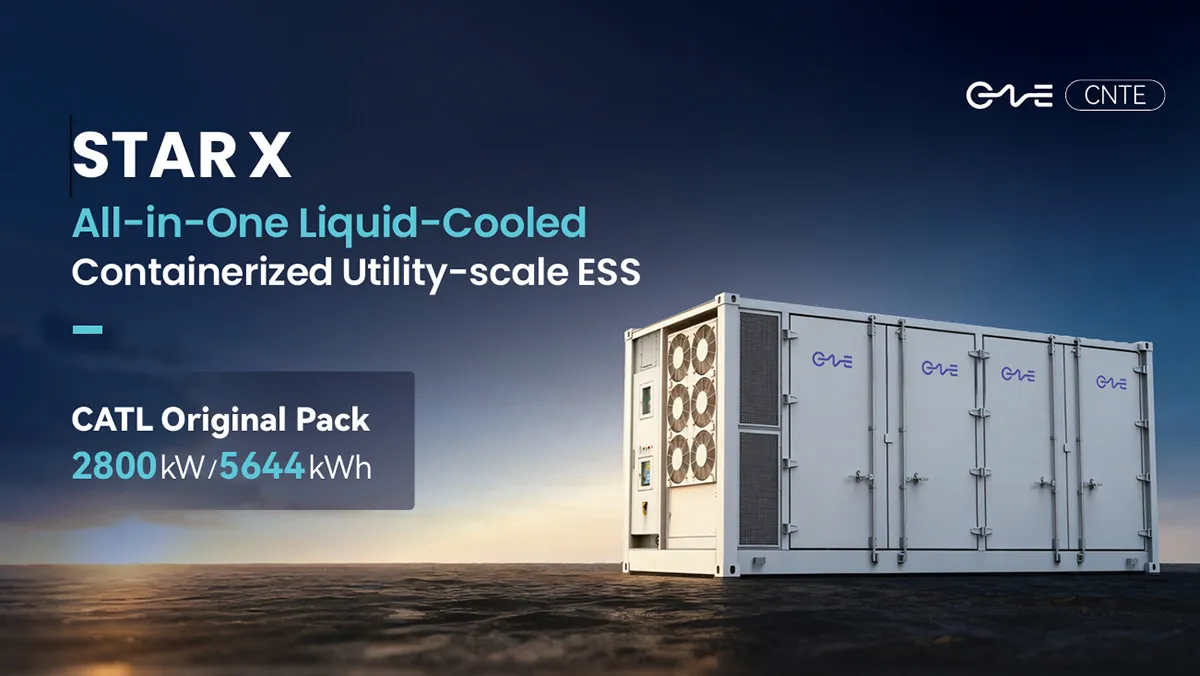
CNTE uvádí na trh STAR X kapalinou chlazený DC/AC integrovaný systém pro ukládání energie na Intersolar Europe 2026
Jul 06, 2026 -
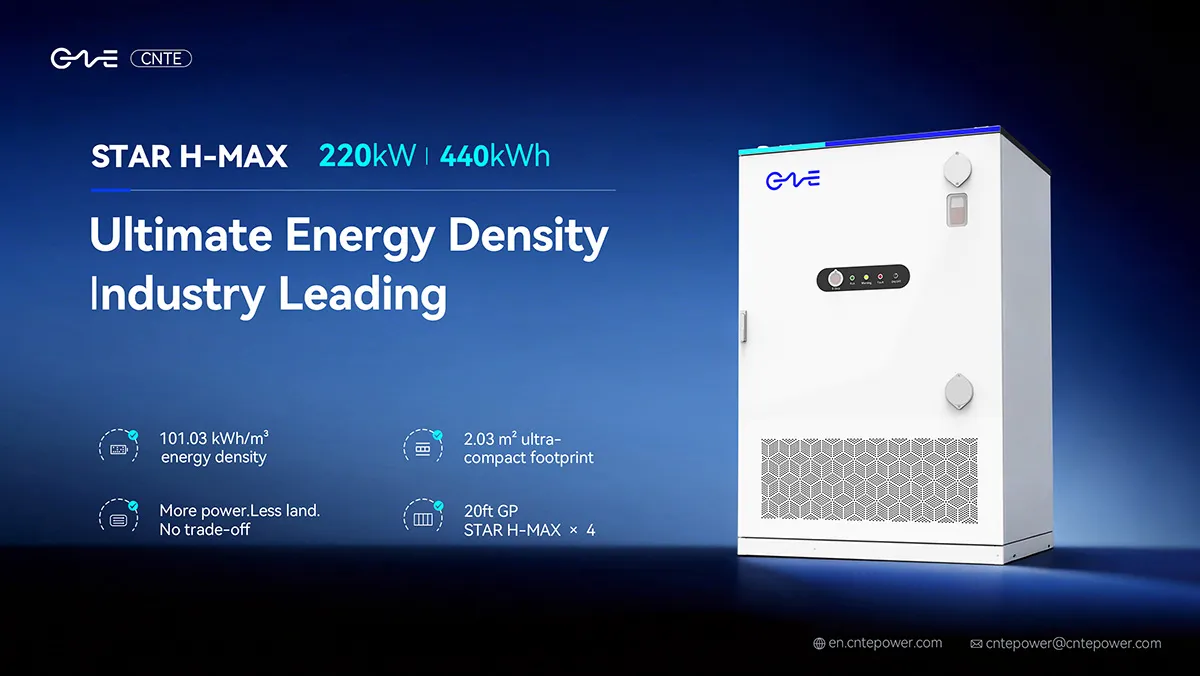
CNTE představuje nový STAR H-MAX kapalinou chlazený C&I ESS na Intersolar Europe 2026
Jun 23, 2026 -
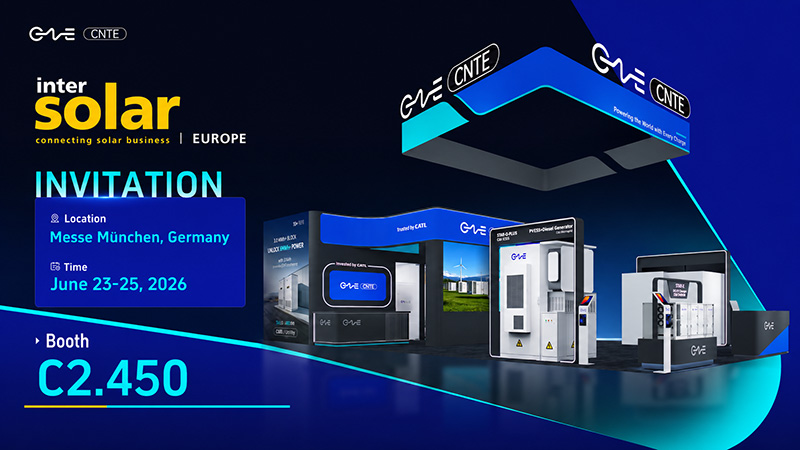
CNTE se zúčastní Intersolar Europe 2026
May 20, 2026 -
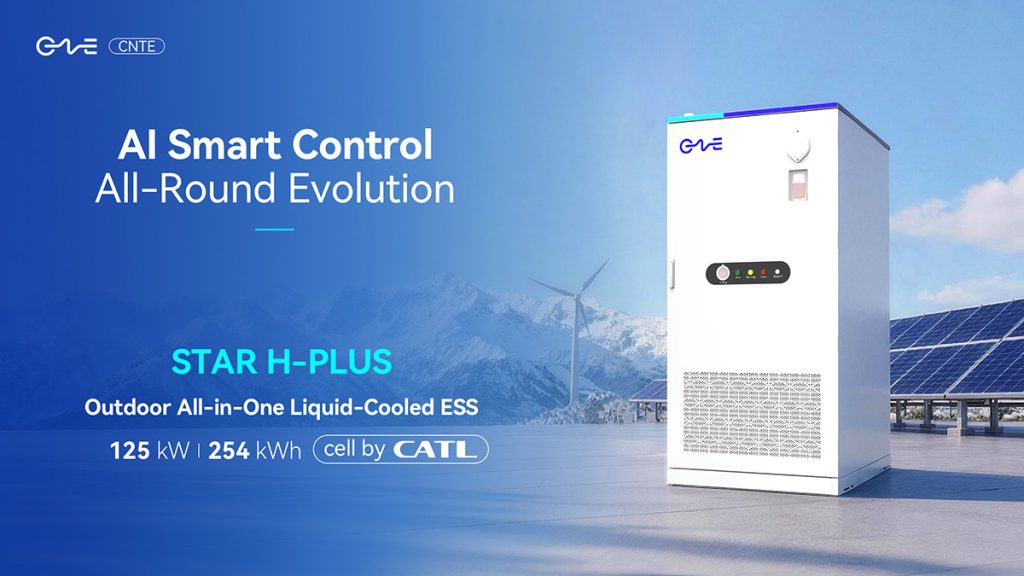
CNTE na KEY ENERGY 2026: Představuje STAR H-PLUS Venkovní Kapalinou Chlazený Systém Ukládání Energie
Mar 05, 2026 -

CNTE oceněno jako vedoucí globální značka Forbes Čína 2025
Jul 06, 2026 -

CNTE & YOU.ON Partner ke rozšíření trhů s úložišti
May 19, 2025 -
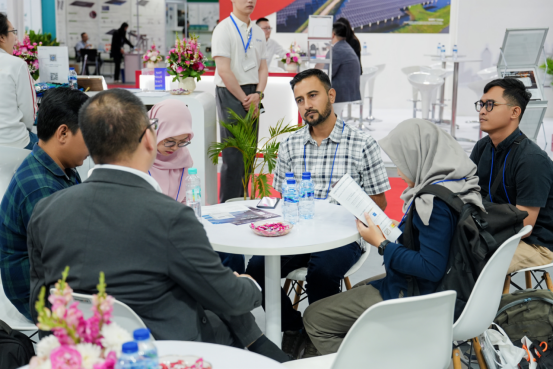
CNTE představuje řadu úložišť energie na Solartech 2025
May 19, 2025 -
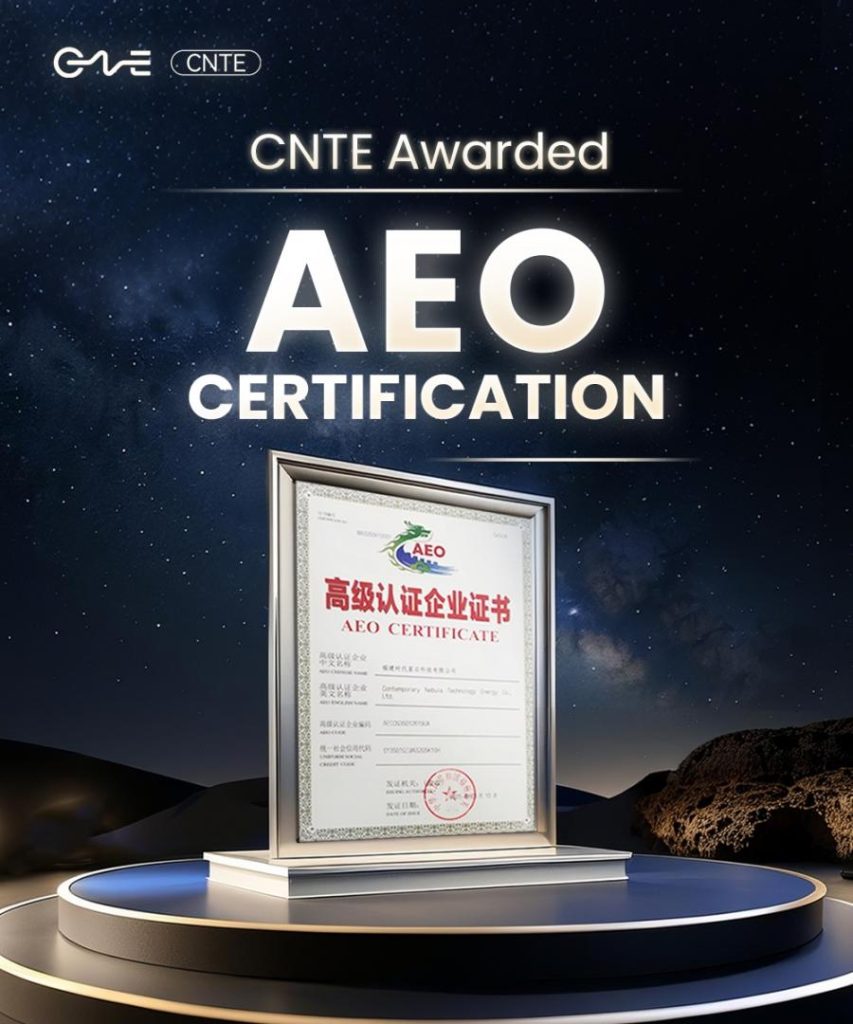
CNTE získalo certifikaci AEO
Jul 06, 2026 -
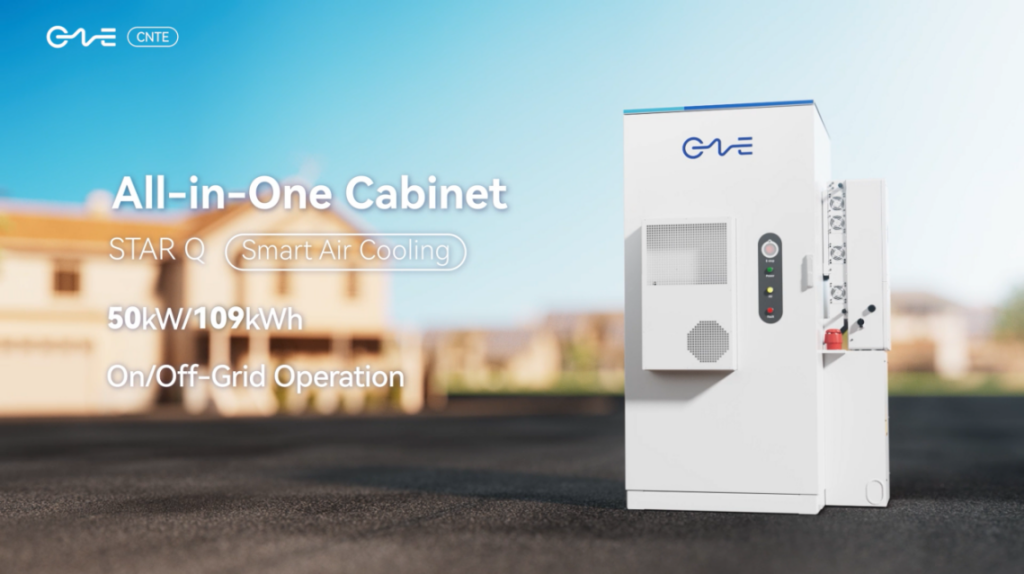
CNTE Nové uvedení produktu STAR Q
Jan 15, 2025 -
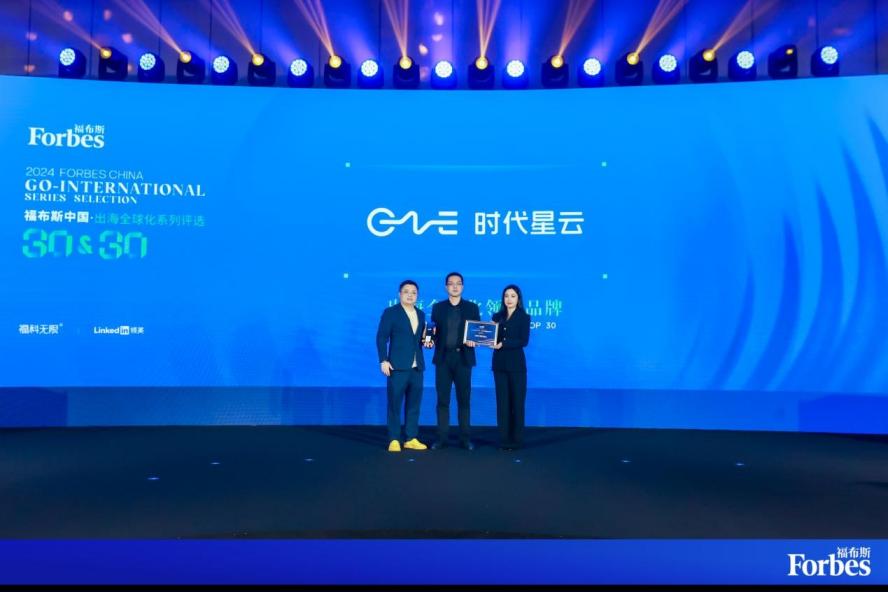
CNTE zařazeno do Forbes China 2024 Top 30 mezinárodních značek
Jul 06, 2026
