
Integrované napájení a úložiště: Hybridní architektury, Řízení formování mřížky, a ekonomiku životního cyklu
Moderní energetická infrastruktura vyžaduje jednotný přístup k Energie a skladování. Oddělení výrobních aktiv od bateriových bank vede k suboptimální odezvě sítě, Omezení obnovitelných zdrojů, a vyšší provozní náklady. Skutečná optimalizace aktiv vzniká, když Energie a skladování jsou navrženy jako jeden celek, Ochranná schémata pro sdílení zdrojů s dispečovatelnými, Komunikační protokoly, a řízení energie v reálném čase. CNTE (Současná technologie Nebula Energy Co., S. r. o.) Zajišťuje takové hybridní systémy, Integrace ovládacích prvků měniče, Bateriová analytika, a dodržování gridové kompatibility do klíčových řešení pro průmyslové objekty, Družstva pro veřejné služby, a obnovitelných IPP.
Tento technický podrobný průzkum pokrývá klíčová inženýrská rozhodnutí pro Energie a skladování integrace: Výběr topologie invertoru, Zdravotní stav (SoH) Vědomý dispečink, a koordinaci ochrany napříč více zdroji energie. Zkoumáme reálné problémy – od subsynchronních oscilací v slabých mřížkách až po tepelně nekontrolované šíření – s ověřenými protiopatřeními založenými na terénních datech a mezinárodních standardech (IEC 62477-2, IEEE 1547-2018). Vývojáři projektů B2B získají kvantitativní benchmarky pro velikost kapacity, Doba odezvy řízení, a vyrovnané náklady na ukládání (LCOS) Modelování.

1. Technický základ: Konvergující výkonová elektronika a chemie ukládání
Jakýkoli sjednocený Energie a skladování Systém se skládá ze tří základních podsystémů: zařízení na stejnosměrné baterie (Lithium-železo-fosfát nebo nikl-mangan-kobalt), Systém konverze energie (KS), a dozorčí řídící (EMS/SCADA). Jejich interakce přímo určuje rychlost nárůstu, Efektivita okolní cesty, a schopnost projíždět poruchou.
1.1 Topologie konverze energie pro hybridní provoz
Čtyři konfigurace dominují komerčním instalacím:
- Střídavě spřažený hybridní invertor – Baterie se připojuje přes speciální DC/AC měnič na straně zátěže u stávajících PV/větrných měničů. Nabízí jednoduchost retrofitu, ale trpí dvojnásobnými ztrátami při konverzi (≈4-6% trest).
- DC-vázaný víceportový převodník – Jednofázový stupeň propojuje jak fotovoltaickou síť, tak baterii, dosažení vyšší efektivity (98.2% a jmenovitý výkon). Vyžaduje kompletní výměnu starších solárních měničů.
- Modulární víceúrovňový měnič (MMC) pro BESS – Eliminuje transformátor s linkovou frekvencí, Snižuje zaměření, a poskytuje nezávislou podporu jalového výkonu. Přijato pro připojení ke střednímu napětí v síti (10-35 kV).
- Virtuální synchronní generátor (VSG) řízení – Napodobuje setrvačnost rotujících strojů, Klíčové pro slabé sítě s pronikáním obnovitelných zdrojů >70%.
CNTE nasazuje modulární DC-spřažené platformy s redundanci N 1 pro kritická výrobní místa, Dosažení 99.3% Dostupnost během 18měsíčních polních operací.
1.2 Dopad výběru bateriových článků na výkon systému
Volba mezi LFP a NMC zásadně mění tepelný management a životnost cyklu:
- Velkoformátový tiskový průmysl: nižší hustota energie (150-170 Wh/kg) ale delší kalendářní životnost (≥8 000 cyklů na 80% Přijít) a vnitřní tepelná stabilita. Preferováno pro instalace vyžadující vysoký denní průtok (Špičkové oholení, Arbitráž).
- NMC: vyšší hustota energie (200-260 Wh/kg) Umožnění projektů s omezeným prostorem. Vyžaduje aktivní kapalinové chlazení a přísnou kontrolu napětí v okénkách, aby se zabránilo rozpouštění přechodných kovů.
Pro hybridní Energie a skladování Projekty, Odhad SoH v reálném čase pomocí elektrochemické impedance spektroskopie umožňuje prediktivní úpravu rychlosti nabití/vybíjení, Prodloužení životnosti systému o 22% v nedávných procesech.
2. Aplikačně specifické inženýrství pro integraci napájení a úložišť
Každý scénář nasazení klade na ně specifické technické požadavky Energie a skladování navrhnout. Níže jsou uvedeny tři archetypy s kvantifikovanými výkonnostními kritérii.
2.1 Průmyslové snižování špičky s redukcí poplatků po poptávce
Zařízení s 15minutovými okny špičkové poptávky vyžadují skladování k reakci uvnitř 200 MS. Mezi výzvy patří koordinace s kogenerací na místě a vyhýbání se zpětnému toku energie do přívodů veřejných služeb. Řešení:
- Nainstalovat Modul pro predikci vysokorychlostní zátěže Použití 12měsíčních historických dat k přednabíjení baterie před očekávanými vrcholy.
- Implementace komunikace mezi BMS a programovatelnými logickými automaty (PLC) vynucovat vybíjení baterií pouze tehdy, když poptávka na místě překročí dynamický práh.
- Použití Spínače odolné vůči oblouku v místě společného spojení pro bezpečnost personálu během podmínek s vysokou poruchou.
2.2 Vyhlazování obnovitelných zdrojů a zpevnění sítě
Solární nebo větrné farmy těží z Energie a skladování systémy, které rampují od nuly k plnému výstupu v under 100 MS, kompenzuje oblačnost nebo náhlé útlumy větru. Technické problémy: Nestabilita DC napěťové sběrnice a komunikační latence mezi meteorologickými stanicemi a EMS. Protiopatření:
- Nasazení Vláknový prstenec s vysokou šířkou pásma (IEC 61850 GOOSE) pro subcyklickou výměnu dat mezi senzory záření a PCS.
- Nakonfigurujte úložný invertor tak, aby pracoval v režimu sledování sítě s limitem rychlosti nájezdu 5% jmenovitého výkonu za sekundu, koordinováno s místem specifickým mřížkovým kódem (Např.., Havajské pravidlo 14H).
2.3 Mikrogridový Black-Start a ostrovní provoz
Odlehlé těžební nebo ostrovní komunity potřebují skladování, aby vytvořily stabilní napěťovou referenci bez podpory energetických sítí. Instalace musí ověřit schopnost vyzvednutí studeného nákladu a detekci proti ostrovování. Doporučená praxe:
- Použití Měniče pro tvorbu mřížky s virtuálním řízením impedance pro úměrné sdílení zátěže mezi více bateriových klastrů.
- Provádějte sekvenční testy obnovy zátěže (Začínáme s 5% jmenovité zatížení, Rostoucí v 20% Kroky) pro ověření kapacity přetížení měniče (typicky 150% pro 10 sekundy).
CNTE byla uvedena do provozu mimo síť Energie a skladování systémy v jihovýchodní Asii, které provádějí synchronizovaný černý start v Under 4 sekundy, Nahrazení rezervy rotace dieselového generátoru a snížení spotřeby paliva o 68%.
3. Pokročilé řídicí architektury pro hybridní assety
Konvenční řízení klesání selhává, když více zdrojů energie sdílí slabý AC sběrnici. Moderní doba Energie a skladování Platformy přijímají hierarchické řízení se třemi vrstvami: místní (milisekunda), Sekundární (Druhý), a terciární (minuty).
3.1 Primární řízení: Virtuální synchronní generátor (VSG)
VSG emuluje setrvačnost rotoru vstřikováním aktivní síly úměrné derivaci frekvence (DF/DT). Pro 10 Systém MVA, doporučená virtuální setrvačnost H = 2–4 sekundy, dosaženo pomocí rychle působícího PCS s 10 Frekvence přepínání kHz. Pole dat z Nasazení CNTE VSG ukazuje rychlost změny frekvence (RoCoF) Redukce z 2.3 Hz/s na 0.7 Hz/s během 30% Load step.
3.2 Sekundární řízení: Vyvažování stavu nabití
Když více bateriových stojanů pracuje paralelně, Divergence SoC snižuje využitelnou kapacitu. Implementovat algoritmus distribuovaného průměrování přes sběrnici CAN, který upravuje nastavenou hodnotu výkonu každého racku úměrně odchylce SoC. Přijatelná nerovnováha ≤ 3% po jednom plném cyklu.
3.3 Terciární řízení: Energetická arbitráž a doplňkové služby
EMS musí nabídnout kapacitu skladování na trhy s denním předem a v reálném čase. Používejte dynamické programování s cenovými prognózami, S ohledem na náklady na degradaci baterie ($/MWh za cyklus). Typické prahy: Vypouštějí se pouze tehdy, když arbitrážní spread přesáhne 1,5× degradační náklady.
4. Modelování nákladů na životní cyklus a zmírňování rizik
Silný Energie a skladování Obchodní případ zohledňuje úbytek kapacity (Kalendář + cyklické), Pomocná spotřeba (chlazení, BMS), a míra nucených výpadků. Klíčové metriky:
- Nivelizované náklady na ukládání (LCOS) = (CAPEX + OPEX + Náklady na náhradu) / Životní průtok energie (MWh). Pro čtyřhodinové LFP systémy, LCOS se pohybuje v rozmezí 140-180 $/MWh v 2025 Trhy.
- Záruka udržení kapacity – Průmyslový standard: 80% energie jmenovité desky v bodě 60% životnosti cyklu (typicky rok 10 nebo 6,000 cykly).
- Dispečing s vědomím degradace – snižuje rychlosti nabíjení/vybíjení při vysokém SoC (>90%) a nízký SoC (<20%), Přidává to 2-3 roky k životnosti.
CNTE poskytuje záruky LCOS s pevnou cenou pro průmyslové projekty, propojení výkonu s monitorováním SoH v reálném čase prostřednictvím integrované analytiky baterií.

5. Bezpečnostní a compliance inženýrství pro elektrárny a skladovací zařízení
Regulační schválení často zdržují instalaci. Kritické dokumenty o souladu pro jakýkoli Energie a skladování Projekt:
- Hodnocení požárního rizika podle NFPA 855 – zahrnuje vzdálenosti, Řízení výbuchů, a kompatibilitu hasicích látek s lithium-iontovými bateriemi.
- Testy propojení sítí IEEE 1547-2018 – průchod napětím/frekvencí, Kvalita energie (Totální harmonické zkreslení <5%), a proti ostrovování (Rozpojení uvnitř 2 sekundy).
- Bezpečnostní požadavky IEC 62477-1 pro PCS – dotýkat se limitů proudu, Hlídání izolačního stavu, a ochranu proti vniknutí do krytu (minimální IP54 pro venkovní kontejner).
Předběžné uvedení do provozu musí zahrnovat studii koordinace ochrany, která ověřuje, že jističe baterií odstraní poruchy dříve, než vyhoří pojistky v horním proudu. Použijte časovo-proudové křivky nastavené na 0,1–0,2 sekundy pro obvody větve baterie.
Často kladené otázky (Nejčastější dotazy) o integraci energie a úložiště
Q1: Jaká je minimální rychlost nasazování energie potřebná pro účast systému na regulaci frekvencí?
A1: Většina nezávislých provozovatelů systému (Např.., PJM, CAISO, ERCOT) vyžadují alespoň rychlost nájezdu 1% jmenovité kapacity na 100 Milisekundy pro rychlé regulační signály. Pokročilý Měniče pro tvorbu mřížky s karbidem křemíku (Sic) moduly dosáhnout 5-8 % pro 100 MS, dostatečné pro rychlou i nízkou frekvenční odezvu.
Q2: Jak zvýšíte poměr výkonu k energii (C-rate) pro hybridní úložný systém určený jak pro špičkové snižování, tak pro záložní napájení?
A2: Pro dvojí účel, Vypočítejte požadovaný maximální výkon při holení (KW) z 15minutového profilu zatížení, pak nastavte záložní energii (Kilowatthodina) jako dvojnásobek maximální očekávané doby výpadku. Příklad: pokud je potřeba snížit špičku 1 MW a záloha vyžadují 4 MWh, přijměte systém 0,25C. Předimenzování měniče (1.5 MW) umožňuje současné funkce.
Q3: Jaký komunikační protokol je nejspolehlivější pro koordinaci více bateriových stojanů ve velké elektrárně a úložišti?
A3: Pro deterministickou kontrolu, použijte EtherCAT nebo PROFINET IRT s cyklickými časy ≤ 1 MS. Pro monitorování a logování, Modbus TCP přes redundantní optické smyčky je dostačující. Mnoho projektů využívá OPC UA pro agregaci dat do cloudového EMS, ale dispečink v reálném čase vyžaduje vyhrazený ethernet v reálném čase.
Q4: Lze stávající paralelní rozvaděče dieselových generátorů znovu použít pro instalaci napájení a akumulace?
A4: Částečně, ale musí to upravit. Relé ochrany generátoru (typicky ANSI 25/27/59) vyžaduje dodatečnou logiku, aby zabránila uzavření jističe BESS během stavu nefunkční sběrnice. Také, Paměťové měniče nemohou přijmout typickou 5sekundovou mrtvou dobu během synchronizační kontroly; Instalujte rychlé přenosové schéma s 200 MS přípustné přerušení.
Q5: Jak se pohybuje ve vysoké nadmořské výšce (výše 2000 m) ovlivňuje hodnocení výkonu a úložného zařízení?
A5: Snížení hustoty vzduchu snižuje účinnost chlazení a dielektrickou pevnost. Omezte kontinuální proud měniče pomocí 1.5% pro 500 m výše 1000 m. Pro kapacitu baterie, Žádné přímé snižování, ale nucené chlazení vzduchem musí být zvýšeno o 10–12 % na 1000 m. CNTE sady pro vysokohorské lety zahrnují tlakově kompenzované větrací otvory a zesílené ventilátorové pole pro provoz až do 4000 m.
Optimalizujte svůj další projekt hybridní energie a úložiště
Inženýrství spolehlivého Energie a skladování Systém vyžaduje odborné znalosti dodavatelů pokrývající výkonovou elektroniku, Chemie baterie, a kódy mřížky. CNTE (Současná technologie Nebula Energy Co., S. r. o.) poskytuje podporu celého životního cyklu – na základě studií proveditelnosti, Zakázkové kontejnerové designy, K uvedení do provozu na místě a vzdálené analytice. Naše referenční projekty zahrnují regulaci frekvence pro energetické společnosti (< 40 Odpověď MS), průmyslové mikrosítě s 72% Objem dieselových motorů, a solární energie s úložištěm pro těžební operace.
Požádejte o technický návrh ještě dnes – zahrňte svůj profil zatížení, Umístění lokality, Napětí propojení sítě, a primární využití (Špičkové oholení, zálohování, Grid služby). Náš inženýrský tým vám vrátí předběžný jednolinkový diagram, Studie koordinace ochrany, a LCOS model uvnitř 10 Pracovní dny.
📧 Vyšetřování: cntepower@cntepower.com | 🌐 https://en.cntepower.com/
Pro naléhavé potřeby integrace BESS, přiložte roční SCADA data vašeho webu pro simulaci výkonu a analýzu návratnosti investic – zdarma.
Spojte se s námi
Poslední příspěvky
-

CNTE v KEY ENERGY 2026: Představuje venkovní kapalinou chlazený systém ukládání energie STAR H-PLUS
Mar 05, 2026 -

CNTE Oceněno jako 2025 Forbes China Leading Global Brand
Listopad 12, 2025 -
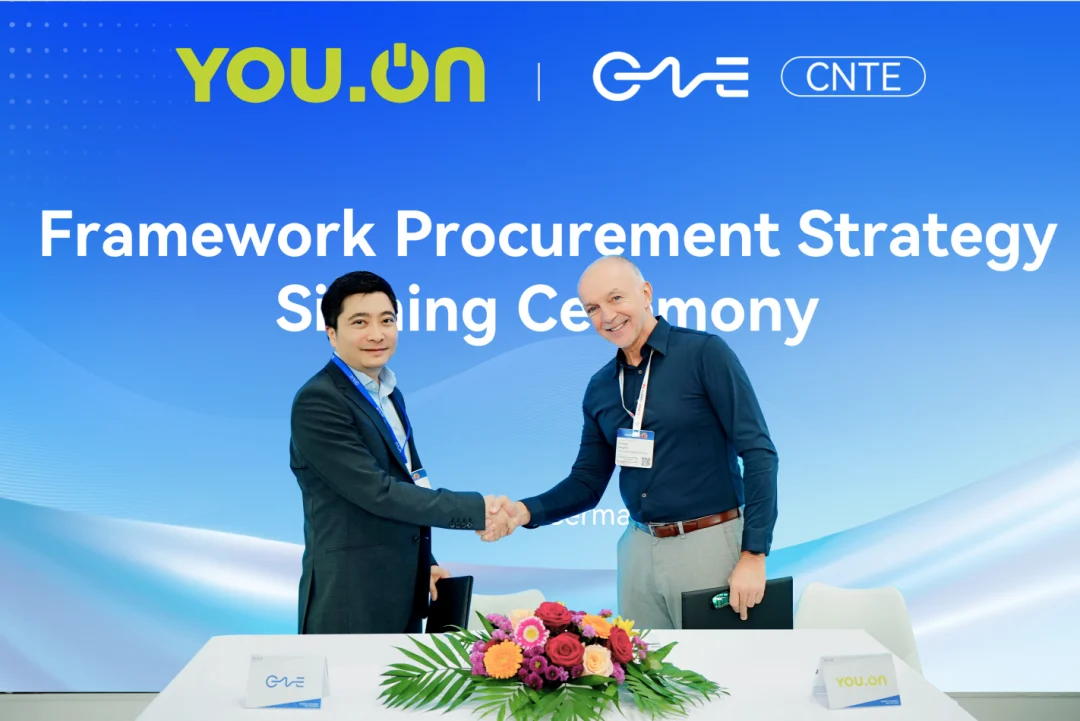
CNTE & TY. ON Partner pro rozšíření trhů s úložišti
Květen 19, 2025 -
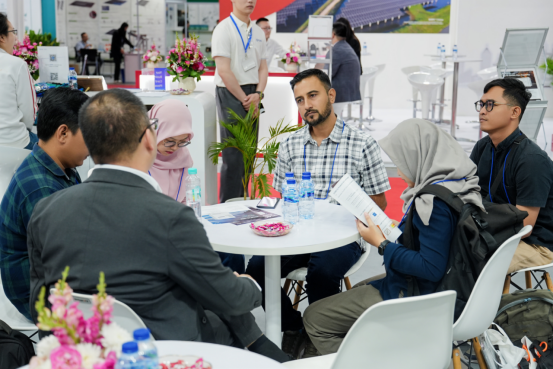
CNTE představuje na veletrhu Solartech řadu akumulátorů energie 2025
Květen 19, 2025 -
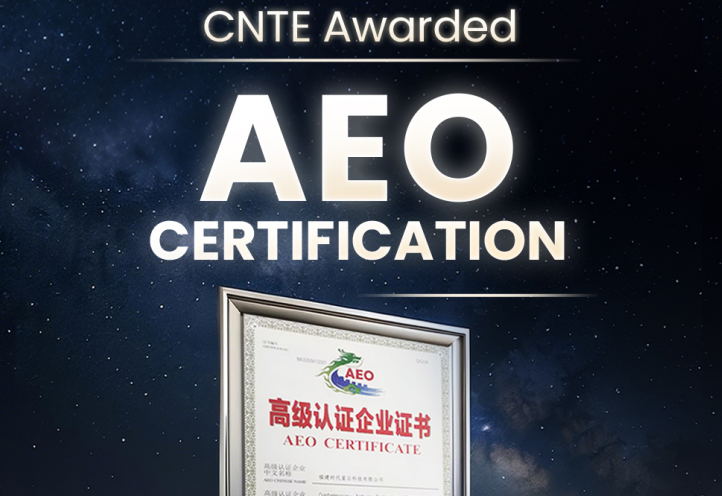
CNTE získala certifikaci AEO
Mar 14, 2025
Visačky
- 1 MW bateriové úložiště
- 500 kW baterie
- 500 Bateriové úložiště v kW
- 500 Cena baterie kWh
- 500 KWH bateriové úložiště
- 50kW solární bateriové úložiště
- Pokročilá výroba baterií
- Pokročilé systémy ukládání energie
- Pokroky v bateriích pro středně a velké skladování energie
- Solární baterie vše v jednom
- Domácí baterie
- Ukládání energie na báji baterií
- Kapacita baterie pro sluneční soustavu
- Bateriový elektrický úložiště
- Kapacita baterie
- Cena systému ukládání energie do baterií
- Bateriový dům solární baterie
- baterie ve sluneční soustavě
- Instalace baterií pro solární panely
- Systém správy baterií pro aplikace solární energie
- Bateriový balíček pro domácí solární systém
- Bateriový balíček pro solární soustavu
- Bateriový dům
- Bateriový blok kWh
- Systémy ukládání energie z baterií
- Aplikace v oblasti bateriového úložiště
- Zařízení na ukládání baterií
- Bateriové úložiště kWh
- Cena za bateriové úložiště za kWh
- Řešení bateriových úložišť solární energie
- Dodavatelé bateriových úložišť
- Návrh bateriového úložného systému
- baterie, která může napájet dům
- Baterie do sítě
- Energie baterie BESS
- Sluneční soustava BESS
- Lepší obnovitelná energie z baterií
- Velké bateriové úložiště
- Kupte si bateriové úložiště
- Kupte si solární bateriové úložiště
- Nabíjecí stanice
- Čínské solární baterie
- Řešení pro ukládání čisté energie
- Komerční solární bateriové úložiště
- Komerční solární úložiště
- Náklady na bateriové úložiště solárních panelů
- Cena solárních panelů a bateriového systému
- Náklady na ukládání solární energie v bateriích
- Elektrický bateriový systém úložiště
- Výstava o ukládání elektrické energie
- Energetický bateriový blok
- Energetická kapacita baterie
- Výroba a ukládání energie
- Bateriový blok pro ukládání energie
- Cena nádoby na ukládání energie
- Instalace ukládání energie
- Lithium baterie systému ukládání energie
- Systém ukládání energie v Malajsii
- Cena systému pro ukládání energie
- Solární systém ukládání energie
- Baterie Energy Tech
- Cena baterie ESS
- ESS bateriový systém
- ESS solární baterie
- ESS Sluneční soustava
- Baterie ESS Tech
- Baterie pro elektromobily pro solární ukládání
- Solární úložiště baterií pro elektromobily
- Lithium baterie Green Energy
- Baterie s vysokou kapacitou pro solární panely
- Hybridní bateriové úložiště
- Integrované ukládání energie
- Jeho technologie solární energie
- KWH bateriové úložiště
- Velké baterie pro ukládání solární energie
- Velká baterie pro ukládání solární energie
- Velký zásobník na baterii
- Velké bateriové úložiště
- Velkokapacitní úložiště
- Velké solární bateriové úložiště
- Velké solární bateriové úložiště
- Velké solární akumulátory
- Největší komerční baterie
- Největší úložiště solárních baterií
- Nejnovější solární baterie
- Systémy pro ukládání energie v bateriích LIFEPO4
- Lithium baterie pro solární systém mimo síť
- Lithium baterie z Číny
- Lithium baterie pro solární energii mimo síť
- Lithium baterie pro cenu solárního systému
- Domácí úložiště s lithium bateriemi
- Lithium-baterie pro solární panely
- Megawattové bateriové úložiště
- Nové bateriové úložiště
- Offline solární bateriové úložiště
- Baterie na síti
- O bateriovém úložišti v síti
- Integrace optického úložiště
- Venkovní ukládání energie
- Venkovní solární bateriová skříň
- Bateriové úložiště PCS
- Bateriový systém PCS
- Systém ukládání fotovoltaické energie
- Ukládání energie plug and play
- Energie a skladování
- Ukládání energie energie
- Energie z napájecí jednotky
- Články pro ukládání energie
- Cena za kWh bateriové úložiště
- Fotovoltaické solární panely a bateriové úložiště
- Q cell bateriové úložiště
- Chytré bateriové úložiště
- sluneční & Bateriový systém
- Solární a lithium baterie
- Solární baterie uvnitř domu
- Solární baterie
- Kontejner solární baterie
- Solární baterie kWh
- Výrobci solárních baterií v Číně
- Solární bateriový modul
- Solární bateriová úložná skříň
- Kapacita solárních baterií
- Kontejner na ukládání solárních baterií
- Výrobci solárních baterií
- Solární baterie pro napájecí dům
- Ukládání solárních článků
- Kapacita solární energie v bateriích
- Systém ukládání solární energie do baterií
- Solární lithium baterie
- Ukládání solární energie a aplikace
- Cena baterie pro ukládání solární energie
- Cena systému pro ukládání solární energie
- Technologie ukládání solární energie
- Typy ukládání solární energie
- Solární energie na bateriové úložiště
- Solární ESS systém
- Baterie solární sítě
- Bateriový systém solární sítě
- Cena solární baterie pro domy
- Solární instalační baterie
- Solární instalace s baterií
- Baterie Solar One
- Kapacita solárních panelů bateriového úložiště
- Cena solárních panelů za bateriové úložiště
- Baterie pro ukládání energie solárním panelům
- Systémy ukládání energie solárními panely
- Solární panely lithiové bateriové úložiště
- Systém ukládání energie solárními panely
- Solární panely a systémy ukládání baterií
- Solární panely s cenou úložiště v bateriích
- Baterie solární elektrárny
- Baterie solární elektrárny
- Společnosti zabývající se skladováním solární energie
- Solární fotovoltaika a bateriové úložiště.
- Solární fotovoltaický systém s bateriovým úložištěm
- Řešení pro ukládání solární energie
- Solární systém a bateriové úložiště
- Solární panely s bateriovým systémem
- Solární energie s lithium baterií
- Samostatné systémy ukládání energie
- Akumulátor pro ukládání energie
- Baterie Storedge
