
Komerční solární úložiště – návrh BESS zaměřený na návratnost investic, ořezávání špiček a energetickou arbitráž pro C&I
Firmy investující do solární výroby energie na místě stále častěji kombinují fotovoltaické panely s bateriovým úložištěm energie. Správně navržené komerční solární úložiště snižuje poplatky za odběr, účastní se energetického arbitráže a poskytuje záložní odolnost. Nicméně, mnoho instalací vykazuje nedostatečný výkon kvůli nesprávnému dimenzování baterií, nedostatečnému tepelnému managementu nebo nesouladu topologií střídačů. Tento článek poskytuje inženýrským manažerům a vlastníkům zařízení podrobný přehled na úrovni komponentů systémů solární energie plus úložiště, pokrývající výběr chemie lithium-železo-fosfát (LFP), architektury DC-coupled versus AC-coupled a transparentní rámec pro výpočet doby návratnosti. Na základě terénních dat z průmyslových instalací také zkoumáme, jak CNTE (Contemporary Nebula Technology Energy Co., Ltd.) poskytuje kódově vyhovující, ROI-optimalizované komerční úložiště energie pro maloobchodní parky, výrobní závody a sklady s chlazením.
Obsah cntepower 1 1. Hlavní komponenty komerčního solárního úložiště 2 2. DC-coupled vs. AC-coupled architektury – Technické a ekonomické kompromisy 2.1 2.1 DC-coupled komerční solární úložiště 2.2 2.2 AC-coupled komerční solární úložiště 3 3. Snížení poplatků za odběr – Hlavní finanční motivátor 4 4. Metodologie dimenzování baterií pro C&I aplikace 5 5. Tepelná správa a životnost cyklu v prostředích s vysokou teplotou 6 6. Finanční modelování – Doba návratnosti a vnitřní míra návratnosti 7 7. Překonávání běžných překážek instalace – Připojení k síti a povolování 8 Často kladené otázky (FAQ) – Ekonomika a inženýrství komerčního solárního úložiště
1. Hlavní komponenty komerčního solárního úložného systému
Robustní komerční solární úložné řešení integruje pět hlavních subsystémů. Pochopení jejich interakce zabraňuje běžným selháním, jako je DC přepětí, šíření termálního runaway a latence komunikace:
PV pole (200kWp až 2MWp+) – Bifaciální moduly na jednoosých trackerech nebo s pevným sklonem, s optimalizátory stringu pro zmírnění částečného zastínění od sousedních budov.
Bateriový bank (LFP prismatické články) – 6 000–8 000 cyklů při 80% DoD, s pasivním vyvažováním a monitorováním teploty na úrovni článků.
Hybridní invertor / multi-mode PCS – Musí podporovat ostrovní provoz, bezproblémový přechod na síť a kompenzaci reaktivní energie pro korekci výkonového faktoru zařízení.
Systém řízení energie (EMS) – Předpověď zatížení v reálném čase, předpověď špičkové poptávky a automatizovaná logika rozdělení, která respektuje stav zdraví baterie.
Požární bezpečnost a HVAC – Aerosolové nebo vodní mlhové hasicí systémy spolu s kapalinovým chlazením pro aplikace s vysokým C‑rate (≥1C).
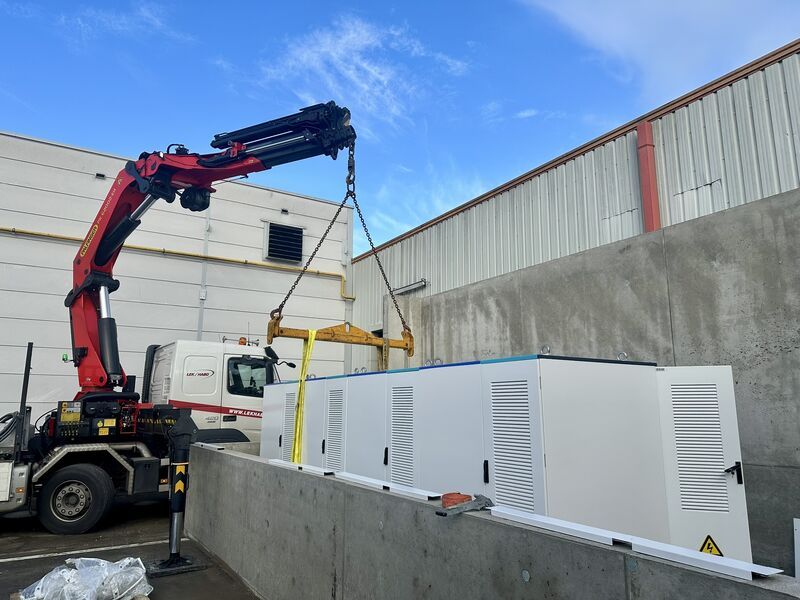
Pro porovnání různých hardwarových konfigurací a jejich vlivu na ekonomiku projektu si prohlédněte integrovaná C&I řešení pro skladování baterií, která kombinují certifikované LFP regály s EMS předem validovaným pro řízení poplatků za poptávku.
2. DC-coupled vs. AC-coupled architektury – Technické a ekonomické kompromisy
2.1 DC-coupled komerční solární úložiště
V DC-coupled návrzích sdílí PV pole a bateriový bank společnou DC sběrnici připojenou k jednomu hybridnímu invertoru. Tato topologie nabízí vyšší účinnost zpětného cyklu (93–96%), protože se vyhýbá dalším krokům převodu DC-AC-DC. Také zjednodušuje retrofity stávajících solárních systémů, pokud odpovídá stávající MPPT napěťový rozsah napětí bateriového stringu. Nicméně, DC-coupled systémy vyžadují pečlivější koordinaci napětí baterie s otevřeným napětím PV (Voc), aby se předešlo překročení vstupních limitů invertoru. Pro komerční střechy s omezeným prostorem DC spojení snižuje prostorové nároky zařízení tím, že eliminuje další AC kombinátorové panely.
2.2 AC-coupled komerční solární úložiště
Návrh AC-coupled umisťuje baterii za samostatný obousměrný invertor, který se připojuje k hlavnímu AC distribučnímu panelu zařízení. Stávající PV invertor zůstává nezměněn. Tento přístup poskytuje provozní flexibilitu: baterie může být nabíjena ze sítě během hodin s nízkými sazbami (arbitrážní režim), zatímco stále absorbuje přebytečnou solární energii. Hlavní nevýhodou je nižší účinnost (89–92%) kvůli dalším převodům. Pro zařízení s cenami podle doby použití (TOU), které se výrazně liší mezi dnem a nocí, AC spojení často přináší vyšší čistý příjem, což z něj činí preferovanou architekturu pro mnoho komerčních solárních úložišť retrofity.
3. Snížení poplatku za odběr – Hlavní finanční faktor
Pro většinu komerčních zákazníků zahrnuje měsíční účet za elektřinu poplatek za odběr (kW), který obvykle představuje 30–50 % celkových nákladů. Správně dimenzovaný komerční solární úložný systém aplikuje šetření špiček: baterie se vybíjí během 15minutového intervalu, kdy zatížení zařízení překročí předem nastavený práh, čímž se snižuje špičkový odběr zaznamenaný měřičem energie. Pomocí historických dat o zatížení (15minutová granularita po dobu 12 měsíců) může EMS vypočítat optimální cíl odběru. S algoritmem pro šetření špiček může baterie o kapacitě 500 kWh snížit měsíční poplatky za odběr o 1 200–2 500 USD v závislosti na místních sazbách dodavatele. Inženýrské úvahy zahrnují:
Dimenzování výkonu vs. energie – Šetření špičky 300 kW po dobu 30 minut vyžaduje 150 kWh použitelné energie, ale výkon invertoru musí překročit 300 kW.
Rezerva SoC – Baterie musí být alespoň 30 % nabitá před očekávaným obdobím špičky.
Nejistota počasí – Zamračené dny snižují výkon PV, což vyžaduje, aby EMS rezervoval kapacitu baterie pro šetření špiček místo arbitráže.
Pokročilé modely EMS od CNTE zahrnují strojové učení založené na prognózování zatížení, které se přizpůsobuje sezónním změnám produkce a státním svátkům.
4. Metodologie dimenzování baterií pro aplikace C&I
Nesprávné dimenzování baterií je nejčastější příčinou nedostatečného výkonu komerčních solárních úložných investic. Doporučuje se čtyřkrokový inženýrský přístup:
Krok 1 – Profilování zatížení: Shromáždit 12 měsíců dat s intervaly 15 minut. Identifikovat typické vzory pracovního dne, víkendu a sezónní vzory.
Krok 2 – Modelování výroby PV: Použít PVsyst nebo Helioscope s analýzou zastínění na místě k výpočtu hodinového solárního výstupu.
Krok 3 – Simulace šetření špiček: Simulovat vybití baterie pro každý měsíc s kandidátskými výkonovými parametry (100 kW až 1 MW). Určit marginální snížení poplatků za odběr na každou další kWh úložiště.
Krok 4 – Analýza energetické arbitráže: Kde se rozdíly TOU překračují 0,12 USD/kWh, přidat další kapacitu pro nabíjení přes noc (síť) a vybíjení během odpoledních špiček.
Typické malé výrobní zařízení s maximálním zatížením 600 kW a denní spotřebou 1 200 kWh dosáhne optimálního ROI s baterií LFP 300 kW / 600 kWh (2hodinová doba). Převažování na 1 000 kWh přináší pouze 8 % dodatečných úspor na účtech, zatímco zdvojnásobuje počáteční náklady – tím se prodlužuje doba návratnosti z 4,5 na 7,2 roku.
5. Tepelná správa a životnost cyklu v prostředích s vysokou teplotou
Mnohé komerční střechy a venkovní uzávěry zažívají teploty nad 40 °C, což urychluje degradaci článků LFP, pokud nejsou správně chlazeny. Standardní skříně chlazené vzduchem mohou udržovat průměrnou teplotu na 35 °C, ale mohou mít variaci 7–10 °C mezi horními a dolními moduly, což vede k nevyvážené kapacitě. Pro komerční solární úložné systémy, které cyklují denně (350 cyklů/rok), se silně doporučuje kapalné chlazení, když okolní teploty překročí 35 °C po dobu delší než tři měsíce. Kapalné chlazení poskytuje:
Jednotnost teploty článků v rámci ±2 °C, což zvyšuje kalendářní životnost z 10 na 14 let.
Vyšší udržitelný C‑rate (1C kontinuálně bez tepelných deratingů).
Nižší parazitní spotřeba energie HVAC (až 25% snížení oproti chlazení vzduchem).
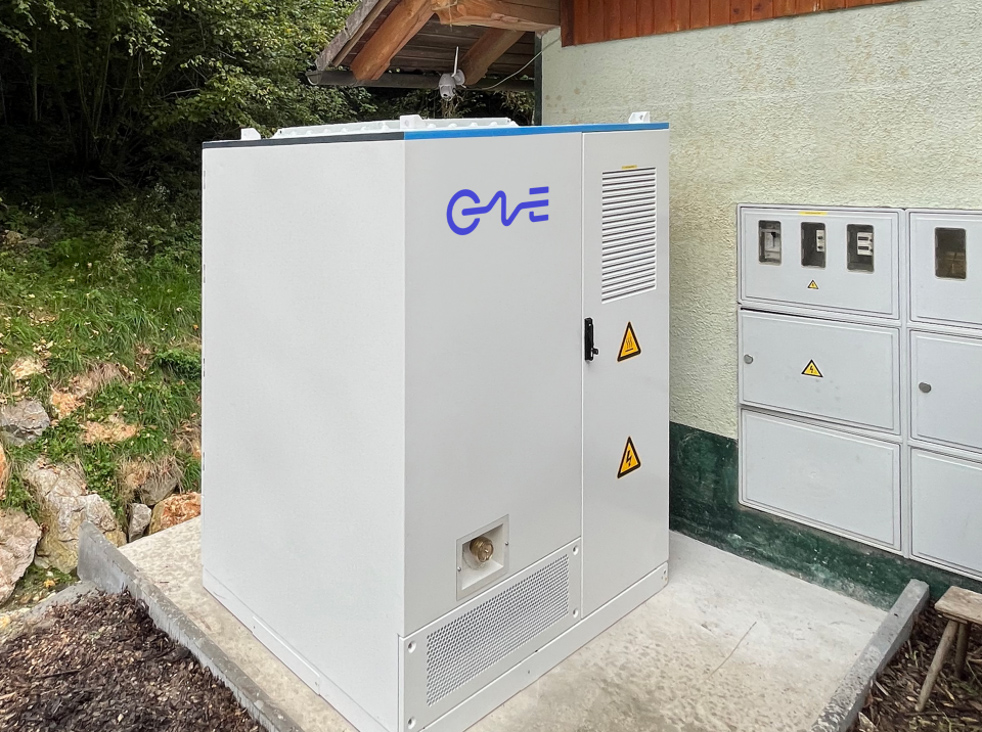
CNTE integruje bateriové regály s kapalinovým chlazením se sebediagnostickými ventily a vzdáleným monitorováním teploty, což umožňuje prediktivní údržbu před vznikem nerovnováhy článků.
6. Finanční modelování – Doba návratnosti a vnitřní míra návratnosti
Pro prezentaci důvěryhodného obchodního případu pro komerční solární úložiště musí 10letý model cash flow zahrnovat:
Počáteční CAPEX: bateriové regály (190–240 USD/kWh), hybridní invertor (80–110 USD/kW), BMS/EMS (15–25 USD/kW), instalace a propojení (45–70 USD/kW).
Roční příjmy: úspory z poplatků za odběr, TOU arbitráž, potenciální platby za místní kapacitu (např. velkoobchodní odezva na poptávku).
Provozní náklady: předplatné pro vzdálené monitorování, roční testy zdraví baterií, zvýšení pojistného (pokud nějaké).
Úprava degradace: předpokládejte 0,5–0,8% roční pokles kapacity; použitelná kapacita po 10 letech ≈ 88% jmenovité hodnoty.
Daňové pobídky: US ITC (30% pro samostatná úložiště za určitých podmínek), zrychlené odpisy (MACRS).
Pro systém 400 kW / 800 kWh v oblasti PG&E v Kalifornii (poplatek za odběr 21 USD/kW, TOU spread 0,16 USD/kWh) je typická nezvýhodněná doba návratnosti 4,2–4,9 let s vnitřní mírou návratnosti (IRR) nad 18%. Začlenění 30% investičního daňového kreditu zkracuje dobu návratnosti na 3,1 roku. Tato čísla předpokládají plně funkční EMS; použití základního časového ovladače snižuje úspory o 35–45%.
7. Překonávání běžných překážek instalace – Propojení sítě a povolení
Mnoho komerčních projektů čelí zpožděním kvůli studiím propojení sítě. Pro urychlení schválení dodržujte tyto technické pokyny:
Vyberte invertory s certifikací UL 1741 SA nebo IEEE 1547-2018 pro podporu sítě (provoz při výpadku napětí/frekvence).
Nastavte omezení exportu na nulu, pokud místní utility zakazují zpětný tok (baterie se nabíjí pouze ze slunce a nikdy neexportuje do sítě).
Poskytněte schéma jedné linie, které jasně ukazuje izolační zařízení, externí odpojovací spínač a příspěvek poruchového proudu z baterie.
Použijte předem navržená, UL 9540 uvedená komerční úložná řešení, abyste se vyhnuli zdlouhavým certifikačním přezkumům na úrovni komponentů.
CNTE nabízí balíčky povolení na klíč, včetně razítkovaných statických výkresů, zpráv o požární bezpečnosti a formulářů žádostí o připojení k síti přizpůsobených každé jurisdikci.
Často kladené otázky (FAQ) – Ekonomika a inženýrství komerčního solárního úložiště
Q1: Jaká je typická doba návratnosti pro komerční solární úložiště bez dotací?
A1: Pro dobře optimalizovaný systém (2hodinová doba, denní špičkové šetření + TOU arbitráž) v oblastech s poplatky za odběr nad 15 USD/kW a TOU spread nad 0,12 USD/kWh se doba návratnosti pohybuje od 4 do 6 let. Místa s nižšími náklady na energii vidí 7–9 let. Zahrnutí federálních daňových kreditů (např. US ITC) zkracuje dobu návratnosti na 3–4 roky. Vždy požadujte simulaci na úrovni inženýrství s použitím vašich skutečných dat o zatížení za posledních 12 měsíců.
Q2: Mohu přidat úložiště k existujícímu solárnímu poli bez výměny invertoru?
A2: Ano, prostřednictvím konfigurace komerčního solárního úložiště spojeného s AC. Samostatný měnič baterií se připojuje na AC stranu vaší budovy. To umožňuje stávajícímu PV měniči fungovat beze změny. Nicméně, účinnost při zpětném cyklu bude 89–92 % namísto 94–96 % pro retrofity spojené s DC. U systémů starších než 5 let může hodnocení výměny hybridního měniče přinést lepší dlouhodobou ekonomiku.
Q3: Jak teplota ovlivňuje výkon a životnost komerčních LFP baterií?
A3: Každé zvýšení průměrné teploty článku o 10 °C nad 25 °C snižuje cyklickou životnost LFP přibližně o 30–40 %. Při 40 °C okolní teploty může vzduchem chlazená baterie dosáhnout 4 000 cyklů namísto udávaných 6 000 cyklů. Kapalné chlazení udržuje články blízko 30 °C, i když venkovní teplota překročí 40 °C, čímž se zachovává cyklická životnost a zajišťuje konzistentní průtok. CNTE’s thermal simulation service pomáhá určit, zda vzduchové nebo kapalné chlazení vyhovuje vašemu klimatu.
Q4: Co se stane s baterií během výpadku sítě? Poskytuje zálohu?
A4: Pouze systémy s certifikovanou funkcí ostrovního provozu (anti-islanding) a přepínačem pro přenos budou napájet kritické zátěže během výpadku. Mnoho instalací komerčního solárního úložiště je nakonfigurováno pouze pro špičkové šetření a vypnou se, když dojde k výpadku sítě, pokud měnič nepodporuje režim „zálohy“. Schopnost zálohy zvyšuje náklady na měnič o 12–18 % a vyžaduje podpanel pro kritické zátěže. Pro podniky, které potřebují odolnost vůči výpadkům (např. skladování potravin, datová centra), specifikujte měnič s rychlým přepínačem (<100 ms="">
Q5: Jak mohu transparentně porovnat nabídky od různých integrátorů?
A5: Požádejte o následující standardizované metriky: garantovaná účinnost při zpětném cyklu při 25 % / 50 % / 100 % zatížení, dodavatel článků baterie a zpráva o testu cyklické životnosti (do 80 % SOH), podmínky záruky (včetně limitů průtoku a prahu pro bezplatnou výměnu), funkce EMS (horizont předpovědi, cloud vs. edge computing) a podrobný rozpis nákladů na baterii, měnič, BMS, instalaci a měkké náklady. Vyhněte se nabídkám, které poskytují pouze jednu „cenu na klíč“ bez technických specifikací. Renomovaný integrátor, jako je CNTE, vždy dodá úplný seznam materiálů a 10letou křivku degradace před podpisem smlouvy.
📈 Jste připraveni implementovat vysoce návratné komerční solární úložiště pro vaše zařízení? Kontaktujte inženýrský tým CNTE C&I pro podrobnou posouzení místa, finanční simulaci založenou na zatížení a návrh zařízení, který zahrnuje kontejnery certifikované UL 9540, možnosti kapalného chlazení a 10letou záruku výkonu. Naši odborníci vám pomohou zajistit maximální dostupné pobídky a vyhnout se běžným problémům s integrací.
Kontaktujte nás
Nejnovější příspěvky
-
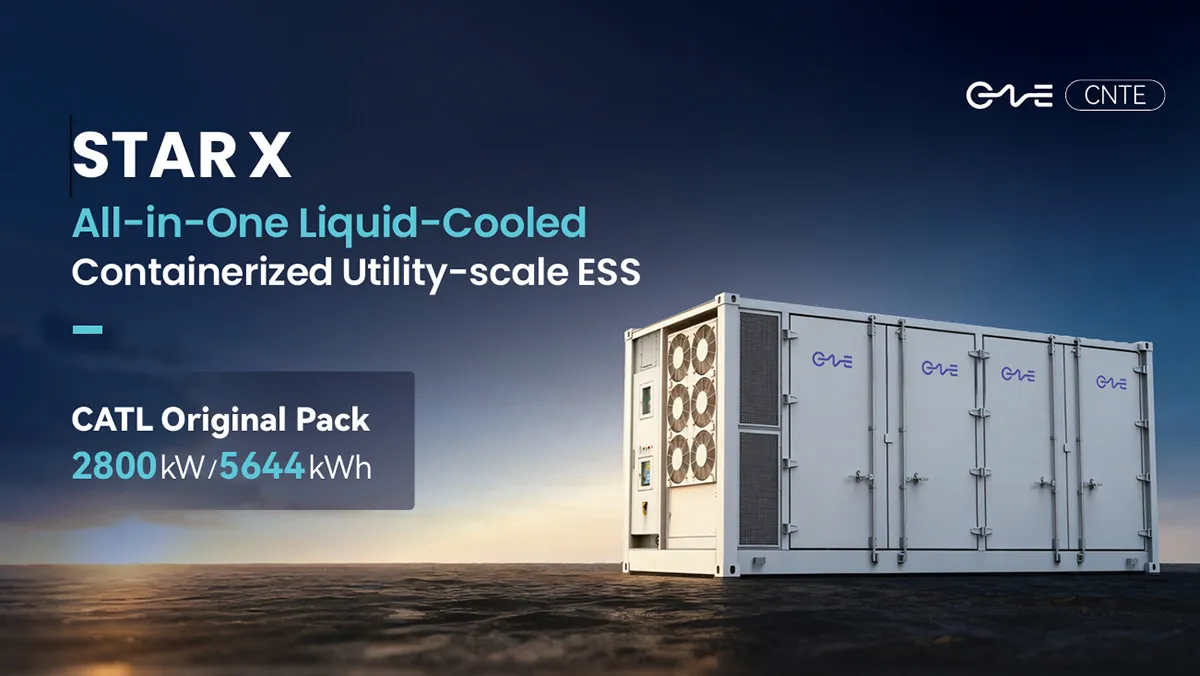
CNTE uvádí na trh STAR X kapalinou chlazený DC/AC integrovaný systém pro ukládání energie na Intersolar Europe 2026
Jul 06, 2026 -
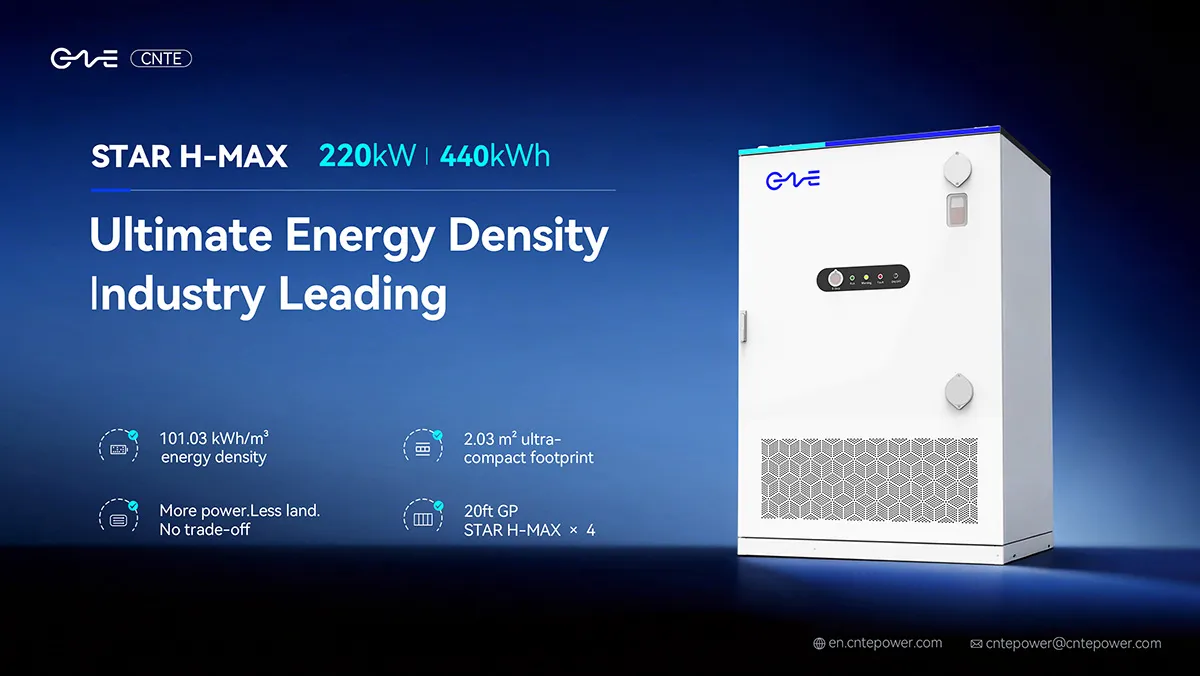
CNTE představuje nový STAR H-MAX kapalinou chlazený C&I ESS na Intersolar Europe 2026
Jun 23, 2026 -
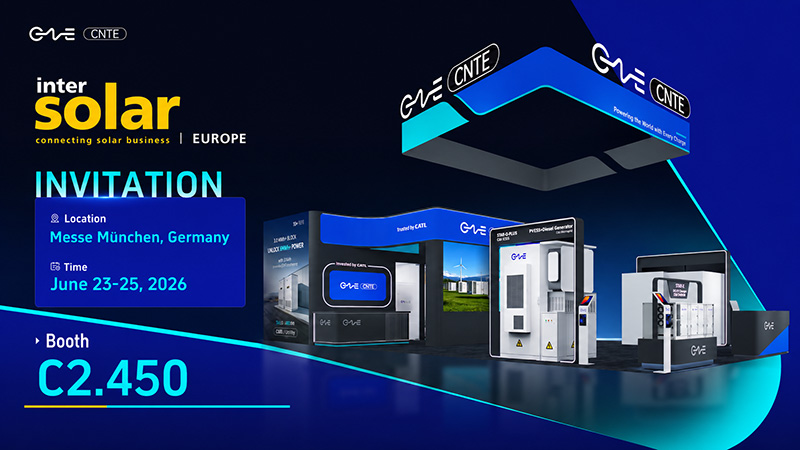
CNTE se zúčastní Intersolar Europe 2026
May 20, 2026 -
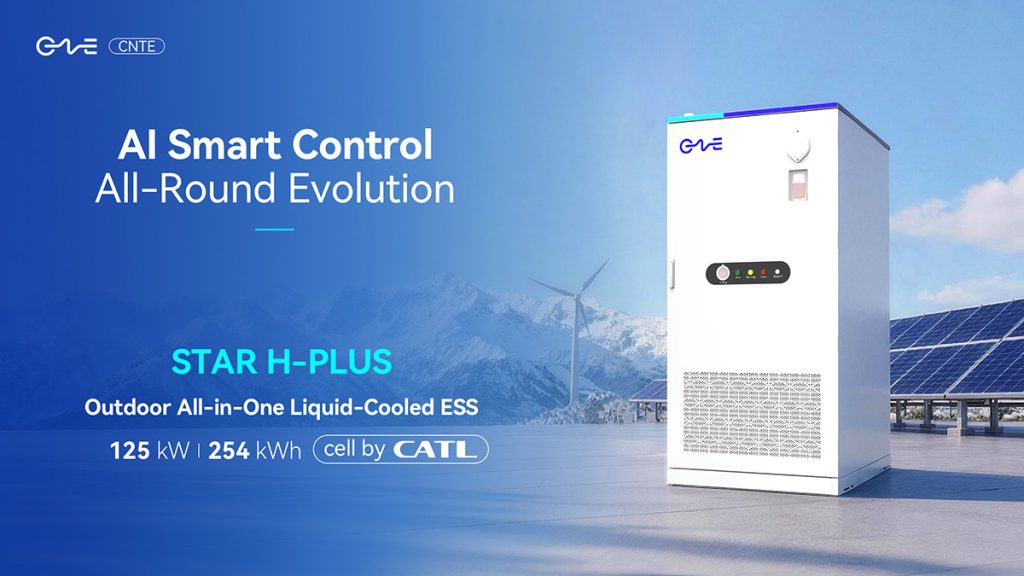
CNTE na KEY ENERGY 2026: Představuje STAR H-PLUS Venkovní Kapalinou Chlazený Systém Ukládání Energie
Mar 05, 2026 -
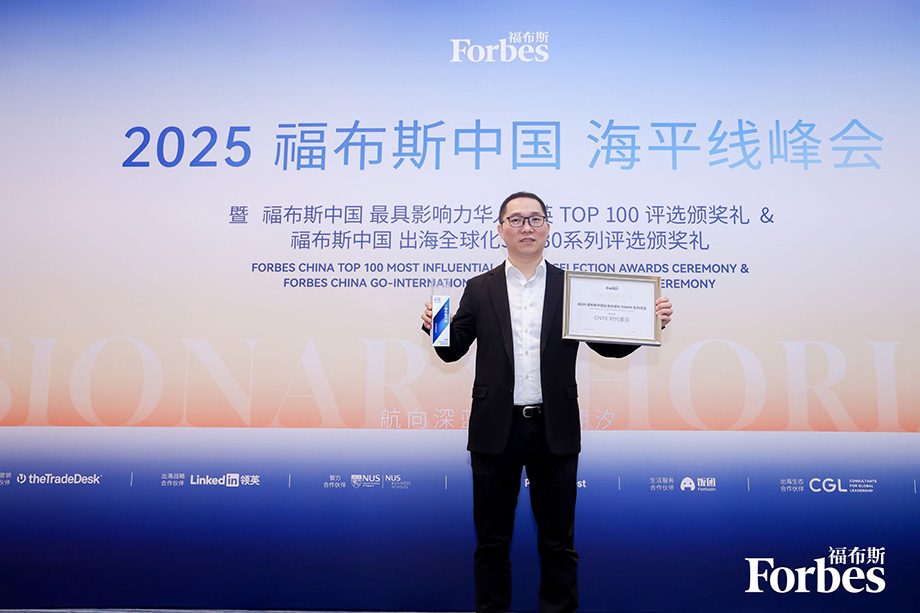
CNTE oceněno jako vedoucí globální značka Forbes Čína 2025
Jul 06, 2026 -
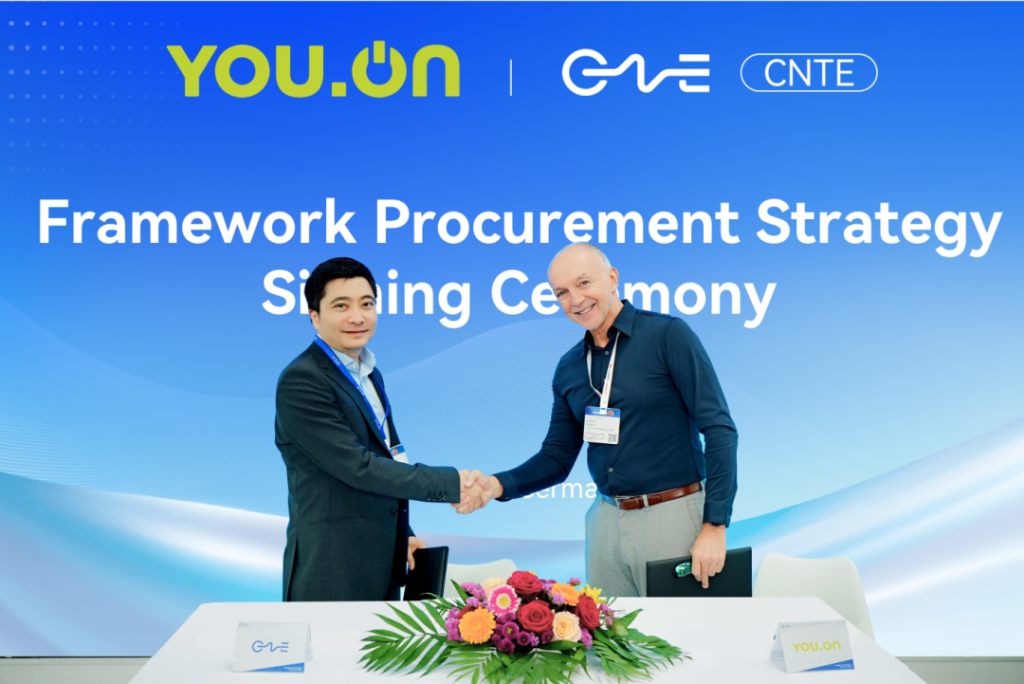
CNTE & YOU.ON Partner ke rozšíření trhů s úložišti
May 19, 2025 -
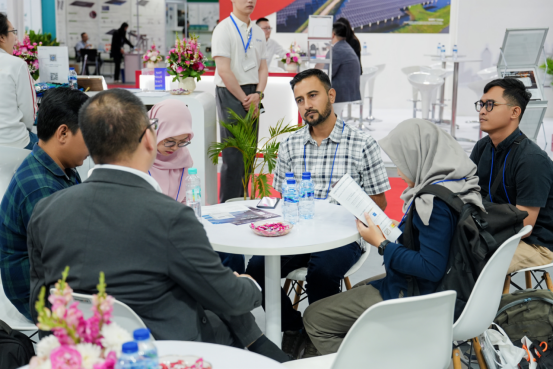
CNTE představuje řadu úložišť energie na Solartech 2025
May 19, 2025 -
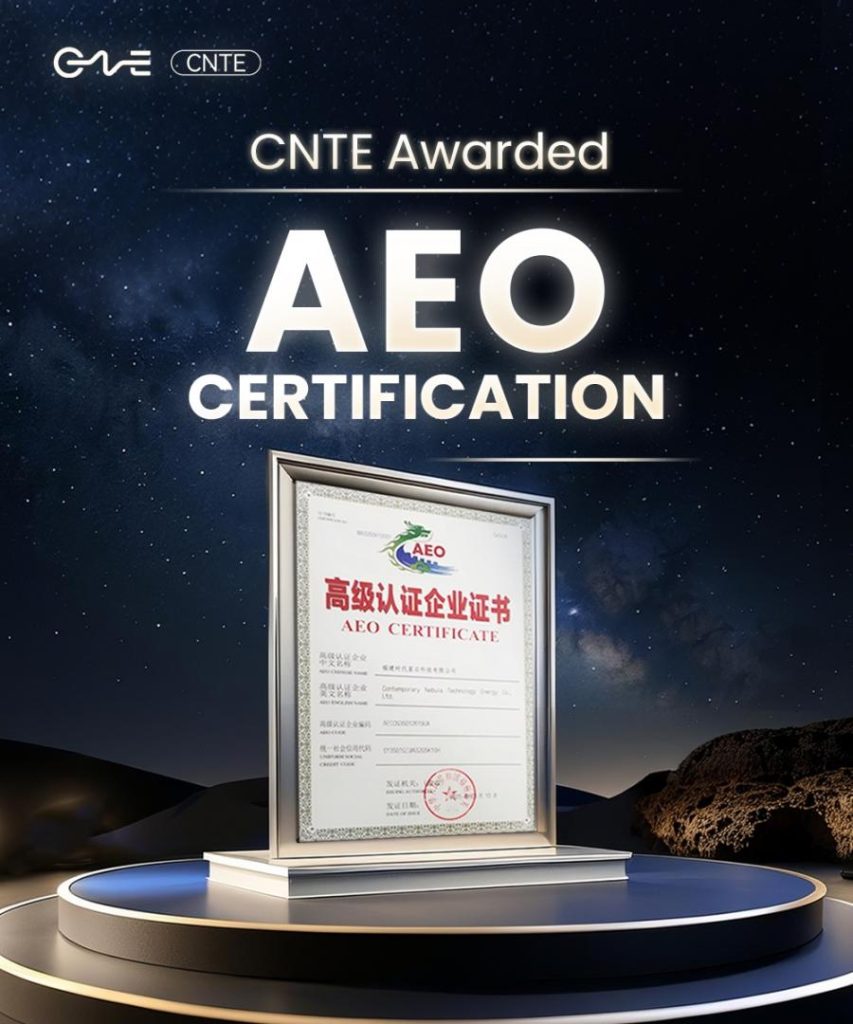
CNTE získalo certifikaci AEO
Jul 06, 2026 -
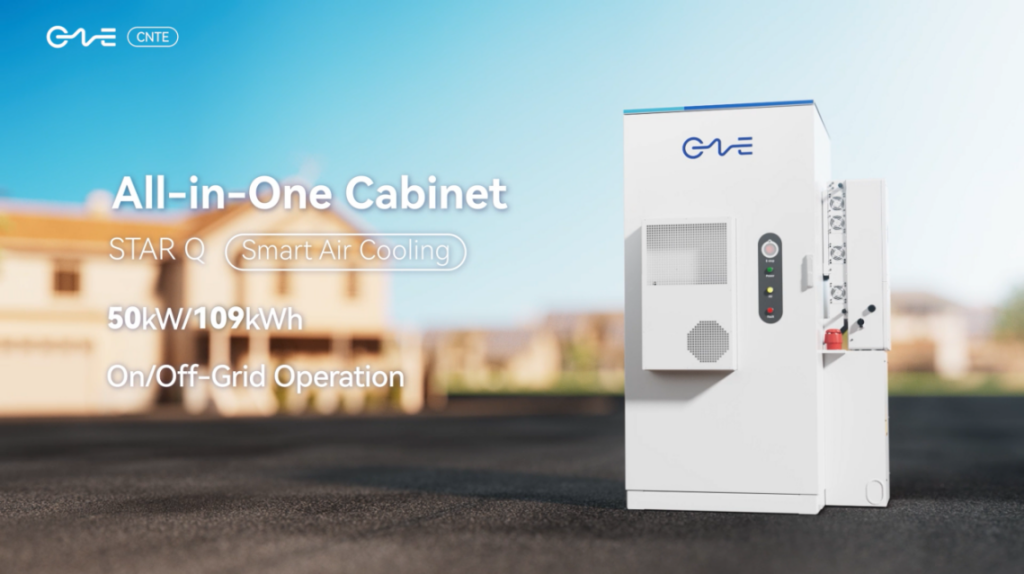
CNTE Nové uvedení produktu STAR Q
Jan 15, 2025 -
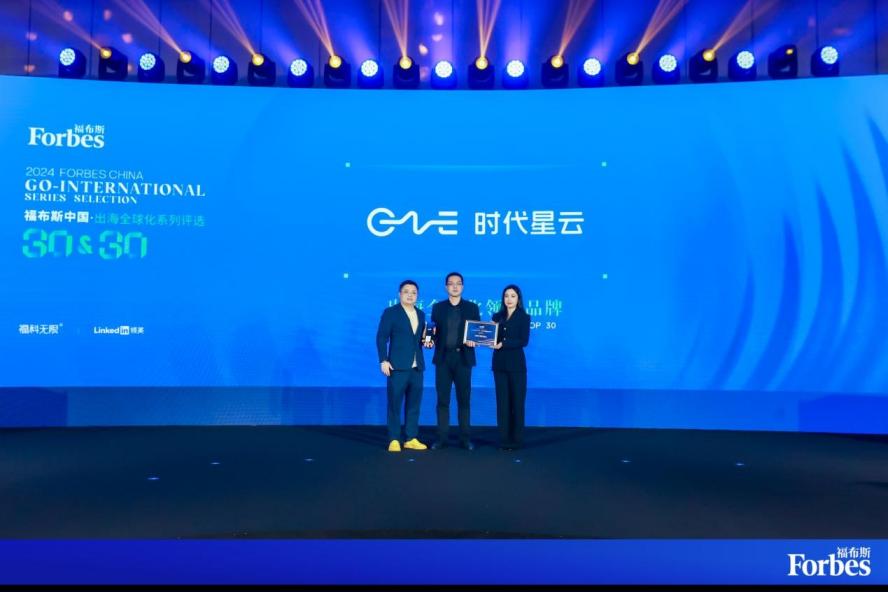
CNTE zařazeno do Forbes China 2024 Top 30 mezinárodních značek
Jul 06, 2026
