
7 Doğru Güneş Enerjisi Depolama Teknolojisini Seçmek İçin Kritik Faktörler
Yenilenebilir enerjinin küresel olarak benimsenmesi hızlandıkça, Gücü yakalama ve tutma yeteneği, onu üretmek kadar önemli hale geliyor. İşletmeler ve şebeke operatörleri için, Zorluk sadece panelleri kurmak değil; doğru olanı seçmek Güneş enerjisi depolama teknolojisi güneş battığında veya talep arttığında elektriğin mevcut olmasını sağlamak için.
Piyasa seçeneklerle dolup taştı, Geleneksel kurşun-asit kurulumlarından gelişmiş akış pillerine kadar. Fakat, Maliyeti dengeleyen bir çözüm bulmak, emniyet, ve verimlilik spesifikasyonlara derinlemesine bakmayı gerektirir. İster ticari bir fabrika ister hizmet seviyesindeki bir istasyon için olsun., Seçtiğiniz donanım, yatırım getirinizi belirler.
Sektör aktörleri CNTE (Türkçe) (Çağdaş Nebula Teknoloji Enerji A.Ş., ve Tic. Ltd. Şti) bu değişimin basit pil bağlantılarından akıllı hale doğru ilerlediğini gözlemledim, Tüm senaryolu sistemler. Bu makale, bir depolama sistemine yatırım yapmadan önce göz önünde bulundurmanız gereken temel faktörleri detaylandırıyor.
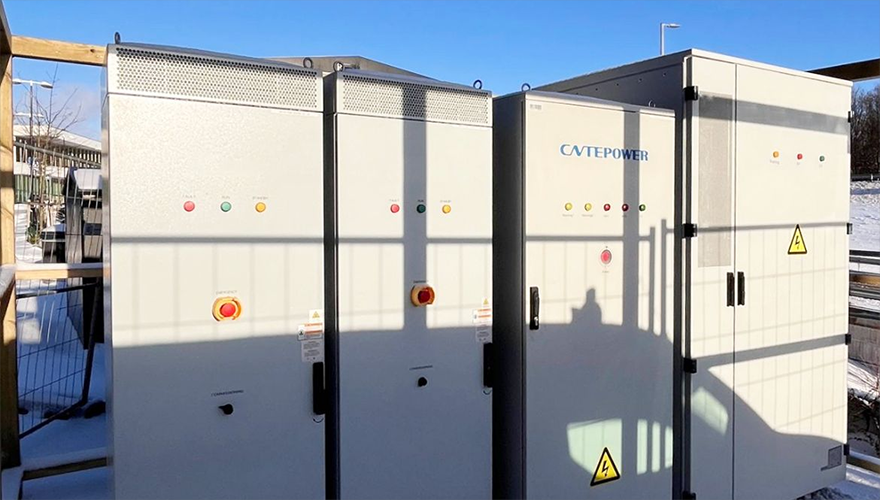
Modern şebekelerde güneş enerjisi depolama teknolojisinin rolü
Enerji depolama tampon görevi görür. Güneş enerjisi üretiminin kesintisini yumuşatıyor. Etkili depolama olmadan, Öğlen zamanı üretilen fazla enerji boşa harcanır, ve pahalı şebeke gücü yoğun akşam saatlerinde satın alınmalıdır.
Modern Güneş enerjisi depolama teknolojisi Sadece elektronları depolamaktan fazlasını yapar. Voltajı yönetir, frekans düzenlemesi sağlar, ve enerji güvenliğini sağlar. Ticari kuruluşlar için, Bu, talep ücretlerinin düşürülmesi anlamına geliyor. Mikroşebekeler için, Bu, karartma sırasında çevrimiçi kalmak anlamına gelir.
Teknoloji hızla gelişti. İlk sistemler hantalıydı ve ağır bakım gerektiriyordu. Bugün, Yüksek yoğunluk görüyoruz, Mevcut altyapıyla sorunsuz entegre olan akıllı sistemler.
1. Batarya Kimyalarının Karşılaştırılması
Her depolama sisteminin çekirdeği pil kimyasıdır. Bu, ömrünü belirler, boyut, ve tesisin güvenliği.
Lityum-Demir Fosfat (LFP (Nükleer Güç))
LFP şu anda sabit depolama için baskın kimyadır.. Diğer lityum varyantlarına kıyasla yüksek bir güvenlik profili sunar çünkü termal kaçmaya daha az yatkındır.
Bu piller genellikle uzun bir döngü ömrü sunar, çoğu zaman daha fazla 6,000 Döngü. Bu da onları günlük şarj ve boşaltma için ideal kılar. Çoğu tüm senaryo için enerji depolama sistemi çözümü artık bu nedenle LFP'ye dayanır.
Akış Pilleri
Akış bataryaları, büyük ölçekli elektrik projelerinde popülerlik kazanıyor. Sıvı elektrolit tanklarında enerji depolarlar.
Buradaki en büyük avantaj ölçeklenebilirliktir. Daha fazla kapasite elde etmek için, Sadece daha büyük tanklar kullanıyorsunuz. Fakat, Lityum seçeneklerine göre daha düşük enerji yoğunluğu ve daha büyük fiziksel ayak izi vardır, bu durum onları alan kısıtlı alanlar için daha az uygun hale getiriyor.
Sodyum-İyon
Sodyum-iyon maliyet etkin bir alternatif olarak ortaya çıkıyor. Sodyum bol ve ucuzdur.
Teknoloji umut vaat ediyor, hâlâ olgunlaşıyor. Enerji yoğunluğu lityumdan daha düşüktür, ama aşırı soğuk sıcaklıklarda daha iyi performans gösterir.
2. Döngü Ömrü ve Deşarj Derinliği (Gelmek)
Teknik bilgiler değerlendirilirken, İki sayı en önemli: Döngü ömrü ve Deşarj Derinliği (Gelmek).
DoD, pilin kapasitesinin ne kadarının zarar vermeden kullanılabileceğini ifade eder. Eski kurşun-asit piller ancak yaklaşık olarak boşalabilirdi 50%. Modern Güneş enerjisi depolama teknolojisi, özellikle lityum bazlı sistemler, çoğu zaman 90% hatta 100% Gelmek.
Çevrim ömrü, pilin önemli kapasite kaybetmeden önce kaç kez boşalıp doldurulabileceğini gösterir. Daha yüksek bir döngü ömrü, doğrudan daha düşük Seviyeli Depolama Maliyeti anlamına gelir (LCOS) Projenin ömrü boyunca.
3. Termal Yönetim ve Güvenlik Sistemleri
Güvenlik, Ticari ve Endüstriyel sektör için birincil önceliktir (C&Ben) Uygulama. Yüksek enerjili piller ısı üretir. Bu ısı yönetilmezse, verimliliği azaltır ve güvenlik riskleri oluşturur.
Sıvı Soğutma ve Soğutma. Hava Soğutma
Gelişmiş sistemler sıvı soğutmaya doğru ilerliyor. Sıvı soğutma plakaları, geleneksel hava fanlarına göre tutarlı pil sıcaklığını korumada daha verimlidir.
Bu tutarlılık, pil hücrelerinin ömrünü uzatır. Üreticiler CNTE (Türkçe) (Çağdaş Nebula Teknoloji Enerji A.Ş., ve Tic. Ltd. Şti) Mühendisliklerinde sistemlerinin aşırı ısınmadan zorlu günlük döngülere dayanabilmesi için sağlam termal yönetim vurgulanır.
Yangın Söndürme
Modern birimler entegre yangın söndürme sistemleriyle donatılmıştır. Bunlar eklenti değil, yerleşik koruma katmanlarıdır. Sensörler, gaz sökümünü veya hızlı sıcaklık artışlarını tespit eder ve hemen azaltma protokollerini tetikler.
4. Sistem Entegrasyonu ve Akıllı Kontroller
Donanım sadece savaşın yarısıdır. Batarya Yönetim Sistemi (BMS) operasyonun beynidir.
İyi bir BMS hücreleri dengeler. Hiçbir hücrenin aşırı yüklenmemesini veya aşırı deşarj edilmemesini sağlar. Ayrıca güneş inverteri ve yerel şebeke ile iletişim kurar.
Tüm senaryolar bağlamında, Yazılım "zirve tıraş edilmesine" izin verir. Sistem, şebeke elektriğinin en pahalı olduğu zamanı otomatik olarak tespit eder ve pil gücüne geçer. Bu otomatik arbitraj, işletmelerin en hızlı finansal getirileri gördüğü yerdir.
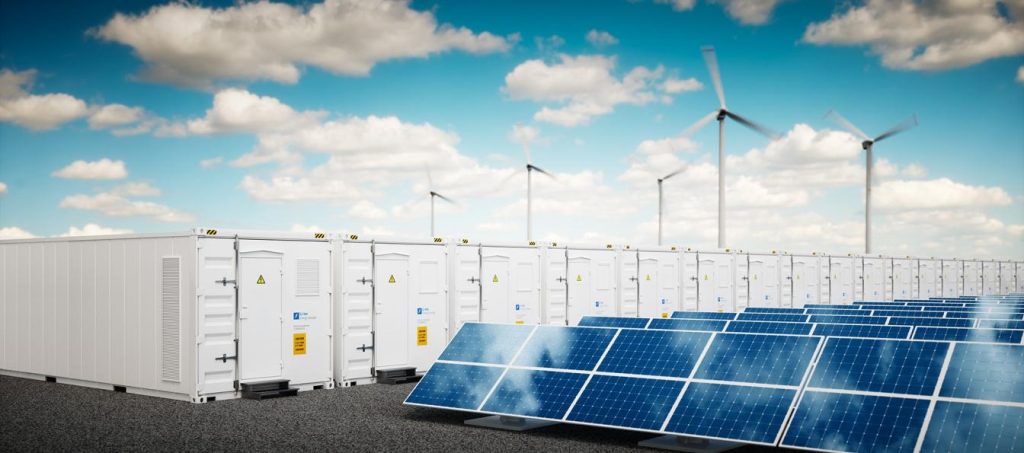
5. Gidiş-Dönüş Verimliliği
Gidiş-dönüş verimliliği enerji kaybını ölçür. Depoya konan ve daha sonra alınan elektrik yüzdesini hesaplar.
Hiçbir sistem değil 100% Verimli. Kimyasal dönüşüm sürecinde enerji ısı olarak kaybedilir.
Eski kurşun-asit sistemleri genellikle etrafta verimlilik sağlıyordu 70-80%. Mevcut yüksek voltajlı lityum sistemleri, yukarıda gidiş-dönüş verimlilikleri elde edebilir 95%.
Eğer depo yapıyorsanız 1,000 Günde kWh, a 5% Verimlilik farkı on yıl boyunca önemli finansal kayıplara yol açar. Her zaman yüksek verimlilik puanlarını önceliklendirin Güneş enerjisi depolama teknolojisi Seçim.
6. Ölçeklenebilirlik ve Modüler Tasarım
Enerji ihtiyaçları değişir. Bir fabrika üretim hattını genişletebilir, ya da bir mahalle daha fazla elektrikli araç şarj cihazı ekleyebilir.
Sabit sistemler bir yük olabilir. Modüler sistemler, inverteri veya tüm altyapıyı değiştirmeden mevcut bir kuruluma daha fazla pil dolabı veya raf eklemenizi sağlar.
Bu esneklik, yatırımınızı geleceğe hazırlıklı hale getirmek için çok önemlidir. Bu sayede şirketler daha küçük bir sermaye harcamasıyla başlayıp tasarrufları daha fazla yatırımı haklı çıkardıkça sistemi büyütebilirler.
7. Garanti ve Bankacılık
Nihayet, Garantiyi ve arkasındaki şirketi düşünün. 10 yıllık garanti standarttır, ama terimler farklılık gösterir.
Sadece "ürün garantisi" yerine "performans garantisi" arayın. Performans garantisi, pilin hâlâ belirli bir kapasite tutacağını garanti eder (genellikle 70% veya 80%) belirli bir yıl veya döngü sayısından sonra.
Bankalanabilirlik, üreticinin finansal istikrarını ifade eder. Tedarikçinin on yıl sonra da bu garantiyi yerine getirmek için orada olacağını bilmelisiniz.
Doğru depolama çözümünü seçmek, karmaşık bir kimya dengesidir, masraf, ve kontrol. Toplam sahiplik maliyetini anlamak için başlangıç fiyatının ötesine bakmak gerekir.
İster bir mikroşebekeye istikrar sağlamak, ister bir üretim tesisi için talep ücretlerini düşürmek istiyor olun, Mevcut nesil Güneş enerjisi depolama teknolojisi güvenilir sunar, Yüksek verimlilik seçenekleri.
Termal güvenliğe odaklanarak, Hayat döngüsü, ve akıllı entegrasyon, İşletmeler istikrarlı bir enerji geleceği güvence altına alabilir. Güvenilir üreticiler CNTE (Türkçe) (Çağdaş Nebula Teknoloji Enerji A.Ş., ve Tic. Ltd. Şti) Bu sistemlerin yapabileceklerinin sınırlarını zorlamaya devam edin, yenilenebilir enerjiyi sadece bir alternatif değil, güvenilir bir temel haline getirmek.
Sıkça Sorulan Sorular
S1: Modern güneş enerjisi depolama sistemlerinin tipik ömrü nedir??
A1: Çoğu modern lityum-iyon depolama sistemi, aralarında dayanacak şekilde tasarlanmıştır. 10 Hedef 15 Yıl, ya da kabaca 4,000 Hedef 8,000 Döngü, Ne kadar yoğun kullanıldıklarına ve çalışma sıcaklığına bağlı olarak.
S2: Zaten mevcut bir güneş paneli sistemim varsa enerji depolama kurabilir miyim??
A2: Evet, buna AC-bağlı çözüm denir. Mevcut güneş panellerinizi yeniden kablolamanıza gerek kalmadan, mevcut bir güneş paneline bir batarya invertörü ve depolama ünitesi ekleyebilirsiniz.
S3: Depolama özelliklerinde kW ile kWh arasındaki fark nedir??
A3: KW (Kw) güç derecesini temsil eder, ya da pilin bir anda ne kadar hızlı enerji salgılayabileceği (Bir borunun çapı gibi). Kwh (kilowatt-saat) Kapasiteyi temsil eder, veya pilin tutabileceği toplam enerji miktarı (Mesela tankın büyüklüğü).
S4: Güneş enerjisi depolama teknolojisi iç mekan kurulumu için güvenli mi??
A4: Genellikle, Evet, Ama kimyaya ve yerel yangın yönetmeliklerine bağlı. LFP pilleri çok güvenlidir, ancak birçok ticari tesis, soğutmayı ve sıkı güvenlik düzenlemelerine uyumu sağlamak için dış mekanlara veya özel yardımcı odalara yerleştirilir.
S5: Deşarj derinliği nasıl (Gelmek) pilimi etkilemek?
A5: Önerilen DoD'nin ötesinde düzenli olarak bir pilin deşarj edilmesi, pilin ömrünü kısaltabilir. Mesela, kurşun-asit pil boşaltmak 0% zarar veriyor, modern lityum piller ise genellikle derin deşarjları taşıyacak şekilde tasarlanırken, 90% uzun vadeli önemli sorunlar olmadan.
Temasa geçin
Son Yazılar
-

KEY ENERGY'DE CNTÉ 2026: Dış Hava Sıvı Soğutmalı Enerji Depolama Sistemini Sergiliyor
Mar 05, 2026 -

CNTE Onurlandırıldı 2025 Forbes Çin'in Lider Küresel Markası
Kasım 12, 2025 -
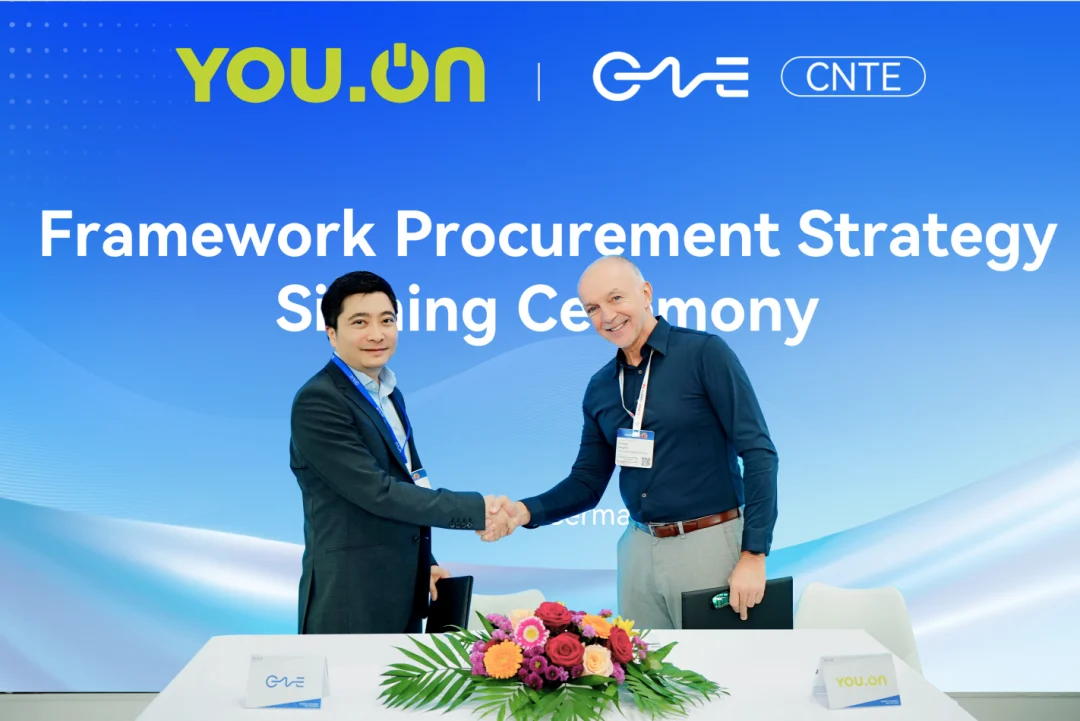
CNTE (Türkçe) & SEN. Depolama Pazarlarını Genişletmek için ON Ortağı
Mayıs 19, 2025 -
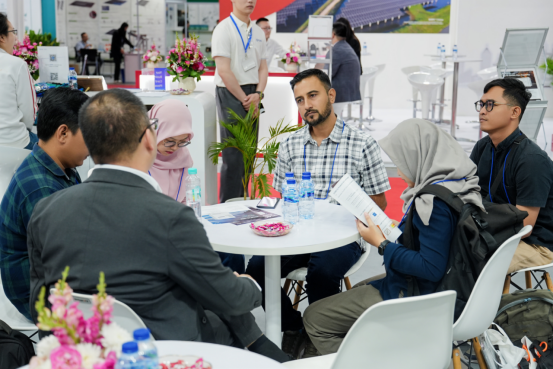
CNTE, Solartech'te Enerji Depolama Serisini Tanıttı 2025
Mayıs 19, 2025 -
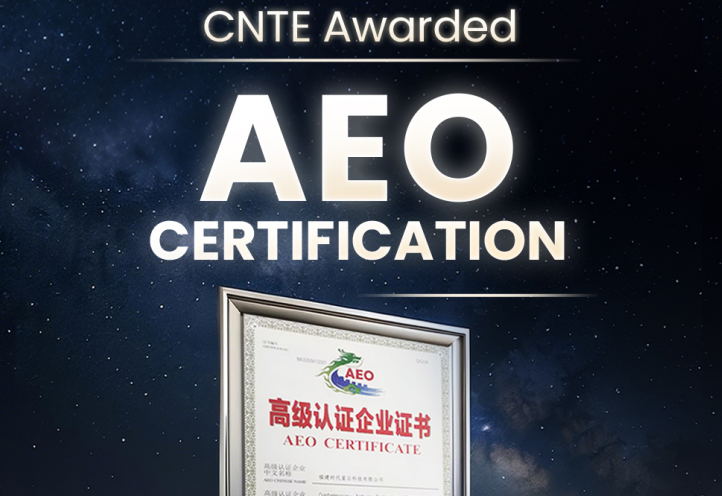
CNTE, AEO sertifikası aldı
Mar 14, 2025
Etiketler
- 1 MW pil depolama
- 500 kW Batarya
- 500 kW Batarya depolama
- 500 kWh pil fiyatı
- 500 kWh pil depolama
- 50kW güneş bataryası depolama
- hepsi bir arada güneş enerjisi bataryası
- Ev Bataryası
- Pil tabanlı enerji depolama
- Güneş Sistemi için pil kapasitesi
- Batarya Elektrik Depolama Sistemi
- Pil enerji depolama sistemi fiyatı
- Battery House Solar
- Güneş Enerjisi için Pil Kurulumu
- Ev güneş sistemi için pil paketi
- Güneş Sistemi için batarya paketi
- Batarya Paketi Evi
- Batarya paketi kWh
- Batarya Gücü Depolama Sistemleri
- Batarya depolama uygulamaları
- Pil depolama cihazı
- Pil depolama kWh
- Kwh başına pil depolama fiyatı
- Pil depolama tedarikçileri
- Batarya depolama sistemi tasarımı
- Evi çalıştırabilen pil
- Pilden şebekeye
- BESS Batarya Enerjisi
- Bess Güneş Sistemi
- Daha iyi batarya yenilenebilir enerji
- büyük pil depolama
- Pil depolama satın alın
- güneş pili depolama satın alın
- Şarj istasyonu
- Çin güneş pilleri
- Temiz enerji depolama çözümleri
- Ticari güneş enerjisi batarya depolama
- Güneş panelleri için batarya depolama maliyeti
- Güneş ve pil sisteminin maliyeti
- Güneş enerjisi batarya depolama maliyeti
- Elektrikli batarya depolama sistemi
- Elektrik Enerjisi Depolama Sergisi
- Enerji Batarya Paketi
- enerji depolama batarya paketi
- enerji depolama sistemi lityum pil
- Enerji Depolama Sistemi Malezya
- Enerji depolama sistemi fiyatı
- Enerji depolama sistemi güneş enerjisi
- Energy Tech Pil
- ESS Batarya Fiyatı
- ESS pil sistemi
- ESS güneş pili
- ESS Güneş Sistemi
- Güneş Enerjisi için EV Pil
- EV batarya güneş enerjisi depolama
- Yeşil Enerjili Lityum Pil
- Güneş panelleri için yüksek kapasiteli pil
- Hibrit pil depolama
- güneş teknolojisi
- kWh pil depolama
- Güneş enerjisi depolama için büyük piller
- Güneş enerjisi depolama için büyük batarya
- Büyük batarya depolama konteyneri
- Büyük batarya depolama sistemleri
- Büyük güneş enerjisi batarya depolama
- Büyük güneş bataryaları depolama sistemleri
- Büyük güneş enerjisi depolama pilleri
- En büyük ticari batarya
- En büyük güneş enerjisi pili depolama
- En son güneş pilleri
- şebekeden bağımsız güneş sistemi için lityum piller
- Çin'den lityum piller
- şebekeden bağımsız güneş enerjisi için lityum pil
- Güneş Sistemi Fiyatı için Lityum Pil
- Lityum Pil Ev Depolama
- Güneş panelleri için lityum batarya paketleri
- Megawatt pil depolama
- Yeni pil depolama
- Şebekeden Bağımsız Güneş Pili Depolama
- Şebeke Pil Üzerinde
- Şebeke Bataryası Depolama Üzerine
- Optik Depolama Entegrasyonu
- Dış Enerji Depolama
- Dış Hava Güneş Pil Dolabı
- PCS Batarya Sistemi
- Güç Paketi Enerjisi
- Güç depolama hücreleri
- kWh pil depolama başına fiyat
- PV güneş panelleri ve pil depolama
- q hücreli pil depolama
- Akıllı pil depolama
- Güneş & Batarya sistemi
- Güneş ve lityum pilleri
- Evin içinde güneş pilleri
- Güneş Pili Bataryası
- güneş pili konteyneri
- Güneş Pili kWh
- Çin'deki güneş bataryası üreticileri
- Güneş Bataryası Modülü
- Güneş Pili Depolama Dolabı
- Güneş Enerjisi Bataryası depolama kapasitesi
- Güneş pili depolama konteyneri
- Güneş Bataryası Depolama Üreticileri
- Güneş Enerjisi Bataryası
- Güneş Hücresi Depolama
- güneş enerjisi batarya depolama kapasitesi
- Güneş enerjisi batarya depolama sistemi
- Güneş enerjisi lityum pili
- Güneş enerjisi depolama pil fiyatı
- Güneş enerjisi depolama sistemi fiyatı
- Güneş enerjisi depolama teknolojisi
- Güneş ESS sistemi
- Güneş şebekesi batarya
- Güneş şebekesi batarya sistemi
- güneş enerjili ev pil fiyatı
- Güneş Enerjisi Kurulum Bataryası
- Pilli güneş enerjisi kurulumu
- Solar One pilleri
- Güneş paneli pil depolama kapasitesi
- Güneş paneli pil depolama fiyatı
- Güneş paneli enerji depolama pili
- Güneş paneli enerji depolama sistemleri
- Güneş paneli lityum pil depolama
- Güneş paneli güç depolama sistemi
- Güneş Santrali Bataryası
- Güneş Santrali Bataryası
- Güneş PV ve pil depolama sistemleri
- Pil depolama ile güneş PV sistemi
- Güneş Enerjisi Depolama Çözümleri
- Güneş Sistemi ve Pil Depolama
- Güneş enerjisi ve pil sistemi
- Lityum pil depolama ile güneş enerjisi
- Bağımsız enerji depolama sistemleri
- Depolama enerjisi pili
- Storedge batarya
