
5 Bir Güneş Pilinin Altyapıyı Güçlendirmek İçin Mühendislik Stratejileri
Modern enerji şebekeleri, aşırı hava olaylarından kaynaklanan benzeri görülmemiş mekanik stresle karşı karşıya kalır, Yaşlanan iletim altyapısı, ve artan elektrik talepleri. Ev sahipleri ve tesis yöneticileri artık enerji bağımsızlığını bir lüks olarak görmüyor, ama temel bir operasyonel gereklilik olarak. Güvenilir bir Tayın Güvence Edilmesi, Merkeziyetsiz enerji kaynağı, konut varlıklarını öngörülemez elektrik kesintilerinden ve değişken elektrik tarifelerinden koruyur. Başarılı bir şekilde bir Güneş Enerjisi Bataryası ağlar hassas mühendislik gerektirir, Titiz Yük Hesaplaması, ve gelişmiş güç elektroniği.
Mevcut güneş panellerine sadece batarya modüllerini bağlamak, genellikle ciddi sistem yetersiz performansına veya tam erken donanım arızasına yol açar. Optimize edilmiş bir konut mikroşebekesi, fotovoltaik arasında sorunsuz entegrasyon gerektirir (PV) Üretim, Kimyasal enerji depolama, ve akıllı enerji yönetim yazılımı. Sektör lideri üreticiler CNTE (Türkçe) (Çağdaş Nebula Teknoloji Enerji A.Ş., ve Tic. Ltd. Şti) Aralıklı güneş enerjisi üretimi ile sürekli konut tüketimi arasındaki devasa uçurumu kapatan kapsamlı tam senaryolu enerji depolama çözümleri mühendisliği.
Bu teknik analiz, kritik elektriksel parametreleri inceler, Donanım Topolojileri, ve otonom bir konut enerji sistemi tasarlamak için gerekli ekonomik metrikler. Entegrasyon sürecini standartlaştırarak, Enerji profesyonelleri, merkezi olmayan depolama varlıklarının maksimum gidiş-dönüş verimliliği ve tavizsiz şebeke dayanıklılığı sağlamasını sağlar.

Konut Enerji Depolamasının Teknik Mimarisi
Depolama hücrelerinin kimyasal bileşiminin değerlendirilmesi, başarılı bir enerji projesinin mutlak temelini oluşturur. Sektör öncelikle iki farklı lityum-iyon kimyasına dayanır: Lityum Demir Fosfat (LFP veya LiFePO4) ve Nikel Manganese Kobalt (NMC). NMC hücreleri ise daha yüksek enerji yoğunluğu sunar, böylece batarya kabinesinin fiziksel ayak izini azaltıyor, Doğası gereği daha düşük termal stabilite eşiklerine sahiptirler.
Konut uygulamaları için, mühendisler çoğunlukla LFP kimyasını belirtir. LFP hücreleri olağanüstü termal kararlılık sergiler, NMC hücrelerinin genellikle arızalandığı sıcaklıklarda termal kaçma olaylarına tamamen dirençli. Ayrıca, LFP kimyası, operasyonel döngü ömrünü önemli ölçüde daha uzun tutar, çoğu zaman daha fazla 6,000 Hedef 8,000 tam şarj ve deşarj döngüleri ile azalmadan önce 80% orijinal isim plakası kapasitesine sahip. Bu kimyasal dayanıklılık, tesisin uzun vadeli finansal sürdürülebilirliğini temelde güvence altına alır.
Deşarj Derinliğinin Yönetimi (Gelmek) ve Kapasite
Teorik isim plakası kapasitesi ile pratik kullanılabilir kapasite arasındaki sıkı farkı anlamak, sistemin felaket boyut altında kalmasını önler. Bir Güneş Enerjisi Bataryası yüklerin etkili bir şekilde belirli deşarj derinliğine sıkı bağlılık gerektirir (Gelmek) sınırları. Bir lityum-iyon pil dizisini tekrar tekrar yüzde sıfıra düşürmek, iç hücre yapısına ciddi şekilde zarar verir ve kimyasal bozulmayı hızlandırır.
İleri Batarya Yönetim Sistemleri (BMS) deşarj döngüsünü aktif olarak kısıtlamak, genellikle maksimum DoD'yi sınırlandırarak 80% veya 90%. Bu yüzden, Pazarlanan bir pil 10 kWh isim plakası kapasitesi sadece 8.5 Gerçek kullanılabilir enerji kWh. Mühendisler, kritik yük sürdürülebilirliği hesaplamalarını yaparken ham isim plakası kapasitesini değil, bu kullanılabilir enerji ölçütünü kullanmak zorundadır.
Şebeke İstikrarsızlığının Aşılması ve Kamu Tarifeleri
Enerji şirketleri, tüketicileri karmaşık Kullanım Sürelerine aktif olarak yönlendiriyor (DE) faturalama yapıları ve agresif zirve talep ücretleri. Yüksek talep olan akşam saatlerinde, Elektrik tarifeleri sıklıkla üç katına çıkar. Akıllı bir konut depolama sistemi, bu cezalandırıcı ücretleri tamamen aşmak için hassas enerji arbitrajı uygular.
Kontrol yazılımı, elektrik tarifleri düşük kaldığında sistemi sabah ve öğleden sonra fazla güneş enerjisini depolamaya zorlar. Gün batarken ve pahalı zirve tarifeleri başlarken, Kontrol, depolanan pil gücünü sorunsuzca boşaltarak evdeki yükleri destekler. Bu hassas yük kaydırma tekniği, mülkün tüketim profilini matematiksel olarak düzleştirir ve artan faturaları nötralize eder.
Otonom Ada Alanları ve Mikroşebeke Oluşumu
Standart şebekeye bağlı güneş inverterleri, ana şebeke arızalandığı anda anında kapanır. Bu zorunlu adaya karşı koruma, güneş panellerinin yüksek voltajlı elektriği kırık iletim hatlarına geri beslemesini engeller, bu da kamu hizmeti onarım ekiplerini aktif olarak tehlikeye atıyor. Gerçek bir karartma direnci sağlamak, Depolama altyapısı, gelişmiş şebeke oluşturma yeteneklerini kullanmalıdır.
Tam bir ızgara arızası tespit edildiğinde, sistemin Otomatik Transfer Anahtarı (ATS) özelliği fiziksel olarak dış hizmet ağından milisaniyeler içinde izole eder. Birincil ızgara oluşturan inverter ise kendi sabit 60Hz veya 50Hz sinüs dalgasını oluşturur. Bu, yerelleştirilmiş Güneş Enerjisi Bataryası Altyapı güvenli bir şekilde, tamamen bağımsız olarak işlev görüyor, Ana elektrik tesisi güç geri kazanana kadar kendi kendine yeten mikroşebekeye.
Kesin Elektrik Yükleri ve Inverter Kapasitesinin Hesaplanması
Depolama mimarisini doğru boyutlandırmak, mülkün özel elektrik gereksinimlerinin ayrıntılı bir analizini gerektirir. Mühendisler toplam enerji kapasitesini kesin olarak ayırır (kilovat saat cinsinden ölçülüp, Kwh) anlık güç dağıtım yeteneğinden (kilowatt cinsinden ölçülür, KW). Dev bir batarya bankası, bağlı inverter ağır mekanik cihazları çalıştıracak kadar anında akım sağlayamıyorsa sıfır değer sağlar.
- Sürekli Güç Çıkışı: İnverçer, buzdolabı gibi standart cihazların toplam çalışma wattını aynı anda sürdürmelidir, ışık, ve bilgisayarlar.
- Zirve Artış Kapasitesi: Ağır endüksiyon motorları, özellikle HVAC kompresörleri ve derin kuyu pompaları, büyük akım sivri çıkmaları gerektirir (Kilitli Rotorlu Amfiler veya LRA) Başlatma sırasında saniyenin kısrları için. Sistem aşırı yük hatalarını önlemek için inverterin aşırı yükleme oranı, bu birleşik başlangıç akımlarını açıkça aşmalıdır.
- Kritik Yük Panelleri: Tüm ana elektrik servis panelini yedeklemek yerine, Montajcılar genellikle temel devreleri özel bir alt panele ayırır. Bu stratejik yük ayrımı, acil durumlarda pilin elektrikli havuz ısıtıcıları veya dekoratif dış aydınlatma gibi gereksiz cihazlara sınırlı enerji harcamamasını sağlar.
AC-Bağlantılı ve Karşılaştırma. DC-Bağlı Topolojiler
Kimyasal depolamayı fotovoltaik üretimle entegre etmek için iki farklı kablo topolojisi arasında seçim yapmak gerekir: AC bağlantı veya DC bağlantı. Seçilen mimari, sistemin genel gidiş-dönüş verimliliğini doğrudan etkiler ve fiziksel kurulumun karmaşıklığını belirler.
DC bağlantılı sistemler, güneş panellerini ve pil dizisini tek bir sisteme bağlar, Yüksek gelişmiş hibrit invertör. Çünkü elektrik doğru akımda kalır (DC) güneş panellerinden doğrudan bataryalara akarken oluşur, sistem, birden fazla yedek ters çevirme döngüsünden kaçınır. Bu doğrudan yol enerji tutma süresini en üst düzeye çıkarır ve dönüşüm kayıplarını ortadan kaldırır. DC bağlantı, yepyeni konut yapıları için üstün mühendislik seçeneği olarak hizmet vermektedir.
Tersine, AC bağlantılı sistemler, ayrı güneş invertörleri ve batarya invertörleri kullanır. Güneş DC gücü AC enerjiye dönüşür, ev panelinden akar, ve ardından tekrar DC gücüne dönüşerek pile giriyor. Bu çoklu dönüşüm adımları nedeniyle doğası gereği daha az verimlidir, AC bağlantı, ev sahibinin zaten mevcut bir güneş paneline sahip olduğu retrofit senaryolarında üstün başarılıdır. Üst düzey çözüm sağlayıcıları gibi CNTE (Türkçe) (Çağdaş Nebula Teknoloji Enerji A.Ş., ve Tic. Ltd. Şti) Her iki topolojiyi de kusursuzca barındıran son derece uyarlanabilir donanım mühendisliği, mevcut saha kısıtlamalarına rağmen operasyonel istikrarı garanti eder.

İleri Enerji Yönetim Sistemleri (EMS)
Fiziksel lityum hücreleri ve güç elektroniği sadece konut mikroşebekesinin donanım gücünü temsil eder; Enerji Yönetim Sistemi (EMS) analitik beyin olarak işlev görür. Modern kontrolörler, şarj ve deşarj dizilerini dinamik olarak optimize etmek için saniyede binlerce veri noktasını işliyor.
Kurumsal düzeyde EMS platformları, küresel hava tahmin hizmetleriyle güvenli API bağlantıları kurar. Tahmin algoritması gelen şiddetli fırtına sistemi veya yoğun çok günlük bulut örtüsü tespit ederse, Yazılım, standart kullanım süresi deşarj protokollerini otomatik olarak geçersiz kılar. Sisteme önceden batarya bankasını şarj etmesini emreder. 100% Güç doğrudan şebekeden, Mutlak enerji güvenliğini günlük oran arbitrajından üstün tutmak.
Ayrıca, Makine öğrenimi algoritmaları hane tüketim alışkanlıklarını sürekli izler. Yazılım, tam kullanım kalıplarını profil ediyor, HVAC sisteminin genellikle ne zaman başladığını veya elektrikli araçların ne zaman takıldığını tam olarak tanıma. Bu öngörücü yük modellemesi, şu Güneş Enerjisi Bataryası Sistemler mutlak en yüksek verimlilikle çalışır, bağlı tüm donanım bileşenlerinin operasyonel ömrünü uzatmak.
Finansal Metrikler ve LCOE'nin Analizi
B2B kurulumcuları ve konut tesis yöneticileri, merkezi olmayan depolamanın kesin finansal metriklerini sıkı bir şekilde değerlendirmelidir. Geleneksel elektrik modeli sürekli Operasyonel Harcamalara dayanır (OPEX) doğrudan elektrik şirketine ödenmiştir. Yerel depolamaya geçiş için önemli bir ön Sermaye Harcaması gereklidir (CAPEX) lityum modülleri için, Hibrit invertörler, ve profesyonel montaj işçiliği.
Mühendisler Depolama Maliyeti Seviyelendirilmiş Hesaplama (LCOS) ve Seviyelenmiş Enerji Maliyeti (LCOE) uzun vadeli yatırım getirisini açıkça göstermek. Sistemin toplam yaşam maliyetini toplam megavat-saat ile bölerek (MWh (Enerji)) 10-15 yıllık ömrü boyunca boşalacağı enerji, analistler, depolanan enerjinin tam maliyetini belirleyenler.
Kamu hizmeti tarifeleri tutarlı olarak arttığında 4% Hedef 6% Yıllık, konut depolama sisteminin sabit LCOE'si oldukça çekici hale gelir. Sistem, mülkün enerji maliyetlerini önümüzdeki on yıl boyunca kilitliyor. Ayrıca, Yerel şebeke hizmetleri programlarından yararlanmak, örneğin Sanal Enerji Santrali (Başkan Yardımcısı) Toplama, Ev sahiplerinin yoğun şebeke stresi sırasında depolanan pil enerjisini aktif olarak şebeke şirketine geri satmalarına olanak tanır, somut üretmek, Doğrudan gelir, bu da başa baş başa düşme noktasını hızla hızlandırır.
Bir konut mülkünü tamamen hizmet bağımlılığından uzaklaştırmak, sadece güneş panelleri kurmaktan çok daha fazlasını gerektirir. Gerçek şebeke dayanıklılığı ve finansal özerklik, gelişmiş kimyasal depolama gerektirir, Sağlam güç elektroniği, ve akıllı öngörücü yazılım. Sürekli güç gereksinimlerini derinlemesine analiz ederek, Hassas motor dalgalanma akımlarının hesaplanması, ve optimal hibrit inverter topolojisinin uygulanması, Mühendisler, kritik konut altyapısını sistemik şebeke arızalarından başarıyla korur.
Yoğun mühendislikle entegre edilen bir Güneş Enerjisi Bataryası Kurulum, artan elektrik tarifelerine ve felaket yerel elektrik kesintilerine karşı anında koruma garantisi verir. Aşırı hava olayları çoğaldıkça ve merkezi ızgara stabilitesi bozuldukça, Yerel enerji depolama ikincil yedekleme sisteminden, mülk güç yönetimi için birincil mekanizmaya dönüşür. Kanıtlanmış endüstriyel liderlerle ortaklık kurmak CNTE (Türkçe) (Çağdaş Nebula Teknoloji Enerji A.Ş., ve Tic. Ltd. Şti) sürekli sürmek için gerekli donanım güvenilirliğini ve akıllı kontrol algoritmalarını sağlar, Tavizsiz güç özerkliği.
Sıkça Sorulan Sorular (SSS)
S1: Bir pilin kW ve kWh değerleri arasındaki belirgin fark nedir??
A1: Kilowatt (KW) Derecelendirme, sistemin belirli bir anda ağır klima gibi cihazları çalıştırmak için verebileceği maksimum anlık gücü tanımlar. Kilowatt-saat (Kwh) Derecelendirme, pil içinde depolanan toplam enerji hacmini tanımlar, Bu da bu cihazların pilin tamamen tükenmesinden önce ne kadar süre çalışabileceğini belirler.
S2: Ana şebekeden tamamen yasal olarak kopabilir miyim??
A2: Teknik olarak mümkün olsa da, Bir mülkü tamamen şebekeden çıkarmak, güneş paneli ve depolama kapasitesinin büyük ölçüde fazla boyutlandırılmasını gerektirir ve çok günlük kış fırtınalarını karşılamak için. Çoğu mühendis, şebeke bağlantısını sürdürmeyi ve Güneş Enerjisi Bataryası Otonom mikroşebeke olarak yalnızca belirli kesintiler veya pahalı zirve hız dönemlerinde faaliyet göstermektedir.
S3: Bir enerji depolama sisteminde gidiş-dönüş verimliliği tam olarak neyi ölçüyor??
A3: Gidiş-dönüş verimliliği, karmaşık şarj ve boşaltma sürecinde kaybedilen enerji yüzdesini matematiksel olarak hesaplar. Çünkü invertörler, DC elektriği AC elektriğe dönüştürmek için az miktarda güç tüketir, ve bataryak hücreleri şarj sırasında hafif termal ısı üretir, bir sistem 10 kWh ama sadece çıkış 9 Kwh. O özel senaryo bir şeyi temsil ediyor 90% Gidiş-dönüş verimliliği.
S4: Mühendisler neden Lityum Demir Fosfatı tercih ediyor? (LFP (Nükleer Güç)) evler için NMC kimyaları üzerinde?
A4: LFP kimyası, son derece üstün termal stabiliteler sunar, termal kaçma ve batarya yangınlarının tehlikeli riskini neredeyse tamamen ortadan kaldırıyor. Ayrıca, LFP hücreleri, NMC hücrelerine göre çok daha fazla yük/boşalma döngüsüne dayanır, çok daha uzun bir operasyonel ömür sağlar, bu da sistemin uzun vadeli finansal yatırım getirisini doğrudan artırır.
S5: Yerel bir depolama sistemi rutin fiziksel bakım gerektiriyor mu??
A5: Modern lityum-iyon sistemleri büyük ölçüde katı hal yapımlıdır ve aktif sıvı bakımı gerektirmez, Eski ve su basmış kurşun-asit bataryaların aksine,. Fakat, Sistem operatörleri, hibrit inverterlerdeki harici soğutma fanlarının fiziksel kalıntılardan uzak kalmasını sağlamalıdır, ve Enerji Yönetim Sistemi'nin periyodik olarak doğrulanması gerekir (EMS) bir kararlı, kritik firmware güncellemeleri için güvenli internet bağlantısı.
Temasa geçin
Son Yazılar
-

KEY ENERGY'DE CNTÉ 2026: Dış Hava Sıvı Soğutmalı Enerji Depolama Sistemini Sergiliyor
Mar 05, 2026 -

CNTE Onurlandırıldı 2025 Forbes Çin'in Lider Küresel Markası
Kasım 12, 2025 -
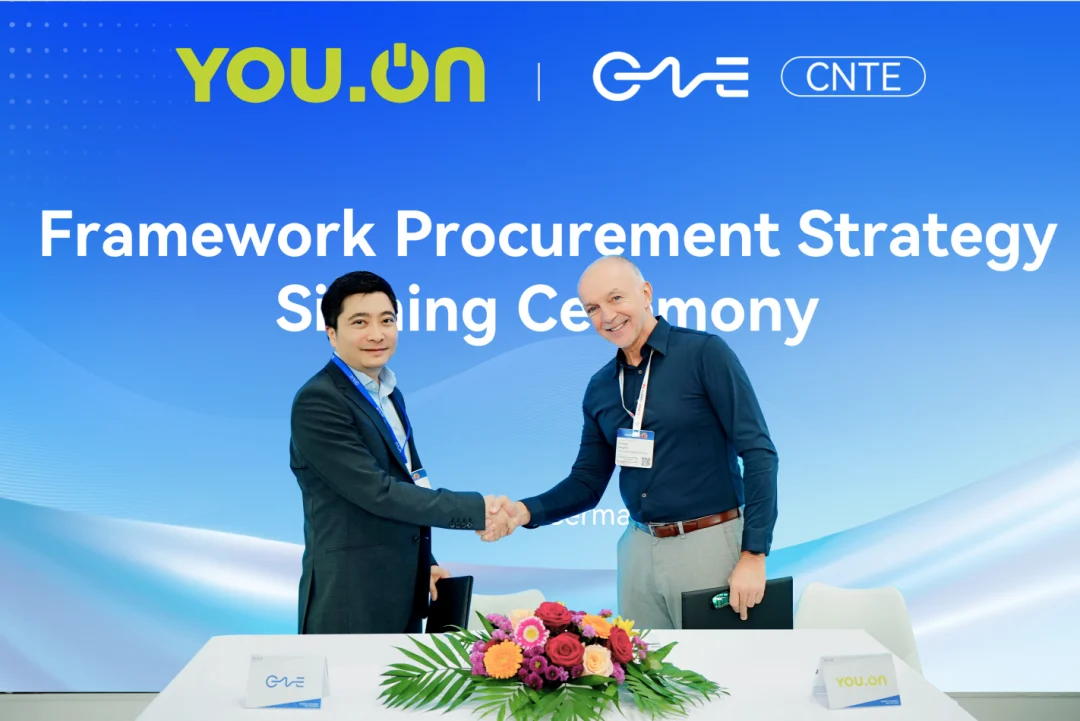
CNTE (Türkçe) & SEN. Depolama Pazarlarını Genişletmek için ON Ortağı
Mayıs 19, 2025 -
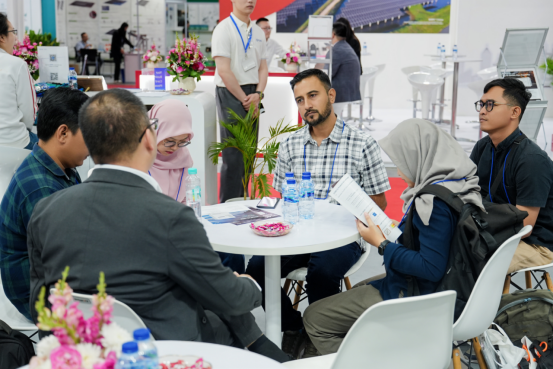
CNTE, Solartech'te Enerji Depolama Serisini Tanıttı 2025
Mayıs 19, 2025 -
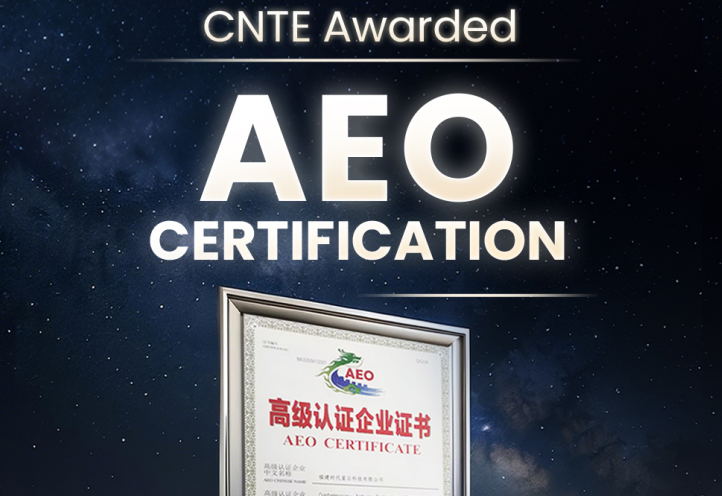
CNTE, AEO sertifikası aldı
Mar 14, 2025
Etiketler
- 1 MW pil depolama
- 500 kW Batarya
- 500 kW Batarya depolama
- 500 kWh pil fiyatı
- 500 kWh pil depolama
- 50kW güneş bataryası depolama
- hepsi bir arada güneş enerjisi bataryası
- Ev Bataryası
- Pil tabanlı enerji depolama
- Güneş Sistemi için pil kapasitesi
- Batarya Elektrik Depolama Sistemi
- Pil enerji depolama sistemi fiyatı
- Battery House Solar
- Güneş Enerjisi için Pil Kurulumu
- Ev güneş sistemi için pil paketi
- Güneş Sistemi için batarya paketi
- Batarya Paketi Evi
- Batarya paketi kWh
- Batarya Gücü Depolama Sistemleri
- Batarya depolama uygulamaları
- Pil depolama cihazı
- Pil depolama kWh
- Kwh başına pil depolama fiyatı
- Pil depolama tedarikçileri
- Batarya depolama sistemi tasarımı
- Evi çalıştırabilen pil
- Pilden şebekeye
- BESS Batarya Enerjisi
- Bess Güneş Sistemi
- Daha iyi batarya yenilenebilir enerji
- büyük pil depolama
- Pil depolama satın alın
- güneş pili depolama satın alın
- Şarj istasyonu
- Çin güneş pilleri
- Temiz enerji depolama çözümleri
- Ticari güneş enerjisi batarya depolama
- Güneş panelleri için batarya depolama maliyeti
- Güneş ve pil sisteminin maliyeti
- Güneş enerjisi batarya depolama maliyeti
- Elektrikli batarya depolama sistemi
- Elektrik Enerjisi Depolama Sergisi
- Enerji Batarya Paketi
- enerji depolama batarya paketi
- enerji depolama sistemi lityum pil
- Enerji Depolama Sistemi Malezya
- Enerji depolama sistemi fiyatı
- Enerji depolama sistemi güneş enerjisi
- Energy Tech Pil
- ESS Batarya Fiyatı
- ESS pil sistemi
- ESS güneş pili
- ESS Güneş Sistemi
- Güneş Enerjisi için EV Pil
- EV batarya güneş enerjisi depolama
- Yeşil Enerjili Lityum Pil
- Güneş panelleri için yüksek kapasiteli pil
- Hibrit pil depolama
- güneş teknolojisi
- kWh pil depolama
- Güneş enerjisi depolama için büyük piller
- Güneş enerjisi depolama için büyük batarya
- Büyük batarya depolama konteyneri
- Büyük batarya depolama sistemleri
- Büyük güneş enerjisi batarya depolama
- Büyük güneş bataryaları depolama sistemleri
- Büyük güneş enerjisi depolama pilleri
- En büyük ticari batarya
- En büyük güneş enerjisi pili depolama
- En son güneş pilleri
- şebekeden bağımsız güneş sistemi için lityum piller
- Çin'den lityum piller
- şebekeden bağımsız güneş enerjisi için lityum pil
- Güneş Sistemi Fiyatı için Lityum Pil
- Lityum Pil Ev Depolama
- Güneş panelleri için lityum batarya paketleri
- Megawatt pil depolama
- Yeni pil depolama
- Şebekeden Bağımsız Güneş Pili Depolama
- Şebeke Pil Üzerinde
- Şebeke Bataryası Depolama Üzerine
- Optik Depolama Entegrasyonu
- Dış Enerji Depolama
- Dış Hava Güneş Pil Dolabı
- PCS Batarya Sistemi
- Güç Paketi Enerjisi
- Güç depolama hücreleri
- kWh pil depolama başına fiyat
- PV güneş panelleri ve pil depolama
- q hücreli pil depolama
- Akıllı pil depolama
- Güneş & Batarya sistemi
- Güneş ve lityum pilleri
- Evin içinde güneş pilleri
- Güneş Pili Bataryası
- güneş pili konteyneri
- Güneş Pili kWh
- Çin'deki güneş bataryası üreticileri
- Güneş Bataryası Modülü
- Güneş Pili Depolama Dolabı
- Güneş Enerjisi Bataryası depolama kapasitesi
- Güneş pili depolama konteyneri
- Güneş Bataryası Depolama Üreticileri
- Güneş Enerjisi Bataryası
- Güneş Hücresi Depolama
- güneş enerjisi batarya depolama kapasitesi
- Güneş enerjisi batarya depolama sistemi
- Güneş enerjisi lityum pili
- Güneş enerjisi depolama pil fiyatı
- Güneş enerjisi depolama sistemi fiyatı
- Güneş enerjisi depolama teknolojisi
- Güneş ESS sistemi
- Güneş şebekesi batarya
- Güneş şebekesi batarya sistemi
- güneş enerjili ev pil fiyatı
- Güneş Enerjisi Kurulum Bataryası
- Pilli güneş enerjisi kurulumu
- Solar One pilleri
- Güneş paneli pil depolama kapasitesi
- Güneş paneli pil depolama fiyatı
- Güneş paneli enerji depolama pili
- Güneş paneli enerji depolama sistemleri
- Güneş paneli lityum pil depolama
- Güneş paneli güç depolama sistemi
- Güneş Santrali Bataryası
- Güneş Santrali Bataryası
- Güneş PV ve pil depolama sistemleri
- Pil depolama ile güneş PV sistemi
- Güneş Enerjisi Depolama Çözümleri
- Güneş Sistemi ve Pil Depolama
- Güneş enerjisi ve pil sistemi
- Lityum pil depolama ile güneş enerjisi
- Bağımsız enerji depolama sistemleri
- Depolama enerjisi pili
- Storedge batarya
