
7 ความจําเป็นทางวิศวกรรมสําหรับการปรับใช้แบตเตอรี่ขนาดใหญ่สําหรับระบบจัดเก็บพลังงานแสงอาทิตย์
การเปลี่ยนแปลงทั่วโลกไปสู่การผลิตไฟฟ้าแบบกระจายอํานาจและหมุนเวียนขึ้นอยู่กับการแก้ไขความไม่ต่อเนื่องพื้นฐานของไฟฟ้าโซลาร์เซลล์เป็นอย่างมาก (พีวี) อาร์เรย์. บริษัทสาธารณูปโภค, ผู้ผลิตไฟฟ้าอิสระ, และโรงงานเชิงพาณิชย์ขนาดใหญ่สร้างโซลาร์ฟาร์มขนาดใหญ่เพื่อชดเชยการปล่อยก๊าซคาร์บอนไดออกไซด์และรักษาเสถียรภาพต้นทุนด้านพลังงาน. อย่างไรก็ตาม, การผลิตพลังงานแสงอาทิตย์สูงสุดอย่างเคร่งครัดในช่วงเวลาเที่ยงวัน, สร้างความไม่สมดุลอย่างมากระหว่างอุปทานพลังงานและความต้องการสูงสุดในตอนเย็น. เพื่อแก้ไขการเยื้องศูนย์ของกริดโครงสร้างนี้, ผู้ปฏิบัติงานต้องปรับใช้ที่ซับซ้อน แบตเตอรี่ขนาดใหญ่สําหรับเก็บพลังงานแสงอาทิตย์.
ไม่มีความจุในการจัดเก็บสารเคมีเพียงพอ, ผู้ประกอบการกริดมักเผชิญกับสถานการณ์การผลิตเกินที่รุนแรง. การผลิตไฟฟ้าเกินนี้บังคับให้สาธารณูปโภคต้องลดหรือตัดการเชื่อมต่อโซลาร์ฟาร์มด้วยตนเองเพื่อป้องกันการโอเวอร์โหลดของสายส่งที่เป็นอันตราย. การลดทอนแสดงถึงรายได้จากการดําเนินงานที่สูญเปล่าหลายล้านดอลลาร์. โครงสร้างพื้นฐานการจัดเก็บพลังงานระดับองค์กรช่วยแก้ปัญหานี้ได้โดยตรงโดยการดักจับพลังงานส่วนเกินในตอนกลางวันและปล่อยออกมาอย่างแม่นยําเมื่อความต้องการกริดพุ่งสูงขึ้น. ผู้นําในอุตสาหกรรมเช่น ซีเอ็นที (บริษัท เนบิวลาเทคโนโลยีพลังงานร่วมสมัย, จํากัด) วิศวกรที่ครอบคลุม, สถาปัตยกรรมการจัดเก็บข้อมูลระดับเมกะวัตต์ที่รับประกันการปฏิบัติตามข้อกําหนดของกริดอย่างเคร่งครัด, เพิ่มประสิทธิภาพการไป-กลับ, และเพิ่มผลตอบแทนจากการลงทุนในระยะยาวให้กับนักพัฒนาเชิงพาณิชย์.
การออกแบบและบูรณาการสินทรัพย์ไฟฟ้าขนาดใหญ่เหล่านี้ต้องใช้ความเชี่ยวชาญด้านเทคนิคอย่างลึกซึ้ง. วิศวกรต้องประเมินโทโพโลยีทางเคมี, พารามิเตอร์การควบคุมความร้อน, ความจุของอินเวอร์เตอร์, และโปรโตคอลการซ้อนรายได้ที่ขับเคลื่อนด้วยซอฟต์แวร์. การวิเคราะห์ที่มีรายละเอียดสูงนี้แบ่งข้อกําหนดทางวิศวกรรมที่สําคัญสําหรับการดําเนินงานสถานที่จัดเก็บข้อมูลระดับสาธารณูปโภคอย่างปลอดภัยและให้ผลกําไร.

1. การบรรเทา Duck Curve และการลดทอนกริด
ปรากฏการณ์ "เส้นโค้งเป็ด" แสดงถึงภัยคุกคามที่สําคัญที่สุดต่อเสถียรภาพของกริดสมัยใหม่. เนื่องจากพลังงานแสงอาทิตย์จํานวนมหาศาลท่วมเครือข่ายการส่งในช่วงบ่าย, ความต้องการสุทธิของโรงไฟฟ้าแบบดั้งเดิมลดลงอย่างรวดเร็ว. เมื่อพระอาทิตย์ตกดิน, การผลิตพลังงานแสงอาทิตย์ลดลงเหลือศูนย์ทันที, แม่นยําตามจุดสูงสุดของการใช้พลังงานในตอนเย็นที่อยู่อาศัยและเชิงพาณิชย์. สิ่งนี้สร้างช่วงเวลาที่สูงชันอย่างก้าวร้าวซึ่งเครื่องกําเนิดความร้อนแบบดั้งเดิมต้องดิ้นรนเพื่อให้บรรลุ.
การปรับใช้ แบตเตอรี่ขนาดใหญ่สําหรับเก็บพลังงานแสงอาทิตย์ ทําให้เส้นโค้งเป็ดเป็นกลางทั้งหมด. ระบบแบตเตอรี่ความจุสูงดูดซับกระแสไฟที่เพิ่มขึ้นในช่วงกลางวัน, ทําให้ท้องของเส้นโค้งแบนราบได้อย่างมีประสิทธิภาพ. ในช่วงเย็น, ระบบจัดการแบตเตอรี่ (บีเอ็มเอส) สั่งระบบแปลงพลังงานทันที (พี ซี) เพื่อปล่อยพลังงานที่เก็บไว้สู่กริด. การเปลี่ยนโหลดที่แม่นยํานี้ช่วยป้องกันแรงดันไฟฟ้าตกอย่างกะทันหัน, ลดความเครียดเชิงกลในโรงงานเชื้อเพลิงฟอสซิล, และขจัดความสูญเสียทางการเงินที่เกี่ยวข้องกับการบังคับลดพลังงานแสงอาทิตย์.
2. การเลือกโทโพโลยีทางเคมีที่เหมาะสมที่สุด
ความสําเร็จพื้นฐานของโครงการพลังงานเชิงพาณิชย์ขึ้นอยู่กับเคมีลิเธียมไอออนพื้นฐานอย่างเคร่งครัด. ในอดีต, อุตสาหกรรมถกเถียงกันระหว่างนิกเกิลแมงกานีสโคบอลต์ (เอ็นเอ็มซี) และลิเธียมไอรอนฟอสเฟต (แอลเอฟพี) เซลล์. ในขณะที่ NMC ให้ความหนาแน่นของพลังงานเชิงปริมาตรที่สูงขึ้นเล็กน้อย, LFP ได้กลายเป็นมาตรฐานที่แน่นอนสําหรับการใช้งานระดับเมกะวัตต์แบบอยู่กับที่.
เคมี LFP มีโครงสร้างผลึกโอลิวินที่แข็งแกร่งซึ่งให้ความเสถียรทางความร้อนที่เหนือชั้น. เกณฑ์การหนีความร้อนสําหรับ LFP เกิน 270°C, ลดความเสี่ยงของการเกิดไฟไหม้แบตเตอรี่ที่ร้ายแรงอย่างมากเมื่อเทียบกับเซลล์ NMC. อนึ่ง, เซลล์ LFP ไม่พึ่งพาห่วงโซ่อุปทานโคบอลต์ที่ระเหยง่าย, ซึ่งทําให้ต้นทุนการจัดซื้อมีเสถียรภาพและปรับปรุงผลกระทบต่อสิ่งแวดล้อมของการติดตั้ง.
- ยืดอายุการใช้งาน: เซลล์ LFP ระดับพรีเมียมเกินกว่าได้อย่างง่ายดาย 8,000 ถึง 10,000 รอบการชาร์จและการคายประจุเต็มก่อนที่จะเสื่อมสภาพเป็น 80% ของความจุป้ายชื่อเริ่มต้น.
- ความลึกของการปลดปล่อย (มา): สถาปัตยกรรม LFP ช่วยให้ผู้ปฏิบัติงานสามารถใช้งานได้เป็นประจําได้ถึง 95% ของความจุแบตเตอรี่ทั้งหมดโดยไม่ทําให้เกิดการแตกร้าวขนาดเล็กอย่างรุนแรงภายในอิเล็กโทรด.
- การรับรองความปลอดภัย: การกําหนดค่า LFP ผ่านการทดสอบความปลอดภัยจากอัคคีภัยระหว่างประเทศที่เข้มงวดได้ง่ายขึ้น, รวมถึงมาตรฐานการแพร่กระจายความร้อน UL 9540A ที่เข้มงวดซึ่งกําหนดโดยเจ้าหน้าที่ดับเพลิงของเทศบาล.
3. ระบบควบคุมความร้อนขั้นสูงและระบบระบายความร้อนด้วยของเหลว
รอบการชาร์จและการคายประจุอย่างต่อเนื่องจะสร้างความร้อนเฉพาะที่มหาศาลภายในชั้นวางแบตเตอรี่. หากอุณหภูมิภายในแตกต่างกันมากกว่าสองสามองศาในโมดูลต่างๆ, แต่ละเซลล์จะเสื่อมสภาพในอัตราที่แตกต่างกันอย่างมาก. การเสื่อมสภาพที่แปลเป็นภาษาท้องถิ่นนี้ทําให้ความจุโดยรวมของสตริงทั้งหมดพิการอย่างรุนแรง. การดําเนินงาน แบตเตอรี่ขนาดใหญ่สําหรับเก็บพลังงานแสงอาทิตย์ ต้องการความก้าวร้าว, การจัดการความร้อนที่มีการควบคุมอย่างเข้มงวด.
ระบบระบายความร้อนด้วยอากาศ HVAC แบบดั้งเดิมไม่สามารถกระจายความร้อนได้เร็วพอสําหรับความหนาแน่นสูง, ระบบจัดเก็บข้อมูลแบบคอนเทนเนอร์. ดังนั้น, บริษัทวิศวกรรมชั้นนําใช้สถาปัตยกรรมการระบายความร้อนด้วยของเหลวขั้นสูง. การระบายความร้อนด้วยของเหลวจะหมุนเวียนส่วนผสมของไกลคอลและน้ําแบบพิเศษโดยตรงผ่านแผ่นทําความเย็นแบบไมโครแชนเนลที่วางชิดกับเซลล์แบตเตอรี่.
ความเหนือกว่าทางเทคนิคของการระบายความร้อนด้วยของเหลว
การระบายความร้อนด้วยของเหลวให้ค่าสัมประสิทธิ์การถ่ายเทความร้อนสูงกว่าอากาศบังคับอย่างมีนัยสําคัญ. เทคโนโลยีนี้รักษาอุณหภูมิเซลล์ได้อย่างแม่นยําระหว่าง 20°C ถึง 25°C, แม้ว่าอุณหภูมิภายนอกจะเกิน 45 °C. อนึ่ง, สถาปัตยกรรมการระบายความร้อนด้วยของเหลวจํากัดความแตกต่างของอุณหภูมิ (ΔT) ระหว่างสองเซลล์ในภาชนะเมกะวัตต์ให้น้อยกว่า 3°C. ความสม่ําเสมอทางความร้อนที่เข้มงวดนี้รับประกันการเสื่อมสภาพของเซลล์แบบซิงโครไนซ์, ยืดอายุการใช้งานโดยรวมของสินทรัพย์การจัดเก็บข้อมูลให้สูงสุด และลดต้นทุนการจัดเก็บที่ปรับระดับลงอย่างมาก (แอลซีโอเอส).
4. AC-Coupled กับ. สถาปัตยกรรมระบบ DC-Coupled
การรวมชั้นวางแบตเตอรี่ขนาดใหญ่เข้ากับแผงโซลาร์เซลล์ที่กว้างขวางทําให้วิศวกรต้องระบุโทโพโลยีการเดินสายแบบ AC คู่หรือแบบ DC. สถาปัตยกรรมไฟฟ้าที่เลือกส่งผลโดยตรงต่อประสิทธิภาพการแปลงไป-กลับ, ค่าฮาร์ดแวร์, และความยืดหยุ่นในการดําเนินงาน.
ในการตั้งค่าแบบ AC ควบคู่, แผงโซลาร์เซลล์และระบบแบตเตอรี่ทํางานบนอินเวอร์เตอร์ที่แยกจากกันโดยสิ้นเชิง. พลังงานแสงอาทิตย์ DC แปลงเป็นไฟฟ้ากระแสสลับเพื่อเข้าสู่แผงสิ่งอํานวยความสะดวก, จากนั้นอินเวอร์เตอร์แบตเตอรี่เฉพาะจะแปลงกลับเป็น DC เพื่อจัดเก็บ. การตั้งค่านี้ทํางานได้ดีเป็นพิเศษสําหรับการติดตั้งโซลาร์ฟาร์มขนาดสาธารณูปโภคที่มีอยู่ เนื่องจากไม่จําเป็นต้องให้วิศวกรเดินสายอาร์เรย์ PV ที่มีอยู่ใหม่.
ในทางกลับกัน, โทโพโลยีแบบ DC-coupled เชื่อมต่อทั้งแผงโซลาร์เซลล์และชั้นวางแบตเตอรี่เป็นอันเดียว, อินเวอร์เตอร์กลางไฮบริดแบบสองทิศทาง. กระแสไฟฟ้ายังคงอยู่ในรูปแบบ DC ดั้งเดิมเมื่อไหลโดยตรงจากแผงโซลาร์เซลล์เข้าสู่แบตเตอรี่. เมื่อผสานการทํางานใหม่ แบตเตอรี่ขนาดใหญ่สําหรับเก็บพลังงานแสงอาทิตย์, นักพัฒนาชอบคัปปลิ้ง DC เป็นอย่างมาก. โดยการขจัดขั้นตอนการแปลง AC/DC ที่ซ้ําซ้อน, โดยทั่วไปแล้วการมีเพศสัมพันธ์ DC จะปรับปรุงประสิทธิภาพการเดินทางไปกลับโดยรวมโดย 3% ถึง 5% ซึ่งเป็นอัตรากําไรทางการเงินมหาศาลเมื่อคํานวณปริมาณงานพลังงานกิกะวัตต์-ชั่วโมงตลอดวงจรการดําเนินงาน 20 ปี.
5. การซ้อนรายได้และความมีชีวิตทางเศรษฐกิจ
นักลงทุน B2B และผู้บริหารโรงงานไม่ได้จัดหาที่เก็บข้อมูลเมกะวัตต์เพียงอย่างเดียวเพื่อการปฏิบัติตามข้อกําหนดด้านสิ่งแวดล้อม; พวกเขาต้องการผลตอบแทนทางการเงินที่คาดการณ์ได้จากการลงทุน. เหตุผลทางเศรษฐกิจสําหรับการจัดเก็บเชิงพาณิชย์ขึ้นอยู่กับ "การซ้อนรายได้" เป็นอย่างมาก ซึ่งเป็นแนวทางปฏิบัติในการใช้สินทรัพย์แบตเตอรี่เดียวเพื่อทํางานที่ชดเชยทางการเงินหลายอย่างพร้อมกัน.
แพลตฟอร์มการจัดการพลังงานที่ซับซ้อนปรับตารางเวลาประจําวันของแบตเตอรี่ให้เหมาะสมเพื่อเพิ่มอัตราผลตอบแทนภายใน (ไออาร์อาร์). ผู้ประกอบการชั้นนําเช่น ซีเอ็นที (บริษัท เนบิวลาเทคโนโลยีพลังงานร่วมสมัย, จํากัด) จัดหาฮาร์ดแวร์ Edge-Computing ขั้นสูงที่จําเป็นในการดําเนินการอัลกอริธึมทางการเงินที่ซับซ้อนเหล่านี้.
- การเก็งกําไรพลังงาน: ระบบจะเรียกเก็บเงินจากอาร์เรย์ PV ในตอนเช้าเมื่อราคาพลังงานขายส่งต่ําหรือติดลบอย่างไม่น่าเชื่อ. จากนั้นจะปล่อยเข้าสู่กริดในช่วงเวลาเร่งด่วนตอนเย็นเพื่อจับราคาขายส่งสูงสุด.
- การโกนหนวดตามความต้องการสูงสุด: สําหรับโรงงานอุตสาหกรรมขนาดใหญ่, บริษัทสาธารณูปโภคเรียกเก็บค่าธรรมเนียมจํานวนมากตามระยะเวลาการบริโภคสูงสุด 15 นาทีในแต่ละเดือน. แบตเตอรี่จะคายประจุอย่างแข็งขันในระหว่างการกระชากเฉพาะเหล่านี้, ลดภาระที่ชัดเจนของสิ่งอํานวยความสะดวกและประหยัดค่าอุปสงค์หลายพันดอลลาร์.
- การควบคุมความถี่: ผู้ให้บริการกริดจ่ายอัตราพรีเมี่ยมให้กับสิ่งอํานวยความสะดวกที่สามารถฉีดหรือดูดซับพลังงานได้ในเสี้ยววินาทีเพื่อรักษาความถี่กริด 60Hz หรือ 50Hz ที่เข้มงวด. ระบบลิเธียมไอออนที่ออกฤทธิ์เร็วเป็นเลิศในบริการเสริมที่ให้ผลกําไรสูงนี้.

6. ระบบจัดการแบตเตอรี่อัจฉริยะ (บีเอ็มเอส)
เซลล์ลิเธียมไอออนทางกายภาพต้องการสมองดิจิทัลที่ซับซ้อนสูงเพื่อให้ทํางานได้อย่างปลอดภัย. ระบบการจัดการแบตเตอรี่ (บีเอ็มเอส) ทําหน้าที่เป็นแกนหลักของโครงสร้างพื้นฐานการจัดเก็บข้อมูล. ตรวจสอบจุดข้อมูลที่แตกต่างกันหลายพันจุดต่อวินาที, รวมถึงแรงดันไฟฟ้าของเซลล์แต่ละเซลล์, อุณหภูมิโมดูล, และอิมพีแดนซ์ที่แปลเป็นภาษาท้องถิ่น.
BMS ป้องกันความล้มเหลวร้ายแรงโดยการบังคับใช้ขอบเขตการปฏิบัติงานอย่างเคร่งครัด. หากระบบตรวจพบแรงดันไฟฟ้าขาเข้าหรืออุณหภูมิที่ผิดปกติ, BMS จะสะดุดคอนแทคเตอร์ DC ทันทีเพื่อแยกชั้นวางที่ผิดพลาดก่อนที่จะเกิดการแพร่กระจายความร้อน. นอกจากนี้, BMS ทําการปรับสมดุลเซลล์แบบแอคทีฟอย่างต่อเนื่อง. มันส่งกระแสไฟฟ้าจํานวนเล็กน้อยจากเซลล์ที่มีประจุไฟเกินไปยังเซลล์ที่อ่อนแอกว่า, ตรวจสอบให้แน่ใจว่าอาร์เรย์เมกะวัตต์ทั้งหมดรักษาระดับแรงดันไฟฟ้าที่ซิงโครไนซ์ได้อย่างสมบูรณ์แบบ.
การปรับขนาด แบตเตอรี่ขนาดใหญ่สําหรับเก็บพลังงานแสงอาทิตย์ จําเป็นต้องมีการวางแผนไซต์อย่างเข้มงวดและการศึกษาการเชื่อมต่อโครงข่ายสาธารณูปโภคอย่างละเอียดถี่ถ้วน. คุณไม่สามารถเชื่อมต่อแบตเตอรี่ขนาด 50 เมกะวัตต์กับสายส่งในภูมิภาคโดยไม่พิสูจน์ว่าสถานีย่อยในพื้นที่สามารถรองรับขนาดใหญ่ได้, กระแสไฟฟ้าแบบสองทิศทางทันที.
ผู้ประกอบการกริดต้องการการสร้างแบบจําลองการไหลของพลังงานที่กว้างขวาง, การวิเคราะห์การลัดวงจร, และการศึกษาความเสถียรชั่วคราวก่อนการอนุญาตให้ดําเนินการขั้นสุดท้าย (ส่งกําลังออก). ระบบแปลงพลังงานของระบบจัดเก็บข้อมูล (พี ซี) ต้องแสดงให้เห็นถึงความสามารถในการติดตามกริดและการสร้างกริดขั้นสูง. ต้องให้การสนับสนุนพลังงานปฏิกิริยาอย่างแข็งขัน (VAR) เพื่อรักษาเสถียรภาพของการส่งในพื้นที่ tag, ปฏิบัติตามรหัสกริดสากลอย่างเคร่งครัด เช่น IEEE 1547 และกฎการเชื่อมต่อระหว่างเทศบาลในท้องถิ่น.
การดําเนินงานที่ทํากําไรได้สูง, โรงงานพลังงานหมุนเวียนระดับสาธารณูปโภคต้องการมากกว่าแผงโซลาร์เซลล์ขนาดใหญ่. ความเป็นอิสระด้านพลังงานที่แท้จริง, ความเสถียรของกริด, และผลตอบแทนทางการเงินสูงสุดต้องการการรวมการจัดเก็บสารเคมีที่มีความซับซ้อนสูง. โดยการวิเคราะห์เคมีของเซลล์, การเพิ่มประสิทธิภาพไดนามิกความร้อนของของเหลว, และการปรับใช้ซอฟต์แวร์การซ้อนรายได้หลายระดับ, บริษัทจัดซื้อจัดจ้างด้านวิศวกรรมสร้างเครือข่ายพลังงานที่มีความยืดหยุ่นสูง.
การเปลี่ยนผ่านทั่วโลกไปสู่การปลอดคาร์บอนอย่างเต็มที่, โครงข่ายไฟฟ้าแบบกระจายอํานาจอาศัยการปรับใช้อย่างต่อเนื่องของ แบตเตอรี่ขนาดใหญ่สําหรับเก็บพลังงานแสงอาทิตย์. สินทรัพย์ขนาดใหญ่เหล่านี้ช่วยแก้ปัญหาการขาดช่วงของพลังงานแสงอาทิตย์อย่างถาวรและปกป้องผู้ประกอบการเชิงพาณิชย์จากราคาสาธารณูปโภคที่ผันผวน. โดยการเป็นพันธมิตรกับ, ผู้ผลิตระดับองค์กรเช่น ซีเอ็นที (บริษัท เนบิวลาเทคโนโลยีพลังงานร่วมสมัย, จํากัด), นักพัฒนาเชิงพาณิชย์รักษาความปลอดภัยฮาร์ดแวร์ที่แข็งแกร่งและอัลกอริธึมอัจฉริยะที่จําเป็นในการครอบงําภาคพลังงานระหว่างประเทศที่พัฒนาอย่างรวดเร็ว.
คําถามที่พบบ่อย (คำถามที่ถามบ่อย)
ไตรมาสที่ 1: อายุการใช้งานของระบบแบตเตอรี่พลังงานแสงอาทิตย์ระดับยูทิลิตี้คืออะไร?
ก 1: เมื่อใช้ลิเธียมไอรอนฟอสเฟตระดับพรีเมียม (แอลเอฟพี) เคมีที่จับคู่กับการระบายความร้อนด้วยของเหลวที่มีความแม่นยําสูง, ระบบแบตเตอรี่เชิงพาณิชย์ขนาดใหญ่ประสบความสําเร็จเป็นประจํา 8,000 ถึง 10,000 รอบ. ภายใต้กิจวัตรการชาร์จและการคายประจุรายวันมาตรฐาน, ซึ่งแปลเป็นอายุการใช้งานที่มีประสิทธิภาพของ 15 ถึง 20 หลายปีก่อนที่จะต้องเสริมหรือเปลี่ยนเซลล์.
ไตรมาสที่ 2: C-rate ส่งผลต่อประสิทธิภาพของระบบกักเก็บพลังงานขนาดใหญ่อย่างไร?
ก 2: C-rate กําหนดความเร็วในการชาร์จหรือคายประจุของแบตเตอรี่อย่างชัดเจนเมื่อเทียบกับความจุสูงสุด. อัตรา 1C หมายความว่าแบตเตอรี่หมดภายในหนึ่งชั่วโมง. การจัดเก็บพลังงานแสงอาทิตย์มักใช้อัตรา C ที่ต่ํากว่า (เช่น 0.25C หรือ 0.5C, แสดงถึงระยะเวลา 4 ชั่วโมงหรือ 2 ชั่วโมง) เพื่อเพิ่มประสิทธิภาพอายุการใช้งานและรองรับการเปลี่ยนโหลดในตอนเย็นเป็นเวลานานแทนที่จะตอบสนองความถี่อย่างรวดเร็ว.
ไตรมาสที่ 3: เหตุใดการระบายความร้อนด้วยของเหลวจึงถือว่าเหนือกว่าการระบายความร้อนด้วยอากาศสําหรับแบตเตอรี่เชิงพาณิชย์อย่างเคร่งครัด?
ก 3: น้ําหล่อเย็นเหลวมีค่าการนําความร้อนสูงกว่าอากาศบังคับอย่างมาก. ขจัดความร้อนเฉพาะที่ออกจากเซลล์โดยตรง, รักษาความแตกต่างของอุณหภูมิให้น้อยกว่า 3°C ในเปลือกหุ้มเมกะวัตต์ขนาดใหญ่. ความสม่ําเสมอทางความร้อนที่แม่นยํานี้ช่วยป้องกันการเสื่อมสภาพของเซลล์ที่แยกได้และขยายศักยภาพทางการเงินของสินทรัพย์ทั้งหมดได้อย่างมาก.
ไตรมาสที่ 4: มาตรฐานความปลอดภัยเฉพาะใดที่ควบคุมการติดตั้งสถานที่จัดเก็บลิเธียมไอออนขนาดใหญ่?
ก 4: วิศวกรต้องปฏิบัติตามหลักเกณฑ์สากลที่เข้มงวดอย่างเคร่งครัด, NFPA เป็นหลัก 855 (มาตรฐานสําหรับการติดตั้งระบบกักเก็บพลังงานแบบอยู่กับที่) และ UL 9540. อนึ่ง, โมดูลแบตเตอรี่เฉพาะต้องผ่านการทดสอบ UL 9540A, ซึ่งประเมินความสามารถของระบบอย่างจริงจังในการกักเก็บความร้อนทางกายภาพโดยไม่แพร่กระจายไฟไปยังชั้นวางอุปกรณ์ที่อยู่ติดกัน.
ไตรมาสที่ 5: ข้อได้เปรียบในการปฏิบัติงานหลักของโทโพโลยีการจัดเก็บข้อมูลแบบ DC-coupled เหนือโทโพโลยีแบบ AC-coupled คืออะไร?
ก 5: โทโพโลยีแบบควบคู่ DC ช่วยขจัดรอบการแปลง AC-to-DC ที่ซ้ําซ้อนและไม่มีประสิทธิภาพสูง. เนื่องจากแผงโซลาร์เซลล์สร้างไฟ DC และแบตเตอรี่เก็บไฟ DC โดยกําเนิด, การกําหนดเส้นทางพลังงานโดยตรงจากอาร์เรย์ไปยังชั้นวางจัดเก็บข้อมูลผ่านอินเวอร์เตอร์ไฮบริดตัวเดียวจะเพิ่มประสิทธิภาพการเดินทางไปกลับโดยรวมหลายเปอร์เซ็นต์, การเก็บผลผลิตพลังงานสูงสุด.
ติดต่อเรา
กระทู้ล่าสุด
-

CNTE ที่ KEY ENERGY 2026: จัดแสดง STAR H-PLUS ระบบกักเก็บพลังงานระบายความร้อนด้วยของเหลวกลางแจ้ง
มี.ค. 05, 2026 -
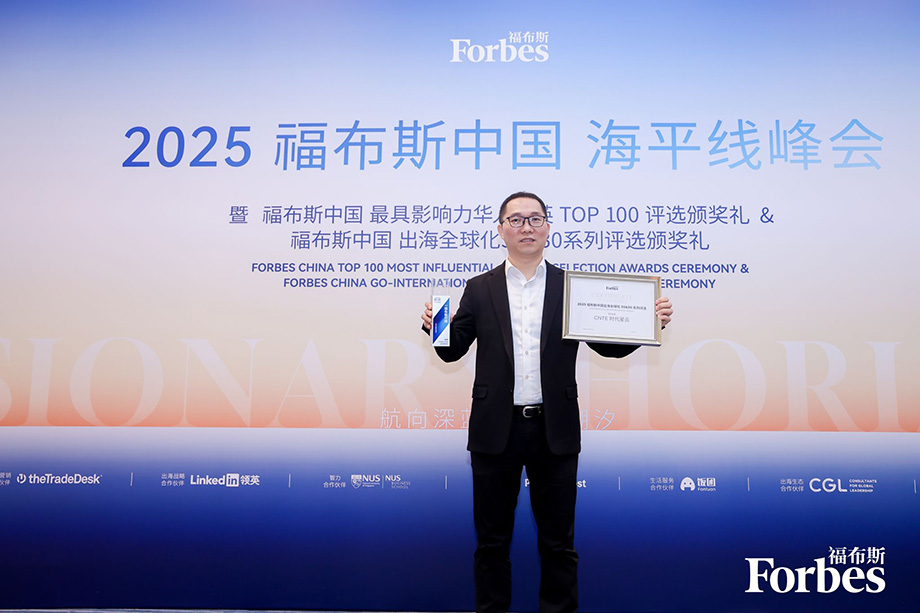
CNTE ได้รับเกียรติเป็น 2025 Forbes China แบรนด์ชั้นนําระดับโลก
พฤศจิกายน 12, 2025 -
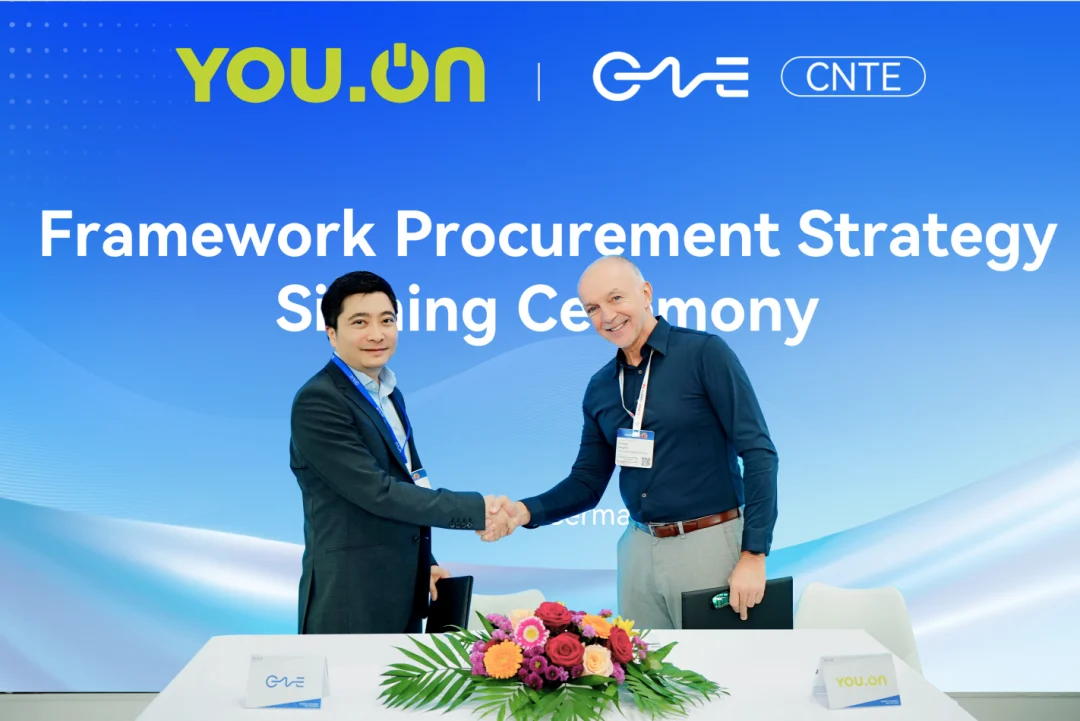
ซีเอ็นที & ท่าน ON เป็นพันธมิตรเพื่อขยายตลาดการจัดเก็บ
พค 19, 2025 -
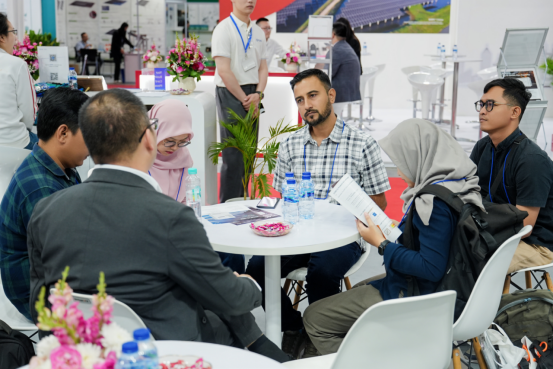
CNTE เปิดตัวกลุ่มผลิตภัณฑ์การจัดเก็บพลังงานที่ Solartech 2025
พค 19, 2025 -
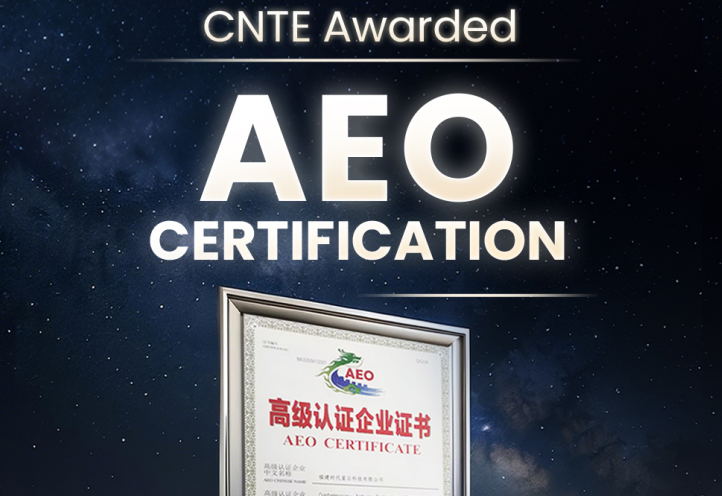
CNTE ได้รับการรับรอง AEO
มี.ค. 14, 2025
แท็ก
- 1 ที่เก็บแบตเตอรี่ MW
- 500 แบตเตอรี่ kw
- 500 ที่เก็บแบตเตอรี่ KW
- 500 ราคาแบตเตอรี่ KWH
- 500 ที่เก็บแบตเตอรี่ kWh
- 50KW ที่เก็บแบตเตอรี่พลังงานแสงอาทิตย์
- แบตเตอรี่พลังงานแสงอาทิตย์ทั้งหมดในหนึ่งเดียว
- แบตเตอรี่ที่บ้าน
- การจัดเก็บพลังงานที่ใช้แบตเตอรี่
- ความจุของแบตเตอรี่สําหรับระบบสุริยะ
- ระบบจัดเก็บไฟฟ้าแบตเตอรี่
- ราคาระบบจัดเก็บพลังงานแบตเตอรี่
- บ้านแบตเตอรี่พลังงานแสงอาทิตย์
- การติดตั้งแบตเตอรี่สําหรับพลังงานแสงอาทิตย์
- ชุดแบตเตอรี่สําหรับระบบสุริยะในบ้าน
- ก้อนแบตเตอรี่สําหรับระบบสุริยะ
- บ้านชุดแบตเตอรี่
- ก้อนแบตเตอรี่ kWh
- ระบบจัดเก็บพลังงานแบตเตอรี่
- แอพพลิเคชั่นจัดเก็บแบตเตอรี่
- อุปกรณ์จัดเก็บแบตเตอรี่
- ที่เก็บแบตเตอรี่ kWh
- ราคาจัดเก็บแบตเตอรี่ต่อกิโลวัตต์ชั่วโมง
- ซัพพลายเออร์ที่เก็บแบตเตอรี่
- การออกแบบระบบจัดเก็บแบตเตอรี่
- แบตเตอรี่ที่สามารถจ่ายไฟให้กับบ้านได้
- แบตเตอรี่ไปยังกริด
- พลังงานแบตเตอรี่ BESS
- ระบบสุริยะ BESS
- พลังงานหมุนเวียนแบตเตอรี่ที่ดีขึ้น
- ที่เก็บแบตเตอรี่ขนาดใหญ่
- ซื้อที่เก็บแบตเตอรี่
- ซื้อที่เก็บแบตเตอรี่พลังงานแสงอาทิตย์
- สถานีชาร์จ
- แบตเตอรี่พลังงานแสงอาทิตย์ของจีน
- โซลูชั่นการจัดเก็บพลังงานสะอาด
- ที่เก็บแบตเตอรี่พลังงานแสงอาทิตย์เชิงพาณิชย์
- ค่าใช้จ่ายในการจัดเก็บแบตเตอรี่สําหรับแผงโซลาร์เซลล์
- ต้นทุนระบบพลังงานแสงอาทิตย์และแบตเตอรี่
- ค่าใช้จ่ายในการจัดเก็บแบตเตอรี่พลังงานแสงอาทิตย์
- ระบบจัดเก็บแบตเตอรี่ไฟฟ้า
- นิทรรศการการจัดเก็บพลังงานไฟฟ้า
- ชุดแบตเตอรี่พลังงาน
- ชุดแบตเตอรี่เก็บพลังงาน
- ระบบกักเก็บพลังงานแบตเตอรี่ลิเธียม
- ระบบกักเก็บพลังงานมาเลเซีย
- ราคาระบบกักเก็บพลังงาน
- ระบบกักเก็บพลังงานพลังงานแสงอาทิตย์
- แบตเตอรี่เทคโนโลยีพลังงาน
- ราคาแบตเตอรี่ ess
- ระบบแบตเตอรี่ ess
- แบตเตอรี่พลังงานแสงอาทิตย์ ess
- ระบบสุริยะ ess
- แบตเตอรี่ EV สําหรับเก็บพลังงานแสงอาทิตย์
- ที่เก็บพลังงานแสงอาทิตย์แบตเตอรี่ EV
- แบตเตอรี่ลิเธียมพลังงานสีเขียว
- แบตเตอรี่ความจุสูงสําหรับแผงโซลาร์เซลล์
- การจัดเก็บแบตเตอรี่ไฮบริด
- เทคโนโลยีพลังงานแสงอาทิตย์
- ที่เก็บแบตเตอรี่ kWh
- แบตเตอรี่ขนาดใหญ่สําหรับเก็บพลังงานแสงอาทิตย์
- แบตเตอรี่ขนาดใหญ่สําหรับเก็บพลังงานแสงอาทิตย์
- ภาชนะเก็บแบตเตอรี่ขนาดใหญ่
- ระบบจัดเก็บแบตเตอรี่ขนาดใหญ่
- ที่เก็บแบตเตอรี่พลังงานแสงอาทิตย์ขนาดใหญ่
- ระบบจัดเก็บแบตเตอรี่พลังงานแสงอาทิตย์ขนาดใหญ่
- แบตเตอรี่เก็บพลังงานแสงอาทิตย์ขนาดใหญ่
- แบตเตอรี่เชิงพาณิชย์ที่ใหญ่ที่สุด
- ที่เก็บแบตเตอรี่พลังงานแสงอาทิตย์ที่ใหญ่ที่สุด
- แบตเตอรี่พลังงานแสงอาทิตย์ล่าสุด
- แบตเตอรี่ลิเธียมสําหรับระบบสุริยะนอกกริด
- แบตเตอรี่ลิเธียมจากประเทศจีน
- แบตเตอรี่ลิเธียมสําหรับพลังงานแสงอาทิตย์นอกกริด
- แบตเตอรี่ลิเธียมสําหรับราคาระบบสุริยะ
- ที่เก็บแบตเตอรี่ลิเธียมในบ้าน
- ชุดแบตเตอรี่ลิเธียมสําหรับแผงโซลาร์เซลล์
- ที่เก็บแบตเตอรี่เมกะวัตต์
- ที่เก็บแบตเตอรี่ใหม่
- ที่เก็บแบตเตอรี่พลังงานแสงอาทิตย์นอกกริด
- บนแบตเตอรี่กริด
- ที่เก็บแบตเตอรี่บนกริด
- การรวมที่เก็บข้อมูลแบบออปติคัล
- การจัดเก็บพลังงานกลางแจ้ง
- ตู้แบตเตอรี่พลังงานแสงอาทิตย์กลางแจ้ง
- ระบบแบตเตอรี่ PCS
- พลังงานแพ็คพลังงาน
- เซลล์เก็บพลังงาน
- ราคาต่อที่เก็บแบตเตอรี่กิโลวัตต์ชั่วโมง
- แผงโซลาร์เซลล์ PV และที่เก็บแบตเตอรี่
- ที่เก็บแบตเตอรี่ Q Cell
- ที่เก็บแบตเตอรี่อัจฉริยะ
- สุริยะ & ระบบแบตเตอรี่
- แบตเตอรี่พลังงานแสงอาทิตย์และลิเธียม
- แบตเตอรี่พลังงานแสงอาทิตย์ภายในบ้าน
- แบตเตอรี่พลังงานแสงอาทิตย์
- ภาชนะบรรจุแบตเตอรี่พลังงานแสงอาทิตย์
- แบตเตอรี่พลังงานแสงอาทิตย์ kWh
- ผู้ผลิตแบตเตอรี่พลังงานแสงอาทิตย์ในประเทศจีน
- โมดูลแบตเตอรี่พลังงานแสงอาทิตย์
- ตู้เก็บแบตเตอรี่พลังงานแสงอาทิตย์
- ความจุในการจัดเก็บแบตเตอรี่พลังงานแสงอาทิตย์
- ภาชนะเก็บแบตเตอรี่พลังงานแสงอาทิตย์
- ผู้ผลิตที่เก็บแบตเตอรี่พลังงานแสงอาทิตย์
- แบตเตอรี่พลังงานแสงอาทิตย์เพื่อจ่ายไฟให้กับบ้าน
- การจัดเก็บเซลล์แสงอาทิตย์
- ความจุในการจัดเก็บแบตเตอรี่พลังงานแสงอาทิตย์
- ระบบจัดเก็บแบตเตอรี่พลังงานแสงอาทิตย์
- แบตเตอรี่ลิเธียมพลังงานแสงอาทิตย์
- ราคาแบตเตอรี่เก็บพลังงานแสงอาทิตย์
- ราคาระบบจัดเก็บพลังงานแสงอาทิตย์
- เทคโนโลยีการจัดเก็บพลังงานแสงอาทิตย์
- ระบบ Solar ESS
- แบตเตอรี่กริดพลังงานแสงอาทิตย์
- ระบบแบตเตอรี่พลังงานแสงอาทิตย์
- ราคาแบตเตอรี่บ้านพลังงานแสงอาทิตย์
- แบตเตอรี่ติดตั้งพลังงานแสงอาทิตย์
- การติดตั้งพลังงานแสงอาทิตย์ด้วยแบตเตอรี่
- แบตเตอรี่พลังงานแสงอาทิตย์หนึ่งก้อน
- ความจุแบตเตอรี่แผงโซลาร์เซลล์
- ราคาจัดเก็บแบตเตอรี่แผงโซลาร์เซลล์
- แบตเตอรี่เก็บพลังงานแผงโซลาร์เซลล์
- ระบบจัดเก็บพลังงานแผงโซลาร์เซลล์
- ที่เก็บแบตเตอรี่ลิเธียมแผงโซลาร์เซลล์
- ระบบจัดเก็บพลังงานแผงโซลาร์เซลล์
- แบตเตอรี่โรงไฟฟ้าพลังงานแสงอาทิตย์
- แบตเตอรี่โรงไฟฟ้าพลังงานแสงอาทิตย์
- พลังงานแสงอาทิตย์ PV และระบบจัดเก็บแบตเตอรี่
- ระบบพลังงานแสงอาทิตย์พร้อมที่เก็บแบตเตอรี่
- โซลูชั่นการจัดเก็บพลังงานแสงอาทิตย์
- ระบบสุริยะและที่เก็บแบตเตอรี่
- พลังงานแสงอาทิตย์พร้อมระบบแบตเตอรี่
- พลังงานแสงอาทิตย์พร้อมที่เก็บแบตเตอรี่ลิเธียม
- ระบบกักเก็บพลังงานแบบสแตนด์อโลน
- แบตเตอรี่พลังงานจัดเก็บ
- เก็บแบตเตอรี่
