
5 ประโยชน์หลักของเทคโนโลยีแบตเตอรี่สู่กริดสําหรับระบบพลังงานสมัยใหม่
วิธีที่เราผลิตและใช้ไฟฟ้ากําลังอยู่ระหว่างการเปลี่ยนแปลงครั้งใหญ่. เนื่องจากแหล่งพลังงานหมุนเวียน เช่น ลมและแสงอาทิตย์กลายเป็นเรื่องธรรมดามากขึ้น, การไหลของไฟฟ้าทางเดียวแบบดั้งเดิมจากโรงไฟฟ้าไปยังผู้บริโภคกําลังล้าสมัย. มาตรฐานใหม่คือไดนามิก, ความสัมพันธ์แบบสองทาง. หัวใจสําคัญของการเปลี่ยนแปลงนี้คือ แบตเตอรี่ไปยังกริด เทคโนโลยี.
แนวคิดนี้เปลี่ยนผู้บริโภคพลังงานให้เป็นผู้บริโภคมืออาชีพ. ช่วยให้พลังงานที่เก็บไว้ในแบตเตอรี่ไม่ว่าจะเป็นในรถยนต์ไฟฟ้าหรือระบบจัดเก็บข้อมูลแบบอยู่กับที่สามารถผลักดันกลับเข้าไปในเครือข่ายพลังงานหลักได้. สิ่งนี้ทําให้กริดมีเสถียรภาพและให้ผลตอบแทนทางการเงินแก่เจ้าของแบตเตอรี่. ผู้เล่นในอุตสาหกรรมชอบ ซีเอ็นที (บริษัท เนบิวลาเทคโนโลยีพลังงานร่วมสมัย, จํากัด) กําลังสังเกตเห็นความต้องการระบบเหล่านี้เพิ่มขึ้น, ถือเป็นช่วงเวลาสําคัญในการจัดการทรัพยากรพลังงานทั่วโลก.
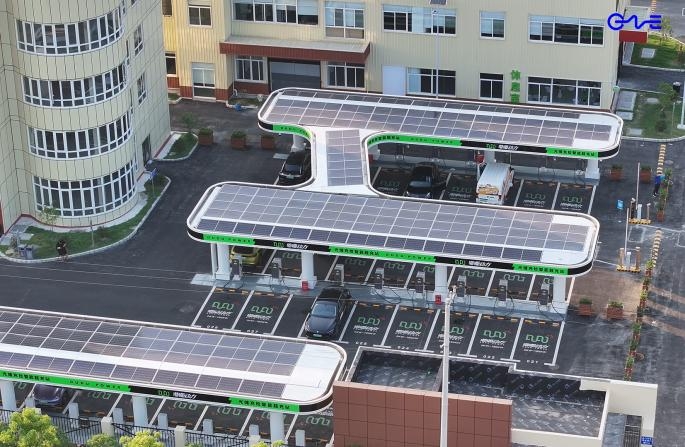
ทําความเข้าใจวิธีการทํางานของ Battery to Grid
เพื่อทําความเข้าใจศักยภาพของเทคโนโลยีนี้, เราต้องดูกลไกก่อน. ในการตั้งค่ามาตรฐาน, คุณดึงพลังงานจากกริดเพื่อชาร์จแบตเตอรี่. นี่คือกระบวนการเชิงเส้น.
แบตเตอรี่สู่กริด (มักเรียกย่อว่า B2G หรือเกี่ยวข้องกับ V2G สําหรับยานพาหนะ) ใช้เครื่องชาร์จแบบสองทิศทางและอินเวอร์เตอร์อัจฉริยะ. อุปกรณ์เหล่านี้สามารถแปลงกระแสตรงได้ (ดีซี) เก็บไว้ในแบตเตอรี่กลับเข้าไปในกระแสสลับ (กระแสสลับ) ที่กริดใช้.
ซอฟต์แวร์มีบทบาทสําคัญที่นี่. ระบบการจัดการพลังงานอัจฉริยะตรวจสอบความถี่และความต้องการของกริด. เมื่อกริดอยู่ภายใต้ความเครียด เช่น ในช่วงคลื่นความร้อนเมื่อทุกคนเปิดเครื่องปรับอากาศ ซอฟต์แวร์จะส่งสัญญาณให้แบตเตอรี่คายประจุพลังงาน. การสื่อสารที่ราบรื่นนี้ช่วยป้องกันไฟดับและลดความจําเป็นในการเผาโรงไฟฟ้า "พีคเกอร์" ที่สกปรก.
บทบาทของแบตเตอรี่ต่อกริดในโซลูชันระบบกักเก็บพลังงานทุกสถานการณ์
ข้อได้เปรียบที่สําคัญที่สุดอย่างหนึ่งของเทคโนโลยีนี้คือความเก่งกาจ. ไม่จํากัดเฉพาะแอปพลิเคชันเพียงประเภทเดียว. เข้ากันได้ดี โซลูชันระบบกักเก็บพลังงานในทุกสถานการณ์, ตั้งแต่การตั้งค่าที่อยู่อาศัยขนาดเล็กไปจนถึงคอมเพล็กซ์อุตสาหกรรมขนาดใหญ่.
การรักษาเสถียรภาพของเครือข่าย
ผู้ประกอบการกริดต่อสู้อย่างต่อเนื่องเพื่อให้ความถี่ไฟฟ้ามีเสถียรภาพ (โดยปกติที่ 50Hz หรือ 60Hz). หากอุปทานลดลงต่ํากว่าอุปสงค์, ความถี่ลดลง, นําไปสู่ความล้มเหลวที่อาจเกิดขึ้น. แบตเตอรี่สู่กริด ระบบตอบสนองในมิลลิวินาที. พวกเขาฉีดพลังงานเพื่อแก้ไขความถี่ได้เร็วกว่าที่โรงไฟฟ้าพลังความร้อนแบบดั้งเดิมสามารถเพิ่มได้.
รองรับไมโครกริด
ในพื้นที่ห่างไกลหรือนิคมอุตสาหกรรม, B2G เป็นสิ่งจําเป็นสําหรับไมโครกริด. เหล่านี้เป็นกริดที่แปลเป็นภาษาท้องถิ่นที่สามารถตัดการเชื่อมต่อจากเครือข่ายหลักได้. ระหว่างพายุหรือไฟฟ้าดับ, แบตเตอรี่รองรับภาระในท้องถิ่น. เมื่อกริดหลักกลับมาออนไลน์, แบตเตอรี่เชื่อมต่อใหม่และช่วยในการปรับสมดุลเครือข่ายที่กว้างขึ้น.
บริษัทที่ชอบ ซีเอ็นที เชี่ยวชาญในการผสานรวมที่ซับซ้อนเหล่านี้, ให้ตรรกะและฮาร์ดแวร์ที่ช่วยให้แบตเตอรี่สามารถสลับไปมาระหว่างการสนับสนุนโรงงานในท้องถิ่นและการสนับสนุนโครงข่ายไฟฟ้าแห่งชาติโดยไม่ต้องมีการแทรกแซงของมนุษย์.
แรงจูงใจทางเศรษฐกิจสําหรับธุรกิจและเจ้าของ EV
ในขณะที่ประโยชน์ต่อสิ่งแวดล้อมชัดเจน, ตัวขับเคลื่อนทางการเงินมักเป็นสิ่งที่ผลักดันให้มีการยอมรับ. การใช้ แบตเตอรี่ไปยังกริด กลยุทธ์เปลี่ยนศูนย์ต้นทุนให้เป็นแหล่งรายได้.
การโกนหนวดสูงสุด
สําหรับผู้ใช้เชิงพาณิชย์และอุตสาหกรรม, ค่าไฟฟ้ามักถูกกําหนดโดยการใช้งานสูงสุดในระหว่างเดือน. โดยใช้พลังงานแบตเตอรี่ที่เก็บไว้ในช่วงเวลาเร่งด่วนเหล่านี้แทนการดึงจากกริด, ธุรกิจสามารถลดค่าอุปสงค์ลงอย่างมาก.
การเก็งกําไรพลังงาน
นี่คือแนวทางปฏิบัติของ "ซื้อต่ํา, ขายสูง" แบตเตอรี่จะชาร์จเมื่อราคาไฟฟ้าต่ํา (โดยปกติในเวลากลางคืนหรือเที่ยงวันในช่วงการผลิตพลังงานแสงอาทิตย์สูง). เมื่อราคาพุ่งสูงขึ้นในตอนเย็น, ระบบปล่อยพลังงานราคาถูกนั้นกลับสู่กริดหรือใช้เพื่อชดเชยการบริโภคที่มีราคาแพง.
บริการเสริม
ผู้ประกอบการกริดจ่ายเงินเพื่อความน่าเชื่อถือ. เจ้าของแบตเตอรี่แบบอยู่กับที่ขนาดใหญ่หรือกลุ่มยานพาหนะไฟฟ้าสามารถลงนามในสัญญาเพื่อให้กําลังการผลิตพร้อมใช้งานสําหรับกริด. แม้ว่าแบตเตอรี่จะไม่เคยถูกเรียกให้คายประจุก็ตาม, เจ้าของได้รับเงินเพียงแค่อยู่ในโหมดสแตนด์บาย.
การบูรณาการแหล่งพลังงานหมุนเวียน
การวิพากษ์วิจารณ์ที่สําคัญเกี่ยวกับพลังงานแสงอาทิตย์และพลังงานลมคือความไม่ต่อเนื่อง. ดวงอาทิตย์ไม่ได้ส่องแสงเสมอไป, และลมก็ไม่ได้พัดเสมอไป. แบตเตอรี่สู่กริด เทคโนโลยีแก้ปัญหานี้โดยทําหน้าที่เป็นบัฟเฟอร์.
เมื่อการผลิตพลังงานแสงอาทิตย์เกินความต้องการในตอนเที่ยง, พลังงานส่วนเกินไหลเข้าสู่แบตเตอรี่. แทนที่จะสิ้นเปลืองพลังงานสะอาดนี้, มันถูกเก็บไว้. หลัง, ในช่วงเย็น Ramp เมื่อพลังงานแสงอาทิตย์ลดลงแต่ความต้องการเพิ่มขึ้น, การคายประจุแบตเตอรี่.
ความสามารถนี้มีความสําคัญสําหรับประเทศที่มุ่งเป้าไปที่เป้าหมาย Net Zero. ไม่มีที่เก็บข้อมูลแบบสองทิศทาง, กริดไม่สามารถรองรับเปอร์เซ็นต์การเจาะพลังงานหมุนเวียนในเปอร์เซ็นต์ที่สูงโดยไม่ไม่เสถียร.
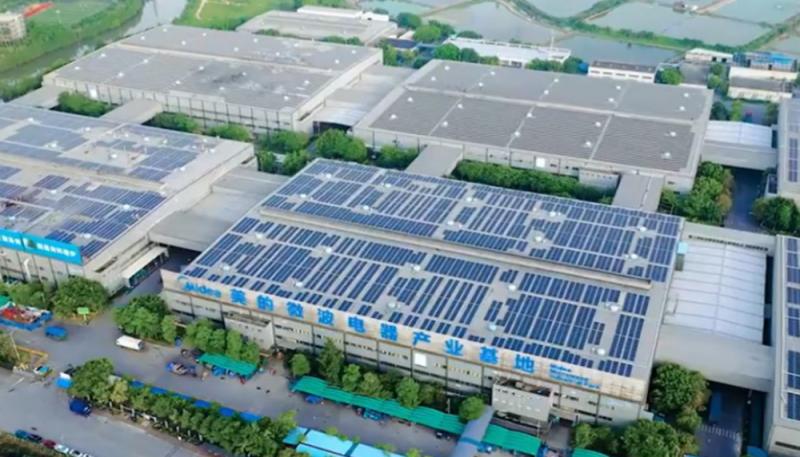
ความสําคัญของซอฟต์แวร์อัจฉริยะ
ฮาร์ดแวร์เพียงอย่างเดียวไม่เพียงพอ. ประสิทธิภาพของ แบตเตอรี่ไปยังกริด ระบบพึ่งพาความฉลาดของซอฟต์แวร์ที่ควบคุมเป็นอย่างมาก.
อัลกอริทึมที่มีประสิทธิภาพทํานายรูปแบบสภาพอากาศ, วิเคราะห์ข้อมูลการใช้งานในอดีต, และตรวจสอบราคาไฟฟ้าแบบเรียลไทม์. สิ่งนี้ทําให้มั่นใจได้ว่าแบตเตอรี่จะไม่หมดเมื่อเจ้าของต้องการมากที่สุด. เช่น, เจ้าของ EV ต้องการให้รถของพวกเขาชาร์จโดย 8:00 น.. ระบบอัจฉริยะช่วยให้มั่นใจได้ว่าสิ่งนี้จะเกิดขึ้น, ในขณะที่ยังคงซื้อขายพลังงานกับกริดระหว่าง 2:00 AM และ 5:00 น..
ความท้าทายและข้อควรพิจารณาสําหรับการนําไปใช้
แม้จะมีประโยชน์, มีอุปสรรคในการนําไปใช้อย่างแพร่หลายที่อุตสาหกรรมกําลังพยายามเอาชนะ.
การเสื่อมสภาพของแบตเตอรี่
วัฏจักรมีความสําคัญ. ทุกครั้งที่ชาร์จและคายประจุแบตเตอรี่, มันสูญเสียความจุเพียงเล็กน้อย. ความกังวลในช่วงแรกเกี่ยวกับ B2G มุ่งเน้นไปที่ผลกําไรทางการเงินจากบริการกริดมีมากกว่าต้นทุนของอายุการใช้งานแบตเตอรี่ที่ลดลงหรือไม่. อย่างไรก็ตาม, เคมีลิเธียมไอออนที่ทันสมัยและการจัดการความร้อนที่ดีขึ้นช่วยยืดอายุการใช้งานได้อย่างมาก, ทําให้ปัญหานี้น้อยลง.
กรอบการกํากับดูแล
เทคโนโลยีมักจะเคลื่อนไหวเร็วกว่านโยบาย. ในหลายภูมิภาค, บริษัทสาธารณูปโภคและรัฐบาลยังคงหาวิธีกําหนดราคาและควบคุมการไหลของพลังงานแบบสองทิศทาง. กระบวนการอนุญาตสําหรับการติดตั้งระบบที่ป้อนกลับเข้าสู่กริดอาจซับซ้อนและช้า.
การอัปเกรดโครงสร้างพื้นฐาน
หม้อแปลงไฟฟ้าในพื้นที่มักได้รับการออกแบบสําหรับการไหลทางเดียว. การนํา B2G มาใช้สูงในละแวกใกล้เคียงเฉพาะอาจทําให้โครงสร้างพื้นฐานของกริดเก่าทํางานหนักเกินไป, กําหนดให้บริษัทสาธารณูปโภคอัพเกรดฮาร์ดแวร์.
อนาคตของการโต้ตอบแบบกริด
แนวคิดของโรงไฟฟ้าส่วนกลางกําลังจางหายไป. อนาคตถูกกระจาย. โรงไฟฟ้าเสมือน (วีพีพี) กําลังรวบรวมแบตเตอรี่ขนาดเล็กในบ้านและ EV หลายพันก้อนเพื่อทําหน้าที่เหมือนเครื่องกําเนิดไฟฟ้าขนาดใหญ่เครื่องเดียว.
ในขณะที่เราก้าวไปข้างหน้า, ความร่วมมือระหว่างผู้ผลิตฮาร์ดแวร์, นักพัฒนาซอฟต์แวร์, และผู้ให้บริการสาธารณูปโภคจะเป็นกุญแจสําคัญ. ซีเอ็นที (บริษัท เนบิวลาเทคโนโลยีพลังงานร่วมสมัย, จํากัด) ยังคงอยู่ในระดับแนวหน้าของวิวัฒนาการนี้, การพัฒนาระบบที่แข็งแกร่งที่จําเป็นในการจัดการธุรกรรมด้านพลังงานที่ซับซ้อนเหล่านี้.
โดยการโอบกอด แบตเตอรี่ไปยังกริด เทคโนโลยี, เราไม่ได้แค่แก้ไขปัญหาด้านพลังงานในทันที; เรากําลังสร้างความยืดหยุ่น, ประชาธิปไตย, และอินเทอร์เน็ตพลังงานที่มีประสิทธิภาพสําหรับอนาคต.
คําถามที่พบบ่อย (คำถามที่ถามบ่อย)
ไตรมาสที่ 1: แบตเตอรี่สู่กริดคืออะไรกันแน่ (บีทูจี)?
ก 1: แบตเตอรี่สู่กริดเป็นเทคโนโลยีที่ช่วยให้พลังงานถูกเก็บไว้ในแบตเตอรี่ (เช่นเดียวกับในรถยนต์ไฟฟ้าหรือระบบจัดเก็บข้อมูลในบ้าน) เพื่อส่งกลับเข้าสู่โครงข่ายไฟฟ้า. สิ่งนี้ช่วยสร้างสมดุลระหว่างอุปสงค์และอุปทาน, ทําให้กริดมีเสถียรภาพ, และสามารถให้รางวัลทางการเงินแก่เจ้าของแบตเตอรี่.
ไตรมาสที่ 2: การใช้ B2G จะทําให้แบตเตอรี่ของฉันเสียหายหรือลดอายุการใช้งานหรือไม่?
ก 2: การใช้แบตเตอรี่ทั้งหมดทําให้เกิดการเสื่อมสภาพ. อย่างไรก็ตาม, ระบบการจัดการแบตเตอรี่อัจฉริยะที่ทันสมัยได้รับการออกแบบมาเพื่อลดผลกระทบนี้. ปรับความลึกของการคายประจุและความเร็วในการชาร์จให้เหมาะสม. ในหลายกรณี, รายได้ทางการเงินจากบริการกริดมีมากกว่าต้นทุนส่วนเพิ่มของการสึกหรอของแบตเตอรี่เพิ่มเติม.
ไตรมาสที่ 3: ความแตกต่างระหว่าง V2G และ B2G คืออะไร?
ก 3: V2G ย่อมาจาก Vehicle-to-Grid, ซึ่งหมายถึงรถยนต์ไฟฟ้าที่ป้อนพลังงานกลับไปยังกริดโดยเฉพาะ. B2G เป็นคําที่กว้างกว่าซึ่งครอบคลุม V2G แต่ยังรวมถึงระบบจัดเก็บพลังงานแบบอยู่กับที่ด้วย (เช่น แบตเตอรี่ในบ้านหรือหน่วยจัดเก็บข้อมูลอุตสาหกรรม) การโต้ตอบกับกริด.
ไตรมาสที่ 4: ฉันสามารถสร้างรายได้ด้วยแบตเตอรี่ไปยังระบบกริดได้ไหม?
ก 4: ใช่. ขึ้นอยู่กับข้อบังคับด้านสาธารณูปโภคในพื้นที่ของคุณ, คุณสามารถสร้างรายได้ผ่านการเก็งกําไรพลังงาน (ซื้อราคาถูก, ขายแพง), การลดค่าธรรมเนียมความต้องการ (สําหรับธุรกิจ), หรือเข้าร่วมในโปรแกรมตอบสนองความต้องการที่สาธารณูปโภคจ่ายเงินให้คุณเพื่อจ่ายไฟในกรณีฉุกเฉิน.
ไตรมาสที่ 5: ฉันต้องใช้อุปกรณ์อะไรบ้างในการเข้าร่วม B2G?
ก 5: โดยทั่วไปคุณต้องมีระบบแบตเตอรี่ (EV หรือเครื่องเขียน), อินเวอร์เตอร์แบบสองทิศทาง (ซึ่งช่วยให้กระแสไหลได้ทั้งสองทาง), และสมาร์ทมิเตอร์หรือคอนโทรลเลอร์ที่ได้รับการอนุมัติจากบริษัทสาธารณูปโภคในพื้นที่ของคุณ. คุณจะต้องมีข้อตกลงการเชื่อมต่อโครงข่ายกับผู้ให้บริการไฟฟ้าของคุณด้วย.
ติดต่อเรา
กระทู้ล่าสุด
-

CNTE ที่ KEY ENERGY 2026: จัดแสดง STAR H-PLUS ระบบกักเก็บพลังงานระบายความร้อนด้วยของเหลวกลางแจ้ง
มี.ค. 05, 2026 -

CNTE ได้รับเกียรติเป็น 2025 Forbes China แบรนด์ชั้นนําระดับโลก
พฤศจิกายน 12, 2025 -

ซีเอ็นที & ท่าน ON เป็นพันธมิตรเพื่อขยายตลาดการจัดเก็บ
พค 19, 2025 -
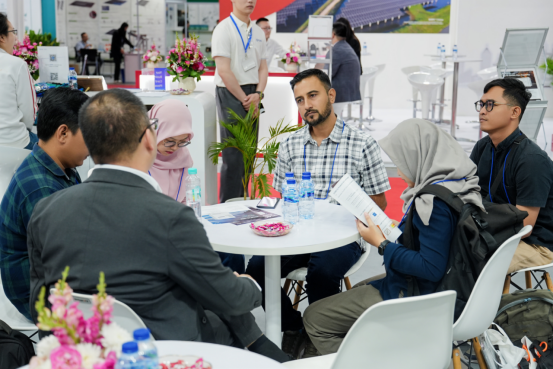
CNTE เปิดตัวกลุ่มผลิตภัณฑ์การจัดเก็บพลังงานที่ Solartech 2025
พค 19, 2025 -
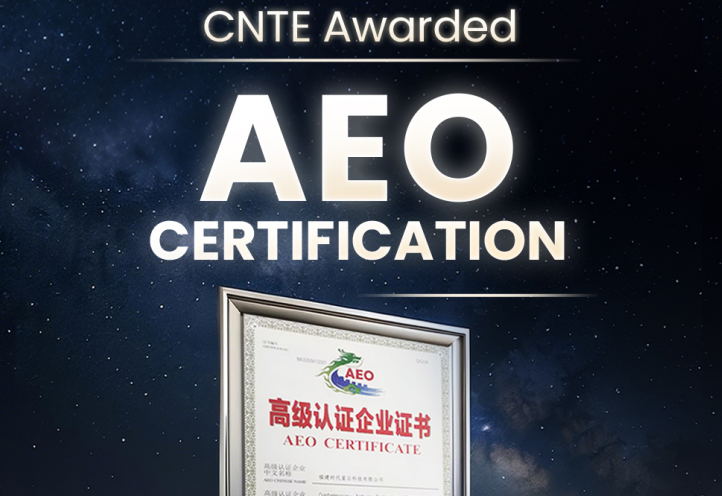
CNTE ได้รับการรับรอง AEO
มี.ค. 14, 2025
แท็ก
- 1 ที่เก็บแบตเตอรี่ MW
- 500 แบตเตอรี่ kw
- 500 ที่เก็บแบตเตอรี่ KW
- 500 ราคาแบตเตอรี่ KWH
- 500 ที่เก็บแบตเตอรี่ kWh
- 50KW ที่เก็บแบตเตอรี่พลังงานแสงอาทิตย์
- แบตเตอรี่พลังงานแสงอาทิตย์ทั้งหมดในหนึ่งเดียว
- แบตเตอรี่ที่บ้าน
- การจัดเก็บพลังงานที่ใช้แบตเตอรี่
- ความจุของแบตเตอรี่สําหรับระบบสุริยะ
- ระบบจัดเก็บไฟฟ้าแบตเตอรี่
- ราคาระบบจัดเก็บพลังงานแบตเตอรี่
- บ้านแบตเตอรี่พลังงานแสงอาทิตย์
- การติดตั้งแบตเตอรี่สําหรับพลังงานแสงอาทิตย์
- ชุดแบตเตอรี่สําหรับระบบสุริยะในบ้าน
- ก้อนแบตเตอรี่สําหรับระบบสุริยะ
- บ้านชุดแบตเตอรี่
- ก้อนแบตเตอรี่ kWh
- ระบบจัดเก็บพลังงานแบตเตอรี่
- แอพพลิเคชั่นจัดเก็บแบตเตอรี่
- อุปกรณ์จัดเก็บแบตเตอรี่
- ที่เก็บแบตเตอรี่ kWh
- ราคาจัดเก็บแบตเตอรี่ต่อกิโลวัตต์ชั่วโมง
- ซัพพลายเออร์ที่เก็บแบตเตอรี่
- การออกแบบระบบจัดเก็บแบตเตอรี่
- แบตเตอรี่ที่สามารถจ่ายไฟให้กับบ้านได้
- แบตเตอรี่ไปยังกริด
- พลังงานแบตเตอรี่ BESS
- ระบบสุริยะ BESS
- พลังงานหมุนเวียนแบตเตอรี่ที่ดีขึ้น
- ที่เก็บแบตเตอรี่ขนาดใหญ่
- ซื้อที่เก็บแบตเตอรี่
- ซื้อที่เก็บแบตเตอรี่พลังงานแสงอาทิตย์
- สถานีชาร์จ
- แบตเตอรี่พลังงานแสงอาทิตย์ของจีน
- โซลูชั่นการจัดเก็บพลังงานสะอาด
- ที่เก็บแบตเตอรี่พลังงานแสงอาทิตย์เชิงพาณิชย์
- ค่าใช้จ่ายในการจัดเก็บแบตเตอรี่สําหรับแผงโซลาร์เซลล์
- ต้นทุนระบบพลังงานแสงอาทิตย์และแบตเตอรี่
- ค่าใช้จ่ายในการจัดเก็บแบตเตอรี่พลังงานแสงอาทิตย์
- ระบบจัดเก็บแบตเตอรี่ไฟฟ้า
- นิทรรศการการจัดเก็บพลังงานไฟฟ้า
- ชุดแบตเตอรี่พลังงาน
- ชุดแบตเตอรี่เก็บพลังงาน
- ระบบกักเก็บพลังงานแบตเตอรี่ลิเธียม
- ระบบกักเก็บพลังงานมาเลเซีย
- ราคาระบบกักเก็บพลังงาน
- ระบบกักเก็บพลังงานพลังงานแสงอาทิตย์
- แบตเตอรี่เทคโนโลยีพลังงาน
- ราคาแบตเตอรี่ ess
- ระบบแบตเตอรี่ ess
- แบตเตอรี่พลังงานแสงอาทิตย์ ess
- ระบบสุริยะ ess
- แบตเตอรี่ EV สําหรับเก็บพลังงานแสงอาทิตย์
- ที่เก็บพลังงานแสงอาทิตย์แบตเตอรี่ EV
- แบตเตอรี่ลิเธียมพลังงานสีเขียว
- แบตเตอรี่ความจุสูงสําหรับแผงโซลาร์เซลล์
- การจัดเก็บแบตเตอรี่ไฮบริด
- เทคโนโลยีพลังงานแสงอาทิตย์
- ที่เก็บแบตเตอรี่ kWh
- แบตเตอรี่ขนาดใหญ่สําหรับเก็บพลังงานแสงอาทิตย์
- แบตเตอรี่ขนาดใหญ่สําหรับเก็บพลังงานแสงอาทิตย์
- ภาชนะเก็บแบตเตอรี่ขนาดใหญ่
- ระบบจัดเก็บแบตเตอรี่ขนาดใหญ่
- ที่เก็บแบตเตอรี่พลังงานแสงอาทิตย์ขนาดใหญ่
- ระบบจัดเก็บแบตเตอรี่พลังงานแสงอาทิตย์ขนาดใหญ่
- แบตเตอรี่เก็บพลังงานแสงอาทิตย์ขนาดใหญ่
- แบตเตอรี่เชิงพาณิชย์ที่ใหญ่ที่สุด
- ที่เก็บแบตเตอรี่พลังงานแสงอาทิตย์ที่ใหญ่ที่สุด
- แบตเตอรี่พลังงานแสงอาทิตย์ล่าสุด
- แบตเตอรี่ลิเธียมสําหรับระบบสุริยะนอกกริด
- แบตเตอรี่ลิเธียมจากประเทศจีน
- แบตเตอรี่ลิเธียมสําหรับพลังงานแสงอาทิตย์นอกกริด
- แบตเตอรี่ลิเธียมสําหรับราคาระบบสุริยะ
- ที่เก็บแบตเตอรี่ลิเธียมในบ้าน
- ชุดแบตเตอรี่ลิเธียมสําหรับแผงโซลาร์เซลล์
- ที่เก็บแบตเตอรี่เมกะวัตต์
- ที่เก็บแบตเตอรี่ใหม่
- ที่เก็บแบตเตอรี่พลังงานแสงอาทิตย์นอกกริด
- บนแบตเตอรี่กริด
- ที่เก็บแบตเตอรี่บนกริด
- การรวมที่เก็บข้อมูลแบบออปติคัล
- การจัดเก็บพลังงานกลางแจ้ง
- ตู้แบตเตอรี่พลังงานแสงอาทิตย์กลางแจ้ง
- ระบบแบตเตอรี่ PCS
- การจัดเก็บพลังงาน
- พลังงานแพ็คพลังงาน
- เซลล์เก็บพลังงาน
- ราคาต่อที่เก็บแบตเตอรี่กิโลวัตต์ชั่วโมง
- แผงโซลาร์เซลล์ PV และที่เก็บแบตเตอรี่
- ที่เก็บแบตเตอรี่ Q Cell
- ที่เก็บแบตเตอรี่อัจฉริยะ
- สุริยะ & ระบบแบตเตอรี่
- แบตเตอรี่พลังงานแสงอาทิตย์และลิเธียม
- แบตเตอรี่พลังงานแสงอาทิตย์ภายในบ้าน
- แบตเตอรี่พลังงานแสงอาทิตย์
- ภาชนะบรรจุแบตเตอรี่พลังงานแสงอาทิตย์
- แบตเตอรี่พลังงานแสงอาทิตย์ kWh
- ผู้ผลิตแบตเตอรี่พลังงานแสงอาทิตย์ในประเทศจีน
- โมดูลแบตเตอรี่พลังงานแสงอาทิตย์
- ตู้เก็บแบตเตอรี่พลังงานแสงอาทิตย์
- ความจุในการจัดเก็บแบตเตอรี่พลังงานแสงอาทิตย์
- ภาชนะเก็บแบตเตอรี่พลังงานแสงอาทิตย์
- ผู้ผลิตที่เก็บแบตเตอรี่พลังงานแสงอาทิตย์
- แบตเตอรี่พลังงานแสงอาทิตย์เพื่อจ่ายไฟให้กับบ้าน
- การจัดเก็บเซลล์แสงอาทิตย์
- ความจุในการจัดเก็บแบตเตอรี่พลังงานแสงอาทิตย์
- ระบบจัดเก็บแบตเตอรี่พลังงานแสงอาทิตย์
- แบตเตอรี่ลิเธียมพลังงานแสงอาทิตย์
- ราคาแบตเตอรี่เก็บพลังงานแสงอาทิตย์
- ราคาระบบจัดเก็บพลังงานแสงอาทิตย์
- เทคโนโลยีการจัดเก็บพลังงานแสงอาทิตย์
- ระบบ Solar ESS
- แบตเตอรี่กริดพลังงานแสงอาทิตย์
- ระบบแบตเตอรี่พลังงานแสงอาทิตย์
- ราคาแบตเตอรี่บ้านพลังงานแสงอาทิตย์
- แบตเตอรี่ติดตั้งพลังงานแสงอาทิตย์
- การติดตั้งพลังงานแสงอาทิตย์ด้วยแบตเตอรี่
- แบตเตอรี่พลังงานแสงอาทิตย์หนึ่งก้อน
- ความจุแบตเตอรี่แผงโซลาร์เซลล์
- ราคาจัดเก็บแบตเตอรี่แผงโซลาร์เซลล์
- แบตเตอรี่เก็บพลังงานแผงโซลาร์เซลล์
- ระบบจัดเก็บพลังงานแผงโซลาร์เซลล์
- ที่เก็บแบตเตอรี่ลิเธียมแผงโซลาร์เซลล์
- ระบบจัดเก็บพลังงานแผงโซลาร์เซลล์
- แผงโซลาร์เซลล์พร้อมราคาเก็บแบตเตอรี่
- แบตเตอรี่โรงไฟฟ้าพลังงานแสงอาทิตย์
- แบตเตอรี่โรงไฟฟ้าพลังงานแสงอาทิตย์
- พลังงานแสงอาทิตย์ PV และระบบจัดเก็บแบตเตอรี่
- ระบบพลังงานแสงอาทิตย์พร้อมที่เก็บแบตเตอรี่
- โซลูชั่นการจัดเก็บพลังงานแสงอาทิตย์
- ระบบสุริยะและที่เก็บแบตเตอรี่
- พลังงานแสงอาทิตย์พร้อมระบบแบตเตอรี่
- พลังงานแสงอาทิตย์พร้อมที่เก็บแบตเตอรี่ลิเธียม
- ระบบกักเก็บพลังงานแบบสแตนด์อโลน
- แบตเตอรี่พลังงานจัดเก็บ
- เก็บแบตเตอรี่
