
Geïntegreerde Stroom en Opslag: Hybride architecturen, Roostervormingsregelingen, en Levenscycluseconomie
Moderne energie-infrastructuur vereist een uniforme aanpak om Stroom en opslag. Het scheiden van opwekkingsactiva van batterijbanken leidt tot een suboptimale netrespons, Beperkte hernieuwbare energie, en hogere operationele kosten. Echte assetoptimalisatie ontstaat wanneer Stroom en opslag worden als één ontworpen, Dispatchable resource—sharing protection schemes, Communicatieprotocollen, en realtime energiebeheer. CNTE (Hedendaagse Nebula Technology Energy Co., Bvba.) levert dergelijke hybride systemen, integrerende converterbesturing, Batterijanalyse, en netwerkconformiteit in kant-en-klare oplossingen voor industriële locaties, Nutscoöperaties, en hernieuwbare IPP's.
Deze technische diepgaande analyse behandelt kerntechnische beslissingen voor Stroom en opslag integratie: Omvormertopologieselectie, Gezondheidstoestand (SoH) bewuste dispatch, en beschermingscoördinatie over meerdere energiebronnen. We onderzoeken echte pijnpunten – van subsynchrone oscillaties in zwakke netwerken tot thermische voortplanting van runaway – met gevalideerde tegenmaatregelen gebaseerd op veldgegevens en internationale standaarden (IEC 62477-2, IEEE 1547-2018). B2B-projectontwikkelaars zullen kwantitatieve benchmarks behalen voor capaciteitsgrootte, Reactietijden van de besturing, en de gelevelde opslagkosten (LCOS) Modelleren.

1. Technische Grondslag: Convergerende vermogenselektronica en opslagchemie
Elke verenigde Stroom en opslag Het systeem bestaat uit drie essentiële subsystemen: de DC-batterijfabriek (lithium-ijzerfosfaat of nikkel-mangaan-kobalt), Het vermogensomzettingssysteem (PCS), en de toezichthoudende controller (EMS/SCADA). Hun interactie bepaalt direct de rampsnelheid, retourrendement, en fout-doorrijmogelijkheid.
1.1 Vermogensconversietopologieën voor hybride werking
Vier configuraties domineren commerciële installaties:
- AC-gekoppelde hybride omvormer – De batterij wordt aangesloten via een speciale DC/AC-omvormer aan de belastingzijde van bestaande PV/windomvormers. Biedt eenvoud bij retrofit, maar lijdt dubbele conversieverliezen (≈4-6% straf).
- DC-gekoppelde multipoortomzetter – Enkele voedingstrap-interfaces voor zowel PV-array als batterij, Hogere efficiëntie bereiken (98.2% en nominaal vermogen). Vereist volledige vervanging van oude zonne-omvormers.
- Modulaire multi-level omzetter (MMC) voor BESS – Elimineert lijnfrequentietransformator, Vermindert de voetafdruk, en biedt onafhankelijke ondersteuning van reactief vermogen. Toegepast voor middenspanningsnetaansluiting (10-35 kV).
- Virtuele synchrone generator (VSG) beheersen – Imiteert traagheid van roterende machines, cruciaal voor zwakke netten met hernieuwbare energie >70%.
CNTE zet modulaire DC-gekoppelde platforms met N 1-redundantie in voor kritieke productielocaties, Bereiken 99.3% beschikbaarheid gedurende 18 maanden veldoperaties.
1.2 Invloed van batterijcelselectie op systeemprestaties
De keuze tussen LFP en NMC verandert het thermisch beheer en de cycluslevensduur fundamenteel:
- LFP: Lagere energiedichtheid (150-170 Wh/kg) maar een langere kalenderlevensduur (≥8.000 cycli bij 80% Komen) en intrinsieke thermische stabiliteit. Voorkeur voor installaties die een hoge dagelijkse doorvoer vereisen (piek scheren, Arbitrage).
- NMC: Hogere energiedichtheid (200-260 Wh/kg) het mogelijk maken van ruimtebeperkte projecten. Vereist actieve vloeistofkoeling en strikte spanningsregeling voor het raam om overgangsmetaaloplossing te voorkomen.
Voor hybride Stroom en opslag Projecten, realtime SoH-schatting met behulp van elektrochemische impedantiespectroscopie Maakt voorspellende aanpassing van laad-/ontlaadsnelheden mogelijk, Het verlengen van de levensduur van het systeem door 22% In recente proeven.
2. Toepassing-specifieke engineering voor integratie van stroom en opslag
Elk implementatiescenario stelt specifieke technische eisen aan Stroom en opslag ontwerpen. Hieronder staan drie archetypen met gekwantificeerde prestatiecriteria.
2.1 Industriële piekafsnijding met vraagkostenvermindering
Faciliteiten met piekaanvraag van 15 minuten hebben opslag nodig om binnen te kunnen reageren 200 MS. Uitdagingen zijn onder andere het coördineren met co-productie ter plaatse en het vermijden van omgekeerde stroomstroom naar nutsvoorzieningen. Oplossingen:
- Installeer een Module voor hogesnelheidsbelastingsvoorspelling Met behulp van 12-maanden historische data om de accu voor te laden vóór verwachte pieken.
- Implementeer communicatie tussen BMS en programmeerbare logische controllers (PLC) het afdwingen van batterijontlading alleen wanneer de vraag naar de locatie een dynamische drempel overschrijdt.
- Gebruik Boogbestendige schakelapparatuur op het punt van gemeenschappelijke koppeling voor personeelsveiligheid tijdens hoge storingen.
2.2 Hernieuwbare gladmaking en netbevestiging
Zonne- of windparken profiteren van Stroom en opslag Systemen die van nul naar volle output opbouwen in minder 100 MS, compensatie voor bewolking of plotselinge windstiltes. Technische pijnpunten: DC-spanningsbusinstabiliteit en communicatielatentie tussen weerstations en EMS. Tegenmaatregelen:
- Zet het in Vezeloptische ring met hoge bandbreedte (IEC 61850 GOOSE) voor subcyclus gegevensuitwisseling tussen irradiantiesensoren en PCS.
- Configureer de opslagomvormer om in grid-follow-modus te werken met een rampsnelheidslimiet van 5% van het nominale vermogen per seconde, Gecoördineerd met locatie-specifieke rastercode (Bijvoorbeeld.., Hawaiiaanse Regel 14H).
2.3 Microgrid Black-Start en eilandbesturing
Afgelegen mijnbouw- of eilandgemeenschappen hebben opslag nodig om een stabiele spanningsreferentie te vormen zonder nutsondersteuning. De installatie moet de capaciteit voor koude lading en anti-eilanddetectie valideren. Aanbevolen praktijk:
- Gebruik Netvormende omvormers met virtuele impedantieregeling om de belasting evenredig te delen over meerdere batterijclusters.
- Voer sequentiële belastinghersteltests uit (Te beginnen met 5% van de nominale belasting, Stijgend in 20% stappen) om de overbelastingscapaciteit van inverters te valideren (Typisch 150% voor 10 Seconden).
CNTE is off-grid in gebruik genomen Stroom en opslag systemen in Zuidoost-Azië die gesynchroniseerde zwarte start uitvoeren onder 4 Seconden, Vervanging van de spinreserve van dieselgeneratoren en het verlagen van brandstofverbruik door 68%.
3. Geavanceerde controlearchitecturen voor hybride activa
Conventionele droopbesturing faalt wanneer meerdere energiebronnen een zwakke wisselstroombus delen. Modern Stroom en opslag Platforms hanteren hiërarchische controle met drie lagen: Lokaal (milliseconde), Secundair (Tweede), en tertiair (notulen).
3.1 Primaire controle: Virtuele Synchrone Generator (VSG)
VSG emuleert rotortraagheid door actief vermogen te injecteren dat evenredig is met de frequentieafgeleide (DF/DT). Voor een 10 MVA-systeem, aanbevolen virtuele traagheidsconstante H = 2-4 seconden, bereikt door snelwerkende PCS met 10 kHz-schakelfrequentie. Veldgegevens van een CNTE VSG-inzet toont de snelheid van verandering van frequentie (RoCoF) Reductie uit 2.3 Hz/s naar 0.7 Hz/s tijdens een 30% Laadstap.
3.2 Secundaire controle: State-of-charge balans
Wanneer meerdere batterijrekken parallel werken, SoC-divergentie vermindert de bruikbare capaciteit. Implementeer een gedistribueerd gemiddelde-algoritme over de CAN-bus dat het energiesetpoint van elk rack evenredig aanpast aan SoC-afwijking. Acceptabele onbalans ≤ 3% na één volledige cyclus.
3.3 Tertiaire controle: Energiearbitrage en aanvullende diensten
De EMS moet opslagcapaciteit bieden in dag-vooruit- en real-time markten. Gebruik dynamische programmering met prijsvoorspellingen, rekening houden met de kosten van batterijdegradatie ($/MWh per cyclus). Typische drempels: Alleen ontladen wanneer de arbitragespread meer dan 1,5 × degradatiekosten overschrijden..
4. Levenscycluskostenmodellering en risicobeperking
Een robuuste Stroom en opslag Businesscase houdt rekening met capaciteitsfade (Kalender + Cyclisch), Hulpconsumptie (verkoeling, BMS), en gedwongen storingspercentages. Belangrijke meetwaarden:
- Egaliseerde opslagkosten (LCOS) = (CAPEX + OPEX + Vervangingskosten) / Levenslange energiedoorvoer (MWh). Voor 4-uur LFP-systemen, LCOS varieert van $140-180/MWh 2025 Markten.
- Capaciteitsbehoud garantie – Industriestandaard: 80% van naamplaatenergie bij 60% van de cycluslevensduur (Typisch jaar 10 of 6,000 Cycli).
- Degradatiebewuste dispatch – vermindert laad-/ontlaadsnelheden bij hoge SoC (>90%) en lage SoC (<20%), waardoor 2-3 jaar aan de levensduur wordt toegevoegd.
CNTE biedt vaste prijs LCOS-garanties voor industriële projecten, prestaties koppelen aan realtime SoH-monitoring via geïntegreerde batterijanalyse.

5. Veiligheids- en nalevingsengineering voor energie- en opslaglocaties
Regelgevende goedkeuringen stellen vaak de installatie uit. Kritieke compliance-documenten voor elke Stroom en opslag Project:
- Brandrisicobeoordeling volgens NFPA 855 – omvat scheidingsafstanden, Explosiecontrole, en brandblusmiddelcompatibiliteit met lithium-ionbatterijen.
- IEEE 1547-2018 netverbindingtests – spanning/frequentie ride through, Vermogenskwaliteit (Totale harmonische vervorming <5%), en anti-eilandvorming (Ontkoppel van binnen 2 Seconden).
- IEC 62477-1 veiligheidseisen voor PCS – stroomlimieten aanraken, Isolatie Monitoring, en bescherming tegen het inlaatverkeer van het verblijf (minimaal IP54 voor buitencontainer).
Pre-commissioning moet een beveiligingscoördinatiestudie omvatten die verifieert dat accuzekeringen fouten oplossen voordat de stroomopwaartse zekeringen doorbranden. Gebruik tijd-stroomcurves ingesteld op 0,1-0,2 seconden voor accu-vertakkingscircuits.
Veelgestelde vragen (Veelgestelde vragen) over integratie van stroom en opslag
Q1: Wat is de minimale opbouwsnelheid die vereist is voor een stroom- en opslagsysteem om deel te nemen aan frequentiereguleringsmarkten?
A1: De meeste onafhankelijke systeembeheerders (Bijvoorbeeld.., PJM, CAISO, ERCOT) vereist minimaal een opbouwsnelheid 1% van de nominale capaciteit per 100 milliseconden voor snelle regelsignalen. Geavanceerd netvormende omvormers met siliciumcarbide (Sic) Modules Behaal 5-8% voor 100 MS, voldoende voor zowel een snelle als een langzame frequentierespons.
Q2: Hoe bepaal je de vermogen-energieverhouding (C-rate) voor een hybride opslagsysteem bedoeld voor zowel piek-afslagen als back-upstroom?
A2: Voor dubbel doel, bereken het vereiste piekscheafvermogen (kW) Vanaf 15-minuten laadprofiel, stel dan noodenergie in (kWh) als het dubbele van de maximale verwachte stroomuitvalsduur. Voorbeeld: als piekreductie nodig is 1 MW en back-up vereisen 4 MWh, Adopteer een 0,25°C-systeem. Overdimensionering van de omvormer (1.5 MW) Maakt gelijktijdige functies mogelijk.
V3: Welk communicatieprotocol is het meest betrouwbaar voor het coördineren van meerdere batterijrekken in een grote energie- en opslaginstallatie.?
A3: Voor deterministische besturing, gebruik EtherCAT of PROFINET IRT met cyclustijden ≤ 1 MS. Voor monitoring en logging, Modbus TCP over redundante glasvezellussen is voldoende. Veel projecten gebruiken OPC UA voor het aggregeren van data naar cloud EMS, maar realtime dispatch vereist dedicated realtime Ethernet.
Q4: Kan bestaande dieselgenerator-parallelschakelapparatuur worden hergebruikt voor een stroom- en opslaginstallatie??
A4: Gedeeltelijk, maar moet worden aangepast. Het generatorbeveiligingsrelais (typisch ANSI 25/27/59) extra logica nodig om te voorkomen dat de BESS-onderbreker wordt gesloten tijdens dode busomstandigheden. Ook, Opslagomvormers kunnen de gebruikelijke dode tijd van 5 seconden tijdens de synchronisatiecontrole niet accepteren; Installeer een snelle overdrachtsregeling met 200 MS Toegestane onderbreking.
V5: Hoe werkt het op grote hoogte (Boven 2000 m) invloed op vermogens- en opslagapparatuur-classificaties?
A5: Vermindering van de luchtdichtheid vermindert de koelefficiëntie en diëlektrische sterkte. Verlaag de omvormer van de continue stroom door 1.5% voor 500 m boven 1000 m. Voor batterijcapaciteit, Geen directe derating, maar gedwongen luchtkoeling moet met 10-12% per jaar worden verhoogd 1000 m. CNTE-hooggevaartkits Omvatten drukgecompenseerde ventilatieopeningen en versterkte ventilatorarrays voor werking tot en met 4000 m.
Optimaliseer je volgende hybride energie- en opslagproject
Het ontwikkelen van een betrouwbare Stroom en opslag Het systeem vereist leveranciersexpertise die zich uitstrekt over vermogenselektronica, Batterij chemie, en rastercodes. CNTE (Hedendaagse Nebula Technology Energy Co., Bvba.) biedt volledige levenscyclusondersteuning—van haalbaarheidsstudies, Op maat gemaakte containerontwerpen, tot on-site commissioning en remote analytics. Onze referentieprojecten omvatten regulering van nutsfrequenties (< 40 MS-antwoord), Industriële microgrids met 72% Dieselcilinderinhoud, en zonne-plus-opslag voor mijnbouwactiviteiten.
Vraag vandaag nog een technisch voorstel aan – voeg je belastingprofiel toe, Locatie van de locatie, Spanningsspanning van nutsvoorzieningen, en primaire toepassing (piek scheren, backup, Griddiensten). Ons engineeringteam zal een voorlopig enkelregelig schema teruggeven, Studie van de coördinatie van bescherming, en het LCOS-model binnen 10 Bedrijfsdagen.
📧 Onderzoek: cntepower@cntepower.com | 🌐 https://en.cntepower.com/
Voor dringende BESS-integratiebehoeften, voeg de SCADA-gegevens van uw locatie over één jaar toe voor een prestatie-simulatie en ROI-analyse—zonder kosten.
Neem contact op
Recente Nieuws
-

CNTE bij KEY ENERGY 2026: Showcases STAR H-PLUS Outdoor Vloeistofgekoeld Energieopslagsysteem
Mar 05, 2026 -

CNTE Geëerd als 2025 Forbes China Toonaangevend Wereldwijd Merk
Nov 12, 2025 -

CNTE & JIJ. ON werkt samen om opslagmarkten uit te breiden
Mei 19, 2025 -
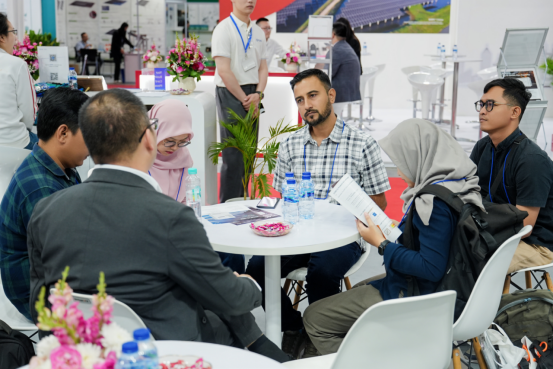
CNTE onthult line-up voor energieopslag op Solartech 2025
Mei 19, 2025 -
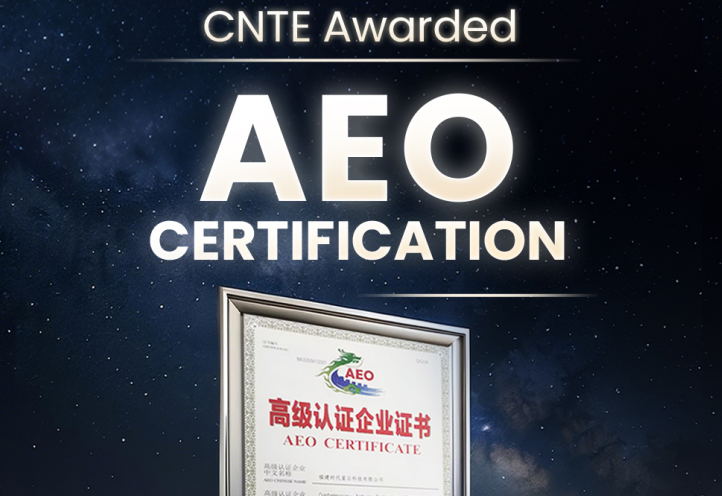
CNTE behaalt AEO-certificering
Mar 14, 2025
Tags
- 1 MW-batterijopslag
- 500 KW-batterij
- 500 kw batterijopslag
- 500 kWh-batterijprijs
- 500 kWh batterijopslag
- 50kw zonne-batterijopslag
- Geavanceerde batterijproductie
- Geavanceerde energieopslagsystemen
- Vooruitgang in batterijen voor middelgrote en grootschalige energieopslag
- alles in één zonnebatterij
- Thuisbatterij
- Batterijgebaseerde energieopslag
- Batterijcapaciteit voor zonnestelsel
- Batterij-elektrisch opslagsysteem
- Batterijenergiecapaciteit
- Prijs van batterij-energieopbergsysteem
- Batterijhuis Solar
- Batterij in zonnestelsel
- Batterijinstallatie voor zonne-energie
- Batterijbeheersysteem voor zonne-energietoepassingen
- Batterijpakket voor het zonnestelsel thuis
- Batterijpakket voor zonnestelsel
- Batterijpakhuis
- Batterijpakket kWh
- Batterijopslagsystemen
- Toepassingen voor batterijopslag
- Batterijopslagapparaat
- Batterijopslag kWh
- Batterijopslagprijs per kWh
- Batterijopslagoplossingen zonne-energie
- Leveranciers van batterijopslag
- Ontwerp van batterijopslagsystemen
- Batterij die een huis van stroom kan voorzien
- Batterij naar grid
- Bess Batterij Energie
- Bess zonnestelsel
- Betere hernieuwbare batterijen
- Grote batterijopslag
- Koop batterijopslag
- Koop zonne-batterijopslag
- Laadpaal
- Chinese zonnebatterijen
- Oplossingen voor schone energieopslag
- Commerciële batterijopslag voor zonne-energie
- Commerciële zonne-energieopslag
- Kosten van batterijopslag voor zonnepanelen
- Kosten van zonne- en batterijsysteem
- Kosten van batterijopslag op zonne-energie
- Elektrisch batterijopslagsysteem
- Tentoonstelling elektrische energieopslag
- Energiebatterij
- Energiecapaciteit van de batterij
- Energieopwekking en -opslag
- Energie-opslagbatterijpakket
- Prijs van energieopslagcontainers
- Energieopslaginstallatie
- Energieopslagsysteem Lithiumbatterij
- Energieopslagsysteem Maleisië
- Prijs van energieopslagsystemen
- Energieopslagsysteem zonne-energie
- Energy Tech Batterij
- ESS-batterijprijs
- ESS batterijsysteem
- ESS zonnebatterij
- ESS zonnestelsel
- ESS Tech-batterij
- EV-batterij voor zonne-opslag
- EV-batterij zonne-energie opslag
- Green Energy lithiumbatterij
- Batterij met hoge capaciteit voor zonnepanelen
- Hybride batterijopslag
- Geïntegreerde energieopslag
- Zijn technologie zonne-energie
- kWh batterijopslag
- Grote batterijen voor zonne-energie opslag
- Grote batterij voor opslag van zonne-energie
- Grote batterijopslagcontainer
- Grote batterijopslagsystemen
- Grootschalige opslag
- Grote opberging van zonnebatterijen
- Grote zonne-batterijopslagsystemen
- Grote zonne-energiebatterijen
- Grootste commerciële batterij
- Grootste zonne-batterijopslag
- Nieuwste zonne-batterijen
- LifePO4 batterij-energieopslagsystemen
- Lithiumbatterijen voor off-grid zonnestroomsysteem
- Lithiumbatterijen uit China
- Lithiumbatterij voor off-grid zonne-energie
- Lithiumbatterij voor zonnestroomsysteem prijs
- Lithiumbatterijopslag voor thuis
- Lithiumbatterijpakketten voor zonnepanelen
- Megawatt batterijopslag
- Nieuwe batterijopslag
- Off-grid zonnebatterijopslag
- Batterij op het raster
- Batterijopslag op het raster
- Integratie van optische opslag
- Buitenenergie opslag
- Buitenbatterijkast voor zonnepanelen
- PCS-batterijopslag
- PCS batterijsysteem
- Fotovoltaïsch energieopslagsysteem
- plug-and-play energieopslag
- Stroom en opslag
- Energieopslag van energie
- Energie van het energiepakket
- Stroomopslagcellen
- Prijs per kWh batterijopslag
- PV-zonnepanelen en batterijopslag
- Q-cel batterijopslag
- Slimme batterijopslag
- zonne & Batterijsysteem
- Zonne- en lithiumbatterijen
- Zonnebatterijen binnen het huis
- Zonnebatterij
- Zonne-batterijcontainer
- Zonne-batterij kWh
- Fabrikanten van zonnebatterijen in China
- Zonne-batterijmodule
- Solar batterijopslagkast
- Capaciteit voor het opslaan van zonne-batterijen
- Zonne-batterijopslagcontainer
- Fabrikanten van zonnebatterijopslag
- Zonne-energie batterij naar energievoorziening
- Opslag van zonnecellen
- Capaciteit voor batterijopslag op zonne-energie
- Zonne-energie batterijopslagsysteem
- zonne-energie lithiumbatterij
- Zonne-energieopslag en toepassingen
- Prijs van zonne-energie opslagbatterijen
- Prijs van zonne-energieopslagsystemen
- Zonne-energieopslagtechnologie
- Soorten zonne-energieopslag
- Zonne-energie naar batterijopslag
- Zonne-ess-systeem
- Zonnenetbatterij
- Zonnenetbatterijsysteem
- Prijs voor zonne-huis batterijen
- Zonne-installatiebatterij
- Zonne-installatie met batterij
- Solar One batterijen
- Capaciteit voor batterijopslag van zonnepanelen
- Prijs voor batterijopslag van zonnepanelen
- Zonnepaneel energieopslagbatterij
- Energieopslagsystemen voor zonnepanelen
- Opslag van lithiumbatterijen voor zonnepanelen
- Zonnepaneel stroomopslagsysteem
- Zonnepanelen en batterijopslagsystemen
- Prijs voor zonnepanelen met batterijopslag
- Zonne-installatiebatterij
- Batterij van de zonne-energiecentrale
- Bedrijven voor zonne-energieopslag
- Zonne-PV en batterijopslagsystemen
- Zonne-PV-systeem met batterijopslag
- Zonne-energieopslagoplossingen
- Zonnestelsel en batterijopslag
- Zonne-energie met batterijsysteem
- Zonne-energie met lithiumbatterijopslag
- Zelfstandige energieopslagsystemen
- Opslagenergiebatterij
- Opslagbatterij
