
Energieopslaginstallatie:Techniek, Veiligheid & Naleving voor B2B-projecten
Uitvoering van een grootschalige uitvoering Energieopslaginstallatie vereist meer dan alleen de inkoop van apparatuur—het vereist nauwkeurige systeemintegratie, Aanpassing van elektrische infrastructuur, en rigoureuze veiligheidsvalidatie. Voor B2B-projectontwikkelaars, EPC-aannemers, en faciliteitsbeheerders, Elke fase van haalbaarheidsstudie tot ingebruikname moet rekening houden met de beperkingen van de locatie, Lokale codes, en langdurige operationele betrouwbaarheid. CNTE (Hedendaagse Nebula Technology Energy Co., Bvba.) Levert kant-en-klare engineeringoplossingen die de kloof overbruggen tussen batterijcelprestaties en in het veld bewezen duurzaamheid van activa.
Deze gids onderzoekt technische variabelen die een succesvolle vorm bepalen Energieopslaginstallatie, inclusief selectie van elektrische topologie, Thermische beheerstrategieën, Coördinatie van bescherming, en cyberbeveiliging voor gedistribueerde energiebronnen. We analyseren ook sectorspecifieke pijnpunten met bijbehorende technische controles—gebruikmakend van veldgegevens en internationale standaarden (IEC 62477, BIJENKORF 9540, NFPA 855). Of je nu achter de meter piekafsnijding plant of frequentieregeling voor de voorste meter, Deze praktijken zorgen voor bankable systeemprestaties.

1. Kerntechnische lagen in een moderne energieopslaginstallatie
Elke robuuste Energieopslaginstallatie integreert vijf onderling afhankelijke lagen: Batterij rekken, Vermogensomzettingssysteem (PCS), Batterij Management Systeem (BMS), Energiebeheersysteem (EEMS), en evenwicht van het systeem (BoS) Onderdelen. Slecht ontwerp in welke laag dan ook verspreidt zich door de hele asset lifecycle, wat versnelde capaciteitsverzwakking of beschermingsmiscoördinatie veroorzaakt. Hieronder staan de kritieke subsystemen die engineeringvalidatie vereisen:
- Batterijafwisseling & DC-busarchitectuur – Bepaalt de kortsluitingsstroomniveaus, Parallelle impedantiebalans, en toegankelijkheid voor thermische runaway-mitigatie.
- Hoogspanning DC/AC-koppeling – Beïnvloedt de omzettingsefficiëntie en harmonische vervorming; Transformatorloos versus. Keuzes voor laagfrequente isolatie beïnvloeden netwerkkoppelingsvergunningen.
- BMS-communicatie & realtime SoC/SoH-kalibratie – Voorkomt cellen over- en onderspanningscondities; redundante CAN/Modbus TCP-verbindingen verminderen enkele faalpunten.
- Thermische uitlooppreventie & Brandblussystemen – Bevat aerosol- of watermistonderdrukking, Ventilatiepaden, en gasdetectie geïntegreerd in de HVAC-strategie.
Ervaren integrators zoals CNTE Voer multi-fysische simulaties uit om componentwaarden te vergelijken met stroomniveaus van de locatiefout en omgevingstemperatuurprofielen. Deze voorinstallatieanalyse vermindert de wijzigingsorders bijna 35% In containerprojecten, direct invloed op de gelevelde opslagkosten (LCOS).
2. Toepassing-specifieke uitdagingen & Technische tegenmaatregelen
Elk scenario legt specifieke beperkingen op aan Energieopslaginstallatie Procedures. De volgende tabel geeft een overzicht van veelvoorkomende implementatieomgevingen, Pijnpunten, en technische oplossingen gevalideerd in operationele assets.
2.1 Productie & Industriële Piekafschering
Faciliteiten met hoge vraag hebben te maken met vraagkosten die 30–60% van de elektriciteitsrekeningen uitmaken. Opslagsystemen moeten reageren op onmiddellijke belastingpieken terwijl ze de gridimport beperken. Belangrijke risico's tijdens installatie zijn onder andere onjuiste plaatsing van CT-installaties voor belastingmonitoring en onvoldoende coördinatie met bestaande dieselgeneratoren. Aanbevolen tegenmaatregelen:
- Voer 12-maands belastingprofilering uit om het vermogen van omvormer ten opzichte van de energiecapaciteit te bepalen.
- Installeer een Gesynchroniseerde controller met belastingvolgalgoritme om omgekeerde vermogensstroom te voorkomen.
- Integreer boogflitsreductieschakelaars op het punt van gemeenschappelijke koppeling (PCC).
2.2 Hernieuwbare bevestiging & Netwerkondersteunende diensten
Zonne-plus-opslag of windhybride installaties vereisen snel opbouwende omvormers (Hieronder 50 MS-antwoord) voor frequentiebeheersingsreserve (FCR). Installatiecomplexiteiten ontstaan door beschermingsrelaisinstellingen, afstand tussen PV-omvormers en BESS, en SCADA-latentie. Best practices zijn onder andere:
- Inzet Ringhoofdunits met richtingsoverstroombescherming om hinderlijke uitschakelingen tijdens netstoringen te voorkomen.
- Met behulp van versterkte glasvezelcommunicatielussen tussen EMS en elk batterijcluster.
- Uitvoeren van end-to-end gesloten-lus tests voor naleving van grid-codes (Bijvoorbeeld.., Laagspanningsrit).
2.3 Microgrid & Eilandoperatie
Afgelegen locaties (mijnbouw, Eilanden) afhankelijk zijn van opslag voor spannings- en frequentiestabiliteit tijdens generatoruitval. De installatie moet zorgen voor een naadloze overgang tussen netaangesloten en eilandmodus. Kritieke installatiestappen: Black-start capaciteitsvalidatie, Redundante communicatiepaden, en de regulator droop-instelling voor harmonisatie met dieselsets. CNTE heeft microgrid-controllers geïmplementeerd die automatisch bronloze zwarte start uitvoeren zonder hulpstroom, Vermindering van de generatorgebruikstijd door 70% in projecten in Zuidoost-Azië.
3. Stapsgewijze installatieproces volgens internationale voorschriften
Systematische uitvoering voorkomt kostenoverschrijdingen en vertragingen bij de inbedrijfstelling. Een rigoureuze Energieopslaginstallatie volgt deze gefaseerde methodologie die voldoet aan IEC 61936-1 en NFPA 855:
- Locatieonderzoek & Burgerlijke voorbereiding – Bodemweerstand evalueren voor aardingsontwerp, Vlakheid van betonplaat (±3 mm over 3 m), en seismische bestemmingsplannen (IBC 2021).
- Pre-assemblage & Mechanische integratie – Tillen van containerunits via spreidstaven om structurele spanning te vermijden; koppelgestuurde bouten voor batterijrekverbindingen.
- DC- en AC-stroombekabeling – Scheidings- en stroomkabels (≥300 mm afstand) om EMI te beperken; gebruik kleurgecodeerde lugs volgens NEC 2023 Artikel 706.
- Inbedrijfstelling & Functionele prestatietests – Isolatieweerstand van batterijbanken (>1 MOhm), Polariteitscontrole, Detectie van contactor-lassen, en toestand-van-lading-equalisatie.
- Netverbinding & Coördinatie van bescherming – Relais dat verificatie instelt aan de anti-eilandvereisten van het nutsbedrijf (IEEE 1547-2018).
Gedurende deze fasen, Bouwingenieurs moeten de as-built enkelregelige schema's documenteren en de EMS bijwerken met echte apparaatparameters. Met behulp van Digitale inbedrijfstellingstools (BESS inbedrijfstellingssoftware) Vermindert menselijke fouten en creëert een controleerbaar spoor voor verzekeringsverzekeraars.
4. Risicobeperking & Brandveiligheidstechniek voor BESS-installaties
Recente incidenten in de industrie onderstrepen dat een slecht uitgevoerde Energieopslaginstallatie kan leiden tot cascaderende thermische gebeurtenissen. Proactieve gevarenbeheersing integreert drie barrières: Ontwerp op celniveau, Actieve monitoring, en passieve brandbeveiliging. Niet-onderhandelbare maatregelen zijn onder andere:
- Gasdetectie – Elektrochemische sensoren voor CO, H₂, en vluchtige organische verbindingen (VOC) met ventilatie vóór de onderste explosieve limiet (LEL) Reaches 25%.
- Deflagratieventilatie – Drukaflastpanelen volgens NFPA 68, Grootte gebaseerd op het omhulselvolume en de gasopwekkingssnelheid.
- Afstandsbediening uitschakeling & Noodhulpinterface – Hardwired EPO (Noodstroom uit) gelegen buiten de BESS-perimeter.
- Scheidingsafstanden – Onderhoud ≥ 3 m tussen containerrijen of plaats 2-uur brandbestendige muren.
CNTE ontwerpt zijn BESS-behuizingen met multi-zone temperatuurmapping en geïntegreerde aerosolonderdrukking, geverifieerd via UL 9540A thermische voortplantingspropageringstests met runaway. Alle installatiedocumentatie markeert expliciet brandweertoegangspunten en handmatige vrijgaveposten — vereisten die vaak over het hoofd worden gezien maar cruciaal zijn voor lokale autoriteiten met jurisdictie (AHJ) Goedkeuring.

5. Optimalisatie na installatie & Voorspellende onderhoudsstrategieën
De waarde van een opslagobject komt tot uiting na het aansluiten van het net.. Echter, prestatievermindering (Kalenderveroudering, Cyclische veroudering, SoH-divergentie) binnen enkele maanden opduikt tenzij actieve monitoring wordt ingevoerd. Belangrijke activiteiten na de installatie:
- Externe EMS-analyse – Automatisch zwakke celstrings detecteren door interne weerstandstrends te vergelijken.
- Periodieke capaciteitstest – Voer jaarlijks een gedeeltelijke cyclustest uit (Bijvoorbeeld.., 2-uur ontlading bij C-rate) om SoH te volgen aan de hand van garantiedrempels.
- Actieve thermische herkalibratie – Afkoelingsinstellingen aanpassen op basis van seizoensgebonden omgevingsgegevens; voorkom condensatie binnen HV-compartimenten.
Met behulp van Op machine learning gebaseerde toestandsvoorspelling voor de resterende bruikbare levensduur (RUL) Maakt operators het mogelijk om onderhoud te plannen tijdens uren met weinig omzet., het verminderen van gedwongen storingen door 40%. Bovendien, regelmatige firmware-updates voor de PCS en EMS zorgen voor voortdurende naleving van veranderende gridcodes—vooral belangrijk voor frequentieresponsmarkten.
6. Toekomstbestendig maken via modulair & Installaties die klaar zijn voor hybride
Energieopslaginstallaties mogen eigenaren van activa niet vastzetten in vaste architecturen. Modulaire ontwerpen maken capaciteitsuitbreiding mogelijk (Macht of energie) met minimale herindienststellingsinspanning. Belangrijke ontwerppatronen zijn onder andere:
- Gestandaardiseerd DC-busspanningsvenster (Bijvoorbeeld.., 1200-1500 Vdc) om toekomstige hoogdichtheid lithium-ijzer-fosfaat te accepteren (LFP) of natrium-ioncellen.
- Plug-and-play batterijkasten met voorgefabriceerde mechanische footprints en CANopen-communicatieprofielen.
- Compatibiliteit met hybride omvormers – Ruimte toewijzen voor DC-gekoppelde zonnestroomregelaars zonder boogflitsberekeningen opnieuw te bestuderen.
Bij het plannen van dergelijke flexibiliteit, Het projectteam moet 15–20% reservecapaciteit behouden in de schakelapparatuur en transformator voor toekomstige stroomblokken. CNTE modulaire opslagplatforms worden geleverd met softwaregedefinieerde EMS die automatisch toegevoegde clusters herkent, Eliminering van kosten voor controllerherprogrammering.
Veelgestelde vragen (Veelgestelde vragen) Over de installatie van energieopslag
Q1: Wat is de gebruikelijke tijdlijn voor een commerciële energieopslaginstallatie van locatiebeoordeling tot de commerciële ingebruiknamedatum (COD)?
A1: Voor een containersysteem van 1-10 MWh, De tijdlijn loopt uit 14 Aan 24 weken. Dit omvat 2-3 weken voor gedetailleerde engineering en vergunningen, 4-6 weken voor civiele werken en betonnen funderingen, 3-4 weken voor werktuigbouwkunde & Elektrische installatie, en 2-3 weken voor indienststelling & Testen van netverbinding. Complexe projecten op nutsniveau (≥50 MWh) kan worden verlengd tot 9-12 maanden dankzij transmissiestudies en coördinatie van beschermende relais met regionale netbeheerders.
Q2: Welke elektrische beschermingsapparaten zijn verplicht voor een energieopslaginstallatie die voldoet aan de voorschriften?
A2: Verplichte apparaten zijn onder andere: (1) Zekering ontkoppeling of gegoten behuizing stroomonderbreker (MCCB) op het batterijrekniveau volgens UL 489, (2) Aardfoutdetectie met ≤ 30 mA-gevoeligheid voor personeelsbescherming, (3) Type 2 Overspanningsbeveiligingen (SPD) aan de AC- en DC-zijde, (4) snelwerkende DC-contactoren met boogschacht voor overstroomonderbreking, en (5) een speciale reststroommeter (RCM) voor ongeaarde systemen. Veel lokale inspecteurs vereisen ook een externe handmatige messchakelaar voor visuele isolatie.
V3: Hoe beïnvloeden omgevingstemperatuur en hoogte het ontwerp van energieopslaginstallaties?
A3: De batterijprestaties dalen aanzienlijk buiten 15–30°C. Voor bovenstaande installaties 2000 M hoogte, De koelefficiëntie neemt af door lagere luchtdichtheid—de HVAC van de behuizing moet per jaar met 10-12% worden vergroot 1000 m. Daarnaast, Hooggelegen locaties verminderen de diëlektrische sterkte van de lucht, wat meer speling vereist voor DC-busstangen (vermenigvuldig ANSI C37,06 afstand met 1.2 voor 3000 m). CNTE-temperatuurbestendige behuizingen gebruik koelmiddelgebaseerde koeling en drukgecompenseerde ventilatieopeningen voor werking van -30°C tot 50°C.
Q4: Wat zijn de belangrijkste verschillen tussen AC-gekoppelde en DC-gekoppelde energieopslaginstallaties voor zonne-PV-retrofits?
A4: AC-koppeling installeert de BESS aan de belastingzijde van de PV-omvormer, Vereenvoudiging van retrofit (geen aanpassing aan zonne-DC-snaren). Echter, De retourrendementefficiëntie is lager (≈86-89%) door dubbele conversie (PV DC→AC en vervolgens AC→DC→AC voor opslag). DC-koppeling verbindt batterijen op de gemeenschappelijke DC-bus tussen PV-arrays en de omvormer, Hogere efficiëntie bereiken (≈94-96%) maar vereist een hybride omvormer en het opnieuw bespannen van zonnepanelen. Voor bestaande installaties zonder ruimte voor het herbekabelen, AC-gekoppeld is de voorkeur; nieuwe builds geven de voorkeur aan DC-gekoppeld voor betere LCOS.
V5: Welke documentatie is vereist voor een energieopslaginstallatie om te voldoen aan de garantievoorwaarden van verzekeraars en garantie.?
A5: Minimale documentatie omvat: Gestempelde technische tekeningen (Enkelspoor, P&ID, Grondingsplan); fabrieksacceptatietest (FAT) rapporten voor batterijmodules en PCS; Site Acceptatietest (SAT) Protocollen ondertekend door de inbedrijfstellende ingenieur; Thermisch validatierapport (Temperatuurmapping onder belasting); Resultaten van de coördinatiestudie van beschermingskoördinatie; as-built BMS/EMS configuratiebestanden; en een risicobeperkingsanalyse (inclusief deflagratiemodellering). Veel providers vereisen ook kwartaalrapporten van IR-scanning voor geschroefde verbindingen als clausule voor thermische gebeurtenisdekking.
Klaar om je volgende energieopslaginstallatie te optimaliseren?
Een goed ontworpen Energieopslaginstallatie vermindert LCOS, Zorgt voor veiligheidsnaleving, en maakt revenue stacking mogelijk over meerdere gridservices. CNTE (Hedendaagse Nebula Technology Energy Co., Bvba.) biedt end-to-end technische ondersteuning—van front-end haalbaarheidsstudies, Ontwerp van containeriseerde oplossingen, tot en met plaatselijke ingebruikname en remote prestatiemonitoring. Onze projectreferenties omvatten industriële piekafslagen (tot 85% Vraagvermindering), Regulering van nutsfrequenties (Reactie <40 MS), en microgrids met black-start capaciteit.
Dien je projectvereisten in om een voorlopige systeemindeling te ontvangen, Coördinatieplan voor bescherming, en een compliance-routekaart die is afgestemd op uw lokale gridcode. Neem vandaag nog contact op met ons engineeringteam voor een vrijblijvende technische consultatie.
📧 Onderzoek: cntepower@cntepower.com | 🌐 https://en.cntepower.com/
Geef je belastingprofiel, Website-adres, en de elektriciteitsspanning van nutsvoorzieningen—zullen we reageren met een gedetailleerd abstract ontwerp binnen 5 Bedrijfsdagen.
Neem contact op
Recente Nieuws
-

CNTE bij KEY ENERGY 2026: Showcases STAR H-PLUS Outdoor Vloeistofgekoeld Energieopslagsysteem
Mar 05, 2026 -

CNTE Geëerd als 2025 Forbes China Toonaangevend Wereldwijd Merk
Nov 12, 2025 -

CNTE & JIJ. ON werkt samen om opslagmarkten uit te breiden
Mei 19, 2025 -
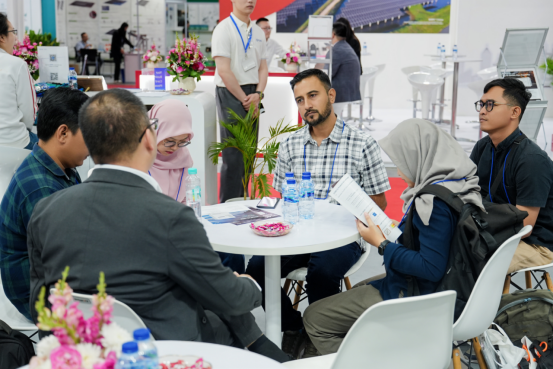
CNTE onthult line-up voor energieopslag op Solartech 2025
Mei 19, 2025 -
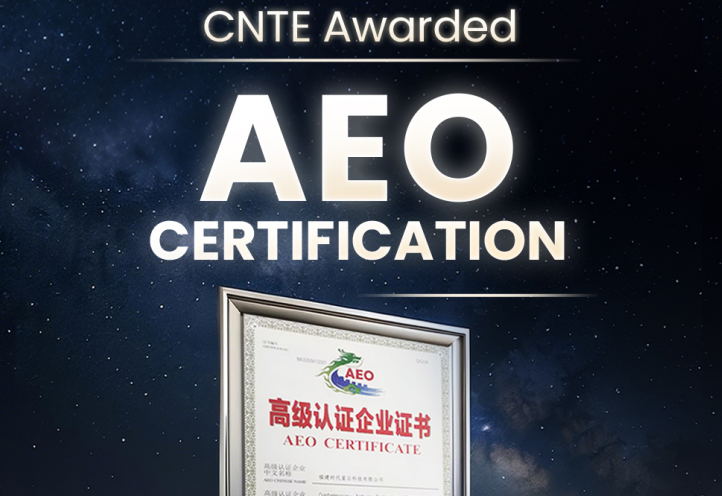
CNTE behaalt AEO-certificering
Mar 14, 2025
Tags
- 1 MW-batterijopslag
- 500 KW-batterij
- 500 kw batterijopslag
- 500 kWh-batterijprijs
- 500 kWh batterijopslag
- 50kw zonne-batterijopslag
- Geavanceerde batterijproductie
- Geavanceerde energieopslagsystemen
- Vooruitgang in batterijen voor middelgrote en grootschalige energieopslag
- alles in één zonnebatterij
- Thuisbatterij
- Batterijgebaseerde energieopslag
- Batterijcapaciteit voor zonnestelsel
- Batterij-elektrisch opslagsysteem
- Batterijenergiecapaciteit
- Prijs van batterij-energieopbergsysteem
- Batterijhuis Solar
- Batterij in zonnestelsel
- Batterijinstallatie voor zonne-energie
- Batterijbeheersysteem voor zonne-energietoepassingen
- Batterijpakket voor het zonnestelsel thuis
- Batterijpakket voor zonnestelsel
- Batterijpakhuis
- Batterijpakket kWh
- Batterijopslagsystemen
- Toepassingen voor batterijopslag
- Batterijopslagapparaat
- Batterijopslag kWh
- Batterijopslagprijs per kWh
- Batterijopslagoplossingen zonne-energie
- Leveranciers van batterijopslag
- Ontwerp van batterijopslagsystemen
- Batterij die een huis van stroom kan voorzien
- Batterij naar grid
- Bess Batterij Energie
- Bess zonnestelsel
- Betere hernieuwbare batterijen
- Grote batterijopslag
- Koop batterijopslag
- Koop zonne-batterijopslag
- Laadpaal
- Chinese zonnebatterijen
- Oplossingen voor schone energieopslag
- Commerciële batterijopslag voor zonne-energie
- Commerciële zonne-energieopslag
- Kosten van batterijopslag voor zonnepanelen
- Kosten van zonne- en batterijsysteem
- Kosten van batterijopslag op zonne-energie
- Elektrisch batterijopslagsysteem
- Tentoonstelling elektrische energieopslag
- Energiebatterij
- Energiecapaciteit van de batterij
- Energieopwekking en -opslag
- Energie-opslagbatterijpakket
- Prijs van energieopslagcontainers
- Energieopslaginstallatie
- Energieopslagsysteem Lithiumbatterij
- Energieopslagsysteem Maleisië
- Prijs van energieopslagsystemen
- Energieopslagsysteem zonne-energie
- Energy Tech Batterij
- ESS-batterijprijs
- ESS batterijsysteem
- ESS zonnebatterij
- ESS zonnestelsel
- ESS Tech-batterij
- EV-batterij voor zonne-opslag
- EV-batterij zonne-energie opslag
- Green Energy lithiumbatterij
- Batterij met hoge capaciteit voor zonnepanelen
- Hybride batterijopslag
- Geïntegreerde energieopslag
- Zijn technologie zonne-energie
- kWh batterijopslag
- Grote batterijen voor zonne-energie opslag
- Grote batterij voor opslag van zonne-energie
- Grote batterijopslagcontainer
- Grote batterijopslagsystemen
- Grootschalige opslag
- Grote opberging van zonnebatterijen
- Grote zonne-batterijopslagsystemen
- Grote zonne-energiebatterijen
- Grootste commerciële batterij
- Grootste zonne-batterijopslag
- Nieuwste zonne-batterijen
- LifePO4 batterij-energieopslagsystemen
- Lithiumbatterijen voor off-grid zonnestroomsysteem
- Lithiumbatterijen uit China
- Lithiumbatterij voor off-grid zonne-energie
- Lithiumbatterij voor zonnestroomsysteem prijs
- Lithiumbatterijopslag voor thuis
- Lithiumbatterijpakketten voor zonnepanelen
- Megawatt batterijopslag
- Nieuwe batterijopslag
- Off-grid zonnebatterijopslag
- Batterij op het raster
- Batterijopslag op het raster
- Integratie van optische opslag
- Buitenenergie opslag
- Buitenbatterijkast voor zonnepanelen
- PCS-batterijopslag
- PCS batterijsysteem
- Fotovoltaïsch energieopslagsysteem
- plug-and-play energieopslag
- Stroom en opslag
- Energieopslag van energie
- Energie van het energiepakket
- Stroomopslagcellen
- Prijs per kWh batterijopslag
- PV-zonnepanelen en batterijopslag
- Q-cel batterijopslag
- Slimme batterijopslag
- zonne & Batterijsysteem
- Zonne- en lithiumbatterijen
- Zonnebatterijen binnen het huis
- Zonnebatterij
- Zonne-batterijcontainer
- Zonne-batterij kWh
- Fabrikanten van zonnebatterijen in China
- Zonne-batterijmodule
- Solar batterijopslagkast
- Capaciteit voor het opslaan van zonne-batterijen
- Zonne-batterijopslagcontainer
- Fabrikanten van zonnebatterijopslag
- Zonne-energie batterij naar energievoorziening
- Opslag van zonnecellen
- Capaciteit voor batterijopslag op zonne-energie
- Zonne-energie batterijopslagsysteem
- zonne-energie lithiumbatterij
- Zonne-energieopslag en toepassingen
- Prijs van zonne-energie opslagbatterijen
- Prijs van zonne-energieopslagsystemen
- Zonne-energieopslagtechnologie
- Soorten zonne-energieopslag
- Zonne-energie naar batterijopslag
- Zonne-ess-systeem
- Zonnenetbatterij
- Zonnenetbatterijsysteem
- Prijs voor zonne-huis batterijen
- Zonne-installatiebatterij
- Zonne-installatie met batterij
- Solar One batterijen
- Capaciteit voor batterijopslag van zonnepanelen
- Prijs voor batterijopslag van zonnepanelen
- Zonnepaneel energieopslagbatterij
- Energieopslagsystemen voor zonnepanelen
- Opslag van lithiumbatterijen voor zonnepanelen
- Zonnepaneel stroomopslagsysteem
- Zonnepanelen en batterijopslagsystemen
- Prijs voor zonnepanelen met batterijopslag
- Zonne-installatiebatterij
- Batterij van de zonne-energiecentrale
- Bedrijven voor zonne-energieopslag
- Zonne-PV en batterijopslagsystemen
- Zonne-PV-systeem met batterijopslag
- Zonne-energieopslagoplossingen
- Zonnestelsel en batterijopslag
- Zonne-energie met batterijsysteem
- Zonne-energie met lithiumbatterijopslag
- Zelfstandige energieopslagsystemen
- Opslagenergiebatterij
- Opslagbatterij
