
Kuasa dan Storan Bersepadu: Senibina Hibrid, Kawalan Pembentukan Grid, dan Ekonomi Kitaran Hayat
Infrastruktur tenaga moden memerlukan pendekatan bersatu untuk kuasa dan storan. Mengasingkan aset penjanaan daripada bank bateri membawa kepada tindak balas grid yang tidak optimum, Tenaga boleh diperbaharui yang dikurangkan, dan perbelanjaan operasi yang lebih tinggi. Pengoptimuman aset sebenar muncul apabila kuasa dan storan direka bentuk sebagai satu, Sumber yang boleh dihantar—Skim perlindungan perkongsian, protokol komunikasi, dan pengurusan tenaga masa nyata. CNTE (Teknologi Nebula Kontemporari Tenaga Co., Ltd.) menyampaikan sistem hibrid sedemikian, Mengintegrasikan kawalan penukar, Analisis bateri, dan pematuhan grid ke dalam penyelesaian turnkey untuk tapak perindustrian, koperasi utiliti, dan IPP boleh diperbaharui.
Penyelaman mendalam teknikal ini merangkumi keputusan kejuruteraan teras untuk kuasa dan storan Integrasi: Pemilihan topologi penyongsang, keadaan kesihatan (SoH) Penghantaran sedar, dan penyelarasan perlindungan merentas pelbagai sumber tenaga. Kami mengkaji titik kesakitan dunia sebenar—daripada ayunan subsegerak dalam grid lemah kepada perambatan pelarian haba—dengan tindakan balas yang disahkan berdasarkan data lapangan dan piawaian antarabangsa (IEC 62477-2, IEEE 1547-2018). Pemaju projek B2B akan mendapat penanda aras kuantitatif untuk saiz kapasiti, mengawal masa tindak balas, dan kos penyimpanan yang diratakan (LCOS) Pemodelan.

1. Asas Teknikal: Elektronik Kuasa Penumpuan dan Kimia Storan
Mana-mana bersatu kuasa dan storan Sistem terdiri daripada tiga sub-sistem penting: loji bateri DC (litium-besi-fosfat atau nikel-mangan-kobalt), Sistem penukaran kuasa (PC), dan pengawal penyeliaan (EMS / SCADA). Interaksi mereka secara langsung menentukan kadar tanjakan, kecekapan pergi balik, dan keupayaan tunggangan kesalahan.
1.1 Topologi Penukaran Kuasa untuk Operasi Hibrid
Empat konfigurasi mendominasi pemasangan komersial:
- Penyongsang hibrid gandingan AC – Bateri bersambung melalui penukar DC/AC khusus pada bahagian beban penyongsang PV/angin sedia ada. Menawarkan kesederhanaan pengubahsuaian tetapi mengalami kerugian penukaran berganda (≈4-6% penalti).
- Penukar berbilang port gandingan DC – Antara muka peringkat kuasa tunggal kedua-dua tatasusunan PV dan bateri, Mencapai kecekapan yang lebih tinggi (98.2% dan kuasa undian). Memerlukan penggantian penuh penyongsang solar warisan.
- Penukar pelbagai peringkat modular (MMC) untuk BESS – Menghapuskan pengubah frekuensi talian, mengurangkan jejak, dan menyediakan sokongan kuasa reaktif bebas. Diterima pakai untuk sambungan grid voltan sederhana (10-35 kV).
- Penjana segerak maya (VSG) Kawalan – Meniru inersia mesin berputar, Penting untuk grid lemah dengan penembusan boleh diperbaharui >70%.
CNTE menggunakan platform gandingan DC modular dengan redundansi N 1 untuk tapak pembuatan kritikal, mencapai 99.3% Ketersediaan dalam tempoh 18 bulan operasi lapangan.
1.2 Kesan Pemilihan Sel Bateri terhadap Prestasi Sistem
Pilihan antara LFP dan NMC pada asasnya mengubah pengurusan haba dan hayat kitaran:
- LFP: ketumpatan tenaga yang lebih rendah (150-170 Wh/kg) tetapi hayat kalendar yang lebih lama (≥8,000 kitaran di 80% Datang) dan kestabilan haba intrinsik. Lebih disukai untuk pemasangan yang memerlukan pemprosesan harian yang tinggi (pencukuran puncak, Timbang tara).
- NMC: ketumpatan tenaga yang lebih tinggi (200-260 Wh/kg) membolehkan projek terhad ruang. Memerlukan penyejukan cecair aktif dan kawalan tetingkap voltan yang ketat untuk mengelakkan pembubaran logam peralihan.
Untuk hibrid kuasa dan storan Projek, anggaran SoH masa nyata menggunakan spektroskopi impedans elektrokimia membolehkan pelarasan ramalan kadar caj/nyahcas, memanjangkan hayat sistem dengan 22% dalam kajian baru-baru ini.
2. Kejuruteraan Khusus Aplikasi untuk Penyepaduan Kuasa dan Storan
Setiap senario penggunaan mengenakan keperluan teknikal yang berbeza pada kuasa dan storan Reka bentuk. Di bawah ialah tiga arketipe dengan kriteria prestasi terukur.
2.1 Pencukuran Puncak Industri dengan Pengurangan Caj Permintaan
Kemudahan dengan tetingkap permintaan puncak 15 minit memerlukan storan untuk bertindak balas dalam 200 Cik. Cabaran termasuk menyelaras dengan penjanaan bersama di tapak dan mengelakkan aliran kuasa terbalik ke dalam penyuap utiliti. Penyelesaian:
- Pasang modul ramalan beban berkelajuan tinggi menggunakan data sejarah 12 bulan untuk pra-mengecas bateri sebelum puncak yang dijangkakan.
- Melaksanakan komunikasi antara BMS dan pengawal logik boleh atur cara (PLC) untuk menguatkuasakan nyahcas bateri hanya apabila permintaan tapak melebihi ambang dinamik.
- Penggunaan suis tahan arka pada titik gandingan biasa untuk keselamatan kakitangan semasa keadaan kerosakan tinggi.
2.2 Pelicinan boleh diperbaharui dan pengukuhan grid
Ladang solar atau angin mendapat manfaat daripada kuasa dan storan sistem yang meningkat daripada sifar kepada output penuh di bawah 100 Cik, Mengimbangi litupan awan atau ketenangan angin secara tiba-tiba. Titik kesakitan teknikal: Ketidakstabilan bas voltan DC dan kependaman komunikasi antara stesen cuaca dan EMS. Tindakan balas:
- Gunakan cincin gentian optik lebar jalur tinggi (IEC 61850 GOOSE) untuk pertukaran data sub-kitaran antara penderia penyinaran dan PCS.
- Konfigurasikan penyongsang storan untuk beroperasi dalam mod mengikut grid dengan had kadar tanjakan 5% kuasa undian sesaat, diselaraskan dengan kod grid khusus tapak (Cth., Peraturan Hawaii 14H).
2.3 Microgrid Black-Start dan Operasi Berpulau
Perlombongan terpencil atau komuniti pulau memerlukan storan untuk membentuk rujukan voltan yang stabil tanpa sokongan utiliti. Pemasangan mesti mengesahkan keupayaan pengambilan beban sejuk dan pengesanan anti-pulau. Amalan yang disyorkan:
- Penggunaan penyongsang pembentuk grid Dengan kawalan impedans maya untuk berkongsi beban secara berkadar antara berbilang kelompok bateri.
- Lakukan ujian pemulihan beban berjujukan (bermula dengan 5% daripada beban undian, meningkat dalam 20% Langkah-langkah) Untuk mengesahkan kapasiti beban berlebihan penyongsang (biasanya 150% Bagi 10 saat).
CNTE telah menugaskan di luar grid kuasa dan storan sistem di Asia Tenggara yang melaksanakan permulaan hitam yang disegerakkan di bawah 4 saat, menggantikan rizab berputar penjana diesel dan mengurangkan penggunaan bahan api dengan 68%.
3. Senibina Kawalan Lanjutan untuk Aset Hibrid
Kawalan terkulai konvensional gagal apabila berbilang sumber tenaga berkongsi bas AC yang lemah. Moden kuasa dan storan Platform mengamalkan kawalan hierarki dengan tiga lapisan: tempatan (milisaat), sekunder (kedua), dan pengajian tinggi (Minit).
3.1 Kawalan Utama: Penjana Segerak Maya (VSG)
VSG meniru inersia rotor dengan menyuntik kuasa aktif berkadar dengan terbitan frekuensi (DF/DT). Untuk a 10 Sistem MVA, pemalar inersia maya yang disyorkan H = 2-4 saat, dicapai melalui PCS bertindak pantas dengan 10 kekerapan pensuisan kHz. Data medan daripada Penggunaan CNTE VSG menunjukkan kadar perubahan kekerapan (RoCoF) Pengurangan daripada 2.3 Hz/s kepada 0.7 Hz/s semasa a 30% memuatkan langkah.
3.2 Kawalan Sekunder: Pengimbangan Keadaan Caj
Apabila berbilang rak bateri beroperasi secara selari, Perbezaan SoC mengurangkan kapasiti yang boleh digunakan. Laksanakan algoritma purata teragih melalui bas CAN yang melaraskan titik set kuasa setiap rak secara berkadar dengan sisihan SoC. Ketidakseimbangan yang boleh diterima ≤ 3% selepas satu kitaran penuh.
3.3 Kawalan Tertiari: Arbitraj Tenaga dan Perkhidmatan Sampingan
EMS mesti membida kapasiti storan ke dalam pasaran harian dan masa nyata. Gunakan pengaturcaraan dinamik dengan ramalan harga, Memandangkan kos kemerosotan bateri ($/MWj setiap kitaran). Ambang biasa: hanya pelepasan apabila spread arbitraj melebihi 1.5× kos degradasi.
4. Pemodelan Kos Kitaran Hayat dan Pengurangan Risiko
Seorang yang teguh kuasa dan storan akaun kes perniagaan untuk kapasiti pudar (kalendar + kitaran), Penggunaan tambahan (Penyejukan, BMS), dan kadar gangguan paksa. Metrik utama:
- Kos storan yang diratakan (LCOS) = (CAPEX + OPEX + kos penggantian) / Pemprosesan tenaga seumur hidup (MWj). Untuk sistem LFP 4 jam, LCOS berkisar $140-180/MWj dalam 2025 Pasaran.
- Waranti pengekalan kapasiti – Standard industri: 80% tenaga papan nama di 60% Hayat kitaran (biasanya tahun 10 Atau 6,000 Kitaran).
- Penghantaran sedar kemerosotan – mengurangkan kadar pengecasan/nyahcas pada SoC tinggi (>90%) dan SoC rendah (<20%), menambah 2-3 tahun kepada hayat berguna.
CNTE menyediakan jaminan LCOS harga tetap untuk projek perindustrian, mengikat prestasi kepada pemantauan SoH masa nyata melalui analisis bateri bersepadu.

5. Kejuruteraan Keselamatan dan Pematuhan untuk Tapak Kuasa dan Penyimpanan
Kelulusan kawal selia sering menangguhkan pemasangan. Dokumen pematuhan kritikal untuk mana-mana kuasa dan storan Projek:
- Penilaian risiko kebakaran mengikut NFPA 855 – termasuk jarak pemisahan, kawalan letupan, dan keserasian ejen pemadam kebakaran dengan bateri litium-ion.
- Ujian interkoneksi grid IEEE 1547-2018 – voltan/frekuensi menunggang melalui, Kualiti kuasa (herotan harmonik total <5%), dan anti-pulau (putuskan sambungan dalam 2 saat).
- Keperluan keselamatan IEC 62477-1 untuk PCS – sentuh had semasa, Pemantauan penebat, dan perlindungan kemasukan kepungan (minimum IP54 untuk bekas luar).
Pra-pentauliahan mesti termasuk kajian penyelarasan perlindungan yang mengesahkan bahawa pemutus bateri membersihkan kerosakan sebelum fius utiliti huluan meletup. Gunakan lengkung masa-arus yang ditetapkan pada 0.1-0.2 saat untuk litar cawangan bateri.
Soalan Lazim (Soalan lazim) mengenai Penyepaduan Kuasa dan Storan
Q1: Berapakah kadar tanjakan minimum yang diperlukan untuk sistem kuasa dan storan untuk mengambil bahagian dalam pasaran pengawalseliaan frekuensi?
A1: Kebanyakan pengendali sistem bebas (Cth., PJM, CAISO, ERCOT) memerlukan kadar tanjakan sekurang-kurangnya 1% kapasiti undian setiap 100 milisaat untuk isyarat peraturan pantas. Lanjutan penyongsang pembentuk grid dengan silikon karbida (SiC) Modul mencapai 5-8% untuk 100 Cik, mencukupi untuk tindak balas frekuensi cepat dan perlahan.
S2: Bagaimanakah anda mengukur nisbah kuasa kepada tenaga (Kadar C) untuk sistem storan hibrid yang bertujuan untuk kedua-dua pencukuran puncak dan kuasa sandaran?
A2: Untuk dwi-tujuan, kira kuasa pencukur puncak yang diperlukan (KWj) daripada profil beban 15 minit, kemudian tetapkan tenaga sandaran (Kwj) sebagai dua kali ganda tempoh gangguan maksimum yang dijangkakan. Sebagai contoh: jika keperluan pengurangan puncak 1 MW dan sandaran memerlukan 4 MWj, mengamalkan sistem 0.25C. Saiz penyongsang yang berlebihan (1.5 MW) membolehkan fungsi serentak.
S3: Apakah protokol komunikasi yang paling boleh dipercayai untuk menyelaraskan berbilang rak bateri dalam loji kuasa dan penyimpanan yang besar?
A3: Untuk kawalan deterministik, gunakan EtherCAT atau PROFINET IRT dengan masa kitaran ≤ 1 Cik. Untuk pemantauan dan pembalakan, Modbus TCP ke atas gelung gentian berlebihan adalah mencukupi. Banyak projek menggunakan OPC UA untuk mengagregat data ke awan EMS, tetapi penghantaran masa nyata memerlukan Ethernet masa nyata khusus.
Soalan 4: Bolehkah suis selari penjana diesel sedia ada digunakan semula untuk pemasangan kuasa dan storan?
A4: Sebahagiannya, tetapi mesti mengubah suai. Geganti perlindungan penjana (biasanya ANSI 25/27/59) memerlukan logik tambahan untuk mengelakkan penutupan pemutus BESS semasa keadaan bas mati. Juga, Penyongsang storan tidak boleh menerima masa mati 5 saat biasa semasa pemeriksaan penyegerakan; Pasang skim pemindahan pantas dengan 200 Gangguan yang dibenarkan ms.
Soalan 5: Bagaimana altitud tinggi (di atas 2000 m) menjejaskan penarafan peralatan kuasa dan storan?
A5: Pengurangan ketumpatan udara mengurangkan kecekapan penyejukan dan kekuatan dielektrik. Kurangkan arus berterusan penyongsang dengan 1.5% untuk 500 m di atas 1000 m. Untuk kapasiti bateri, tiada penurunan langsung, tetapi penyejukan udara paksa mesti ditingkatkan sebanyak 10-12% setiap 1000 m. Kit altitud tinggi CNTE termasuk bolong pampasan tekanan dan tatasusunan kipas bertetulang untuk operasi sehingga 4000 m.
Optimumkan Projek Kuasa dan Storan Hibrid Anda yang Seterusnya
Kejuruteraan yang boleh dipercayai kuasa dan storan Sistem memerlukan kepakaran vendor yang merangkumi elektronik kuasa, Kimia bateri, dan kod grid. CNTE (Teknologi Nebula Kontemporari Tenaga Co., Ltd.) Menyediakan sokongan kitaran hayat penuh—daripada kajian kebolehlaksanaan, Reka bentuk kontena tersuai, kepada pentauliahan di tapak dan analisis jauh. Projek rujukan kami termasuk peraturan kekerapan utiliti (< 40 Jawapan MS), mikrogrid perindustrian dengan 72% anjakan diesel, dan storan solar-plus untuk operasi perlombongan.
Minta cadangan teknikal hari ini – sertakan profil beban anda, Lokasi Tapak, Voltan interkoneksi utiliti, dan aplikasi utama (pencukuran puncak, Sandaran, Perkhidmatan grid). Pasukan kejuruteraan kami akan mengembalikan gambar rajah satu baris awal, Kajian Penyelarasan Perlindungan, dan model LCOS dalam 10 Hari Perniagaan.
📧 Siasatan: cntepower@cntepower.com | 🌐 https://en.cntepower.com/
Untuk keperluan integrasi BESS yang mendesak, lampirkan data SCADA satu tahun tapak anda untuk simulasi prestasi dan analisis ROI—tanpa sebarang kos.
Hubungi kami
Jawatan Terkini
-

CNTE di KEY ENERGY 2026: Mempamerkan Sistem Penyimpanan Tenaga Penyejuk Cecair Luaran STAR H-PLUS
Mar 05, 2026 -

CNTE diberi penghormatan sebagai 2025 Forbes China Jenama Global Terkemuka
Nov 12, 2025 -
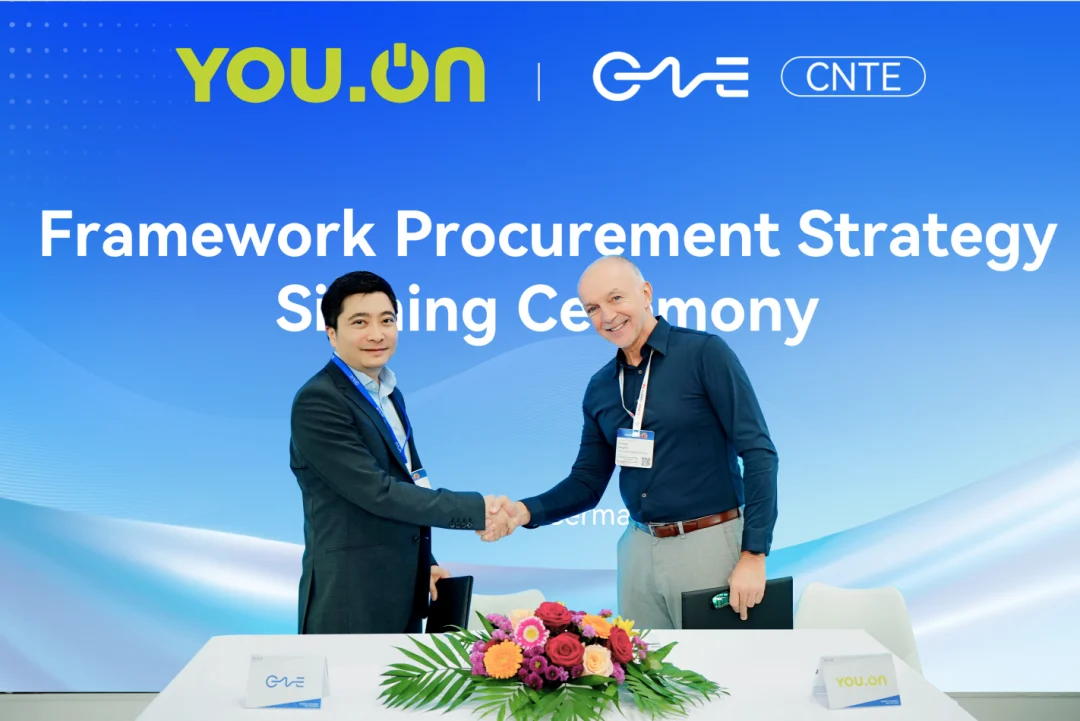
CNTE & ANDA. Rakan Kongsi ON untuk Mengembangkan Pasaran Storan
Mei 19, 2025 -
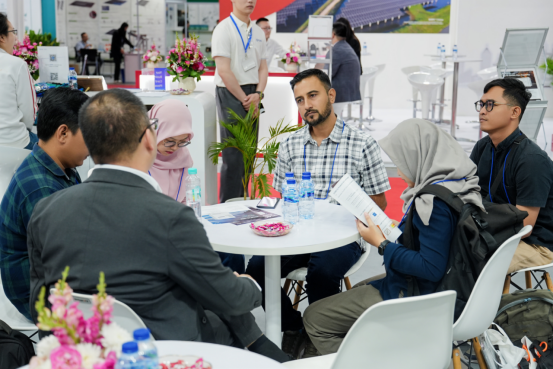
CNTE Melancarkan Barisan Penyimpanan Tenaga di Solartech 2025
Mei 19, 2025 -
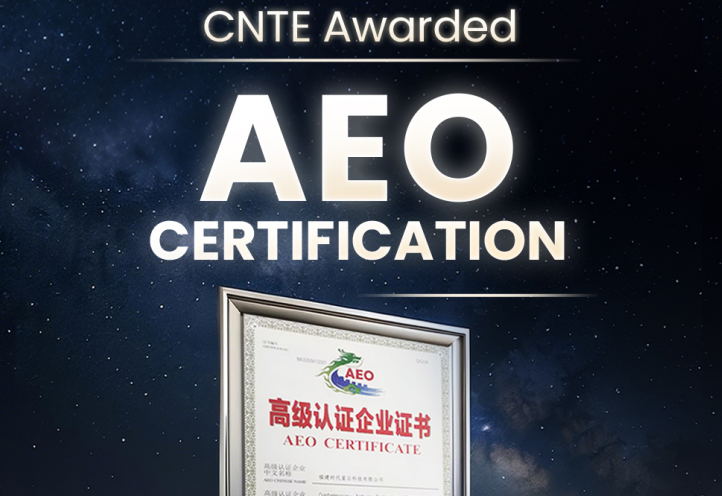
CNTE dianugerahkan pensijilan AEO
Mar 14, 2025
Tags
- 1 Storan bateri MW
- 500 Bateri KW
- 500 kw storan bateri
- 500 Harga bateri kWh
- 500 Storan bateri kWh
- 50kw storan bateri solar
- Pembuatan bateri termaju
- Sistem Penyimpanan Tenaga Lanjutan
- kemajuan dalam bateri untuk penyimpanan tenaga berskala sederhana dan besar
- semua dalam satu bateri solar
- Bateri di rumah
- Storan tenaga berasaskan bateri
- kapasiti bateri untuk sistem suria
- Sistem Storan Elektrik Bateri
- kapasiti tenaga bateri
- Harga Sistem Storan Tenaga Bateri
- solar rumah bateri
- bateri dalam sistem suria
- pemasangan bateri untuk solar
- Sistem Pengurusan Bateri untuk Aplikasi Tenaga Suria
- Pek bateri untuk sistem suria rumah
- Pek bateri untuk sistem suria
- rumah pek bateri
- Pek bateri kWj
- Sistem Storan Kuasa Bateri
- Aplikasi Storan Bateri
- Peranti storan bateri
- Storan bateri kWj
- Harga storan bateri setiap kWj
- Penyelesaian Storan Bateri Solar
- Pembekal Storan Bateri
- Reka bentuk sistem storan bateri
- bateri yang boleh menggerakkan rumah
- bateri ke grid
- Tenaga bateri Bess
- Sistem Suria Bess
- Tenaga boleh diperbaharui bateri yang lebih baik
- Storan bateri yang besar
- Beli Storan Bateri
- beli storan bateri solar
- stesen pengecasan
- Bateri solar Cina
- Penyelesaian Penyimpanan Tenaga Bersih
- Storan bateri kuasa solar komersial
- Storan solar komersial
- Kos storan bateri untuk panel solar
- Kos sistem solar dan bateri
- Kos Storan Bateri Tenaga Suria
- Sistem Penyimpanan Bateri Elektrik
- Pameran Penyimpanan Tenaga Elektrik
- pek bateri tenaga
- kapasiti tenaga bateri
- penjanaan dan penyimpanan tenaga
- pek bateri penyimpanan tenaga
- Harga Bekas Penyimpanan Tenaga
- Pemasangan Penyimpanan Tenaga
- Sistem Penyimpanan Tenaga Bateri litium
- Sistem Penyimpanan Tenaga Malaysia
- Harga Sistem Penyimpanan Tenaga
- Sistem Penyimpanan Tenaga Suria
- bateri teknologi tenaga
- Harga Bateri ESS
- Sistem Bateri ESS
- Bateri solar ESS
- Sistem Suria ESS
- Bateri Teknologi ESS
- Bateri EV untuk storan solar
- Storan solar bateri EV
- Bateri litium tenaga hijau
- bateri berkapasiti tinggi untuk panel solar
- Storan bateri hibrid
- Penyimpanan tenaga bersepadu
- teknologinya solar
- Storan bateri kWh
- bateri besar untuk penyimpanan solar
- bateri besar untuk penyimpanan tenaga suria
- bekas storan bateri yang besar
- sistem storan bateri yang besar
- storan berskala besar
- Storan bateri solar yang besar
- sistem storan bateri solar yang besar
- bateri storan solar yang besar
- bateri komersial terbesar
- Storan bateri solar terbesar
- bateri solar terkini
- Sistem Storan Tenaga Bateri LiFePO4
- Bateri litium untuk sistem suria luar grid
- Bateri litium dari China
- Bateri litium untuk solar luar grid
- Bateri litium untuk harga sistem suria
- Storan rumah bateri litium
- pek bateri litium untuk panel solar
- Storan bateri megawatt
- Storan bateri baharu
- Storan bateri solar luar grid
- pada bateri grid
- pada storan bateri grid
- penyepaduan storan optik
- Penyimpanan tenaga luar
- kabinet bateri solar luar
- Storan bateri PCS
- Sistem bateri PCS
- Sistem Penyimpanan Tenaga Fotovoltaik
- Simpanan tenaga plug and play
- kuasa dan storan
- Penyimpanan tenaga kuasa
- Tenaga pek kuasa
- Sel Storan Kuasa
- Harga setiap kwj storan bateri
- Panel solar PV dan storan bateri
- Storan bateri sel q
- Storan bateri pintar
- Solar & Sistem bateri
- Bateri solar dan litium
- bateri solar di dalam rumah
- bateri solar bateri
- bekas bateri solar
- Bateri solar kWj
- pengeluar bateri solar di china
- Modul bateri solar
- Kabinet Simpanan Bateri Suria
- kapasiti storan bateri solar
- bekas storan bateri solar
- pengeluar storan bateri solar
- bateri solar ke rumah kuasa
- Penyimpanan sel suria
- kapasiti storan bateri tenaga suria
- Sistem Storan Bateri Tenaga Suria
- bateri litium tenaga suria
- Penyimpanan dan aplikasi tenaga suria
- Harga bateri storan tenaga suria
- Harga Sistem Penyimpanan Tenaga Suria
- Teknologi Penyimpanan Tenaga Suria
- Jenis storan tenaga suria
- tenaga suria kepada storan bateri
- Sistem ESS Suria
- bateri grid solar
- Sistem bateri grid solar
- Harga bateri rumah solar
- bateri pemasangan solar
- Pemasangan solar dengan bateri
- bateri solar one
- Kapasiti Storan Bateri Panel Suria
- Harga Storan Bateri Panel Suria
- bateri storan tenaga panel solar
- Sistem penyimpanan tenaga panel solar
- Storan bateri litium panel solar
- Sistem Penyimpanan Kuasa Panel Suria
- Panel solar dan sistem storan bateri
- Panel solar dengan harga storan bateri
- bateri loji solar
- Bateri Loji Tenaga Suria
- Syarikat Penyimpanan Tenaga Suria
- Sistem storan PV dan bateri solar
- Sistem PV solar dengan storan bateri
- penyelesaian storan solar
- Sistem suria dan storan bateri
- solar dengan sistem bateri
- solar dengan storan bateri litium
- Sistem Penyimpanan Tenaga Kendiri
- bateri tenaga storan
- Bateri Storedge
