
Pemasangan Penyimpanan Tenaga: Kejuruteraan, Keselamatan & Pematuhan untuk Projek B2B
Melaksanakan pemasangan penyimpanan tenaga berskala besar memerlukan lebih daripada pengadaan peralatan—ia memerlukan integrasi sistem yang tepat, penyesuaian infrastruktur elektrik, dan pengesahan keselamatan yang ketat. Bagi pemaju projek B2B, kontraktor EPC, dan pengendali kemudahan, setiap fasa dari kajian kebolehlaksanaan hingga pengoperasian mesti menangani kekangan tapak, kod tempatan, dan kebolehpercayaan operasi jangka panjang. CNTE (Contemporary Nebula Technology Energy Co., Ltd.) menyediakan penyelesaian kejuruteraan turnkey yang menghubungkan jurang antara prestasi sel bateri dan ketahanan aset yang terbukti di lapangan.
Panduan ini mengkaji pembolehubah teknikal yang menentukan kejayaan pemasangan penyimpanan tenaga, termasuk pemilihan topologi elektrik, strategi pengurusan haba, penyelarasan perlindungan, dan keselamatan siber untuk sumber tenaga teragih. Kami juga menganalisis titik sakit khusus sektor dengan kawalan kejuruteraan yang bersesuaian—mengambil data dari lapangan dan piawaian antarabangsa (IEC 62477, UL 9540, NFPA 855). Sama ada anda merancang pemotongan puncak di belakang meter atau pengawalan frekuensi di depan meter, amalan ini memastikan prestasi sistem yang boleh dipercayai.
Jadual kandungan cntepower 1 1. Lapisan Teknikal Teras dalam Pemasangan Penyimpanan Tenaga Moden 2 2. Cabaran Khusus Aplikasi & Langkah Balas Kejuruteraan 2.1 2.1 Pemotongan Puncak Pembuatan & Perindustrian 2.2 2.2 Peneguhan Tenaga Boleh Diperbaharui & Perkhidmatan Tambahan Grid 2.3 2.3 Mikrogrid & Operasi Terasing 3 3. Proses Pemasangan Langkah demi Langkah Mengikut Kod Antarabangsa 4 4. Pengurangan Bahaya & Kejuruteraan Keselamatan Kebakaran untuk Pemasangan BESS 5 5. Pengoptimuman Pasca-Pemasangan & Strategi Penyelenggaraan Ramalan 6 6. Memastikan Masa Depan melalui Pemasangan Modular & Hybrid-Ready 7 Soalan Lazim (FAQ) Mengenai Pemasangan Penyimpanan Tenaga 7.1 S1: Apakah garis masa biasa untuk pemasangan penyimpanan tenaga berskala komersial dari penilaian tapak hingga tarikh operasi komersial (COD)? 7.2 S2: Apakah peranti perlindungan elektrik yang wajib untuk pemasangan penyimpanan tenaga yang mematuhi kod? 7.3 S3: Bagaimana suhu ambien dan ketinggian mempengaruhi reka bentuk pemasangan penyimpanan tenaga? 7.4 S4: Apakah perbezaan utama antara pemasangan penyimpanan tenaga yang disambungkan AC dan DC untuk pengubahsuaian solar PV? 7.5 S5: Apakah dokumentasi yang diperlukan untuk pemasangan penyimpanan tenaga bagi memenuhi syarat syarikat insurans dan syarat jaminan? 8 Sedia untuk Mengoptimumkan Pemasangan Penyimpanan Tenaga Anda yang Seterusnya?
1. Lapisan Teknikal Teras dalam Pemasangan Penyimpanan Tenaga Moden
Mana-mana pemasangan penyimpanan tenaga yang kukuh mengintegrasikan lima lapisan saling bergantung: rak bateri, sistem penukaran kuasa (PCS), sistem pengurusan bateri (BMS), sistem pengurusan tenaga (EMS), dan komponen keseimbangan sistem (BoS). Reka bentuk yang lemah dalam mana-mana lapisan akan memberi kesan kepada keseluruhan kitaran hayat aset, menyebabkan penurunan kapasiti yang dipercepat atau penyelarasan perlindungan yang tidak betul. Berikut adalah sub-sistem kritikal yang memerlukan pengesahan kejuruteraan:
Arsitektur rak bateri & bas DC – Menentukan tahap arus pintasan, keseimbangan impedans selari, dan aksesibiliti untuk mitigasi larian terma.
Penyambungan DC/AC voltan tinggi – Mempengaruhi kecekapan penukaran dan distorsi harmonik; pilihan tanpa transformer vs. pemisahan frekuensi rendah mempengaruhi permit penyambungan grid.
Komunikasi BMS & kalibrasi SoC/SoH masa nyata – Mencegah keadaan voltan berlebihan dan voltan rendah sel; pautan CAN/Modbus TCP redundan mengurangkan titik kegagalan tunggal.
Penghindaran larian terma & sistem pemadaman kebakaran – Termasuk pemadaman aerosol atau kabus air, laluan pengudaraan, dan pengesanan gas yang diintegrasikan ke dalam strategi HVAC.
Integrator berpengalaman seperti CNTE menjalankan simulasi multi-fizik untuk mencocokkan penilaian komponen dengan tahap arus kesalahan tapak dan profil suhu ambien. Analisis pra-pemasangan ini mengurangkan pesanan perubahan sebanyak hampir 35% dalam projek berkapasiti kontena, secara langsung mempengaruhi kos penyimpanan yang diratakan (LCOS).
2. Cabaran Khusus Aplikasi & Langkah-Langkah Kejuruteraan
Setiap senario mengenakan kekangan yang berbeza pada prosedur pemasangan penyimpanan tenaga. Jadual berikut menggariskan persekitaran penyebaran yang biasa, titik kesakitan, dan penyelesaian teknikal yang disahkan dalam aset operasi.
2.1 Pembuatan & Pengurangan Puncak Industri
Fasiliti permintaan tinggi menghadapi caj permintaan yang membentuk 30–60% daripada bil elektrik. Sistem penyimpanan mesti bertindak balas terhadap lonjakan beban segera sambil mengehadkan import grid. Risiko utama semasa pemasangan termasuk penempatan CT yang tidak betul untuk pemantauan beban dan koordinasi yang tidak mencukupi dengan genset diesel yang sedia ada. Langkah-langkah yang disyorkan:
Melakukan pemprofilan beban selama 12 bulan untuk saiz kuasa inverter berbanding kapasiti tenaga.
Pasang pengawal diselaraskan dengan algoritma mengikuti beban untuk mengelakkan aliran kuasa terbalik.
Integrasikan suis pengurangan kilat busur di titik penyambungan biasa (PCC).
2.2 Pengukuhan Tenaga Boleh Diperbaharui & Perkhidmatan Tambahan Grid
Loji solar-plus-storage atau hibrid angin memerlukan inverter yang cepat (di bawah 50 ms respons) untuk simpanan frekuensi (FCR). Kompleksiti pemasangan timbul daripada tetapan relay perlindungan, jarak antara inverter PV dan BESS, dan latensi SCADA. Amalan terbaik termasuk:
Melaksanakan unit utama cincin dengan perlindungan arus lebih arah untuk mengelakkan trip yang tidak diingini semasa kesalahan grid.
Menggunakan gelung komunikasi gentian optik yang keras antara EMS dan setiap kelompok bateri.
Melakukan ujian gelung tertutup dari hujung ke hujung untuk pematuhan kod grid (contohnya, melalui voltan rendah).
2.3 Mikrogrid & Operasi Terasing
Tapak jauh (perlombongan, pulau) bergantung pada penyimpanan untuk kestabilan voltan dan frekuensi semasa gangguan generator. Pemasangan mesti memastikan peralihan yang lancar antara mod bersambung grid dan mod terasing. Langkah pemasangan kritikal: pengesahan keupayaan black-start, laluan komunikasi redundan, dan penyelarasan tetapan droop pengawal dengan set diesel. CNTE telah melaksanakan pengawal mikrogrid yang secara automatik melaksanakan black start tanpa sumber kuasa tambahan, mengurangkan masa operasi generator sebanyak 70% dalam projek di seluruh Asia Tenggara.
3. Proses Pemasangan Langkah demi Langkah Mengikut Kod Antarabangsa
Pelaksanaan sistematik mencegah lebihan kos dan kelewatan pengkomisionan. Pemasangan penyimpanan tenaga yang ketat mengikuti metodologi berperingkat ini yang mematuhi IEC 61936‑1 dan NFPA 855:
Survei tapak & persediaan sivil – Menilai ketahanan tanah untuk reka bentuk pembumian, ketepatan permukaan konkrit (±3 mm dalam 3 m), dan zon seismik (IBC 2021).
Pemasangan awal & integrasi mekanikal – Mengangkat unit yang dibungkus menggunakan bar penyebar untuk mengelakkan tekanan struktur; pengikat yang dikawal tork untuk sambungan rak bateri.
Kabel kuasa DC dan AC – Memisahkan kabel kawalan dan kuasa (≥300 mm jarak) untuk mengurangkan EMI; gunakan lug berwarna kod mengikut NEC 2023 Artikel 706.
Pengkomisionan & ujian prestasi fungsional – Rintangan penebat bank bateri (>1 MOhm), pemeriksaan polariti, pengesanan pengelasan kontak, dan penyamaan keadaan cas.
Penghubungan grid & penyelarasan perlindungan – Pengesahan tetapan relay terhadap keperluan anti-islanding utiliti (IEEE 1547‑2018).
Sepanjang fasa ini, jurutera tapak mesti mendokumentasikan rajah garis tunggal yang dibina dan mengemas kini EMS dengan parameter peranti sebenar. Menggunakan alat pengkomisionan digital (perisian pengkomisionan BESS) mengurangkan kesilapan manusia dan mencipta jejak yang boleh diaudit untuk penanggung insurans.
4. Mitigasi Bahaya & Kejuruteraan Keselamatan Kebakaran untuk Pemasangan BESS
Insiden industri terkini menekankan bahawa pemasangan penyimpanan tenaga yang dilaksanakan dengan buruk boleh menyebabkan kejadian terma yang berantai. Kawalan bahaya proaktif mengintegrasikan tiga halangan: reka bentuk tahap sel, pemantauan aktif, dan perlindungan kebakaran pasif. Langkah-langkah yang tidak boleh dirunding termasuk:
Pengesanan gas – Sensor elektrokimia untuk CO, H₂, dan sebatian organik volatiles (VOC) dengan pengaktifan pengudaraan sebelum had letupan rendah (LEL) mencapai 25%.
Pelepasan deflagrasi – Panel pelepasan tekanan mengikut NFPA 68, saiz berdasarkan isipadu penutup dan kadar penghasilan gas.
Penghentian jauh & antara muka respons kecemasan – EPO (emergency power off) yang dipasang secara keras terletak di luar perimeter BESS.
Jarak pemisahan – Menjaga ≥ 3 m antara barisan kontena atau memasang dinding tahan api 2 jam.
CNTE mereka bentuk penutup BESSnya dengan pemetaan suhu pelbagai zon dan penindasan aerosol terintegrasi, yang disahkan melalui ujian penyebaran thermal runaway UL 9540A. Semua dokumentasi pemasangan secara jelas menandakan titik akses pemadam kebakaran dan stesen pelepasan manual—keperluan yang sering diabaikan tetapi kritikal untuk kelulusan pihak berkuasa tempatan yang berwibawa (AHJ).
5. Pengoptimuman Pasca-Pemasangan & Strategi Penyelenggaraan Ramalan
Nilai aset penyimpanan muncul selepas sambungan grid. Walau bagaimanapun, penurunan prestasi (penuaan kalendar, penuaan kitaran, penyimpangan SoH) muncul dalam beberapa bulan kecuali pemantauan aktif dilaksanakan. Aktiviti utama pasca-pemasangan:
Analitik EMS Jarak Jauh – Mengesan secara automatik rentetan sel lemah dengan membandingkan trend rintangan dalaman.
Ujian kapasiti berkala – Melakukan ujian kitaran separa tahunan (contohnya, pelepasan 2 jam pada kadar C yang dinilai) untuk menjejak SoH berbanding ambang jaminan.
Rekalibrasi terma aktif – Menyesuaikan titik set penyejukan berdasarkan data ambien bermusim; mengelakkan pemeluwapan di dalam kompartmen HV.
Penggunaan ramalan keadaan berdasarkan pembelajaran mesin untuk hayat berguna yang tinggal (RUL) membolehkan pengendali menjadualkan penyelenggaraan semasa waktu pendapatan rendah, mengurangkan gangguan terpaksa sebanyak 40%. Selain itu, kemas kini perisian berkala kepada PCS dan EMS memastikan pematuhan berterusan dengan kod grid yang berkembang—terutamanya penting untuk pasaran respons frekuensi.
6. Menjamin Masa Depan melalui Pemasangan Modular & Sedia Hibrid
Pemasangan penyimpanan tenaga tidak seharusnya mengunci pemilik aset ke dalam seni bina tetap. Reka bentuk modular membolehkan pengembangan kapasiti (kuasa atau tenaga) dengan usaha pengkomisenan yang minimum. Corak reka bentuk utama termasuk:
Jendela voltan bas DC yang standard (contohnya, 1200‑1500 Vdc) untuk menerima sel lithium-iron-phosphate (LFP) atau sodium-ion berketumpatan tinggi pada masa depan.
Kabinet bateri plug-and-play dengan tapak mekanikal yang telah direka dan profil komunikasi CANopen.
Keserasian inverter hibrid – Menyediakan ruang untuk pengawal pengecas solar DC-terkait tanpa perlu mengkaji semula pengiraan kilat busur.
Apabila merancang fleksibiliti sedemikian, pasukan projek harus mengekalkan 15–20% kapasiti tambahan dalam peralatan suis dan transformer untuk blok kuasa masa depan. CNTE platform penyimpanan modular dihantar dengan EMS yang ditakrifkan oleh perisian yang secara automatik mengenali kluster yang ditambah, menghapuskan kos penyusunan semula pengawal.
Soalan Lazim (FAQs) Mengenai Pemasangan Penyimpanan Tenaga
Q1: Apakah garis masa tipikal untuk pemasangan penyimpanan tenaga berskala komersial dari penilaian tapak hingga tarikh operasi komersial (COD)?
A1: Untuk sistem kontena 1‑10 MWh, garis masa adalah antara 14 hingga 24 minggu. Ini termasuk 2‑3 minggu untuk kejuruteraan terperinci dan permit, 4‑6 minggu untuk kerja awam dan asas konkrit, 3‑4 minggu untuk pemasangan mekanikal & elektrik, dan 2‑3 minggu untuk pengkomisenan & ujian penyambungan grid. Projek berskala utiliti yang kompleks (≥50 MWh) boleh mengambil masa 9‑12 bulan kerana kajian penghantaran dan penyelarasan relay perlindungan dengan pengendali grid serantau.
Q2: Apakah peranti perlindungan elektrik yang wajib untuk pemasangan penyimpanan tenaga yang mematuhi kod?
A2: Peranti wajib termasuk: (1) pemutus litar bercantum atau pemutus litar kes acuan (MCCB) pada tahap rak bateri mengikut UL 489, (2) pengesanan kegagalan tanah dengan sensitiviti ≤ 30 mA untuk perlindungan personel, (3) peranti perlindungan lonjakan Jenis 2 (SPD) di sisi AC dan DC, (4) kontaktor DC yang bertindak cepat dengan saluran busur untuk gangguan arus lebih, dan (5) pemantau arus residual (RCM) khusus untuk sistem yang tidak terhubung ke tanah. Banyak pemeriksa tempatan juga memerlukan suis pisau manual luaran untuk pengasingan visual.
Q3: Bagaimana suhu ambien dan ketinggian mempengaruhi reka bentuk pemasangan penyimpanan tenaga?
A3: Prestasi bateri berkurangan dengan ketara di luar 15–30°C. Untuk pemasangan di atas 2000 m ketinggian, kecekapan penyejukan berkurang disebabkan oleh ketumpatan udara yang lebih rendah—HVAC penutup mesti dinaikkan sebesar 10‑12% bagi setiap 1000 m. Selain itu, lokasi pada ketinggian tinggi mengurangkan kekuatan dielektrik udara, memerlukan jarak yang lebih besar untuk bar bas DC (darab jarak ANSI C37.06 dengan 1.2 bagi 3000 m). Penutup tahan suhu CNTE menggunakan penyejukan berasaskan refrigeran dan lubang ventilasi yang dikompensasi tekanan untuk operasi dari -30°C hingga +50°C.
Q4: Apakah perbezaan utama antara pemasangan penyimpanan tenaga AC-coupled dan DC-coupled untuk pengubahsuaian solar PV?
A4: AC-coupling memasang BESS di sisi beban inverter PV, memudahkan pengubahsuaian (tiada pengubahsuaian pada string DC solar). Walau bagaimanapun, kecekapan perjalanan pusingan lebih rendah (≈86‑89%) disebabkan oleh penukaran berganda (PV DC→AC kemudian AC→DC→AC untuk penyimpanan). DC-coupling menyambungkan bateri pada bas DC biasa antara array PV dan inverter, mencapai kecekapan yang lebih tinggi (≈94‑96%) tetapi memerlukan inverter hibrid dan penyambungan semula array solar. Untuk pemasangan sedia ada tanpa ruang untuk penyambungan semula, AC-coupled lebih disukai; bangunan baru lebih memilih DC-coupled untuk LCOS yang lebih baik.
Q5: Apakah dokumentasi yang diperlukan untuk pemasangan penyimpanan tenaga untuk memenuhi syarat syarikat insurans dan syarat jaminan?
A5: Dokumentasi minimum termasuk: lukisan kejuruteraan yang dicap (garis tunggal, P&ID, pelan pengasasan); laporan ujian penerimaan kilang (FAT) untuk modul bateri dan PCS; protokol ujian penerimaan tapak (SAT) yang ditandatangani oleh jurutera pengkomisionan; laporan pengesahan terma (pemetaan suhu di bawah beban); hasil kajian penyelarasan perlindungan; fail konfigurasi BMS/EMS yang dibina; dan analisis pengurangan bahaya (termasuk pemodelan deflagrasi). Banyak syarikat juga memerlukan laporan pengimbasan IR suku tahunan untuk sambungan yang dibolted sebagai klausa untuk perlindungan kejadian terma.
Sedia untuk Mengoptimumkan Pemasangan Penyimpanan Tenaga Anda yang Seterusnya?
Pemasangan penyimpanan tenaga yang direkayasa dengan betul mengurangkan LCOS, memastikan pematuhan keselamatan, dan membolehkan pengumpulan pendapatan merentasi pelbagai perkhidmatan grid. CNTE (Contemporary Nebula Technology Energy Co., Ltd.) menyediakan sokongan teknikal dari hujung ke hujung—daripada kajian kebolehlaksanaan di hadapan, reka bentuk penyelesaian berkapasiti, hingga pengkomisionan di lokasi dan pemantauan prestasi jarak jauh. Rujukan projek kami termasuk pemotongan puncak industri (sehingga 85% pengurangan permintaan), pengawalan frekuensi utiliti (tindak balas<40 ms="">
Hantar keperluan projek anda untuk menerima pelan sistem awal, pelan penyelarasan perlindungan, dan peta jalan pematuhan yang disesuaikan dengan kod grid tempatan anda. Hubungi pasukan kejuruteraan kami hari ini untuk konsultasi teknikal tanpa obligasi.
📧 Pertanyaan: cntepower@cntepower.com | 🌐 https://en.cntepower.com/
Berikan profil beban anda, alamat tapak, dan voltan penyambungan utiliti—kami akan membalas dengan abstrak reka bentuk terperinci dalam masa 5 hari bekerja.
Hubungi Kami
Pos Terkini
-
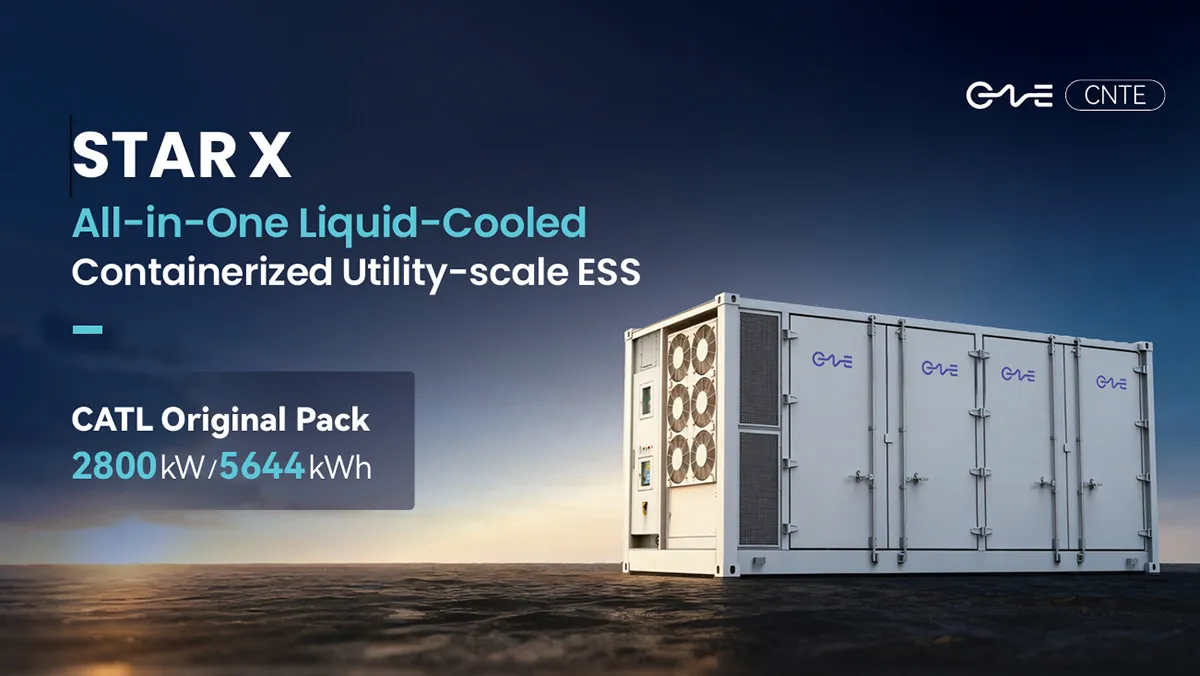
CNTE Melancarkan Sistem Penyimpanan Tenaga Bersepadu DC/AC STAR X Berpenyejukan Cecair di Intersolar Europe 2026
Jul 06, 2026 -
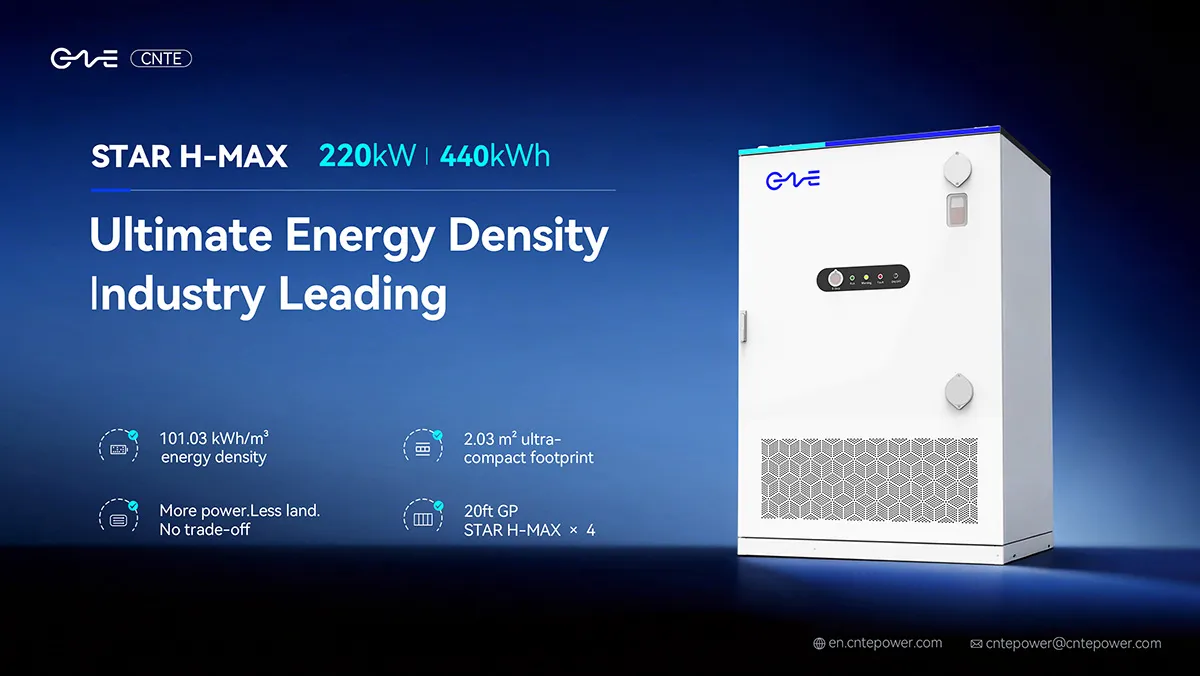
CNTE Memperkenalkan STAR H-MAX C&I ESS Penyejuk Cecair Baharu di Intersolar Europe 2026
Jun 23, 2026 -
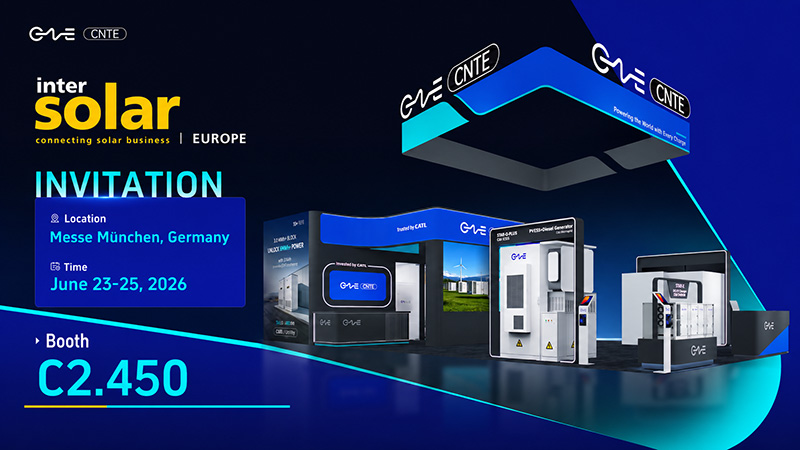
CNTE untuk Menyertai Intersolar Europe 2026
May 20, 2026 -
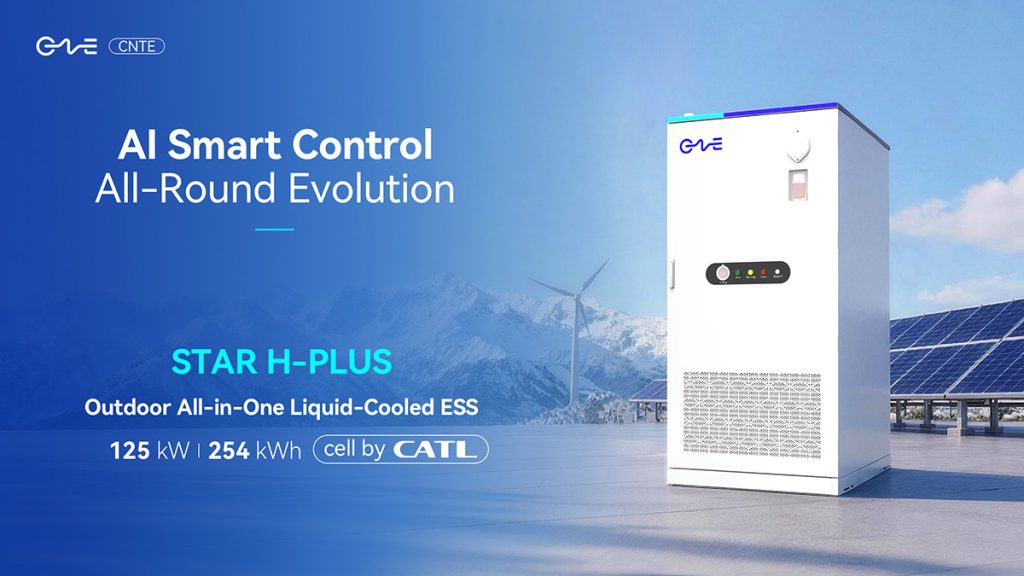
CNTE di KEY ENERGY 2026: Mempersembahkan Sistem Penyimpanan Tenaga STAR H-PLUS Luar yang Disejukkan Cecair
Mar 05, 2026 -

CNTE Dihormati sebagai Jenama Global Terkemuka Forbes China 2025
Jul 06, 2026 -

CNTE & YOU.ON Bekerjasama untuk Memperluas Pasaran Penyimpanan
May 19, 2025 -
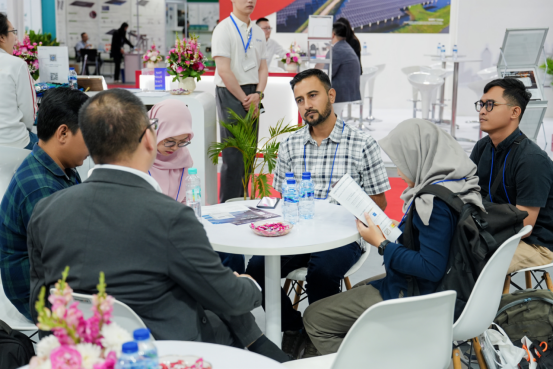
CNTE Memperkenalkan Barisan Penyimpanan Tenaga di Solartech 2025
May 19, 2025 -
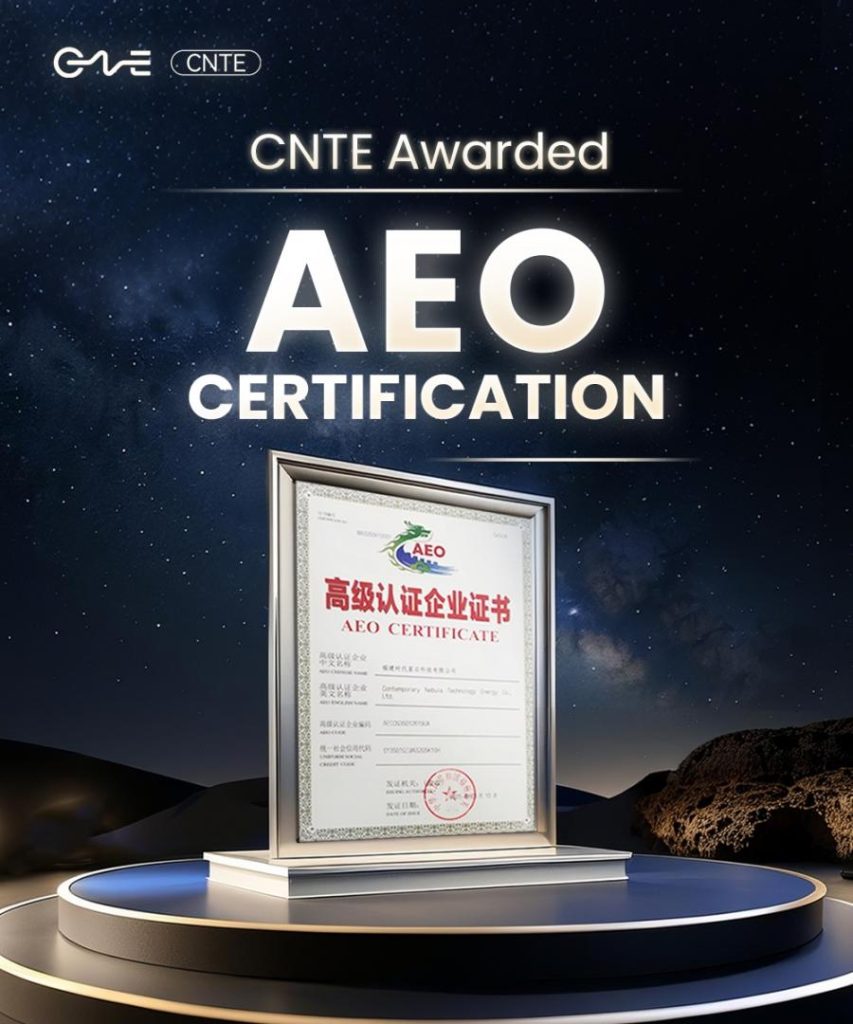
CNTE dianugerahkan pensijilan AEO
Jul 06, 2026 -
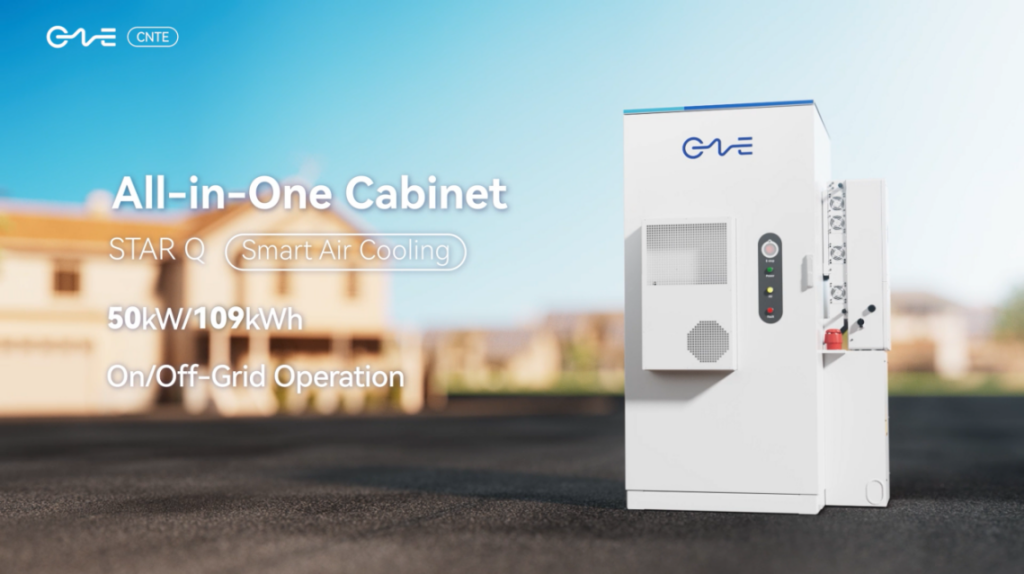
Pelancaran Produk Baru CNTE STAR Q
Jan 15, 2025 -
CNTE Dinamakan dalam Forbes China 2024 Jenama Terbaik 30 Pergi-Internasional
Jul 06, 2026
