
Integrált energia és tárolás: Hibrid architektúrák, Rácsformáló vezérlők, és Életciklus gazdaságtan
A modern energiainfrastruktúra egységes megközelítést igényel Energia és tárolás. A termelő eszközök szétválasztása az akkumulátorbankoktól alig ideális hálózati válaszhoz vezet, Megújuló energia csökkentése, és magasabb működési költségek. Az igazi eszközoptimalizálás akkor jelenik meg, amikor Energia és tárolás egyetlenként tervezik meg, Dispatchable Resource – megosztási védelmi sémák, Kommunikációs protokollok, és valós idejű energiagazdálkodás. CNTE (Kortárs Nebula Technology Energy Co., Kft.) ilyen hibrid rendszereket szállítanak, Integrálva az átalakító vezérlőket, Akkumulátor-elemzés, és a hálózati megfelelőség kulcsfordító megoldásokká az ipari telepekhez, Közművek szövetkezetek, és megújuló IPP-k.
Ez a technikai mélyreható áttekintés az alapvető mérnöki döntéseket tárgyalja Energia és tárolás integráció: Inverter topológia kiválasztása, Egészségi állapot (SoH) Aware Dispatch, és több energiaforrás közötti védelmi koordináció. A valós világbeli nehézségpontokat vizsgáljuk – a gyenge rácsok szubszinkron oszcillációitól a hőelüntetésig terjedésig – terepi adatok és nemzetközi szabványok alapján validált ellenintézkedésekkel (IEC 62477-2, IEEE 1547-2018). A B2B projektfejlesztők mennyiségi mérföldkőket kapnak a kapacitásméretezéshez, Válaszidők vezérlése, és kiegyenlített tárolási költség (LCOS) Modellezés.

1. Műszaki alapok: Konvergáló Teljesítményelektronika és Tárolási Kémia
Bármely egységes Energia és tárolás A rendszer három alapvető alrendszerből áll: a DC akkumulátor üzem (lítium-vas-foszfát vagy nikkel-mangán-kobalt), A teljesítményátalakító rendszer (PC), és a felügyelő irányító (EMS/SCADA). Kölcsönhatásuk közvetlenül határozza meg a rámpázási sebességet, Oda-vissza hatásosság, és hibaátviteli képesség.
1.1 Teljesítményátalakítási topológiák hibrid működéshez
Négy konfiguráció dominálja a kereskedelmi létesítményeket:
- AC-csatolt hibrid inverter – Az akkumulátor egy dedikált DC/AC átalakítón keresztül csatlakozik a meglévő PV/szél inverterek terhelési oldalán. Egyszerűbb utólagszerelést kínál, de kétszeres konverzióvesztést szenved (≈4-6%-os büntetés).
- DC-csatolt multiportos konverter – Egyetlen tápegység interfész mind a PV tömböt, mind az akkumulátort, nagyobb hatékonyság elérése (98.2% és névértékű teljesítmény). Teljes cserébe szükséges a régi napelemes inverterek.
- Moduláris többszintű konverter (MMC) a BESS számára – Megszünteti a vonalfrekvenciás transzformátort, Csökkenti a lábnyomot, és független reaktív teljesítmény támogatást nyújt. Középfeszültségű hálózati csatlakozáshoz alkalmazva (10-35 kV).
- Virtuális szinkron generátor (VSG) vezérlő – Utánozza a forgó gépek tehetetlenségét, kulcsfontosságú a megújuló kapacitású gyenge hálózatok esetén >70%.
CNTE moduláris DC-csatolt platformokat telepít N 1 redundanciával kritikus gyártóhelyekhez, elérés 99.3% Rendelkezésre állás 18 hónapos terepi műveletek során.
1.2 Az akkumulátorcella kiválasztásának hatása a rendszer teljesítményére
Az LFP és az NMC közötti választás alapvetően megváltoztatja a hőgazdálkodást és a ciklus élettartamát:
- LFP: alacsonyabb energiasűrűség (150-170 Wh/kg) de hosszabb naptári élettartam (≥8 000 ciklus a következő helyen 80% Jön) és belső hőstabilitás. Előnyben részesített olyan telepítésekhez, amelyek nagy napi áteresztőképességet igényelnek (csúcs borotválkozás, Választottbírósági eljárás).
- NMC: nagyobb energiasűrűség (200-260 Wh/kg) Lehetővé teszi a térkorlátozott projekteket. Aktív folyadékhűtést és szigorú feszültségablak-szabályozást igényel az átmeneti fém oldódásának megakadályozásához.
Hibrid esetén Energia és tárolás Projektek, valós idejű SoH becslés elektrokémiai impedancia spektroszkópiával lehetővé teszi a töltés/kisülés arányok előrejelző beállítását, Rendszer élettartamának meghosszabbítása 22% A legutóbbi tárgyalásokban.
2. Alkalmazásspecifikus mérnökség energia- és tárolási integrációhoz
Minden telepítési helyzet egyedi műszaki követelményeket ró rá Energia és tárolás tervez. Az alábbiakban három archetípus található, amelyek teljesítménykritériuma van.
2.1 Ipari csúcsborotválkozás keresletköltség-mérsékléssel
A 15 perces csúcsigényes ablakokkal rendelkező létesítményeknek tárolásra van szüksége a belső reagáláshoz 200 MS. Kihívások közé tartozik a helyszíni kogeneráció koordinálása és a fordított áramellátás elkerülése a közmű táplálókba. Megoldások:
- Telepíts egy Nagy sebességű terheléselőrejelző modul 12 hónapos történelmi adatok felhasználásával előre feltölthették az akkumulátort a várható csúcsok előtt.
- Kommunikáció megvalósítása BMS és programozható logikai vezérlők között (PLC) az akkumulátor kisülését csak akkor kényszerítsük ki, ha a helyszín igénye meghaladja a dinamikus küszöböt..
- Használat íválló kapcsolóberendezés a közös kapcsolódás pontján a személyzet biztonsága érdekében nagy hiba esetén.
2.2 Megújuló simítás és hálózati megszilárdítás
A nap- vagy szélerőművek profitálnak Energia és tárolás olyan rendszerek, amelyek nulláról teljes teljesítményre emelkednek 100 MS, a felhőborítás vagy a hirtelen szélhullámok kompenzálása. Technikai nehézségek: DC feszültség busz-instabilitás és kommunikációs késleltetés az időjárás-állomások és EMS között. Ellenintézkedések:
- Bevetés Nagy sávszélességű optikai szálgyűrű (IEC 61850 LUDA) alciklus-adatátvitelhez az irradiancia érzékelők és PCS között.
- Konfiguráld be a tárolóinvertert úgy, hogy hálózati követési módban működjön, rámpa sebességkorláttal 5% névleges teljesítmény másodpercenként, helyspecifikus rácskóddal összehangolva (Pl., Hawaii szabály 14H).
2.3 Mikrohálózat fekete indítás és szigetezettség üzemeltetése
A távoli bányászati vagy szigeti közösségeknek tárolásra van szükségük, hogy stabil feszültségreferenciát alakítsanak ki közműtámogatás nélkül. A telepítésnek validálnia kell a hideg terhelés felvételi képességét és az szigetelés elleni észlelést. Ajánlott gyakorlatok:
- Használat Rácsformáló inverterek virtuális impedancia-vezérléssel, amely arányosan osztja meg a terhelést több akkumulátorklaszter között.
- Végezzen sorozatos terheléshelyreállítási teszteket (kezdve 5% névleges terhelés, Növekvő 20% Lépcsők) az inverter túlterhelési kapacitásának validálására (Általában 150% részére 10 Másodpercek).
CNTE hálózaton kívüli üzembe helyezték Energia és tárolás Délkelet-Ázsiában olyan rendszerek, amelyek szinkronizált fekete indítást hajtanak végre 4 Másodpercek, A dízel generátor forgó tartalékának cseréje és az üzemanyag-fogyasztás csökkentése 68%.
3. Fejlett vezérlőarchitektúrák hibrid eszközökhöz
A hagyományos lelógó vezérlés akkor kudarcot vall, ha több energiaforrás oszt meg egy gyenge AC buszt. Modern Energia és tárolás A platformok hierarchikus vezérlést alkalmaznak három réteggel: helyi (milliszekundum), Másodlagos (második), és harmadár (jegyzőkönyv).
3.1 Elsődleges vezérlés: Virtuális szinkron generátor (VSG)
A VSG a forgótár tehetetlenségét emulálja azzal, hogy aktív teljesítményt injektál a frekvenciaderiválthoz arányos (DF/DT). Egy 10 MVA rendszer, ajánlott virtuális tehetetlenségi állandó H = 2-4 másodperc, Gyors működésű PCS-szel érhető el 10 kHz-es kapcsolási frekvencia. Mezőadatok egy CNTE VSG telepítés megmutatja a frekvenciaváltozás sebességét (RoCoF) A redukció 2.3 Hz/s 0.7 Hz/s egy 30% Terhelési lépés.
3.2 Másodlagos irányítás: Állapot-töltés kiegyensúlyozása
Amikor több akkumulátorállvány párhuzamosan működik, SoC divergencia csökkenti a használható kapacitást. Valósítsunk meg egy elosztott átlagozó algoritmust CAN buszon keresztül, amely minden rack teljesítmény-beállítási pontját arányosan állítja az SoC eltérésével. Elfogadható egyensúlyhiány ≤ 3% egy teljes ciklus után.
3.3 Harmadár irányítás: Energia arbitrázs és kiegészítő szolgáltatások
Az EMS-nek ajánlatot kell tennie a tárolókapacitásra a napi és valós idejű piacokra. Használjon dinamikus programozást árelőrejelzésekkel, Az akkumulátor romlási költségének figyelembevétele ($/MWh ciklusonként). Tipikus küszöbértékek: csak akkor engedik ki, ha az arbitrázs árfolyam meghaladja az 1,5× degradációs költséget.
4. Életciklus költségmodellezés és kockázatcsökkentés
Egy robusztus Energia és tárolás Az üzleti esetek a kapacitáscsökkenést (Naptár + ciklikus), Kiegészítő fogyasztás (hűtés, BMS), és kényszerlemaradási arányok. Főbb mutatók:
- Szintezett tárolási költség (LCOS) = (CAPEX + OPEX + Csereköltség) / Élettartam energiaáteresztő (MWh). 4 órás LFP rendszerekhez, Az LCOS árai 140-180 dollár/MWh között 2025 Piacok.
- Kapacitásmegőrzési garancia – Iparági szabvány: 80% névlemez energiája a 60% a ciklus élettartama (Általában az év 10 vagy 6,000 Ciklus).
- Degradációról tudatos diszpécser – csökkenti a töltés/kisülés arányát magas SoC esetén (>90%) és alacsony SoC (<20%), 2-3 évvel növelve a hasznos élettartamot.
CNTE fix árú LCOS garanciákat biztosít ipari projektek esetén, a teljesítmény összekapcsolása valós idejű SoH monitorozással integrált akkumulátor-elemzésen keresztül.

5. Biztonsági és megfelelőségi mérnökség az energia- és tárolóhelyek számára
A szabályozói engedélyek gyakran késleltetik a telepítéseket. Kritikus megfelelőségi dokumentumok bármely Energia és tárolás Projekt:
- Tűzkockázat-értékelés NFPA szerint 855 – tartalmazza a távolsági távolságokat, robbanás-ellenőrzés, valamint tűzoltó szerek kompatibilitása lítium-ion akkumulátorokkal.
- IEEE 1547-2018 hálózati összeköttetési tesztek – feszültség/frekvencia áthaladás, Teljesítményminőség (Teljes harmonikus torzítás <5%), és szigetellenes (Belső szakadás 2 Másodpercek).
- IEC 62477-1 biztonsági követelmények a PCS számára – érintkezési áram határok, szigetelés ellenőrzése, és a behatolás védelme (minimum IP54 a kültéri konténerhez).
A bevezetés előtti vizsgálatnak tartalmaznia kell egy védelmi koordinációs tanulmányt, amely igazolja, hogy az akkumulátor megszakítók eltávolítják a hibákat, mielőtt az előárami közüzemi biztosítékok kitörnek. Idő-áram görbéket használjunk, amelyek 0,1-0,2 másodpercre vannak állítva az akkumulátor elágazási áramkörökhöz.
Gyakran Ismételt Kérdések (GYIK) az energia- és tárolási integrációról
1. kérdés: Mi a minimális rámpázási sebesség, amely szükséges ahhoz, hogy egy energia- és tárolórendszer részt vegyen a frekvenciaszabályozási piacokon?
A1: A legtöbb független rendszeroperátor (Pl., PJM, CAISO, ERCOT) legalább rámpázási sebességet igényelnek 1% a névleges kapacitás per 100 Milliszekundumok a gyors szabályozási jelek esetén. Haladó Rácsformáló inverterek szilícium-karbiddal (Sic) Modulok elérni 5-8%-ot 100 MS, elegendő mind gyors, mind lassú frekvenciaválaszhoz.
Q2: Hogyan méretezzük a teljesítmény-energia arányt (C-ráta) egy hibrid tárolórendszerhez, amelyet mind csúcsszintű borotválkozásra, mind tartalék teljesítményre terveztek?
A2: Kettős célra, Számold ki a szükséges csúcsborotóerőt (KW) 15 perces betöltési profilból, aztán állítsd be a tartalékenergiát (Kwh) mint a maximális várható kimaradási időtartam kétszere. Példa: ha csúcscsökkentésre van szükség 1 MW és biztonsági mentés szükséges. 4 MWh, 0,25C rendszert alkalmazzunk. Az inverter túlméretezése (1.5 MW) lehetővé teszi az egyidejű függvények használatát.
Q3: Melyik kommunikációs protokoll a legmegbízhatóbb több akkumulátorállvány koordinálására egy nagy energia- és tárolóüzemben?
A3: Determinisztikus vezérléshez, használd EtherCAT vagy PROFINET IRT-t ciklusidőkkel ≤ 1 MS. Megfigyelés és naplózás céljából, A Modbus TCP redundáns szálas hurkokon elegendő. Számos projekt OPC UA-t alkalmaz az adatok összesítésére a felhő EMS-re, de a valós idejű diszpécserhez dedikált valós idejű Ethernet szükséges..
4. kérdés: Használható-e újrahasznosítható a meglévő dízelgenerátor párhuzamos kapcsolóberendezés elektromos és tárolóberendezési telepítéséhez?
A4: Részben, de módosítani kell. A generátor védő reléje (jellemzően ANSI 25/27/59) további logikára van szükség, hogy megakadályozza a BESS megszakító lezárását halott busz állapotban. Is, A tárolóinverterek nem fogadják el a tipikus 5 másodperces holtidőt a szinkronellenőrzés során; Telepíts gyors átviteli sémát 200 MS megengedett megszakítás.
5. kérdés: Hogyan lehet a nagy magasság (fent 2000 m) befolyásolja az energia- és tárolóberendezések besorolását?
A5: A levegősűrűség csökkentése csökkenti a hűtési hatékonyságot és a dielektromos erősséget. Csökkentsük az inverter folyamatos áramát 1.5% for 500 m fent 1000 m. Az akkumulátor kapacitásához, Nincs közvetlen leértékelés, de a kényszerített léghűtést 10-12%-kal kell növelni 1000 m. CNTE magaslati készletek tartalmazzák a nyomáskompenzált szellőzőket és megerősített ventilátortömböket a működésig 4000 m.
Optimalizáld következő hibrid energia- és tárolási projektedet
Megbízható mérnöki munka Energia és tárolás A rendszer gyártói szakértelmet igényel a teljesítményelektronikán keresztül, Akkumulátor kémia, és rácskódok. CNTE (Kortárs Nebula Technology Energy Co., Kft.) teljes életciklus-támogatást nyújt – a megvalósíthatósági vizsgálatok révén, Egyedi konténeres tervek, Helyszíni bevezetésig és távoli elemzésig. Referencia projektjeink közé tartozik a közmű frekvenciaszabályozása (< 40 MS válasz), ipari mikrohálózatok 72% Dízel kiszorítás, valamint napenergia-plusz tárolás bányászati műveletekhez.
Kérjen még ma műszaki javaslatot – Tartalmazza a terhelési profilját, Helyszín elhelyezkedése, Közmű összeköttetési feszültség, és elsődleges alkalmazás (csúcs borotválkozás, biztonsági mentés, Hálózati szolgáltatások). Mérnöki csapatunk egy előzetes egysoros ábrát fog küldeni, Védelmi koordinációs tanulmány, és LCOS modell a 10 Munkanapok.
📧 Vizsgálat: cntepower@cntepower.com | 🌐 https://en.cntepower.com/
Sürgős BESS integrációs igényekhez, csatolhatja a telephelye egyéves SCADA adatait teljesítményszimulációhoz és megtérülési elemzéshez – ingyenesen.
Lépjen kapcsolatba velünk
Legutóbbi bejegyzések
-

A CNTÉ A KEY ENERGY-nél 2026: Bemutatója a STAR H-PLUS kültéri folyadékhűtéses energiatároló rendszert
Mar 05, 2026 -

A CNTE kitüntetve a következőképpen 2025 Forbes Kína vezető globális márka
Nov 12, 2025 -
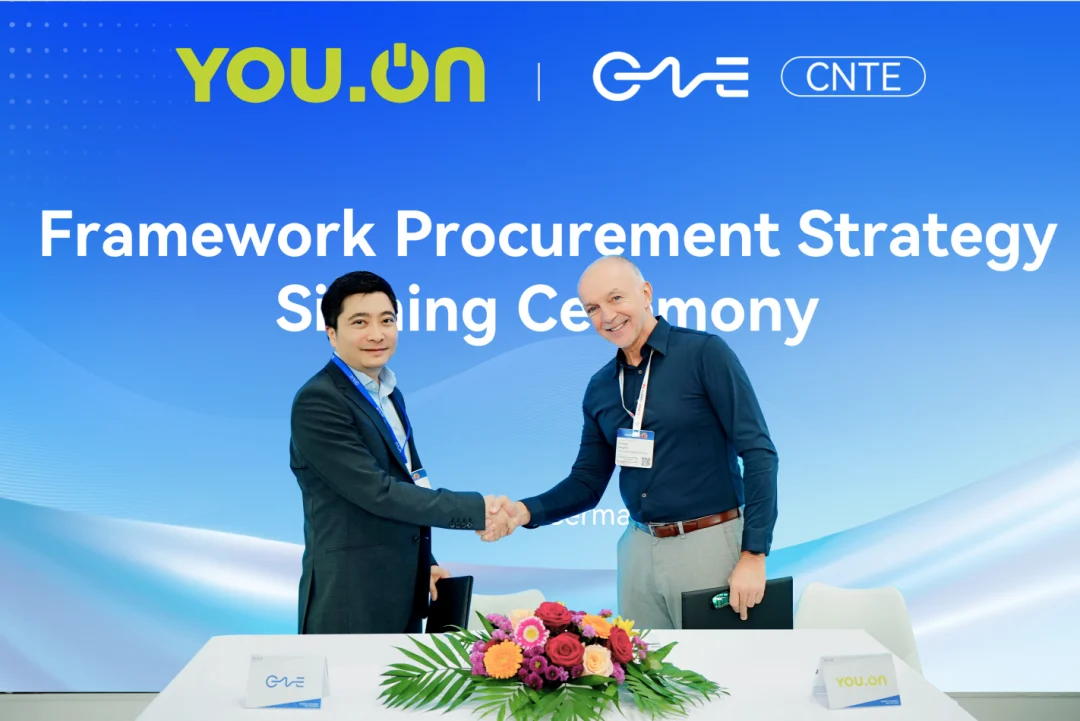
CNTE & TE. Az ON partner a tárolási piacok bővítésére
Május 19, 2025 -
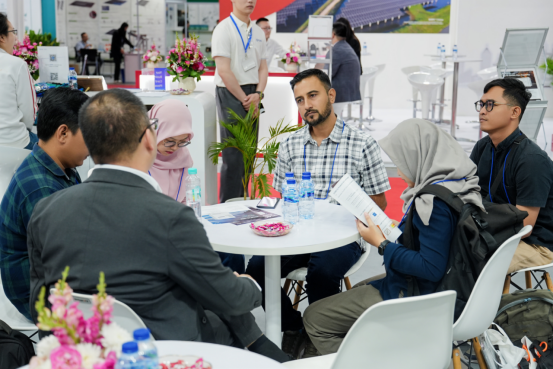
A CNTE bemutatja energiatároló termékcsaládját a Solartech-en 2025
Május 19, 2025 -
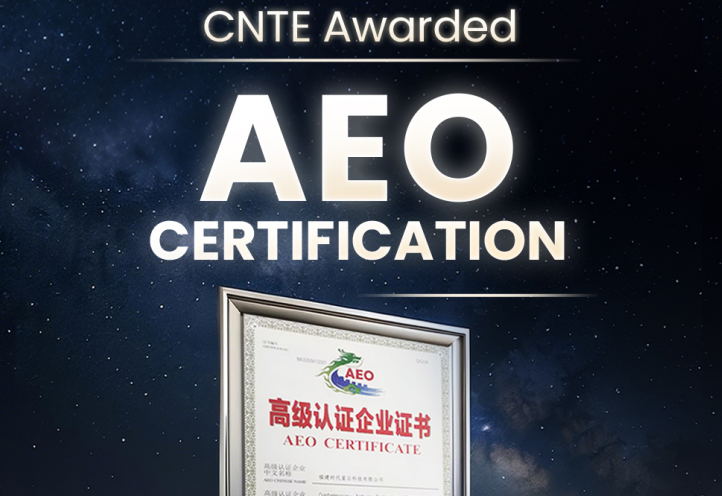
A CNTE AEO tanúsítványt kapott
Mar 14, 2025
Címkék
- 1 MW akkumulátoros tárolás
- 500 kW akkumulátor
- 500 kW akkumulátoros tárolás
- 500 kWh akkumulátor ára
- 500 kWh akkumulátor tárolás
- 50kW napelemes akkumulátor tárolás
- fejlett akkumulátorgyártás
- fejlett energiatároló rendszerek
- Fejlesztések az akkumulátorokban közepes és nagy léptékű energiatároláshoz
- mind egy napelemben
- Otthoni akkumulátor
- Akkumulátoros energiatárolás
- Naprendszer akkumulátorkapacitása
- Akkumulátoros elektromos tárolórendszer
- Akkumulátor energiakapacitása
- Akkumulátor energiatároló rendszer ára
- Akkumulátorház napeleme
- Akkumulátor a naprendszerben
- Napelem akkumulátor telepítése
- Akkumulátormenedzsment rendszer napenergia alkalmazásokhoz
- Akkumulátorcsomag otthoni napelemrendszerhez
- Naprendszer akkumulátorcsomagja
- Akkumulátorcsomag ház
- akkumulátorcsomag kWh
- Akkumulátoros energiatároló rendszerek
- Akkumulátoros tárolási alkalmazások
- akkumulátoros tárolóeszköz
- akkumulátor tárolás kWh
- akkumulátor tárolási ár kwh-nként
- Akkumulátoros tárolási megoldások napeleme
- Akkumulátoros tároló beszállítók
- Akkumulátoros tárolórendszer tervezése
- Akkumulátor, ami képes egy házat működtetni
- akkumulátor hálózatba
- BESS akkumulátor energia
- Bess Naprendszer
- Jobb akkumulátoros megújuló energia
- Nagy akkumulátoros tároló
- Akkumulátoros tárolás vásárlása
- Vásárolj napelemes akkumulátor-tárolót
- töltőállomás
- Kínai napelemek
- Tiszta energia-tároló megoldások
- Kereskedelmi napelemes akkumulátor-tárolás
- Kereskedelmi napelem-tárolás
- Napelemek akkumulátortárolásának költsége
- A napelem- és akkumulátorrendszer költsége
- A napenergia-akkumulátor tárolás költsége
- Elektromos akkumulátor-tárolórendszer
- Elektromos energia-tároló kiállítás
- Energiaakkumulátor csomag
- Az akkumulátor energiakapacitása
- Energiatermelés és tárolás
- Energiatároló akkumulátorcsomag
- Energiatároló tartály ára
- Energiatároló berendezés
- Energiatároló rendszer lítium akkumulátor
- Energiatároló rendszer Malajzia
- Energiatároló rendszer ára
- Energiatároló rendszer napelemes
- Energy Tech akkumulátor
- ESS akkumulátor ára
- ESS akkumulátor rendszer
- ESS napelem akkumulátor
- ESS Naprendszer
- ESS Tech akkumulátor
- EV akkumulátor napelemtárolásra
- EV akkumulátoros napelemes tárolás
- Green Energy lítium akkumulátor
- Nagy kapacitású akkumulátor napelemekhez
- Hibrid akkumulátoros tárolás
- Integrált energiatárolás
- technológiája napelemes
- kWh akkumulátor tárolás
- Nagy akkumulátorok napelemtárolásra
- Nagy akkumulátor napenergia-tárolásra
- Nagy akkumulátortároló tartály
- Nagy akkumulátoros tárolórendszerek
- Nagy léptékű tárolás
- Nagy napelemes akkumulátor-tároló
- Nagy napelemes akkumulátor-tárolórendszerek
- Nagy napelemes akkumulátorok
- A legnagyobb kereskedelmi akkumulátor
- A legnagyobb napelemes akkumulátor-tároló
- legújabb napelemek
- LifePO4 akkumulátoros energiatároló rendszerek
- Lítium akkumulátorok hálózaton kívüli naprendszerhez
- Kínából származó lítium akkumulátorok
- lítium akkumulátor hálózaton kívüli napelemhez
- lítium akkumulátor napelem áraért
- lítium akkumulátoros otthoni tárolás
- Lítium akkumulátorcsomagok napelemekhez
- megawatt akkumulátoros tárolás
- új akkumulátor-tároló
- Hálózaton kívüli napelemes akkumulátor tárolás
- Hálózati akkumulátoron
- Hálózati akkumulátor tároláson
- Optikai tároló integráció
- Kültéri energiatárolás
- Kültéri napelemes szekrény
- PCS akkumulátoros tárolás
- PCS akkumulátor rendszer
- Fotovoltaikus energiatároló rendszer
- Plug and Play energiatárolás
- Energia és tárolás
- Energia-energia tárolás
- Teljesítménycsomag energia
- Energiatároló cellák
- Ár kWh akkumulátor tárolásért
- PV napelemek és akkumulátoros tároló
- Q-sejtes akkumulátor tárolás
- Okos akkumulátoros tárolás
- nap & Akkumulátorrendszer
- Napelemes és lítium akkumulátorok
- Napelemek a házban
- Napelem akkumulátor
- Napelemes akkumulátor tartály
- napeleme kWh
- Napeleme gyártók Kínában
- Napelem akkumulátor modul
- Napelemes akkumulátor tárolószekrény
- Napelemes akkumulátor tárolókapacitás
- Napelemes akkumulátor tárolótartály
- Napelemes akkumulátor-tároló gyártók
- Napelemes akkumulátor a Power House-hoz
- Napelem tárolás
- Napenergia-akkumulátor tárolókapacitás
- Napenergia-akkumulátor tárolórendszer
- Napenergia lítium akkumulátor
- Napenergia-tárolás és alkalmazások
- Napenergia-tároló akkumulátor ára
- Napenergia-tároló rendszer ára
- Napenergia-tároló technológia
- Napenergia-tároló típusok
- Napenergia akkumulátor tárolásáig
- Napenergia ESS rendszer
- Napelemes hálózati akkumulátor
- Napelemes hálózati akkumulátorrendszer
- Napelemes ház akkumulátor ára
- Napelemes telepítési akkumulátor
- Napelemes telepítés akkumulátorral
- Solar One akkumulátorok
- Napelem akkumulátor tárolókapacitás
- Napelem akkumulátor tárolására
- Napelem energiatároló akkumulátor
- Napelemes energiatároló rendszerek
- Napelemes lítium akkumulátor tárolás
- Napelemes energiatároló rendszer
- Napelemek és akkumulátoros tárolórendszerek
- Napelemek akkumulátor tárolási árral
- Napelemes üzem akkumulátora
- Naperőmű akkumulátora
- Napenergia-tároló cégek
- Napelemes PV és akkumulátoros tárolórendszerek
- Napelemes PV rendszer akkumulátoros tárolással
- Napelemes tárolási megoldások
- Naprendszer és akkumulátor-tárolás
- Napelemes elemrendszerrel
- Napeleme lítium akkumulátor-tárolóval
- Önálló energiatároló rendszerek
- Tárolóenergia-akkumulátor
- Storedge üteg
