
Energiatároló telepítés: Mérnöki munka, biztonság és megfelelőség B2B projektekhez
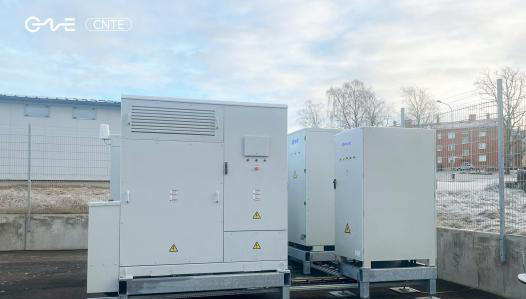
Egy nagyszabású energiatároló telepítés végrehajtása több mint berendezésbeszerzést igényel—pontos rendszerintegrációt, elektromos infrastruktúra alkalmazkodást és szigorú biztonsági validálást követel meg. A B2B projektfejlesztők, EPC vállalkozók és létesítményüzemeltetők számára minden egyes fázisnak a megvalósíthatósági tanulmánytól a üzembe helyezésig foglalkoznia kell a helyszíni korlátokkal, a helyi előírásokkal és a hosszú távú működési megbízhatósággal. CNTE (Contemporary Nebula Technology Energy Co., Ltd.) kulcsrakész mérnöki megoldásokat kínál, amelyek áthidalják a különbséget az akkumulátor cellák teljesítménye és a terepen bizonyított eszközök tartóssága között.
Ez a útmutató megvizsgálja azokat a technikai változókat, amelyek egy sikeres energaitároló telepítés meghatározásához szükségesek, beleértve az elektromos topológia kiválasztását, a hőkezelési stratégiákat, a védelmi koordinációt és a kiberbiztonságot a megújuló energiaforrások számára. Ezenkívül elemezzük az ágazatspecifikus problémákat a megfelelő mérnöki ellenőrzésekkel—terepadatok és nemzetközi szabványok (IEC 62477, UL 9540, NFPA 855) alapján. Akár a mérő mögötti csúcskiadásra, akár a mérő előtti frekvenciakorlátozásra tervez, ezek a gyakorlatok biztosítják a bankképes rendszer teljesítményt.
Tartalomjegyzék cntepower 1 1. A modern energiatároló telepítés alapvető műszaki rétegei 2 2. Alkalmazás-specifikus kihívások és mérnöki ellenintézkedések 2.1 2.1 Gyártás és ipari csúcskiadás 2.2 2.2 Megújuló stabilizálás és hálózati kiegészítő szolgáltatások 2.3 2.3 Mikrohálózat és szigetüzem 3 3. Lépésről lépésre telepítési folyamat a nemzetközi szabványok szerint 4 4. Kockázatcsökkentés és tűzbiztonsági mérnöki megoldások BESS telepítésekhez 5 5. Telepítés utáni optimalizálás és prediktív karbantartási stratégiák 6 6. Jövőbiztos megoldások moduláris és hibrid telepítésekkel 7 Gyakran Ismételt Kérdések (GYIK) az energiatároló telepítésekről 7.1 Q1: Mi a tipikus időkeret egy kereskedelmi méretű energiatároló telepítéshez a helyszíni felméréstől a kereskedelmi üzemeltetési dátumig (COD)? 7.2 Q2: Mely elektromos védőeszközök kötelezőek a szabványnak megfelelő energiatároló telepítéshez? 7.3 Q3: Hogyan befolyásolja a környezeti hőmérséklet és a magasság az energiatároló telepítés tervezését? 7.4 Q4: Mik a fő különbségek az AC‑kapcsolt és a DC‑kapcsolt energaitároló telepítések között napelem visszajavítások esetén? 7.5 Q5: Milyen dokumentáció szükséges egy energiatároló telepítéshez, hogy megfeleljen a biztosítótársaságok és a garanciális feltételek követelményeinek? 8 Készen áll a következő energiatároló telepítése optimalizálására?
1. A modern energiatároló telepítés alapvető technikai rétegei
Bármely robusztus energiatároló telepítés öt kölcsönösen függő réteget integrál: akkumulátor állványok, energiamódosító rendszer (PCS), akkumulátor kezelő rendszer (BMS), energia menedzsment rendszer (EMS) és a rendszer egyensúlyi (BoS) komponensei. Bármely réteg gyenge tervezése az egész eszköz életciklusán keresztül terjed, felgyorsítva a kapacitás csökkenését vagy a védelem koordinálatlanságát. Az alábbiakban a kritikus alrendszerek találhatók, amelyek mérnöki érvényesítést igényelnek:
Akkumulátor állványozás & DC busz architektúra – Meghatározza a rövidzárlati áram szintjeit, a párhuzamos impedancia egyensúlyt és a hozzáférhetőséget a hőmérséklet-emelkedés mérsékléséhez.
Magasfeszültségű DC/AC kapcsolás – Hatással van a konverziós hatékonyságra és a harmonikus torzításra; transzformátor nélküli vs. alacsony frekvenciájú elszigetelési lehetőségek befolyásolják a hálózati csatlakozási engedélyeket.
BMS kommunikáció & valós idejű SoC/SoH kalibrálás – Megakadályozza a cellák túlfeszültségét és alulfeszültségét; a redundáns CAN/Modbus TCP kapcsolatok csökkentik az egyetlen hibapontokat.
Hőmérséklet-emelkedés megelőzése & tűzoltó rendszerek – Tartalmazza az aeroszol vagy vízpermet oltást, a szellőző utakat és a gázérzékelést, amely integrálva van a HVAC stratégiába.
Tapasztalt integrátorok, mint például CNTE, többfizikai szimulációkat végeznek a komponensértékek és a helyszíni hibás áram szintjeinek, valamint a környezeti hőmérséklet profilok összehangolására. Ez az előzetes telepítési elemzés közel 35%-kal csökkenti a változtatási megrendeléseket a konténeres projektekben, közvetlen hatással van a tárolás kiegyenlített költségére (LCOS).
2. Alkalmazás-specifikus kihívások & mérnöki ellenintézkedések
Minden forgatókönyv különböző korlátokat szab az energia tárolási telepítések eljárásaira. Az alábbi táblázat a közös telepítési környezeteket, fájdalompontokat és a működő eszközökben érvényesített technikai megoldásokat vázolja fel.
2.1 Gyártás & ipari csúcsidő csökkentés
A magas keresletű létesítmények olyan keresleti díjakkal szembesülnek, amelyek az áramdíjak 30–60%-át teszik ki. Tárolórendszerek azonnali terhelési csúcsokra kell reagálniuk, miközben korlátozzák a hálózati importot. A telepítés során a legfontosabb kockázatok közé tartozik a terhelésfigyeléshez szükséges CT helytelen elhelyezése és a meglévő dízelgenerátorokkal való elégtelen koordináció. Ajánlott ellenintézkedések:
12 hónapos terhelésprofilozás elvégzése az inverter teljesítményének és energiateljesítményének méretezésére.
Szinkronizált vezérlő telepítése terheléskövető algoritmussal a visszafelé áramlás elkerülése érdekében.
Ív-villanás csökkentő kapcsolók integrálása a közös csatlakozási pontnál (PCC).
2.2 Megújuló megerősítés & hálózati kiegészítő szolgáltatások
A napenergia-tároló vagy szél-hibrid erőművek gyorsan reagáló invertereket igényelnek (50 ms alatti válaszidő) a frekvencia-tartalékhoz (FCR). A telepítési bonyodalmak a védelmi relék beállításaiból, a PV inverterek és a BESS közötti távolságból, valamint a SCADA késleltetésből adódnak. A legjobb gyakorlatok közé tartozik:
irányított túlfeszültség-védelemmel rendelkező gyűrűs főegységek telepítése a hálózati hibák során fellépő zavaró leállások elkerülése érdekében.
Megerősített optikai szálas kommunikációs hurkok használata az EMS és minden akkumulátor klaszter között.
Teljes körű zárt hurkú tesztelés végrehajtása a hálózati kódnak való megfelelés érdekében (pl. alacsony feszültségű áthaladás).
2.3 Mikrohálózat és Szigetüzem
A távoli helyszínek (bányászat, szigetek) a tárolásra támaszkodnak a feszültség és a frekvencia stabilitása érdekében a generátor leállása alatt. A telepítésnek biztosítania kell a zökkenőmentes átmenetet a hálózatra csatlakoztatott és a szigetelt üzemmódok között. Kritikus telepítési lépések: fekete indítási képesség validálása, redundáns kommunikációs utak, és a dízelgenerátorokkal való kormányzói droop beállítás harmonizálása. CNTE olyan mikrohálózati vezérlőket telepített, amelyek automatikusan végrehajtják a forrástalan fekete indítást segédenergia nélkül, csökkentve a generátor üzemidejét 70%-kal Délkelet-Ázsiában végzett projektekben.
3. Lépésről lépésre telepítési folyamat a nemzetközi szabványok szerint
A rendszerszerű végrehajtás megakadályozza a költségtúllépéseket és a üzembe helyezési késedelmeket. Egy szigorú energia tárolási telepítés követi ezt a fázisos módszertant, amely megfelel az IEC 61936-1 és az NFPA 855 szabványoknak:
Helyszíni felmérés és építési előkészítés – A talaj ellenállásának értékelése a földelési tervezéshez, a betonpad simasága (±3 mm 3 m-en), és a szeizmikus zónázás (IBC 2021).
Elő-összeszerelés és mechanikai integráció – Konténerizált egységek emelése terelőrudakkal a szerkezeti stressz elkerülése érdekében; nyomatékvezérelt csavarozás az akkumulátor állványok csatlakozásához.
DC és AC tápkábelezés – A vezérlő- és tápkábelek elkülönítése (≥300 mm távolság) az EMI csökkentése érdekében; színkódolt csatlakozók használata az NEC 2023 706. cikkének megfelelően.
Üzembe helyezés és funkcionális teljesítménytesztek – Akkumulátor bank szigetelési ellenállás (>1 MOhm), polaritás ellenőrzés, kontaktus hegesztés és töltöttségi állapot kiegyenlítése.
Hálózati összekapcsolás és védelem koordináció – Relé beállítások ellenőrzése a közmű anti-szigetelő követelményeinek megfelelően (IEEE 1547-2018).
Ezekben a fázisokban a helyszíni mérnököknek dokumentálniuk kell az elkészült egyvonalas diagramokat, és frissíteniük kell az EMS-t a valós eszközparaméterekkel. A digitális üzembe helyezési eszközök (BESS üzembe helyezési szoftver) használata csökkenti az emberi hibákat, és auditálható nyomot hoz létre a biztosítók számára.
4. Kockázatcsökkentés és tűzvédelmi mérnöki munka BESS telepítésekhez
A legutóbbi ipari események hangsúlyozzák, hogy egy rosszul végrehajtott energia tárolási telepítés láncreakciós hőmérsékleti eseményekhez vezethet. A proaktív kockázatkezelés három akadályt integrál: cella szintű tervezés, aktív megfigyelés és passzív tűzvédelem. A nem alku tárgyát képező intézkedések közé tartozik:
Gázérzékelés – Elektro-kémiai érzékelők CO, H₂ és illékony szerves vegyületek (VOC) számára, szellőzés kezdeményezése, mielőtt az alsó robbanásveszélyes határ (LEL) eléri a 25%-ot.
Deflagrációs szellőzés – Nyomáscsökkentő panelek az NFPA 68 szerint, a burkolat térfogata és a gáztermelési sebesség alapján méretezve.
Távoli leállítás és vészhelyzeti válasz interfész – Kábelmentes EPO (vészhelyzeti áramtalanítás), amely a BESS peremén kívül helyezkedik el.
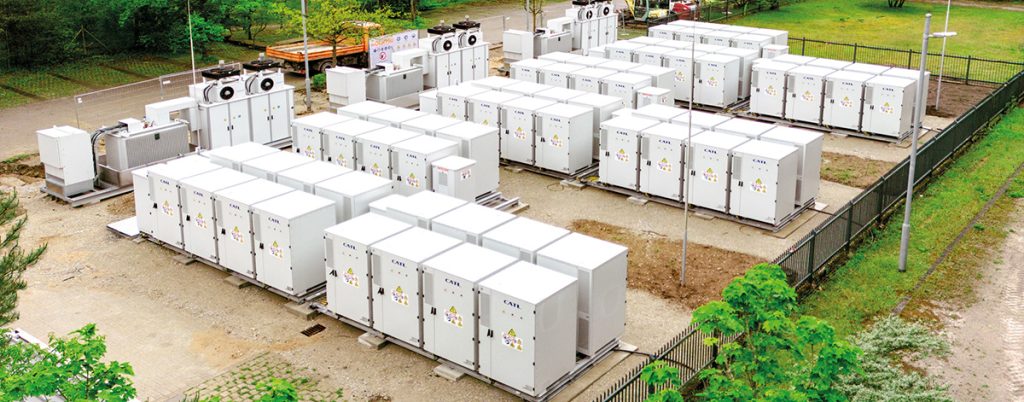
Elválasztási távolságok – Legalább 3 m távolság fenntartása a konténer sorok között, vagy 2 órás tűzvédelmi besorolású falak telepítése.
CNTE a BESS burkolatait több zónás hőmérséklet-térképezéssel és integrált aeroszol elnyomással tervezi, amelyet az UL 9540A hőmérsékleti elszabadulás terjedési tesztjei igazolnak. Minden telepítési dokumentáció kifejezetten jelöli a tűzoltói hozzáférési pontokat és a kézi kioldó állomásokat—ezek a követelmények gyakran figyelmen kívül hagyottak, de kritikusak a helyi hatóságok által történő jóváhagyáshoz (AHJ).
5. Telepítés utáni optimalizálás és prediktív karbantartási stratégiák
A tároló eszköz értéke a hálózati csatlakozás után realizálódik. Azonban a teljesítményromlás (naptári öregedés, ciklikus öregedés, SoH eltérés) hónapok alatt megjelenik, hacsak nem valósítanak meg aktív megfigyelést. A legfontosabb telepítés utáni tevékenységek:
Távoli EMS analitika – Automatikusan észleli a gyenge cellasorokat a belső ellenállás trendjeinek összehasonlításával.
Időszakos kapacitás teszt – Éves részleges ciklus teszt végrehajtása (pl. 2 órás kisütés névleges C-értéken) a SoH nyomon követésére a garanciális küszöbök ellen.
Aktív hőmérséklet-újrakalibrálás – A hűtési beállítások módosítása szezonális környezeti adatok alapján; kerülni kell a kondenzációt a HV rekeszekben.
A gépi tanulás alapú állapot-előrejelzés a hátralévő hasznos élettartamra (RUL) lehetővé teszi az üzemeltetők számára, hogy a karbantartást alacsony bevételű órákra ütemezzék, csökkentve a kényszerű leállásokat 40%-kal. Ezenkívül a PCS és EMS rendszeres firmware frissítései biztosítják a folyamatos megfelelést a fejlődő hálózati előírásoknak—különösen fontos a frekvenciaválasz piacok számára.
6. Jövőbiztosítás moduláris és hibrid-kész telepítéseken keresztül
Az energiatároló telepítések nem zárhatják be az eszköz tulajdonosokat fix architektúrákba. A moduláris tervek lehetővé teszik a kapacitás bővítését (teljesítmény vagy energia) minimális újraindítási erőfeszítéssel. A legfontosabb tervezési minták közé tartoznak:
Standardizált DC busz feszültség ablak (pl. 1200‑1500 Vdc) a jövőbeli nagy sűrűségű lítium-vas-foszfát (LFP) vagy nátrium-ion cellák fogadására.
Plug-and-play akkumulátor szekrények előre megtervezett mechanikai lábnyomokkal és CANopen kommunikációs profilokkal.
Hibrid inverter kompatibilitás – Helyet biztosítani DC-összekapcsolt napelem töltésszabályozók számára anélkül, hogy újra kellene tanulmányozni az ív villamosítási számításokat.
Az ilyen rugalmasság tervezésekor a projektcsapatnak 15–20% tartalék kapacitást kell fenntartania a kapcsolószekrényben és a transzformátorban a jövőbeli teljesítményblokkok számára. A CNTE moduláris tároló platformok szoftver által definiált EMS-sel érkeznek, amely automatikusan észleli a hozzáadott klasztereket, megszüntetve a vezérlő újraprogramozási költségeit.
Gyakran Ismételt Kérdések (GYIK) az energiatároló telepítésekről
Q1: Mi a tipikus idővonal egy kereskedelmi méretű energiatároló telepítéshez a helyszíni értékeléstől a kereskedelmi üzembe helyezési dátumig (COD)?
A1: Egy 1‑10 MWh konténeres rendszer esetében az idővonal 14-24 hét között mozog. Ez magában foglalja a részletes tervezéshez és engedélyekhez szükséges 2-3 hetet, a civil munkákhoz és beton alapokhoz szükséges 4-6 hetet, a mechanikai és elektromos telepítéshez szükséges 3-4 hetet, valamint a beüzemeléshez és a hálózati összekapcsolási teszteléshez szükséges 2-3 hetet. A komplex közműszintű projektek (≥50 MWh) 9-12 hónapra is kiterjedhetnek a transzmissziós tanulmányok és a védelmi relé koordináció miatt a regionális hálózati üzemeltetőkkel.
Q2: Mely elektromos védőeszközök kötelezőek a szabványos energia tároló telepítéshez?
A2: A kötelező eszközök közé tartozik: (1) biztosítékos leválasztó vagy öntött házú áramkör megszakító (MCCB) az akkumulátor állvány szintjén az UL 489 szerint, (2) földelési hiba érzékelés ≤ 30 mA érzékenységgel a személyi védelem érdekében, (3) 2. típusú túlfeszültség-védelmi eszközök (SPD) az AC és DC oldalon, (4) gyorsan működő DC kontaktorok ívcsapdával a túláram megszakítására, és (5) egy dedikált maradékáram-figyelő (RCM) föld nélküli rendszerekhez. Sok helyi ellenőr külső manuális késkapcsolót is megkövetel a vizuális elszigetelés érdekében.
Q3: Hogyan befolyásolja a környezeti hőmérséklet és a magasság az energia tároló telepítések tervezését?
A3: Az akkumulátor teljesítménye jelentősen csökken 15–30°C-on kívül. 2000 m feletti telepítések esetén a hűtési hatékonyság csökken az alacsonyabb légsűrűség miatt — a burkolat HVAC-ját 10–12%-kal kell megnövelni 1000 m-enként. Ezenkívül a nagy magasságú helyszínek csökkentik a levegő dielektromos szilárdságát, ami megnövelt távolságot igényel a DC buszok számára (szorozza meg az ANSI C37.06 távolságot 1,2-vel 3000 m-hez). CNTE hőmérséklet-ellenálló burkolatok hűtőanyag-alapú hűtést és nyomáskompenzált szellőzőnyílásokat használnak -30°C és +50°C közötti működéshez.
Q4: Mik a fő különbségek az AC- és DC-kapcsolt energia tároló telepítések között a napelemes PV utólagos felszereléseknél?
A4: Az AC-kapcsolás a BESS-t a PV inverter terhelési oldalán telepíti, egyszerűsítve az utólagos felszerelést (nincs módosítás a napelemes DC sorokban). Azonban a körforgásos hatékonyság alacsonyabb (≈86–89%) a dupla átalakítás miatt (PV DC→AC, majd AC→DC→AC a tároláshoz). A DC-kapcsolás az akkumulátorokat a PV tömbök és az inverter közötti közös DC buszra csatlakoztatja, magasabb hatékonyságot elérve (≈94–96%), de hibrid invertert és a napelemes tömbök újrakábelezését igényli. A meglévő telepítések esetében, ahol nincs hely az újrakábelezéshez, az AC-kapcsolt a preferált; az új építkezések a jobb LCOS miatt a DC-kapcsolt telepítéseket részesítik előnyben.
Q5: Milyen dokumentáció szükséges egy energia tároló telepítéshez, hogy megfeleljen a biztosítótársaságok és a garanciális feltételeknek?
A5: A minimális dokumentáció a következőket tartalmazza: hitelesített mérnöki rajzok (egysoros, P&ID, földelési terv); gyári elfogadási teszt (FAT) jelentések az akkumulátor modulok és a PCS számára; helyszíni elfogadási teszt (SAT) protokollok, amelyeket a biztonsági mérnök írt alá; hőmérséklet-ellenőrzési jelentés (hőmérséklet-térképezés terhelés alatt); védelmi koordinációs tanulmány eredményei; a megépített BMS/EMS konfigurációs fájlok; és egy kockázatcsökkentési elemzés (beleértve a deflagrációs modellezést). Sok biztosító társaság negyedéves IR-ellenőrzési jelentéseket is megkövetel a csavaros kapcsolatokhoz, mint záradékot a hőmérsékleti események fedezésére.
Készen áll az következő energiatároló telepítés optimalizálására?
A megfelelően megtervezett energaitároló telepítés csökkenti az LCOS-t, biztosítja a biztonsági megfelelést, és lehetővé teszi a bevétel halmozását több hálózati szolgáltatáson keresztül. CNTE (Contemporary Nebula Technology Energy Co., Ltd.) teljes körű műszaki támogatást nyújt—az előlapi megvalósíthatósági tanulmányoktól, a konténerizált megoldás tervezésén át, egészen a helyszíni üzembe helyezésig és a távoli teljesítményfigyelésig. Projektreferenciáink közé tartozik az ipari csúcsigény csökkentés (akár 85%-os keresletcsökkentés), közszolgáltatói frekvencia szabályozás (válasz<40 ms="">
Adja meg projektigényeit, hogy előzetes rendszerelrendezést, védelmi koordinációs tervet és megfelelőségi ütemtervet kapjon, amely az Ön helyi hálózati előírásaihoz van igazítva. Vegye fel a kapcsolatot mérnöki csapatunkkal még ma egy kötelezettség nélküli műszaki konzultációért.
📧 Érdeklődés: cntepower@cntepower.com | 🌐 https://en.cntepower.com/
Adja meg terhelési profilját, a helyszín címét és a közmű összekapcsolási feszültséget—válaszolni fogunk részletes tervezési összefoglalóval 5 munkanapon belül.
Lépjen Kapcsolatba Velünk
Legutóbbi bejegyzések
-
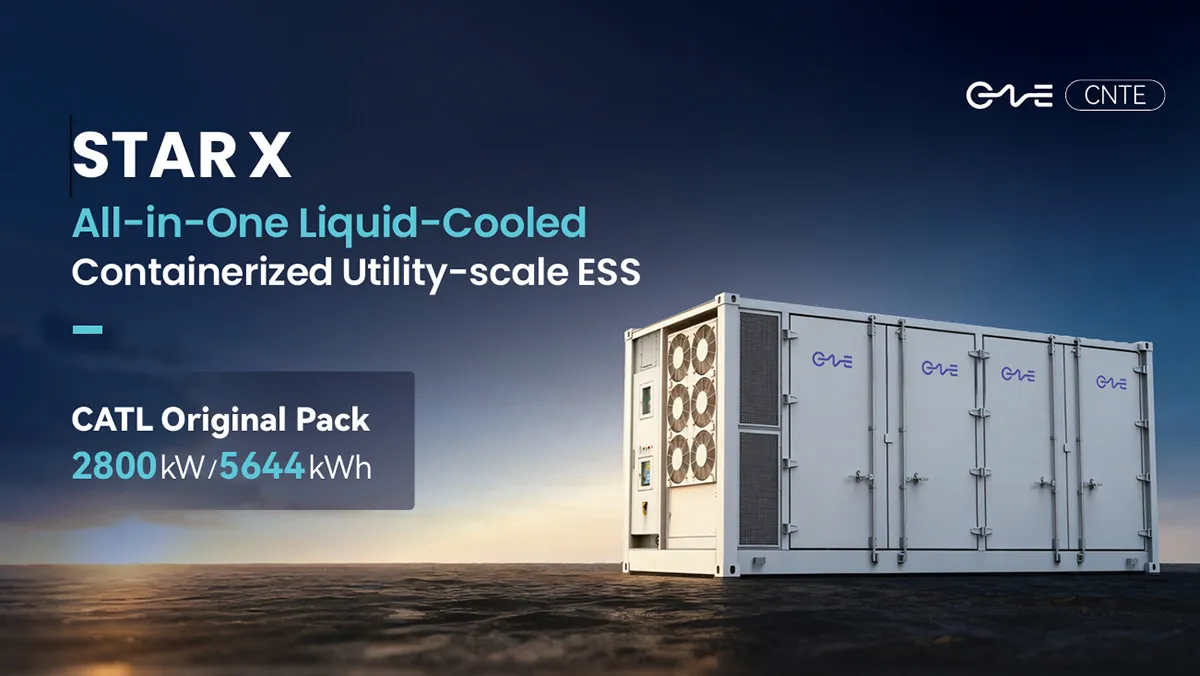
A CNTE bemutatja a STAR X folyadékhűtéses DC/AC integrált energiatároló rendszert az Intersolar Europe 2026-on
Jul 06, 2026 -
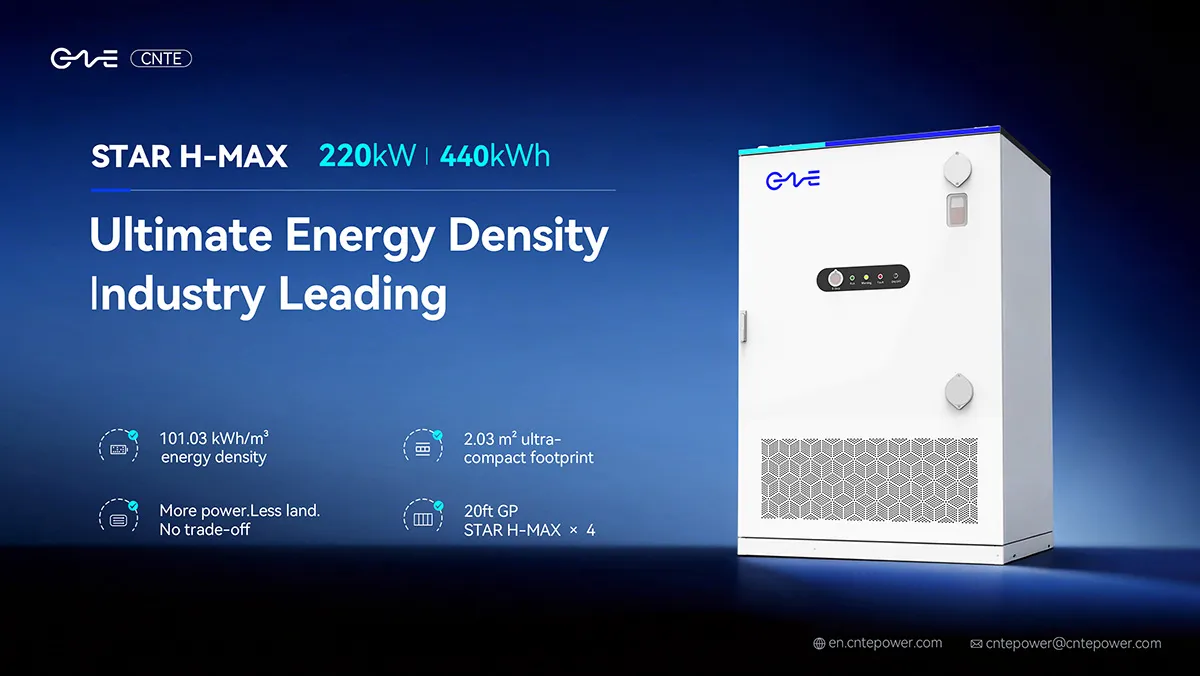
A CNTE bemutatja az új STAR H-MAX folyadékhűtéses C&I ESS-t az Intersolar Europe 2026-on
Jun 23, 2026 -
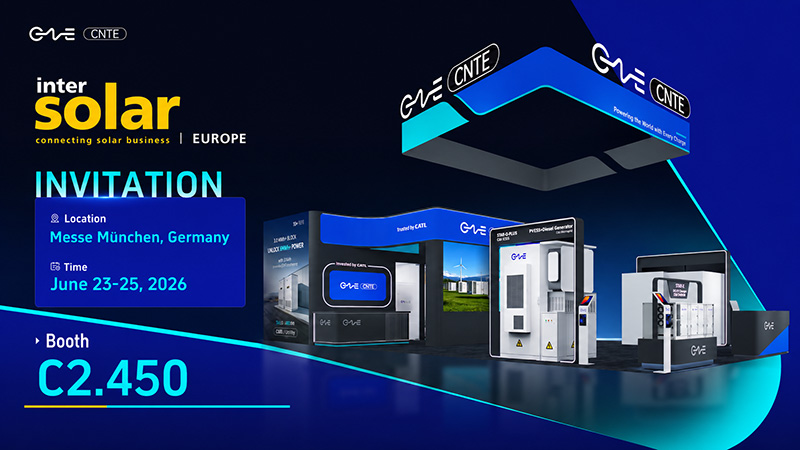
CNTE részt vesz az Intersolar Europe 2026-on
May 20, 2026 -
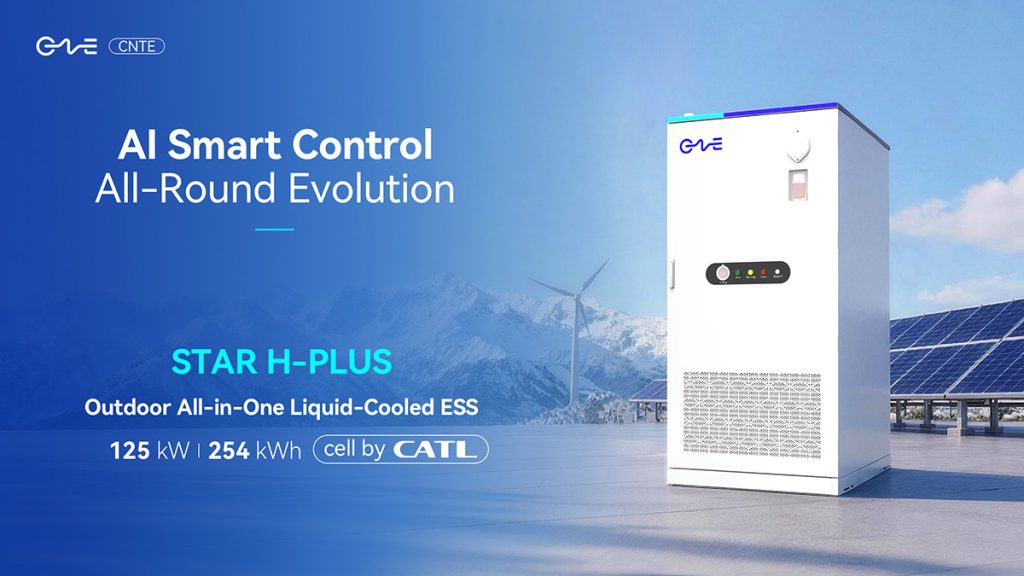
CNTE a KEY ENERGY 2026-on: Bemutatja a STAR H-PLUS Kültéri Folyadékhűtéses Energiatároló Rendszert
Mar 05, 2026 -

CNTE kitüntetve mint 2025 Forbes China vezető globális márka
Jul 06, 2026 -

CNTE & YOU.ON partner a tárolási piacok bővítésére
May 19, 2025 -
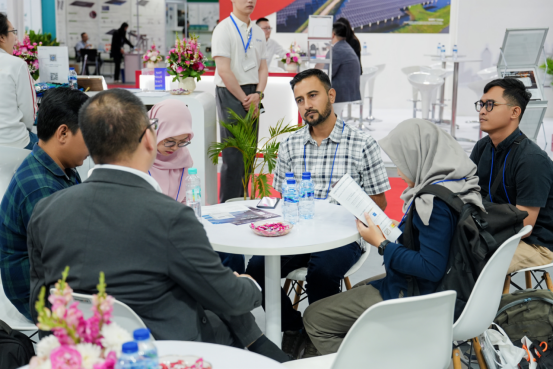
A CNTE bemutatja az energiatároló kínálatát a Solartech 2025-ön
May 19, 2025 -
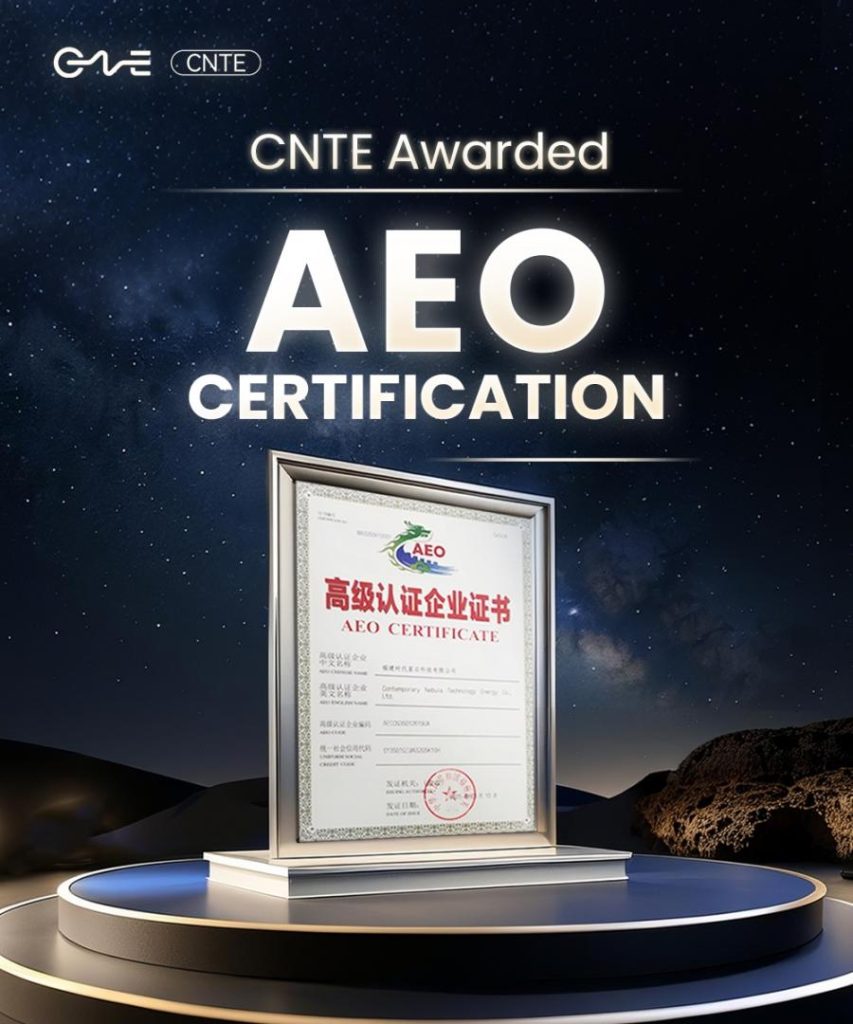
CNTE megkapta az AEO tanúsítványt
Jul 06, 2026 -
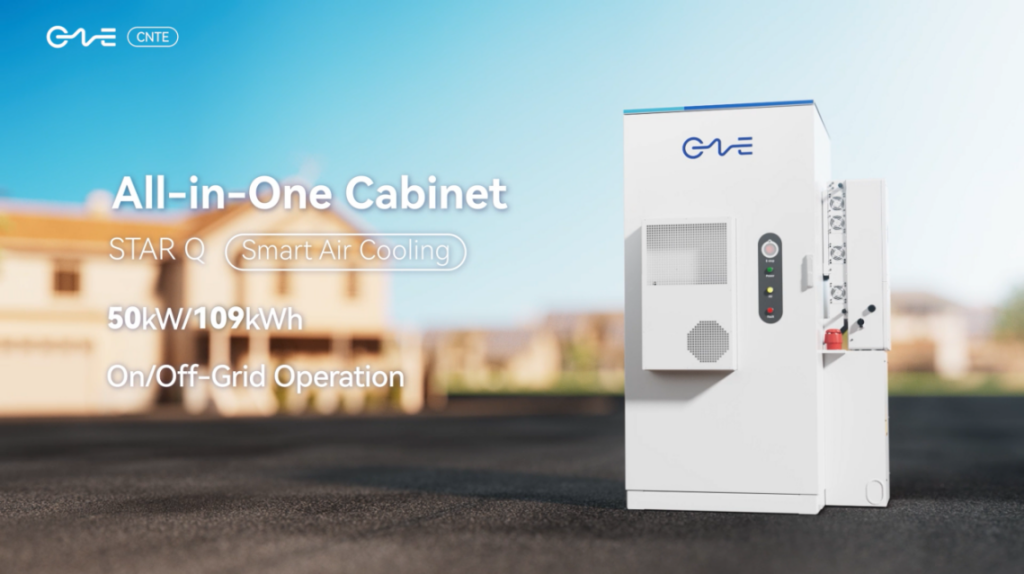
CNTE Új Termékbemutató STAR Q
Jan 15, 2025 -

A CNTE bekerült a Forbes China 2024 Top 30 Nemzetközi Márkák közé
Jul 06, 2026
