
Lithiumbatterij thuisopslag: Een gids voor huiseigenaren voor energiebesparing en noodstroom
Huishoudens over de hele wereld zoeken naar manieren om de elektriciteitsrekening te verlagen en het licht aan te houden tijdens stroomstoringen. Een van de meest praktische oplossingen die vandaag beschikbaar zijn, is Lithiumbatterijopslag voor thuis. Deze systemen slaan energie op van zonnepanelen of het net, waardoor je controle hebt over wanneer en hoe je macht gebruikt. Bedrijven zoals CNTE (Hedendaagse Nebula Technology Energy Co., Bvba.) hebben betrouwbare ontwikkeling ontwikkeld, veilig, en schaalbare opslagopties die passen bij moderne woningen. In deze gids, We leiden je door de technologie, Voordelen, Kosten, en belangrijke overwegingen—zodat je kunt beslissen of een lithiumbatterij-opslagsysteem geschikt is voor jou.

Wat is lithiumbatterijopslag voor thuis?
Een lithiumbatterijopslagsysteem voor thuis is in wezen een oplaadbaar batterijpakket gecombineerd met elektronica die de energiestroom beheert. Het vangt elektriciteit op wanneer de productie hoog is (zoals zonnige middagen met zonne-energie) of wanneer de rentes laag zijn, en brengt het dan vrij wanneer je het het meest nodig hebt—tijdens piekuren of een stroomstoring..
De meeste residentiële systemen gebruiken lithium-ijzerfosfaat (LiFePO₄) Chemie omdat het stabiel is, duurt duizenden cycli, en oververhit niet snel. Belangrijke componenten zijn onder andere:
- Batterijmodules – de cellen die gelijkstroom opslaan.
- Omvormer – zet gelijkstroom om naar wisselstroom voor thuisgebruik (Vaak geïntegreerd).
- Energiebeheersysteem – software die bepaalt wanneer je moet laden of ontladen.
- Monitoringinterface – laat je het gebruik vanaf je telefoon volgen.
De dag Lithiumbatterijopslag voor thuis Eenheden zijn compact, Wandmonterbaar, en ontworpen om te werken met of zonder zonnepanelen. Merken zoals CNTE bieden modulaire systemen aan, Dat betekent dat je met één batterij kunt beginnen en later meer kunt toevoegen naarmate je energiebehoefte groeit.
Belangrijkste voordelen van het installeren van een lithiumbatterijopslagsysteem voor thuis
Waarom maken zoveel huiseigenaren de overstap?? Hier zijn de meest overtuigende voordelen:
- Energie-onafhankelijkheid – Sla je eigen zonne-energie op en gebruik die 's nachts, Vermindering van de afhankelijkheid van het nutsbedrijf.
- Lagere elektriciteitsrekeningen – Verschuiven van dure piekuren naar goedkopere laagpiekperiodes. In sommige gebieden, Je kunt zelfs opgeslagen stroom terugverkopen aan het net.
- Noodstroom tijdens stroomstoringen – Koelkasten behouden, Lichten, en medische apparaten draaien wanneer het net uitvalt.
- Maximaliseer het zelfverbruik van zonne-energie – In plaats van overtollige zonne-energie in het net te stoppen voor een laag feed-in tarief, Bewaar het en gebruik het zelf.
- Milieu-impact – Het gebruik van opgeslagen hernieuwbare energie verlaagt de ecologische voetafdruk van uw huishouden.
Een goed ontworpen lithiumbatterijopslagsysteem voor thuis verhoogt ook de waarde van het pand en bereidt uw huis voor op toekomstige energiewijzigingen. De oplossingen van CNTE, bijvoorbeeld, zijn gebouwd met cellen die lang leven en hun capaciteit ruim tien jaar behouden.
Hoe werkt lithiumbatterij thuisopslag?
Stel je voor dat je huis zonnepanelen op het dak heeft. Gedurende de dag, De panelen produceren vaak meer elektriciteit dan je nodig hebt. In plaats van dat overschot naar het net te sturen, Een lithiumbatterijopslagsysteem voor thuis slaat het op. Als de zon ondergaat en je begint te koken of tv kijkt, De batterij ontlaadt die opgeslagen energie eerst, voordat je vanaf het raster tekent.
Als je geen zonne-energie hebt, De batterij kan je nog steeds geld besparen door op te laden tijdens periodes met lage kosten (Zoals middernacht) en je huis van stroom voorzien wanneer de tarieven hoog zijn (Zoals vroeg in de avond). Geavanceerde systemen gebruiken weersvoorspellingen en uw gebruiksgeschiedenis om het laden automatisch te optimaliseren.
CNTE verwerkt slimme omvormers en AI-gestuurd energiebeheer in hun nieuwste producten, waardoor het hele proces naadloos is—je houdt simpelweg de besparingen bij via een app.
Waar je op moet letten bij het kiezen van een lithiumbatterijopslagsysteem voor thuis
Niet alle batterijen zijn gelijk. Hier zijn de belangrijkste specificaties die je moet evalueren, met H3-subkoppen om het op te splitsen.
Bruikbare capaciteit en vermogensoutput
Capaciteit, gemeten in kilowatturen (kWh), Geeft aan hoeveel energie de batterij aankan. Maar je moet ook de continue kracht kennen (kW) – die bepaalt hoeveel apparaten tegelijk kunnen draaien. Een doorsnee woning heeft mogelijk 10-15 kWh bruikbare capaciteit nodig om het gebruik 's nachts en 's nachts te dekken.
Batterijchemie en Cycluslevensduur
De meeste moderne thuissystemen gebruiken LiFePO₄-chemie. Hij biedt 6.000-8.000 cycli bij 80% diepte van afvoer, wat neerkomt op 15-20 jaar dagelijks gebruik. Vermijd oudere NMC-chemie als je prioriteit geeft aan levensduur en veiligheid.
Retourrendement
Dit is het percentage energie dat je terugkrijgt vergeleken met wat je erin stopt. Zoeken 90% of hoger. Hoge efficiëntie betekent minder verlies en meer besparingen.
Veiligheid en certificeringen
Controleer op UL 9540, BIJENKORF 1973, of IEC 62619 Certificeringen. Deze zorgen ervoor dat de batterij voldoet aan strenge veiligheidsnormen voor thermische runaway en elektrische veiligheid. De thuisopslagunits van CNTE bevatten internationale certificeringen, Huiseigenaren gemoedsrust geven.
Schaalbaarheid en garantie
Kun je later meer batterijen toevoegen?? Modulaire systemen zijn toekomstbestendig. Vergelijk ook garanties—marktleiders bieden aan 10 jaren of 10,000 Cycli, wat er ook maar het eerst gebeurt. CNTE biedt uitgebreide garanties die zowel onderdelen als prestaties dekken.

Kostenanalyse en rendement op investering (KONING) van lithiumbatterijopslag thuis
De initiële kosten van een Lithiumbatterijopslag voor thuis Het systeem varieert per grootte, Merknaam, en complexiteit. Vanaf 2025, De prijzen variëren doorgaans van $800 Aan $1,200 per geïnstalleerde kWh. Dus een 10 Het kWh-systeem kan kosten tussen $8,000 en $12,000. Echter, stimulansen zoals de federale Investment Tax Credit (ITC) in de VS. Kan dat verminderen met 30%.
Om je terugverdientijd te berekenen, Overweeg:
- Je gemiddelde maandelijkse elektriciteitsrekening.
- De hoeveelheid zonne-energie die je produceert en zelf verbruikt.
- Lokale netmeteringregels en gebruikstijdtarieven..
Veel huiseigenaren hebben een terugverdientijd van 7-10 jaar. Met een batterijduur van 15+ jaren, Dat zijn meerdere jaren pure besparingen. Meer, Je krijgt energiezekerheid – iets waar je moeilijk een geldwaarde aan kunt toekennen.
Waarom CNTE opvalt op de markt voor lithiumbatterijopslag thuis
CNTE (Hedendaagse Nebula Technology Energy Co., Bvba.) heeft een reputatie opgebouwd voor hoogwaardige energieopslag in de woningen, commercieel, en nutssegmenten. Hun lithiumbatterij-opslagproducten voor thuis staan bekend om:
- Geavanceerd thermisch beheer – vloeistofkoelingsopties houden cellen op optimale temperatuur, Levensverlenging.
- Modulair ontwerp – stapelbaar vanaf 5 kWh naar 30 kWh, zodat je mee kunt groeien met je eigen behoeften.
- Slimme software – realtime monitoring en automatische piekafwerking.
- Wereldwijd ondersteuningsnetwerk – gecertificeerde installateurs in meerdere landen.
Of je nu een klein appartement of een grote villa inricht, CNTE biedt op maat gemaakte configuraties die integreren met de meeste bestaande zonne-omvormers. Hun toewijding aan R&D zorgt ervoor dat je een van de veiligste krijgt, Meest efficiënte cellen op de markt.
Installatie en onderhoud: Wat te verwachten
Installeren van een Lithiumbatterijopslag voor thuis Het systeem moet altijd worden uitgevoerd door een gecertificeerde elektricien. Ze zullen je elektrische paneel beoordelen, Installeer de accu-eenheid (meestal op een muur of vloer), en sluit het aan op je omvormer en meter. Het proces duurt doorgaans één dag.
Het onderhoud is minimaal—lithiumbatterijen zijn afgesloten en hoeven niet bewaterd of gelijk te maken zoals oude loodzuur-varianten. Houd het gebied schoon, Zorg voor luchtcirculatie rond de unit, en houd de app in de gaten op eventuele meldingen. De meeste systemen updaten firmware automatisch. CNTE biedt remote diagnostiek, Zoveel problemen kunnen worden opgelost zonder een bezoek aan de site.
Impact op het milieu: Een groenere keuze
De overstap naar lithiumbatterijopslag voor thuis helpt om meer hernieuwbare energie in het net te integreren. Elke kilowattuur die wordt opgeslagen uit zonne-energie in plaats van fossiele brandstoffen te verbranden, vermindert de CO₂-uitstoot. Meer, Lithiumbatterijen zijn recyclebaar—veel fabrikanten, inclusief CNTE, Neem deel aan terughaalprogramma's om materialen zoals lithium terug te winnen, ijzer, en koper. Gedurende zijn levensduur, Eén thuisbatterij kan meerdere tonnen koolstof compenseren.
Veelgestelde vragen over lithiumbatterijopslag thuis
Q1: Hoe lang duurt een Lithiumbatterijopslag voor thuis Systeemlaatste?
A1: Het meeste moderne lithium-ijzerfosfaat (LiFePO₄) Systemen blijven tussen elkaar 12 en 20 jaren, afhankelijk van het gebruik. Ze zijn doorgaans beoordeeld voor 6.000–8.000 cycli op 80% diepte van afvoer. Als je de batterij één keer per dag inschakelt, dat is ongeveer 16–22 jaar.
Q2: Kan ik lithiumbatterijopslag voor thuis gebruiken zonder zonnepanelen??
A2: Absoluut. Je kunt de batterij tijdens de laagpiekuren van het net opladen (Wanneer elektriciteit goedkoper is) en die opgeslagen energie tijdens piekuren gebruiken. Deze strategie, Genoemd "Peak Shave"," verlaagt je rekeningen zelfs zonder zonne-energie.
V3: Zijn lithiumbatterijopslagsystemen veilig voor thuis??
A3: Ja, wanneer correct geïnstalleerd en gecertificeerd. LiFePO₄-chemie is van nature stabieler en minder gevoelig voor thermische runaway dan andere lithiumtypen. Zoek naar certificeringen zoals UL 9540 en ervoor te zorgen dat het systeem een batterijbeheersysteem bevat (BMS) die de temperatuur bewaakt, spanning, en huidig.
Q4: Hoeveel kan ik echt besparen met een thuisbatterij??
A4: De besparingen variëren sterk. Een typisch huishouden met gebruikstijdtarieven kan $500–$1.000 per jaar besparen. Als je zonnepanelen hebt., Je kunt je zelfconsumptie verhogen uit 30% Aan 70% of meer, Drastisch verkorten van de terugbetaling. Het combineren van een batterij met zonne-energie in gebieden met hoge exportlimieten kan zelfs nog grotere opbrengsten opleveren.
V5: Welke maat Lithiumbatterijopslag voor thuis heb ik nodig?
A5: Begin met het bekijken van je gemiddelde dagelijkse elektriciteitsverbruik (in kWh) en je doelen. Als je een paar uur back-up wilt voor het hele huis, een systeem van 10–15 kWh is gebruikelijk. Voor gedeeltelijke back-up (Alleen het belangrijkste) of eenvoudige belastingverschuiving, 5–8 kWh kan voldoende zijn. De online maattool van CNTE en lokale dealers kunnen een nauwkeurige aanbeveling geven.
V6: Kan ik mijn systeem in de toekomst uitbreiden??
A6: Veel moderne systemen, inclusief die van CNTE, zijn modulair. Je kunt extra batterijkasten toevoegen of extra units stapelen zolang de omvormer de uitgebreide capaciteit ondersteunt. Controleer altijd de uitbreidbaarheidslimiet voordat je koopt.
Conclusie: Is lithiumbatterijopslag thuis geschikt voor jou.?
Adoptie Lithiumbatterijopslag voor thuis is meer dan een trend—het is een praktische stap richting energiebestendigheid en langetermijnbesparingen. Of je nu wilt beschermen tegen stroomstoringen, Verminder je ecologische voetafdruk, of gewoon lagere elektriciteitstarieven vastleggen, Een thuisbatterij levert echte waarde. Bedrijven zoals CNTE bieden betrouwbare diensten, Schaalbare oplossingen die soepel integreren in moderne woningen, ondersteund door sterke garanties en wereldwijde steun.
Voor aankoop, Beoordeel je energiedoelen, Raadpleeg een gecertificeerde installateur, en vergelijk een paar merken. Met het juiste systeem, Je krijgt gemoedsrust en een zekere mate van controle over de energietoekomst van je huis—iets wat steeds belangrijker wordt in een onvoorspelbare wereld.
Neem contact op
Recente Nieuws
-

CNTE bij KEY ENERGY 2026: Showcases STAR H-PLUS Outdoor Vloeistofgekoeld Energieopslagsysteem
Mar 05, 2026 -

CNTE Geëerd als 2025 Forbes China Toonaangevend Wereldwijd Merk
Nov 12, 2025 -

CNTE & JIJ. ON werkt samen om opslagmarkten uit te breiden
Mei 19, 2025 -

CNTE onthult line-up voor energieopslag op Solartech 2025
Mei 19, 2025 -
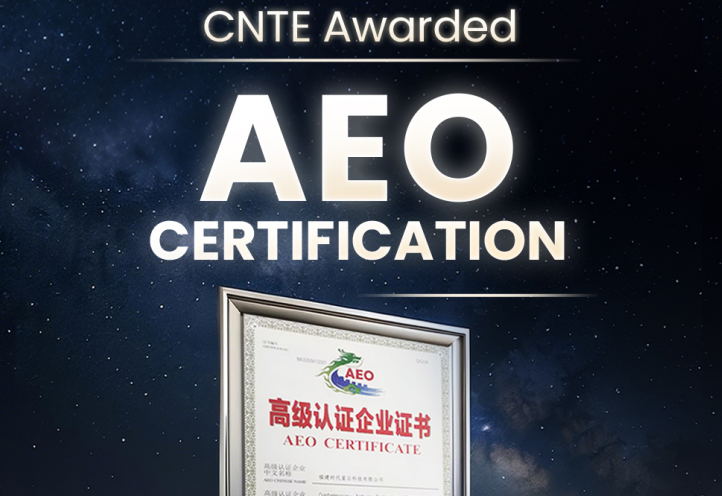
CNTE behaalt AEO-certificering
Mar 14, 2025
Tags
- 1 MW-batterijopslag
- 500 kW batterij
- 500 kw batterijopslag
- 500 kWh-batterijprijs
- 500 kWh batterijopslag
- 50kw zonne-batterijopslag
- alles in één zonnebatterij
- Thuisbatterij
- Batterijgebaseerde energieopslag
- Batterijcapaciteit voor zonnestelsel
- Batterij-elektrisch opslagsysteem
- Prijs van batterij-energieopbergsysteem
- Batterijhuis Solar
- Batterijinstallatie voor zonne-energie
- Batterijpakket voor het zonnestelsel thuis
- Batterijpakket voor zonnestelsel
- Batterijpakhuis
- Batterijpakket kWh
- Batterijopslagsystemen
- Toepassingen voor batterijopslag
- Batterijopslagapparaat
- Batterijopslag kWh
- Batterijopslagprijs per kWh
- Leveranciers van batterijopslag
- Ontwerp van batterijopslagsystemen
- Batterij die een huis van stroom kan voorzien
- Batterij naar grid
- Bess Batterij Energie
- Bess zonnestelsel
- Betere hernieuwbare batterijen
- Grote batterijopslag
- Koop batterijopslag
- Koop zonne-batterijopslag
- Laadpaal
- Chinese zonnebatterijen
- Oplossingen voor schone energieopslag
- Commerciële batterijopslag voor zonne-energie
- Kosten van batterijopslag voor zonnepanelen
- Kosten van zonne- en batterijsysteem
- Kosten van batterijopslag op zonne-energie
- Elektrisch batterijopslagsysteem
- Tentoonstelling elektrische energieopslag
- Energiebatterij
- Energie-opslagbatterijpakket
- Energieopslagsysteem Lithiumbatterij
- Energieopslagsysteem Maleisië
- Prijs van energieopslagsystemen
- Energieopslagsysteem zonne-energie
- Energy Tech Batterij
- ESS-batterijprijs
- ESS batterijsysteem
- ESS zonnebatterij
- ESS zonnestelsel
- EV-batterij voor zonne-opslag
- EV-batterij zonne-energie opslag
- Green Energy lithiumbatterij
- Batterij met hoge capaciteit voor zonnepanelen
- Hybride batterijopslag
- Zijn technologie zonne-energie
- kWh batterijopslag
- Grote batterijen voor zonne-energie opslag
- Grote batterij voor opslag van zonne-energie
- Grote batterijopslagcontainer
- Grote batterijopslagsystemen
- Grote opberging van zonnebatterijen
- Grote zonne-batterijopslagsystemen
- Grote zonne-energiebatterijen
- Grootste commerciële batterij
- Grootste zonne-batterijopslag
- Nieuwste zonne-batterijen
- Lithiumbatterijen voor off-grid zonnestroomsysteem
- Lithiumbatterijen uit China
- Lithiumbatterij voor off-grid zonne-energie
- Lithiumbatterij voor zonnestroomsysteem prijs
- Lithiumbatterijopslag voor thuis
- Lithiumbatterijpakketten voor zonnepanelen
- Megawatt batterijopslag
- Nieuwe batterijopslag
- Off-grid zonnebatterijopslag
- Batterij op het raster
- Batterijopslag op het raster
- Integratie van optische opslag
- Buitenenergie opslag
- Buitenbatterijkast voor zonnepanelen
- PCS batterijsysteem
- Energie van het energiepakket
- Stroomopslagcellen
- Prijs per kWh batterijopslag
- PV-zonnepanelen en batterijopslag
- Q-cel batterijopslag
- Slimme batterijopslag
- zonne & Batterijsysteem
- Zonne- en lithiumbatterijen
- Zonnebatterijen binnen het huis
- Zonnebatterij
- Zonne-batterijcontainer
- Zonne-batterij kWh
- Fabrikanten van zonnebatterijen in China
- Zonne-batterijmodule
- Solar batterijopslagkast
- Capaciteit voor het opslaan van zonne-batterijen
- Zonne-batterijopslagcontainer
- Fabrikanten van zonnebatterijopslag
- Zonne-energie batterij naar energievoorziening
- Opslag van zonnecellen
- Capaciteit voor batterijopslag op zonne-energie
- Zonne-energie batterijopslagsysteem
- zonne-energie lithiumbatterij
- Prijs van zonne-energie opslagbatterijen
- Prijs van zonne-energieopslagsystemen
- Zonne-energieopslagtechnologie
- Zonne-ess-systeem
- Zonnenetbatterij
- Zonnenetbatterijsysteem
- Prijs voor zonne-huis batterijen
- Zonne-installatiebatterij
- Zonne-installatie met batterij
- Solar One batterijen
- Capaciteit voor batterijopslag van zonnepanelen
- Prijs voor batterijopslag van zonnepanelen
- Zonnepaneel energieopslagbatterij
- Energieopslagsystemen voor zonnepanelen
- Opslag van lithiumbatterijen voor zonnepanelen
- Zonnepaneel stroomopslagsysteem
- Zonne-installatiebatterij
- Batterij van de zonne-energiecentrale
- Zonne-PV en batterijopslagsystemen
- Zonne-PV-systeem met batterijopslag
- Zonne-energieopslagoplossingen
- Zonnestelsel en batterijopslag
- Zonne-energie met batterijsysteem
- Zonne-energie met lithiumbatterijopslag
- Zelfstandige energieopslagsystemen
- Opslagenergiebatterij
- Opslagbatterij
