
7 Technische Imperatieven voor het inzetten van grote batterijen voor zonne-energieopslagsystemen
De wereldwijde overgang naar gedecentraliseerde en hernieuwbare energieopwekking is sterk afhankelijk van het oplossen van de fundamentele intermittentie van fotovoltaïsche energie (PV) Arrays. Nutsbedrijven, Onafhankelijke energieproducenten, en grote commerciële installaties bouwen enorme zonneparken om de CO2-uitstoot te compenseren en de energiekosten te stabiliseren. Echter, De opwekking van zonne-energie piekt strikt tijdens de middaguren, Dit veroorzaakt een enorme onbalans tussen het energieaanbod en de piekvraag in de avond. Om deze structurele rasterafwijking te corrigeren, Operators moeten geavanceerde inzetten Grote batterijen voor zonne-energie opslag.
Zonder voldoende chemische opslagcapaciteit, Netbeheerders worden vaak geconfronteerd met ernstige overgeneratiescenario's. Deze overgeneratie dwingt nutsbedrijven om zonneparken handmatig te beperken of los te koppelen om gevaarlijke overbelasting van transmissielijnen te voorkomen. Beperkingen betekenen miljoenen dollars aan verspilde operationele inkomsten. Een energieopslaginfrastructuur van bedrijfskwaliteit lost dit probleem direct op door overtollige energie op de middag op te vangen en precies te laten stromen wanneer de netvraag piekt. Leiders in de industrie zoals CNTE (Hedendaagse Nebula Technology Energy Co., Bvba.) Engineer Comprehensive, Megawatt-opslagarchitecturen die strikte netwerkconformiteit garanderen, Optimaliseer de efficiëntie van de heen-en-weer, en het langetermijnrendement op investeringen voor commerciële ontwikkelaars maximaliseren.
Het ontwerpen en integreren van deze enorme elektrische assets vereist diepgaande technische expertise. Ingenieurs moeten chemische topologieën evalueren, Thermische regulatieparameters, Omvormercapaciteiten, en softwaregedreven revenue stacking-protocollen. Deze zeer gedetailleerde analyse analyseert de kritieke technische vereisten voor het veilig en winstgevend exploiteren van opslagfaciliteiten op grootschalige schaal van nutsbedrijven.

1. Het beperken van de Duck Curve en het Raster
Het fenomeen van de "duck curve" vormt de grootste bedreiging voor de moderne netstabiliteit. Terwijl enorme hoeveelheden zonne-energie het transmissienetwerk overspoelen in de middag, De netto vraag naar traditionele energiecentrales daalt drastisch. Wanneer de zon ondergaat, De zonneproductie daalt onmiddellijk tot nul, Precies wanneer het energieverbruik in woningen en bedrijven 's avonds piekt. Dit zorgt voor een agressief steile opbouwperiode waar traditionele thermische generatoren moeite mee hebben.
Inzet Grote batterijen voor zonne-energie opslag neutraliseert de duck-curve volledig. Batterijsystemen met hoge capaciteit vangen de piek rond de productie rond het middaguur op, waardoor de buik van de kromming effectief wordt afgevlakt. Tijdens de avondopbouw, Het batterijbeheersysteem (BMS) stuurt onmiddellijk het vermogensomzettingssysteem (PCS) om de opgeslagen stroom in het net te ontvoeren. Deze precieze belastingverschuiving voorkomt plotselinge spanningsdalingen, vermindert de mechanische belasting op piekcentrales voor fossiele brandstoffen, en elimineert de financiële verliezen die gepaard gaan met gedwongen beperking van zonne-energie.
2. Het kiezen van de optimale chemische topologie
Het fundamentele succes van elk commercieel energieproject hangt strikt af van de onderliggende lithium-ionchemie. Historisch gezien, de industrie discussieerde tussen nikkel mangaan kobalt (NMC) en lithium-ijzerfosfaat (LFP) Cellen. Terwijl NMC een iets hogere volumetrische energiedichtheid biedt,, LFP is de absolute standaard geworden voor stationaire megawattschaaltoepassingen.
LFP-chemie heeft een robuuste olivijne kristallijne structuur die ongeëvenaarde thermische stabiliteit biedt. De thermische runaway-drempel voor LFP overschrijdt 270°C, waardoor het risico op catastrofale batterijbranden drastisch wordt verminderd in vergelijking met NMC-cellen. Bovendien, LFP-cellen zijn niet afhankelijk van vluchtige kobalt-leveringsketens, wat de inkoopkosten stabiliseert en de ecologische voetafdruk van de installatie verbetert..
- Verlengde levensduur: Premium LFP-cellen overtreffen gemakkelijk 8,000 Aan 10,000 volledige laad- en ontlaadcycli voordat het degradeert tot 80% van hun oorspronkelijke naamplaatcapaciteit.
- Diepte van afvoer (Komen): De LFP-architectuur stelt operators in staat om routinematig gebruik te maken van tot 95% van de totale batterijcapaciteit zonder ernstige micro-scheuring in de elektroden te veroorzaken.
- Veiligheid Certificeringen: LFP-configuraties slagen gemakkelijker voor strenge internationale brandveiligheidstests, inclusief de strenge UL 9540A thermische propagatienormen die door gemeentelijke brandweerinspecteurs worden geëist.
3. Geavanceerde thermische regulatie en vloeistofkoelsystemen
Continue laad- en ontlaadcycli genereren enorme lokale warmte binnen de batterijrekken. Als de interne temperatuur met meer dan een paar graden varieert tussen verschillende modules, De individuele cellen zullen met zeer verschillende snelheden afbreken. Deze lokale degradatie verzwakt ernstig de totale capaciteit van de hele snaar. Exploitatie Grote batterijen voor zonne-energie opslag vereist agressief, Sterk gecontroleerd thermisch beheer.
Traditionele HVAC-luchtkoelsystemen kunnen simpelweg niet snel genoeg warmte afvoeren voor hoge dichtheid, Containerisatiesystemen. Bijgevolg, Topingenieursbureaus maken gebruik van geavanceerde vloeistofkoelingsarchitecturen. Vloeistofkoeling circuleert een gespecialiseerd glycol-watermengsel rechtstreeks via microkanaal koude platen die nauw tegen de batterijcellen zijn geplaatst.
De technische superioriteit van vloeistofkoeling
Vloeistofkoeling levert een warmteoverdrachtscoëfficiënt die aanzienlijk hoger is dan die van geforceerde lucht. Deze technologie houdt de celtemperatuur nauwkeurig tussen 20°C en 25°C, zelfs wanneer de externe omgevingstemperatuur boven de 45°C uitkomt. Bovendien, Vloeistofkoelingsarchitecturen beperken het temperatuurverschil (ΔT) tussen twee cellen in een megawattcontainer tot minder dan 3°C. Deze strikte thermische uniformiteit garandeert gesynchroniseerde celveroudering, waardoor de totale levensduur van het opslagobject wordt gemaximaliseerd en de Levelized cost of Storage drastisch wordt verlaagd (LCOS).
4. AC-gekoppeld versus. DC-gekoppelde systeemarchitecturen
Het integreren van enorme batterijrekken met uitgebreide zonnepanelen vereist dat ingenieurs een AC-gekoppelde of DC-gekoppelde bedradingstopologie specificeren. De gekozen elektrische architectuur heeft direct invloed op de efficiëntie van de conversie van de rondreis, Hardwarekosten, en operationele flexibiliteit.
In een AC-gekoppelde opstelling, De zonnepanelen en het batterijsysteem werken op volledig aparte omvormers. De zonne-DC-stroom wordt omgezet in AC om het paneel van de faciliteit binnen te komen, en vervolgens zet een speciale batterijomvormer het terug naar gelijkstroom voor opslag. Deze opstelling werkt uitzonderlijk goed voor het retrofitteren van bestaande groot-scale zonneparken, omdat het niet vereist dat ingenieurs de bestaande PV-installatie fysiek opnieuw bedraden.
Omgekeerd, een DC-gekoppelde topologie verbindt zowel het zonnepaneel als de batterijrekken met één enkele, Bidirectionele hybride centrale omvormer. De elektrische stroom blijft in zijn oorspronkelijke gelijkstroomvorm terwijl deze direct van de zonnepanelen naar de batterijen stroomt. Bij het integreren van nieuwe Grote batterijen voor zonne-energie opslag, ontwikkelaars geven sterk de voorkeur aan DC-koppeling. Door het elimineren van redundante AC/DC-conversiestappen, DC-koppeling verbetert doorgaans de algehele retourrendement door 3% tot 5%—een enorme financiële marge bij het berekenen van gigawattuur energiedoorvoer over een operationele levenscyclus van 20 jaar.
5. Inkomstenstapeling en economische levensvatbaarheid
B2B-investeerders en facilitaire leidinggevenden kopen geen gigawatt-opslag uitsluitend voor milieunaleving; Ze vereisen een zeer voorspelbaar financieel rendement op investering. De economische rechtvaardiging voor commerciële opslag is sterk gebaseerd op "revenue stacking"—de praktijk waarbij één enkele batterij wordt gebruikt om meerdere financieel gecompenseerde taken tegelijk uit te voeren.
Geavanceerde energiemanagementplatforms optimaliseren het dagelijkse schema van de batterij om het interne rendement te maximaliseren (IRR). Leidende integratoren zoals CNTE (Hedendaagse Nebula Technology Energy Co., Bvba.) de geavanceerde edge-computing hardware te bieden die nodig is om deze complexe financiële algoritmen uit te voeren.
- Arbitrage van de energie: Het systeem rekent 's ochtends op van de PV-array wanneer de groothandelsprijzen voor energie extreem laag of negatief zijn. Vervolgens wordt het tijdens de avondpiekuren in het net gestort om de maximale groothandelsprijs te halen.
- Piekvraagafslag: Voor grote industriële installaties, Nutsbedrijven hanteren enorme kosten op basis van de hoogste verbruiksperiode van 15 minuten per maand. De batterij wordt actief ontladen tijdens deze specifieke pieken, Het kunstmatig verlagen van de schijnbare belasting van de faciliteit en het besparen van duizenden dollars aan vraagkosten.
- Frequentie regeling: Netbeheerders betalen hogere tarieven aan faciliteiten die vermogen kunnen injecteren of absorberen in fracties van een seconde om de strikte 60Hz of 50Hz netfrequentie te behouden. Snelwerkende lithium-ionsystemen blinken uit in deze zeer lucratieve aanvullende dienst.

6. Intelligente batterijbeheersystemen (BMS)
De fysieke lithium-ioncellen vereisen een zeer complex digitaal brein om veilig te functioneren. Het Batterijbeheersysteem (BMS) fungeert als de absolute kern van de opslaginfrastructuur. Het monitort actief duizenden verschillende datapunten per seconde, inclusief individuele celspanning, Module temperatuur, en lokale impedantie.
De BMS voorkomt catastrofale storingen door operationele grenzen strikt te handhaven. Als het systeem een inkomende spanningspiek of een abnormale temperatuurpiek detecteert, de BMS schakelt onmiddellijk de DC-contactoren uit om het defecte rek te isoleren voordat thermische voortplanting plaatsvindt. Daarnaast, voert de BMS continue actieve celbalans uit. Het verplaatst actief kleine hoeveelheden elektrische stroom van overbelaste cellen naar zwakkere cellen, Ervoor zorgen dat de volledige megawatt-array perfect gesynchroniseerde spanningsniveaus handhaaft.
Schaalverdeling Grote batterijen voor zonne-energie opslag vereist rigoureuze locatieplanning en uitputtende nutsvoorzieningen. Je kunt niet zomaar een batterij van 50 megawatt aansluiten op een regionale transmissielijn zonder te bewijzen dat het lokale onderstation enorme hoeveelheden aankan, Onmiddellijke bidirectionele stroomstromen.
Netbeheerders hebben uitgebreide stroomstroommodellering nodig, kortsluitingsanalyse, en studies over tijdelijke stabiliteit voordat de definitieve Vergunning om te opereren werd verleend (PTO). Het Power Conversion System van het opslagsysteem (PCS) moet geavanceerde grid-volg- en grid-vormingscapaciteiten aantonen. Het moet actief ondersteuning bieden aan reactief vermogen (VARs) om lokale transmissiespanningen te stabiliseren, strikt voldoen aan internationale gridcodes zoals IEEE 1547 en lokale gemeentelijke interconnectieregels.
Zeer winstgevend bedrijf exploiteren, Grootschalige hernieuwbare energiefaciliteiten vereisen veel meer dan enorme velden fotovoltaïsche panelen. Ware energieautonomie, Stabiliteit van het net, en maximale financiële opbrengst vereist zeer geavanceerde integratie van chemische opslag. Door celchemie te analyseren, Optimalisatie van vloeistofthermische dynamica, en het implementeren van meerlaagse revenue stacking software, Technische inkoopbedrijven bouwen zeer veerkrachtige energienetwerken.
De wereldwijde overgang naar een volledig gedecarboniseerde, Het gedecentraliseerde elektriciteitsnet is volledig afhankelijk van de continue uitleg van Grote batterijen voor zonne-energie opslag. Deze enorme activa lossen de zonne-intermittentie permanent op en beschermen commerciële exploitanten tegen volatiele prijsstelling van nutsbedrijven. Door samen te werken met bewezen, Fabrikanten op ondernemingsniveau zoals CNTE (Hedendaagse Nebula Technology Energy Co., Bvba.), Commerciële ontwikkelaars verkrijgen de robuuste hardware en intelligente algoritmen die nodig zijn om de snel evoluerende internationale energiesector te domineren.
Veelgestelde vragen (FAQ)
Q1: Wat is de operationele levensduur van een zonne-energiebatterijsysteem op grootskaal?
A1: Bij het gebruik van premium lithium-ijzerfosfaat (LFP) chemie gecombineerd met zeer nauwkeurige vloeistofkoeling, Grote commerciële batterijsystemen bereiken routinematig 8,000 Aan 10,000 Cycli. Volgens een standaard dagelijkse laad- en ontslagroutine, Dit vertaalt zich in een effectieve operationele levensduur van 15 Aan 20 jaren voordat celvergroting of vervanging nodig was.
Q2: Hoe beïnvloedt de C-rate de prestaties van grote energieopslagsystemen?
A2: De C-snelheid definieert expliciet de snelheid waarmee een batterij laadt of ontlaadt ten opzichte van zijn maximale capaciteit. Een 1°C snelheid betekent dat de batterij binnen een uur volledig leeg is. Zonne-energie opslag maakt doorgaans gebruik van lagere C-snelheden (zoals 0,25°C of 0,5°C, wat een duur van 4 of 2 uur vertegenwoordigt, wat een duur van 4 of 2 uur vertegenwoordigt) om de levensduur van de cyclus te optimaliseren en langdurige avondbelastingverschuiving te ondersteunen in plaats van snelle frequentierespons.
V3: Waarom wordt vloeistofkoeling als strikt superieur beschouwd aan luchtkoeling voor commerciële batterijen??
A3: Vloeibare koelvloeistof heeft een veel hogere thermische geleidbaarheid dan geforceerde lucht. Het verwijdert gelokaliseerde warmte direct uit de cellen, het handhaven van een temperatuurverschil van minder dan 3°C over enorme megawatt-behuizingen. Deze precieze thermische uniformiteit voorkomt isolatie van cellen en vergroot de financiële levensvatbaarheid van het gehele activum drastisch..
Q4: Welke specifieke veiligheidsnormen gelden voor de installatie van enorme lithium-ion opslagplaatsen.?
A4: Ingenieurs moeten strikt voldoen aan strikte internationale codes, voornamelijk NFPA 855 (Standaard voor de installatie van stationaire energieopslagsystemen) en UL 9540. Bovendien, de specifieke batterijmodules moeten de UL 9540A-test doorstaan, die agressief het vermogen van het systeem evalueert om fysieke thermische runaway te beheersen zonder vuur naar aangrenzende apparatuurrekken te verspreiden.
V5: Wat is het belangrijkste operationele voordeel van een DC-gekoppelde opslagtopologie ten opzichte van een AC-gekoppelde topologie??
A5: DC-gekoppelde topologieën elimineren redundante en zeer inefficiënte AC-naar-DC-conversiecycli. Omdat zonnepanelen van nature gelijkstroom opwekken en batterijen gelijkstroom opslaan, Het direct leiden van de energie van de array naar de opslagrekken via een enkele hybride omvormer verhoogt de totale retourefficiëntie met enkele procentpunten, het vastleggen van maximale energieopbrengst.
Neem contact op
Recente Nieuws
-

CNTE bij KEY ENERGY 2026: Showcases STAR H-PLUS Outdoor Vloeistofgekoeld Energieopslagsysteem
Mar 05, 2026 -

CNTE Geëerd als 2025 Forbes China Toonaangevend Wereldwijd Merk
Nov 12, 2025 -
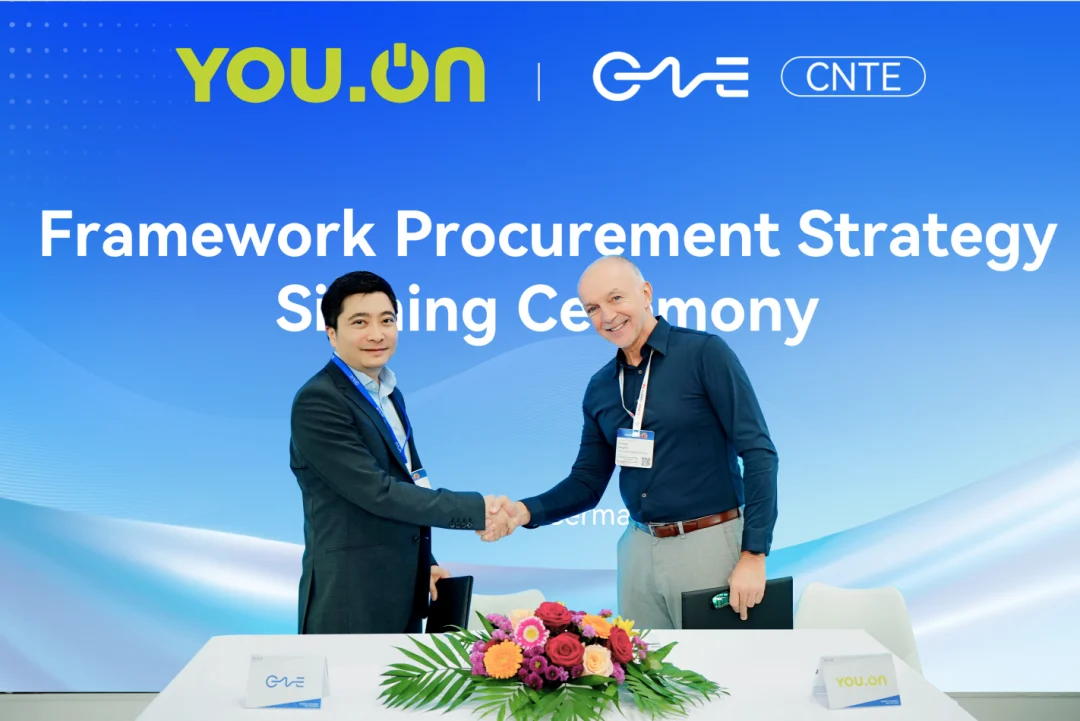
CNTE & JIJ. ON werkt samen om opslagmarkten uit te breiden
Mei 19, 2025 -
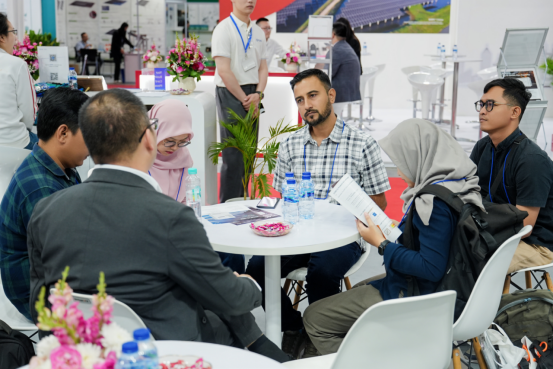
CNTE onthult line-up voor energieopslag op Solartech 2025
Mei 19, 2025 -
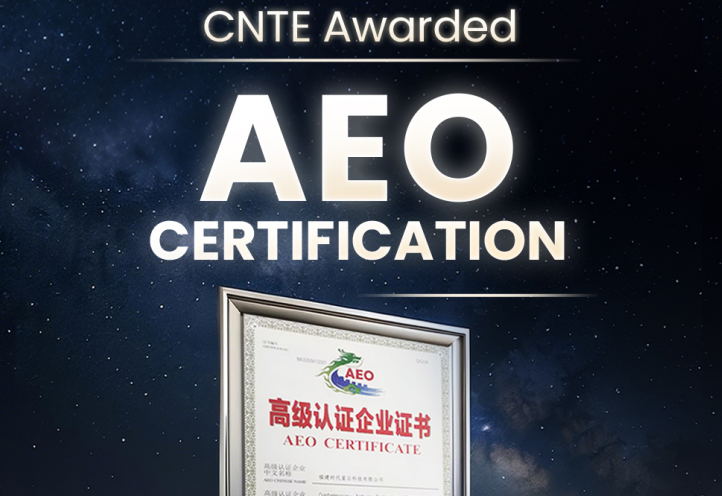
CNTE behaalt AEO-certificering
Mar 14, 2025
Tags
- 1 MW-batterijopslag
- 500 kW batterij
- 500 kw batterijopslag
- 500 kWh-batterijprijs
- 500 kWh batterijopslag
- 50kw zonne-batterijopslag
- alles in één zonnebatterij
- Thuisbatterij
- Batterijgebaseerde energieopslag
- Batterijcapaciteit voor zonnestelsel
- Batterij-elektrisch opslagsysteem
- Prijs van batterij-energieopbergsysteem
- Batterijhuis Solar
- Batterijinstallatie voor zonne-energie
- Batterijpakket voor het zonnestelsel thuis
- Batterijpakket voor zonnestelsel
- Batterijpakhuis
- Batterijpakket kWh
- Batterijopslagsystemen
- Toepassingen voor batterijopslag
- Batterijopslagapparaat
- Batterijopslag kWh
- Batterijopslagprijs per kWh
- Leveranciers van batterijopslag
- Ontwerp van batterijopslagsystemen
- Batterij die een huis van stroom kan voorzien
- Batterij naar grid
- Bess Batterij Energie
- Bess zonnestelsel
- Betere hernieuwbare batterijen
- Grote batterijopslag
- Koop batterijopslag
- Koop zonne-batterijopslag
- Laadpaal
- Chinese zonnebatterijen
- Oplossingen voor schone energieopslag
- Commerciële batterijopslag voor zonne-energie
- Kosten van batterijopslag voor zonnepanelen
- Kosten van zonne- en batterijsysteem
- Kosten van batterijopslag op zonne-energie
- Elektrisch batterijopslagsysteem
- Tentoonstelling elektrische energieopslag
- Energiebatterij
- Energie-opslagbatterijpakket
- Energieopslagsysteem Lithiumbatterij
- Energieopslagsysteem Maleisië
- Prijs van energieopslagsystemen
- Energieopslagsysteem zonne-energie
- Energy Tech Batterij
- ESS-batterijprijs
- ESS batterijsysteem
- ESS zonnebatterij
- ESS zonnestelsel
- EV-batterij voor zonne-opslag
- EV-batterij zonne-energie opslag
- Green Energy lithiumbatterij
- Batterij met hoge capaciteit voor zonnepanelen
- Hybride batterijopslag
- Zijn technologie zonne-energie
- kWh batterijopslag
- Grote batterijen voor zonne-energie opslag
- Grote batterij voor opslag van zonne-energie
- Grote batterijopslagcontainer
- Grote batterijopslagsystemen
- Grote opberging van zonnebatterijen
- Grote zonne-batterijopslagsystemen
- Grote zonne-energiebatterijen
- Grootste commerciële batterij
- Grootste zonne-batterijopslag
- Nieuwste zonne-batterijen
- Lithiumbatterijen voor off-grid zonnestroomsysteem
- Lithiumbatterijen uit China
- Lithiumbatterij voor off-grid zonne-energie
- Lithiumbatterij voor zonnestroomsysteem prijs
- Lithiumbatterijopslag voor thuis
- Lithiumbatterijpakketten voor zonnepanelen
- Megawatt batterijopslag
- Nieuwe batterijopslag
- Off-grid zonnebatterijopslag
- Batterij op het raster
- Batterijopslag op het raster
- Integratie van optische opslag
- Buitenenergie opslag
- Buitenbatterijkast voor zonnepanelen
- PCS batterijsysteem
- Energie van het energiepakket
- Stroomopslagcellen
- Prijs per kWh batterijopslag
- PV-zonnepanelen en batterijopslag
- Q-cel batterijopslag
- Slimme batterijopslag
- zonne & Batterijsysteem
- Zonne- en lithiumbatterijen
- Zonnebatterijen binnen het huis
- Zonnebatterij
- Zonne-batterijcontainer
- Zonne-batterij kWh
- Fabrikanten van zonnebatterijen in China
- Zonne-batterijmodule
- Solar batterijopslagkast
- Capaciteit voor het opslaan van zonne-batterijen
- Zonne-batterijopslagcontainer
- Fabrikanten van zonnebatterijopslag
- Zonne-energie batterij naar energievoorziening
- Opslag van zonnecellen
- Capaciteit voor batterijopslag op zonne-energie
- Zonne-energie batterijopslagsysteem
- zonne-energie lithiumbatterij
- Prijs van zonne-energie opslagbatterijen
- Prijs van zonne-energieopslagsystemen
- Zonne-energieopslagtechnologie
- Zonne-ess-systeem
- Zonnenetbatterij
- Zonnenetbatterijsysteem
- Prijs voor zonne-huis batterijen
- Zonne-installatiebatterij
- Zonne-installatie met batterij
- Solar One batterijen
- Capaciteit voor batterijopslag van zonnepanelen
- Prijs voor batterijopslag van zonnepanelen
- Zonnepaneel energieopslagbatterij
- Energieopslagsystemen voor zonnepanelen
- Opslag van lithiumbatterijen voor zonnepanelen
- Zonnepaneel stroomopslagsysteem
- Zonne-installatiebatterij
- Batterij van de zonne-energiecentrale
- Zonne-PV en batterijopslagsystemen
- Zonne-PV-systeem met batterijopslag
- Zonne-energieopslagoplossingen
- Zonnestelsel en batterijopslag
- Zonne-energie met batterijsysteem
- Zonne-energie met lithiumbatterijopslag
- Zelfstandige energieopslagsystemen
- Opslagenergiebatterij
- Opslagbatterij
