
7 Keperluan Kejuruteraan untuk Menggunakan Bateri Besar untuk Sistem Penyimpanan Suria
Peralihan global ke arah penjanaan kuasa terdesentralisasi dan boleh diperbaharui sangat bergantung pada penyelesaian intermittensi asas fotovoltaik (PV) tatasusunan. Syarikat utiliti, pengeluar kuasa bebas, dan kemudahan komersial yang besar membina ladang solar besar-besaran untuk mengimbangi pelepasan karbon dan menstabilkan kos tenaga. Walau bagaimanapun, Penjanaan solar memuncak dengan ketat pada waktu tengah hari, mewujudkan ketidakseimbangan besar-besaran antara bekalan tenaga dan permintaan puncak petang. Untuk membetulkan salah jajaran grid struktur ini, pengendali mesti menggunakan canggih bateri besar untuk penyimpanan solar.
Tanpa kapasiti penyimpanan kimia yang mencukupi, Pengendali grid kerap menghadapi senario penjanaan berlebihan yang teruk. Penjanaan berlebihan ini memaksa utiliti untuk menghadkan secara manual—atau memutuskan sambungan—ladang solar untuk mengelakkan beban talian penghantaran berbahaya. Pengurangan mewakili berjuta-juta dolar dalam hasil operasi yang dibazirkan. Infrastruktur storan tenaga gred perusahaan secara langsung menyelesaikan isu ini dengan menangkap lebihan tenaga tengah hari dan menyahnyahkannya dengan tepat apabila permintaan grid melonjak. Pemimpin industri seperti CNTE (Teknologi Nebula Kontemporari Tenaga Co., Ltd.) jurutera komprehensif, seni bina storan berskala megawatt yang menjamin pematuhan grid yang ketat, Optimumkan kecekapan perjalanan pergi balik, dan memaksimumkan pulangan pelaburan jangka panjang untuk pemaju komersial.
Mereka bentuk dan menyepadukan aset elektrik besar-besaran ini memerlukan kepakaran teknikal yang mendalam. Jurutera mesti menilai topologi kimia, parameter peraturan haba, Kapasiti penyongsang, dan protokol penyusunan hasil dipacu perisian. Analisis yang sangat terperinci ini memecahkan keperluan kejuruteraan kritikal untuk mengendalikan kemudahan penyimpanan berskala utiliti dengan selamat dan menguntungkan.

1. Mengurangkan Keluk Itik dan Pengurangan Grid
Fenomena "lengkung itik" mewakili ancaman paling ketara kepada kestabilan grid moden. Apabila sejumlah besar tenaga suria membanjiri rangkaian penghantaran pada waktu petang, Permintaan bersih ke atas loji janakuasa tradisional menurun secara mendadak. Apabila matahari terbenam, pengeluaran solar serta-merta menurun kepada sifar, tepat apabila penggunaan tenaga petang kediaman dan komersial memuncak. Ini mewujudkan tempoh peningkatan yang curam secara agresif yang sukar dipenuhi oleh penjana haba tradisional.
Menggunakan bateri besar untuk penyimpanan solar meneutralkan lengkung itik sepenuhnya. Sistem bateri berkapasiti tinggi menyerap lonjakan generasi tengah hari, berkesan meratakan perut lengkung. Semasa peningkatan petang, Sistem pengurusan bateri (BMS) serta-merta memerintahkan sistem penukaran kuasa (PC) untuk melepaskan kuasa yang disimpan ke dalam grid. Peralihan beban ketepatan ini menghalang penurunan voltan secara tiba-tiba, mengurangkan tekanan mekanikal pada loji puncak bahan api fosil, dan menghapuskan kerugian kewangan yang berkaitan dengan pengurangan solar paksa.
2. Memilih Topologi Kimia Optimum
Kejayaan asas mana-mana projek tenaga komersial bergantung sepenuhnya pada kimia litium-ion yang mendasari. Dari segi sejarah, industri dibahaskan antara Nikel Mangan Kobalt (NMC) dan Litium Besi Fosfat (LFP) Sel. Walaupun NMC menyediakan ketumpatan tenaga isipadu yang lebih tinggi sedikit, LFP telah menjadi standard mutlak untuk aplikasi berskala megawatt pegun.
Kimia LFP mempunyai struktur kristal olivin yang teguh yang memberikan kestabilan haba yang tiada tandingan. Ambang pelarian haba untuk LFP melebihi 270°C, secara drastik mengurangkan risiko kebakaran bateri bencana berbanding sel NMC. Selain itu, Sel LFP tidak bergantung pada rantaian bekalan kobalt yang tidak menentu, yang menstabilkan kos perolehan dan meningkatkan jejak alam sekitar pemasangan.
- Hayat kitaran lanjutan: Sel LFP premium mudah melebihi 8,000 Untuk 10,000 kitaran pengecasan dan nyahcas penuh sebelum merosot kepada 80% kapasiti papan nama awal mereka.
- Kedalaman Pelepasan (Datang): Seni bina LFP membolehkan pengendali menggunakan secara rutin sehingga 95% daripada jumlah kapasiti bateri tanpa menyebabkan keretakan mikro yang teruk dalam elektrod.
- Pensijilan Keselamatan: Konfigurasi LFP lebih mudah lulus ujian keselamatan kebakaran antarabangsa yang ketat, termasuk piawaian pembiakan haba UL 9540A yang ketat yang diperlukan oleh marshal bomba perbandaran.
3. Peraturan Haba Lanjutan dan Sistem Penyejukan Cecair
Kitaran pengecasan dan nyahcas berterusan menjana haba setempat yang besar dalam rak bateri. Jika suhu dalaman berbeza lebih daripada beberapa darjah merentas modul yang berbeza, sel-sel individu akan merosot pada kadar yang sangat berbeza. Kemerosotan setempat ini melumpuhkan kapasiti keseluruhan rentetan dengan teruk. Operasi bateri besar untuk penyimpanan solar memerlukan agresif, pengurusan haba yang sangat terkawal.
Sistem penyejukan udara HVAC tradisional tidak boleh menghilangkan haba dengan cukup cepat untuk ketumpatan tinggi, Sistem Storan Kontena. Akibatnya, Firma kejuruteraan peringkat teratas menggunakan seni bina penyejukan cecair termaju. Penyejukan cecair mengedarkan campuran glikol-air khusus secara langsung melalui plat sejuk saluran mikro yang diletakkan rapat pada sel bateri.
Keunggulan Teknikal Penyejukan Cecair
Penyejukan cecair memberikan pekali pemindahan haba yang jauh lebih tinggi daripada udara paksa. Teknologi ini dengan tepat mengekalkan suhu sel dengan ketat antara 20°C dan 25°C, walaupun suhu persekitaran luaran melebihi 45°C. Selain itu, seni bina penyejukan cecair mengehadkan perbezaan suhu (ΔT) antara mana-mana dua sel dalam bekas megawatt kepada kurang daripada 3°C. Keseragaman haba yang ketat ini menjamin penuaan sel yang disegerakkan, memaksimumkan jangka hayat keseluruhan aset storan dan mengurangkan Kos Storan yang Diratakan secara drastik (LCOS).
4. Gandingan AC vs. Senibina Sistem Gandingan DC
Mengintegrasikan rak bateri besar-besaran dengan tatasusunan solar yang luas memerlukan jurutera untuk menentukan sama ada topologi pendawaian gandingan AC atau gandingan DC. Seni bina elektrik yang dipilih secara langsung memberi kesan kepada kecekapan penukaran pergi balik, kos perkakasan, dan fleksibiliti operasi.
Dalam persediaan gandingan AC, Panel solar dan sistem bateri beroperasi pada penyongsang yang berasingan sepenuhnya. Kuasa DC solar bertukar kepada AC untuk memasuki panel kemudahan, dan kemudian penyongsang bateri khusus menukarnya semula kepada DC untuk storan. Persediaan ini berfungsi dengan sangat baik untuk memasang semula ladang solar berskala utiliti sedia ada kerana ia tidak memerlukan jurutera untuk memasang semula tatasusunan PV sedia ada secara fizikal.
Sebaliknya, topologi gandingan DC menghubungkan kedua-dua tatasusunan suria dan rak bateri kepada satu, Penyongsang Pusat Hibrid Dua Arah. Arus elektrik kekal dalam bentuk DC asalnya kerana ia mengalir terus dari panel solar ke dalam bateri. Apabila menyepadukan baharu bateri besar untuk penyimpanan solar, pemaju sangat suka gandingan DC. Dengan menghapuskan langkah penukaran AC/DC yang berlebihan, Gandingan DC biasanya meningkatkan kecekapan perjalanan pergi balik keseluruhan dengan 3% hingga 5%—margin kewangan yang besar apabila mengira gigawatt-jam pemprosesan tenaga sepanjang kitaran hayat operasi selama 20 tahun.
5. Susunan Hasil dan Daya Maju Ekonomi
Pelabur B2B dan eksekutif kemudahan tidak mendapatkan storan megawatt semata-mata untuk pematuhan alam sekitar; Mereka memerlukan pulangan pelaburan kewangan yang sangat boleh diramalkan. Justifikasi ekonomi untuk storan komersial sangat bergantung pada "susunan hasil"—amalan menggunakan aset bateri tunggal untuk melaksanakan berbilang tugas pampasan kewangan secara serentak.
Platform pengurusan tenaga yang canggih mengoptimumkan jadual harian bateri untuk memaksimumkan Kadar Pulangan Dalaman (IRR). Penyepadu terkemuka seperti CNTE (Teknologi Nebula Kontemporari Tenaga Co., Ltd.) menyediakan perkakasan pengkomputeran tepi lanjutan yang diperlukan untuk melaksanakan algoritma kewangan yang kompleks ini.
- Arbitraj Tenaga: Sistem mengenakan caj daripada tatasusunan PV pada waktu pagi apabila harga tenaga borong sangat rendah atau negatif. Ia kemudian dilepaskan ke grid pada waktu puncak petang untuk menangkap harga borong maksimum.
- Pencukuran Permintaan Puncak: Untuk kemudahan perindustrian yang besar, Syarikat utiliti mengenakan yuran yang besar berdasarkan tempoh penggunaan 15 minit tertinggi setiap bulan. Bateri aktif dinyahcas semasa lonjakan khusus ini, menurunkan beban ketara kemudahan secara buatan dan menjimatkan beribu-ribu dolar dalam caj permintaan.
- Peraturan Kekerapan: Pengendali grid membayar kadar premium kepada kemudahan yang boleh menyuntik atau menyerap kuasa dalam pecahan sesaat untuk mengekalkan frekuensi grid 60Hz atau 50Hz yang ketat. Sistem litium-ion bertindak pantas cemerlang dalam perkhidmatan sampingan yang sangat menguntungkan ini.

6. Sistem Pengurusan Bateri Pintar (BMS)
Sel litium-ion fizikal memerlukan otak digital yang sangat kompleks untuk beroperasi dengan selamat. Sistem Pengurusan Bateri (BMS) berfungsi sebagai teras mutlak infrastruktur storan. Ia secara aktif memantau beribu-ribu titik data yang berbeza sesaat, termasuk voltan sel individu, suhu modul, dan impedans setempat.
BMS menghalang kegagalan bencana dengan menguatkuasakan sempadan operasi dengan ketat. Jika sistem mengesan lonjakan voltan masuk atau lonjakan suhu yang tidak normal, BMS serta-merta tersandung kontaktor DC untuk mengasingkan rak yang rosak sebelum perambatan haba berlaku. Selain itu, BMS melakukan pengimbangan sel aktif berterusan. Ia secara aktif mengalirkan sejumlah kecil arus elektrik daripada sel yang terlalu dicas ke dalam sel yang lebih lemah, memastikan keseluruhan tatasusunan megawatt mengekalkan tahap voltan yang disegerakkan dengan sempurna.
Penskalaan bateri besar untuk penyimpanan solar memerlukan perancangan tapak yang ketat dan kajian sambungan utiliti yang menyeluruh. Anda tidak boleh menyambungkan bateri 50 megawatt ke talian penghantaran serantau tanpa membuktikan bahawa pencawang tempatan boleh mengendalikan besar-besaran, aliran kuasa dua arah serta-merta.
Pengendali grid memerlukan pemodelan aliran kuasa yang meluas, analisis litar pintas, dan kajian kestabilan sementara sebelum memberikan Kebenaran Akhir untuk Beroperasi (PTO). Sistem Penukaran Kuasa sistem storan (PC) mesti menunjukkan keupayaan mengikuti grid dan membentuk grid lanjutan. Ia mesti secara aktif menyediakan sokongan kuasa reaktif (VAR) untuk menstabilkan voltan penghantaran tempatan, mematuhi kod grid antarabangsa dengan ketat seperti IEEE 1547 dan peraturan interkoneksi perbandaran tempatan.
Mengendalikan yang sangat menguntungkan, kemudahan tenaga boleh diperbaharui berskala utiliti menuntut jauh lebih daripada bidang panel fotovoltaik yang luas. Autonomi tenaga sebenar, Kestabilan grid, dan hasil kewangan maksimum memerlukan penyepaduan penyimpanan kimia yang sangat canggih. Dengan menganalisis kimia sel, Mengoptimumkan dinamik haba cecair, dan menggunakan perisian susunan hasil berbilang peringkat, firma perolehan kejuruteraan membina rangkaian kuasa yang sangat berdaya tahan.
Peralihan global kepada penyahkarbonan sepenuhnya, grid elektrik terdesentralisasi bergantung sepenuhnya pada penggunaan berterusan bateri besar untuk penyimpanan solar. Aset besar ini menyelesaikan intermittensi solar secara kekal dan melindungi pengendali komersial daripada harga utiliti yang tidak menentu. Dengan bekerjasama dengan terbukti, pengeluar peringkat perusahaan seperti CNTE (Teknologi Nebula Kontemporari Tenaga Co., Ltd.), Pembangun komersial mendapatkan perkakasan teguh dan algoritma pintar yang diperlukan untuk menguasai sektor tenaga antarabangsa yang berkembang pesat.
Soalan Lazim (Soalan lazim)
Q1: Apakah jangka hayat operasi sistem bateri solar berskala utiliti?
A1: Apabila menggunakan Litium Besi Fosfat premium (LFP) kimia dipasangkan dengan penyejukan cecair yang sangat tepat, Sistem bateri komersial besar secara rutin mencapai 8,000 Untuk 10,000 Kitaran. Di bawah rutin pengecasan dan pelepasan harian standard, Ini diterjemahkan kepada jangka hayat operasi yang berkesan 15 Untuk 20 bertahun-tahun sebelum memerlukan pembesaran atau penggantian sel.
S2: Bagaimanakah kadar C menjejaskan prestasi sistem storan tenaga yang besar?
A2: Kadar C secara eksplisit mentakrifkan kelajuan di mana bateri mengecas atau menyahcas berbanding kapasiti maksimumnya. Kadar 1C bermakna bateri habis sepenuhnya dalam masa satu jam. Storan solar biasanya menggunakan kadar C yang lebih rendah (seperti 0.25C atau 0.5C, mewakili tempoh 4 jam atau 2 jam) Untuk mengoptimumkan hayat kitaran dan menyokong peralihan beban petang yang berpanjangan dan bukannya tindak balas frekuensi yang pantas.
S3: Mengapa penyejukan cecair dianggap lebih baik daripada penyejukan udara untuk bateri komersial?
A3: Penyejuk cecair mempunyai kekonduksian terma yang jauh lebih tinggi daripada udara paksa. Ia mengeluarkan haba setempat terus dari sel, mengekalkan perbezaan suhu kurang daripada 3°C merentasi kepungan megawatt besar-besaran. Keseragaman haba yang tepat ini menghalang kemerosotan sel terpencil dan secara drastik memanjangkan daya maju kewangan keseluruhan aset.
Soalan 4: Apakah piawaian keselamatan khusus yang mengawal pemasangan tapak penyimpanan litium-ion besar-besaran?
A4: Jurutera mesti mematuhi kod antarabangsa yang ketat, terutamanya NFPA 855 (Standard untuk Pemasangan Sistem Penyimpanan Tenaga Pegun) dan UL 9540. Selain itu, modul bateri tertentu mesti lulus ujian UL 9540A, yang secara agresif menilai keupayaan sistem untuk membendung pelarian haba fizikal tanpa menyebarkan api ke rak peralatan bersebelahan.
Soalan 5: Apakah kelebihan operasi utama topologi storan gandingan DC berbanding topologi gandingan AC?
A5: Topologi gandingan DC menghapuskan kitaran penukaran AC-ke-DC yang berlebihan dan sangat tidak cekap. Kerana panel solar secara asli menjana kuasa DC dan bateri secara asli menyimpan kuasa DC, Menghalakan tenaga terus dari tatasusunan ke rak storan melalui penyongsang hibrid tunggal meningkatkan kecekapan perjalanan pergi balik keseluruhan sebanyak beberapa mata peratusan, menangkap hasil tenaga maksimum.
Hubungi kami
Jawatan Terkini
-

CNTE di KEY ENERGY 2026: Mempamerkan Sistem Penyimpanan Tenaga Penyejuk Cecair Luaran STAR H-PLUS
Mar 05, 2026 -

CNTE diberi penghormatan sebagai 2025 Forbes China Jenama Global Terkemuka
Nov 12, 2025 -
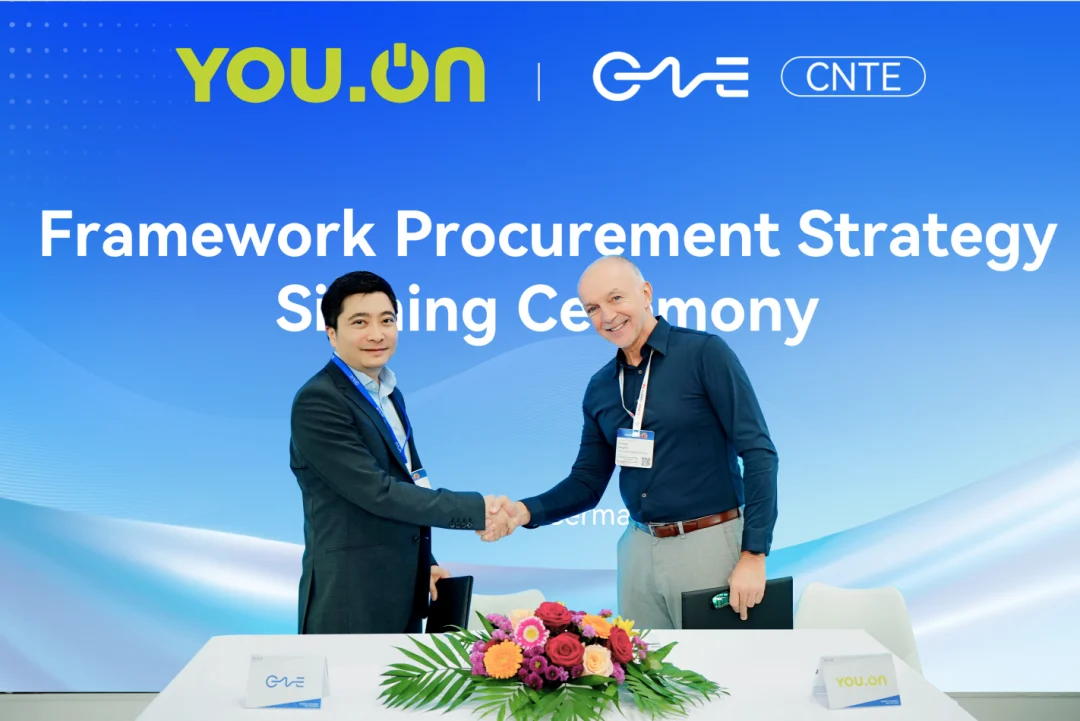
CNTE & ANDA. Rakan Kongsi ON untuk Mengembangkan Pasaran Storan
Mei 19, 2025 -
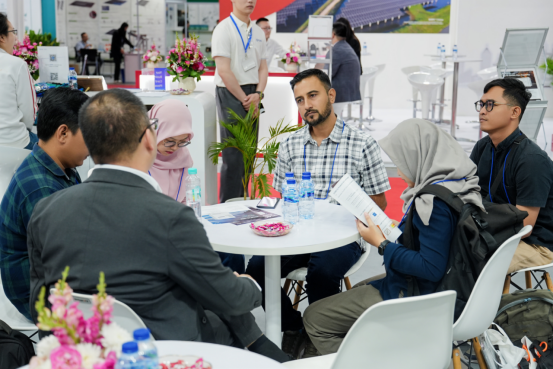
CNTE Melancarkan Barisan Penyimpanan Tenaga di Solartech 2025
Mei 19, 2025 -
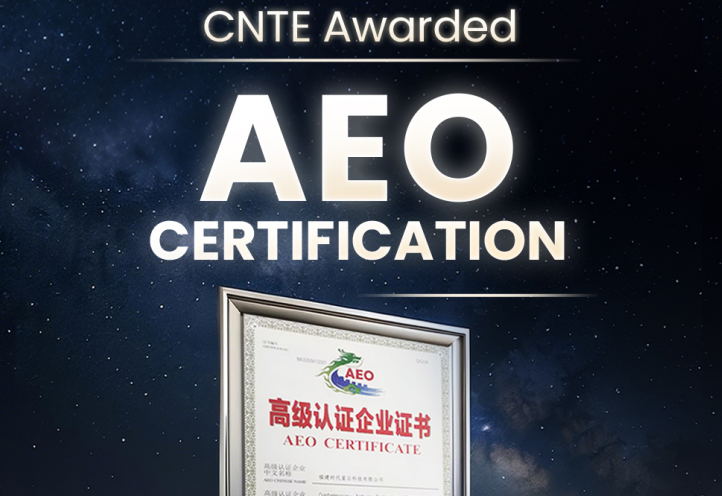
CNTE dianugerahkan pensijilan AEO
Mar 14, 2025
Tags
- 1 Storan bateri MW
- 500 Bateri KW
- 500 kw storan bateri
- 500 Harga bateri kWh
- 500 Storan bateri kWh
- 50kw storan bateri solar
- semua dalam satu bateri solar
- Bateri di rumah
- Storan tenaga berasaskan bateri
- kapasiti bateri untuk sistem suria
- Sistem Storan Elektrik Bateri
- Harga Sistem Storan Tenaga Bateri
- solar rumah bateri
- pemasangan bateri untuk solar
- Pek bateri untuk sistem suria rumah
- Pek bateri untuk sistem suria
- rumah pek bateri
- Pek bateri kWj
- Sistem Storan Kuasa Bateri
- Aplikasi Storan Bateri
- Peranti storan bateri
- Storan bateri kWj
- Harga storan bateri setiap kWj
- Pembekal Storan Bateri
- Reka bentuk sistem storan bateri
- bateri yang boleh menggerakkan rumah
- bateri ke grid
- Tenaga bateri Bess
- Sistem Suria Bess
- Tenaga boleh diperbaharui bateri yang lebih baik
- Storan bateri yang besar
- Beli Storan Bateri
- beli storan bateri solar
- stesen pengecasan
- Bateri solar Cina
- Penyelesaian Penyimpanan Tenaga Bersih
- Storan bateri kuasa solar komersial
- Kos storan bateri untuk panel solar
- Kos sistem solar dan bateri
- Kos Storan Bateri Tenaga Suria
- Sistem Penyimpanan Bateri Elektrik
- Pameran Penyimpanan Tenaga Elektrik
- pek bateri tenaga
- pek bateri penyimpanan tenaga
- Sistem Penyimpanan Tenaga Bateri litium
- Sistem Penyimpanan Tenaga Malaysia
- Harga Sistem Penyimpanan Tenaga
- Sistem Penyimpanan Tenaga Suria
- bateri teknologi tenaga
- Harga Bateri ESS
- Sistem Bateri ESS
- Bateri solar ESS
- Sistem Suria ESS
- Bateri EV untuk storan solar
- Storan solar bateri EV
- Bateri litium tenaga hijau
- bateri berkapasiti tinggi untuk panel solar
- Storan bateri hibrid
- teknologinya solar
- Storan bateri kWh
- bateri besar untuk penyimpanan solar
- bateri besar untuk penyimpanan tenaga suria
- bekas storan bateri yang besar
- sistem storan bateri yang besar
- Storan bateri solar yang besar
- sistem storan bateri solar yang besar
- bateri storan solar yang besar
- bateri komersial terbesar
- Storan bateri solar terbesar
- bateri solar terkini
- Bateri litium untuk sistem suria luar grid
- Bateri litium dari China
- Bateri litium untuk solar luar grid
- Bateri litium untuk harga sistem suria
- Storan rumah bateri litium
- pek bateri litium untuk panel solar
- Storan bateri megawatt
- Storan bateri baharu
- Storan bateri solar luar grid
- pada bateri grid
- pada storan bateri grid
- penyepaduan storan optik
- Penyimpanan tenaga luar
- kabinet bateri solar luar
- Sistem bateri PCS
- Tenaga pek kuasa
- Sel Storan Kuasa
- Harga setiap kwj storan bateri
- Panel solar PV dan storan bateri
- Storan bateri sel q
- Storan bateri pintar
- Solar & Sistem bateri
- Bateri solar dan litium
- bateri solar di dalam rumah
- bateri solar bateri
- bekas bateri solar
- Bateri solar kWj
- pengeluar bateri solar di china
- Modul bateri solar
- Kabinet Simpanan Bateri Suria
- kapasiti storan bateri solar
- bekas storan bateri solar
- pengeluar storan bateri solar
- bateri solar ke rumah kuasa
- Penyimpanan sel suria
- kapasiti storan bateri tenaga suria
- Sistem Storan Bateri Tenaga Suria
- bateri litium tenaga suria
- Harga bateri storan tenaga suria
- Harga Sistem Penyimpanan Tenaga Suria
- Teknologi Penyimpanan Tenaga Suria
- Sistem ESS Suria
- bateri grid solar
- Sistem bateri grid solar
- Harga bateri rumah solar
- bateri pemasangan solar
- Pemasangan solar dengan bateri
- bateri solar one
- Kapasiti Storan Bateri Panel Suria
- Harga Storan Bateri Panel Suria
- bateri storan tenaga panel solar
- Sistem penyimpanan tenaga panel solar
- Storan bateri litium panel solar
- Sistem Penyimpanan Kuasa Panel Suria
- bateri loji solar
- Bateri Loji Tenaga Suria
- Sistem storan PV dan bateri solar
- Sistem PV solar dengan storan bateri
- penyelesaian storan solar
- Sistem suria dan storan bateri
- solar dengan sistem bateri
- solar dengan storan bateri litium
- Sistem Penyimpanan Tenaga Kendiri
- bateri tenaga storan
- Bateri Storedge
