
5 Strategi Kejuruteraan untuk Saiz Bateri Solar untuk Menggerakkan Infrastruktur Rumah
Grid kuasa moden menghadapi tekanan mekanikal yang belum pernah berlaku sebelum ini daripada kejadian cuaca ekstrem, infrastruktur penghantaran penuaan, dan permintaan elektrik yang melonjak. Pemilik rumah dan pengurus kemudahan tidak lagi melihat kebebasan tenaga sebagai kemewahan, tetapi sebaliknya sebagai keperluan operasi asas. Mendapatkan yang boleh dipercayai, Sumber tenaga terdesentralisasi melindungi aset kediaman daripada pemadaman bergulir yang tidak dapat diramalkan dan tarif utiliti yang tidak menentu. Berjaya menggunakan bateri solar ke rumah kuasa Rangkaian memerlukan kejuruteraan yang tepat, Pengiraan beban yang ketat, dan elektronik kuasa yang canggih.
Hanya melampirkan modul bateri pada tatasusunan solar sedia ada kerap mengakibatkan prestasi sistem yang teruk atau kegagalan perkakasan pramatang lengkap. Mikrogrid kediaman yang dioptimumkan menuntut penyepaduan yang lancar antara fotovoltaik (PV) penjanaan, Penyimpanan tenaga kimia, dan perisian pengurusan tenaga pintar. Pengeluar terkemuka industri seperti CNTE (Teknologi Nebula Kontemporari Tenaga Co., Ltd.) Penyelesaian storan tenaga senario penuh yang komprehensif yang merapatkan jurang besar antara penjanaan solar sekejap-sekejap dan penggunaan kediaman berterusan.
Analisis teknikal ini mengkaji parameter elektrik kritikal, topologi perkakasan, dan metrik ekonomi yang diperlukan untuk mereka bentuk sistem kuasa kediaman autonomi. Dengan menyeragamkan proses penyepaduan, Profesional tenaga memastikan bahawa aset storan terdesentralisasi memberikan kecekapan pergi balik maksimum dan daya tahan grid tanpa kompromi.

Senibina Teknikal Penyimpanan Tenaga Kediaman
Menilai komposisi kimia sel simpanan berfungsi sebagai asas mutlak bagi mana-mana projek tenaga yang berjaya. Industri ini bergantung terutamanya pada dua kimia litium-ion yang berbeza: Litium Besi Fosfat (LFP atau LiFePO4) dan Nikel Mangan Kobalt (NMC). Walaupun sel NMC menawarkan ketumpatan tenaga yang lebih tinggi, dengan itu mengurangkan jejak fizikal kabinet bateri, Mereka sememangnya mempunyai ambang kestabilan haba yang lebih rendah.
Untuk aplikasi kediaman, jurutera sangat menentukan kimia LFP. Sel LFP menunjukkan kestabilan haba yang luar biasa, menentang sepenuhnya peristiwa pelarian haba pada suhu di mana sel NMC biasanya gagal. Selain itu, Kimia LFP menyediakan hayat kitaran operasi yang jauh lebih lama, selalunya melebihi 6,000 Untuk 8,000 kitaran pengecasan dan nyahcas penuh sebelum merosot kepada 80% kapasiti papan nama asal mereka. Jangka hayat kimia ini pada asasnya menjamin daya maju kewangan jangka panjang pemasangan.
Menguruskan Kedalaman Pelepasan (Datang) dan Kapasiti
Memahami perbezaan ketat antara kapasiti papan nama teori dan kapasiti boleh guna praktikal menghalang pengendalian sistem yang buruk. Mengendalikan a bateri solar ke rumah kuasa beban yang berkesan memerlukan pematuhan ketat kepada Kedalaman Pelepasan tertentu (Datang) Had. Berulang kali mengalirkan tatasusunan bateri litium-ion kepada sifar peratus merosakkan struktur selular dalaman dengan teruk dan mempercepatkan degradasi kimia.
Sistem Pengurusan Bateri Lanjutan (BMS) secara aktif menyekat kitaran pelepasan, biasanya mengehadkan DoD maksimum pada 80% Atau 90%. Itu, bateri yang dipasarkan dengan 10 Kapasiti papan nama kWj mungkin hanya menyediakan 8.5 kWj tenaga boleh guna sebenar. Jurutera mesti menggunakan metrik tenaga yang boleh digunakan ini—bukan kapasiti papan nama mentah—apabila melakukan pengiraan pengekalan beban yang sangat kritikal mereka.
Mengatasi Ketidakstabilan Grid dan Tarif Utiliti
Syarikat utiliti secara aktif mengalihkan pengguna ke arah Masa Penggunaan yang kompleks (JUGA) struktur pengebilan dan caj permintaan puncak yang agresif. Semasa waktu petang permintaan tinggi, kadar elektrik utiliti kerap tiga kali ganda. Sistem storan kediaman pintar melaksanakan arbitraj tenaga yang tepat untuk memintas caj kewangan punitif ini sepenuhnya.
Perisian kawalan memaksa sistem untuk menyimpan tenaga suria yang berlebihan pada waktu pagi dan petang apabila kadar utiliti kekal rendah. Apabila matahari terbenam dan tarif utiliti puncak yang mahal bermula, Pengawal dengan lancar menyahcas kuasa bateri yang disimpan untuk mengekalkan beban isi rumah. Teknik peralihan beban yang tepat ini secara matematik meratakan profil penggunaan hartanah dan meneutralkan bil utiliti yang semakin meningkat.
Pulau Autonomi dan Pembentukan Mikrogrid
Penyongsang solar terikat grid standard dimatikan serta-merta sebaik sahaja grid utiliti utama gagal. Perlindungan anti-pulau mandatori ini menghalang tatasusunan suria daripada menyalurkan elektrik voltan tinggi kembali ke talian penghantaran yang rosak, yang secara aktif membahayakan krew pembaikan utiliti. Untuk menyediakan daya tahan pemadaman yang tulen, Infrastruktur storan mesti menggunakan keupayaan pembentukan grid yang canggih.
Apabila mengesan kegagalan grid total, Suis Pemindahan Automatik sistem (ATS) mengasingkan harta secara fizikal daripada rangkaian utiliti luaran dalam milisaat. Penyongsang pembentuk grid utama kemudiannya mewujudkan gelombang sinus 60Hz atau 50Hz yang stabil. Ini membolehkan setempat bateri solar ke rumah kuasa infrastruktur selamat, berfungsi sebagai bebas sepenuhnya, mikrogrid berdikari sehingga utiliti utama memulihkan kuasa.
Mengira Beban Elektrik Tepat dan Kapasiti Penyongsang
Saiz seni bina storan dengan betul memerlukan analisis terperinci tentang permintaan elektrik khusus hartanah. Jurutera memisahkan jumlah kapasiti tenaga dengan ketat (diukur dalam kilowatt-jam, Kwj) daripada keupayaan penghantaran kuasa serta-merta (diukur dalam kilowatt, KWj). Bank bateri yang besar memberikan nilai sifar jika penyongsang yang disambungkan tidak dapat membekalkan arus serta-merta yang mencukupi untuk memulakan peralatan mekanikal berat.
- Output kuasa berterusan: Penyongsang mesti mengekalkan watt berjalan gabungan peralatan standard seperti peti sejuk secara serentak, Lampu, dan komputer.
- Kapasiti Lonjakan Puncak: Motor aruhan berat, khususnya pemampat HVAC dan pam telaga dalam, memerlukan pancang arus yang besar (Rotor Terkunci Amp atau LRA) untuk pecahan saat semasa permulaan. Penarafan lonjakan penyongsang mesti secara eksplisit melebihi arus permulaan gabungan ini untuk mengelakkan kerosakan beban berlebihan sistem.
- Panel Beban Kritikal: Daripada menyandarkan keseluruhan panel perkhidmatan elektrik utama, Pemasang sering mengasingkan litar penting ke dalam subpanel khusus. Pengasingan beban strategik ini memastikan bateri tidak membazirkan tenaga terhad pada peralatan yang tidak penting seperti pemanas kolam elektrik atau lampu luaran hiasan semasa kecemasan.
Menilai AC-Gandingan vs. Topologi Gandingan DC
Mengintegrasikan storan kimia dengan penjanaan fotovoltaik memerlukan memilih antara dua topologi pendawaian yang berbeza: Gandingan AC atau gandingan DC. Seni bina yang dipilih secara langsung mempengaruhi kecekapan perjalanan pergi balik sistem keseluruhan dan menentukan kerumitan pemasangan fizikal.
Sistem gandingan DC menyambungkan panel solar dan tatasusunan bateri kepada satu, Penyongsang Hibrid Sangat Maju. Kerana elektrik kekal dalam arus terus (DC) bentuk apabila ia mengalir dari panel solar terus ke dalam bateri, Sistem mengelakkan berbilang kitaran penyongsangan berlebihan. Laluan langsung ini memaksimumkan pengekalan tenaga dan menghapuskan kerugian penukaran. Gandingan DC berfungsi sebagai pilihan kejuruteraan unggul untuk pembinaan kediaman serba baharu.
Sebaliknya, Sistem gandingan AC menggunakan penyongsang solar dan penyongsang bateri yang berasingan. Kuasa DC suria bertukar kepada kuasa AC, mengalir melalui panel rumah, dan kemudian menukar semula kepada kuasa DC untuk memasuki bateri. Walaupun sememangnya kurang cekap kerana pelbagai langkah penukaran ini, Gandingan AC cemerlang dalam senario pengubahsuaian di mana pemilik rumah sudah memiliki tatasusunan solar sedia ada. Penyedia penyelesaian premium seperti CNTE (Teknologi Nebula Kontemporari Tenaga Co., Ltd.) kejuruteraan perkakasan yang sangat boleh disesuaikan yang menampung kedua-dua topologi dengan lancar, menjamin kestabilan operasi tanpa mengira kekangan tapak sedia ada.

Sistem Pengurusan Tenaga Lanjutan (EMS)
Sel litium fizikal dan elektronik kuasa hanya mewakili otot perkakasan mikrogrid kediaman; Sistem Pengurusan Tenaga (EMS) berfungsi sebagai otak analitik. Pengawal moden memproses beribu-ribu titik data sesaat untuk mengoptimumkan jujukan cas dan nyahcas secara dinamik.
Platform EMS gred perusahaan mewujudkan sambungan API yang selamat dengan perkhidmatan ramalan cuaca global. Jika algoritma ramalan mengesan sistem ribut teruk yang masuk atau litupan awan berbilang hari yang berat, Perisian secara automatik mengatasi protokol pelepasan masa penggunaan standard. Ia secara preemptif mengarahkan sistem untuk mengecas bank bateri kepada 100% kapasiti terus dari grid utiliti, Mengutamakan keselamatan tenaga mutlak berbanding arbitraj kadar harian.
Selain itu, Algoritma pembelajaran mesin terus memantau tabiat penggunaan isi rumah. Perisian memprofilkan corak penggunaan yang tepat, mengenali dengan tepat apabila sistem HVAC biasanya bermula atau apabila kenderaan elektrik dipasangkan. Pemodelan beban ramalan ini memastikan bateri solar ke rumah kuasa Sistem beroperasi pada kecekapan puncak mutlak, memanjangkan jangka hayat operasi semua komponen perkakasan yang disambungkan.
Menganalisis Metrik Kewangan dan LCOE
Pemasang B2B dan pengurus kemudahan kediaman mesti menilai metrik kewangan yang tepat bagi storan terdesentralisasi dengan teliti. Model elektrik tradisional bergantung pada Perbelanjaan Operasi kekal (OPEX) dibayar terus kepada syarikat utiliti. Peralihan kepada storan tempatan memerlukan Perbelanjaan Modal pendahuluan yang ketara (CAPEX) untuk modul litium, penyongsang hibrid, dan buruh pemasangan profesional.
Jurutera mengira Kos Storan yang Diratakan (LCOS) dan Kos Tenaga yang Diratakan (LCOE) untuk menunjukkan dengan jelas pulangan pelaburan jangka panjang. Dengan membahagikan jumlah kos seumur hidup sistem dengan jumlah megawatt-jam (MWj) tenaga yang akan dilepaskan sepanjang jangka hayat 10 hingga 15 tahun, penganalisis menentukan kos se-kWj sebenar tenaga tersimpan.
Apabila kadar utiliti meningkat secara konsisten oleh 4% Untuk 6% setiap tahun, LCOE tetap sistem storan kediaman menjadi sangat menarik. Sistem ini pada asasnya mengunci kos tenaga hartanah untuk dekad akan datang. Selain itu, memanfaatkan program perkhidmatan grid setempat, seperti Loji Janakuasa Maya (VPP) Pengagregatan, membolehkan pemilik rumah menjual tenaga bateri yang disimpan secara aktif kembali kepada utiliti semasa tekanan grid puncak, menjana ketara, hasil langsung yang mempercepatkan titik pulang modal dengan pantas.
Peralihan harta kediaman daripada pergantungan utiliti sepenuhnya memerlukan lebih daripada sekadar memasang panel solar. Ketahanan grid sebenar dan autonomi kewangan menuntut penyimpanan kimia yang canggih, elektronik kuasa yang teguh, dan perisian ramalan pintar. Dengan menganalisis secara mendalam keperluan kuasa berterusan, Mengira arus lonjakan motor yang tepat, dan menggunakan topologi penyongsang hibrid yang optimum, Jurutera berjaya melindungi infrastruktur kediaman kritikal daripada kegagalan grid sistemik.
Mengintegrasikan kejuruteraan yang ketat bateri solar ke rumah kuasa Persediaan menjamin perlindungan segera terhadap kenaikan tarif elektrik dan pemadaman tempatan yang dahsyat. Apabila peristiwa cuaca ekstrem berlipat ganda dan kestabilan grid berpusat merosot, peralihan storan tenaga setempat daripada sistem sandaran sekunder kepada mekanisme utama untuk pengurusan kuasa hartanah. Bekerjasama dengan pemimpin industri yang terbukti seperti CNTE (Teknologi Nebula Kontemporari Tenaga Co., Ltd.) menyediakan kebolehpercayaan perkakasan yang diperlukan dan algoritma kawalan pintar yang diperlukan untuk mengekalkan berterusan, autonomi kuasa tanpa kompromi.
Soalan Lazim (Soalan lazim)
Q1: Apakah perbezaan yang jelas antara penarafan kW dan kWj bateri?
A1: Kilowatt (KWj) Penarafan mentakrifkan kuasa serta-merta maksimum yang boleh disampaikan oleh sistem pada satu masa tertentu untuk memulakan peralatan berat seperti penghawa dingin. Kilowatt-jam (Kwj) Penarafan mentakrifkan jumlah isipadu tenaga yang disimpan di dalam bateri, yang menentukan dengan tepat berapa lama peralatan tersebut boleh berjalan sebelum bateri habis sepenuhnya.
S2: Bolehkah saya memutuskan sambungan secara sah daripada grid utiliti utama sepenuhnya?
A2: Walaupun boleh dilaksanakan secara teknikal, Mengambil hartanah sepenuhnya di luar grid memerlukan saiz tatasusunan solar dan kapasiti storan secara besar-besaran untuk mengambil kira ribut musim sejuk berbilang hari. Kebanyakan jurutera sangat mengesyorkan mengekalkan sambungan grid dan menggunakan bateri solar ke rumah kuasa operasi sebagai mikrogrid autonomi hanya semasa gangguan tertentu atau tempoh kadar puncak yang mahal.
S3: Apakah sebenarnya yang diukur kecekapan pergi balik dalam sistem penyimpanan tenaga?
A3: Kecekapan pergi balik secara matematik mengira peratusan tenaga yang hilang semasa proses pengecasan dan nyahcas yang kompleks. Kerana penyongsang menggunakan sejumlah kecil kuasa untuk menukar elektrik DC kepada elektrik AC, dan sel bateri menjana sedikit haba haba semasa pengecasan, sistem mungkin menyimpan 10 kWj tetapi hanya output 9 Kwj. Senario khusus itu mewakili 90% kecekapan pergi balik.
Soalan 4: Mengapa jurutera lebih suka Litium Besi Fosfat (LFP) lebih daripada kimia NMC untuk rumah?
A4: Kimia LFP menawarkan kestabilan haba yang unggul secara drastik, hampir menghapuskan risiko berbahaya pelarian haba dan kebakaran bateri. Selain itu, Sel LFP menahan lebih banyak kitaran cas/nyahcas daripada sel NMC, menyediakan jangka hayat operasi yang lebih lama, yang secara langsung meningkatkan ROI kewangan jangka panjang sistem.
Soalan 5: Adakah sistem storan setempat memerlukan penyelenggaraan fizikal rutin?
A5: Sistem litium-ion moden sebahagian besarnya adalah keadaan pepejal dan memerlukan penyelenggaraan bendalir aktif sifar, tidak seperti bateri asid plumbum banjir yang ketinggalan zaman. Walau bagaimanapun, Pengendali sistem mesti memastikan kipas penyejuk luaran pada penyongsang hibrid kekal bersih daripada serpihan fizikal, dan mereka harus mengesahkan secara berkala bahawa Sistem Pengurusan Tenaga (EMS) mengekalkan stabil, Sambungan internet selamat untuk kemas kini perisian tegar kritikal.
Hubungi kami
Jawatan Terkini
-

CNTE di KEY ENERGY 2026: Mempamerkan Sistem Penyimpanan Tenaga Penyejuk Cecair Luaran STAR H-PLUS
Mar 05, 2026 -

CNTE diberi penghormatan sebagai 2025 Forbes China Jenama Global Terkemuka
Nov 12, 2025 -
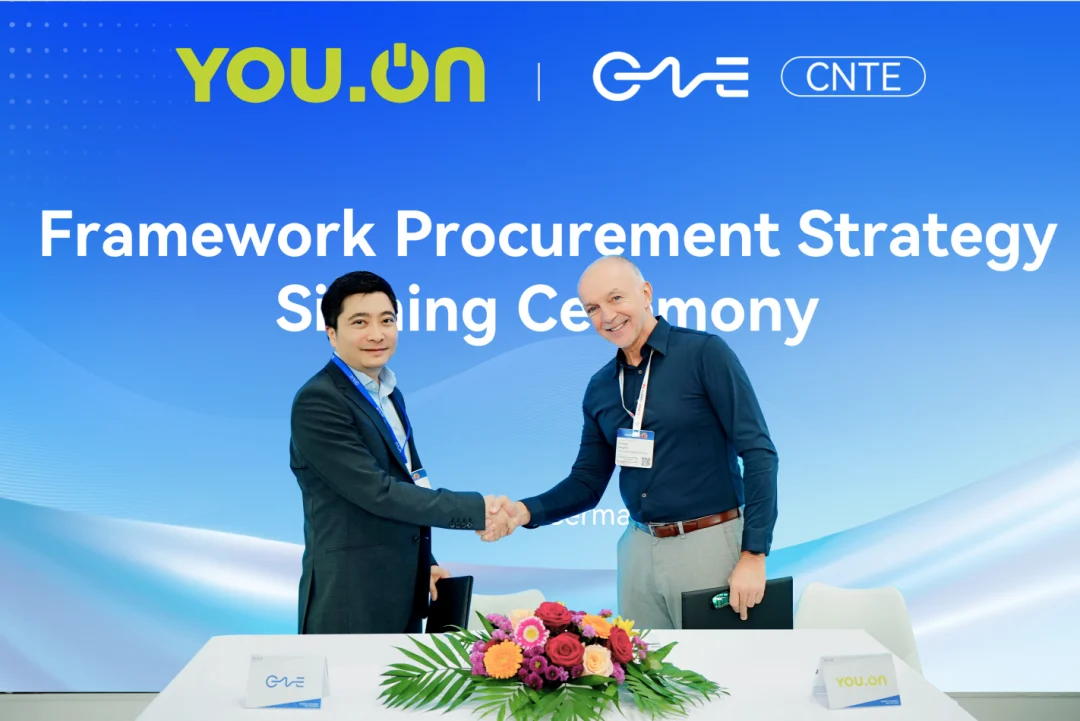
CNTE & ANDA. Rakan Kongsi ON untuk Mengembangkan Pasaran Storan
Mei 19, 2025 -
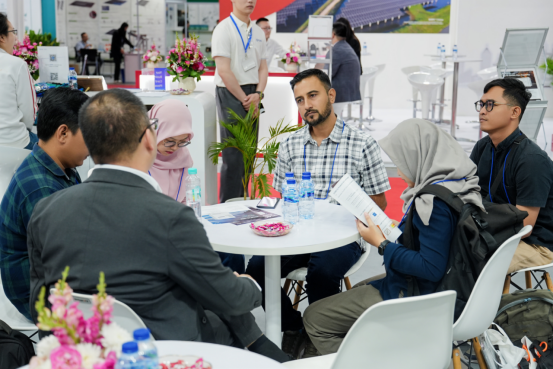
CNTE Melancarkan Barisan Penyimpanan Tenaga di Solartech 2025
Mei 19, 2025 -
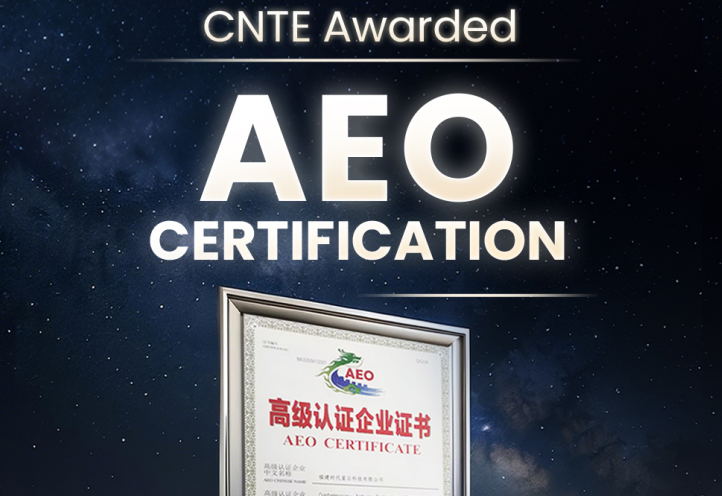
CNTE dianugerahkan pensijilan AEO
Mar 14, 2025
Tags
- 1 Storan bateri MW
- 500 Bateri KW
- 500 kw storan bateri
- 500 Harga bateri kWh
- 500 Storan bateri kWh
- 50kw storan bateri solar
- semua dalam satu bateri solar
- Bateri di rumah
- Storan tenaga berasaskan bateri
- kapasiti bateri untuk sistem suria
- Sistem Storan Elektrik Bateri
- Harga Sistem Storan Tenaga Bateri
- solar rumah bateri
- pemasangan bateri untuk solar
- Pek bateri untuk sistem suria rumah
- Pek bateri untuk sistem suria
- rumah pek bateri
- Pek bateri kWj
- Sistem Storan Kuasa Bateri
- Aplikasi Storan Bateri
- Peranti storan bateri
- Storan bateri kWj
- Harga storan bateri setiap kWj
- Pembekal Storan Bateri
- Reka bentuk sistem storan bateri
- bateri yang boleh menggerakkan rumah
- bateri ke grid
- Tenaga bateri Bess
- Sistem Suria Bess
- Tenaga boleh diperbaharui bateri yang lebih baik
- Storan bateri yang besar
- Beli Storan Bateri
- beli storan bateri solar
- stesen pengecasan
- Bateri solar Cina
- Penyelesaian Penyimpanan Tenaga Bersih
- Storan bateri kuasa solar komersial
- Kos storan bateri untuk panel solar
- Kos sistem solar dan bateri
- Kos Storan Bateri Tenaga Suria
- Sistem Penyimpanan Bateri Elektrik
- Pameran Penyimpanan Tenaga Elektrik
- pek bateri tenaga
- pek bateri penyimpanan tenaga
- Sistem Penyimpanan Tenaga Bateri litium
- Sistem Penyimpanan Tenaga Malaysia
- Harga Sistem Penyimpanan Tenaga
- Sistem Penyimpanan Tenaga Suria
- bateri teknologi tenaga
- Harga Bateri ESS
- Sistem Bateri ESS
- Bateri solar ESS
- Sistem Suria ESS
- Bateri EV untuk storan solar
- Storan solar bateri EV
- Bateri litium tenaga hijau
- bateri berkapasiti tinggi untuk panel solar
- Storan bateri hibrid
- teknologinya solar
- Storan bateri kWh
- bateri besar untuk penyimpanan solar
- bateri besar untuk penyimpanan tenaga suria
- bekas storan bateri yang besar
- sistem storan bateri yang besar
- Storan bateri solar yang besar
- sistem storan bateri solar yang besar
- bateri storan solar yang besar
- bateri komersial terbesar
- Storan bateri solar terbesar
- bateri solar terkini
- Bateri litium untuk sistem suria luar grid
- Bateri litium dari China
- Bateri litium untuk solar luar grid
- Bateri litium untuk harga sistem suria
- Storan rumah bateri litium
- pek bateri litium untuk panel solar
- Storan bateri megawatt
- Storan bateri baharu
- Storan bateri solar luar grid
- pada bateri grid
- pada storan bateri grid
- penyepaduan storan optik
- Penyimpanan tenaga luar
- kabinet bateri solar luar
- Sistem bateri PCS
- Tenaga pek kuasa
- Sel Storan Kuasa
- Harga setiap kwj storan bateri
- Panel solar PV dan storan bateri
- Storan bateri sel q
- Storan bateri pintar
- Solar & Sistem bateri
- Bateri solar dan litium
- bateri solar di dalam rumah
- bateri solar bateri
- bekas bateri solar
- Bateri solar kWj
- pengeluar bateri solar di china
- Modul bateri solar
- Kabinet Simpanan Bateri Suria
- kapasiti storan bateri solar
- bekas storan bateri solar
- pengeluar storan bateri solar
- bateri solar ke rumah kuasa
- Penyimpanan sel suria
- kapasiti storan bateri tenaga suria
- Sistem Storan Bateri Tenaga Suria
- bateri litium tenaga suria
- Harga bateri storan tenaga suria
- Harga Sistem Penyimpanan Tenaga Suria
- Teknologi Penyimpanan Tenaga Suria
- Sistem ESS Suria
- bateri grid solar
- Sistem bateri grid solar
- Harga bateri rumah solar
- bateri pemasangan solar
- Pemasangan solar dengan bateri
- bateri solar one
- Kapasiti Storan Bateri Panel Suria
- Harga Storan Bateri Panel Suria
- bateri storan tenaga panel solar
- Sistem penyimpanan tenaga panel solar
- Storan bateri litium panel solar
- Sistem Penyimpanan Kuasa Panel Suria
- bateri loji solar
- Bateri Loji Tenaga Suria
- Sistem storan PV dan bateri solar
- Sistem PV solar dengan storan bateri
- penyelesaian storan solar
- Sistem suria dan storan bateri
- solar dengan sistem bateri
- solar dengan storan bateri litium
- Sistem Penyimpanan Tenaga Kendiri
- bateri tenaga storan
- Bateri Storedge
