
7 Mérnöki követelmények a nagy akkumulátorok telepítéséhez napelemtároló rendszerekhez
A globális átmenet a decentralizált és megújuló energiatermelés felé nagymértékben függ a fotovoltaikus alapvető átmenet megoldásától (PV) Tömbök. Közüzemi vállalatok, Független villamosenergiatermelők, és nagy kereskedelmi létesítmények hatalmas napelemparkokat építenek a szén-dioxid-kibocsátás ellensúlyozására és az energiaköltségek stabilizálására. Azonban, A napenergia termelése kizárólag a déli órákban ér csúcsot, hatalmas egyensúlyhiányt teremt az energiaellátás és az esti csúcskereslet között. Ennek a szerkezeti rács tévhilegességének korrigálására, Az üzemeltetőknek kifinomult eszközöket kell telepíteniük Nagy akkumulátorok napelemtárolásra.
Megfelelő vegyi tárolókapacitás nélkül, A hálózati üzemeltetők gyakran szembesülnek súlyos túltermelési helyzetekkel. Ez a túltermelés arra kényszeríti a közműveket, hogy manuálisan csökkentsék – vagy lekapcsolják – a naperőműveket, hogy megakadályozzák a veszélyes átviteli vezetékek túlterhelését. A leszorítás több millió dollár elpazarolt működési bevételt jelent. A vállalati szintű energiatároló infrastruktúra közvetlenül megoldja ezt a problémát azzal, hogy felesleges déli energiát gyűjt össze, és pontosan akkor üríti ki, amikor a hálózati kereslet megugrik. Az iparági vezetők, mint CNTE (Kortárs Nebula Technology Energy Co., Kft.) Mérnöki Átfogó, megawatt-méretű tárolóarchitektúrák, amelyek szigorú hálózati megfelelést garantálnak, Optimalizálja a vissza-vissza hatékonyságot, és maximalizálják a kereskedelmi fejlesztők hosszú távú megtérülését.
Ezeknek a hatalmas elektromos eszközöknek a tervezése és integrálása mélyreható műszaki szakértelmet igényel. A mérnököknek értékelniük kell a kémiai topológiákat, Hőszabályozási paraméterek, Inverter kapacitások, valamint szoftvervezérelt bevétel-halmozási protokollokat. Ez a rendkívül részletes elemzés lebontja a kritikus mérnöki követelményeket a közüzemi méretű tárolólétesítmények biztonságos és nyereséges működtetéséhez.

1. A kacsa görbe mérséklése és a rács csökkentése
A "kacsagörbe" jelenség a legjelentősebb fenyegetést jelenti a modern rácsstabilitásra nézve. Miközben hatalmas mennyiségű napenergia árasztja el a hálózatot a délutáni folyamán, A hagyományos erőművek nettó kereslete hirtelen csökken. Amikor a nap lenyugszik, A napenergia termelése azonnal nullára esik, pontosan, amikor a lakossági és kereskedelmi esti energiafogyasztás csúcspontja. Ez egy agresszíven meredek felemelkedési időszakot eredményez, amelyet a hagyományos hőgenerátorok nehezen tudnak teljesíteni.
Telepítés Nagy akkumulátorok napelemtárolásra teljesen semlegesíti a kacsa görbét. A nagy kapacitású akkumulátorrendszerek elnyelik a déli termelési ugrást, hatékonyan lapítva a görbe hasát. Az esti felkészülés alatt, Az akkumulátorkezelő rendszer (BMS) azonnal parancsolja a teljesítményátalakító rendszert (PC) hogy a tárolt áramot a hálózatba vezetjék. Ez a precíz terhelés-áthelyezés megakadályozza a hirtelen feszültségeséseket, Csökkenti a mechanikai terhelést a fosszilis tüzelőanyaggal működő csúcserőmű erőműveken, és megszünteti a kényszer napenergia-csökkentéssel járó pénzügyi veszteségeket.
2. Az optimális kémiai topológia kiválasztása
Bármely kereskedelmi energiaprojekt alapvető sikere kizárólag az alapul szolgáló lítium-ion kémiától függ. Történelmileg, az iparág vita tárgyalja a nikkel-mangán-kobalt között (NMC) és lítium-vasfoszfát (LFP) Sejtek. Míg az NMC valamivel nagyobb térfogati energiasűrűséget biztosít, Az LFP vált abszolút szabványsá a statív, megawatt méretű alkalmazásokban.
Az LFP kémia robusztus olivin kristályos szerkezettel rendelkezik, amely páratlan hőstabilitást biztosít. Az LFP hő szökési küszöbértéke meghaladja a 270°C-ot, drasztikusan csökkenti a katasztrofális akkumulátortüzek kockázatát az NMC cellákhoz képest. Továbbá, Az LFP sejtek nem támaszkodnak az ingatag kobalt ellátási láncokra, ami stabilizálja a beszerzési költségeket és javítja a létesítmény környezeti lábnyomát.
- Meghosszabbított ciklusélettartam: A prémium LFP cellák könnyedén túlmutatnak 8,000 hoz 10,000 teljes töltési és kiürítési ciklusok, mielőtt lebomlnának 80% kezdeti névtábla kapacitásuk.
- A kisülés mélysége (Jön): Az LFP architektúra lehetővé teszi az operátorok számára, hogy rutinszerűen használják a következőket 95% az akkumulátor teljes kapacitásának anélkül, hogy súlyos mikrorepedést okoznának az elektródákban.
- Biztonsági tanúsítványok: Az LFP konfigurációk könnyebben átmennek a szigorú nemzetközi tűzbiztonsági teszteken, beleértve a szigorú UL 9540A hőterjedési szabványokat, amelyeket az önkormányzati tűzoltósági rendőrök követelik.
3. Fejlett hőszabályozási és folyékony hűtőrendszerek
A folyamatos töltési és kiürítési ciklusok hatalmas helyi hőt termelnek az akkumulátorállványokban. Ha a belső hőmérséklet több mint néhány fokkal változik különböző modulok között, Az egyes sejtek nagyon eltérő sebességgel bomlanak. Ez a helyi lebomlás súlyosan megbénítja az egész húr kapacitását. Működés Nagy akkumulátorok napelemtárolásra agresszív, Szigorúan szabályozott hőgazdálkodás.
A hagyományos HVAC léghűtős rendszerek egyszerűen nem képesek elég gyorsan eloszlatni a hőt a nagy sűrűséghez, Konténeres tárolórendszerek. Következésképpen, A csúcskategóriás mérnöki cégek fejlett folyékony hűtő architektúrákat alkalmaznak. A folyékony hűtés egy speciális glikol-víz keveréket közvetlenül a mikrocsatornás hideglemezeken keresztül keringtet, amelyek szorosan az akkumulátorcellákhoz helyezve helyezik el.
A folyékony hűtés technikai előnye
A folyékony hűtés hőátadási ancififigurcioncióval magasabb, mint a kényszerített levegő. Ez a technológia pontosan tartja a sejthőmérsékletet szigorúan 20°C és 25°C között, még akkor is, ha a külső környezeti hőmérséklet meghaladja a 45°C-ot. Továbbá, A folyadékhűtési architektúrák korlátozzák a hőmérséklet-különbséget (ΔT) bármely két sejt között egy megawatt tartályban 3°C-nál alacsonyabb. Ez a szigorú hőmosság garantálja a szinkronizált sejtöregedést, így maximalizálva a tárolóeszköz teljes élettartamát, és drasztikusan csökkentve a Szintelt Tárolási Költséget (LCOS).
4. AC-kapcsolt vs. DC-csatolt rendszerarchitektúrák
A hatalmas akkumulátorállványok és kiterjedt napelemes panelek integrálásához mérnököknek meg kell határozniuk az AC-csatolt vagy DC-csatolt vezeték-topológiát. A kiválasztott elektromos architektúra közvetlenül befolyásolja a kör-vissza átalakítási hatékonyságot, Hardverköltségek, és működési rugalmasság.
AC-csatolt rendszerben, A napelemek és az akkumulátorrendszer teljesen különálló invertereken működik. A napelemes DC áram vált át AC-vá, hogy belépjen a létesítmény paneljébe, majd egy dedikált akkumulátoros inverter visszaalakítja DC-re tárolásra. Ez a megoldás kivételesen működik a meglévő nagyüzemi méretű napelemparkok utólagépítéséhez, mivel nem igényel mérnököket fizikailag átkötözni a meglévő PV tömbök.
Fordítva, egy DC-csatolt topológia mind a napelemrendszert, mind az akkumulátorállványokat egyetlen egységhez köti össze, Kétirányú hibrid központi inverter. Az elektromos áram eredeti egyenáramú formájában marad, mivel közvetlenül a napelemekből az akkumulátorokba áramlik. Új integrációkor Nagy akkumulátorok napelemtárolásra, a fejlesztők erősen preferálják az egyenáramú kapcsolást. A redundáns AC/DC átalakítási lépések megszüntetésével, Az egyenáramú kapcsolás általában növeli az összvissza-vissza hatékonyságot a következőképpen 3% 5%-ra – hatalmas anyagi különbség, amikor gigawatt-óra energiaátmenetet számolunk egy 20 éves működési ciklus alatt.
5. Bevételek felhalmozódása és gazdasági életképesség
A B2B befektetők és létesítményvezetők nem kizárólag környezeti megfelelőség miatt szerzik megówattos tárolót; Nagyon kiszámítható pénzügyi megtérülést igényelnek. A kereskedelmi tárolás gazdasági indoklása nagyban a "bevételi halmozódásra" épül – az a gyakorlat, hogy egyetlen akkumulátor eszközt használnak több pénzügyileg kompzenált feladat egyszerre történő ellátására.
Fejlett energiagazdálkodási platformok optimalizálják az akkumulátor napi menetrendjét, hogy maximalizálják a belső megtérülési rátát (IRR). Vezető integrátorok, mint CNTE (Kortárs Nebula Technology Energy Co., Kft.) biztosítja a fejlett élszámítástechnikai hardvert, amely szükséges ezeknek a bonyolult pénzügyi algoritmusoknak a végrehajtásához.
- Energia-arbitrázs: A rendszer reggel a PV rendszerből fizet, amikor a nagykereskedelmi energiaárak hihetetlenül alacsonyak vagy negatívak. Ezután az esti csúcsidőben áramlik a hálózatba, hogy elérje a maximális nagykereskedelmi árakat.
- Csúcskereslet borotválkozása: Nagy ipari létesítményekhez, A közműcégek hatalmas díjakat vetnek fel havi legmagasabb 15 perces fogyasztási időszak alapján. Az akkumulátor aktívan kiürül ezeknél a speciális tüskéseken., mesterségesen csökkentve a létesítmény látszólagos terhelését, és több ezer dollárt takarítva meg a keresleti díjakban.
- Frekvencia szabályozás: A hálózatüzemeltetők prémium díjakat fizetnek azoknak a létesítményeknek, amelyek másodpercek töredékében képesek áramot befecskendíteni vagy elnyelni, hogy fenntartsák a szigorú 60Hz-es vagy 50 Hz-es hálózati frekvenciát. A gyors működésű lítium-ion rendszerek kiválóak ebben a rendkívül jövedelmező kiegészítő szolgáltatásban.

6. Intelligens akkumulátorkezelő rendszerek (BMS)
A fizikai lítium-ion celláknak rendkívül összetett digitális agyra van szükségük a biztonságos működéshez. Az akkumulátor menedzsment rendszer (BMS) a tárolóinfrastruktúra abszolút magjaként működik. Másodpercenként több ezer különböző adatpontot figyel aktívan, beleértve az egyes cellák feszültségét, Modul hőmérséklete, és lokalizált impedancia.
A BMS a katasztrofális meghibásodásokat megakadályozza azzal, hogy szigorúan betartja a működési határokat.. Ha a rendszer bejövő feszültséghullámot vagy rendellenes hőmérséklet-ugrást észlel, a BMS azonnal lekapcsolja a DC kontaktorokat, hogy elszigetelje a hibás racket a hőterjedés előtt. Továbbá, a BMS folyamatos aktív sejtkiegyensúlyozást végez. Aktívan szállítja a túltöltött cellákból származó apró mennyiségű elektromos áramot gyengébb cellákba, Biztosítva, hogy az egész megawatt tömb tökéletesen szinkronizált feszültségszintet tartson fenn.
Skálázás Nagy akkumulátorok napelemtárolásra szigorú helyszíntervezést és kimerítő hasznos összeköttetési vizsgálatokat igényel. Nem lehet egyszerűen egy 50 megawattos akkumulátort egy regionális átviteli vonalhoz csatlakoztatni anélkül, hogy bizonyítanád, hogy a helyi alállomás képes elbírni a hatalmas tömegeket, Azonnali kétirányú teljesítményáramlások.
A hálózati üzemeltetőknek kiterjedt energiaáramlási modellezésre van szükségük, Rövidzárlat-elemzés, valamint átmeneti stabilitási vizsgálatok a végleges működési engedély megadása előtt (PTO). A tárolórendszer energiaátalakító rendszere (PC) fejlett rácskövetési és rácsformáló képességeket kell bemutatnia. Aktívan kell reaktív energia-támogatást biztosítania (VAR-ok) a helyi átviteli feszültségek stabilizálása, szigorúan betartva a nemzetközi hálózati kódokat, mint az IEEE 1547 valamint helyi önkormányzati összeköttetési szabályok.
Rendkívül nyereséges üzemeltetés, A közműves méretű megújuló energia létesítmények sokkal többet igényelnek, mint a hatalmas fotovoltaikus panelek mezői. Valódi energia autonómia, rács stabilitása, és a maximális pénzügyi hozamhoz rendkívül fejlett vegyi tárolási integrációt igényel. Sejtkémiai elemzéssel, A folyadékhődinamika optimalizálása, valamint többszintű, bevétel-halmozó szoftver bevezetése, Mérnöki beszerzési cégek rendkívül ellenálló energiahálózatokat építenek.
A globális átmenet a teljesen dekarbonizált üzemmódra, A decentralizált elektromos hálózat teljes mértékben a Nagy akkumulátorok napelemtárolásra. Ezek a hatalmas eszközök véglegesen megoldják a napelemes megszakításokat, és megvédik a kereskedelmi szolgáltatókat a ingatagságos közműárazástól. A bizonyított cégekkel való együttműködés révén, olyan vállalati szintű gyártók, mint CNTE (Kortárs Nebula Technology Energy Co., Kft.), A kereskedelmi fejlesztők biztosítják a robusztus hardvert és az intelligens algoritmusokat, amelyek szükségesek a gyorsan fejlődő nemzetközi energiaszektor uralásához.
Gyakran Ismételt Kérdések (GYIK)
1. kérdés: Mennyi a üzemi élettartam egy közüzemi méretű napelemes rendszer?
A1: Prémium lítium-vas-foszfát használatakor (LFP) kémia párosítva rendkívül precíz folyékony hűtéssel, Nagy kereskedelmi akkumulátorrendszerek rendszeresen érnek el 8,000 hoz 10,000 Ciklus. A szokásos napi töltési és elbocsátási rutin szerint, Ez hatékony működési élettartamot jelent 15 hoz 20 évekkel azelőtt, hogy sejtbővítést vagy cserét igényelt volna.
Q2: Hogyan befolyásolja a C-sebesség a nagy energiatároló rendszerek teljesítményét?
A2: A C-sebesség pontosan meghatározza, hogy az akkumulátor töltése vagy kiürülése sebessége a maximális kapacitásához viszonyítva. Az 1C-es sebesség azt jelenti, hogy az akkumulátor egy óra alatt teljesen lemerül. A napelemes tárolás általában alacsonyabb C-sebességű adatokat alkalmaz (például 0,25C vagy 0,5C, 4 vagy 2 órás időtartamot jelent) a ciklus élettartamának optimalizálása és a hosszabb esti terhelésváltás támogatása a gyors frekvenciaválasz helyett.
Q3: Miért tekintenek a folyékony hűtést szigorúan jobbnak a légi hűtésnél a kereskedelmi akkumulátorok esetében??
A3: A folyékony hűtőfolyadék sokkal magasabb hővezetőképességgel bír, mint a kényszerített levegő. Közvetlenül eltávolítja a helyi hőt a sejtekből, 3°C alatti hőmérséklet-különbséget tartva hatalmas megawattos terítéseken. Ez a pontos hőmosság megakadályozza az elszigetelt sejtleromlást, és drasztikusan növeli az egész eszköz pénzügyi életképességét.
4. kérdés: Milyen konkrét biztonsági előírások vonatkoznak a hatalmas lítium-ion tárolóhelyek telepítésére?
A4: A mérnököknek szigorúan be kell tartaniuk a szigorú nemzetközi előírásokat, elsősorban NFPA 855 (Szabvány a statsionárius energiatároló rendszerek telepítésére) és UL 9540. Továbbá, az adott akkumulátor moduloknak át kell menniük az UL 9540A teszten, amely agresszíven értékeli a rendszer képességét a fizikai hő elszökésére anélkül, hogy a tüzet a szomszédos felszerelésállványokra terjesztené.
5. kérdés: Mi a DC-csatolt tárolótopológia fő működési előnye az AC-csatolthoz képest?
A5: A DC-csatolt topológiák megszüntetik a redundáns és rendkívül hatástalan AC-to-DC átalakítási ciklusokat. Mivel a napelemek natívan DC-t termelnek, az akkumulátorok pedig natívan tárolnak DC-energiát, Az energia közvetlen irányítása a tömbből a tárolóállványokba egyetlen hibrid inverteren keresztül több százalékponttal növeli az összvissza-vissza hatékonyságot, a maximális energiahozamot elfogva.
Lépjen kapcsolatba velünk
Legutóbbi bejegyzések
-

A CNTÉ A KEY ENERGY-nél 2026: Bemutatója a STAR H-PLUS kültéri folyadékhűtéses energiatároló rendszert
Mar 05, 2026 -

A CNTE kitüntetve a következőképpen 2025 Forbes Kína vezető globális márka
Nov 12, 2025 -

CNTE & TE. Az ON partner a tárolási piacok bővítésére
Május 19, 2025 -
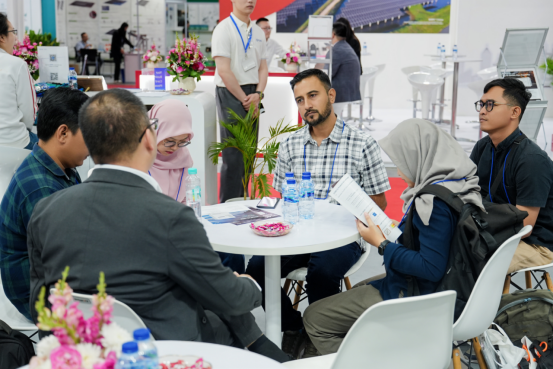
A CNTE bemutatja energiatároló termékcsaládját a Solartech-en 2025
Május 19, 2025 -
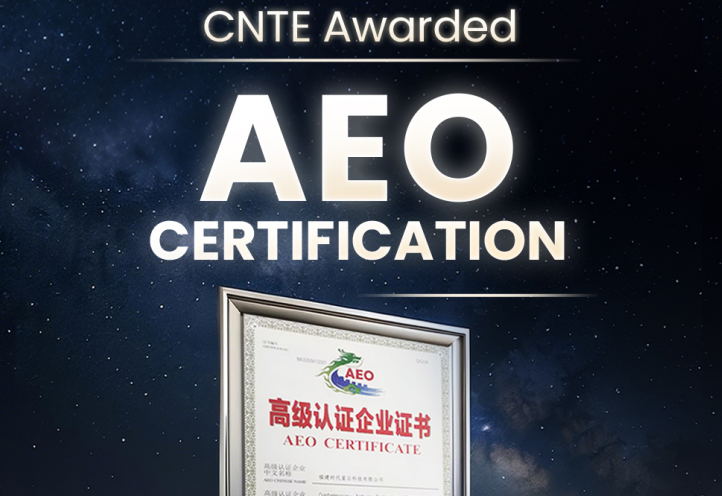
A CNTE AEO tanúsítványt kapott
Mar 14, 2025
Címkék
- 1 MW akkumulátoros tárolás
- 500 kW akkumulátor
- 500 kW akkumulátoros tárolás
- 500 kWh akkumulátor ára
- 500 kWh akkumulátor tárolás
- 50kW napelemes akkumulátor tárolás
- mind egy napelemben
- Otthoni akkumulátor
- Akkumulátoros energiatárolás
- Naprendszer akkumulátorkapacitása
- Akkumulátoros elektromos tárolórendszer
- Akkumulátor energiatároló rendszer ára
- Akkumulátorház napeleme
- Napelem akkumulátor telepítése
- Akkumulátorcsomag otthoni napelemrendszerhez
- Naprendszer akkumulátorcsomagja
- Akkumulátorcsomag ház
- akkumulátorcsomag kWh
- Akkumulátoros energiatároló rendszerek
- Akkumulátoros tárolási alkalmazások
- akkumulátoros tárolóeszköz
- akkumulátor tárolás kWh
- akkumulátor tárolási ár kwh-nként
- Akkumulátoros tároló beszállítók
- Akkumulátoros tárolórendszer tervezése
- Akkumulátor, ami képes egy házat működtetni
- akkumulátor hálózatba
- BESS akkumulátor energia
- Bess Naprendszer
- Jobb akkumulátoros megújuló energia
- Nagy akkumulátoros tároló
- Akkumulátoros tárolás vásárlása
- Vásárolj napelemes akkumulátor-tárolót
- töltőállomás
- Kínai napelemek
- Tiszta energia-tároló megoldások
- Kereskedelmi napelemes akkumulátor-tárolás
- Napelemek akkumulátortárolásának költsége
- A napelem- és akkumulátorrendszer költsége
- A napenergia-akkumulátor tárolás költsége
- Elektromos akkumulátor-tárolórendszer
- Elektromos energia-tároló kiállítás
- Energiaakkumulátor csomag
- Energiatároló akkumulátorcsomag
- Energiatároló rendszer lítium akkumulátor
- Energiatároló rendszer Malajzia
- Energiatároló rendszer ára
- Energiatároló rendszer napelemes
- Energy Tech akkumulátor
- ESS akkumulátor ára
- ESS akkumulátor rendszer
- ESS napelem akkumulátor
- ESS Naprendszer
- EV akkumulátor napelemtárolásra
- EV akkumulátoros napelemes tárolás
- Green Energy lítium akkumulátor
- Nagy kapacitású akkumulátor napelemekhez
- Hibrid akkumulátoros tárolás
- technológiája napelemes
- kWh akkumulátor tárolás
- Nagy akkumulátorok napelemtárolásra
- Nagy akkumulátor napenergia-tárolásra
- Nagy akkumulátortároló tartály
- Nagy akkumulátoros tárolórendszerek
- Nagy napelemes akkumulátor-tároló
- Nagy napelemes akkumulátor-tárolórendszerek
- Nagy napelemes akkumulátorok
- A legnagyobb kereskedelmi akkumulátor
- A legnagyobb napelemes akkumulátor-tároló
- legújabb napelemek
- Lítium akkumulátorok hálózaton kívüli naprendszerhez
- Kínából származó lítium akkumulátorok
- lítium akkumulátor hálózaton kívüli napelemhez
- lítium akkumulátor napelem áraért
- lítium akkumulátoros otthoni tárolás
- Lítium akkumulátorcsomagok napelemekhez
- megawatt akkumulátoros tárolás
- új akkumulátor-tároló
- Hálózaton kívüli napelemes akkumulátor tárolás
- Hálózati akkumulátoron
- Hálózati akkumulátor tároláson
- Optikai tároló integráció
- Kültéri energiatárolás
- Kültéri napelemes szekrény
- PCS akkumulátor rendszer
- Teljesítménycsomag energia
- Energiatároló cellák
- Ár kWh akkumulátor tárolásért
- PV napelemek és akkumulátoros tároló
- Q-sejtes akkumulátor tárolás
- Okos akkumulátoros tárolás
- nap & Akkumulátorrendszer
- Napelemes és lítium akkumulátorok
- Napelemek a házban
- Napelem akkumulátor
- Napelemes akkumulátor tartály
- napeleme kWh
- Napeleme gyártók Kínában
- Napelem akkumulátor modul
- Napelemes akkumulátor tárolószekrény
- Napelemes akkumulátor tárolókapacitás
- Napelemes akkumulátor tárolótartály
- Napelemes akkumulátor-tároló gyártók
- Napelemes akkumulátor a Power House-hoz
- Napelem tárolás
- Napenergia-akkumulátor tárolókapacitás
- Napenergia-akkumulátor tárolórendszer
- Napenergia lítium akkumulátor
- Napenergia-tároló akkumulátor ára
- Napenergia-tároló rendszer ára
- Napenergia-tároló technológia
- Napenergia ESS rendszer
- Napelemes hálózati akkumulátor
- Napelemes hálózati akkumulátorrendszer
- Napelemes ház akkumulátor ára
- Napelemes telepítési akkumulátor
- Napelemes telepítés akkumulátorral
- Solar One akkumulátorok
- Napelem akkumulátor tárolókapacitás
- Napelem akkumulátor tárolására
- Napelem energiatároló akkumulátor
- Napelemes energiatároló rendszerek
- Napelemes lítium akkumulátor tárolás
- Napelemes energiatároló rendszer
- Napelemes üzem akkumulátora
- Naperőmű akkumulátora
- Napelemes PV és akkumulátoros tárolórendszerek
- Napelemes PV rendszer akkumulátoros tárolással
- Napelemes tárolási megoldások
- Naprendszer és akkumulátor-tárolás
- Napelemes elemrendszerrel
- Napeleme lítium akkumulátor-tárolóval
- Önálló energiatároló rendszerek
- Tárolóenergia-akkumulátor
- Storedge üteg
