
5 Estrategias de ingeniería para dimensionar una batería solar para alimentar infraestructuras domésticas
Las redes eléctricas modernas se enfrentan a un estrés mecánico sin precedentes debido a fenómenos meteorológicos extremos, Infraestructura de transmisión envejecida, y el aumento de la demanda eléctrica. Los propietarios y gestores de instalaciones ya no ven la independencia energética como un lujo, sino más bien como un requisito operativo fundamental. Asegurando un entorno fiable, La fuente de energía descentralizada protege los activos residenciales de apagones impredecibles y tarifas volátiles de las compañías eléctricas. Despliegue exitoso de una Batería solar a la central eléctrica Las redes requieren ingeniería precisa, Cálculo riguroso de carga, y electrónica de potencia sofisticada.
Simplemente conectar módulos de batería a paneles solares existentes suele provocar un rendimiento grave por debajo del sistema o un fallo prematuro completo del hardware. Una microrred residencial optimizada exige una integración fluida entre la energía fotovoltaica (PV) generación, Almacenamiento químico de energía, y software inteligente de gestión energética. Fabricantes líderes en la industria como CNTE (Tecnología contemporánea de la nebulosa Energy Co., Ltd.) Diseña soluciones integrales de almacenamiento de energía para escenarios completos que cubran la enorme brecha entre la generación solar intermitente y el consumo residencial continuo.
Este análisis técnico examina los parámetros eléctricos críticos, Topologías de hardware, y métricas económicas necesarias para diseñar un sistema eléctrico residencial autónomo. Estandarizando el proceso de integración, Los profesionales de la energía aseguran que los activos de almacenamiento descentralizados ofrezcan la máxima eficiencia en los viajes de ida y vuelta y una resiliencia de red sin concesiones.

La arquitectura técnica del almacenamiento de energía residencial
Evaluar la composición química de las celdas de almacenamiento es la base absoluta de cualquier proyecto energético exitoso. La industria se basa principalmente en dos químicas distintas de iones de litio: Fosfato de hierro y litio (LFP o LiFePO4) y Níquel Manganeso Cobalto (NMC). Mientras que las células NMC ofrecen mayor densidad energética, Reduciendo así la huella física del armario de baterías, Poseen inherentemente umbrales de estabilidad térmica más bajos.
Para aplicaciones residenciales, los ingenieros especifican abrumadoramente la química de los LFP. Las células LFP demuestran una estabilidad térmica excepcional, resistiendo completamente los eventos de descontrol térmico a temperaturas donde las células NMC suelen fallar. Además, La química de los LFP proporciona una vida útil operativa significativamente más larga, a menudo superando 6,000 Para 8,000 Ciclos completos de carga y descarga antes de degradarse a 80% de su capacidad original de nombre. Esta longevidad química asegura fundamentalmente la viabilidad financiera a largo plazo de la instalación.
Gestión de la profundidad de caudal (Venirse) y capacidad
Comprender la estricta diferencia entre la capacidad teórica de la placa de nombre y la capacidad útil práctica evita un desastroso subdimensionamiento del sistema. Operando una Batería solar a la central eléctrica las cargas requieren efectivamente una estricta adherencia a una profundidad de descarga específica (Venirse) Límites. Vaciar repetidamente una batería de iones de litio hasta el cero por ciento daña gravemente la estructura celular interna y acelera la degradación química.
Sistemas avanzados de gestión de baterías (BMS) Restringe activamente el ciclo de descarga, típicamente limitando el máximo DoD a 80% o 90%. Por lo tanto, una batería comercializada con un 10 La capacidad de la placa de nombre de kWh podría solo proporcionar 8.5 kWh de energía utilizable real. Los ingenieros deben utilizar esta métrica de energía utilizable—no la capacidad de la placa en bruto—al realizar sus cálculos de sostenimiento de carga altamente críticos.
Superando la inestabilidad de la red y las tarifas de servicios públicos
Las compañías eléctricas hacen una transición activa de los consumidores hacia un horario de uso complejo (ADEMÁS) Estructuras de facturación y cargos agresivos por demanda en picos. Durante las horas de alta demanda por la tarde, Las tarifas eléctricas de la compañía eléctrica suelen triplicarse. Un sistema inteligente de almacenamiento residencial ejecuta un arbitraje energético preciso para evitar por completo estos cargos punitivos.
El software de control obliga al sistema a almacenar el exceso de energía solar durante la mañana y la tarde, cuando las tarifas de la compañía siguen siendo bajas. Al atardecer y comenzar las tarifas elevadas de servicios públicos, El controlador descarga sin problemas la energía almacenada de la batería para sostener las cargas domésticas. Esta técnica precisa de desplazamiento de carga aplana matemáticamente el perfil de consumo de la propiedad y neutraliza el aumento de las facturas de servicios.
Isla autónoma y formación de microredes
Los inversores solares estándar conectados a la red se apagan instantáneamente en el momento en que falla la red principal. Esta protección obligatoria contra la isla evita que los paneles solares alimenten electricidad de alta tensión de nuevo en las líneas de transmisión rotas, lo que pone en peligro activamente a los equipos de reparación de servicios públicos. Para proporcionar una verdadera resiliencia ante los apagones, La infraestructura de almacenamiento debe utilizar sofisticadas capacidades de formación de redes.
Al detectar un fallo total de la red, el Interruptor Automático de Transferencia del sistema (ATS) aísla físicamente la propiedad de la red externa de servicios en milisegundos. El inversor primario que forma la red establece entonces su propia onda sinusoidal estable de 60Hz o 50Hz. Esto permite que la localización Batería solar a la central eléctrica Infraestructura de forma segura, funcionando como un sistema completamente independiente, microrred autosuficiente hasta que la compañía eléctrica principal restablezca la energía.
Cálculo exacto de las cargas eléctricas y la capacidad del inversor
Dimensionar adecuadamente la arquitectura de almacenamiento requiere un análisis detallado de las necesidades eléctricas específicas de la propiedad. Los ingenieros separan estrictamente la capacidad energética total (medido en kilovatios-hora, Kwh) desde la capacidad de entrega instantánea de energía (medido en kilovatios, KW). Un banco de baterías masivo no aporta valor si el inversor conectado no puede suministrar suficiente corriente instantánea para arrancar aparatos mecánicos pesados.
- Potencia continua: El inversor debe mantener simultáneamente la potencia combinada de funcionamiento de electrodomésticos estándar como los frigoríficos, Luces, y ordenadores.
- Capacidad de pico de pico: Motores de inducción pesados, específicamente compresores HVAC y bombas de pozo profundo, requieren picos de corriente masivos (Amperes de rotor bloqueados o LRA) durante fracciones de segundo durante el arranque. La clasificación de sobretensión del inversor debe superar explícitamente estas corrientes combinadas de arranque para evitar fallos de sobrecarga del sistema.
- Paneles de carga crítica: En lugar de respaldar todo el cuadro eléctrico principal, Los instaladores suelen aislar los circuitos esenciales en un subcuadro dedicado. Esta segregación estratégica de carga garantiza que la batería no desperdicie energía finita en electrodomésticos no esenciales como calefactores eléctricos de piscina o iluminación exterior decorativa durante una emergencia.
Evaluación de AC-Coupled vs. Topologías acopladas en CC
Integrar el almacenamiento químico con la generación fotovoltaica requiere elegir entre dos topologías de cableado distintas: Acoplamiento de CA o Acoplamiento de CC. La arquitectura seleccionada influye directamente en la eficiencia global del sistema en el recorrido y vuelta y dicta la complejidad de la instalación física.
Los sistemas acoplados en corriente continua conectan los paneles solares y la matriz de baterías a una sola, inversor híbrido altamente avanzado. Porque la electricidad permanece en corriente continua (DC) Se forma al fluir desde los paneles solares directamente hacia las baterías, El sistema evita múltiples ciclos de inversión redundantes. Esta vía directa maximiza la retención de energía y elimina las pérdidas de conversión. El acoplamiento DC es la mejor opción de ingeniería para construcciones residenciales nuevas.
En cambio, Los sistemas acoplados de CA utilizan inversores solares y inversores de baterías separados. La energía solar de corriente continua se convierte en corriente alterna, Fluye a través del panel de la casa, y luego vuelve a convertir a corriente continua para entrar en la batería. Aunque inherentemente menos eficientes debido a estos múltiples pasos de conversión, El acoplamiento de aire acondicionado destaca en situaciones de adaptación donde el propietario ya posee un panel solar existente. Proveedores de soluciones premium como CNTE (Tecnología contemporánea de la nebulosa Energy Co., Ltd.) Diseñar hardware altamente adaptable que adapte ambas topologías sin problemas, garantizando la estabilidad operativa independientemente de las restricciones existentes del sitio.

Sistemas avanzados de gestión energética (EMS)
Las celdas físicas de litio y la electrónica de potencia representan simplemente el músculo hardware de la microrred residencial; el Sistema de Gestión Energética (EMS) funciones como cerebro analítico. Los controladores modernos procesan miles de puntos de datos por segundo para optimizar dinámicamente las secuencias de carga y descarga.
Las plataformas EMS de nivel empresarial establecen conexiones API seguras con servicios globales de predicción meteorológica. Si el algoritmo predictivo detecta un sistema de tormentas severas o una densa cobertura nubosa de varios días, El software anula automáticamente los protocolos estándar de descarga en el tiempo de uso. Ordena preventivamente al sistema que cargue el banco de baterías a 100% Capacidad directamente de la red eléctrica, priorizar la seguridad energética absoluta sobre el arbitraje diario de tarifas.
Además, Los algoritmos de aprendizaje automático monitorizan continuamente los hábitos de consumo del hogar. El software perfila patrones de uso exactos, reconociendo exactamente cuándo suele iniciarse el sistema HVAC o cuándo se enchufan los vehículos eléctricos. Este modelado predictivo de carga garantiza que Batería solar a la central eléctrica Los sistemas funcionan a máxima eficiencia absoluta, Ampliando la vida útil operativa de todos los componentes de hardware conectados.
Análisis de métricas financieras y LCOE
Los instaladores B2B y los gestores de instalaciones residenciales deben evaluar estrictamente las métricas financieras precisas del almacenamiento descentralizado. El modelo eléctrico tradicional se basa en el gasto operativo perpetuo (OPEX) Pagado directamente a la compañía eléctrica. La transición al almacenamiento local requiere un gasto de capital inicial significativo (CAPEX) para los módulos de litio, inversores híbridos, y mano de obra profesional para la instalación.
Los ingenieros calculan el coste nivelado del almacenamiento (LCOS) y Coste Nivelado de la Energía (LCOE) para demostrar claramente el retorno de la inversión a largo plazo. Dividiendo el coste total de vida útil del sistema por el total de megavatios-hora (MWh) de energía que descargará a lo largo de su vida útil de 10 a 15 años, los analistas determinan el coste exacto por kWh de la energía almacenada.
Cuando las tarifas de servicios públicos aumentan de forma constante 4% Para 6% anualmente, el LCOE fijo de un sistema de almacenamiento residencial resulta muy atractivo. El sistema básicamente fija los costes energéticos de la propiedad durante la próxima década. Adicionalmente, Aprovechando programas de servicios de red localizados, como la Central Eléctrica Virtual (VPP) Agregación, Permite a los propietarios vender activamente la energía de las baterías almacenadas a la compañía eléctrica durante los picos de tensión en la red, generando tangible, Ingresos directos que aceleran rápidamente el punto de equilibrio.
Alejar una propiedad residencial de la dependencia total de la compañía requiere mucho más que simplemente instalar paneles solares. La verdadera resiliencia de la red y la autonomía financiera exigen un almacenamiento químico sofisticado, Electrónica de potencia robusta, y software predictivo inteligente. Analizando en profundidad los requerimientos de energía continua, Cálculo preciso de corrientes de sobretensión del motor, y desplegar la topología híbrida óptima de inversor, Los ingenieros protegen con éxito la infraestructura residencial crítica frente a fallos sistémicos en la red.
Integrando una estructura fuertemente diseñada Batería solar a la central eléctrica La instalación garantiza protección inmediata frente al aumento de las tarifas eléctricas y apagones locales catastróficos. A medida que los fenómenos meteorológicos extremos se multiplican y la estabilidad centralizada de la red se deteriora, El almacenamiento de energía localizado pasa de un sistema de respaldo secundario al mecanismo principal para la gestión energética de la propiedad. Colaborar con líderes industriales consolidados como CNTE (Tecnología contemporánea de la nebulosa Energy Co., Ltd.) proporciona la fiabilidad del hardware y los algoritmos de control inteligentes necesarios para mantener la continuidad, Autonomía de poder intransigente.
Preguntas frecuentes (Preguntas más frecuentes)
Q1: ¿Cuál es la diferencia clara entre las capacidades nominales de kW y kWh de una batería??
A1: El kilovatio (KW) La clasificación define la potencia instantánea máxima que el sistema puede suministrar en un momento específico para arrancar electrodomésticos pesados como los aires acondicionados. El kilovatio-hora (Kwh) La clasificación define el volumen total de energía almacenada dentro de la batería, Lo que determina exactamente cuánto tiempo pueden funcionar esos aparatos antes de que la batería se agote por completo.
P2: ¿Puedo desconectarme legalmente de la red eléctrica principal por completo??
A2: Aunque técnicamente factible, Llevar una propiedad completamente fuera de la red requiere sobredimensionar enormemente la instalación solar y la capacidad de almacenamiento para hacer frente a tormentas invernales de varios días. La mayoría de los ingenieros recomiendan encarecidamente mantener la conexión a la red y utilizar la Batería solar a la central eléctrica Funciona como microrred autónoma solo durante cortes específicos o en periodos de mayor frecuencia.
P3: ¿Qué mide exactamente la eficiencia de ida y vuelta en un sistema de almacenamiento de energía??
A3: La eficiencia de ida y vuelta calcula matemáticamente el porcentaje de energía perdida durante el complejo proceso de carga y descarga. Porque los inversores consumen pequeñas cantidades de energía para convertir la electricidad de corriente continua en corriente alterna, y las celdas de batería generan un ligero calor térmico durante la carga, un sistema podría almacenar 10 kWh pero solo salida 9 Kwh. Ese escenario específico representa un 90% Eficiencia de ida y vuelta.
P4: ¿Por qué los ingenieros prefieren el fosfato de litio-hierro (LFP) sobre las químicas NMC para viviendas?
A4: La química de los LFP ofrece una estabilidad térmica drásticamente superior, eliminando prácticamente el peligroso riesgo de descontrolamiento térmico e incendios en baterías. Adicionalmente, Las células LFP soportan ciclos de carga/descarga significativamente más largos que las células NMC, proporcionando una vida útil operativa mucho más larga, lo que mejora directamente el ROI financiero a largo plazo del sistema.
P5: ¿Requiere un sistema de almacenamiento localizado mantenimiento físico rutinario??
A5: Los sistemas modernos de iones de litio son en gran parte de estado sólido y no requieren ningún mantenimiento de fluidos activos, a diferencia de las anticuadas baterías de plomo-ácido inundadas. Sin embargo, Los operadores del sistema deben asegurarse de que los ventiladores externos de refrigeración de los inversores híbridos permanezcan libres de residuos físicos, y deben verificar periódicamente que el Sistema de Gestión Energética (EMS) mantiene un establo, Conexión segura a internet para actualizaciones críticas de firmware.
Póngase en contacto
Entradas recientes
-

CNTE en KEY ENERGY 2026: Presenta el Sistema de Almacenamiento de Energía Exterior Refrigerado por Líquido STAR H-PLUS
Estropear 05, 2026 -

CNTE Honrado como 2025 Forbes China Marca Global Líder
Nov 12, 2025 -
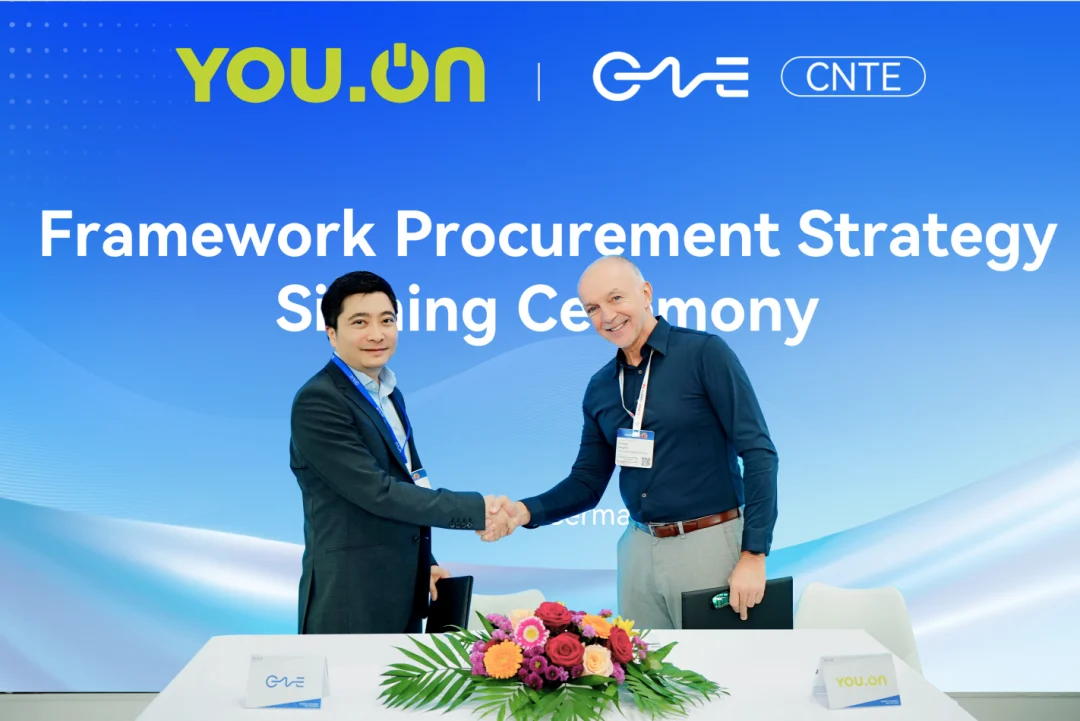
CNTE & TÚ. ON se asocia para expandir los mercados de almacenamiento
Mayo 19, 2025 -
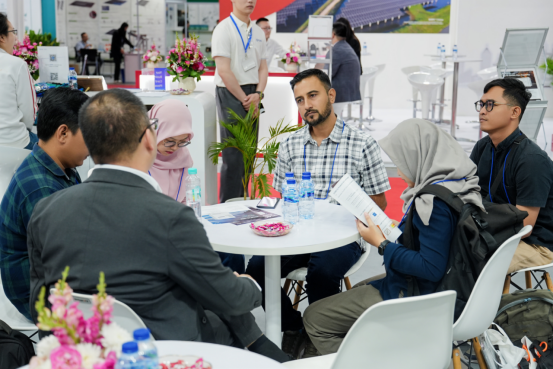
CNTE presenta su línea de almacenamiento de energía en Solartech 2025
Mayo 19, 2025 -
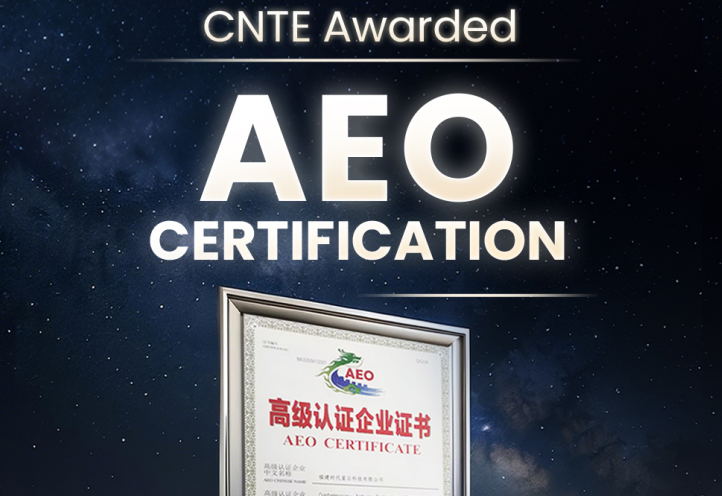
CNTE recibe la certificación OEA
Estropear 14, 2025
Etiquetas
- 1 Almacenamiento de baterías MW
- 500 Batería de kW
- 500 Almacenamiento de baterías de KW
- 500 Precio de la batería kWh
- 500 Almacenamiento en baterías de kWh
- 50Almacenamiento solar de baterías de kW
- Batería solar todo en uno
- Batería en casa
- Almacenamiento de energía basado en baterías
- Capacidad de baterías para el sistema solar
- Sistema de almacenamiento eléctrico por batería
- Precio del sistema de almacenamiento de energía por baterías
- Solar de la casa de baterías
- Instalación de baterías para energía solar
- Paquete de baterías para sistema solar doméstico
- Paquete de baterías para sistema solar
- Casa del paquete de baterías
- Paquete de baterías kWh
- Sistemas de almacenamiento de energía por batería
- Aplicaciones de almacenamiento en baterías
- Dispositivo de almacenamiento de baterías
- Almacenamiento de baterías kWh
- Precio de almacenamiento de baterías por kWh
- Proveedores de almacenamiento de baterías
- Diseño de sistemas de almacenamiento por baterías
- batería que puede alimentar una casa
- Batería a red
- Energía de la batería Bess
- Sistema Solar Bess
- Mejor energía renovable en baterías
- Almacenamiento de grandes baterías
- Compra almacenamiento en baterías
- Compra almacenamiento solar por baterías
- estación de carga
- Baterías solares chinas
- Soluciones de almacenamiento de energía limpia
- Almacenamiento solar comercial en baterías
- Coste del almacenamiento en baterías para paneles solares
- Coste del sistema solar y de baterías
- Coste del almacenamiento de baterías de energía solar
- Sistema de almacenamiento eléctrico de baterías
- Exposición de almacenamiento de energía eléctrica
- Paquete de baterías de energía
- Paquete de baterías de almacenamiento de energía
- Sistema de almacenamiento de energía Batería de litio
- Sistema de almacenamiento de energía Malasia
- Precio del sistema de almacenamiento de energía
- Sistema de almacenamiento de energía solar
- Batería Energy Tech
- Precio de la batería ESS
- Sistema de baterías ESS
- Batería solar ESS
- Sistema solar ESS
- Batería de VE para almacenamiento solar
- Almacenamiento solar en baterías de vehículos eléctricos
- Batería de litio de energía verde
- Batería de alta capacidad para paneles solares
- Almacenamiento híbrido de baterías
- Su tecnología solar
- Almacenamiento en baterías de kWh
- Baterías grandes para almacenamiento solar
- Batería grande para almacenamiento de energía solar
- contenedor grande de almacenamiento de baterías
- Grandes sistemas de almacenamiento en baterías
- Almacenamiento de baterías solares grandes
- Grandes sistemas de almacenamiento de baterías solares
- Grandes baterías solares de almacenamiento
- Batería comercial más grande
- mayor almacenamiento solar de baterías
- Últimas baterías solares
- baterías de litio para sistemas solares fuera de red
- Baterías de litio de China
- Batería de litio para energía solar fuera de la red
- Batería de litio para el precio del sistema solar
- Almacenamiento doméstico con baterías de litio
- Paquetes de baterías de litio para paneles solares
- Almacenamiento de baterías de megavatios
- Nuevo almacenamiento de baterías
- Almacenamiento solar en baterías fuera de la red
- Batería en red
- Almacenamiento de baterías en red
- Integración de almacenamiento óptico
- Almacenamiento de energía al aire libre
- Armario exterior de baterías solares
- Sistema de baterías PCS
- Energía del paquete de energía
- Celdas de almacenamiento de energía
- Precio por kWh de almacenamiento de baterías
- Paneles solares fotovoltaicos y almacenamiento en baterías
- Almacenamiento de batería de celda Q
- Almacenamiento inteligente en baterías
- solar & Sistema de baterías
- Solares y baterías de litio
- Baterías solares dentro de la casa
- Batería solar
- Contenedor de baterías solares
- Batería solar kWh
- Fabricantes de baterías solares en China
- Módulo de batería solar
- Armario de almacenamiento de baterías solares
- Capacidad de almacenamiento de baterías solares
- Contenedor de almacenamiento de baterías solares
- Fabricantes de almacenamiento de baterías solares
- Batería solar a la central eléctrica
- Almacenamiento de células solares
- Capacidad de almacenamiento de baterías de energía solar
- Sistema de almacenamiento por baterías de energía solar
- Batería de litio de energía solar
- Precio de la batería de almacenamiento de energía solar
- Precio del sistema de almacenamiento de energía solar
- Tecnología de almacenamiento de energía solar
- Sistema solar ESS
- Batería de la red solar
- Sistema de baterías de la red solar
- Precio de la batería solar para casas
- Batería de instalación solar
- Instalación solar con batería
- Baterías Solar One
- Capacidad de almacenamiento en baterías de paneles solares
- Precio del almacenamiento por batería de paneles solares
- Batería de almacenamiento de energía para paneles solares
- Sistemas de almacenamiento de energía para paneles solares
- Almacenamiento de baterías de litio de paneles solares
- Sistema de almacenamiento de energía de paneles solares
- Batería de la planta solar
- Batería de planta solar
- Sistemas solares fotovoltaicos y de almacenamiento en baterías
- Sistema solar fotovoltaico con almacenamiento en baterías
- Soluciones de almacenamiento solar
- Sistema solar y almacenamiento en baterías
- Solar con sistema de baterías
- Solar con almacenamiento de baterías de litio
- Sistemas de almacenamiento de energía independientes
- Batería de energía de almacenamiento
- Batería Storedge
