
تركيب تخزين الطاقة: الهندسة، السلامة والامتثال لمشاريع B2B
تنفيذ تركيب تخزين الطاقة على نطاق واسع يتطلب أكثر من مجرد شراء المعدات - إنه يتطلب تكامل نظام دقيق، وتكييف البنية التحتية الكهربائية، والتحقق من السلامة بشكل صارم. بالنسبة لمطوري المشاريع B2B، ومقاولي EPC، ومشغلي المنشآت، يجب أن تعالج كل مرحلة من دراسة الجدوى إلى التشغيل القيود الموقعية، والقوانين المحلية، وموثوقية التشغيل على المدى الطويل. CNTE (Contemporary Nebula Technology Energy Co., Ltd.) تقدم حلول هندسية جاهزة تربط الفجوة بين أداء خلايا البطارية وموثوقية الأصول المثبتة في الميدان.
تستعرض هذه الدليل المتغيرات التقنية التي تحدد نجاح تركيب تخزين الطاقة، بما في ذلك اختيار الطوبولوجيا الكهربائية، واستراتيجيات إدارة الحرارة، وتنسيق الحماية، والأمن السيبراني لموارد الطاقة الموزعة. كما نقوم بتحليل نقاط الألم الخاصة بالقطاع مع الضوابط الهندسية المقابلة - مستندين إلى بيانات الميدان والمعايير الدولية (IEC 62477، UL 9540، NFPA 855). سواء كنت تخطط لتقليل الذروة خلف العداد أو تنظيم التردد أمام العداد، فإن هذه الممارسات تضمن أداء نظام يمكن الاعتماد عليه.
فهرس المحتويات cntepower 1 1. الطبقات التقنية الأساسية في تركيب تخزين الطاقة الحديثة 2 2. التحديات المحددة للتطبيقات & التدابير الهندسية المضادة 2.1 2.1 تصنيع وتقليل ذروة الصناعة 2.2 2.2 تعزيز الطاقة المتجددة وخدمات الشبكة المساعدة 2.3 2.3 تشغيل الشبكة الصغيرة والتشغيل المعزول 3 3. عملية التركيب خطوة بخطوة وفقًا للمعايير الدولية 4 4. التخفيف من المخاطر وهندسة السلامة من الحرائق لتركيبات BESS 5 5. استراتيجيات تحسين ما بعد التثبيت والصيانة التنبؤية 6 6. ضمان المستقبل من خلال التثبيتات القابلة للتعديل والهجينة 7 الأسئلة الشائعة (FAQs) حول تثبيت تخزين الطاقة 7.1 س1: ما هو الجدول الزمني النموذجي لتثبيت تخزين الطاقة على نطاق تجاري من تقييم الموقع إلى تاريخ بدء التشغيل التجاري (COD)؟ 7.2 س2: ما هي أجهزة الحماية الكهربائية التي تعتبر إلزامية لتثبيت تخزين الطاقة المتوافق مع الكود؟ 7.3 س3: كيف تؤثر درجة الحرارة المحيطة والارتفاع على تصميم تثبيت تخزين الطاقة؟ 7.4 س4: ما هي الاختلافات الرئيسية بين تثبيتات تخزين الطاقة المرتبطة بالتيار المتردد والتيار المستمر لتعديلات الطاقة الشمسية؟ 7.5 س5: ما هي الوثائق المطلوبة لتثبيت تخزين الطاقة لتلبية شروط شركات التأمين وضمانات الضمان؟ 8 هل أنت مستعد لتحسين تثبيت تخزين الطاقة التالي الخاص بك؟
1. الطبقات التقنية الأساسية في تثبيت تخزين الطاقة الحديث
أي تثبيت لتخزين الطاقة قوي يدمج خمس طبقات مترابطة: رفوف البطاريات، نظام تحويل الطاقة (PCS)، نظام إدارة البطارية (BMS)، نظام إدارة الطاقة (EMS)، ومكونات توازن النظام (BoS). التصميم السيئ في أي طبقة ينتشر عبر دورة حياة الأصل بالكامل، مما يتسبب في تآكل السعة المتسارع أو سوء تنسيق الحماية. فيما يلي الأنظمة الفرعية الحرجة التي تتطلب التحقق الهندسي:
هيكل تخزين البطاريات وحافلة التيار المستمر – يحدد مستويات تيار القصر، وتوازن مقاومة التوازي، والوصول إلى تخفيف الانفجار الحراري.
ربط التيار المستمر/التيار المتردد عالي الجهد – يؤثر على كفاءة التحويل وتشويه التوافقيات؛ خيارات العزل بدون محولات مقابل التردد المنخفض تؤثر على تصاريح الربط بالشبكة.
الاتصال بنظام إدارة البطارية ومعايرة حالة الشحن/حالة الصحة في الوقت الحقيقي – يمنع حالات زيادة أو نقص الجهد في الخلايا؛ الروابط الاحتياطية CAN/Modbus TCP تقلل من نقاط الفشل الفردية.
أنظمة منع الانفجار الحراري وإخماد الحرائق – تشمل إخماد الهباء الجوي أو الضباب المائي، ومسارات التهوية، وكشف الغاز المدمج في استراتيجية التكييف والتهوية.
يقوم المدمجون ذوو الخبرة مثل CNTE بإجراء محاكاة متعددة الفيزياء لمطابقة تقييمات المكونات مع مستويات تيار العطل في الموقع وملفات درجات الحرارة المحيطة. يقلل هذا التحليل قبل التثبيت من أوامر التغيير بنسبة تقارب 35% في المشاريع المعبأة، مما يؤثر مباشرة على تكلفة التخزين المستوية (LCOS).
2. تحديات محددة للتطبيقات والتدابير الهندسية
يفرض كل سيناريو قيودًا مميزة على إجراءات تركيب تخزين الطاقة. توضح الجدول التالي بيئات النشر الشائعة، ونقاط الألم، والحلول التقنية المعتمدة في الأصول التشغيلية.
2.1 التصنيع وتقليل الذروة الصناعية
تواجه المنشآت ذات الطلب العالي رسوم طلب تشكل 30-60% من فواتير الكهرباء. أنظمة التخزين يجب أن تستجيب لارتفاعات الحمل الفورية مع الحد من استيراد الشبكة. تشمل المخاطر الرئيسية أثناء التركيب وضع CT غير الصحيح لمراقبة الحمل وعدم التنسيق الكافي مع مولدات الديزل الموجودة. التدابير المقترحة:
إجراء تحليل حمل لمدة 12 شهرًا لتحديد حجم طاقة العاكس مقابل سعة الطاقة.
تركيب تحكم متزامن مع خوارزمية تتبع الحمل لتجنب تدفق الطاقة العكسي.
دمج مفاتيح تقليل وميض القوس عند نقطة الربط المشترك (PCC).
2.2 تعزيز الطاقة المتجددة وخدمات الشبكة المساعدة
تتطلب محطات الطاقة الشمسية مع التخزين أو محطات الهجين الرياح محولات سريعة الاستجابة (أقل من 50 مللي ثانية) للاحتياطي لتقييد التردد (FCR). تنشأ تعقيدات التركيب من إعدادات المرحلات الواقية، والمسافة بين محولات الطاقة الشمسية ونظام تخزين الطاقة، وزمن تأخير SCADA. تشمل أفضل الممارسات:
نشر وحدات الحلقة الرئيسية مع حماية ضد التيار الزائد الاتجاهي لتجنب الرحلات المزعجة أثناء أعطال الشبكة.
استخدام حلقات اتصال الألياف الضوئية المقواة بين EMS وكل مجموعة بطارية.
إجراء اختبار مغلق من النهاية إلى النهاية للامتثال لقوانين الشبكة (مثل، الاستمرار في الجهد المنخفض).
2.3 الشبكة الصغيرة وعملية العزل
تعتمد المواقع النائية (التعدين، الجزر) على التخزين لاستقرار الجهد والتردد أثناء انقطاع المولد. يجب أن تضمن التركيب الانتقال السلس بين أوضاع الاتصال بالشبكة والعزل. خطوات التركيب الحرجة: التحقق من قدرة البدء الأسود، مسارات الاتصال الاحتياطية، وتنسيق إعداد الانحدار مع مجموعات الديزل. CNTE قد نشرت وحدات تحكم الشبكة الصغيرة التي تنفذ تلقائيًا بدءًا أسود بدون طاقة مساعدة، مما يقلل من وقت تشغيل المولد بنسبة 70% في المشاريع عبر جنوب شرق آسيا.
3. عملية التركيب خطوة بخطوة وفقًا للمعايير الدولية
يمنع التنفيذ المنهجي تجاوز التكاليف وتأخيرات التشغيل. يتبع تركيب تخزين الطاقة هذا المنهج المرحلي المتوافق مع IEC 61936‑1 وNFPA 855:
مسح الموقع والتحضير المدني – تقييم مقاومة التربة لتصميم التأريض، تسوية قاعدة الخرسانة (±3 مم على 3 م)، والتقسيم الزلزالي (IBC 2021).
التجميع المسبق والتكامل الميكانيكي – رفع الوحدات المعبأة عبر قضبان الانتشار لتجنب الضغط الهيكلي؛ ربط البراغي تحت التحكم بالعزم لتوصيلات رف البطارية.
كابلات الطاقة DC وAC – فصل كابلات التحكم والطاقة (≥300 مم تباعد) لتقليل EMI؛ استخدام موصلات ملونة وفقًا للمادة 706 من NEC 2023.
التشغيل واختبارات الأداء الوظيفي – مقاومة عزل بنك البطاريات (>1 MOhm)، فحص القطبية، اكتشاف لحام القواطع، وتوازن حالة الشحن.
الاتصال بالشبكة وتنسيق الحماية – التحقق من إعدادات المرحل وفقًا لمتطلبات مكافحة العزل الخاصة بالمرافق (IEEE 1547‑2018).
خلال هذه المراحل، يجب على مهندسي الموقع توثيق المخططات الأحادية كما هي وتحديث EMS بمعلمات الأجهزة الحقيقية. استخدام أدوات التشغيل الرقمية (برمجيات تشغيل BESS) يقلل من الأخطاء البشرية ويخلق مسارًا يمكن تدقيقه لمكتتبي التأمين.
4. التخفيف من المخاطر وهندسة سلامة الحرائق لتركيبات BESS
تؤكد الحوادث الصناعية الأخيرة أن تركيب تخزين الطاقة المنفذ بشكل سيء يمكن أن يؤدي إلى أحداث حرارية متسلسلة. يدمج التحكم الاستباقي في المخاطر ثلاثة حواجز: تصميم على مستوى الخلية، المراقبة النشطة، والحماية من الحرائق السلبية. تشمل التدابير غير القابلة للتفاوض:
كشف الغاز – حساسات كيميائية كهربائية لـ CO وH₂ والمركبات العضوية المتطايرة (VOC) مع بدء التهوية قبل أن يصل الحد الأدنى للانفجار (LEL) إلى 25%.
تهوية التفجير – لوحات تخفيف الضغط وفقًا لـ NFPA 68، بحجم يعتمد على حجم الحاوية ومعدل توليد الغاز.
إيقاف التشغيل عن بُعد وواجهة الاستجابة الطارئة – EPO (إيقاف الطاقة الطارئة) موصولة بشكل ثابت وتقع خارج محيط BESS.
مسافات الفصل – الحفاظ على ≥ 3 م بين صفوف الحاويات أو تركيب جدران مقاومة للحريق لمدة ساعتين.
CNTE تصمم حاويات BESS الخاصة بها مع رسم خرائط حرارية متعددة المناطق وإخماد الهباء الجوي المدمج، الذي تم التحقق منه من خلال اختبارات انتشار الانهيار الحراري UL 9540A. جميع وثائق التركيب تحدد بوضوح نقاط وصول رجال الإطفاء ومحطات الإفراج اليدوي—متطلبات غالبًا ما يتم تجاهلها ولكنها حاسمة لموافقة السلطة المحلية ذات الاختصاص (AHJ).
5. تحسين ما بعد التركيب واستراتيجيات الصيانة التنبؤية
تظهر قيمة أصل التخزين بعد الاتصال بالشبكة. ومع ذلك، تظهر تدهور الأداء (تقدم العمر الزمني، تقدم العمر الدوري، انحراف حالة الصحة) خلال أشهر ما لم يتم تنفيذ المراقبة النشطة. الأنشطة الرئيسية بعد التركيب:
تحليلات EMS عن بُعد – اكتشاف تلقائي لسلاسل الخلايا الضعيفة من خلال مقارنة اتجاهات المقاومة الداخلية.
اختبار السعة الدوري – إجراء اختبار دورة جزئية سنوي (مثل، تفريغ لمدة ساعتين عند معدل C المقدر) لتتبع حالة الصحة مقابل حدود الضمان.
إعادة المعايرة الحرارية النشطة – ضبط نقاط إعداد التبريد بناءً على بيانات البيئة الموسمية؛ تجنب التكثف داخل حاويات الجهد العالي.
استخدام التنبؤ بحالة الحياة المتبقية (RUL) المعتمد على التعلم الآلي يسمح للمشغلين بجدولة الصيانة خلال ساعات الإيرادات المنخفضة، مما يقلل من الانقطاعات القسرية بنسبة 40%. علاوة على ذلك، تضمن التحديثات المنتظمة للبرامج الثابتة لـ PCS و EMS الامتثال المستمر للرموز الشبكية المتطورة - وهو أمر مهم بشكل خاص لأسواق استجابة التردد.
6. ضمان المستقبل من خلال التركيبات المعيارية والجاهزة للهجين
يجب ألا تقيد التركيبات الخاصة بتخزين الطاقة مالكي الأصول في هياكل ثابتة. تتيح التصميمات المعيارية توسيع السعة (الطاقة أو الطاقة) مع الحد الأدنى من جهد إعادة التشغيل. تشمل أنماط التصميم الرئيسية:
نافذة جهد الحافلة DC الموحدة (مثل، 1200‑1500 Vdc) لقبول خلايا الليثيوم-حديد-فوسفات (LFP) أو خلايا أيونات الصوديوم ذات الكثافة العالية في المستقبل.
خزائن البطاريات القابلة للتوصيل والتشغيل مع بصمات ميكانيكية مسبقة الهندسة وملفات تعريف اتصالات CANopen.
توافق العاكس الهجين – تخصيص مساحة لوحدات التحكم في الشحن الشمسي المتصلة بالتيار المستمر دون إعادة دراسة حسابات ومخاطر الفلاش القوسي.
عند التخطيط لمثل هذه المرونة، يجب على فريق المشروع الاحتفاظ بسعة احتياطية تتراوح بين 15-20% في معدات التبديل والمحولات لكتل الطاقة المستقبلية. منصات التخزين المعيارية CNTE تأتي مع EMS معرف بالبرمجيات يتعرف تلقائيًا على الكتل المضافة، مما يلغي تكاليف إعادة برمجة وحدة التحكم.
الأسئلة المتكررة (FAQs) حول تركيب تخزين الطاقة
س1: ما هو الجدول الزمني النموذجي لتركيب تخزين الطاقة على نطاق تجاري من تقييم الموقع إلى تاريخ التشغيل التجاري (COD)؟
ج1: بالنسبة لنظام حاوي بقدرة 1-10 ميغاوات ساعة، يتراوح الجدول الزمني من 14 إلى 24 أسبوعًا. يشمل ذلك 2-3 أسابيع للهندسة التفصيلية والتصاريح، و4-6 أسابيع للأعمال المدنية والأساسات الخرسانية، و3-4 أسابيع للتركيب الميكانيكي والكهربائي، و2-3 أسابيع للاختبار والتكامل مع الشبكة. يمكن أن تمتد المشاريع المعقدة على نطاق المرافق (≥50 ميغاوات ساعة) إلى 9-12 شهرًا بسبب دراسات النقل وتنسيق المرحلات الواقية مع مشغلي الشبكة الإقليمية.
س2: ما هي أجهزة الحماية الكهربائية الإلزامية لتثبيت تخزين الطاقة المتوافق مع الكود؟
ج2: تشمل الأجهزة الإلزامية: (1) فصل مفصول بال fuse أو قاطع دائرة من نوع molded case (MCCB) على مستوى رف البطارية وفقًا لـ UL 489، (2) كشف عطل الأرض مع حساسية ≤ 30 mA لحماية الأفراد، (3) أجهزة حماية من زيادة الجهد من النوع 2 (SPD) على الجانبين AC وDC، (4) قواطع DC سريعة العمل مع قمع قوس لقطع التيار الزائد، و(5) جهاز مراقبة التيار المتبقي (RCM) للأنظمة غير المؤرضة. يتطلب العديد من المفتشين المحليين أيضًا مفتاح يدوي خارجي لعزل بصري.
س3: كيف تؤثر درجة الحرارة المحيطة والارتفاع على تصميم تثبيت تخزين الطاقة؟
ج3: أداء البطارية ينخفض بشكل كبير خارج نطاق 15–30°C. بالنسبة للتثبيتات التي تزيد عن 2000 م ارتفاعًا، تنخفض كفاءة التبريد بسبب انخفاض كثافة الهواء - يجب زيادة حجم HVAC للغلاف بنسبة 10‑12% لكل 1000 م. بالإضافة إلى ذلك، المواقع عالية الارتفاع تقلل من قوة العزل للهواء، مما يتطلب زيادة المسافة بين قضبان DC (اضرب مسافة ANSI C37.06 بـ 1.2 عند 3000 م). تستخدم أغلفة CNTE المقاومة لدرجات الحرارة تبريدًا قائمًا على المبرد وفتحات تعويض الضغط للعمل من -30°C إلى +50°C.
س4: ما هي الاختلافات الرئيسية بين تثبيتات تخزين الطاقة المتصلة بـ AC وتلك المتصلة بـ DC لتحديثات الطاقة الشمسية؟
ج4: التوصيل بـ AC يركب BESS على جانب الحمل من العاكس الشمسي، مما يبسط التحديث (لا تعديل على سلاسل DC الشمسية). ومع ذلك، فإن كفاءة الرحلة الكاملة أقل (≈86‑89%) بسبب التحويل المزدوج (DC الشمسية → AC ثم AC → DC → AC للتخزين). التوصيل بـ DC يربط البطاريات على الحافلة المشتركة DC بين مصفوفات PV والعاكس، محققًا كفاءة أعلى (≈94‑96%) ولكنه يتطلب عاكس هجين وإعادة ترتيب المصفوفات الشمسية. بالنسبة للتثبيتات الحالية التي لا توجد بها مساحة لإعادة الكابلات، يُفضل التوصيل بـ AC؛ بينما تفضل المباني الجديدة التوصيل بـ DC لتحقيق LCOS أفضل.
س5: ما هي الوثائق المطلوبة لتثبيت تخزين الطاقة لتلبية متطلبات شركات التأمين وظروف الضمان؟
ج5: الحد الأدنى من الوثائق يشمل: رسومات هندسية مختومة (خط واحد، P&ID، خطة تأريض)؛ تقارير اختبار قبول المصنع (FAT) لوحدات البطارية وPCS؛ بروتوكولات اختبار قبول الموقع (SAT) الموقعة من قبل مهندس التكليف؛ تقرير التحقق الحراري (تخطيط درجة الحرارة تحت الحمل)؛ نتائج دراسة تنسيق الحماية؛ ملفات تكوين BMS/EMS كما تم بناؤها؛ وتحليل تخفيف المخاطر (بما في ذلك نمذجة الانفجار). تتطلب العديد من الشركات أيضًا تقارير مسح IR ربع السنوية للوصلات الملولبة كشرط لتغطية الأحداث الحرارية.
هل أنت مستعد لتحسين تركيب تخزين الطاقة التالي الخاص بك؟
تقلل تركيبة تخزين الطاقة المصممة بشكل صحيح من LCOS، وتضمن الامتثال للسلامة، وتمكن من تجميع الإيرادات عبر خدمات الشبكة المتعددة. CNTE (شركة تكنولوجيا النبيلة المعاصرة للطاقة المحدودة) تقدم دعمًا فنيًا شاملًا—from دراسات الجدوى الأمامية، وتصميم الحلول المعبأة، إلى التشغيل في الموقع ومراقبة الأداء عن بُعد. تشمل مراجع مشاريعنا تقليل ذروة الطلب الصناعي (حتى 85% تقليل في الطلب)، وتنظيم تردد المرافق (استجابة<40 ms="">
قدّم متطلبات مشروعك لتلقي تخطيط أولي للنظام، وخطة تنسيق الحماية، وخارطة طريق للامتثال مصممة وفقًا لرمز الشبكة المحلي الخاص بك. تواصل مع فريق الهندسة لدينا اليوم للحصول على استشارة فنية بدون التزام.
📧 استفسار: cntepower@cntepower.com | 🌐 https://en.cntepower.com/
قدّم ملف حملك، وعنوان الموقع، وجهد الربط بالمرافق—سنرد بتصميم تفصيلي خلال 5 أيام عمل.
تواصل معنا
المشاركات الأخيرة
-
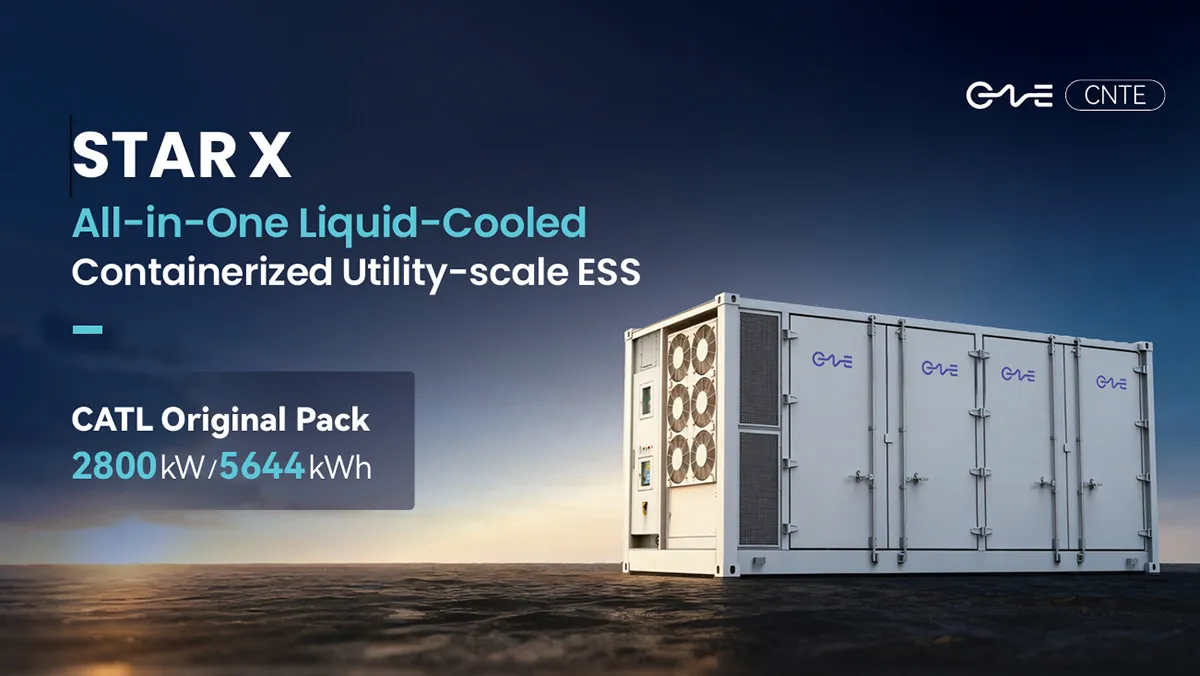
تطلق CNTE نظام تخزين الطاقة المتكامل DC/AC المبرد بالسائل STAR X في إنترسولار أوروبا 2026
Jul 06, 2026 -
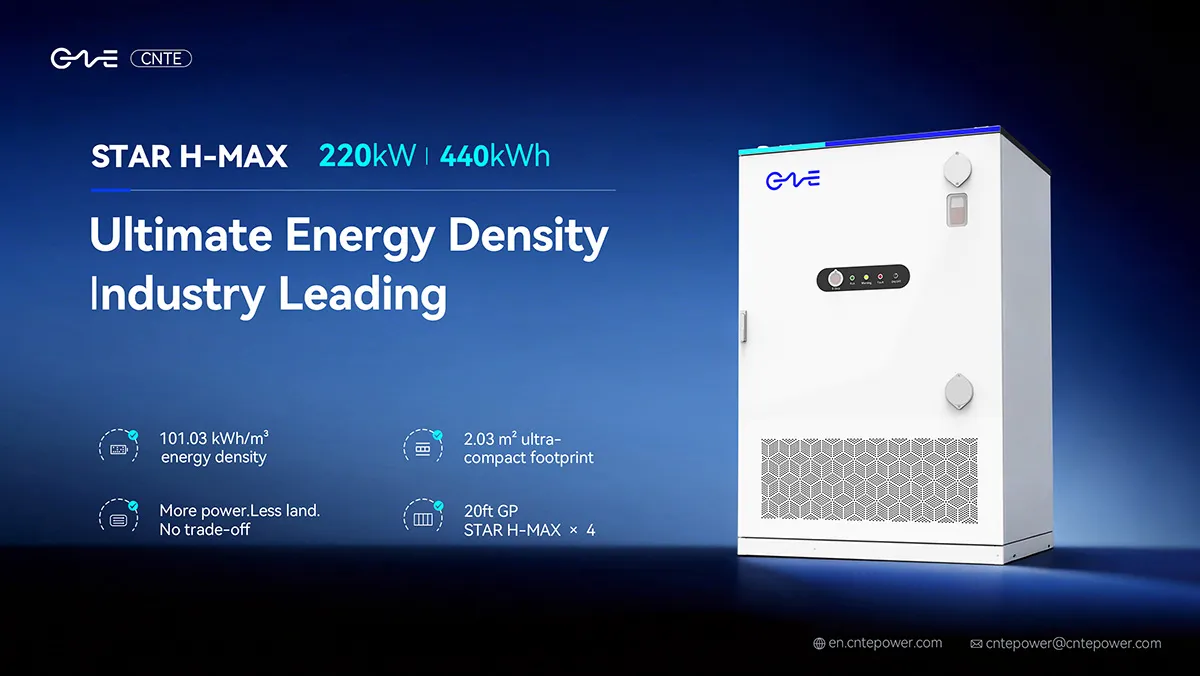
CNTE تكشف عن نظام STAR H-MAX المبرد بالسائل C&I ESS الجديد في إنترسولار أوروبا 2026
Jun 23, 2026 -
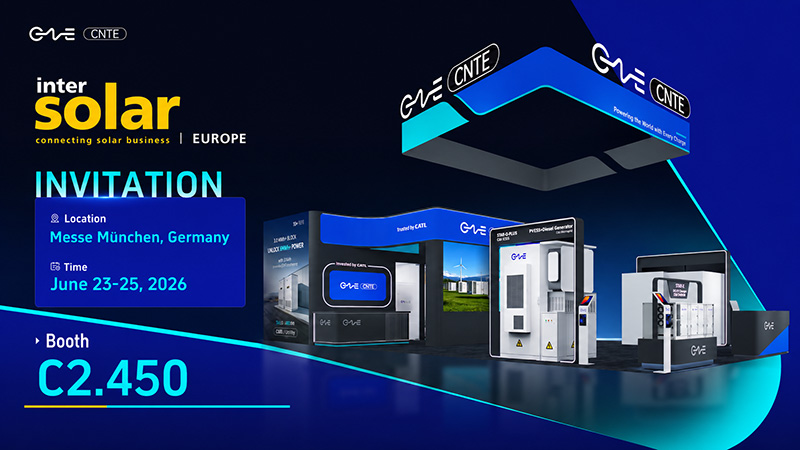
CNTE تشارك في Intersolar Europe 2026
May 20, 2026 -
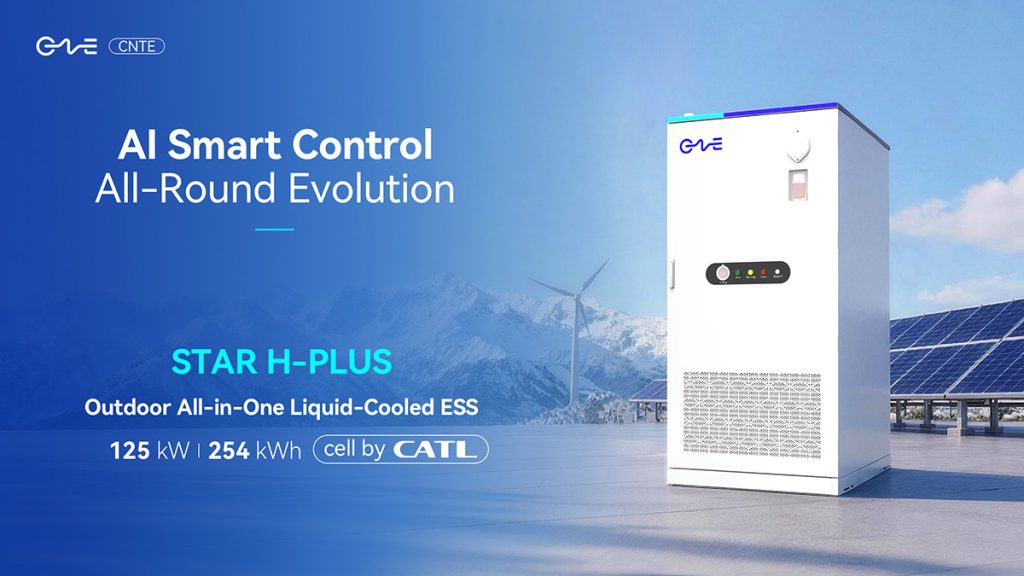
CNTE في KEY ENERGY 2026: يعرض نظام تخزين الطاقة الخارجي المبرد بالسائل STAR H-PLUS
Mar 05, 2026 -

تكريم CNTE كعلامة تجارية عالمية رائدة في الصين لعام 2025 من قبل Forbes
Jul 06, 2026 -

CNTE & YOU.ON تتعاونان لتوسيع أسواق التخزين
May 19, 2025 -
CNTE تكشف عن تشكيلة تخزين الطاقة في Solartech 2025
May 19, 2025 -
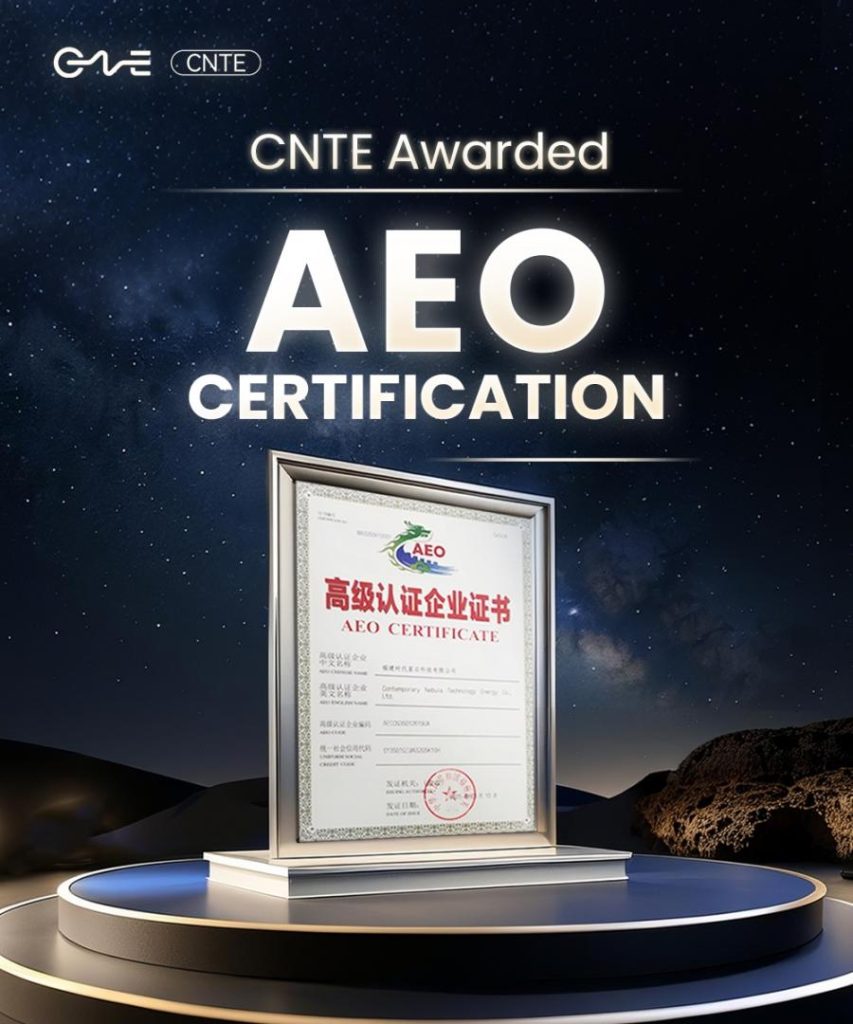
حصلت CNTE على شهادة AEO
Jul 06, 2026 -
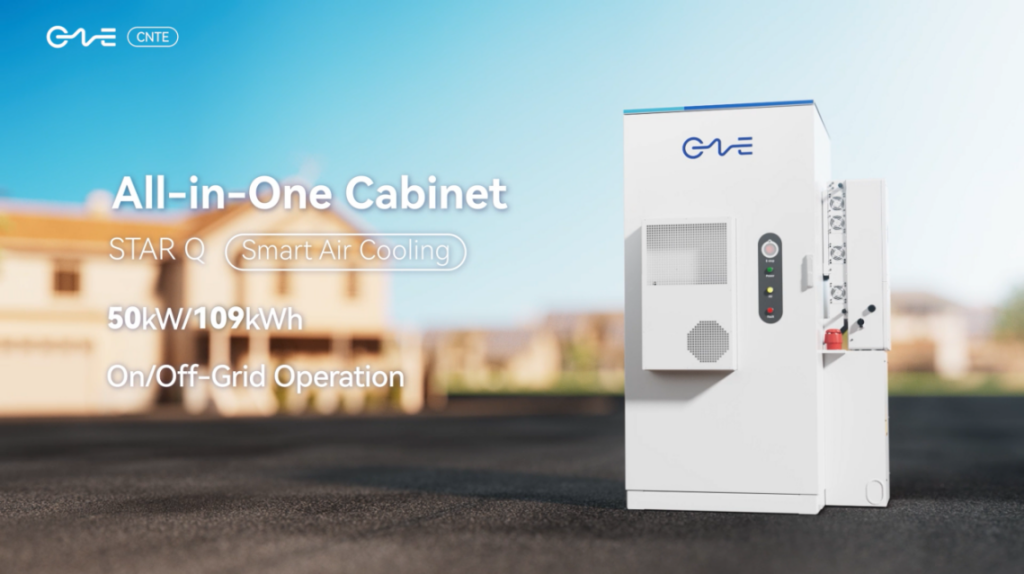
إطلاق منتج جديد CNTE STAR Q
Jan 15, 2025 -
CNTE ضمن قائمة فوربس الصين لأفضل 30 علامة تجارية دولية لعام 2024
Jul 06, 2026
