
أنظمة تخزين الطاقة المتقدمة: 7 أبعاد تقنية واقتصادية للتطبيقات الصناعية والمرافق
يواجه مشغلو البنية التحتية للطاقة ضغطًا متزايدًا لإدارة رسوم الطلب، ودمج توليد الطاقة المتجددة، والحفاظ على استمرارية الإنتاج. أنظمة تخزين الطاقة المتقدمة (AESS) تتجاوز الطاقة الاحتياطية البسيطة - فهي توفر تقليل الذروة الديناميكي، وتنظيم التردد، وتجارة الطاقة، وتشكيل الشبكات الصغيرة. يقوم هذا المقال بتحليل سبعة أبعاد هندسية ومالية للحلول الحديثة للتخزين، بما في ذلك اختيار كيمياء البطارية، وتوبولوجيا تحويل الطاقة، والامتثال للسلامة، والتشغيل الهجين مع أصول المولدات القائمة. تستند التوصيات أدناه إلى بيانات ميدانية من مصانع التصنيع، ومراكز البيانات، والشبكات الصغيرة الجزرية.
جدول المحتويات cntepower 1 1. خارطة طريق كيمياء البطاريات لأنظمة تخزين الطاقة المتقدمة 1.1 1.1 فوسفات الحديد الليثيوم (LFP) 1.2 1.2 نيكل مانغنيز كوبالت (NMC) 1.3 1.3 بطاريات التدفق (فاناديوم ريدوكس) 2 2. نظام تحويل الطاقة (PCS) وهياكل التحكم 3 3. نظام إدارة الطاقة (EMS) - تحسين تنبؤي 4 4. معالجة نقاط الألم في الصناعة باستخدام أنظمة تخزين الطاقة المتقدمة 5 5. النمذجة الاقتصادية لأنظمة تخزين الطاقة المتقدمة 5.1 5.1 محاكاة تقليل الذروة 5.2 5.2 تجميع الإيرادات – دمج تدفقات القيمة 6 6. تطبيقات متعمقة – القطاعات عالية الاعتمادية 6.1 6.1 مراكز البيانات – ضمان الطاقة وتحسين معامل القدرة 6.2 6.2 التصنيع – التحكم في ذروة الطلب وتصحيح معامل القدرة 6.3 6.3 الشبكات الصغيرة المعتمدة على الطاقة المتجددة – العزل والبدء من حالة السكون 7 7. دمج التخزين المتقدم مع أساطيل المولدات الحالية – نموذج تآزري 8 8. معايير السلامة وإدارة دورة الحياة 9 9. ضمان المستقبل مع جاهزية محطة الطاقة الافتراضية (VPP) 10 الأسئلة المتكررة (FAQ)
1. خارطة طريق كيمياء البطاريات لأنظمة تخزين الطاقة المتقدمة
جوهر أي أنظمة تخزين الطاقة المتقدمة هو الخلية الكهروكيميائية. ثلاث كيميائيات تهيمن الآن على النشر الصناعي، كل منها لها نطاقات أداء مميزة.
1.1 فوسفات الحديد الليثيوم (LFP)
أصبح LFP هو الخيار الافتراضي للتطبيقات الثابتة بسبب استقراره الحراري الداخلي (تحلل >270 درجة مئوية)، وعمر الدورة الذي يتجاوز 6000 دورة عند عمق تفريغ 80%، وسلسلة التوريد الخالية من الكوبالت. تتراوح كثافة الطاقة من 150–180 واط ساعة/كغم. بالنسبة للمرافق التي تتوفر فيها مساحة أرضية، يوفر LFP أقل تكلفة موحدة للتخزين (LCOS) على مدى 10–15 عامًا.
1.2 النيكل والمنغنيز والكوبالت (NMC)
يوفر NMC كثافة طاقة جاذبية أعلى (250–270 واط ساعة/كجم) وأداء أفضل في درجات الحرارة المنخفضة. ومع ذلك، فإنه يتطلب تبريد سائل نشط ونوافذ حالة شحن أكثر تحفظًا (20–90%) لتحقيق عمر دورة مقبول (3,000–4,000 دورة). NMC مناسب للتعديلات التي تقتصر على المساحة أو التطبيقات التي تتطلب معدلات C عالية (2C–4C) لتنظيم التردد.
1.3 بطاريات التدفق (فاناديوم ريدوكس)
للتبديل على مدى عدة ساعات (6–10 ساعات) والتطبيقات التي تتطلب دورات يومية عميقة، توفر بطاريات التدفق من فاناديوم (VRFB) عمر دورة غير محدود وإلكتروليتات غير قابلة للاشتعال. كفاءة الرحلة الكاملة أقل (65–75%) وتكلفة رأس المال الأولية أعلى، لكن VRFB تتفوق في السيناريوهات ذات المدة الطويلة والاستخدام العالي مثل الشبكات الصغيرة المعزولة ذات الاختراق العالي للطاقة المتجددة.
يتطلب اختيار الكيمياء المناسبة تحليلًا للتجارة بين الطاقة المتدفقة (ميغاوات ساعة على مدى العمر الافتراضي)، والبصمة، والسلامة، ونطاق درجة حرارة التشغيل. CNTE (شركة تكنولوجيا الطاقة النبيلة المعاصرة المحدودة) توفر استشارات هندسية غير مرتبطة بالكيمياء، مطابقة نوع الخلية لملفات الحمل المحددة للموقع والظروف المحيطة.
2. نظام تحويل الطاقة (PCS) وهياكل التحكم
يعمل PCS كواجهة ثنائية الاتجاه بين سلاسل بطاريات التيار المستمر والأحمال التيار المتناوب أو الشبكة. تشمل المواصفات الرئيسية القدرة المقدرة (كيلوواط/ميغاواط)، وقدرة التحميل الزائد، ووقت الاستجابة.
محولات تتبع الشبكة: تتطلب مرجع جهد ثابت من المرافق. مناسبة لتقليل الذروة وتجارة الطاقة في وضع الاتصال بالشبكة فقط.
محولات تشكيل الشبكة: يمكن أن تؤسس مرجع جهد وتردد مستقل، مما يمكّن من تشغيل الشبكات الصغيرة المعزولة وقدرة البدء الأسود. إلزامية للمرافق التي تتطلب انتقالًا سلسًا أثناء الانقطاعات.
محولات هجينة: تدعم كل من أوضاع الربط بالشبكة والأوضاع المعزولة مع انتقال تلقائي (وقت انتقال أقل من 20 مللي ثانية).
تحقق وحدات PCS الحديثة كفاءة رحلة كاملة تبلغ 96–98% وتقدم تعويضًا للطاقة التفاعلية لتصحيح عامل القدرة. للتطبيقات ذات التشويه التوافقي العالي (مثل معدات اللحام، ومحركات التردد المتغير)، حدد المحولات ذات القدرة على التصفية النشطة. حلول تحويل الطاقة المتكاملة من CNTE تشمل تصاميم معيارية من 50 كيلوواط إلى 5 ميغاواط، مما يسمح بالتشغيل المتوازي من أجل القابلية للتوسع.
3. نظام إدارة الطاقة (EMS) – تحسين تنبؤي
تفرق طبقة EMS بين التخزين الأساسي وأنظمة التخزين المتقدمة للطاقة. يقوم EMS قوي بأداء ثلاث وظائف:
توقع الحمل: يستخدم بيانات الفترات الزمنية التاريخية لمدة 15 دقيقة (12+ شهرًا) وأنماط الطقس للتنبؤ بمنحنيات الحمل اليومية.
دمج إشارات الأسعار: يستهلك أسعار السوق في الوقت الحقيقي أو أسعار اليوم التالي (حيثما كانت متاحة) لتنفيذ تجارة الطاقة.
جدولة واعية لصحة البطارية: تتجنب التفريغات العميقة أو دورات C عالية التي تسرع من تلاشي السعة، مما يمدد العمر القابل للاستخدام بمقدار 2–3 سنوات.
تظهر البيانات الميدانية أن أنظمة التخزين المحسّنة بواسطة EMS تولد وفورات سنوية أعلى بنسبة 15–25% مقارنة بالتحكم القائم على القواعد (زمن الاستخدام)، بشكل أساسي من خلال التقاط فرص الخدمة المساعدة وتقليل أخطاء توقع رسوم الطلب.
4. معالجة نقاط الألم في الصناعة باستخدام أنظمة تخزين الطاقة المتقدمة
يبلغ مدراء الطاقة عبر القطاعات عن أربعة مشاكل متكررة، يمكن معالجة كل منها باستخدام تخزين مُهيأ بشكل صحيح.
ارتفاع رسوم الطلب: تفرض تعTariffs المرافق رسومًا تتراوح بين 15-40 دولارًا أمريكيًا لكل كيلووات من الطلب الأقصى. يقوم التخزين بتفريغ الطاقة خلال فترات الاستهلاك العالي القصيرة (5-30 دقيقة)، مما يقلل من الذروات ويخفض الفواتير الشهرية بنسبة 25-40%.
تخفيض الطاقة المتجددة: يجبر الإفراط في إنتاج الطاقة الشمسية أو الريحية المشغلين على التخلص من الطاقة النظيفة. يمتص التخزين الفائض ويوجهه خلال فترات الذروة المسائية، مما يحسن من استهلاك الطاقة المتجددة في الموقع من 40% إلى أكثر من 85%.
اضطرابات جودة الطاقة: تتسبب انخفاضات الجهد، والارتفاعات، والتوافقيات في إعادة تعيين PLC أو ارتفاع درجة حرارة المحرك. يقوم التخزين سريع الاستجابة (رد فعل دون دورة) بت stabilizing الجهد والتردد.
خطر التوقف غير المخطط له: حتى الانقطاعات التي تستمر من 1-2 ثانية يمكن أن توقف خطوط الإنتاج. يوفر التخزين انتقالًا سلسًا، مما يسد الفجوة حتى يبدأ مولد أو تعود المرافق.
تظهر بيانات من أكثر من 300 نشر لتخزين صناعي فترات استرداد تتراوح من 2.8 إلى 5.2 سنوات، اعتمادًا على تعTariffs الطلب المحلية وهياكل الحوافز.
5. النمذجة الاقتصادية لأنظمة تخزين الطاقة المتقدمة
يعد الحجم الصحيح وتجميع الإيرادات ضروريين لتحقيق عوائد إيجابية. يتم استخدام طريقتين تكميليتين.
5.1 محاكاة تقليل الذروة
باستخدام بيانات تحميل بفواصل زمنية مدتها 15 دقيقة (على الأقل سنة واحدة)، يساوي تصنيف الطاقة المطلوب (كيلووات) الفرق بين الذروة الفعلية وحدود الذروة المستهدفة. على سبيل المثال، تتطلب منشأة ذات ذروة 1200 كيلووات وهدف 950 كيلووات عاكسًا بقدرة 250 كيلووات. يتم تحديد سعة الطاقة (كيلووات ساعة) بواسطة المساحة فوق العتبة عبر أسوأ حدث ذروة. تتطلب معظم التطبيقات الصناعية مدة تتراوح من 1-3 ساعات عند القدرة المقدرة.
5.2 تجميع الإيرادات - دمج تدفقات القيمة
يولد أصل التخزين الحديث عوائد من عدة تدفقات متزامنة:
تقليل رسوم الطلب (القيمة الأساسية، عادة 60-70% من إجمالي المدخرات)
تحكيم الطاقة (الشراء بسعر منخفض، والبيع بسعر مرتفع - يتطلب تعTariffs زمن الاستخدام مع نسبة سعر 4:1)
تنظيم التردد أو المشاركة في استجابة الطلب (متاحة في الأسواق غير المنظمة)
طاقة احتياطية - تجنب تكاليف التوقف (تُقدر بـ 5000-50000 دولار أمريكي لكل ساعة لمصانع أشباه الموصلات أو معالجة الطعام)
يجب أن تتضمن نماذج العائد على الاستثمار تقادم التقويم (تلاشي السعة مع مرور الوقت) وتقادم الدورة. تحتفظ خلايا LFP الممتازة بنسبة 70-80% من سعة الاسم بعد 10 سنوات من الدورات اليومية، وغالبًا ما يتم تعريف نهاية العمر على أنها 70% من حالة الصحة.
6. الغوص العميق في التطبيقات - القطاعات عالية الاعتمادية
تظهر ثلاثة قطاعات صناعية حالات تجارية قوية بشكل استثنائي لأنظمة تخزين الطاقة المتقدمة.
6.1 مراكز البيانات – ضمان الطاقة وتحسين PUE
يواجه مشغلو مراكز البيانات متطلبات صارمة من المستوى (2N أو N+1 redundancy). يساهم دمج التخزين مع العجلات الطائرة UPS أو بطاريات VRLA الموجودة في تقليل أحمال التبريد (تعمل الليثيوم بكفاءة عند درجات حرارة أعلى، مما يقلل من استهلاك الطاقة في أنظمة HVAC بنسبة 15-20%). علاوة على ذلك، يمكن أن يشارك نظام التخزين في استجابة الطلب من المرافق دون التأثير على أحمال تكنولوجيا المعلومات، مما يولد إيرادات إضافية لكل ميغاوات من القدرة القابلة للتخفيض.
6.2 التصنيع – التحكم في ذروة الطلب وتصحيح عامل القدرة
تخلق مكابس تشكيل السيارات وآلات الحقن وأنظمة HVAC ارتفاعات مفاجئة في الطلب لفترات قصيرة. يقوم نظام التخزين ذو القدرة العالية على معدل التفريغ (2C إلى 4C) بالتفريغ لمدة 5-15 دقيقة لتسوية تلك الارتفاعات. في الوقت نفسه، يمكن أن يوفر PCS الطاقة التفاعلية، مما يحسن عامل القدرة من 0.85 إلى 0.98 ويتجنب الغرامات من المرافق.
6.3 الميكروجرادات التي تعمل بالطاقة المتجددة – العزل والبدء الأسود
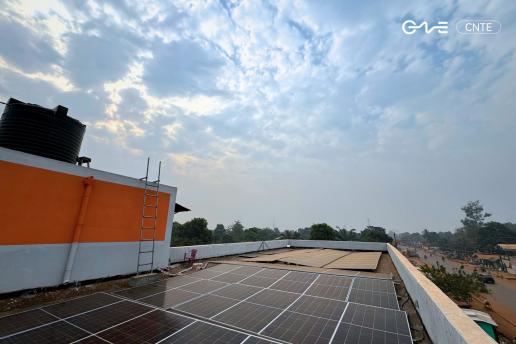
تعتمد المناجم النائية ومعالجة الزراعة والمنتجعات الجزرية غالبًا على مولدات الديزل. يقلل إضافة التخزين من ساعات تشغيل المولدات بنسبة 50-70% ويمكّن النظام من العمل بعوامل تحميل منخفضة جدًا (تعمل المولدات عند تحميل مثالي بنسبة 70-80% بينما يتعامل التخزين مع التقلبات). يحافظ هذا النهج الهجين على الوقود، ويقلل من فترات الصيانة، ويقلل من الانبعاثات دون التخلص من أصول المولدات الموجودة.
7. دمج التخزين المتقدم مع أساطيل المولدات الموجودة – نموذج تآزري
تظل مولدات الديزل أو الغاز القديمة أصولًا قيمة للانقطاعات الطويلة (أيام) والطاقة الفورية العالية. بدلاً من الاستبدال، تنظم أنظمة التحكم الذكية التخزين والمولدات:
تأخير بدء المولد: يتولى نظام التخزين التعامل مع أول 10-30 ثانية من الانقطاع، مما يسمح للمولدات بالبدء دون تطبيق حمل مفاجئ.
تنعيم الذروة أثناء تشغيل المولد: عندما تعمل المولدات بسبب انقطاع المرافق، يمكن أن تتسبب بدء المحركات الكبيرة (مثل ضواغط التبريد) في انخفاضات في الجهد. يوفر التخزين تيارًا فوريًا، مما stabilizes الشبكة الصغيرة.
تحسين كفاءة الوقود: يعمل المولد عند نقطة تحميل ثابتة وفعالة (مثل 75% من التصنيف) بينما يقوم التخزين بالشحن/التفريغ لمطابقة تحميل المنشأة المتغير. هذا يقلل من استهلاك الوقود المحدد بنسبة 12-18%.
CNTE قد نشرت مثل هذه المنصات التحكم الهجينة عبر الحدائق الصناعية في جنوب شرق آسيا، مما يظهر تقليصًا بنسبة 31% في تكاليف الوقود السنوية مع الحفاظ على توفر بنسبة 99.99%. يحترم هذا النهج الاستثمارات الرأسمالية الحالية ويتجنب أي موقف عدائي تجاه تقنيات المولدات.
8. معايير السلامة وإدارة دورة الحياة
يجب أن تمتثل أنظمة تخزين الطاقة المتقدمة التجارية للمعايير الدولية والإقليمية. تشمل الشهادات الرئيسية:
غير محدود 9540 (سلامة النظام)
غير محدود 1973 (وحدات البطارية)
غير محدود 1741 (المحولات لتوصيل الشبكة)
NFPA 855 (متطلبات التركيب والحماية من الحرائق)
اللجنة الكهروتقنية الدولية 62619 (السلامة لبطاريات الليثيوم الصناعية)
تشمل تدابير التخفيف من المخاطر الفيوزات الحرارية على مستوى الخلايا، واكتشاف الغاز المستقل (CO، H₂، VOC) مع التهوية القسرية، وإخماد الحرائق باستخدام الرذاذ أو عامل نظيف (Novec 1230، FM-200). بالنسبة للتركيبات في المناطق الزلزالية أو البيئات عالية التآكل (المصانع الكيميائية الساحلية)، حدد الحاويات التي تلبي IP55/NEMA 3R مع شهادة رف زلزالي (IBC 2018). يتيح المراقبة عن بُعد لمقاومة الخلايا وتدرجات درجة الحرارة الداخلية الصيانة التنبؤية، مما يسمح باستبدال الوحدات قبل الفشل.
9. ضمان المستقبل مع جاهزية محطة الطاقة الافتراضية (VPP)
تستفيد الجيل القادم من أنظمة التخزين من التجارة في الطاقة المدفوعة بالذكاء الاصطناعي وتجميع VPP. تجمع VPP العشرات من وحدات التخزين الموزعة عبر مواقع العملاء المختلفة، وتقدم عطاءات في أسواق الطاقة بالجملة والخدمات المساعدة. لقد شهد المتبنون الأوائل في كاليفورنيا وألمانيا إيرادات إضافية تتراوح بين 80-120 دولارًا أمريكيًا لكل كيلووات سنويًا من تنظيم التردد فقط. يضمن اختيار نظام مع بروتوكولات اتصال مفتوحة (Modbus TCP، IEC 61850، أو OCPP) التوافق المستقبلي مع برامج VPP للمرافق. تشمل مجموعة حلول CNTE أنظمة إدارة الطاقة الجاهزة لـ VPP ومنصات التجميع المستندة إلى السحابة.
الأسئلة الشائعة (FAQ)
س1: ما هي فترة استرداد التكلفة النموذجية لأنظمة التخزين المتقدمة للطاقة في منشأة صناعية؟
ج1: بناءً على مشاريع العالم الحقيقي مع رسوم الطلب تتراوح بين 20-30 دولارًا أمريكيًا لكل كيلووات وتخفيض ذروة يومية تتراوح بين 200-500 كيلووات، تتراوح فترات الاسترداد من 2.5 إلى 4.5 سنوات. إضافة الإيرادات من استجابة الطلب أو تنظيم التردد تقصر الفترة إلى 2-3 سنوات. يعد تحديد الحمل بدقة (بيانات لمدة 15 دقيقة على مدار 12 شهرًا) أمرًا ضروريًا قبل الالتزام بأي بائع.
س2: هل يمكن أن تعمل أنظمة التخزين المتقدمة للطاقة بالتوازي مع مولدات الديزل الحالية دون استبدالها؟
ج2: نعم - وهذه التكوين الهجين موصى به. تتعامل التخزين مع الأحمال العابرة والذروات القصيرة، بينما توفر المولدات الطاقة الكبيرة للانقطاعات الممتدة. يقوم جهاز التحكم في الشبكة الصغيرة بتنسيق كلا الأصول، مما يقلل من ساعات تشغيل المولد، ويوفر الوقود، ويخفض تكاليف الصيانة. لا حاجة لاستبدال المولد؛ تضيف التخزين طبقة تكاملية.
س3: ما هي الشهادات الأمنية التي يجب على المشتري طلبها لنظام تخزين متقدم يعتمد على الليثيوم؟
ج3: كحد أدنى، اطلب UL 9540 (النظام)، UL 1973 (الوحدات)، وUL 1741 (العكس). بالنسبة للتركيبات في المناطق الزلزالية، تطلب شهادة IBC 2018 أو 2021. بالنسبة لسلامة الحرائق، ابحث عن الامتثال لـ NFPA 855 واختبار طرف ثالث لانتشار الانفجار الحراري (على سبيل المثال، مقاومة انتشار الخلايا المعتمدة من DNV أو Intertek).
س4: كيف تؤثر درجات الحرارة المنخفضة على أداء التخزين، وما هي التدابير المتاحة للتخفيف؟
ج4: تحت 0 درجة مئوية، لا يمكن لخلايا الليثيوم أيون قبول الشحن دون خطر ترسيب الليثيوم. تشمل حاويات التخزين عالية الجودة وظائف تسخين ذاتي (باستخدام سخانات PTC تعمل من الشبكة أو من البطارية نفسها بمجرد أن تصل درجة الحرارة إلى مستويات آمنة). بالنسبة للتركيبات الخارجية في المناطق التي تشهد شتاءً يصل إلى -20 درجة مئوية، حدد نظامًا مع حاوية معزولة ونظام تكييف هواء مدمج يحافظ على درجة حرارة داخلية تتراوح بين 10-35 درجة مئوية.
Q5: ما الفرق بين أنظمة التخزين المتصلة بالتيار المتردد وأنظمة التخزين المتصلة بالتيار المستمر، وأيها أفضل للتحديثات؟
A5: تتصل أنظمة التيار المتردد بحافلة التيار المتردد الموجودة في المنشأة عبر عاكس مخصص؛ وهي أسهل للإضافة إلى إعدادات الطاقة الشمسية أو المولدات الموجودة. تشترك أنظمة التيار المستمر في حافلة تيار مستمر مشتركة مع وحدات تحكم شحن الطاقة الشمسية، مما يحقق كفاءة أعلى قليلاً في الرحلة الكاملة (أفضل بنسبة 1-2%) ولكنها تتطلب تكاملًا أعمق. لمشاريع التحديث مع العاكسات الضوئية الموجودة، فإن أنظمة التيار المتردد تكون دائمًا الخيار الأكثر عملية.
Q6: ما هي الصيانة المستمرة التي تتطلبها أنظمة تخزين الطاقة المتقدمة؟
A6: وحدات التخزين الحديثة خالية إلى حد كبير من الصيانة في السنوات الخمس إلى السبع الأولى. تشمل الإجراءات الموصى بها المسح بالأشعة تحت الحمراء السنوي للاتصالات الكهربائية، ومعايرة حساسات التيار في نظام إدارة البطارية (كل 3 سنوات)، واستبدال فلتر الهواء لأنظمة التبريد بالهواء القسري. عادةً ما يتم إجراء تحديثات البرنامج الثابت عن بُعد لوحدات التحكم في إدارة الطاقة ووحدات التحكم في الطاقة من قبل البائع عبر شبكة خاصة افتراضية آمنة. بعد 8-10 سنوات، قد تحتاج بعض وحدات الخلايا إلى الاستبدال اعتمادًا على تلاشي السعة.
هل أنت مستعد لتقييم أنظمة تخزين الطاقة المتقدمة لمرافقك الصناعية أو التجارية؟
يقدم فريق الهندسة في CNTE (شركة تكنولوجيا الطاقة السحابية المعاصرة المحدودة) تدقيقات طاقة محددة للموقع، وتحليل الحمل بفواصل 15 دقيقة، ونمذجة مالية (بما في ذلك الحوافز المحلية). قدم مواصفات مشروعك من خلال بوابة الاستفسارات الفنية لدينا لتلقي تصميم نظام أولي وتوقع العائد على الاستثمار خلال 5 أيام عمل.
→ أرسل استفسارك إلى متخصصي التخزين في CNTE
تواصل معنا
المشاركات الأخيرة
-
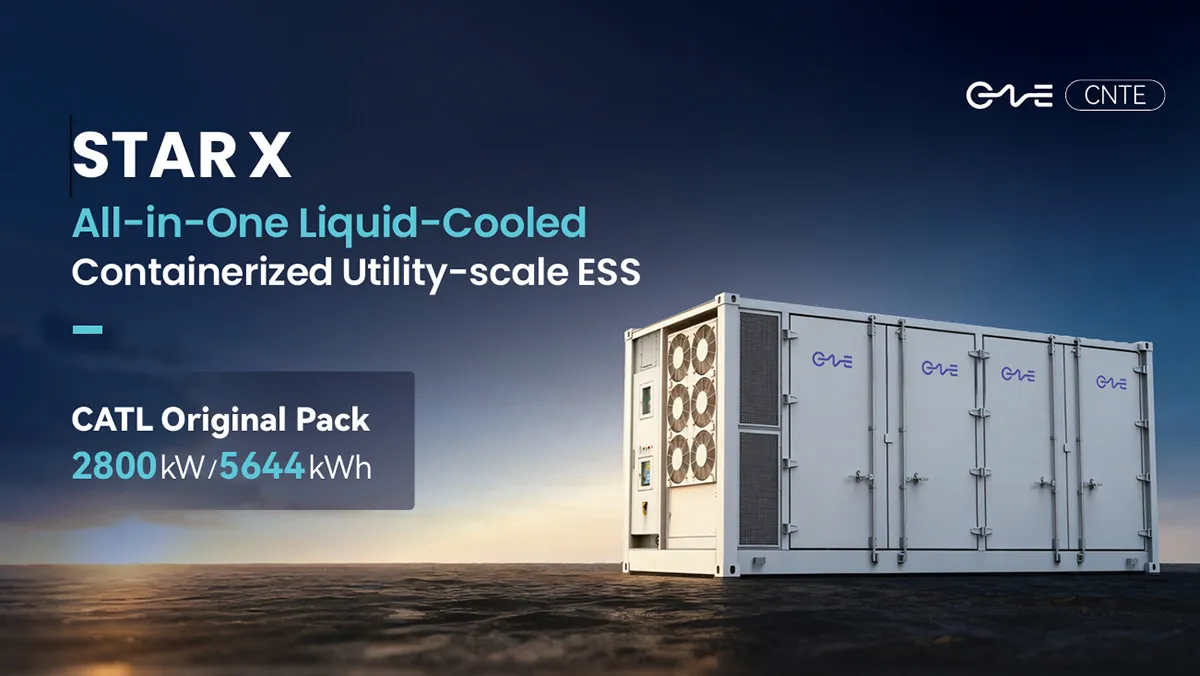
تطلق CNTE نظام تخزين الطاقة المتكامل DC/AC المبرد بالسائل STAR X في إنترسولار أوروبا 2026
Jul 06, 2026 -
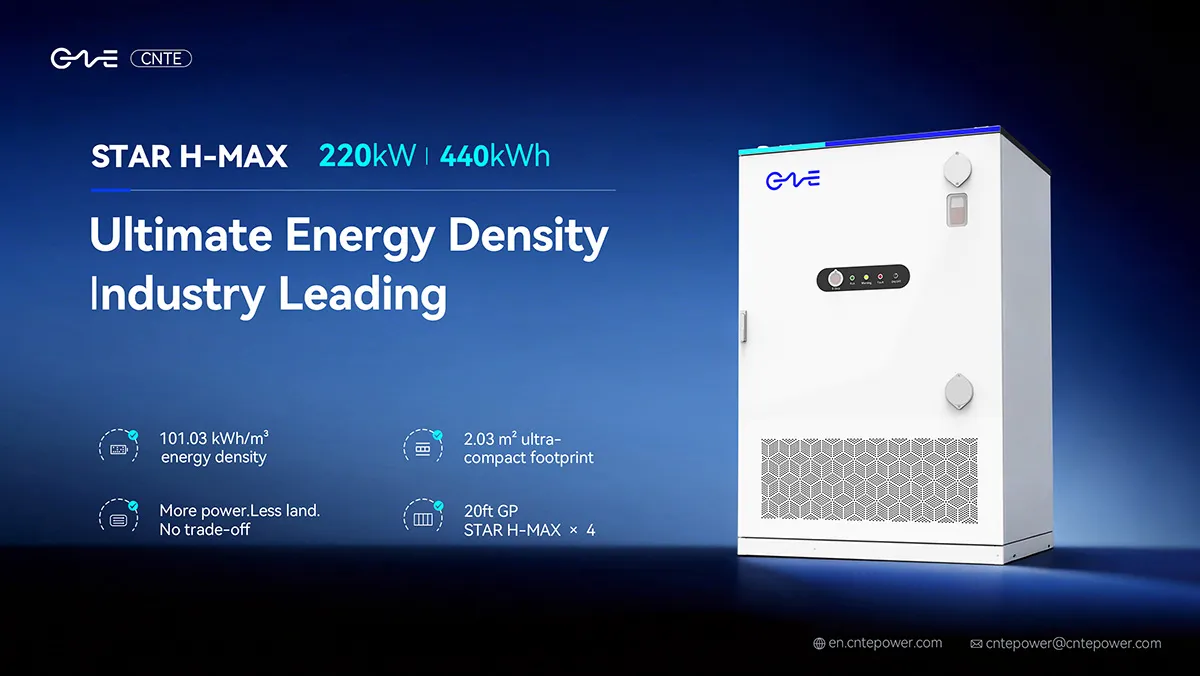
CNTE تكشف عن نظام STAR H-MAX المبرد بالسائل C&I ESS الجديد في إنترسولار أوروبا 2026
Jun 23, 2026 -
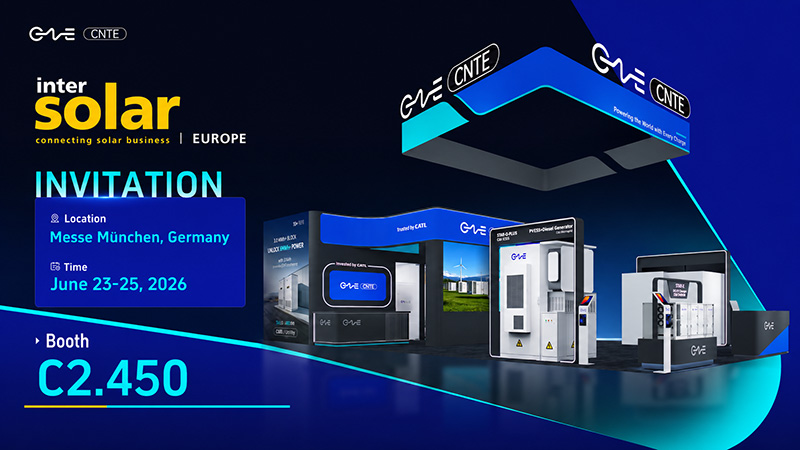
CNTE تشارك في Intersolar Europe 2026
May 20, 2026 -
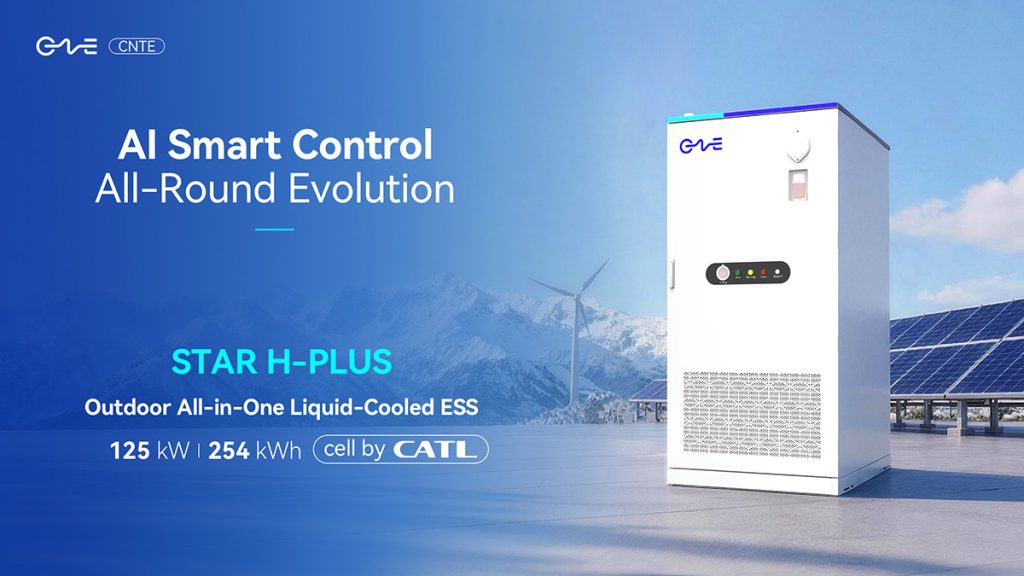
CNTE في KEY ENERGY 2026: يعرض نظام تخزين الطاقة الخارجي المبرد بالسائل STAR H-PLUS
Mar 05, 2026 -
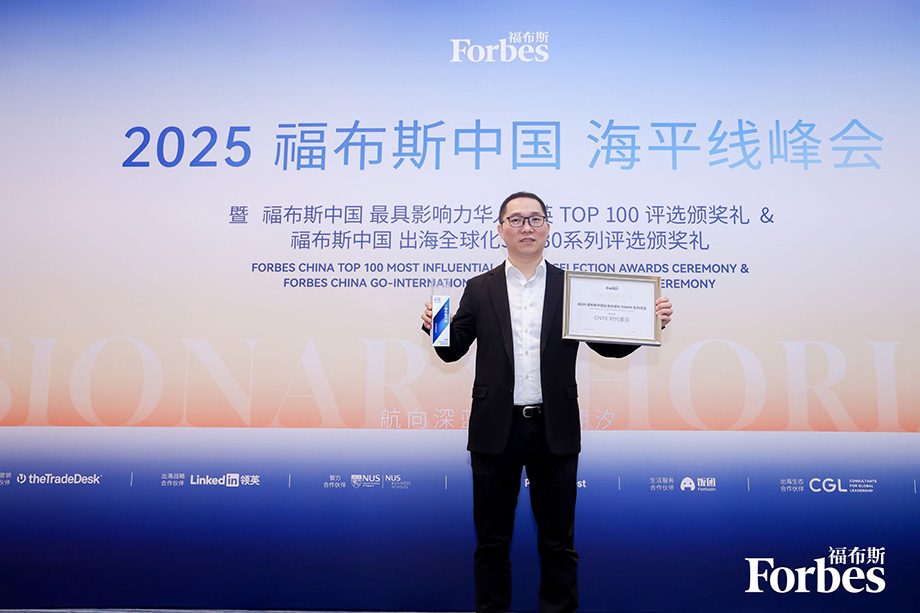
تكريم CNTE كعلامة تجارية عالمية رائدة في الصين لعام 2025 من قبل Forbes
Jul 06, 2026 -
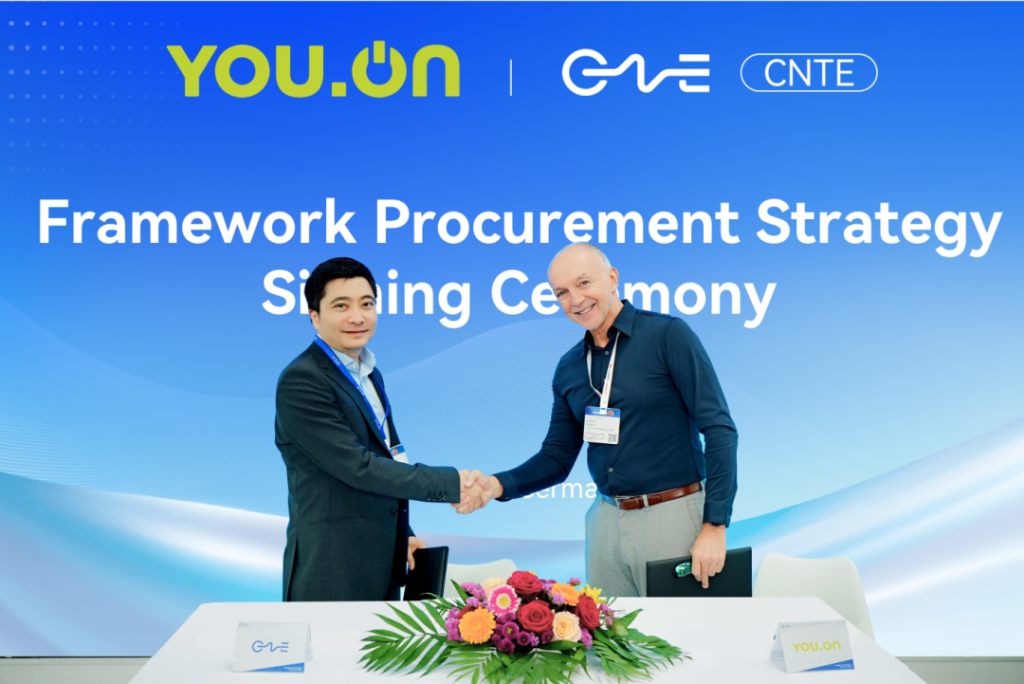
CNTE & YOU.ON تتعاونان لتوسيع أسواق التخزين
May 19, 2025 -
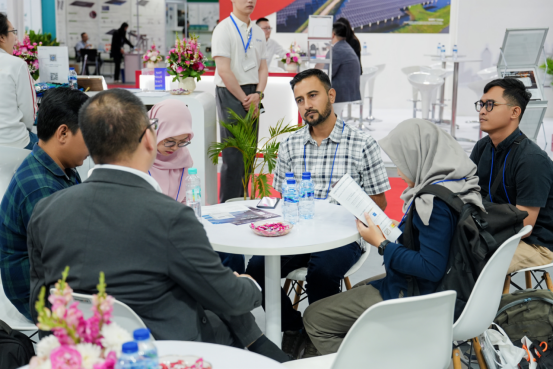
CNTE تكشف عن تشكيلة تخزين الطاقة في Solartech 2025
May 19, 2025 -
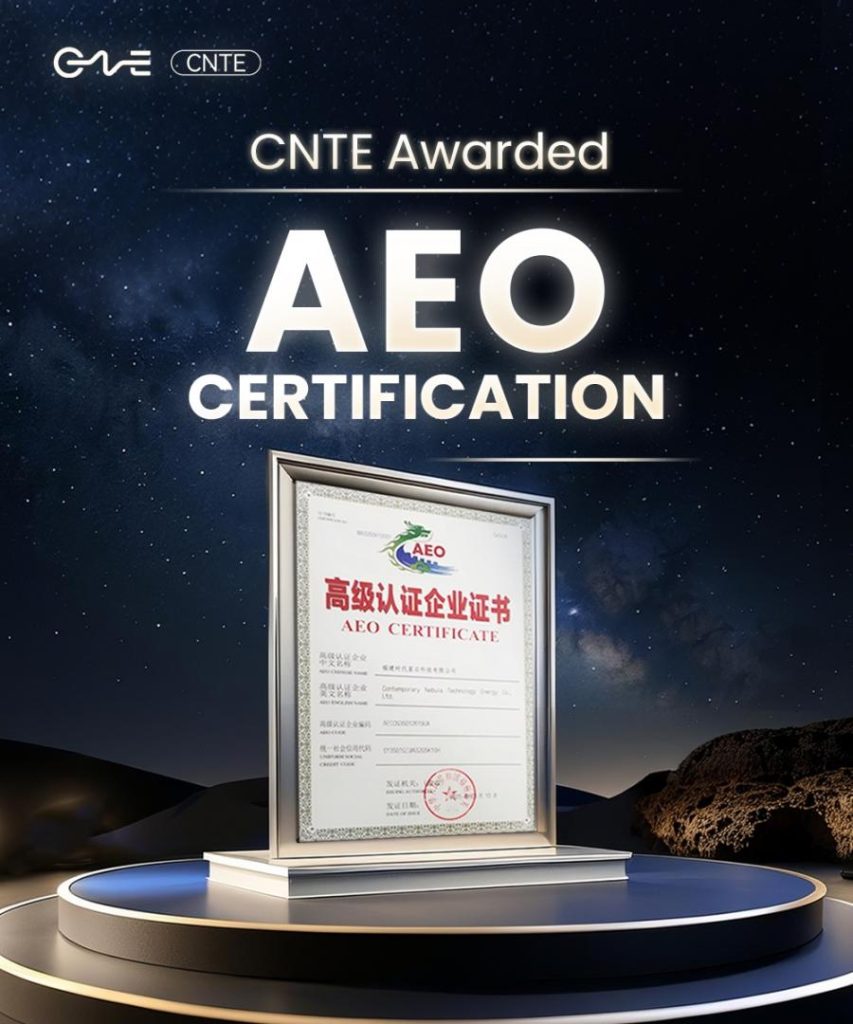
حصلت CNTE على شهادة AEO
Jul 06, 2026 -
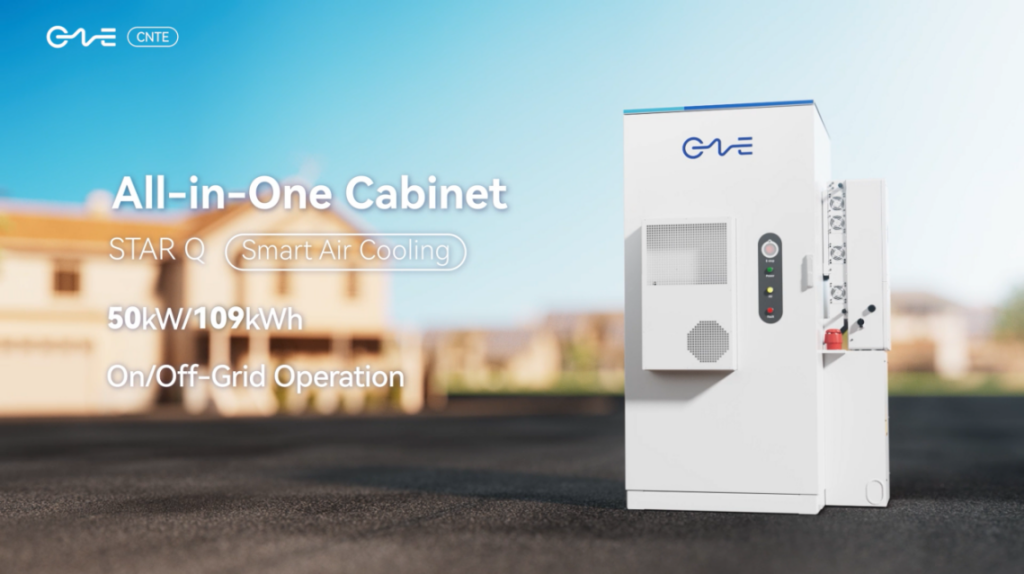
إطلاق منتج جديد CNTE STAR Q
Jan 15, 2025 -
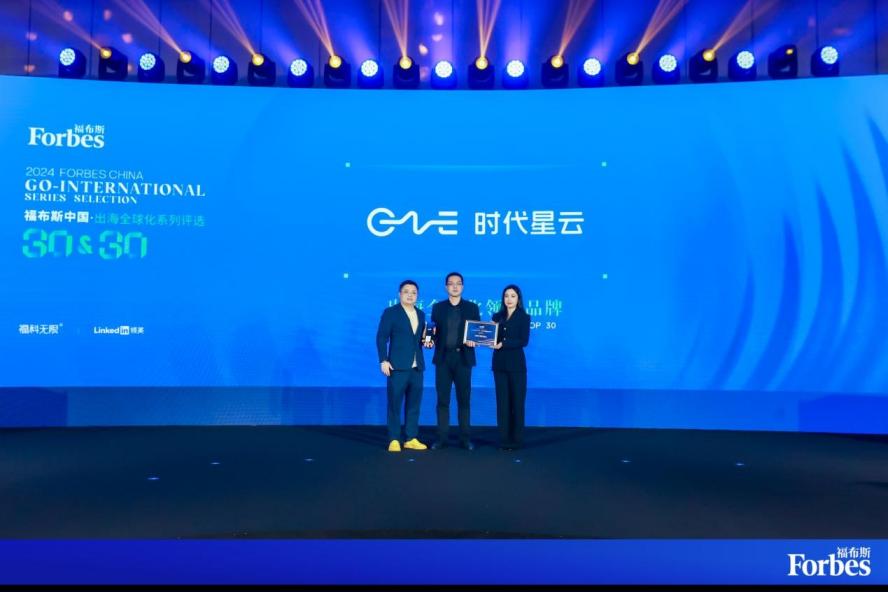
CNTE ضمن قائمة فوربس الصين لأفضل 30 علامة تجارية دولية لعام 2024
Jul 06, 2026
