
Giải pháp năng lượng mặt trời và BESS: Hướng dẫn B2B hoàn chỉnh về lưu trữ đồng vị trí
The global energy landscape is undergoing a structural shift from centralized, synchronous generation to decentralized, inverter-based renewable resources. Photovoltaic power generation, while reaching historic lows in levelized cost of energy (LCOE), presents inherent challenges related to non-dispatchability, duck curve generation profiles, and grid-edge volatility. Modern power networks demand predictable, dispatchable, and dynamic capacity. Integrating solar and BESS (Pin energy storage systems) resolves these fundamental physical constraints, converting intermittent solar output into an asset class capable of providing baseload characteristics, firm capacity, and high-speed ancillary services to system operators.
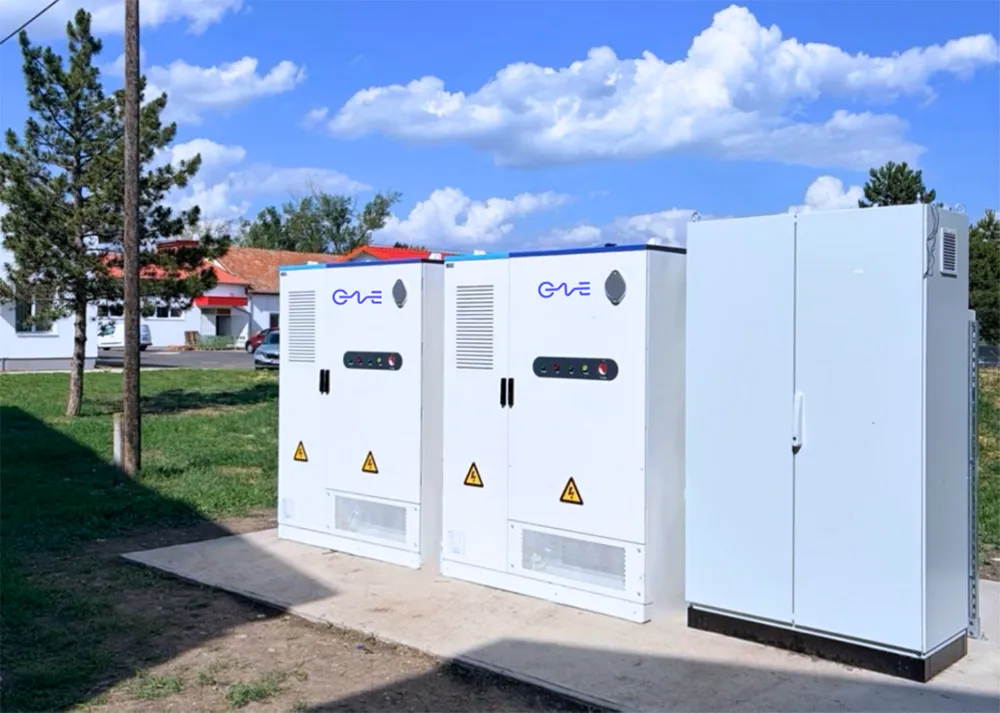
Architectural Topology: Engineering the DC-Coupled vs. AC-Coupled Trade-off
The operational profile and financial performance of a hybrid power generation facility depend on the electrical coupling mechanism chosen during the front-end engineering design phase. The choice between DC-coupled and AC-coupled configurations dictates round-trip efficiency, inverter loading ratios, balance-of-system costs, and system longevity.
DC-Coupled Architectures
In a DC-coupled system, the photovoltaic array and the electrochemical storage subsystem connect to a shared direct-current bus via specialized DC-DC converters before tying into a shared bi-directional central inverter. This architecture provides specific thermodynamic and electrical advantages:
Clipping Energy Recapture: When the solar PV array is oversized relative to the inverter nameplate rating (Inverter Loading Ratio > 1.3), standard PV configurations suffer from peak clipping. A DC-coupled BESS channels this excess generation directly into the battery racks prior to AC transformation, reclaiming what would otherwise be dissipated as waste thermal energy.
Reduced Power Conversion Stages: Energy flowing from the solar field directly to the battery undergoes only a single DC-to-DC conversion stage. By eliminating the double conversion process (DC to AC to DC) required by external configurations, round-trip efficiency improvements of 2% to 4% are achievable.
Simplified Interconnection Interfacing: Because the system exports power through a single central inverter, the interconnection review process treats the plant as a unified generation and storage asset. This reduces balance-of-plant transformer counts, switchgear procurement costs, and civil footing requirements.
Ghép nối DC introduces control complexities. The maximum power point tracking (MPPT) algorithms within the DC-DC converters must operate synchronously with the battery management system to prevent overvoltage events across the DC link during rapid cloud-edge transient events.
AC-Coupled Architectures
AC-coupled systems isolate the PV generation and Pin storage subsystems behind independent inverters, connecting them at the medium-voltage AC bus through dedicated step-up transformers. This architecture remains the preferred option for brownfield retrofits and operational profiles requiring distinct, non-conterminous dispatch.
Independent Subsystem Operationality: A fault within the battery inverter or rack string has zero impact on the generation profile of the solar PV array. The PV system continues exporting power directly to the grid under standard IEEE 1547 compliance protocols.
Unconstrained Dispatch Flexibility: Ghép AC allows the plant to export peak solar generation to the grid while simultaneously charging the battery subsystem directly from grid-supplied energy during negative-pricing events, provided regulatory frameworks permit bidirectional interconnect utilization.
Simplified Augmentation Execution: Pin technology progresses on shorter obsolescence timelines than 25-year structural PV modules. AC-coupled systems enable operators to replace or augment Pin storage units with newer chemistries or altered DC-bus voltages without modifying existing PV string inverters.
Grid Interconnection Dynamics and Active Power Management
As penetration levels of renewable resources increase, transmission system operators enforce stringent grid codes requiring hybrid plants to supply grid-forming functionality rather than merely following line voltage. Deploying solar and BESS assets equipped with advanced power conversion systems enables compliance with dynamic technical directives.
Fast Frequency Response (FFR) requires the injection or consumption of active power within hundreds of milliseconds following a system frequency deviation. Traditional mechanical thermal plants exhibit governor delays ranging from 2 to 6 seconds. An electrochemical storage asset governed by sub-cycle response digital signal processors senses frequency nadirs and injects megawatts of active power instantaneously, stabilizing the grid frequency gradient (df/dt).
Virtual Synchronous Machine (VSM) and synthetic inertia control loops utilize internal voltage sources to mimic the physical inertia of heavy rotating masses. When sudden load imbalances occur, inverter-based solar and BESS installations supply real-time phase support, dampening inter-area oscillations and reinforcing weak grids marked by low short-circuit ratios (SCR).
Ramp rate limitation constitutes another regulatory requirement solved by the integration of storage. Utility off-takers often mandate that solar generation cannot ramp up or down faster than a specified megawatt-per-minute threshold. The battery acts as a dynamic low-pass filter: absorbing surplus capacity during rapid solar irradiation increases and discharging during cloud cover to deliver a linear, predictable generation curve at the point of common coupling.
Electrochemical Selection, Thermal Regulation, and Degradation Mitigation
The financial viability of a utility-scale installation depends heavily on mitigating battery cell degradation across the lifecycle of the power purchase agreement. Lithium Iron Phosphate (LFP) chemistry has emerged as the definitive choice across modern stationary Lưu trữ năng lượng projects due to its superior thermal stability, non-cobalt supply chains, and extended cycle life under continuous deep-discharge profiles.
LFP degradation occurs through two primary mechanisms: calendar fade and cycle fade. Calendar aging proceeds passively as a function of time, ambient storage temperature, and resting state-of-charge (SOC). Cycle aging accelerates through the mechanical stresses of lithium-ion intercalation and de-intercalation within the graphite anode, Solid Electrolyte Interphase (SEI) layer growth, and transient localized impedance spikes.
Engineered thermal management strategies serve as the first defense mechanism against non-linear cell degradation. Passive air-cooling configurations exhibit significant intra-container temperature gradients (>5°C), resulting in uneven cell wear, localized hotspot proliferation, and premature module retirement. Liquid-cooled system architectures circulate specialized dielectric or glycol-water coolants directly across cell surfaces via cold plates. This guarantees temperature uniformity within ±2°C across the entire containerized enclosure, eliminating micro-environmental stressors and extending operational calendar life beyond 15 years.
System designers such as CNTE (Contemporary Nebula Technology Energy Co., Ltd.) address these operational challenges through precision packaging, liquid-cooling innovations, and proprietary cell-level diagnostics that harmonize thermal profiles across multi-megawatt configurations. Dynamic cell-balancing topologies integrated into the localized battery management hardware actively equalize charge states during cycling, preventing individual weak cells from bottle-necking whole high-voltage DC rack strings.
Techno-Economic Modeling and System Monetization Strategies
The capital expenditure profile of an integrated renewable plant requires sophisticated techno-economic evaluation to maximize the internal rate of return (IRR) and minimize the Levelized Cost of Storage (LCOS). Project developers cannot rely on single-stream revenue models; they must operationalize comprehensive value stacking architectures.
| Application Layer | Primary Value Vector | Technical Performance Metric |
|---|---|---|
| Energy Arbitrage | Wholesale price differential capture | Round-trip efficiency; Depth of Discharge (DoD) |
| Dung lượng Firming | Resource adequacy payments | Discharge duration (typically 4 hours); Availability factor |
| Frequency Regulation | High-value ancillary service fees | Sub-second response latency; Bi-directional ramp speed |
| Transmission Deferral | Avoiding utility-side substation upgrade costs | Local peak power shaving reliability |
Achieving structural bankability demands strategic software orchestration. Automated Energy Management Systems (EMS) deploy machine-learning-driven algorithmic dispatch engines that ingest historical wholesale pricing, day-ahead solar irradiance forecasts, degradation penalty curves, and ancillary market clearing rates. The EMS computes the mathematically optimal dispatch protocol every five minutes, deciding whether to export solar generation immediately, store it for the evening net peak, or reserve container capacity for grid stability bids.
Long-term degradation management necessitates planned capacity augmentation programs. Rather than overbuilding the battery installation on day one—which incurs high initial capital costs and subjects unused cell capacity to premature calendar degradation—developers model systematic augmentation cycles. Integrating additional storage enclosures at year 5, 10, and 15 ensures that the facility consistently fulfills its contractual capacity thresholds at the lowest aggregate lifetime cost.
Tuân thủ, System Safety, and Interoperability Standards
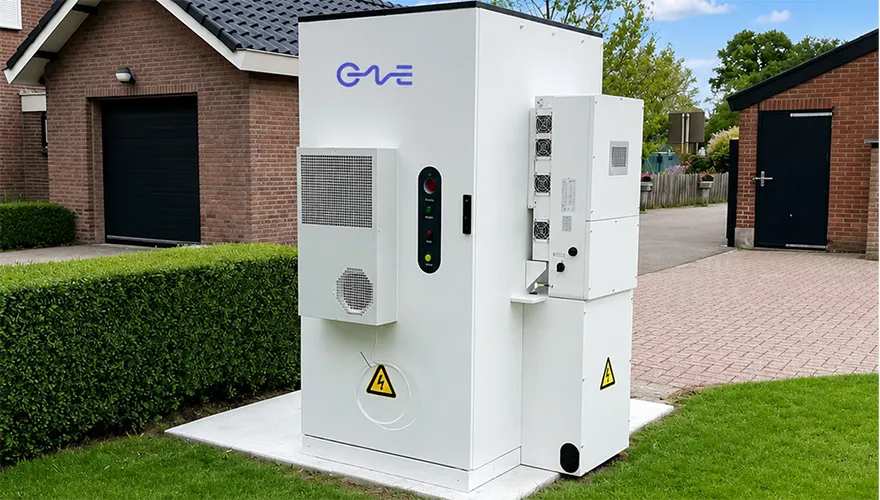
Deploying megawatt-scale battery systems alongside large photovoltaic arrays requires adherence to rigorous testing certifications and communication protocols to ensure utility-level interoperability and life-safety integrity.
An toàn frameworks rely on the UL 9540 standard (Lưu trữ năng lượng Systems and Equipment) coupled with the extensive UL 9540A test methodology. The UL 9540A testing process quantifies thermal runaway behavior across four distinct structural scales: cell level, module level, rack level, and containerized enclosure level. Validating that a localized chemical event cannot cascade to adjacent modules without auxiliary suppression activation remains a non-negotiable requirement for project permitting, municipal sign-off, and insurance underwriting.
From an operational communications perspective, hybrid plants must integrate with existing Supervisory Control and Data Acquisition (SCADA) systems via standardized industrial networks. Distributed control networks leverage DNP3 (Distributed Network Protocol), Modbus TCP/IP, and increasingly IEC 61850 substation automation architectures. Inverter controllers, DC-DC buck/boost converters, and environmental safety nodes communicate over high-speed CAN bus channels to ensure millisecond-level telemetry tracking and fault-clearing coordination.
Engineering compliance protocols developed by CNTE (Contemporary Nebula Technology Energy Co., Ltd.) emphasize these system-level certifications, ensuring equipment passes rigorous power-quality, harmonic distortion, and thermodynamic containment benchmarks prior to site delivery. This proactive manufacturing compliance accelerates project interconnection timelines and simplifies utility compliance sign-offs.
Frequently Asked Questions regarding Solar and BESS
What is the typical round-trip efficiency loss in a utility-scale solar and BESS installation?
Modern utility-scale installations utilizing lithium iron phosphate chemistry and liquid-cooled thermal management experience an overall AC-to-AC round-trip efficiency (RTE) between 84% and 88% for AC-coupled systems. DC-coupled installations generally achieve between 86% and 90% by bypassing one AC-DC stage during direct generation-to-storage cycles. Losses occur primarily within cell electrochemical impedance, DC-DC and inverter semiconductor conversion steps, and auxiliary balance-of-plant power loads such as liquid chillers and control electronics.
How does an operator determine the ideal duration rating (MWh capacity vs MW power) for a project?
The optimal duration ratio depends on regional market structures and the governing utility off-take agreements. In wholesale markets prioritizing frequency containment and rapid regulation, short-duration assets (0.5-hour to 1-hour systems) maximize revenue through dynamic response programs. In markets with high renewable penetration facing capacity shortages during sundown, such as CAISO in the United States or the Australian NEM, four-hour duration systems are standard to secure resource adequacy payments and execute evening wholesale arbitrage.
What are the primary operational factors that accelerate battery degradation?
Electrochemical storage degradation accelerates under three primary operational stressors: elevated Nhiệt độ hoạt độngs, sustained operation at extreme states-of-charge (near 0% or 100%), and sustained high C-rate charging or discharging cycles. Running battery cells at sustained temperatures above 35°C exponentially speeds up electrolyte decomposition and SEI layer growth. Maintaining liquid-cooling precision and tuning the energy management system to minimize the duration a battery spends fully charged effectively limits these wear dynamics.
Can legacy solar PV plants be retrofitted with utility-scale storage without voiding grid permits?
Yes, legacy plants can incorporate storage through an AC-coupled topology connecting at the medium-voltage collector bus. Whether this requires a new interconnection queue application depends on local transmission authority rules. If the integrated facility limits total exports to the existing maximum approved point-of-interconnection capacity using real-time hardware-level power controllers, many operators permit streamlined interconnection reviews.
What role does C-rate play in equipment sizing for commercial and industrial hybrid facilities?
C-rate measures the speed at which a battery charges or discharges relative to its maximum capacity. A 1C rate charges or discharges the system completely in one hour; a 0.5C rate requires two hours. Commercial and industrial facilities deploying storage for demand charge management and short-term PV firming typically specify 0.5C to 1C configurations. Utility-scale energy shifting systems favor lower 0.25C (4-hour duration) configurations to lower capital costs and minimize operational cell stress.
Engineering High-Yield Renewable Power Plants
Executing an integrated power generation and storage project requires precise alignment between component selection, systems architecture, and market-facing energy orchestration software. Mitigating interconnection delays, optimizing round-trip efficiency, and maintaining long-term asset availability are foundational requirements for securing project debt financing and maximizing investment returns.
As utility companies, independent power producers (IPPs), and commercial developers navigate complex grid mandates, working with an established integration partner is critical. CNTE provides advanced Lưu trữ năng lượng hardware, modular DC containers, and specialized power electronics built for high-performance integration. Engineering teams ready to initiate technical feasibility reviews, refine system configurations, or review bankable equipment specifications for an upcoming solar and BESS installation are invited to submit an engineering inquiry directly to our technical sales team.
Liên Hệ
Bài viết gần đây
-
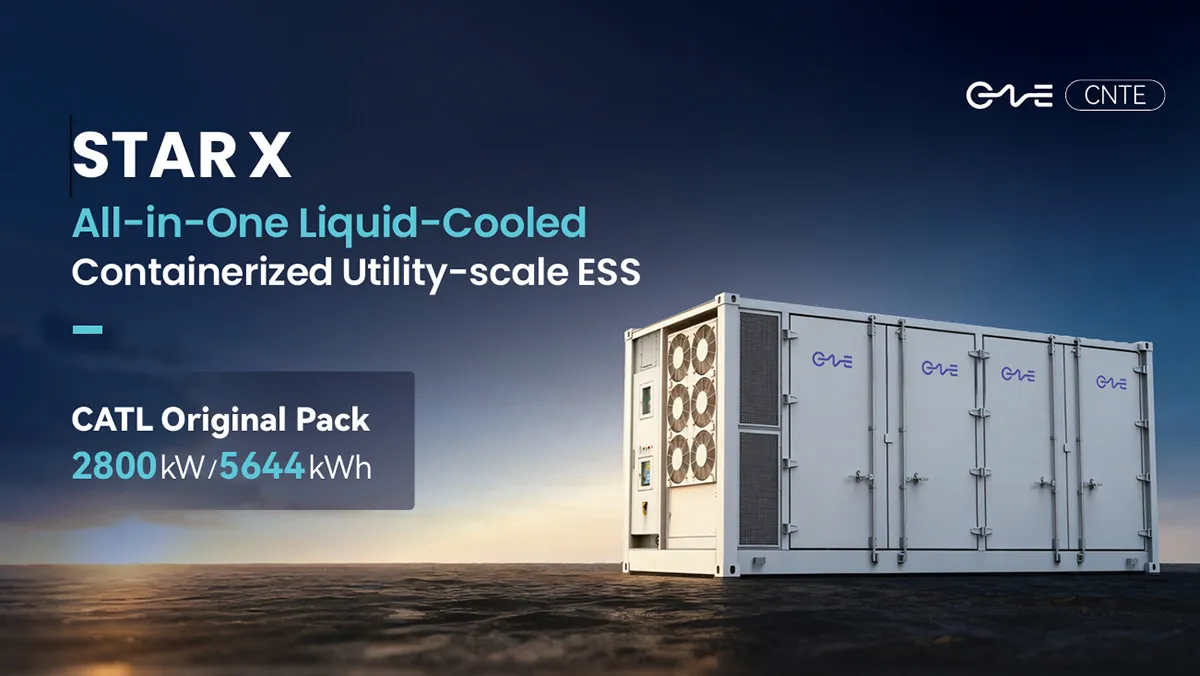
CNTE ra mắt Hệ thống Lưu trữ Năng lượng Tích hợp DC/AC làm mát bằng chất lỏng STAR X tại Intersolar Europe 2026
Jul 06, 2026 -
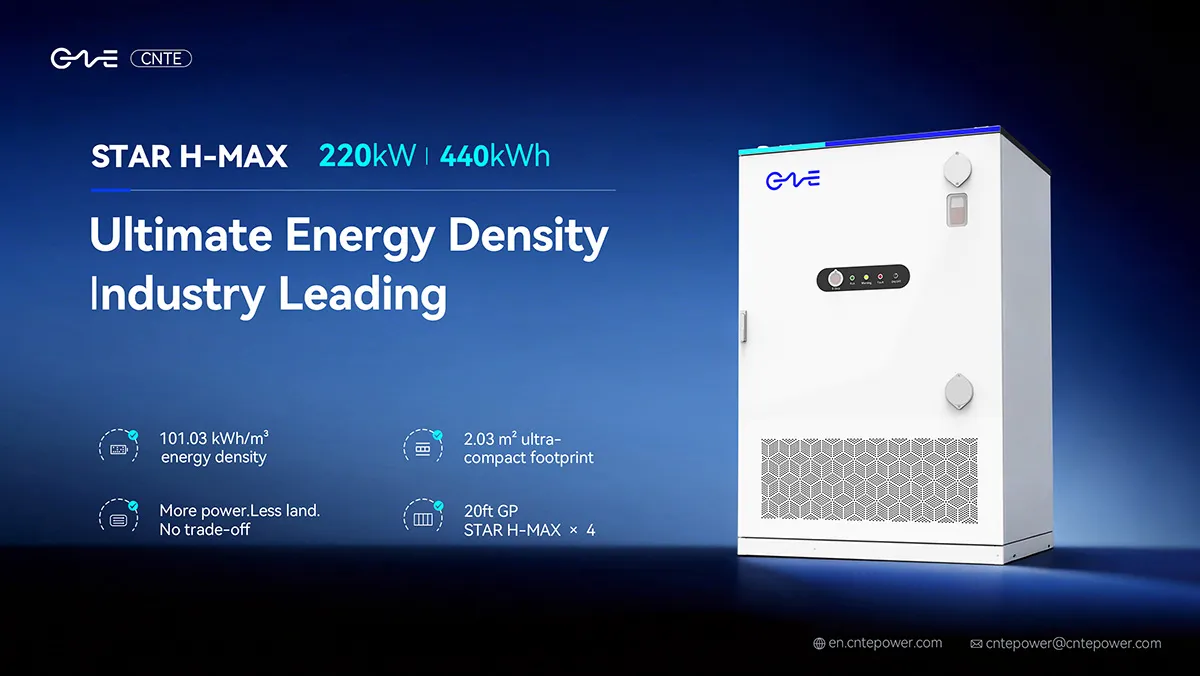
CNTE ra mắt STAR H-MAX C&I ESS làm mát bằng chất lỏng mới tại Intersolar Europe 2026
Jun 23, 2026 -
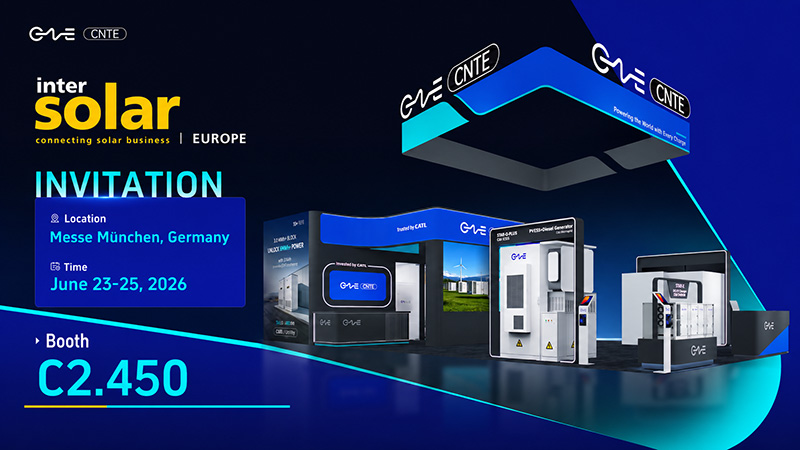
CNTE tham gia Intersolar Europe 2026
May 20, 2026 -
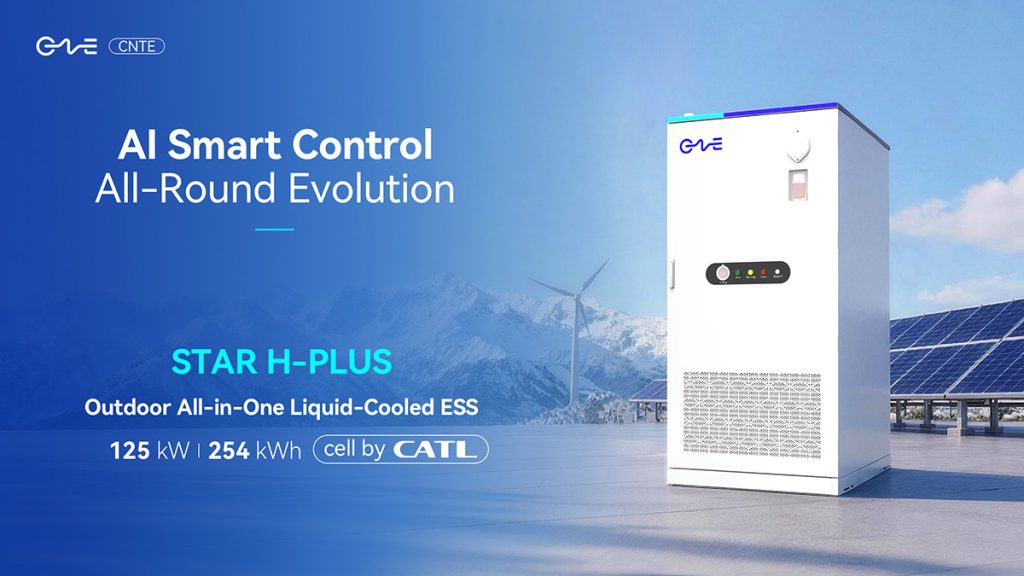
CNTE tại KEY ENERGY 2026: Trưng bày Hệ thống Lưu trữ Năng lượng Làm mát Bằng Chất lỏng Ngoài Trời STAR H-PLUS
Mar 05, 2026 -

CNTE được vinh danh là Thương hiệu Toàn cầu Hàng đầu Forbes Trung Quốc 2025
Jul 06, 2026 -
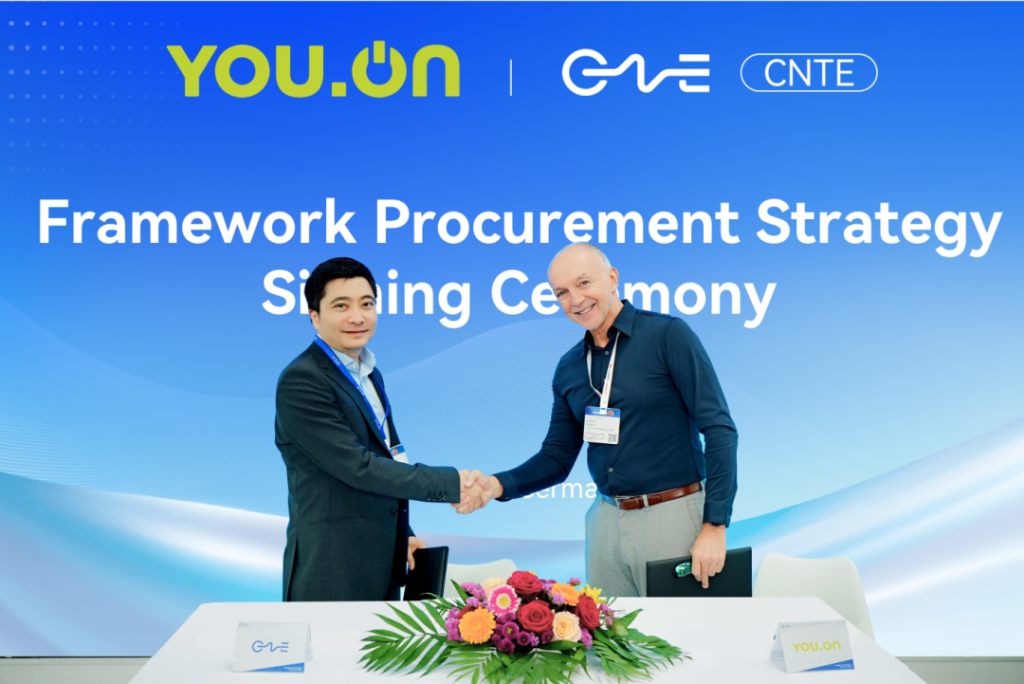
CNTE & YOU.ON Hợp Tác Mở Rộng Thị Trường Lưu Trữ
May 19, 2025 -

CNTE Ra Mắt Dòng Sản Phẩm Lưu Trữ Năng Lượng Tại Solartech 2025
May 19, 2025 -
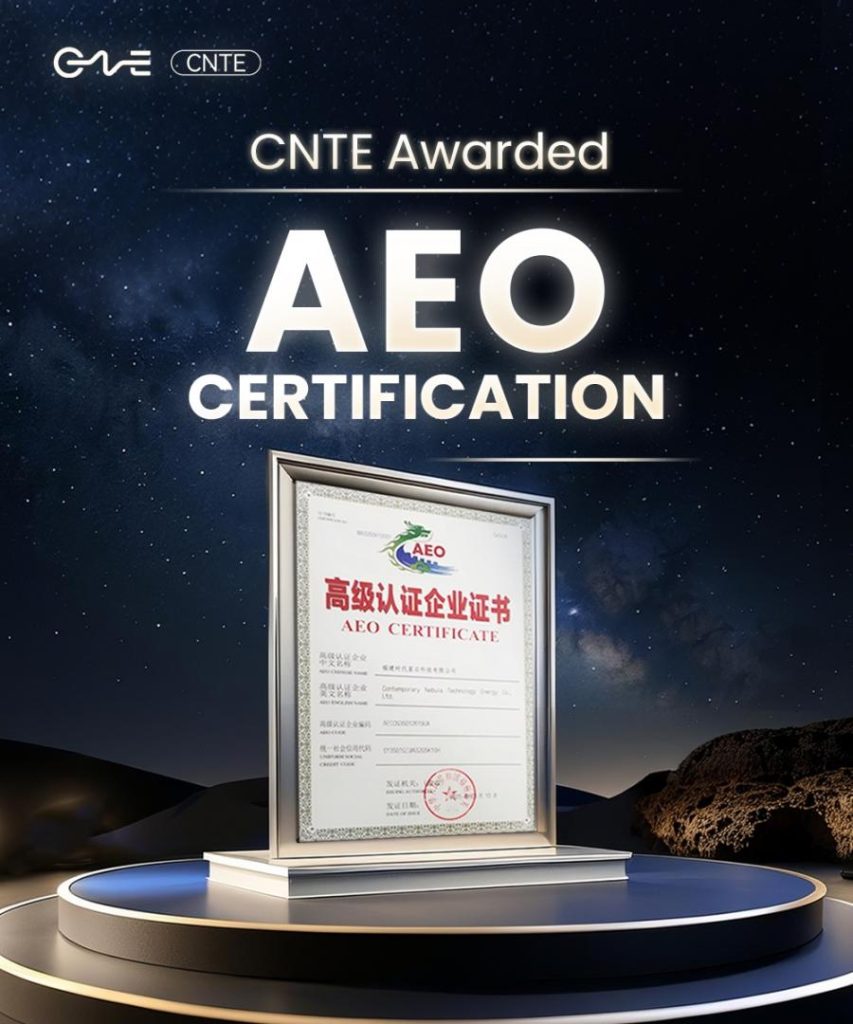
CNTE được trao chứng nhận AEO
Jul 06, 2026 -
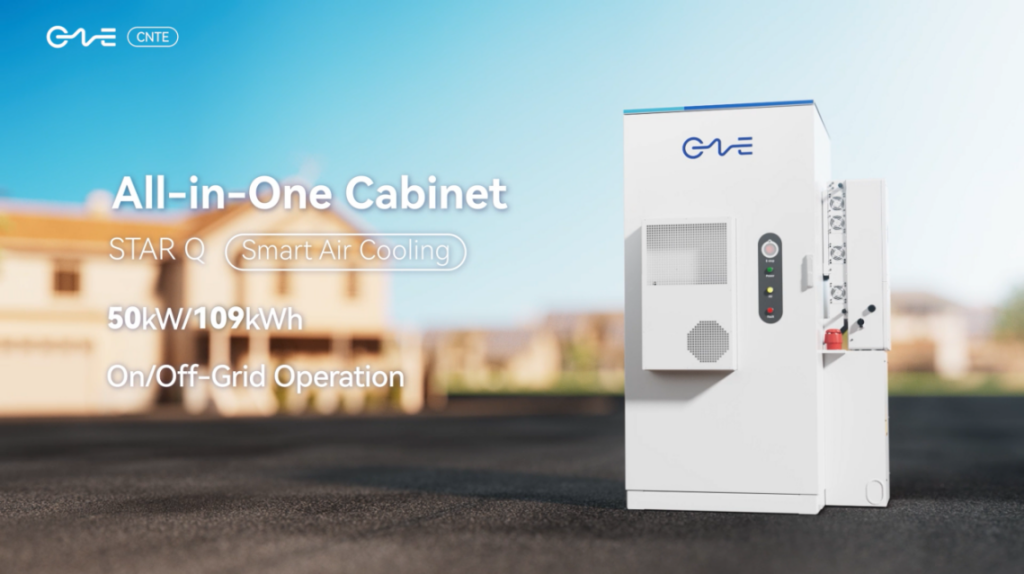
Ra mắt sản phẩm mới CNTE STAR Q
Jan 15, 2025 -
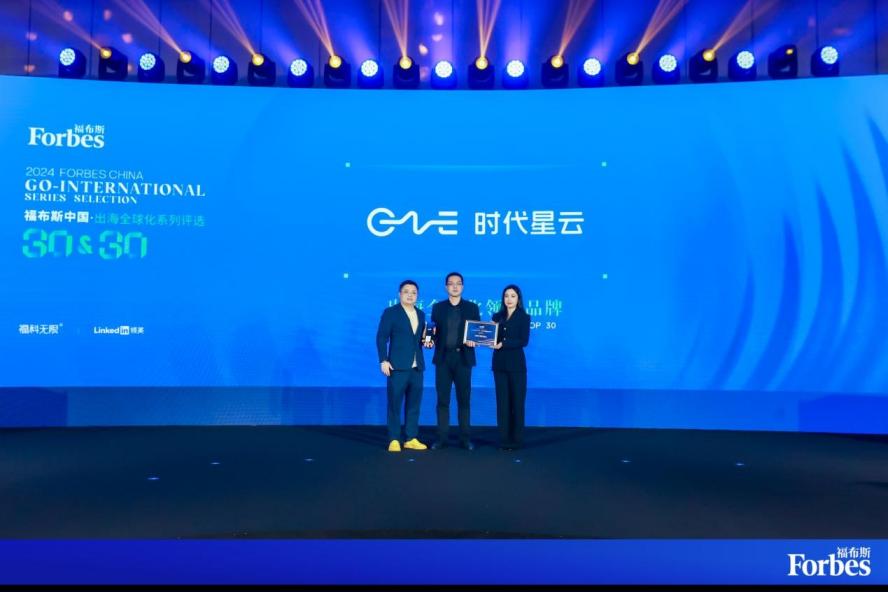
CNTE được Forbes China vinh danh trong Top 30 Thương hiệu Vươn ra Quốc tế 2024
Jul 06, 2026
