
Tenaga Solar ke Penyimpanan Bateri: Seni Bina Teknikal & Penyelesaian BESS untuk Projek C&I
Apabila penembusan tenaga boleh diperbaharui semakin cepat di seluruh grid kuasa global, sifat tidak tetap penghasilan fotovoltaik telah beralih dari keingintahuan teknikal kepada liabiliti kewangan bagi pengendali komersial dan industri. Jambatan antara penghasilan solar dan kebolehpercayaan operasi 24/7 adalah arsitektur penyimpanan tenaga solar ke bateri yang kukuh dan diurus dengan bijak. Tanpa penyimpanan yang betul, sehingga 30% tenaga solar yang dihasilkan boleh dipotong atau dieksport pada tarif kemasukan yang tidak menguntungkan. Bagi perusahaan dengan beban kritikal, caj permintaan tinggi, atau keperluan mikrogrid, mengintegrasikan sistem penyimpanan tenaga bateri berputar tinggi (BESS) tidak lagi pilihan—ia adalah keputusan infrastruktur teras. CNTE (Contemporary Nebula Technology Energy Co., Ltd.) menyediakan penyelesaian penuh-scenario yang menangani kedalaman teknikal dan granulariti ekonomi yang diperlukan untuk projek C&I dan utiliti skala hari ini.
Panduan teknikal ini menganalisis komponen utama, metrik prestasi, dan pemacu ekonomi di sebalik sistem penyimpanan tenaga solar ke bateri moden. Kami akan mengkaji titik kesakitan kejuruteraan—dari risiko larian terma hingga pengalihan keadaan cas (SoC)—dan mempersembahkan penyelesaian yang terbukti disokong oleh penyebaran antarabangsa. Menjelang akhir, pengurus perolehan dan pemaju projek akan memahami bagaimana untuk menilai vendor BESS, saiz aset penyimpanan dengan betul, dan mencapai tempoh pulangan kurang daripada 3 tahun dalam persekitaran tarif yang sesuai.
Jadual kandungan cntepower 1 1. Seni Bina Teknikal Teras Sistem Solar-ke-Bateri 2 2. Pemacu Ekonomi dan Operasi untuk Penyimpanan Komersial & Industri 3 3. Titik Kesakitan Teknikal dan Penyelesaian Kejuruteraan 3.1 3.1 Larian Terma dan Ketidakseimbangan Sel 3.2 3.2 Penentuan Saiz Inverter dan Ketidakpadanan Nisbah PV 3.3 3.3 Kelewatan EMS dan Pengalihan SoC 4 4. Penyelesaian Penyimpanan Senario Penuh: Dari Lantai Kilang ke Skala Utiliti 5 5. Metrik Prestasi dan Jaminan Kontrak untuk Pembiayaan Projek 6 6. Integrasi dengan Infrastruktur Sedia Ada: Penambahbaikan vs. Pembinaan Baru 7 7. Persediaan Masa Depan: Pengoptimuman Ramalan Berpandukan AI dan Kesiapan VPP 8 8. Soalan Lazim (FAQ) 8.1 Q1: Apakah tempoh pulangan pelaburan yang biasa untuk sistem penyimpanan tenaga solar ke bateri bagi kilang bersaiz sederhana? 8.2 Q2: Bagaimana saya menentukan saiz kapasiti bateri berbanding dengan susunan solar saya? 8.3 Q3: Adakah terdapat pensijilan keselamatan yang perlu saya tetapkan dalam kontrak perolehan? 8.4 Q4: Bolehkah saya menambah penyimpanan bateri ke sistem solar sedia ada tanpa menggantikan inverter saya? 8.5 Q5: Bagaimana CNTE mengendalikan kitar semula bateri yang sudah tamat tempoh? 9 9. Langkah Seterusnya: Dari Penilaian Teknikal ke Pengoperasian
1. Seni Teknik Teras Sistem Solar-ke-Bateri
Menukarkan kuasa DC solar kepada tenaga simpanan yang boleh digunakan memerlukan pengaturan yang tepat bagi empat subsistem utama: array PV, pengawal pengecasan titik kuasa maksimum (MPPT) atau inverter hibrid, bank bateri (biasanya kimia LFP), dan sistem pengurusan tenaga (EMS). Dua topologi penggabungan mendominasi pasaran:
Penggabungan DC: Pengawal pengecasan solar secara langsung mengecas bank bateri melalui bas DC biasa; hanya satu inverter diperlukan untuk output AC. Kecekapan pusingan yang lebih tinggi (94-96%) tetapi memerlukan keserasian bateri voltan tinggi yang spesifik.
Penggabungan AC: Inverter PV dan inverter bateri beroperasi di sisi AC; lebih mudah untuk retrofit tetapi langkah penukaran tambahan mengurangkan kecekapan kepada 88-91%.
Untuk pemasangan C&I baru, penggabungan DC dengan inverter penyimpanan PV hibrid menyediakan kos penyimpanan yang paling rendah (LCOS). Parameter utama untuk dinilai termasuk kedalaman pelepasan (DoD) (≥90% untuk LFP), kecekapan pusingan (RTE), dan hayat kitaran bateri pada 25°C (≥6000 kitaran pada kadar 1C). Sistem penyimpanan cecair generasi ketiga CNTE mencapai RTE sebanyak 95.2% pada 0.5C, disahkan oleh TÜV SÜD.
2. Pendorong Ekonomi dan Operasi untuk Penyimpanan Komersial & Industri
Fasiliti industri menghadapi tiga komponen kos elektrik utama: caj tenaga (kWh), caj permintaan (kW puncak), dan kadar masa penggunaan (ToU). Aset tenaga solar kepada penyimpanan bateri yang saiznya betul menyerang ketiga-tiga:
Pemotongan puncak: Bateri mengeluarkan tenaga semasa selang permintaan 15‑30 minit, mengurangkan caj permintaan bulanan sebanyak 25-40%.
Arbitraj tenaga: Simpan penghasilan solar pada harga rendah tengah hari (atau solar percuma) dan keluarkan semasa waktu puncak malam di mana penyebaran ToU melebihi $0.15/kWh.
Kuasa sandaran: Keupayaan pulau semasa gangguan grid – kritikal untuk pembuatan, pusat data, dan penyimpanan sejuk.
Projek terkini untuk kilang alat ganti automotif di Asia Tenggara mengintegrasikan array solar 2.5 MWp dengan BESS lithium iron phosphate (LFP) 3.2 MWh. Selama 12 bulan, sistem ini mengurangkan import grid sebanyak 68%, memotong permintaan puncak sebanyak 37%, dan memberikan IRR sebanyak 21.3%. Kuncinya adalah EMS pintar yang mengutamakan penggunaan solar sendiri sambil menyimpan 15% SoC untuk sandaran kecemasan.
3. Titik Kesakitan Teknikal dan Penyelesaian Kejuruteraan
Walaupun harga bateri menurun, beberapa cabaran kejuruteraan masih mengganggu sistem yang direka dengan buruk. Berikut adalah isu lapangan yang paling kerap dengan langkah-langkah pembetulan yang terbukti:
3.1 Larian Terma dan Ketidakseimbangan Sel
Sel LFP secara intrinsik lebih selamat daripada NMC, tetapi pengurusan terma yang tidak betul mempercepatkan pengurangan kapasiti. Penyelesaian: plat penyejukan cecair (mengekalkan delta T sel < 3°C) dan litar pengimbangan pasif dengan pengimbangan aktif untuk rentetan besar. BESS 1500V CNTE menggabungkan perlindungan berlapis termasuk penebat aerogel dan lubang pengesanan gas.
3.2 Saiz Inverter dan Ketidakpadanan Nisbah PV
Satu kesilapan biasa adalah saiz inverter bateri yang terlalu besar berbanding kapasiti PV. Nisbah DC:AC yang optimum untuk sistem solar-ke-bateri biasanya berkisar antara 1.2 hingga 1.4. Melebihi ini memaksa pemotongan atau mengurangkan jangka hayat penukar. Sentiasa jalankan simulasi setiap jam menggunakan alat seperti PVsyst atau Homer Pro.
3.3 Kelewatan EMS dan Drift SoC
Respons EMS yang perlahan (>500 ms) gagal menangkap peristiwa peningkatan cepat. Gunakan EMS berasaskan PLC industri dengan masa imbasan<100 2="" ms="" dan="" mengintegrasikan="" pengiraan="" coulomb="" dengan="" kalibrasi="" voltan="" berkala="" untuk="" mengekalkan="" ralat="" soc="" di bawah="">
Untuk pemilik projek yang mencari teknologi yang boleh dipercayai, CNTE menyediakan sokongan pengkomisionan dari hujung ke hujung, termasuk pengimejan termal di lokasi, ujian koordinasi inverter, dan kemas kini firmware jarak jauh yang memenuhi piawaian keselamatan siber IEC 62443.
4. Penyelesaian Penyimpanan Senario Penuh: Dari Lantai Kilang ke Skala Utiliti
Tiada kabinet bateri tunggal yang sesuai untuk setiap kes penggunaan. CNTE mengkategorikan aplikasi kepada tiga arketip operasi:
Jenis A – Melalui harian tinggi (2+ kitaran/hari): Kedai runcit, hab pengecasan cepat EV. Memerlukan sel LFP berkuasa tinggi dengan >8000 kitaran @ 1C. Disyorkan: Siri CNTE C&I PowerBank (100kW/215kWh setiap kabinet, boleh ditingkatkan hingga 2MWh).
Jenis B – Tempoh panjang (4-8 jam pelepasan): Mikrogrid pulau, lombong luar grid. Memerlukan sel dengan kadar C yang lebih rendah dengan penyejukan pasif. ESS terkontena CNTE menawarkan 5 MWh setiap unit 20-kaki dengan jaminan prestasi 10 tahun.
Jenis C – Perkhidmatan tambahan grid (regulasi frekuensi): Memerlukan respons sub-saat. Penyelesaian grid-tied CNTE termasuk PCS dengan emulasi inersia maya dan mematuhi IEEE 1547-2018.
Untuk setiap senario, algoritma pengurusan tenaga menyesuaikan diri secara masa nyata – mengoptimumkan untuk pengurangan caj permintaan, had pengisian, atau respons frekuensi utama. Semua penyelesaian berintegrasi dengan SCADA yang sedia ada dan boleh dipantau dari jauh melalui portal awan CNTE.
5. Metrik Prestasi dan Jaminan Kontrak untuk Pembiayaan Projek
Institusi kewangan dan kontraktor EPC memerlukan petunjuk prestasi yang boleh disahkan. Sebarang cadangan tenaga solar kepada penyimpanan bateri yang boleh dipercayai mesti menyatakan:
Jaminan throughput tenaga (MWh dihantar selama 10 tahun)
Lengkung pengekalan kapasiti (≥70% pada tahun ke-10)
Kecekapan perjalanan bulat pada kuasa nominal dan pada 30% beban
Ketersediaan ≥98% (tidak termasuk penyelenggaraan yang dijadualkan)
CNTE menyediakan ujian prestasi yang disaksikan oleh pihak ketiga yang bebas dan menawarkan ganti rugi untuk prestasi yang kurang. Perjanjian perkhidmatan 10 tahun yang tipikal termasuk diagnostik jarak jauh, pengesahan kapasiti di lokasi setiap tahun, dan pengimbangan sel secara proaktif.
6. Integrasi dengan Infrastruktur Sedia Ada: Penambahbaikan vs. Pembinaan Baru
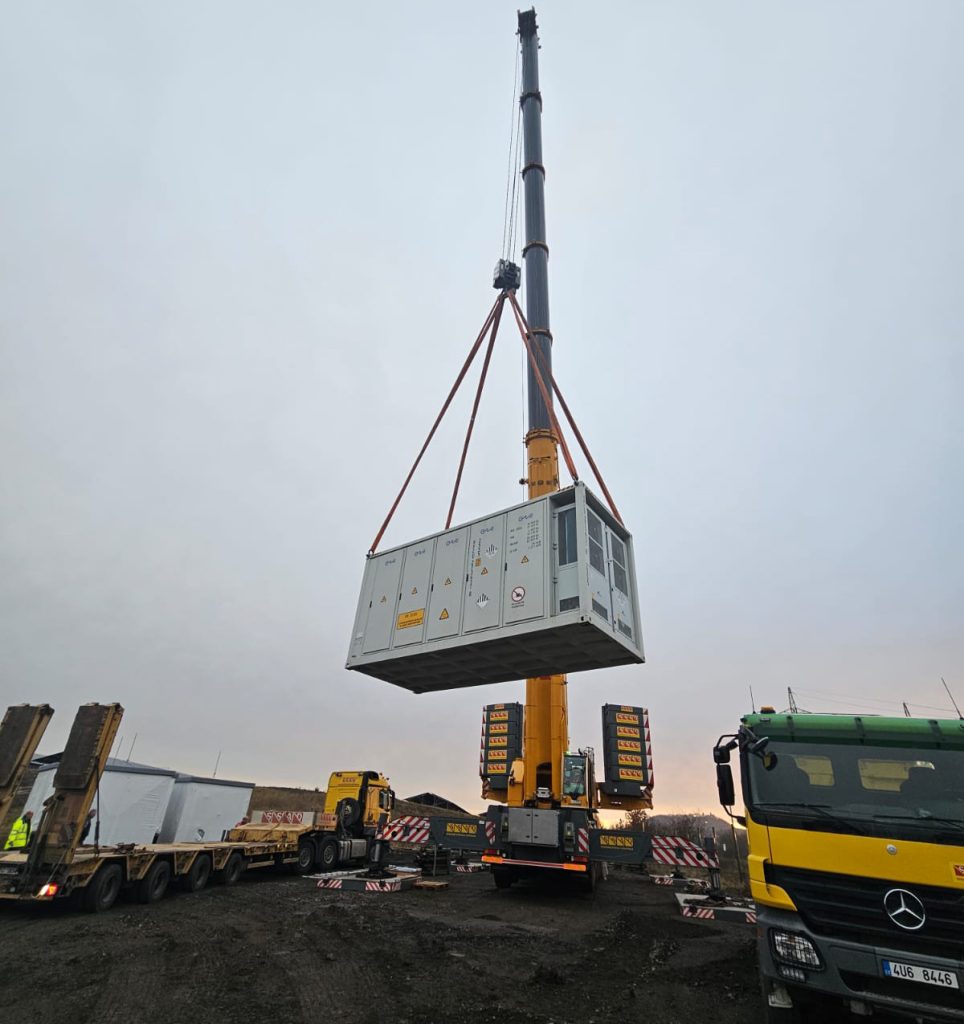
Untuk ladang solar sedia ada (tanpa penyimpanan), penggabungan AC adalah laluan penambahbaikan yang paling praktikal. Walau bagaimanapun, ia memerlukan kapasiti transformer tambahan dan analisis harmonik yang teliti. Pembinaan baru mendapat manfaat daripada penggabungan DC dan inverter hibrid multiport tunggal. Berikut adalah matriks keputusan:
Pilih penggabungan DC jika: Pemasangan baru, sasaran penggunaan solar sendiri yang tinggi, voltan bateri >600V, ruang terhad untuk panel AC tambahan.
Pilih penggabungan AC jika: Sistem PV sedia ada, tidak memerlukan beberapa kitaran pengecasan/penyaluran setiap hari, peraturan tempatan yang lebih mudah.
Pasukan kejuruteraan CNTE menyediakan kajian topologi khusus tapak, termasuk penyelarasan perlindungan dan simulasi arka, secara percuma untuk projek di atas 500 kWh.
7. Persediaan Masa Depan: Pengoptimuman Ramalan Berpandukan AI dan Kesediaan VPP
Perbatasan seterusnya untuk tenaga solar untuk penyimpanan bateri adalah pengagregatan loji kuasa maya (VPP). Menjelang 2027, dianggarkan bahawa 35% daripada C&I BESS akan menyertai respons permintaan atau pasaran frekuensi. EMS dengan pembelajaran mesin terintegrasi boleh meramalkan penghasilan PV, profil beban, dan harga tenaga masa nyata 24 jam lebih awal, kemudian secara automatik membida tenaga yang disimpan ke dalam pasaran perkhidmatan tambahan. EMS terbaru CNTE termasuk lapisan API yang mematuhi OpenADR 3.0, membolehkan pendaftaran VPP yang lancar tanpa perubahan perkakasan.
8. Soalan Lazim (FAQ)
Q1: Apakah tempoh pulangan pelaburan yang biasa untuk sistem tenaga solar ke penyimpanan bateri untuk kilang bersaiz sederhana?
A1: Untuk kemudahan dengan caj permintaan >$15/kW dan penyebaran ToU >$0.12/kWh, tempoh pulangan pelaburan berkisar antara 3.2 hingga 5.5 tahun (selepas memohon ITC atau insentif tempatan). Ini mengandaikan operasi harian 2-kitaran dan kos bateri LFP sebanyak $135–$170/kWh. Kalkulator ROI CNTE boleh menghasilkan unjuran khusus tapak dalam masa 24 jam.
Q2: Bagaimana saya menentukan saiz kapasiti bateri berbanding dengan susunan solar saya?
A2: Nisbah penyimpanan ke-PV yang optimum berbeza dengan profil beban dan had eksport grid. Untuk penggunaan sendiri maksimum, mulakan dengan nisbah 1:1 (contohnya, 1 MWh penyimpanan bagi setiap 1 MWp solar). Gunakan simulasi setiap jam untuk menyesuaikan: puncak jangka pendek lebih memihak kepada lebih banyak kuasa (kW), manakala beban malam memerlukan lebih banyak tenaga (kWh). CNTE menyediakan pemodelan pra-kelayakan secara percuma menggunakan data irradiance sebenar.
Q3: Adakah terdapat pensijilan keselamatan yang perlu saya tetapkan dalam kontrak perolehan?
A3: Ya. Memerlukan UL 9540 (tahap sistem), UL 1973 (sel bateri), dan UL 9540A (ujian penyebaran larian terma). Untuk projek antarabangsa, IEC 62619 dan IEC 63056 adalah wajib. Produk CNTE memegang semua pensijilan ini serta CE dan UN38.3 untuk pengangkutan.
Q4: Bolehkah saya menambah penyimpanan bateri kepada sistem solar yang sedia ada tanpa menggantikan inverter saya?
A4: Ya – melalui penggabungan AC. Anda memasang inverter bateri di sisi AC inverter PV sedia ada anda. Walau bagaimanapun, pastikan perjanjian penyambungan grid anda membenarkan aliran kuasa dua hala dan bahawa panel utama anda mempunyai kapasiti pemutus yang mencukupi. Untuk sistem di atas 100 kW, peningkatan transformer mungkin diperlukan. CNTE menyediakan kit retrofit yang digabungkan dengan AC dengan perlindungan anti-islanding.
Q5: Bagaimana CNTE mengendalikan kitar semula bateri akhir hayat?
A5: CNTE mengendalikan program pengambilan semula yang mematuhi Peraturan Bateri EU (2023/1542). Sel LFP dibongkar, dan 92% bahan (litium, tembaga, aluminium, grafit) dipulihkan untuk pengeluaran bateri baru. Pelanggan menerima sijil kitar semula dan kredit pembelian semula untuk pembelian akan datang.
9. Langkah Seterusnya: Dari Penilaian Teknikal ke Pentauliahan
Peralihan dari kebolehlaksanaan kepada operasi memerlukan rakan kongsi dengan penyampaian yang terbukti merentasi iklim dan kod grid. CNTE telah melaksanakan lebih daripada 1.8 GWh projek tenaga solar kepada penyimpanan bateri di 34 negara, termasuk lokasi Timur Tengah yang berkeadaan suhu tinggi dan mikrogrid Nordic yang berkeadaan suhu rendah. Pembuatan sel LFP, PCS, dan EMS di dalam rumah kami memastikan ketelusan rantaian bekalan dan tanggungjawab jaminan penuh.
Setiap projek bermula dengan analisis teknikal-ekonomi khusus tapak, diikuti dengan cadangan turnkey harga tetap termasuk kerja awam, penyambungan grid, dan O&M perkhidmatan penuh selama 10 tahun. Kami juga menawarkan kontrak berasaskan prestasi (penjimatan bersama) untuk pelanggan komersial yang layak.
Untuk meminta cadangan terperinci atau demo desktop jauh bagi platform EMS kami, sila hantar pertanyaan anda di bawah. Pasukan kejuruteraan kami akan memberi maklum balas dalam masa 8 jam perniagaan.
➡️ Hantar pertanyaan projek BESS anda kepada CNTE – sertakan profil beban, kapasiti solar, dan jadual tarif untuk model ROI khusus.
© 2026 Contemporary Nebula Technology Energy Co., Ltd. Semua hak terpelihara. Spesifikasi tertakluk kepada pengesahan kejuruteraan khusus projek.
Hubungi Kami
Pos Terkini
-
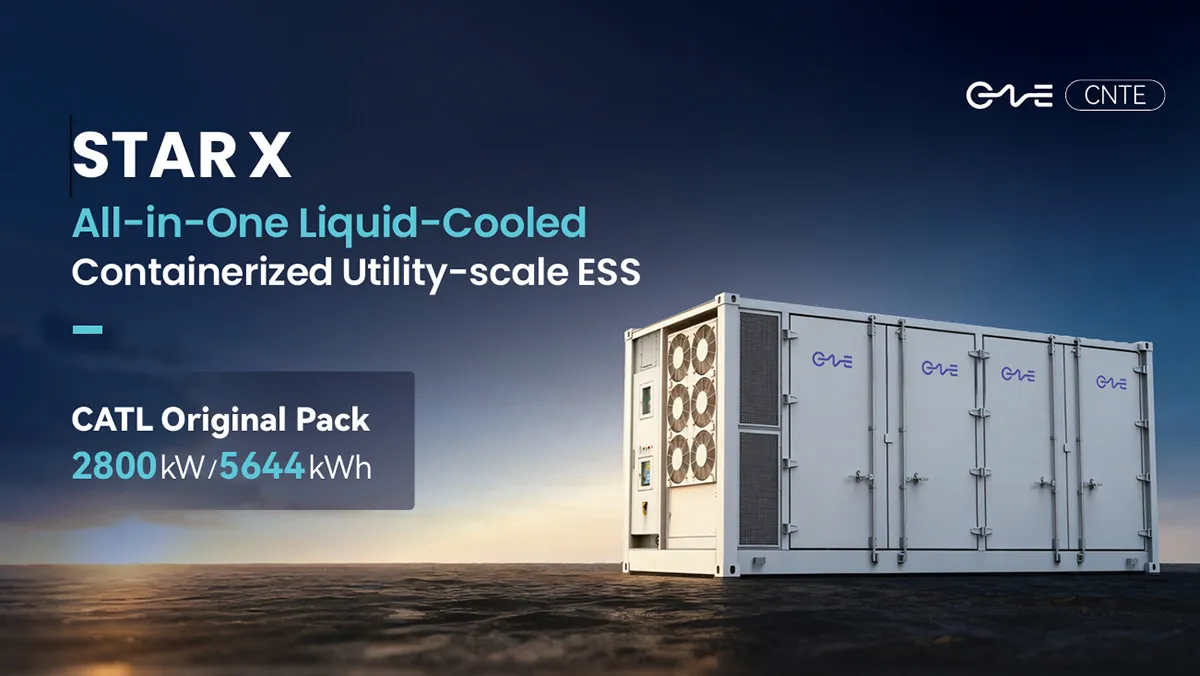
CNTE Melancarkan Sistem Penyimpanan Tenaga Bersepadu DC/AC STAR X Berpenyejukan Cecair di Intersolar Europe 2026
Jul 06, 2026 -
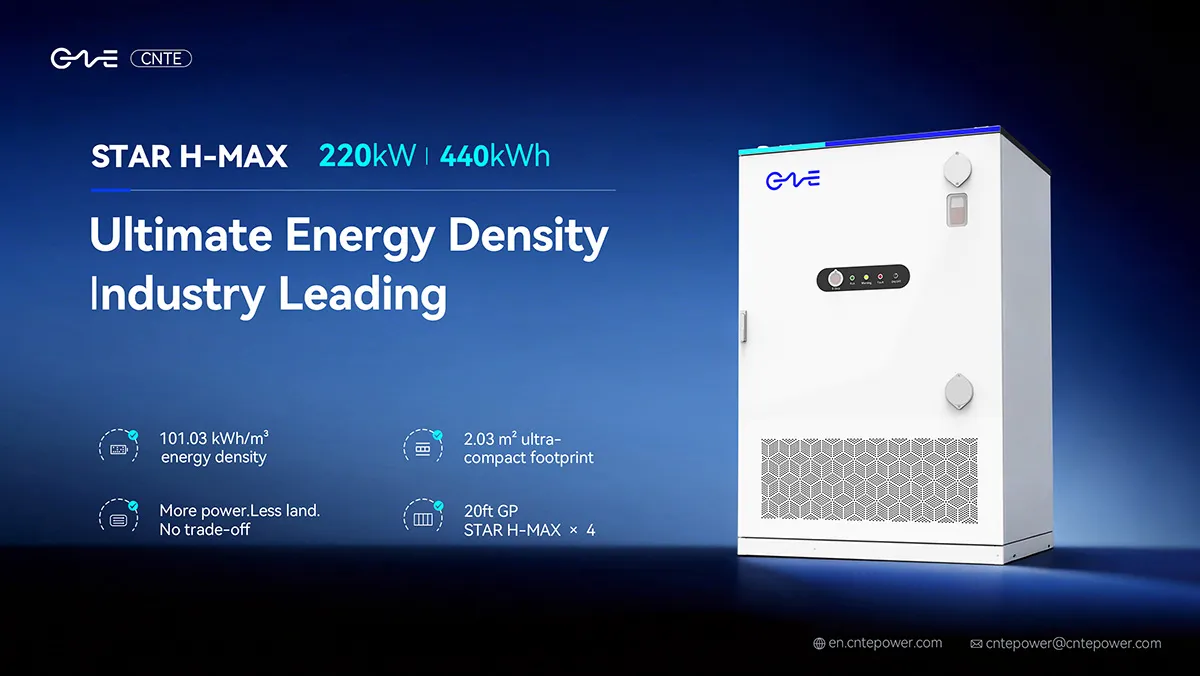
CNTE Memperkenalkan STAR H-MAX C&I ESS Penyejuk Cecair Baharu di Intersolar Europe 2026
Jun 23, 2026 -
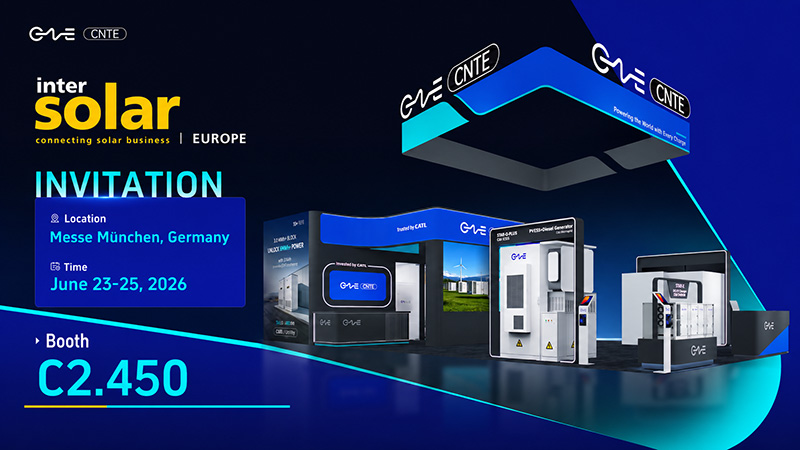
CNTE untuk Menyertai Intersolar Europe 2026
May 20, 2026 -
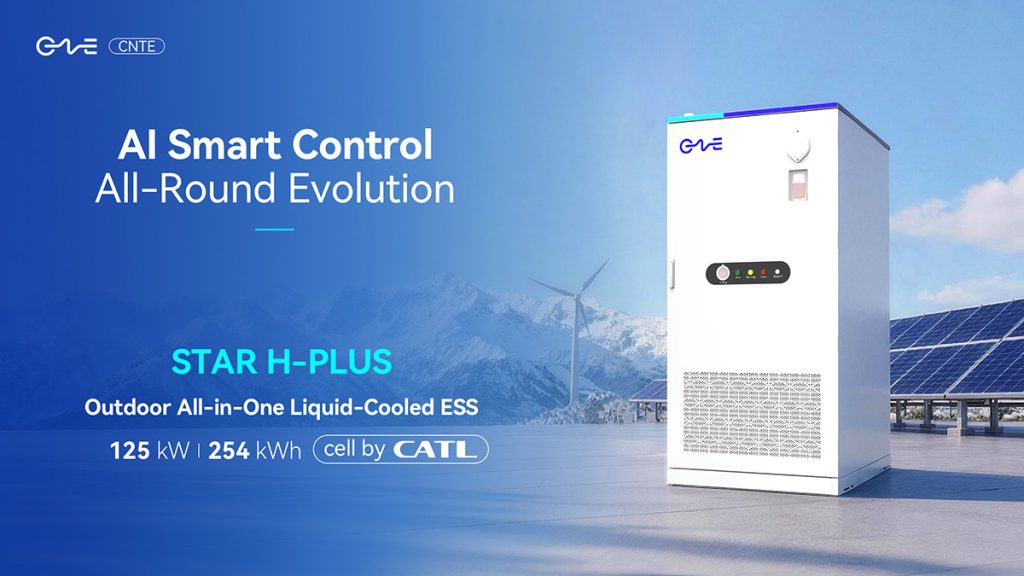
CNTE di KEY ENERGY 2026: Mempersembahkan Sistem Penyimpanan Tenaga STAR H-PLUS Luar yang Disejukkan Cecair
Mar 05, 2026 -

CNTE Dihormati sebagai Jenama Global Terkemuka Forbes China 2025
Jul 06, 2026 -
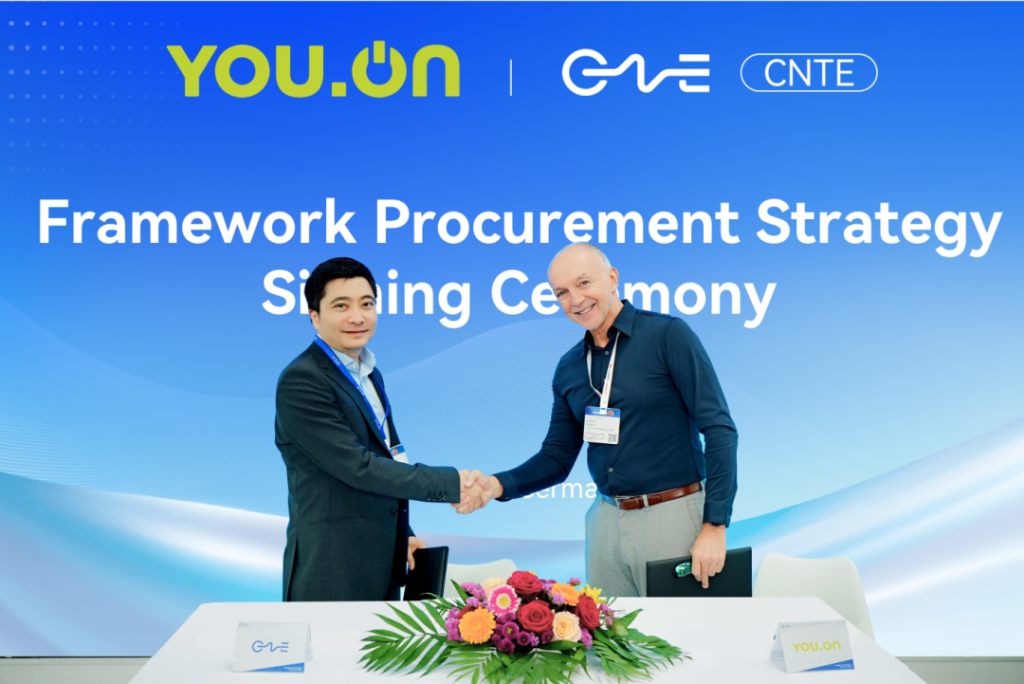
CNTE & YOU.ON Bekerjasama untuk Memperluas Pasaran Penyimpanan
May 19, 2025 -
CNTE Memperkenalkan Barisan Penyimpanan Tenaga di Solartech 2025
May 19, 2025 -
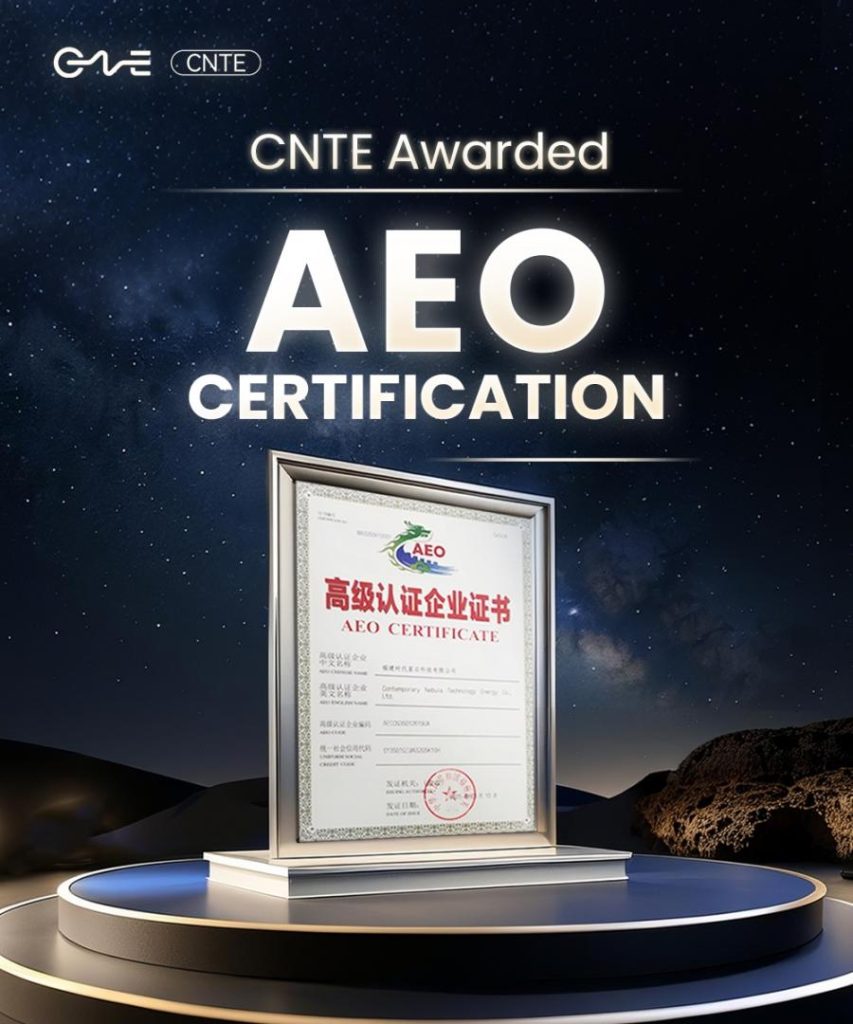
CNTE dianugerahkan pensijilan AEO
Jul 06, 2026 -
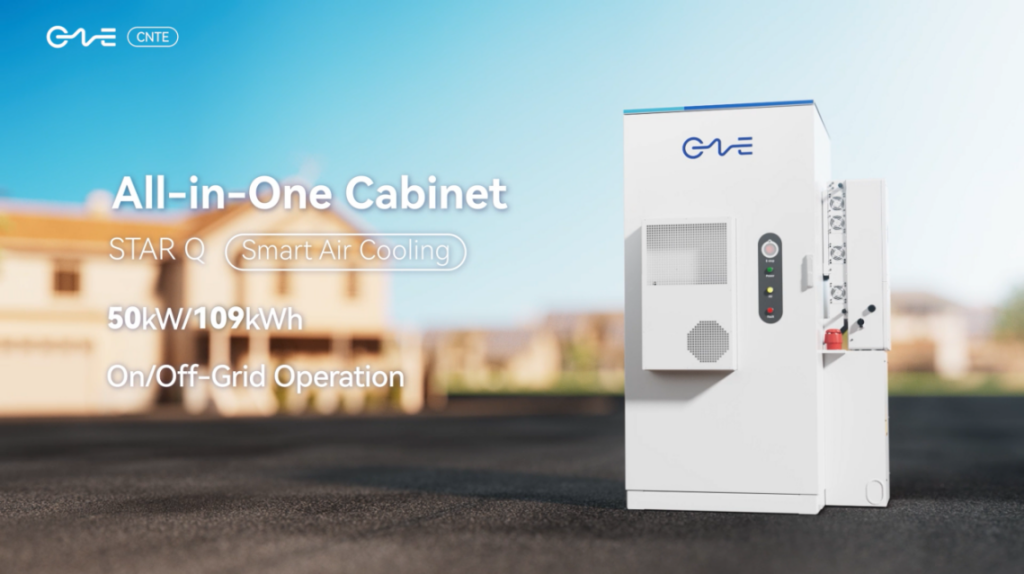
Pelancaran Produk Baru CNTE STAR Q
Jan 15, 2025 -
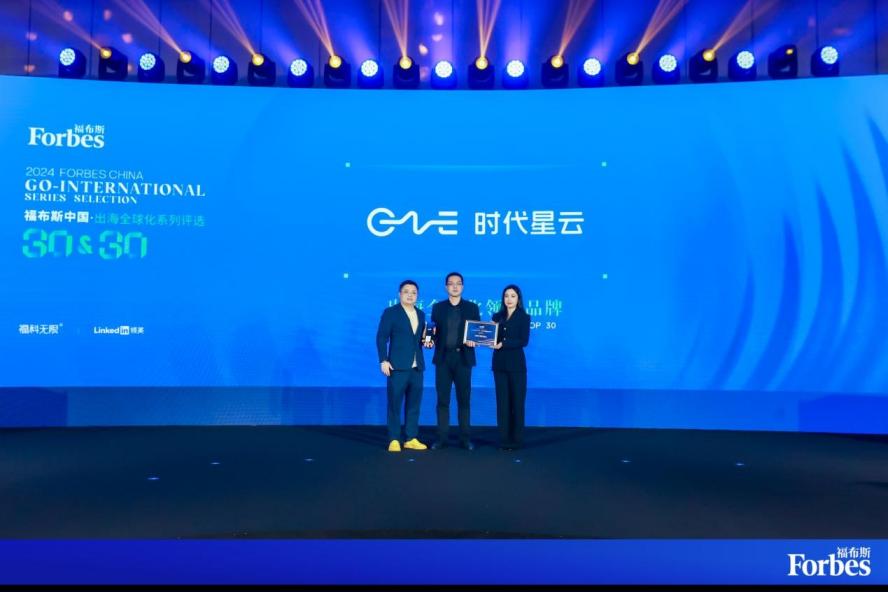
CNTE Dinamakan dalam Forbes China 2024 Jenama Terbaik 30 Pergi-Internasional
Jul 06, 2026
